
Nutrition, Growing Media and Water
List of articles
Introducing La Poción del Brujo fertilisers
Fertilisers La Poción del Brujo are well known among growers for their original formulas and offer a range of unique nutritional supplements and additives that you will not find from any other fertiliser manufacturer. We have selected the best products from the La Poción del Brujo range for rooting, the growth and flowering stages, ripening and drying.
Behind the La Poción del Brujo brand is the Spanish manufacturer Cannaboom S.L., with almost twenty years of experience in the development, research and distribution of fertilisers. In recent years, Cannaboom S.L. has undergone a rebranding, and their La Poción del Brujo range attracts attention not only for its quality, but also for its attractive design.
La Poción del Brujo: Rooting and the growth stage
Raimil Fullcrem – universal root stimulator
The basis of success in indoor growing under artificial lighting is plants with a rich and branched root system. Only then can they quickly use all the nutrients from fertilisers and fully benefit from the controlled climate of the indoor grow room and the energy from artificial lighting.
Raimil Fullcrem is a concentrated root stimulator in the form of a laminar suspension. It is suitable for use in soil, horticultural substrates, coco and hydroponics. Use Raimil Fullcrem from seed germination or rooting of cuttings until the fifth week of flowering.
Clonadon – effective rooting gel
When cloning plants from cuttings, cleanliness and speed are especially important. As soon as you cut a branch and expose the plant tissues, air bubbles begin to form at the cut site, preventing proper root development. Rooting products for cuttings help prevent oxidation and greatly increase success when cloning.
Clonadon is a completely natural rooting product for cuttings containing plant extracts combined with trace elements, vitamins and amino acids. Thanks to its gel consistency, Clonadon adheres easily to the cut site, and it also contains substances that protect against root diseases. When taking cuttings, dip approximately two centimetres of the stem into the gel and plant the cutting into rockwool or a jiffy as quickly as possible.
Rizoclon – natural growth activator for seeds and cuttings
Rizoclon is a root growth activator for cuttings or seeds with a completely natural composition and without growth hormones. It contains bacteria, microorganisms and amino acids that quickly colonise plants and activate the growth of new roots. For use, soak rockwool cubes or jiffies in water, into which you mix 0.2 ml of Rizoclon per 1 litre of water.
Brujo Vit
For healthy development, plants need not only nutrients in the form of minerals, but, just like people, they also benefit from vitamins and amino acids. Nutritional supplements containing these substances support healthy plant development and at the same time increase nutrient uptake by the roots, which further strengthens the effect of fertilisers.
Brujo Vit is a complex of concentrated vitamins and L-amino acids suitable as a nutritional supplement in all growth stages, from rooting to ripening. The product does not increase the EC of the nutrient solution because it contains no salts. Apply Brujo Vit from the tenth day after seed germination or rooting of cuttings, and it can be combined with all types of fertilisers.
Boom Rapid Fullcrem – balanced nutritional supplement to support growth
A number of fast-growing plant species have higher nutrient requirements during the vegetative stage. This is doubly true in indoor growing under artificial lighting, where plants quickly gain biomass. Growth stimulators and nutritional supplements intended for the growth stage help prevent nutritional deficiencies during the growth phase of the vegetative cycle.
Boom Rapid Fullcrem is a concentrated growth stimulator for the growth stage containing a balanced amount of nitrogen, potassium and phosphorus in chelated form. The product has a unique formula, thanks to which it can contain more organic substances than other growth stimulators. For use in soil, soil-based substrates, coco and hydroponics from the second to the third week of the growth stage.
La Poción del Brujo: Flowering stage
Biotonex F1 – flowering stimulator for the growth and flowering stages
Proper nutrition in plants affects not only their size and growth rate, but also their appearance. Plants suffering from nutrient deficiencies are often leggy and have longer internodal distances, which results in fewer side branches, buds and flowers. Flowering stimulators contain substances that trigger flowering in plants and nutrients essential for their proper development.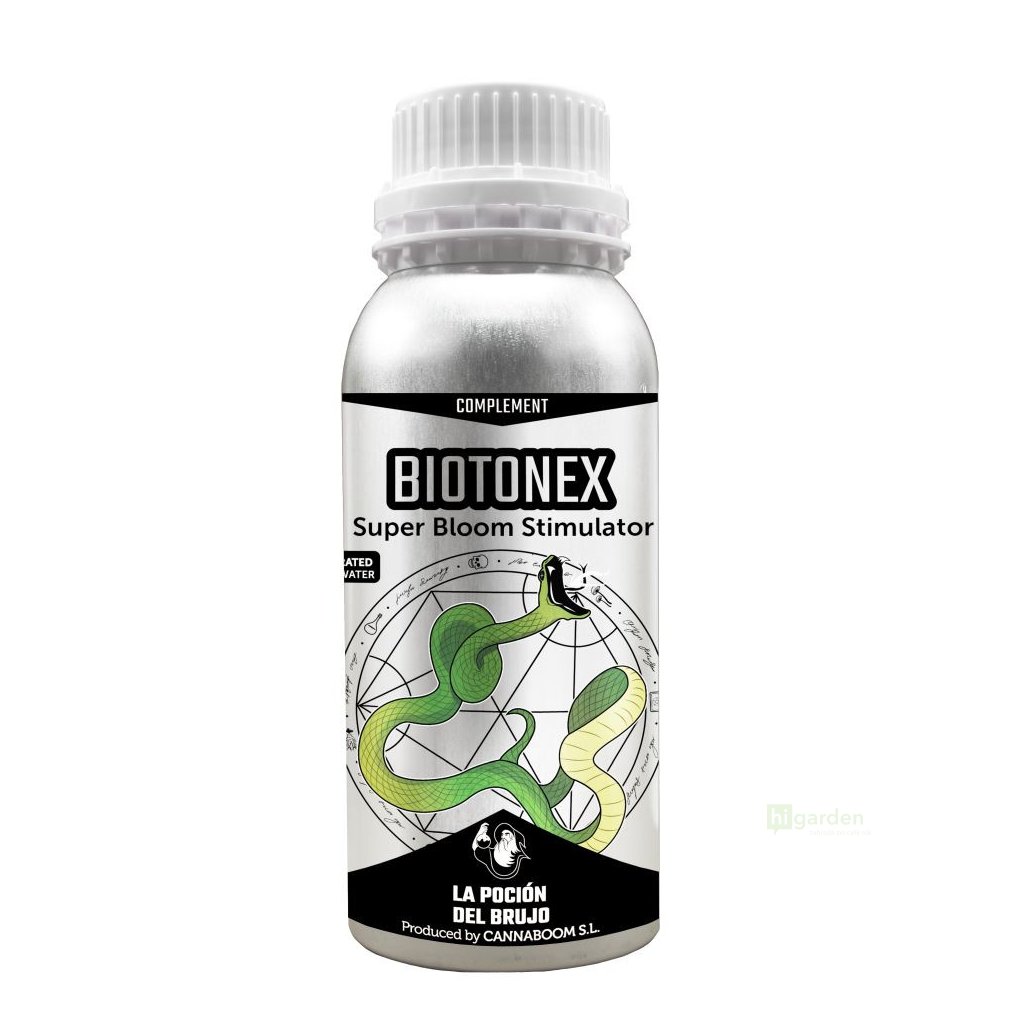
Biotonex F1 is a highly concentrated flowering stimulator whose main effect is to shorten internodal distances and limit plant stretching after switching to flowering. Biotonex F1 also makes it easier for plants to assimilate nutrients, both NPK and micronutrients. The product is for use from the third week of growth until the sixth week of flowering and is suitable for all types of substrates and hydroponics.
Florabloom Fullcrem
In the first weeks of flowering, plants consume large amounts of nutrients and especially phosphorus, which is an important element in genetic transfer and, when insufficient, disrupts the formation of buds and flowers. Flowering stimulators and nutritional supplements for the flowering stage help prevent phosphorus deficiency in the first weeks of the flowering phase.
Florabloom Fullcrem is a concentrated flowering stimulator in the form of a laminar suspension that contains a balanced amount of nitrogen and potassium and a high amount of readily available phosphorus. For use in all types of substrates and for hydroponic growing from the first to the fifth week of flowering.
Red Boom – highly effective PK booster
NPK macronutrients, especially phosphorus and potassium, are essential for plants during the flowering stage. Basic fertilisers usually contain enough NPK nutrients, but by increasing the supply of phosphorus and potassium it is possible to achieve a higher yield and improve the taste and aroma of flowers. PK boosters are a useful tool in such cases.
Red Boom is an effective PK booster which, in addition to phosphorus and potassium, contains nitrogen and natural activators that make nutrient assimilation easier and increase the potential of this product. For all types of substrates and in hydroponic nutrient solutions from the third to the sixth week of flowering.
La Poción del Brujo: Ripening and drying stage
Super Boom Compactor – support for ripening
Many growers add an extra dose of phosphorus and potassium to plants in the last days and weeks before harvest. This supports resin production, increases flower weight and enhances the aroma of plants. The disadvantage of strongly concentrated PK boosters, however, is the risk of over-salting the substrate or burning the plants with fertiliser.
Super Boom Compactor is a unique nutritional supplement intended for the final flowering stage with a high content of potassium and other nutrients, made from organic and natural materials and specially developed for growers of aromatic and medicinal plants. Super Boom Compactor can be used with any other type of fertiliser and is suitable for growing in soil and soil-based substrates, coco and for some hydroponic systems.
Roca Boost – ripening finisher
To achieve the highest possible yield and support the formation of flowers and active substances in plants, some growers increase the EC of the nutrient solution to the maximum possible level in the last weeks of flowering. For these purposes, it is possible to use either PK boosters or special ripening finishers.
Roca Boost is a concentrated ripening stimulator in granular form with a high content of potassium and silicon. It increases the production of sugars and essential oils and raises the harvest yield. For all types of substrates and hydroponics in the last three weeks of flowering.
Terpenum – support for terpene production
Plants produce natural aromatic substances called terpenes, which create their scent and serve as protection against pests and to attract pollinators. Terpenes are formed in trichomes, microscopic glands on the leaves and stems of plants that are responsible for resin production.
Terpenum is a unique additive that forces plants to produce a high amount of trichomes and increases the amount of resin on the flowers. For use in all types of substrates and in hydroponics. Add Terpenum to the watering for the last four weeks before harvest. If you double the dose in the last 15 days, you will achieve harvest roughly a week earlier.
More Grams – reducing losses during drying
Herbs, aromatic or medicinal plants are often dried after cultivation, and during this process more than 80% of the weight of the grown biomass can be lost. This is because plant tissues contain a high amount of water, which evaporates during drying. For commercial and home growers alike, this means lower yields and increased financial costs.
More Grams is an additive intended for the last two weeks before harvest, which works by increasing the amount of plant fibres, starch and proteins inside the flowers and turning part of the water back into plant mass. As a result, the buds are firmer and retain more weight even after drying. For use when growing in soil, coco and soil-based horticultural substrates and hydroponics in the last two weeks of flowering.
GUANOKALONG - bat guano is a rich source of nutrients for your plants
Every Sunday, our blog gives you the opportunity to get to know in detail the best manufacturers of products for indoor and outdoor gardening, whether these are fertilisers, substrates or grow boxes and their equipment, such as various ventilation equipment or, for example, grow lights. In recent weeks, truly big names have been featured on this occasion, including Shogun, Plagron, Bionova and Canna. But what about Guanokalong?

Quite a cumbersome name, isn’t it? However, if you are interested in growing plants in soil, organic growing and ecological agriculture, it conceals specific, 100% biological fertilisers and substrate from the Netherlands, enabling growers to achieve high yields more efficiently by natural means. That is already a compelling reason to focus today on products originating in the Dutch village of Aalten.
Origin and significance of the basic raw materials
In the coastal caves of Java and Madagascar, bats have lived for centuries, feeding on the surrounding insects and fruit in this completely untouched and natural environment. As the years, or rather centuries, passed, their droppings had time to decompose in these places into high-quality compost, representing a rich source of nutrients for plants of all kinds. This brings us to the common feature and the very basis of all Guanokalong products. The brand uses bat droppings, provided they are collected gently under the strict supervision of local authorities, without causing any disturbance to the environment. The company’s workers still use spatulas and oil lamps the old-fashioned way. No machines or noise. The fact that Guanokalong does its work as ecologically as possible is also confirmed by the prestigious Control Union certification. It has held this certification since 2012. From other parts of the world and exclusively from verified suppliers with the appropriate ecological certification come further valuable raw materials important for the production of Guanokalong products. Palm ash comes from Sumatra and seaweed powder comes from Norway.
Now it is time to introduce the individual products. Let us begin with substrates and soil additives.
Guanokalong soil substrate
Guanokalong produces only one, but truly unique biological growing medium called Complete Mix. This substrate is sold in classic 50-litre packs. Why should you try it?
- It offers growers convenient use. This will especially please beginners. It is a pre-mixed soil rich in nutrients thanks to the addition of bat droppings. You do not need to deal with fertilising for at least the first month. In some cases, the nutrients contained in this substrate are sufficient for plants for up to 6 weeks.
- The composition of this soil will also satisfy even the most demanding growers. It consists of two types of peat (Baltic and black), bat guano, biohumus, PG mix and seaweed extract.
- We will continue with the convenience of use. Nutrients are released from this natural growing substrate gradually through the fermentation process, which significantly reduces the risk of so-called plant burn due to over-fertilisation.
- If you store Complete Mix in a dry and dark place, you do not need to deal with any expiry date either.
- If bat droppings do not sound particularly appealing to you, or if you are even concerned about odour, we can assure you that no unpleasant odour really occurs when the substrate is opened or used.
- Natural soil with bat droppings provides plants with additional protection against bacterial infections.
- It stimulates root growth and subsequently the formation of beautiful, large flowers or fruits.
- Complete Mix can be used both for outdoor gardening and for indoor growing in a grow box.
- Using this substrate brings the following results in practice:
- Better taste and overall (organic) quality of the harvest.
- Higher yields.

Guanokalong soil additive
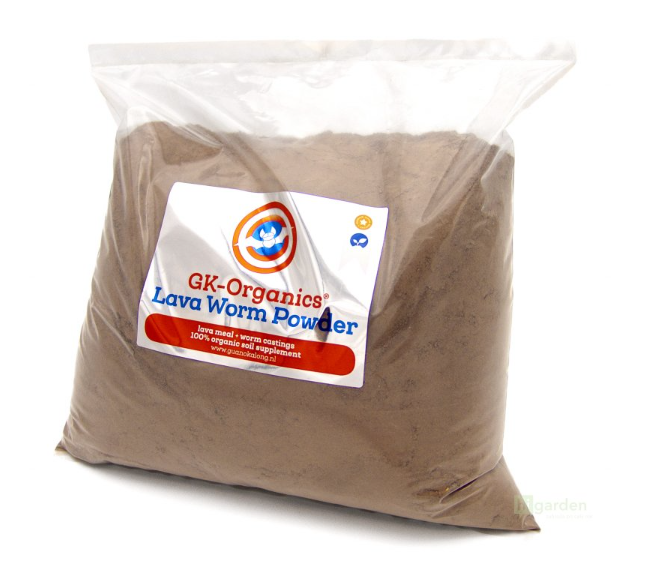
If, for the purpose of organic plant cultivation, you do not want to use unnecessarily many additives, you will probably also be interested in the 100% natural Guanokalong soil additive Lawa Worm Powder. This new product stands out for its ability to improve soil properties to such an extent that it is no longer absolutely necessary to add any further fertilisers! And it does not matter whether you prefer open soil in the garden or whether you would rather use flower pots inside a grow tent.
The final product is a combination of volcanic rock dust and worm castings. In the plant nutrition market, it has become a completely unique product, especially in terms of composition, which naturally goes hand in hand with the final effect:
- Lawa Worm Powder contains a wide range of rare trace elements.
- The composition of this soil additive is naturally rich in minerals as well.
- The product itself stimulates plant growth to a degree usually achieved with the help of many different additives.
Guanokalong plant nutrition
Dry forms of fertilisers
Let us begin with the classic in loose form. By this we mean the universal loose Guanokalong fertilisers, obtained from bat excrement by drying, which you can use throughout the entire growing cycle (for growth and flowering) at home and outdoors (indoor and outdoor). This “super fertiliser” with a low salt index, full of natural ingredients and rich in microelements and enzymes that intensively strengthen the root zone, is sold in 6 packs of different weights, from 0.5 kg packs up to 25 kg packs. Are you interested in which elements such 100% bat droppings contain? Detailed information can be found in the product description of Guanokalong Powder - bat droppings (Powder). High-quality bat droppings, on the other hand, do not contain any germinating weed seeds. Some growers, especially outdoor growers and farmers, prefer the pelleted form of bat droppings rather than powder - Guanokalong Granules (Pellets). Compared with powder, pellets are less prone to being dispersed by the wind. Another major advantage of these fertilisers is their rapid action, which in practice makes targeted adjustments to plant growth easier.
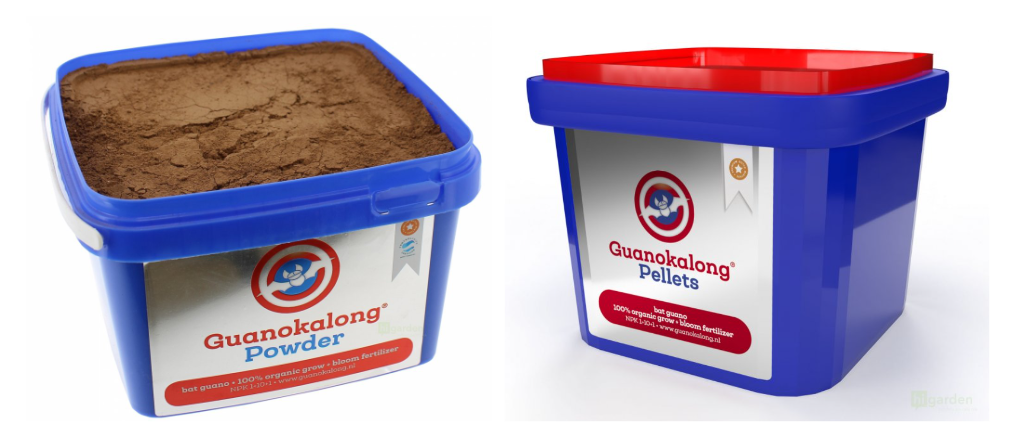
As for granules or pellets made from bat droppings, an interesting alternative is also a mixture of granules and humic acids - Guanokalong Guano Black (Black Pellets). Humic acids help plants absorb important nutrients efficiently. For completeness, you can read more in the separate article entitled Fulvic and humic acids: significance and use in plant nutrition. The gradual release of nutrients, which in the case of this product takes a quarter to half a year, eliminates the risk of plant burn due to over-fertilisation, which is therefore practically impossible. Enzymes, calcium and magnesium take care of rich soil life. Guanokalong Guano Black granules make transplanting plants easier for growers, among other things.
It should be added that natural fertilisers based on bat droppings also bring growers the same benefits when growing plants as the above-mentioned substrate. Again, you can count on natural protection against bacterial plant infections, there is no need to deal with an expiry date, you do not have to worry about unpleasant odour and you can look forward to a wonderful harvest in organic quality, whether you are growing fruit, vegetables or medicinal herbs. However, Guanokalong goes much further in the matter of maximally effective, yet purely natural plant nutrition...
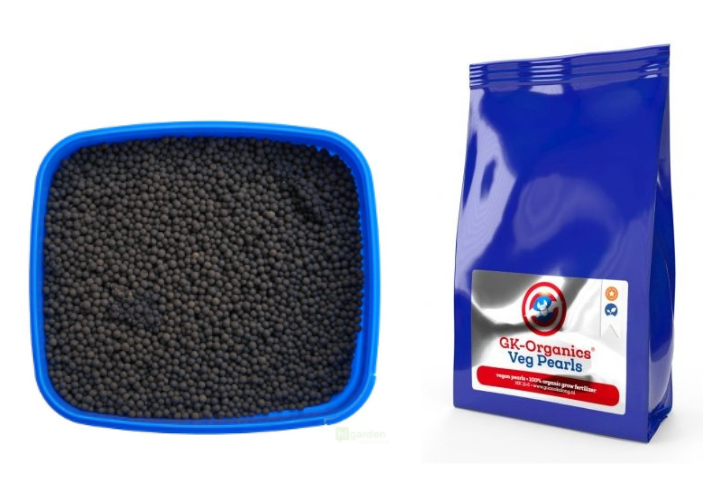
Proof of this is another new product for indoor and outdoor use throughout the growing cycle: the vegan growth fertiliser Guanokalong Veg Pearls. It is made from sugar cane plant extract and, after application, your plants will quite literally amaze you with their growth! In addition, it also works with less frequent watering. Besides the economic aspect, there are also other reasons why growers like it:
- Increased plant resistance to stress. (We recommend the separate article: Stress also harms plants, or abiotic stresses in plants.)
- Easy application (spreading) thanks to the rounded shape of each pellet.
- Longer soil life.
- There is no risk of mineral leaching.
Guanokalong Complete Organics is a comprehensive organic fertiliser of the “all in one” type. What does that mean?
- A completely ideal natural fertiliser for growth and flowering if you do not want to worry too much about soil conditions for healthy plant development, whether in a pot or in a bed in the garden.
- What does this balanced mixture consist of?
- powdered Guanokalong
- seaweed powder
- palm ash
- vegetative powder
- fish meal
- volcanic soil
- As a result, the final composition is rich in important microelements, as well as amino acids, humic acids and enzymes (see separate article: Enzymes).
- All active substances that are part of the complex composition of Guanokalong Complete Organics are released and activated by normal fermentation, and so when it is used in soil, natural processes occur that improve its properties and support the soil microflora.
Therefore, if your plants are exposed to obvious stress, or if your soil is poor in nutrients, Complete Organics will serve you better than many chemical and mineral fertilisers.
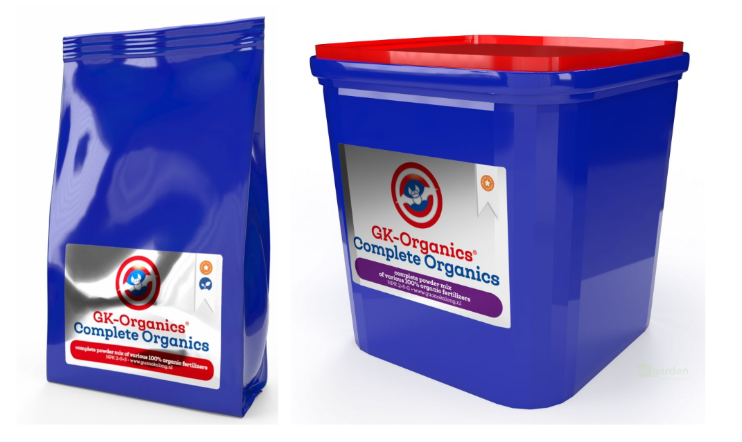
Other products from the Guanokalong brand have proven themselves as natural boosters:
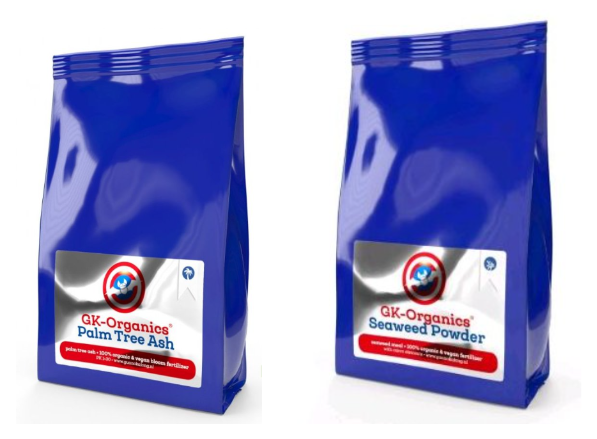
- Guanokalong Palm Tree Ash is a 100% VEGAN product based on palm ash. A raw material rich in basic nutrients, namely nitrogen, phosphorus and potassium (N - P - K) (see separate article: NPK - what is it?). Other elements contained in the palm ash naturally regulate soil acidity. We can confidently describe this ecologically sourced palm ash as a highly effective flowering booster. It is released directly, so dose it with increased caution. Experienced growers like to use the composition of this product in combination with bat droppings in powder form when growing vegetables (especially tomatoes) in the garden.
- Guanokalong Seaweed Powder is a 100% vegan additive suitable for any mixture of natural fertilisers. In this case, it is the already several times mentioned seaweed powder, which stands out for its ability to stimulate the activity of beneficial microorganisms living in the soil. The microelements contained in seaweed powder are ideal for strengthening the soil and improving the growth of your plants. However, there is one more property for which seaweed powder is renowned among growers, and that is its ability to retain moisture exceptionally well. Thanks to this, its application also ensures balance in the growing environment in terms of soil moisture. The growth hormones it contains provide additional stimulation to the root system, thanks to which plants grow faster. Ultimately, it therefore also serves as a natural growth stimulator for indoor and outdoor use.
Liquid fertilisers (liquid fertilisers)
Dry fertilising is now replaced by liquid base and supplementary fertilisers:
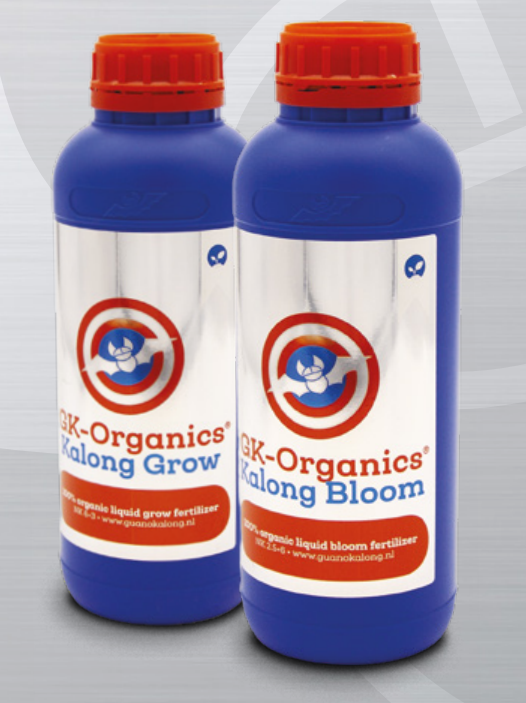
- Guanokalong liquid base fertilisers are characterised by the absence of phosphorus. The pair of products, bringing extra stimulation of microbial life in the soil with a prolonged effect, contains only nitrogen and potassium in a suitable ratio to ensure vigorous plant growth, or the formation of abundant blooms and large, juicy fruits. These base fertilisers for growth and flowering have a low salt index, so they do not place unnecessary strain on plant roots. You can use them when growing herbs outdoors just as well as if you have a grow tent at home.
- Kalong Grow: vegan base plant nutrition with an increased nitrogen content for the growth or vegetative phase.
- Kalong Bloom: vegan base plant nutrition with an increased potassium content for the flowering phase.
- Guanokalong liquid boosters
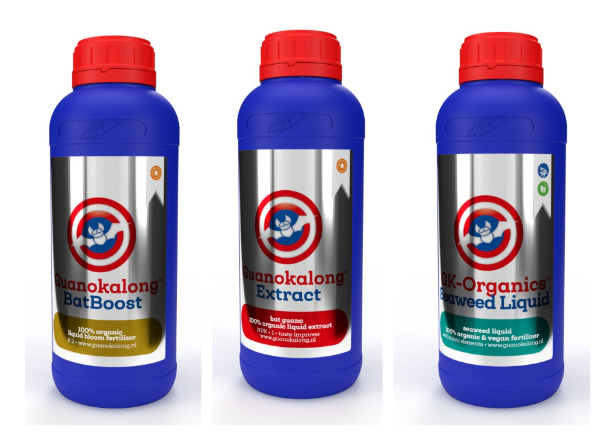
- Guanokalong Extract is a liquid flavour enhancer for cultivated crops full of purely natural ingredients based on 100% bat droppings. If you do not grow plants in soil or in coconut fibre, the liquid extract is the solution for you. This product is compatible with absolutely all growing methods and systems, both outdoors and indoors! What can you expect from it after application? Better taste, overall quality and yield of your plants, together with the benefits that, as we have already explained, are associated with the entire Guanokalong range (i.e. gradual release of nutrients reducing the risk of irreversible plant damage due to over-fertilisation to an absolute minimum, additional protection against bacterial infections, support for the root zone, etc.).
- Guanokalong BatBoost is characterised by a high potassium content. The nitrogen (N) concentration is lower than 2%. The liquid booster Batboost is also suitable for every cultivation system. What is it made of? Growers are helped to achieve a better harvest in every respect by a balanced mixture of the above-mentioned extract and palm ash. Add to that the beneficial effects of humic acids.
- Guanokalong Seaweed Liquid is the liquid version of the natural stimulator based on cold-processed seaweed Seaweed Powder (see above).
OUR TIP: You will achieve the best results when organically growing plants in soil if you apply Guanokalong fertilisers on the basis of the clear dosing chart directly from the manufacturer.
Are you interested in products from the Dutch brand Guanokalong? We will always be happy to advise you on the selection, whether it concerns pack size or a suitable combination of specific products, based on your individual needs and plans at the well-known e-mail address info@higarden.eu.
We also recommend these products:
- Circulation fans
- HERCULES aerated plastic flower pots
- Hydroton - AGRO expanded clay 4-8 mm, 1 l
What to read next:
- Do you know what VPD is? Discover the key to perfect conditions for plant development
- How to choose a propagator and what to equip it with?
- WHISPERBLOWER: professional fans with unbeatable efficiency
GROTEK Fertilisers: A Buying Guide
The main driving force behind the Grotek brand is the Solo-Tek range of organo-mineral fertilisers, which combine efficiency and simplicity. Grotek fertilisers are suitable for a wide range of cultivation methods, including soil growing indoors and outdoors, hydroponics, soilless growing in coco and other inert substrates. There is truly something for everyone, and we will advise you on how to use them!
Grotek is an established brand that has been active on the market for more than 20 years. Their fertilisers are used by hobby home growers as well as professional growers all over the world. In their formulations, Grotek were among the first to combine mineral fertilisers and organic extracts, which allows growers to take advantage of the best of both worlds and rely on the efficiency of mineral salts and benefit from the beneficial effect of organic substances on plant nutrition.
The basic Grotek fertiliser range
Plants go through different growth stages during their life, and as they change, their nutritional needs change too, especially the ratio of the basic NPK nutrients. While plants in the growth stage need an increased supply of nitrogen (N), flowering plants make greater use of phosphorus (P) and potassium (K). These essential nutrients are contained in basic fertilisers, without which no gardener can do.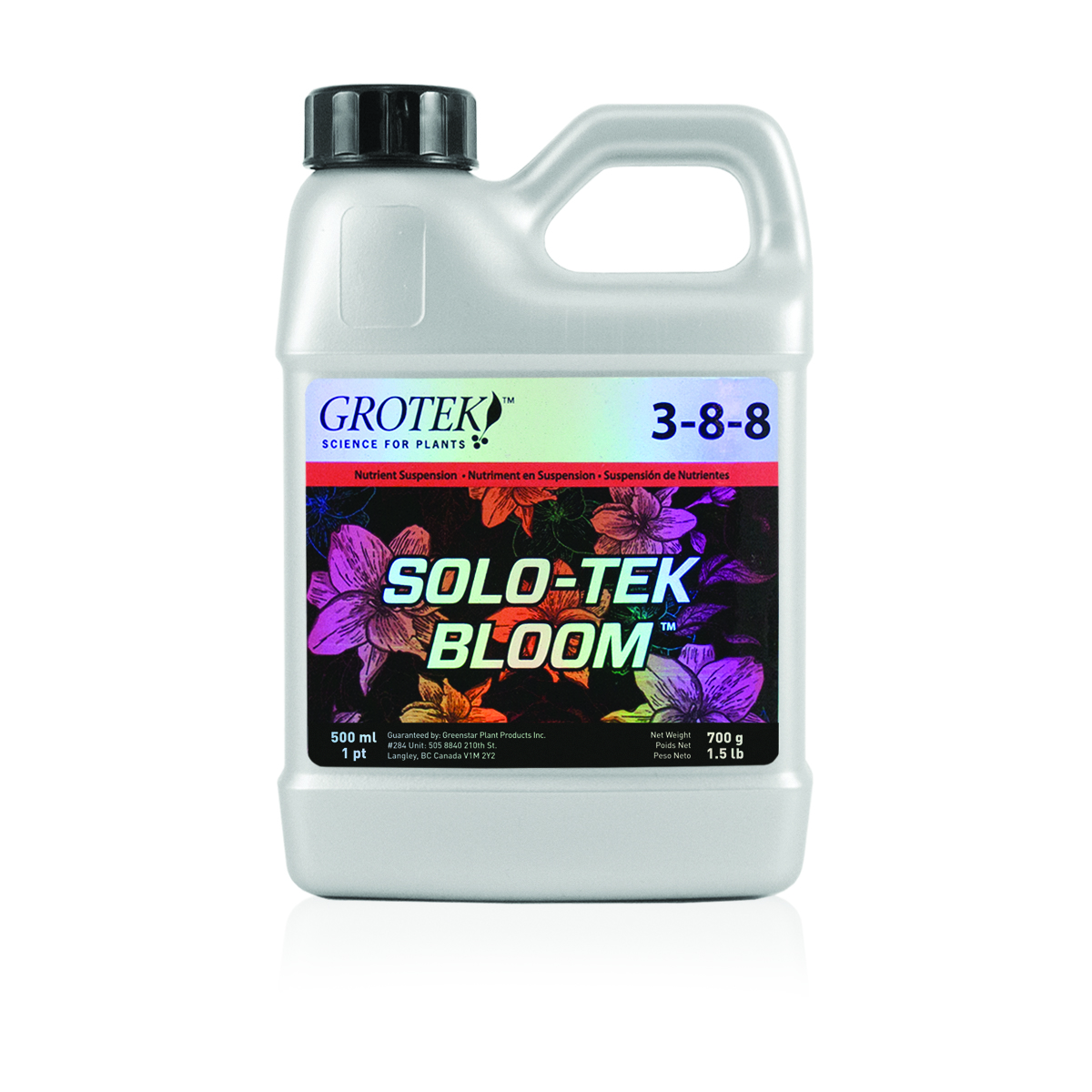
Grotek offers a convenient solution in this respect in the form of two products Solo-Tek Grow and Solo-Tek Bloom. These are single-component liquid fertilisers for the growth and flowering stages, which can be used for:
- soil growing indoors and outdoors
- hydroponics
- growing in soilless substrates (coco substrate, rockwool)
Single-component fertilisers are often more effective than three-component formulations. Whenever cation exchange occurs in the nutrient solution, three-component mixes slow down the effect of the nutrient solution. The fertilisers in the Solo-Tek range are made using a patented 7-day process and, thanks to humus suspension technology, form a concentrated water-free mixture.
- Solo-Tek Grow is a basic liquid fertiliser for growth that provides plants with everything they need during the vegetative stage of the life cycle. The formulation contains the correct ratio of macro- and micronutrients needed for healthy development of leaves, stems and roots.
- Solo-Tek Bloom is a basic liquid fertiliser for flowering that is rich in phosphorus and potassium to support flower and fruit development in plants, while also containing a certain amount of nitrogen for the formation of new leaves and stems.
Solo-Tek additives and nutritional supplements
The basic single-component Solo-Tek fertilisers contain everything your plants need, but to achieve top results we recommend supplementing them with some of the Grotek additives, which will allow you to adapt plant nutrition to the conditions in your garden or grow room.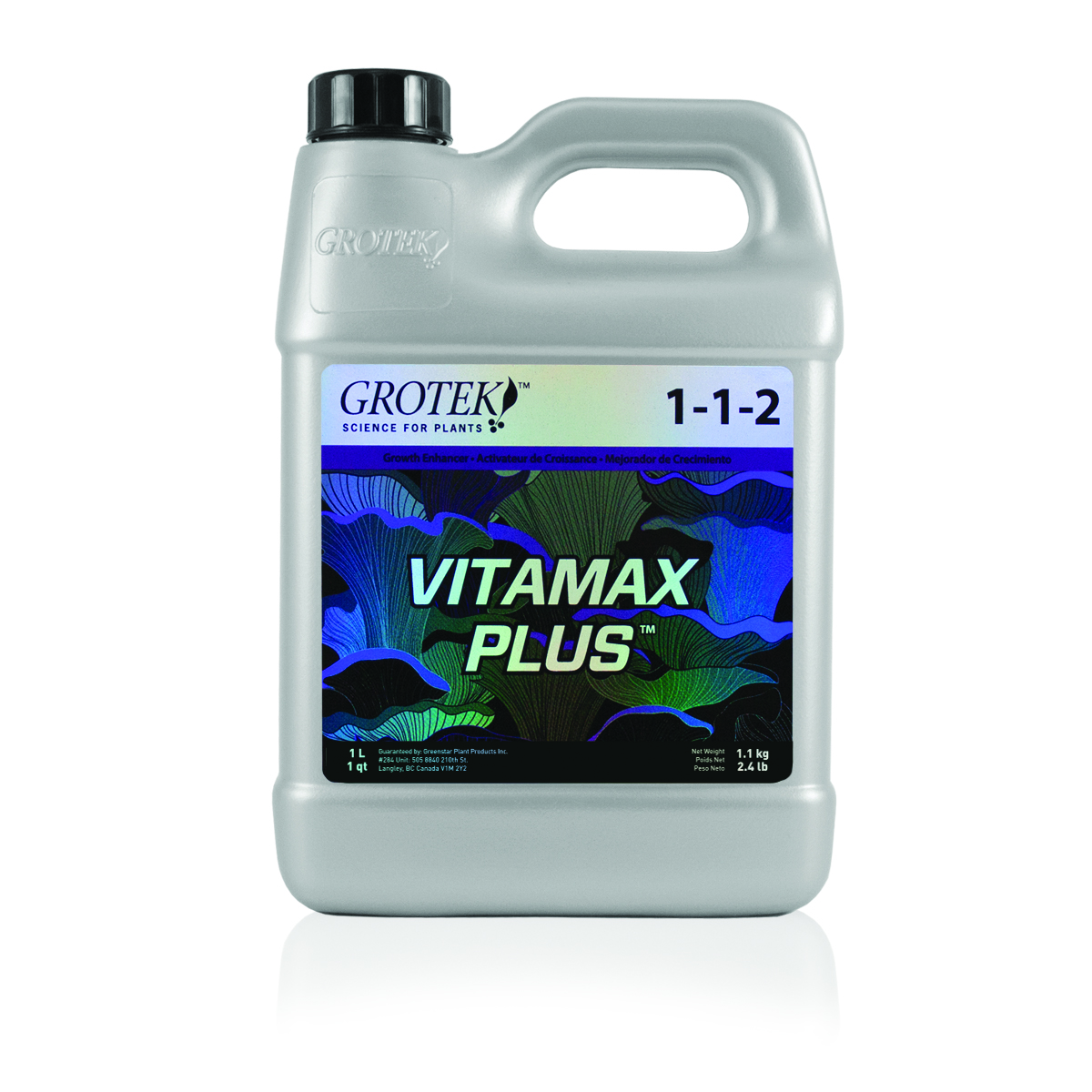
The Grotek range is truly extensive and it is by no means necessary to use all products at once. Some have very specific uses, such as Pro-Silicate for protecting plants against drought and heat, while others, such as flowering and ripening stimulators, are used by most growers. To make selection easier, we offer you an overview of the most interesting products according to the growth stage.
For the growth stage, we recommend
- Kick Start is a liquid fertiliser intended for seedlings and young plants that helps root formation while also protecting against overwatering and underwatering. This product contains organic extracts from seaweed and alfalfa, and increased amounts of zinc and iron, elements essential for the healthy development of seedlings and cuttings. We recommend Kick-Start as nutrition for plants in the first stages of life, before applying Solo-Tek Grow.
- Vitamax Pro is a liquid nutritional supplement that can be used throughout the plant life cycle. It is the organic version of commonly used growth-support products with a high content of organic substances for use in soil and hydroponic substrates. It increases plant resistance to abiotic stress, and we recommend its use in intensive cultivation.
- Vitamax Plus is a more concentrated version of Vitmax Pro, which is also suitable for use in hydroponics. Vitamax Plus contains a smaller proportion of organic substances and, thanks to low-molecular-weight humates and amino-chelate components, provides plants with the nutrients essential for rapid growth. Suitable throughout the entire cultivation period.
- Monster Grow Pro Pro is a water-soluble granular fertiliser intended as a nutritional supplement for the growth stage. This product contains highly soluble organic substances, a plant amino acid hydrolysate for rapid nitrogen supply, and soluble seaweed extract to support root development. We recommend applying Monster Grow Pro during the growth stage when growing in soil, soilless substrates and hydroponics.
- Bud Fuel Pro is a liquid nutritional supplement for the pre-flower stage when growing in soil and soilless substrates. This product supplies plants with key nutrients at the start of the flowering period, when they form the first buds. It contains bioactive ingredients, minerals and a patented seaweed extract. Bud Fuel Pro speeds up the onset of flowering and increases crop yield.
For the flowering stage, we recommend
- Monster Bloom is a highly concentrated fertiliser for supporting flowering with a high content of readily available phosphorus and potassium for use in soil, soilless substrates and hydroponics. Many growers rely on Monster Bloom, and it is one of the most effective bloom boosters on the market. When applied during flowering and ripening, it significantly increases yield and harvest quality.
- Blossom Blaster is a granular flowering accelerator for growing in soil, soilless substrates and hydroponics. It contains phosphorus and potassium, elements that help plants in the first weeks of flowering and increase crop yield. Thanks to its highly concentrated formulation, it only needs to be used at a concentration of 0.1 gram per litre.
- Blossom Blaster Pro is a liquid flowering accelerator for growing in soil, soilless substrates and hydroponics. Thanks to its lower concentration compared with the powder form, this product can also be applied as a spray.
- Heavy Bud Pro is a liquid fertiliser for supporting ripening for use in soil, soilless substrates and hydroponics. Thanks to its unique composition with a large amount of free carbohydrates, plants have rapid access to a huge amount of nutrients, which increases both yield and crop quality when applied in the final weeks before harvest.
Final Flush by Grotek
Final Flush is intended to remove excess salts from the growing substrate, which ensures a cleaner harvest. By removing excess nutrients at the end of the growing period, we force plants to convert accumulated salts into secondary metabolites and thereby improve the taste and aroma of the harvested product. Final Flush is available in 6 variants: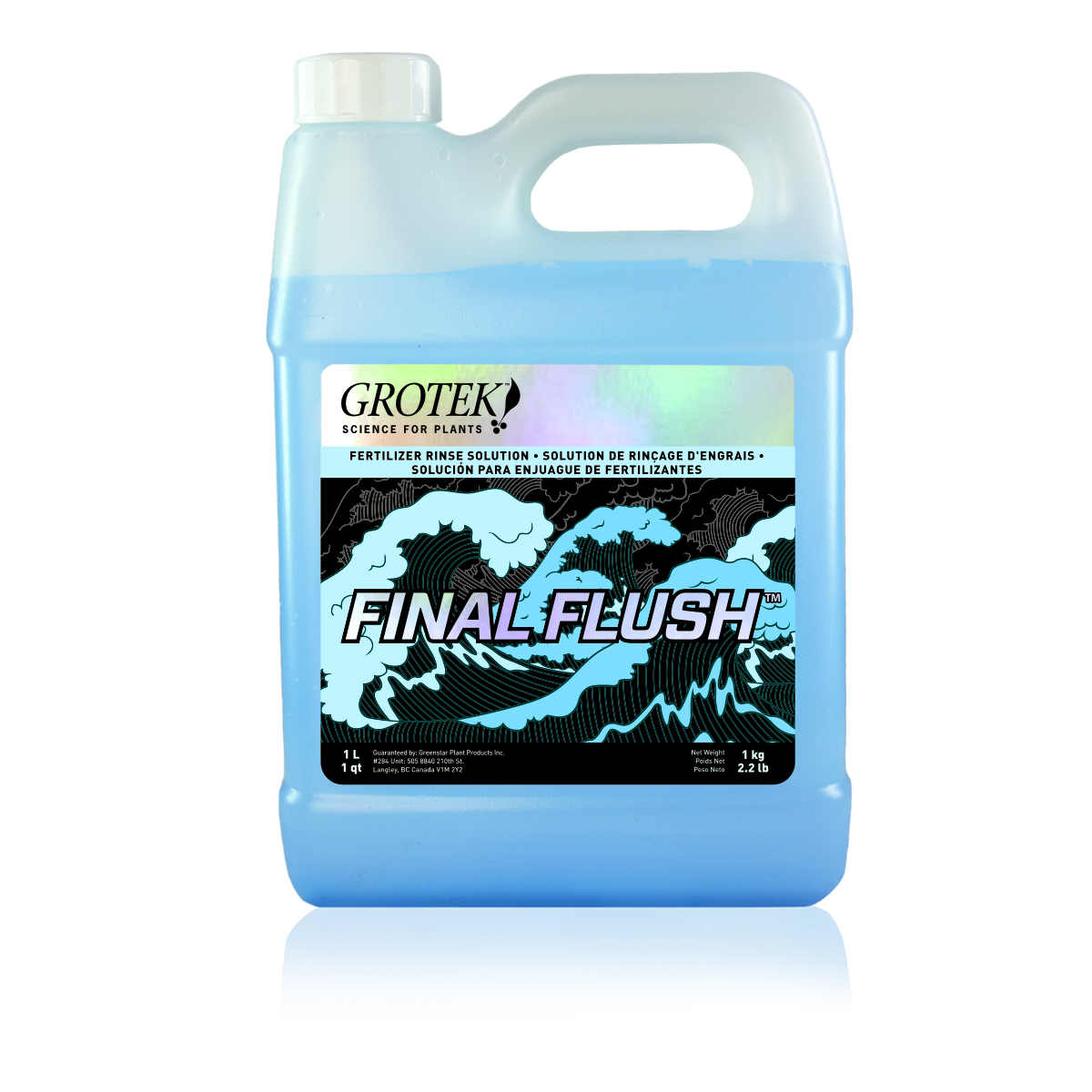
- Final Flush Regular (odourless, does not alter the original terpene profile
- Final Flush Grapefruit
- Final Flush Green Apple
- Final Flush Pina Colada
- Final Flush Blueberry
- Final Flush Strawberry
Are you interested in the organic Grotek Green Line fertiliser range? Read our detailed article here.
Useful links
GROTEK Guide
Dosing charts for GROTEK fertilisers
How to Choose Fertilisers: A Complete Guide to Buying Nutrition for Your Plants
How to Choose Fertilisers: A Complete Guide to Buying Nutrition for Your Plants
On the market, you will find dozens of brands and hundreds of different types of fertilisers – in liquid, powder and solid form, organic and mineral, for different growth stages and cultivation methods. How do you make sense of it all and avoid mistakes? We have prepared an overview of the basic types of fertilisers and practical advice to help you choose the right nutrition for your plants.
Basic Types of Fertilisers by Growing Medium
There is a difference between fertilisers for growing in soil, coco, inert substrates or hydroponics. Before you start buying fertiliser, make sure which substrate and which growing method you want to use. Only then can you choose the right type of nutrition.
- Fertilisers for soil: These are suitable for growing in open ground (in beds) or in pots.
- Fertilisers for coco substrates: Growing substrates made from coconut fibres do not contain nutrients on their own and require special fertilisation. Coco substrates are usually used for indoor growing or in greenhouses.
- Fertilisers for hydroponics: These are intended for preparing a nutrient solution for substrate-free systems or when growing in inert media such as rockwool.
You may also be interested in: Guide to Growing Substrates
Choosing Fertiliser According to the Growth Stage
From germination to harvest, plants go through several growth stages, and their nutrient requirements change accordingly. During the first weeks of life, they need little or no fertiliser; during the vegetative growth stage, it is important to provide enough nitrogen, and during flowering it is suitable to use fertilisers with a higher content of potassium and phosphorus.
- Starter fertilisers-Start: These contain a small amount of nutrients and often also substances that support root growth and beneficial microorganisms, such as mycorrhizal fungi or soil bacteria.
- Fertilisers for the growth stage-Grow: These contain an increased amount of nitrogen, which plants need for the formation of leaves and stems. Nitrogen fertilisers can be purely organic, mineral or combined, and the nitrogen in them may be present in the form of nitrates (NO₃-) or ammonium (NH₄+), which affects the absorption rate and influences pH fluctuations in the substrate.
- Fertilisers for flowering-Bloom: These contain larger amounts of phosphorus and potassium to support the formation of flowers and fruits, and like other types of fertilisers they can be organic, mineral or combined.
- Fertilisers for the pre-harvest period-Flush: Especially when growing medicinal plants, some growers stop fertilising several weeks before harvest and replace it with clean water or special flushing fertilisers or finishers. The aim is better aroma and taste of the resulting product.
You may also be interested in: What Are NPK Fertilisers and What Are They Used For
Organic vs. Mineral Fertilisers
Although it makes no difference to plants which source the nutrients absorbed by the roots come from, the difference between organic and mineral fertilisers is significant in cultivation. Organic fertilisers are effective only in the presence of soil microorganisms and are therefore suitable only for growing in soil-based (organic) substrates or in beds. Synthetic fertilisers contain mineral salts that plants can absorb directly from water and can be used for growing in coco, inert substrates and in hydroponics.
- Organic fertilisers: These are made from natural raw materials such as compost, manure, bone meal, guano, fish, seaweed or plant extracts. When using organic fertilisers, keep in mind that it takes some time before they start to work.
- Mineral fertilisers: These contain nutrients in the form of mineral salts, which are obtained from phosphates, ammonia and the synthesis of nitrogen from the air. They work immediately and carry a risk of over-fertilisation. Therefore, always follow the dosage tables and measure the pH and EC of the nutrient solution.
You may also be interested in: Organic vs. Synthetic Fertilisers: Which Is Better for Your Plants?
Fertiliser Form: Liquid, Solid or Powder?
Fertilisers can come in several forms – from fully liquid to loose to solid with slow release. Each form has its advantages; it depends on where and how you grow. Different forms can include organic, mineral or combined types of fertilisers.
- Liquid fertilisers: Concentrated fertiliser solutions for preparing nutrient solution are the most user-friendly. They work quickly, are easy to handle and have a long shelf life.
- Dry fertilisers: Water-soluble fertilisers in powder or granule form can be used to prepare a nutrient solution or applied directly to the substrate (if they are designed for that purpose).
- Solid slow-release fertilisers: Fertilisers in the form of pellets or granules with slow release are suitable for outdoor growing because they leach from the soil more slowly and supply nutrients to plants gradually. The disadvantage is that they are more difficult to dose.
You may also be interested in: Dry vs. Liquid Fertilisers: Which Are Better for Growing?
Complete Nutrition: Multi-Component vs. Single-Component Fertilisers
Especially with fertilisers for hydroponic growing, it is common to use multi-component fertilisers that are mixed in a ratio to create the ideal nutrient solution for a given occasion (for example, more nitrogen during the growth stage or more phosphorus and potassium during the flowering period). On the other hand, there are single-component fertilisers, which contain a given ratio of nutrients, usually for a specific growth stage (veg/flower).
Nutrition Additives and Stimulators
In addition to basic fertilisers, which contain the macro- and micronutrients essential for plant growth, you will also find a range of supplementary nutrition and growth stimulators on growers’ shop shelves. These additives are not usually essential for cultivation, but many growers use them to bring their plants to perfection.
- Root stimulators: These speed up root formation and are used during germination, taking cuttings or transplanting plants.
- Growth and flowering boosters: These stimulate plants to form leaves or flowers.
- Vitalisers and enzymes: Various types of additives for protecting plants from stress and supporting microbial life.
You may also be interested in: When and How to Use Root Stimulators
You should now be ready to buy the appropriate fertilisers for your plants. Before we leave you, however, we would like to add a few final tips.
Avoid mixing brands: Different manufacturers use different recipes that may not be compatible.
Use a pH and EC metre: Measuring the pH and EC of the nutrient solution or substrate will give you a clearer idea of the nutrient content in the root zone.
Fertilise regularly: Plants benefit from a constant and stable supply of nutrients. Do not wait to fertilise until signs of nutrient deficiency appear.
Not sure which fertilisers to choose, or just starting out with growing? Useful information for beginner growers and experienced growers can be found on our Higarden blog or you can contact our sales team.
Guide to Growing Substrates
Growing media are essential for successful plant cultivation, whether in the home environment or in professional agriculture. From traditional soil-based mixes to modern coconut substrates or mineral wool – each type of growing medium has its specific properties and uses. Explore with us the advantages and disadvantages of individual growing substrates and find the most suitable one for your plants.
By growing substrate we mean a material or mixture intended for plant cultivation, which serves as a medium retaining water, air and nutrients absorbed by plant roots. A growing substrate may consist of organic materials such as soil, coconut fibres, clay pellets (expanded clay) or inert materials such as perlite, vermiculite or mineral wool (rockwool).
Coconut substrates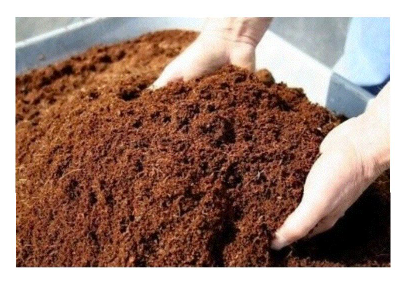
Coconut growing substrates are made from finely crushed coconut fibres and coconut husks. The added value of this growing medium is that it combines the advantages of soilless and soil-based substrates, which makes it highly versatile. Coconut growing substrates can be used for growing in pots with manual watering as well as irrigation systems, outdoors in beds and in greenhouses.
If you choose coconut as your growing medium, you will need water-soluble fertilisers for preparing a hydroponic nutrient solution. Pure coconut substrate does not contain any nutrients on its own and serves only to anchor the roots, which you must supply with water and nutrition. Coconut substrates retain water very well while also protecting plants from overwatering, so they are a suitable growing medium even for beginners. The only thing you must watch out for is not letting the coconut substrate dry out completely, as it will lose its ability to retain water.
Advantages: neutral pH, supports the growth of beneficial bacteria and fungi, excellent retention properties, versatile use
Disadvantages: zero nutrient content, poor-quality mixes may contain a high salt content, some coconut substrates need to be buffered before use
Rockwool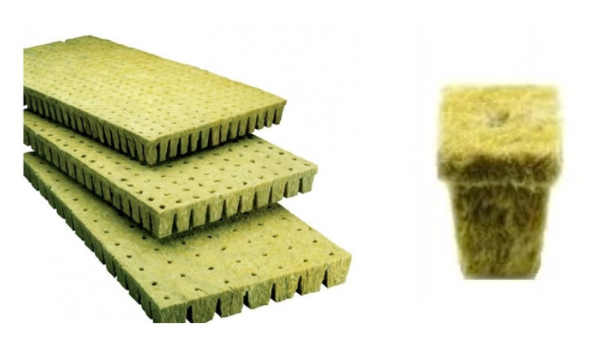
Rockwool is mineral wool made from molten basalt rock, which is then formed into cubes or mats. The result is an inert medium that retains water and air exceptionally well and is ideal for hydroponic growing, seed germination and cuttings. Standard rockwool is manufactured so that 18% of its volume is reserved for air, even when fully saturated. At the same time, mineral wool dries evenly, so plant roots have constant access to water.
As with other soilless substrates, mineral wool contains no nutrients and plants must be fed with hydroponic fertilisers. Rockwool itself has a high pH, so the cubes or mats must first be soaked in an acidic solution with a pH of 5.5 before use. First adjust the pH of standing water to the required value using acid for lowering pH and then rinse the medium thoroughly. From this point on, the pH of the nutrient solution should not exceed 6.1, so that the alkalinity of the mineral wool is balanced.
Advantages: inert and sterile substrate, high ability to retain water and air, reusable
Disadvantages: may irritate skin and eyes if handled carelessly, pH adjustment required, contains no carbon for microbial life
Expanded clay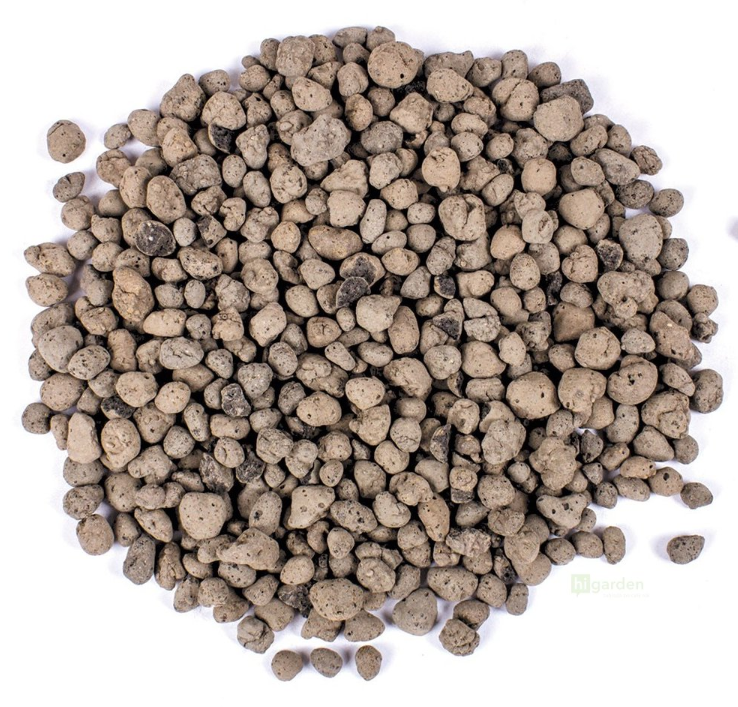
Expanded clay, also known as LECA, is a porous material created by heating clay to a high temperature. It resembles small lightweight pebbles that can be used as an additive to soil in various types of hydroponic systems (run-to-waste, DWC, NFT, ebb and flow, drip irrigation) or as a medium for anchoring plants in aeroponic growing.
If you use expanded clay as a standalone growing medium, you must supply all nutrients to the plants in the irrigation water in the form of water-soluble fertilisers. In addition, as with rockwool, you must first rinse the growing substrate and carefully monitor the pH of the nutrient solution throughout the entire growing cycle.
Advantages: does not decompose, neutral pH, retains water and nutrients, good aeration of the root zone
Disadvantages: must be rinsed before use, dries out quickly, difficult to store
Perlite and vermiculite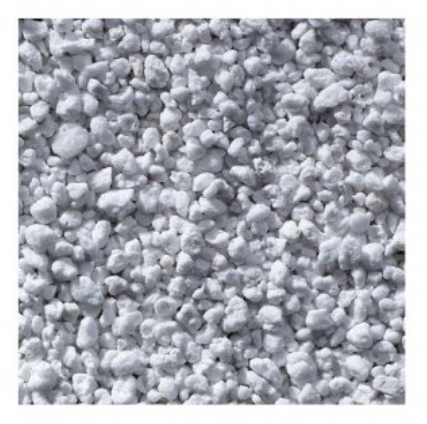
Perlite and vermiculite are created by heating rock to a high temperature. In the case of perlite, the result is a bright white crushed material made from lightweight stone. Vermiculite has a slightly finer structure and an ochre colour. Perlite and vermiculite are used as an additive to horticultural and coconut substrates, for germination and cuttings, or as a medium for hydroponic growing using irrigation systems.
Perlite and vermiculite are inert substrates, so all nutrition must be supplied to plants in the form of hydroponic nutrient solution. Vermiculite differs from perlite in that it has a greater ability to retain water and nutrients and breaks down over time, which may slightly increase the pH around the root zone. Perlite is more durable and does not decompose or affect the pH of the root zone, but on the other hand it has minimal ability to retain water and nutrients.
Advantages: sterile, almost or completely neutral pH, good access of air to the roots
Disadvantages: non-renewable resource, irritating dust, small particles may clog irrigation systems
Soil-based horticultural substrates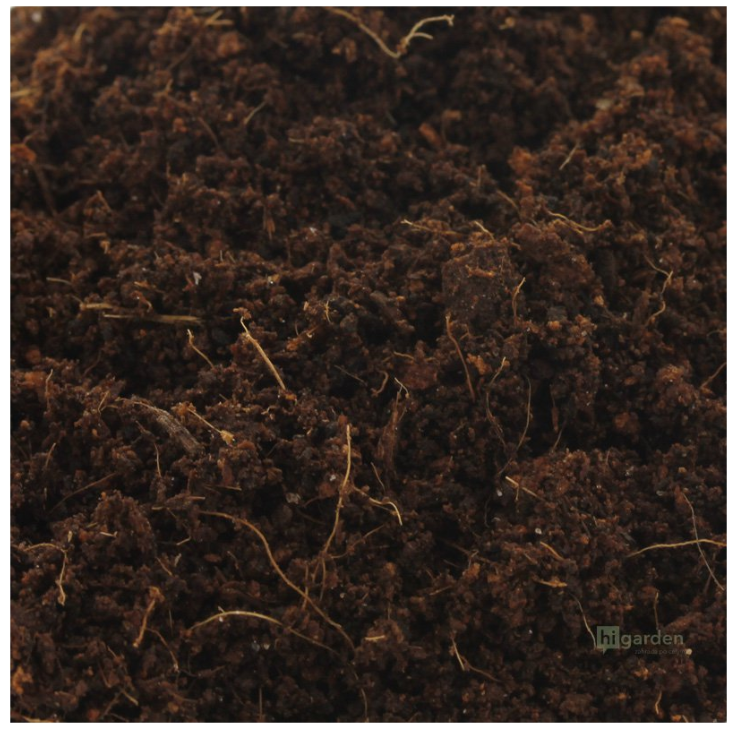
Soil-based horticultural substrates are a traditional growing medium that can take many forms. Sowing substrates for seed germination or cuttings, light substrates for the first weeks of plant life, medium-fertilised and heavily pre-fertilised substrates or soil mixes suitable for organic growing. Horticultural substrates can be used for growing in pots with manual watering as well as irrigation systems, outdoors in beds and in greenhouses.
The main advantage of soil as a growing medium is its natural nutrient content, which the soil provides, or the manufacturer may add fertilisers to the mix that serve as nutrition for plants in the first weeks after planting. When growing in soil-based substrates, you can use fertilisers for growing in soil, including mineral salts in the form of nutrient solution, powder or, for example, slow-release pellets. At the same time, you have the option to grow completely without chemicals using purely organic fertilisers. Thanks to their high buffering capacity, soil mixes can cope with pH fluctuations better than other substrates, and are therefore a suitable choice for beginner growers.
Overview of growing substrates
|
|
Soil and soil mixes |
Coconut substrates |
Mineral wool (rockwool) |
Expanded clay |
Perlite |
Vermiculite |
|
Water retention |
low to high (depending on the mix) |
high |
high |
low |
low |
medium |
|
Porosity (air retention) |
medium to low (depending on the mix) |
medium to high |
medium to high |
high |
high |
high |
|
Nutrient content |
low to high (depending on the mix) |
zero to very low |
zero |
zero |
zero |
zero |
|
Use |
indoor, outdoor, irrigation systems, mineral and organic fertilisers |
indoor, outdoor, irrigation systems, mineral and organic fertilisers |
hydroponics, germination, cuttings |
hydroponics, germination, cuttings, as an additive to soil |
hydroponics, germination, cuttings, as an additive to soil |
hydroponics, germination, cuttings, as an additive to soil |
Dry or liquid fertilisers: which are better for indoor growing?
Purely in theory, it makes no difference to our plants whether we supply nutrients in liquid, powder or granule form. However, this only applies if the amount and concentration of nutrients in the substrate or nutrient solution correspond to their requirements. Nevertheless, each type of fertiliser has its advantages and disadvantages. Let us look at what they are together.
The choice of the right type of fertiliser will always depend first and foremost on the feeding method of cultivation and the feeding programme you have chosen. In hydroponic and soilless cultivation, we use exclusively water-soluble fertilisers. These are suitable for plants placed in inert (soilless) substrates such as rockwool, perlite, expanded clay or vermiculite. The term “fertigation” has become established for this type of plant nutrition, arising from the combination of the words “fertilisation” and “irrigation”. In this cultivation method, plants obtain nutrients directly from the nutrient solution and are fertilised with every watering, while the hydroponic substrate itself contains no nutrients and serves only to anchor the plants and retain the nutrient solution around the roots. In some cases, the roots float submerged in a nutrient solution that is continuously oxygenated.
On the other hand, when cultivating plants in classic growing substrates (that is, those containing peat, tree bark, coconut fibres or compost), gardeners have far more options. Soil mixes have a greater ability to retain nutrients than hydroponic substrates, and therefore solid slow-release fertilisers, including organic variants, can be used. However, in highly intensive indoor cultivation it is better to use both types of fertiliser, because some nutrient elements such as nitrogen, phosphorus or potassium can be depleted from the soil very quickly.
Water-soluble fertilisers
Water-soluble fertilisers can be either liquid or dry (water-soluble powder), and they can be supplied to plants using hydroponic or irrigation growing systems. Water-soluble fertilisers may contain only one type of mineral salt (for example calcium nitrate or potassium phosphate), but more often they are mixtures of different mineral salts that contain several nutrient elements at once. The composition, concentration and method of preparing the nutrient solution then vary according to the specific feeding programme.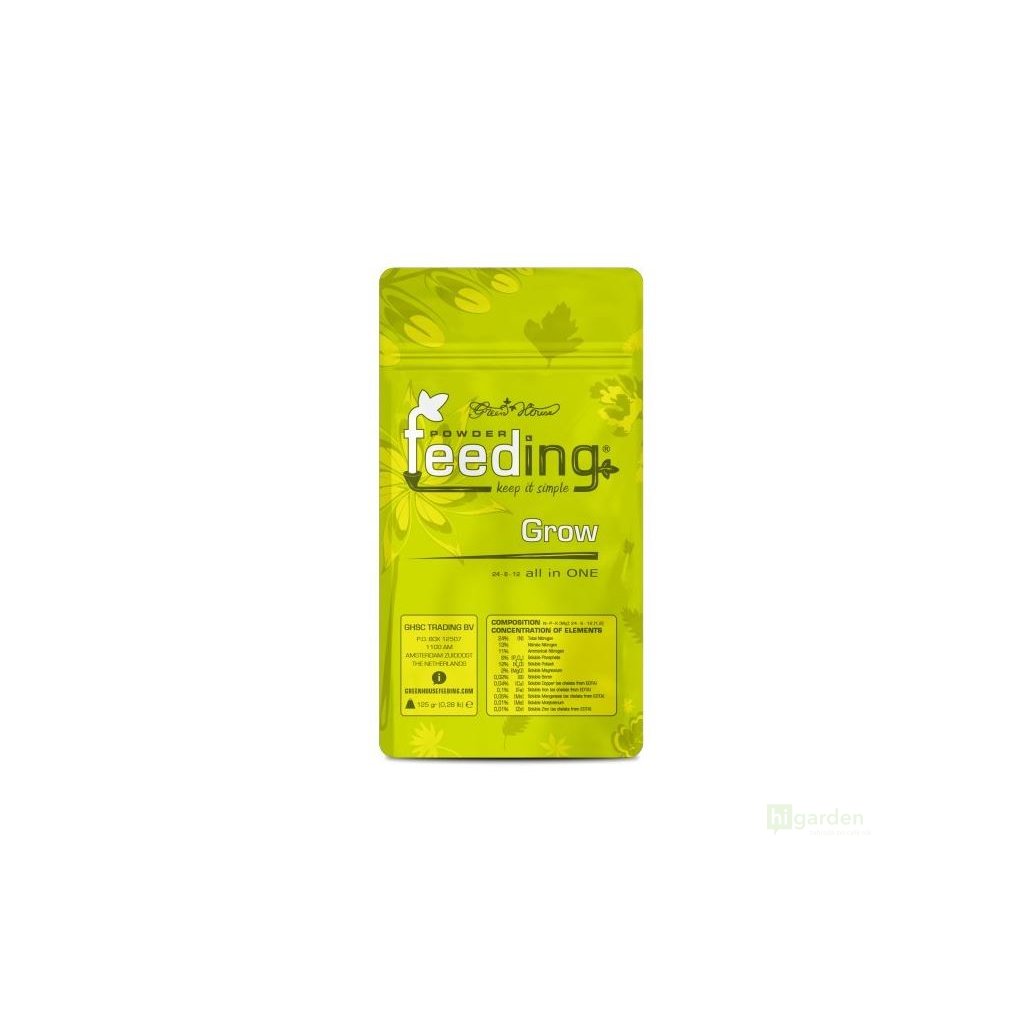
The feeding programme Green House Feeding includes a wide range of water-soluble mineral fertilisers and nutrition supplements in powder form, including specialised mixes for growing hybrids, varieties with a short flowering period and long-flowering cultivars. Nutrient solutions prepared from Green House Feeding fertilisers retain EC and pH for at least one week, and highly concentrated nutrient solutions can be stored for several months.
When using water-soluble fertilisers containing mineral salts, we must bear in mind that some mineral salts can react with one another and form precipitates, which not only reduce the effectiveness of the nutrient solution but also clog the nozzles and piping of irrigation systems. This most often happens when highly concentrated water-soluble fertilisers containing lime salts (for example calcium nitrate) are combined with those containing phosphates or sulphates. This is one of the reasons why manufacturers of these fertilisers often divide their formulations into two or three components. In general, the easiest way to avoid this problem is not to combine fertilisers from different feeding programmes and different brands.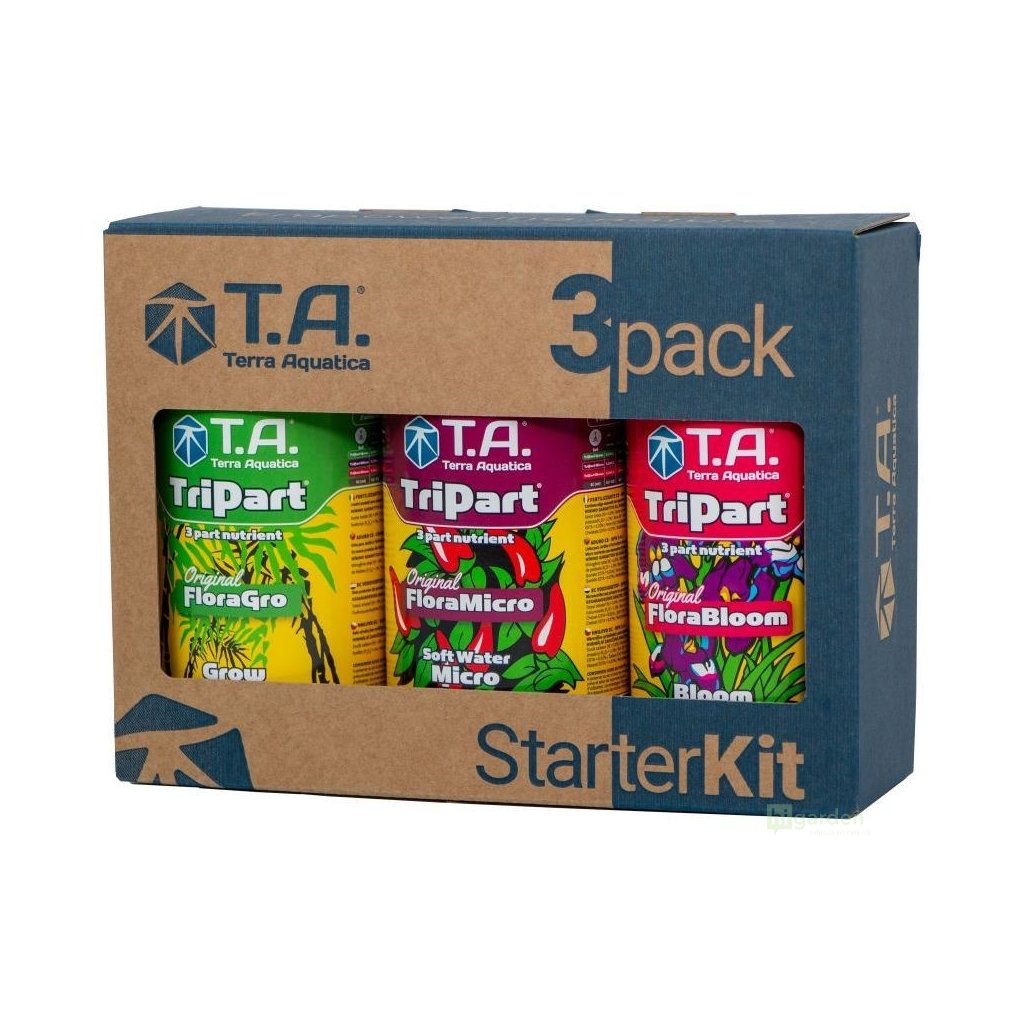
Three-part fertilisers Terra Aquatica TriPart are among the most sought-after by professional growers, including prestigious scientific institutions and NASA. A huge advantage of this range is that all the nutrients needed throughout the plant life cycle are found in just three bottles. The TriPart formulation contains all primary and secondary nutrients and trace elements, and guarantees reliable results when growing specialised crops where taste, aroma and the production of essential oils and active compounds are important. In addition, the manufacturer offers a version for hard and soft water.
Many indoor growers prefer ready-made liquid fertilisers over powder ones because they are easy to measure and preparing the nutrient solution is simple. However, liquid fertiliser blends tend to be much more expensive than dry variants. Various factors play a role here, including transport and storage costs. In the end, this means that with dry water-soluble fertilisers you can prepare the same amount of nutrient solution at a significantly lower cost than with liquid ones.
Advantages of dry water-soluble fertilisers
- they reduce the cost of preparing nutrient solution
- they are easy to store
- longer shelf life
Solid slow-release fertilisers
Solid fertilisers can take the form of pellets, granules, tablets or powder and, unlike water-soluble ones, they cannot be used in hydroponics or for preparing nutrient solution, but are used only when growing in soil or horticultural substrates. These fertilisers are either mixed directly into the soil (when transplanting plants or with pre-fertilised growing soil mixes) or can be applied to the surface of the substrate.
Plagron Royalmix is a pre-fertilised horticultural substrate that contains fertiliser for approximately 6 weeks of plant life. Strongly pre-fertilised substrates are suitable only for older plants with a developed root system. For young cuttings or seedlings, such a substrate may be too “hot” and the plants could be burnt by fertiliser.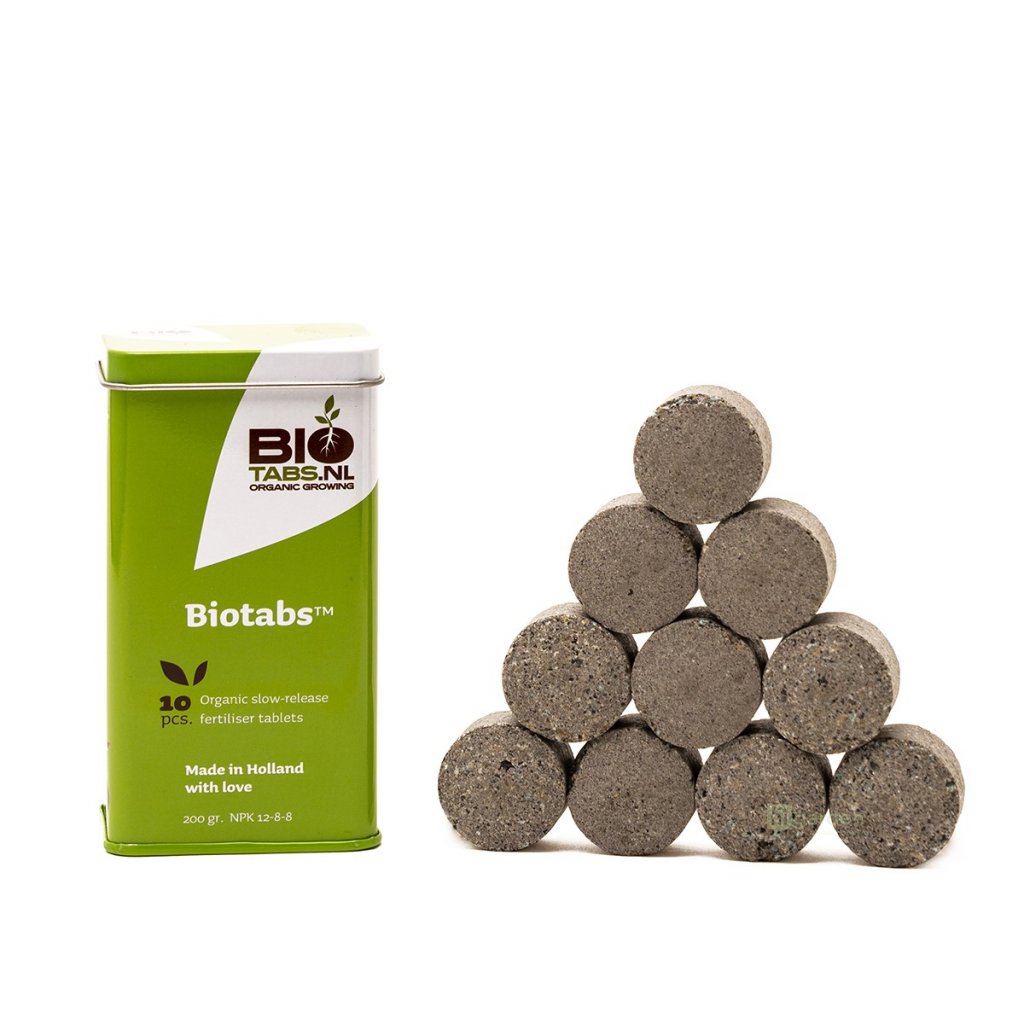
The main advantage of solid fertilisers is the possibility of gradual nutrient release into the soil. In the case of nutrient solution, nutrient elements are available to plants immediately after watering and only for a short time. By contrast, some solid slow-acting fertilisers can supply plants with nutrients for weeks or even months.
The basis of the feeding programme and range of organic fertilisers BioTabs are slow-release tablets that supply plants with nutrients and other beneficial substances. The basic tablets are then supplemented as needed with liquid and dry nutrition supplements, including organic PK boosters or compost teas.
Solid slow-release fertilisers allow the gardener to cover most of the plant’s nutrient needs already at planting time and save both time and money. This makes it possible to grow plants in a more ecological and sustainable way. On the other hand, when indoor growing nutrient-demanding plant species under powerful artificial lighting, it is often better to combine solid and liquid fertilisers. In some growth stages, plants may need a rapid supply of nutrients.
Fertilisers from the Dutch manufacturer Guanokalong are based on the use of fertile substrates and organic soil amendments in both liquid and solid form. This feeding programme is excellent for advanced indoor and outdoor growers, including those growing by the “living soil” method. You can learn more about Guanokalong in our article.
Advantages of solid slow-release fertilisers
- gradual and long-term nutrient release
- easy growing without the need to prepare nutrient solution
- the possibility of fully organic growing
- easy storage and shelf life
When and How to Use Root Stimulants
Root stimulators are an invaluable aid for germination, transplanting and taking cuttings. But how and when should they be used correctly, and why are root stimulators also useful during vegetative growth and flowering? You will find the answers to these and other common questions about root stimulators in the following article.
Root stimulators contain natural or synthetic substances that support root development in plants. The most important ingredients in root stimulators include:
- Auxins – plant hormones that support the division and elongation of cells in the root system.
- Humic and fulvic acids – natural substances that improve the physical and biological properties of the soil and nutrient availability.
- Mycorrhiza – beneficial soil fungi that live on plant roots, where they help plants absorb nutrients and water more effectively.
Using root stimulators helps plants especially during germination, transplanting and cloning, but they can be used throughout the entire growing cycle.
How to use root stimulators?
1. During germination
 Root stimulators are most effective during the first days and weeks of a plant’s life, when its root system develops very quickly. If you are growing in soil or with organic fertilisers, treat the seeds before germination with one of the root stimulators with mycorrhiza, for example Orca Liquid Mycorrhizae or Ugro Rhiza 1200. The beneficial fungi colonise the roots from the very first moments of the plant’s life, help them develop quickly and protect the seedlings from pathogens.
If you grow hydroponically or use mineral fertilisers, look for root stimulators that do not contain mycorrhizal fungi or other beneficial microorganisms. These require a life-suitable environment and die quickly in the presence of mineral salts. You can choose from a wide range of root stimulators suitable for growing with mineral fertilisers and in hydroponics, for example Plagron Start Up or Canna Start.
You may also be interested in: 7 most common mistakes during germination and how to avoid them
2. During transplanting and planting
 Transplanting is stressful for plants and often leads to transplant shock, which is shown by wilting, slowed growth and reduced vitality. Using a root stimulator during transplanting helps plants recover more quickly. It is best to apply the root stimulator both before planting directly around the plant roots and into the soil immediately after planting.
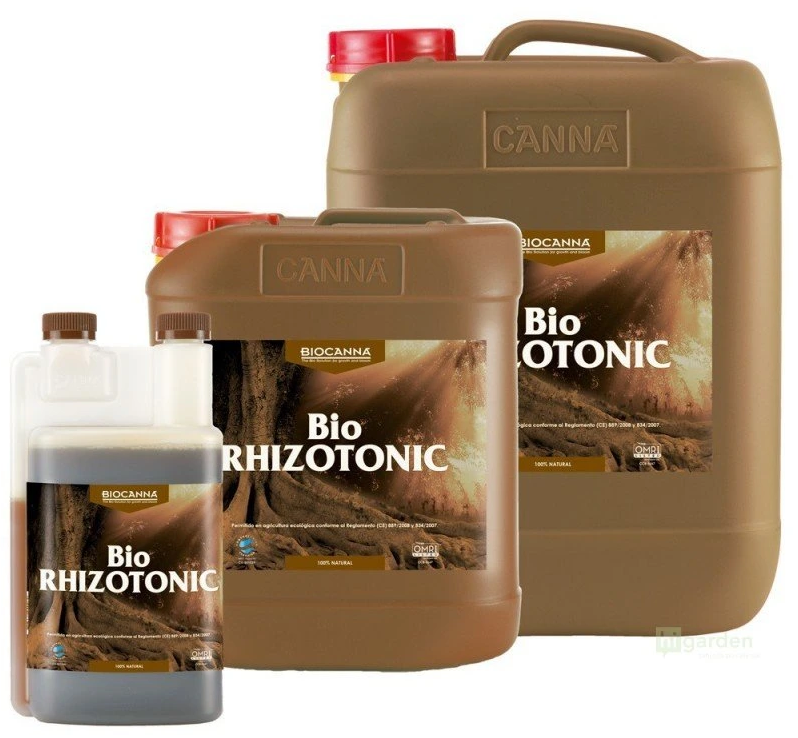
Root stimulators for growth should be chosen according to which fertilisers you use and the substrate you grow in. Most fertiliser manufacturers also supply a suitable root stimulator with their nutrition programmes. Alternatively, you can use one of the popular universal root stimulators, such as Canna Rhizotonic, BioBizz Root Juice or Advanced Hydroponics Root Stimulator.
You may also be interested in: How to properly pre-grow seedlings
3. During taking cuttings
Taking cuttings is a delicate process, and if new roots do not grow quickly on the taken shoots, all your hard work will come to nothing. When cloning, we recommend using gel or liquid rooting stimulators containing auxins, such as Clonex Rooting Gel, Stimulax, Shogun Start, Canna Start.
You may also be interested in: Taking cuttings: cloning plants step by step
4. During the growing cycle
Although most of us reach for root stimulators most often during the early stages of growth, their use benefits plants throughout the entire growing cycle. During the vegetative phase, root stimulators accelerate the development of the root system, which supports plant health and resistance to pests, pathogens and stress. During flowering, they improve nutrient absorption and contribute to a more abundant harvest.
For regular application, use the root stimulator recommended by your fertiliser manufacturer, or choose according to the type of substrate and fertiliser.
- Root stimulators for growing in soil with organic fertilisers: BioNova BN Roots, Advanced Nutrients Voodoo Juice, Organic Nutrients Mykoriza, Canna BIO Rhizotonic, BioBizz Root Juice, Terra Aquatica Root Booster, Organics Nutrients BIG Start, Advanced Hydroponics Bacto Force, Xtreme Gardening Mykos
- Root stimulators for growing with mineral fertilisers: Canna Rhizotonic, Shogun Katana Roots, Plagron Power Roots, Atami B’cuzz Root Stimulator, Metrop Root+
- Root stimulators for hydroponics and inert substrates: Advanced Nutrients B-52, Advanced Hydroponics Root Stimulator, Atami Rootbastic, Plagron Hydro Roots
Are you interested in news from the world of growing or looking for guides on indoor plant cultivation? You will find all this and much more on our growing Higarden blog!
Why should products based on silicon and beneficial microorganisms not be combined?
Experience from thousands of growers therefore shows that there is no doubt that the T.A. Silicate product is a very useful supplementary additive to nutrient solutions for the plants you grow. You may know this product under its former name, Mineral Magic, before the legendary manufacturer General Hydroponics (GHE®) was renamed Terra Aquatica (more can be found in the separate article: Terra Aquatica (T.A.®) - the new name of a prestigious brand). However, the current version of Silicate from Terra Aquatica can boast an improved composition, bringing growers the following benefits:
Mycorrhiza vs. Silica. For taller plants, silicon (Si) is an essential element that they are unable to produce themselves, and its deficiency usually causes health problems for them (see the separate article: The Effect of Silicon on Plant Health). However, many growers do not know that, from the point of view of nutrition for fast-growing plants, it is necessary to take into account the fact that silicon, although beneficial, slows the development of beneficial fungi and bacteria in their root system. If this information is new to you, this article will show you how to deal with it.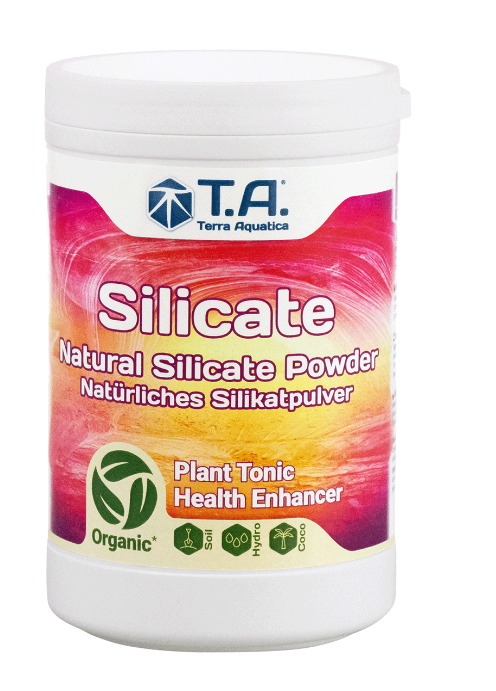
When silicon is mentioned, plant nutrition is primarily about silicates as oxygen-containing compounds of silicon, and this applies doubly to hydroponic plant growing. It is therefore no surprise that not only our customers involved in hydroponics, but also growers around the world, have for years relied on a natural, pH-neutral product containing an ancient source of biologically transformed organic material and naturally formed clay with silicic acid.
Experience from thousands of growers therefore shows that there is no doubt that the T.A. Silicate product is a very useful supplementary additive to nutrient solutions for the plants you grow. You may know this product under its former name, Mineral Magic, before the legendary manufacturer General Hydroponics (GHE®) was renamed Terra Aquatica (more can be found in the separate article: Terra Aquatica (T.A.®) - the new name of a prestigious brand). However, the current version of Silicate from Terra Aquatica can boast an improved composition, bringing growers the following benefits:
- Higher silicate content.
- Better solubility of the active ingredient thanks to smaller particles.
- Higher carbonate content, stabilising the pH level of the nutrient solution.
- In addition to the acidity of the solution, Silicate also helps stabilise its conductivity (see the separate article: Electrical Conductivity of the Nutrient Solution – EC), thereby minimising the stress to which fast-growing plants are often exposed.
- Natural colloids for better cation exchange in the nutrient solution mean better nutrient availability for your plants. Your plants will also certainly benefit from the presence of the other 60 minerals that are also part of the composition of T.A. Silicate.
- The composition of Silicate also protects plants from metal toxins.
Specifically, you can use T.A. Silicate (G.H. Mineral Magic) when growing plants in coco, in hydroponic systems, in soil, as part of bioponics and even in the form of a spray directly onto the leaves. The same applies to other quality silicon-based products, but they will all have one thing in common, and that is why it is now necessary to pay attention!
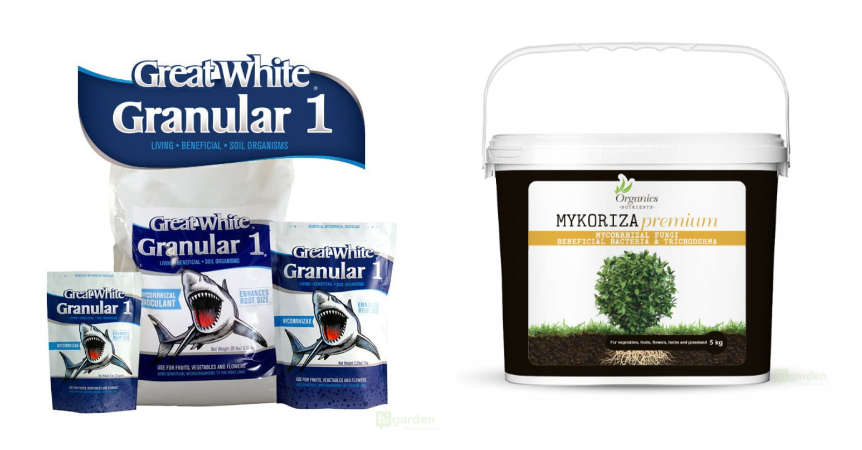
If you read our articles almost regularly, you have probably also read this one: Mycorrhiza, or High Yields Without Chemicals. It explains the importance of beneficial microorganisms in plant nutrition and focuses on the excellent results that products containing these beneficial soil bacteria and fungi bring to growers, especially in organic plant growing and organic agricultural crops. These include, for example, the hit of the last season MYKORIZA premium or the most affordable organic mycorrhizal product and a new product from the brand Plant Success Organics: Mycorrhizae Great White Granular 1.
However, when growing plants in a substrate, it would be counterproductive to use mycorrhizal products at the same time as products such as “Silica”, that is, silicon-based products. Beneficial fungi and bacteria are even part of the growing medium, as is the case, for example, with the compressed UGro XL Rhiza coco brick.
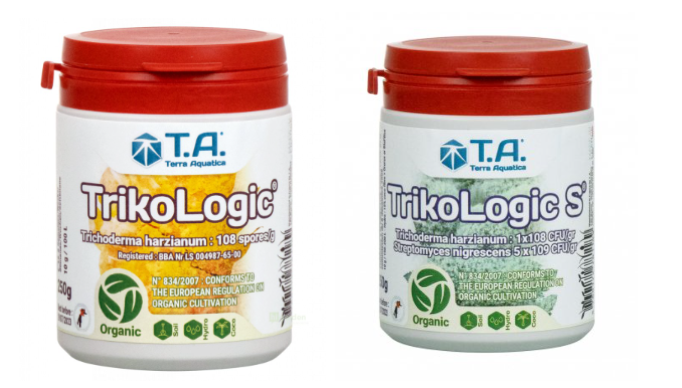
T.A. Silicate does work in synergy with all products from the same manufacturer, but take extra care when using it together with plant nutrition additives such as the highly effective blends with beneficial microorganisms T.A. Trikologic and T.A Trikologic S. The manufacturer recommends applying Silicate exclusively to the leaves or by the so-called dry method directly to the stem at a point just above the substrate. (The table shows the correct dosage using both methods.)
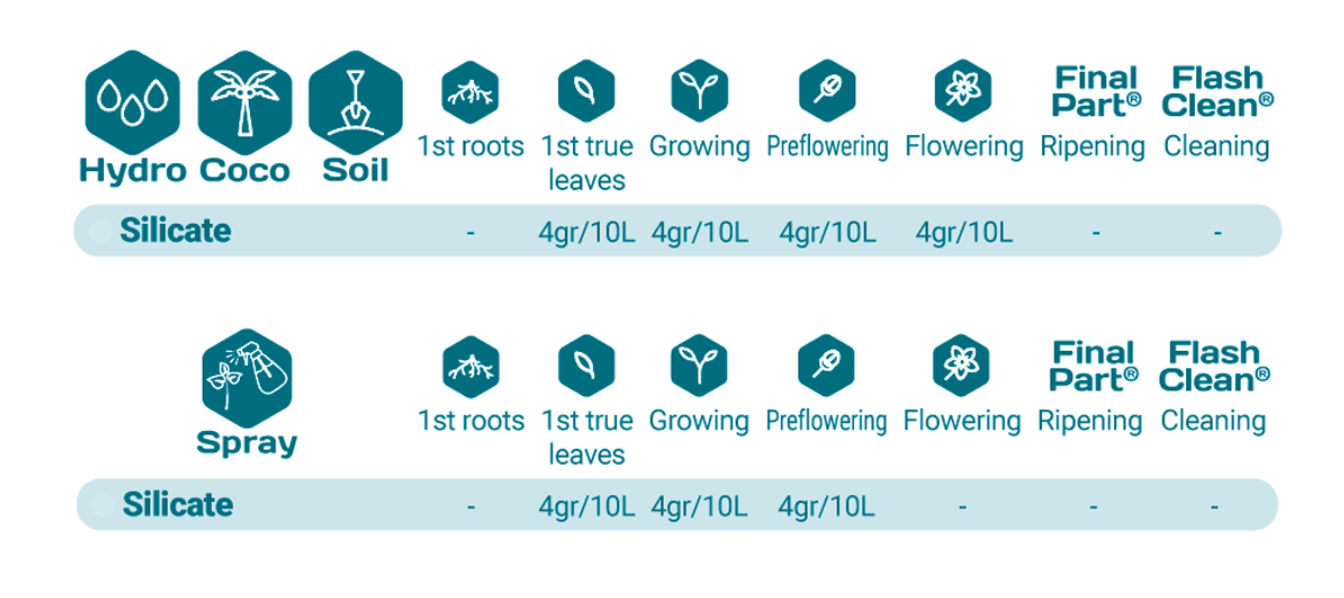
This is the only way to avoid the unwanted slowing of the development of such beneficial colonies in the soil! Take this advice to heart especially when growing plants indoors in a grow tent. In open ground, on the other hand, T.A. Silicate (see above), thanks to the larger growing space and lower concentration, stimulates the development of beneficial microorganisms and helps create a natural environment and extremely healthy plants.
If you would like to ask us anything, we are here for you at the well-known e-mail address info@higarden.eu.
We also recommend these products:
What to read next:
BIOTABS – organic fertilisers and soil amendments
Biotabs fertilisers work brilliantly. And their practical application? Easy as anything! The Dutch manufacturer builds on natural processes in the soil and, as far as the operation of individual products is concerned, makes no secret of the fact that it essentially copies nature. So let nature do the work even when it comes to plants grown in pots. In addition to introducing the unique BIOTABS products, we will also bring you practical advice for growers directly from the founder of this now world-famous brand. We will therefore also touch on the topic of correct watering of plants and reveal a proven method for transplanting young plants.

Unlike controlled, human-managed indoor growing, in a forest there is no need to fertilise, measure EC or pH. This is due to an interconnected system of chemical reactions and the coexistence of micro-organisms, plants and animals, which we collectively call an ecosystem. But what if we transferred this system into indoor gardening as well? It is precisely on this idea that the founder of the Dutch company, Karel Schelfhout, explains the principles of organic growing with Biotabs products.
Micro-organisms and small creatures (for example earthworms) living in the soil eat one another while consuming organic material. Through their excrement, the soil in the wild then provides trees or plants with readily available nutrients. No chemistry is needed, and the results are even better. And so, after a quarter of a century of experience with chemical plant growing in rockwool, Karel Schelfhout decided to devote his career to developing purely natural products that would be environmentally friendly, easy to use, and above all create a natural, highly productive environment for plants grown in pots, ensuring a perfect harvest. It has worked, and that was already ten years ago. So let us introduce the complete Biotabs range in more detail. Afterwards, we will focus on the use of individual products in everyday growing practice.
Basic plant nutrition in the form of practical slow-release nutrient tablets for indoor (indoor) and outdoor (outdoor) growing is becoming increasingly popular among growers. Experienced growers appreciate the time and energy savings while achieving excellent results, and for beginners it is the perfect product that makes their first growing attempts much easier, so that they too can look forward to the harvest of their dreams, whatever the scale. BIOTABS tablets are here to make ecological growing almost child’s play, without exaggeration. To activate the tablets, simply add water; it really is that simple in practice. In addition to organic fertiliser (NPK 15-7-8), BioTabs tablets also contain beneficial bacteria and fungi, whose microbiological activity improves the substrate (soil-based or coconut) and significantly improves nutrient uptake by the plant.
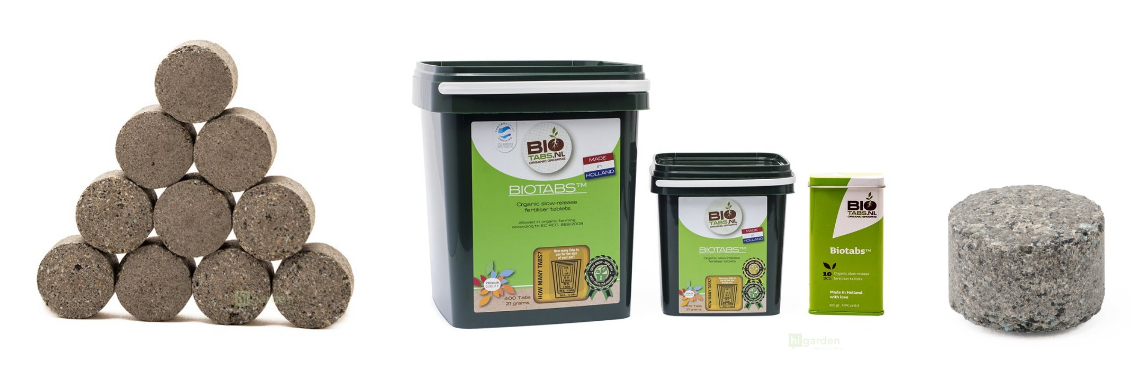
We have the basics. It is also necessary to add an alternative that completely removes the need for measuring EC and pH. These are the Guerrilla tablets, which we mention at the end of this article. Below, using a practical example, you will learn how to place any fertiliser tablets into a pot. Now we move on to the other Biotabs products with which you can combine them.
Since we are on the subject of combinations, let us make a brief detour, as you occasionally ask us about combining organic and mineral products. We will answer straight away that this combination certainly does not make sense. It is necessary to realise that in organic farming and growing, from a grower’s perspective, you are not so much fertilising the plants as caring for the health of the soil environment and rich microbial life, because, as we have already explained, the soil then creates nutrition for the plants itself. And when you want to use mineral fertilisers or boosters in combination with organic products, the mineral fertilisers kill the soil life, without which this process disappears. So if you use Biotabs nutrition (or any other organic nutrition), there is no point in mixing in anything that does not have 100% natural composition. In addition, Biotabs has developed products that create a truly balanced nutritional system. If you use all sorts of different products together, this balance is unnecessarily disturbed and the results will not be as good as they could be.
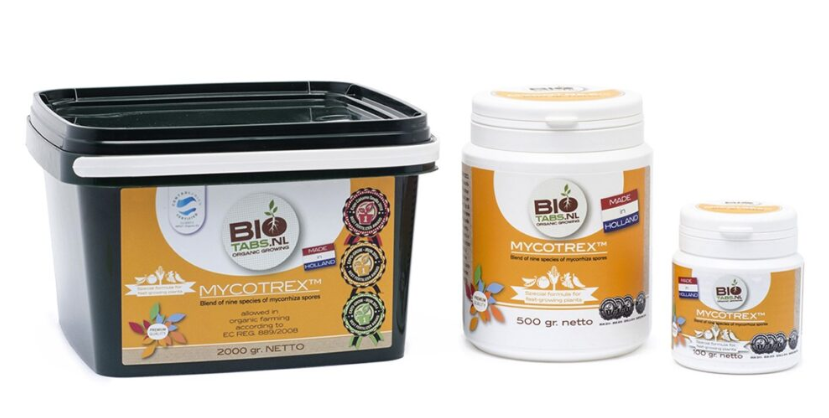
This loose soil additive with a purely natural composition contains beneficial rhizobacteria, seaweed meal and humic acids (see the separate article: Fulvic and humic acids: importance and use in plant nutrition).
Among growers around the world, it is renowned for its ability, thanks to its composition, to provide an ideal environment in the soil for healthy and rapid plant development. 9 species of beneficial Endo Mycorrhiza fungi colonise the root system, whose capacity to absorb water and various nutrients from the soil increases rapidly, by up to 700%! If you read our articles regularly, you can surely already vividly imagine what this means for the health and growth rate of your plants!
Mycotrex is useful when growing in soil and in coconut substrate. It is very useful for all types of plants, from ornamental flowers to medicinal herbs and various kinds of fruit and vegetables, as well as trees and shrubs.
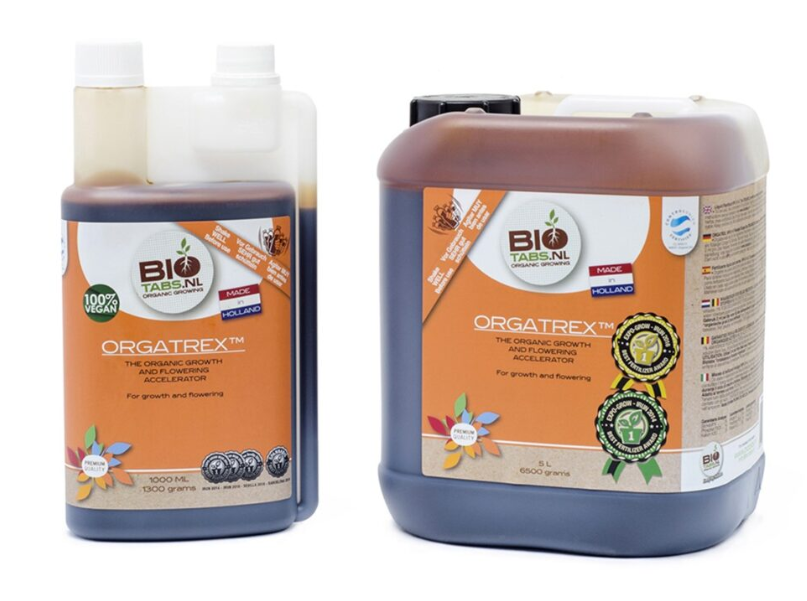
This 100% VEGAN liquid fertiliser for plant growing, by its composition and effects, ranks among growth and bloom stimulators. Within the comprehensive Biotabs growing strategy, it complements the products Mycotrex and Bactrex perfectly.
Its use is again completely safe for all types of plants, trees and shrubs. The natural composition consists of ingredients such as alfalfa meal, vinasse, molasses, and we must not forget the important trace elements (iron, copper, calcium, magnesium, manganese, sulphur, silicon, zinc).
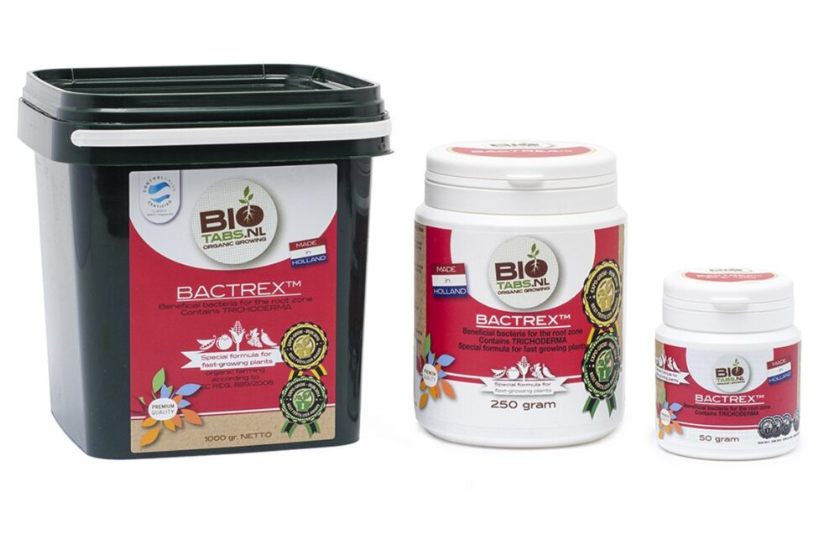
Increase the fertility of the soil! The BioTabs Bactrex soil enhancer acts in the root zone of plants, where it provides them with protection against pathogens (including pythium) while also converting organic matter into nutrients. This powerful soil aid can be used to protect newly rooted cuttings or germinating seeds. In terms of consistency, it is a dry powder that dissolves easily in water. In terms of composition, expect a large amount of beneficial soil bacteria and root microbes (including 6 strains of Bacillus spp.), Trichoderma fungi and actinomycetes.
It is important to realise that Bactrex is literally a live product, and therefore you should always apply it within 6 hours of dissolving it in water.
For growers accustomed to using soil without significant pre-fertilisation or coconut substrates, which contain no nutrients, Karel Schelfhout recommends this organic blend of basic nutrients (see separate article: N-P-K - what is it?) with readily absorbable silicon (see separate article: The effect of silicon on plant health).
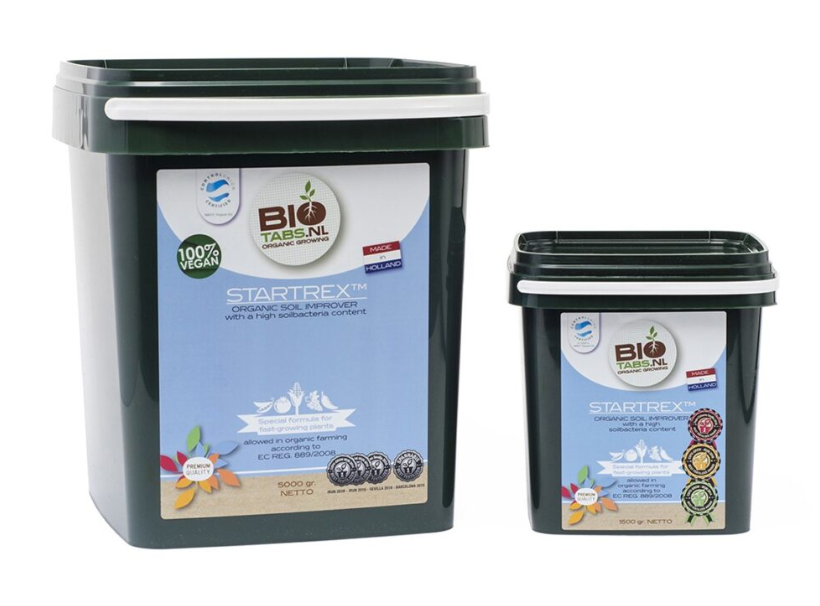
This natural soil improver is also rich in silicon (Si). In addition to that, it also contains fulvic acids and a heap of probiotic bacteria, whose high concentration immediately after application initiates the development of mycorrhizal fungi in the root system (see the separate article Mycorrhiza or High Yields Without Chemistry).
Biotabs boosters ensure explosive flowering!
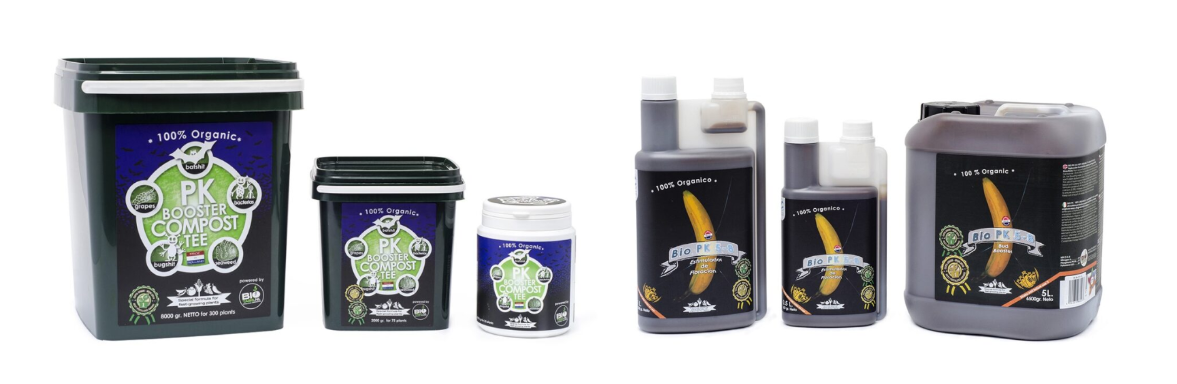
Now it is the turn of a pair of products that Karel Schelfhout likes to compare to nitroglycerine for your bloom, in the sense of truly explosive flower development to ensure maximum yields! Although “NITRO” and “GLYCERINE” are, as is well known, an inseparable pair, the founder of Biotabs also understands that two products at once may be too much for some. In such a case, he recommends prioritising his absolute favourite product, which is the organic compost mixture PK Booster Compost Tea with a truly fantastic effect on the health and yield of cultivated plants, containing bat guano, seaweed, beneficial bacteria releasing nutrients from the soil, especially phosphorus (P) and potassium (K), as well as other special ingredients, thanks to which it brings growers results that can be seen within just a few days of the first application. At the same time, however, Karel Schelfhout emphasises that the best possible solution is the combination of PK Booster Compost Tea with the booster Bio PK 5-8, while following the application schedule below:
- PK Booster Compost Tea: week 4, week 6.
- Bio PK 5-8: week 5, week 7.
It would therefore not be effective to use both boosters together from the 4th to the 7th week of flowering.
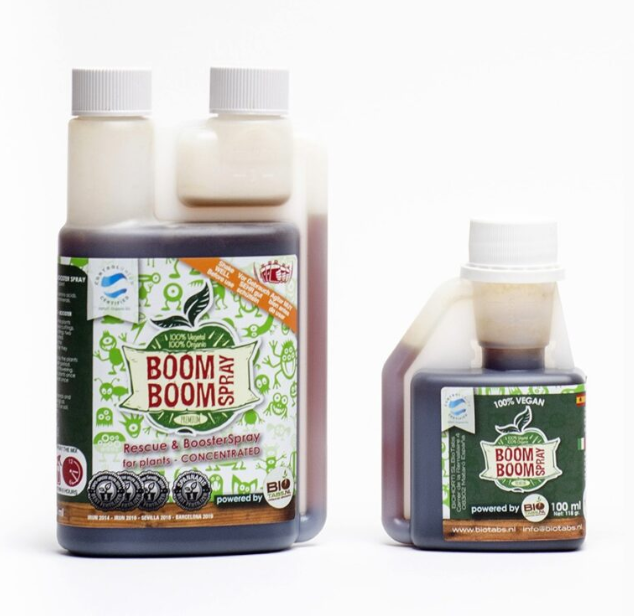
If you are among growers who are not satisfied with watering applied only to the roots and also like to use foliar spray, you can try the effects of the foliar fertiliser Biotabs Boom Boom Spray on your plants as a powerful biostimulant containing 100% natural amino acids, peptides, glycosides and minerals.
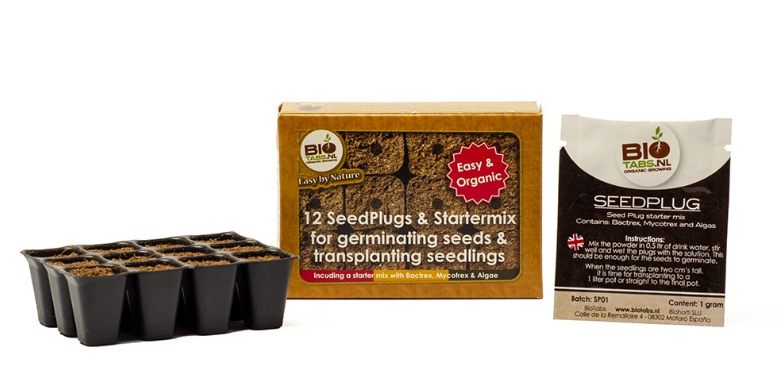
Biotabs SeedPlugs for successful seed germination
This practical set will provide you with a quality foundation for your future harvest in 5 easy steps!
- Pour one sachet of Bio Startermix starter fertiliser into 0.5 litres of water and mix well.
- Water the SeedPlugs (the propagator with propagation cubes) with a small amount of the prepared solution and pour off any excess water from the propagator.
- It is now important to have clean hands, or to use clean gloves. You can then gently place a seed into each propagation cube, soaked with the solution, to a depth of approximately 3 mm.
- Leave the prepared propagator at a temperature of 22-24°C and after 3-5 days the seeds will begin to germinate.
- Then simply remove the germinated seeds gently together with the propagation cube from the propagator and transplant them into a 1-litre pot filled with substrate mixed with perlite (see above).
Care for seedlings with BIOTABS products
Whether you have a germinated seed in a propagation cube or already a nicely rooted larger seedling, you will later want to safely transplant the young plants into large pots. The following trio of Biotabs products will serve you perfectly for this:
Karel Schelfhout recommends a proven procedure consisting of the following steps:
- First, transplant the seedling into a small pot with a volume of 1 litre. (You will achieve even better results using HERCULES aerated pots.)
- First fill it with quality soil-based substrate, without Startrex for now.
- Then create the so-called planting hole in the middle of the pot.
- Using a spoon, first apply a small amount of Mycotrex (0.5-1.0 g), because it is important that the seedling’s roots come into contact with Mycotrex as soon as possible.
- Then gently place the rooted plant into the prepared space in the substrate with a little Mycotrex.
- Next, you need to mix and use a watering solution from 1 litre of water with the following composition: 5 ml Orgatrex + 1 g Bactrex. Both of these products help maintain optimal conditions for the soil microbiome.
- The seedling in the 1-litre pot should be watered gently with only a small amount of water.
- After 7–10 days, the small seedling or cutting will become a more mature, still-growing plant that needs to be transplanted once more, into its final pot. For a 10-litre pot, in addition to 10 litres of soil, you will need 50 grams of Startrex.
- Make a planting hole and apply 5 grams of Mycotrex into it (approximately 5 teaspoons).
- Then take 2 slow-release nutrient tablets (BIOTABS) and place them about 5 cm below the surface of the substrate.
- And now comes the prepared watering solution from 1 litre of water with the addition of 1 g Bactrex and 5 ml Orgatrex.
- You can safely water a 10-litre pot with the whole litre of watering solution. Try to pour it primarily into the places where you placed the slow-release nutrient tablets.
Further practical advice from the founder of BIOTABS
You may already have read the separate article on our blog “What water do you use to water your plants?” and perhaps also the one on reverse osmosis (RO). If not, be sure to have a look at them, because the legendary Karel Schelfhout also places great emphasis on water quality when he says: “Most people use tap water when growing plants. That may be fine, but you should keep in mind that only water that you yourself drink is good for your plants. Its EC should definitely not be higher than 0.5! When you use a reverse osmosis unit, it pays to add an extra dose of calcium and magnesium to the substrate. Classic products such as CALMAG are one option, but you can also try so-called dolomite lime, or 50 g of perlite per 10 l of substrate.
And how should plants be watered correctly? It is important to make sure, and this is even more true for large plants, that water and nutrients are readily available to the plant. Karel Schelfhout advises lifting the pot and judging whether it is heavy or not. If the pot is very heavy, the plant does not need water at the moment. If it is light, then it does. A common beginner’s mistake is to focus only on the surface of the substrate, which appears dry in the pot, and so they think something like: “Hmm, my plant needs water!” But if you lift the pot and find that it is heavy, it means your plants actually still have enough water, and by adding more water you would, on the contrary, unnecessarily expose them to the risk of overwatering.
Karel Schelfhout recommends AutoPot hydroponic systems because they require no electrical energy and, using gravity alone, work automatically so that you can be sure your plants have just the right amount of water at any given time. Plants also benefit from a stable environment, and when you water them by hand, they are sometimes too wet and sometimes too dry, whereas when you use Autopot, they will always be wet. To make them just the right level of wet, or rather moist, a 30–40% perlite mix in the substrate has proven effective when irrigating with the AutoPot system. When watering by hand, a 10% perlite mix is sufficient. This ensures that even in moist soil there is still enough available oxygen.
Read the separate article: Autopot hydroponic systems for economical operation and high yields!
BIOTABS fertiliser sets
Although Biotabs products are in many respects exceptional, just like other plant nutrition brands, Biotabs has also prepared cost-effective, complete fertiliser sets for customers, or the popular STARTER PACKS, which are the best way to get to know the effects of these products.
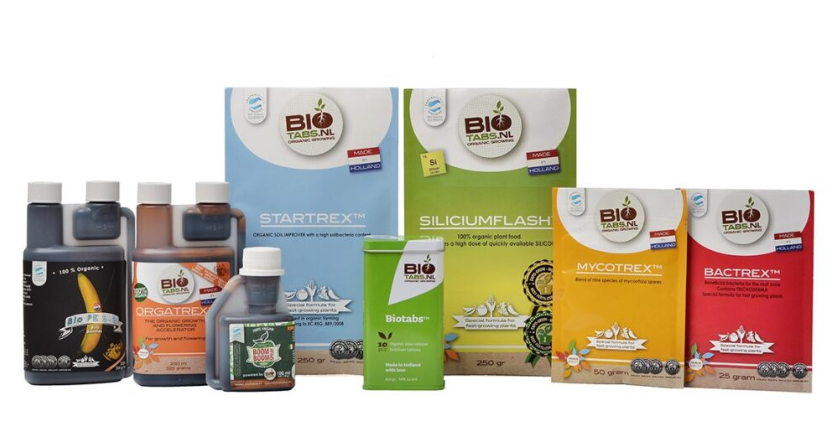
Biotabs Discovery Pack was launched only recently and is the most complete of all the sets. So if you want to try what all Biotabs products can do together during the growing cycle, we highly recommend it!
Biotabs Starterpack contains enough material for growing 5 large plants in a 10-litre pot. All you then need is the same volume of quality substrate mixed with perlite (at least 10%) for aeration. If you choose this option for the first time, here is a guide on how to make the best possible use of it straight away:
- First, manually mix the prepared substrate with perlite and 50 grams of STARTREX. 50 g corresponds to about 4 tablespoons. We recommend preparing the soil, for example on a plastic tray, not only to avoid mess, but also so that you can then move it into the pot more easily.
- Once the soil is prepared in the pot, make a planting hole in the middle and pour 5 grams of MYCOTREX into it. In this case, 5 g is 5 teaspoons.
- You can then place the plant into the planting hole prepared in this way.
- For a 10-litre pot, use 2 slow-release nutrient tablets. Place them by hand below the surface of the substrate to a depth of 5-10 cm.
- The final step is to water the pot with a watering solution of the following composition, preferably in the places where you placed the tablets:
- 1 litre of water
- 5 ml Orgatrex (The practical measuring chamber integrated into the packaging is filled with the product and then emptied after application, so there is no complicated measuring.)
- 1 g Bactrex (If there is a little more, nothing will happen; these are purely organic products, so there is nothing to worry about.)
- A frequent question is whether the BioTabs Starter Pack is also suitable for “autoflowering” varieties. The answer is a clear YES, but if it concerns autoflowering seeds, avoid transplanting. Autoflowering varieties of plants also do not particularly like receiving a large amount of nutrients right at the beginning of the growing cycle. So, for example, when growing in a 10-litre pot, use the slow-release nutrient tablets as usual, with the only difference being that you place the first tablet into the substrate right at the start of the growing cycle and the second tablet only after a few weeks. That is the only difference.
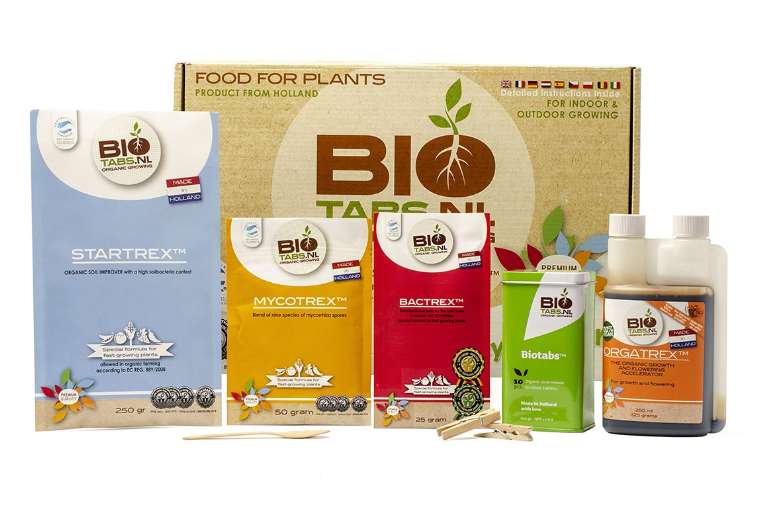
Biotabs Guerrilla Box is a simple but effective set for exceptionally easy organic growing of 5 large plants, which you can use in soil or coconut substrate. It contains a pair of products:
- Guerrilla Tabs - slow-release tablets rich in rhizobacteria, when using which there is no need to adjust pH or EC during growing. That is their great advantage. They can also be purchased separately.
- Guerrilla Juice - this liquid fertiliser creates a harmonious whole with rhizobacteria and other beneficial soil micro-organisms, including mycorrhizal fungi. It also contains a balanced amount of important trace elements.
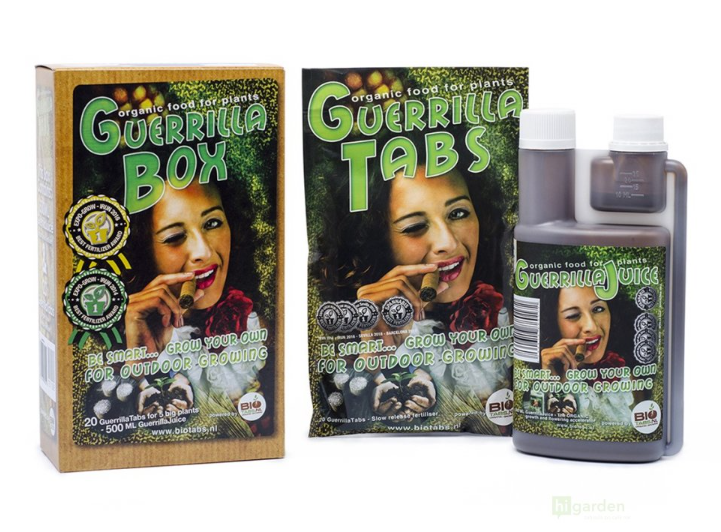
Our TIP: Do not forget that detailed dosing tables are available for extra easy and effective dosing of Biotabs fertilisers. If you would like to ask us anything, we are here for you at the well-known e-mail address info@higarden.eu.
We also recommend these products:
- Clip fan PF 15 cm 15 W 2 speeds
- VAPR Nano Spray Gun - automatic hand mister
- CO2 Generator MOTHER NATURE
What to read next:
- Beneficial micro-organisms (microbes) are indispensable helpers
- Mycorrhiza or High Yields Without Chemistry
- Hydroponics - what does it involve and how do you start?
Master dry back! Controlled substrate drying for beginners and advanced growers
The key to success in indoor growing is balance between light, nutrients and humidity, and regular drying of the substrate is an important balancing factor. The so-called dry back is a technique based on controlled drying of the growing medium between individual waterings. In today’s article, you will learn why dry back is important and how to use this technique effectively in your grow room.
Not only beginner growers often ask themselves how often they should water their plants. Unfortunately, the answer is not as simple as it may seem at first glance. If you have been growing for some time, you have certainly noticed that the frequency and amount of watering significantly affect the way plants develop. If you water too often and the growing medium is constantly saturated with water, the plants are not forced to expand their root system and, in the end, their ability to absorb nutrients is reduced. On the other hand, every time the substrate dries out, the plants create new roots in an effort to obtain water, through which they can then take up even more water and nutrients after watering. Plants regularly exposed to drought are more resilient, show more vigorous growth and, according to some studies, also produce higher amounts of secondary metabolites (terpenes, flavonoids, active substances) than those grown in a constantly moist medium.
How to use dry back
Understanding why regular drying is important is certainly not difficult, but the practical use of the dry back technique can be a challenge even for experienced growers. Firstly, different growing media retain water differently, and secondly, the speed at which the substrate dries out is influenced by environmental factors such as temperature or air humidity. Last but not least, the stage of growth the plant is currently in is also important. A different dry back is suitable for clones, mature or ripening plants.
- Coconut substrates dry out relatively quickly while also holding a large amount of water. It is also important that the coconut fibres do not dry out completely during dry back, because then they lose their retention properties. When growing in coco, we usually water at most once a day, or less often.
- Soil and soil mixes dry out slowly and dry back can take longer than it does with coco or hydroponic media.
- Rockwool dries quickly and can hold a large amount of water, which allows frequent irrigation interrupted by short windows for dry back. In terms of irrigation control, mineral wool makes it possible to influence plant growth better than other growing media.
Would you like to learn more about how the choice of growing medium affects your plants? Read our Guide to Growing Substrates.
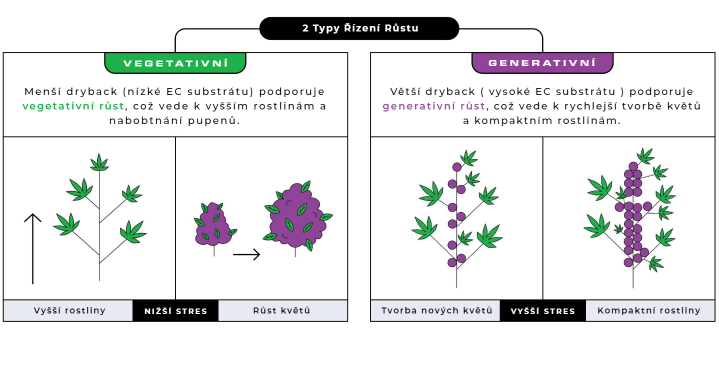 In addition to the growing medium, another important factor affecting dry back is the age of the plants. For vegetative growth, plants need more water than they do during flowering and ripening. Excessive drying during the growth phase stresses the plants and slows their growth. On the other hand, during flowering and ripening, a gradual increase in dry back is desirable. Mild stress encourages plants to flower and supports resin production. However, it is also necessary to take into account the fact that during flowering and ripening we usually maintain lower relative humidity in the growing space than during the growth phase. Air humidity and temperature also affect how quickly plants transpire and absorb water. When you start thinking about how to use dry back in your grow room, do not forget that it is mainly about the balance between overwatering and the stress caused by a lack of water.
Has today’s article caught your interest and would you like to learn more about indoor growing and the latest horticultural techniques for outdoor and urban growing? Do not hesitate to visit our Higarden blog!