
I’m starting to grow
- Series: Grow 3 Plants Yourself
- Discreet growing
- Equipment Selection for Beginners
- Very beginning
- Legal Cultivation
List of articles
Growmania is joining higarden.cz
Growmania.cz has become part of higarden.eu
Along with this change, the range at the Nádražní 3 store, Prague 5 Smíchov, will be significantly expanded.
Since 1.12.2022, the Kobylisy store - Zdibská 2, Prague 8 has been closed, and we will be happy to serve all its customers at the Higarden branch at K žižkovu 640/9, Prague 9 19000, or at the Prague 5 Smíchov branch.
Are both branches too far away for you? - Call us, write to us, or order goods via the e-shop and we will be happy to send the goods to you anonymously; in the case of Prague and the surrounding area, we can also deliver them with our own transport.
In the near future, it will be possible to collect goods ordered on higarden.eu also at the Prague 5 Smíchov branch - as soon as this is possible, we will inform you.
What to Remember When Making Your First Purchase at a Grow Shop
Legalisation is fast approaching, and more and more of you are asking which grow box to buy and how to equip it. Anyone who has read the guide to their first purchase on the Higarden blog knows that without grow lights, ventilation, substrate and fertilisers, nothing will grow. However, that is only the absolute basics. To avoid unnecessary mistakes and disappointment, it is worth thinking through every detail when making your first purchase. In this article, we will look at equipment that beginners often forget.
Measure twice, cut once
 Remember that your grow tent should last for many years. Therefore, before you decide on one, it is better to think everything through twice. It goes without saying that the grow box should fit into your room, but otherwise the rule is that the bigger, the better. In a larger space, it is easier to maintain the correct microclimate and there are no such fluctuations in temperature and humidity. In a spacious grow box, plants have more room to grow and do not shade one another, so they make better use of the light from grow lights.
- Grow box 60 x 60: The absolute minimum if you want to grow anything other than a few herbs for the kitchen. You will probably not get much out of a small “sixty”, but everything you need will fit inside.
- Grow box 80 x 80 cm to 100 x 100 cm: A skilful grower can make use of every centimetre of space, and you can easily grow three plants in a medium-sized tent.
- Grow box 120 x 120: The gold standard among growers, easily large enough for three nice plants with plenty of room. Suitable for LST or weaving into nets.
- Large grow boxes: The largest grow boxes can resemble a small room and are probably a little too much for growing within the limit. However, if your dream is your own indoor garden, where you will grow enough tomatoes for yourself and a wide circle around you, you will find everything you need at Higarden.
You may also be interested in: My first grow box
Do not forget that you will need accessories to install the equipment in the grow box. To hang lights and fans, you will need several hanging ropes with a hook (rope ratchet). You will also need several metres of ventilation ducting and metal cable ties to tighten the joints. Your basket should also include binders for securing electrical cables and universal textile tape (duct tape). It will easily seal joints and repair small tears in the ducting. For one medium-sized grow box (80x80 to 120x120), you will need approximately:
- 4 x rope ratchet (2 for securing lights, 2 for the extract fan)
- 3 x cable tie
- 3-5 metres of ventilation ducting
You may also be interested in: How to choose ventilation ducting for a grow box
Climate control
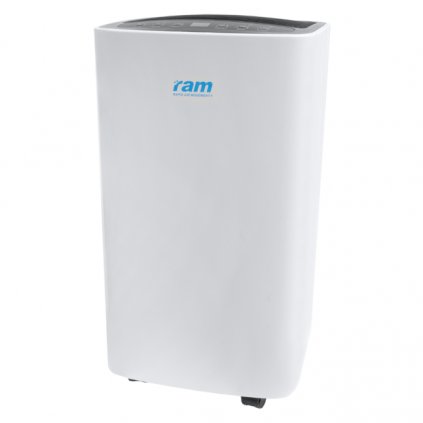 In the advice articles on the Higarden blog, we have repeatedly emphasised the importance of climate control in indoor growing. Many beginner growers underestimate how much water their plants “sweat” through transpiration. This is especially true during the vegetative growth stage, when they can consume several litres of water per day. It is easy for relative humidity to rise too high, even if you ventilate the room with the grow tent regularly. A humid environment then becomes an attraction for mould spores, especially botrytis (Botrytis cinerea), which causes flower rot. The best solution for keeping humidity under control in the growing area is to place an air dehumidifier in the room with the grow box. Set it according to the current growth stage of the plants. Sensors in dehumidifiers are usually reliable, but you should still monitor the humidity in the growing area with a thermometer with a hygrometer.
- 65-75 % for seedlings and cuttings: High air humidity prevents young plants from dehydrating, especially because they cannot rely on well-developed roots for water uptake. It also allows them to focus their energy on developing a strong root system instead of constantly trying to find water.
- 55-65 % during the vegetative growth stage: Plants in the vegetative growth stage grow very quickly and need a high nutrient intake. Therefore, it is recommended to maintain a higher temperature and humidity in the growing area, which speeds up photosynthesis and nutrient uptake without encouraging mould development.
- 40–55 % during flowering and before harvest: During flowering, keep humidity around 55%, and as harvest approaches, reduce the humidity in the growing area to the lower limit. This will prevent mould formation and support resin production.
Most indoor growers have more trouble with excessively high humidity than with dry air, but that can happen too. If the relative humidity in the growing area is below 40% for a long time, plants will evaporate water faster than the roots can absorb it. This will force them to close their stomata and slow down photosynthesis, which will show itself in slow growth, small flowers and nutrient deficiencies. In such a case, the humidity in the growing area can be increased with a humidifier.
You may also be interested in: What are the ideal conditions for indoor growing?
Measuring instruments
When growing indoors, you cannot do without fertilisers, and most of them require precise dosing. In theory, you can follow the dosing table, but without an EC metre you will never know exactly how concentrated the nutrient solution you are giving your plants is. In the best case, they will suffer; in the worst, you will over-fertilise them and they will die. The exception is organic fertilisers, which do not require EC measurement and forgive inaccurate dosing.
You may also be interested in: Mineral or organic fertilisers?
Whether you choose synthetic or organic fertilisers, you should always monitor and adjust the acidity of the irrigation water with a pH metre. If the pH of the substrate is too low or too high, some nutrients cannot be taken up by the plants or are absorbed only in small amounts. The optimal pH range for growing in soil is 6.2 to 7.0, in coco substrates 5.7 to 6.3, and in hydroponics 5.5 to 6.3. When growing in soil, it is usual for the water to have a pH above 7 after fertilisers are added, which affects nutrient uptake from the substrate. To lower the pH of the irrigation water, use any pH regulator.
You may also be interested in: How to adjust the pH of the nutrient solution
You can find more detailed guides, practical tips and experience on the Higarden blog, where we regularly add articles for both beginner and advanced growers.
Buying a Grow Box from A to Z
Have you decided to start indoor growing, but are not sure what equipment to buy? Choosing from the vast range of grow shops can be quite a challenge for beginner growers. Different equipment is needed for growing microgreens, tomatoes or medicinal plants. We will guide you step by step through buying a grow tent and everything you will need to get started.
Growing plants indoors requires careful preparation and the right equipment. The most important components of every indoor garden are a grow tent, grow lighting and a ventilation system. All these components need to be correctly sized to suit both the plants and the space you have available for growing. We will explain how to do this in the following lines.
Grow tent
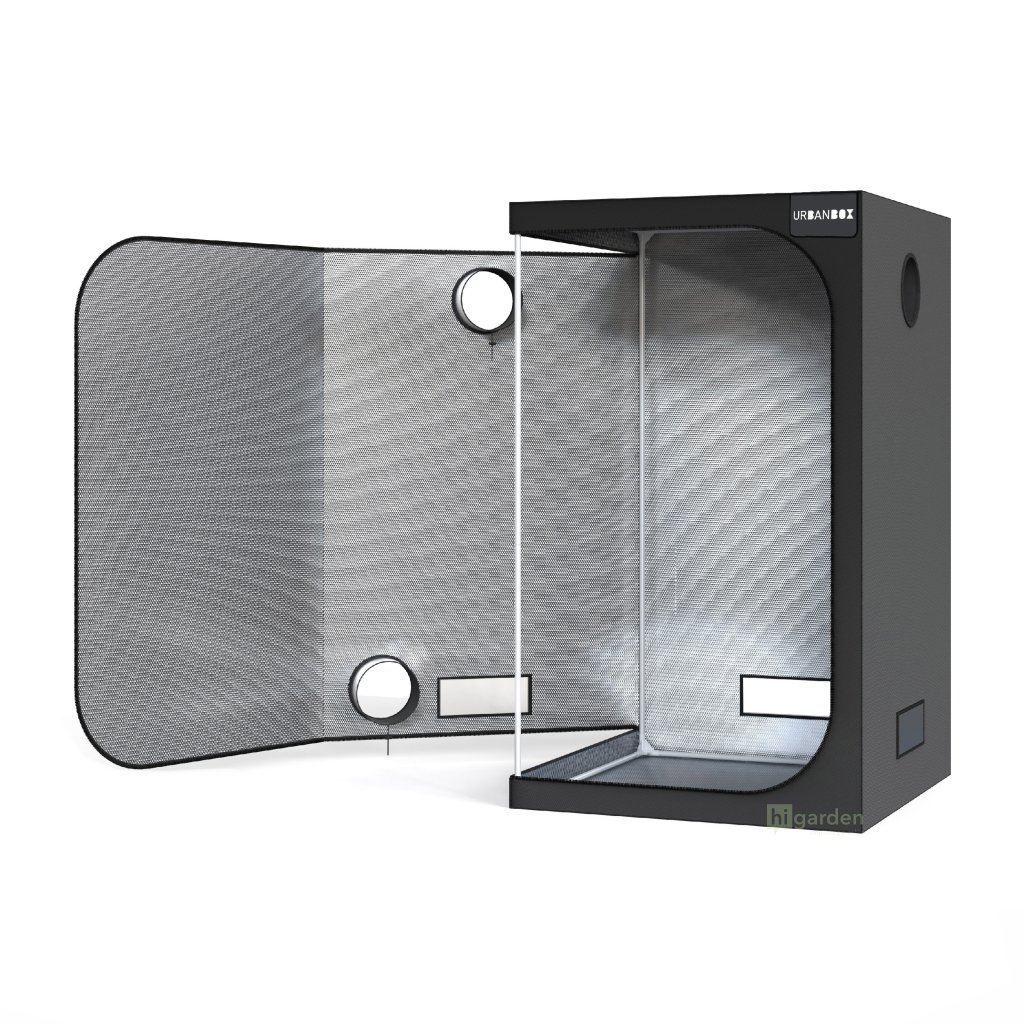 Plants grown under artificial lighting need a stable and optimised environment for their growth. This is best achieved in the enclosed space of a grow tent, which is the basic building block of every indoor garden. The basic criteria for choosing a grow tent are the type and quantity of plants you plan to grow. Growers of microgreens or kitchen herbs will be fine with smaller tents with an area of up to 1 m². Sprouts, seedlings and most herbs do not grow very tall, so we recommend choosing a grow tent that allows plants to be grown on several levels, for example PROBOX PROPAGATOR L. You will need a larger grow tent for growing fruiting and flowering species, such as tomatoes, chilli peppers or medicinal plants. Most growers will be fine with tents measuring from 1x1 to 1.2x1.2 m², but you can also find more spacious versions with an area of 4 m² and more.
A quality grow tent should meet several parameters. The tent should be made of high-quality, sturdy fabric that does not let light or air through, and it must have strong seams and quality zips that can withstand daily use. The inside of the grow tent may be white or coated with a silver reflective film (mylar). Some manufacturers also offer grow tents in unusual shapes (Secret Jardin), others add practical windows to their models (BudBox) or offer extensive modification options (Secret Jardin). The price of a grow tent will vary depending on size and build quality, but even with cheaper budget options (Trafika, URBANBOX) you can grow a beautiful harvest.
Grow lighting
Plants need light, which they use in the process of photosynthesis, during which they convert its energy into glucose and oxygen. Under normal circumstances, the source of energy is sunlight, but in indoor growing the Sun is replaced by grow lights. With only minor exceptions, growers illuminate plants with special LED fixtures that imitate natural daylight. Grow lights with a predominance of the blue part of the spectrum (grow) are intended to support vegetative growth and are suitable for growing microgreens, salads, herbs or for the first part of the life cycle of flowering and fruiting species. Grow lights tinted towards the red part of the spectrum (flower) support flowering and ripening in plants. We covered the importance of the light spectrum for plant growth in one of our older articles on our blog, which you can find here.
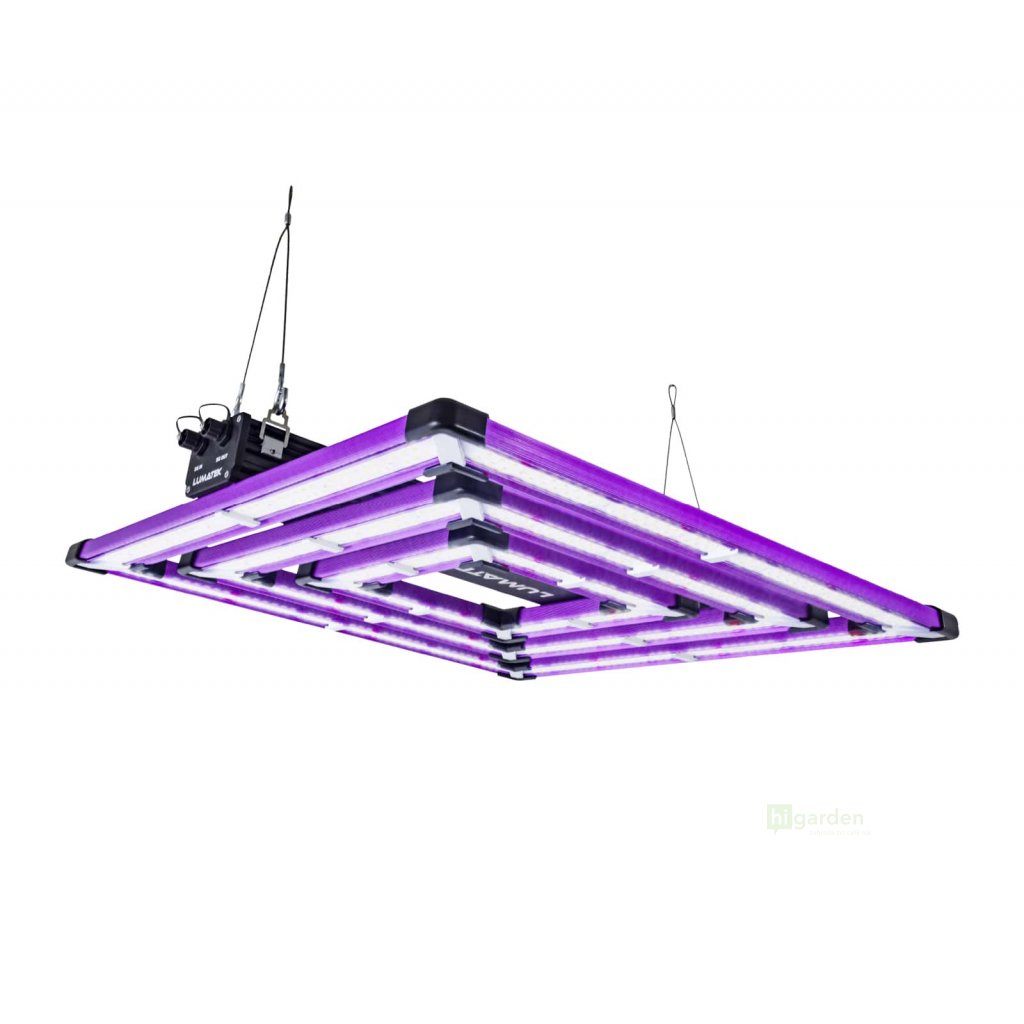 Grow lighting must have not only the correct light spectrum, but also the appropriate intensity. Just as if you exposed them to the midday sun, you can burn germinating and young plants with a grow light that is too powerful. TLED technology is an excellent solution for growers of microgreens, herbs or salads, who usually light plants from very close range and on several levels. When growing tomatoes, chilli or medicinal plants, it is necessary to provide the plants with more energy in the order of hundreds of watts per m². Parameters such as PPF (the amount of photosynthetically active photons) and PPFD (the density of photon flux falling on an area) are key for assessing lighting efficiency. Less powerful lights have a PPF of around 0.8–1.5 μmol/J, while high-quality modules reach up to twice that. The ideal PPFD varies according to the growth stage of the plants, from 200–400 μmol/m²/s for seedlings to 600–1000 μmol/m²/s in the flowering stage.
You may also be interested in: The most important criteria for choosing grow lighting
Ventilation
As already mentioned, the growing space should be as well isolated from the surroundings as possible, but plants need a constant supply of fresh air. Extract fans remove warm and humid air from the grow tent. Fresh air intake can be passive, or a second fan can be used for this purpose, which is especially useful in larger grow tents. You will need one or two circulation fans inside the grow tent. These are designed to imitate the natural wind that affects plants outdoors and stimulates them to form strong stems. Constant air movement also makes life more difficult for pests and helps prevent hot or cold pockets of air from forming, for example under lights or in the corners of the grow room.
When choosing ventilation for a grow tent, the size of the tent, the type of plants grown and the intensity of the lighting all play a role. The output of the extract fan is usually stated in m³/h and should be at least 2–3 times the volume of the tent. An essential accessory when growing strongly aromatic species is a carbon filter that absorbs odour. You will also need several metres of ventilation ducting, preferably silenced, metal cable ties and several carabiners (Rope Ratchet or a similar type) for hanging lights.
You may also be interested in: Where and how to correctly place fans in a tent or grow room
We have shown how to assemble and equip your first grow tent step by step. Now you only need to decide which growing medium and growing method you will choose. Useful tips on how to do this can be found on our growing blog.
TRAFIKA: Complete Indoor Growing Kits for Beginners
Would you like to start growing plants under artificial lighting, but do not know where to begin? Are you finding your way through the confusing range of supplies for indoor growers? Do not despair, we have prepared discounted indoor growing sets for you, which contain everything you need to get started. In the following article, we will guide you step by step through all the essential components of your first grow box.
Indoor growing, that is, the cultivation of plants under artificial lighting, is a modern and efficient way to grow plenty of healthy home-grown vegetables, herbs or medicinal plants in a small space. This method makes it possible to grow plants in a controlled and optimised environment, thanks to which they will grow faster and more efficiently than outdoors. With indoor growing, you can grow all year round, you are not limited by the whims of the weather, and your home garden will take up no more space than a wardrobe. TRAFIKA 150W LED growing set is suitable for growing herbs, smaller varieties of tomatoes and chilli peppers, strawberries, microgreens and medicinal plants.
What you will find in the TRAFIKA 150W set
Trafika Growtent 80 – The grow tent, or grow box, is the cornerstone of your indoor growing room. These special tents are designed so that they comfortably accommodate plants planted in pots or a hydroponic system, a grow light, ventilation and all cabling. It is important that the grow box does not let light through, because many plant species are photoperiodic and changes in the length of daylight affect their growth and flowering. Trafika Growtent provides you with 0.64 square metres of growing space up to a height of 160 centimetres. This is enough to grow roughly nine medium-sized plants.
How to use Trafika Growtent 80 – For placing the grow tent, choose a well-ventilated room with a constant temperature in the range of 18-25 °C. Avoid places with direct sunlight, overheated attics or unventilated damp basements. Do not forget that you will need a source of electricity for grow lights, fans and other equipment.
Trafika LED panel 150W – Grow lights replace natural sunlight indoors, which is the basic source of energy for photosynthesis in plants. The more intense the radiation, the more energy you provide to the plants and the more harvest you will collect.
How to use Trafika LED panel 150W – Medium-intensity LED lights are most suitable for growing herbs, tomatoes, chilli peppers, lettuce, microgreens or for raising seedlings for outdoor planting. Remember that small plants need less intense light. During germination, raise the panel 60-80 centimetres above the substrate. Once the plants have grown, you can shine the light on them from a distance of 40-60 cm from the tops.
Garden High PRO fan – The extract fan is used to remove warm and humid air from the growing space. Fresh air enters the grow box under pressure through vents designed for this purpose. Some growers also use a fan for air intake, but this is usually only necessary with larger tents and growing rooms.
How to install the Garden High PRO fan – Place the extract fan inside the tent on the top bars so that there is space left for connecting an air filter. Finally, connect air duct to the fan outlet and pull it out of the tent through the opening in the upper part of the tent.
Airontek odour filter – Plants grown under artificial lighting can smell very strongly and their aroma can easily spread throughout the flat. A high-quality odour filter with a long service life is essential for removing unwanted odours from the grow box.
How to install the odour filter – Attach the odour filter to the extract fan with cable ties so that the drawn-in air flows through it (in front of the fan). Replace the filter with a new one every three to four growing cycles or once a year.
Pots with saucers – Plastic or fabric pots are more suitable for indoor growing than terracotta or ceramic ones. The advantage of plastic pots lies in their low price and weight, as well as the possibility of repeated use.
Mechanical timer – Timers are used to automate lighting in the grow box and simulate the day and night cycle.
How to set the timer – The length of illumination for plants will depend on the species and also the age of the plants. For photoperiodic species, it is important to switch to flowering once the plants have reached the required height and mass.
Airontek Thermo-Hygro Maxmin thermometer and hygrometer – Monitoring temperature and humidity is essential for indoor growing. For most plant species, the temperature in the growing space should not fall below 16 °C or exceed 28 °C. The optimum air humidity ranges between 40-80% depending on the age of the plants. Seedlings and young plants need moisture, while flowering plants or plants before harvest need a drier environment, which helps prevent mould.
How to install the thermometer with hygrometer and probe – Place the thermometer with hygrometer inside the growing space at the level of the plant tops in an accessible place. With the remote probe of the thermometer, you can measure either the air temperature in the root zone (at ground level) or outside the tent.
Now you are ready to start growing. Indoors, you can grow in soil in the traditional way, but you can also use modern growing media such as coco, rockwool or perlite. If you are not sure which medium to choose, read our Guide to growing media. Plants grown indoors also need fertilisers, which provide them with enough nutrients so that they can use all the energy from artificial lighting for growth. You can use the full range of effective fertilisers, from mineral to fully organic, depending on the growing method you choose.
Have you become enthusiastic about indoor growing and would like to learn more? Do not hesitate and visit our blog, where you will find a number of useful tips and guides for indoor growers.
If the layout does not suit you and you would like to adjust the growing set to your needs, take a look at the TRAFIKA brand range or contact us and we will be happy to build a set tailored to you.
What is the easiest way to grow indoors?
Indoor cultivation can seem like quite a challenge – complex equipment, EC and pH measurements, switching light modes, and endless fine-tuning of details. But it can also be done more simply. All you need is the right approach, and nature will take care of most of the work. We will show you the easiest way to grow indoors for beginners or for those who want to cultivate easily without unnecessary stress.
Indoor cultivation takes many forms – from high-tech hydroponic gardens, through growing in pots, to raised beds. What all these methods have in common, however, is the optimised environment in which the plants are kept. Unlike outdoor growing, indoors plants have access to the maximum possible amount of light and water, and the growing space has the ideal temperature and air humidity. The only thing that can slow them down in such conditions is a lack of nutrients. Proper plant nutrition is often the stumbling block for both beginners and advanced growers. How can this be avoided?
You may also be interested in: My first grow box – equipment for beginner indoor growers
Growing in pre-fertilised substrates
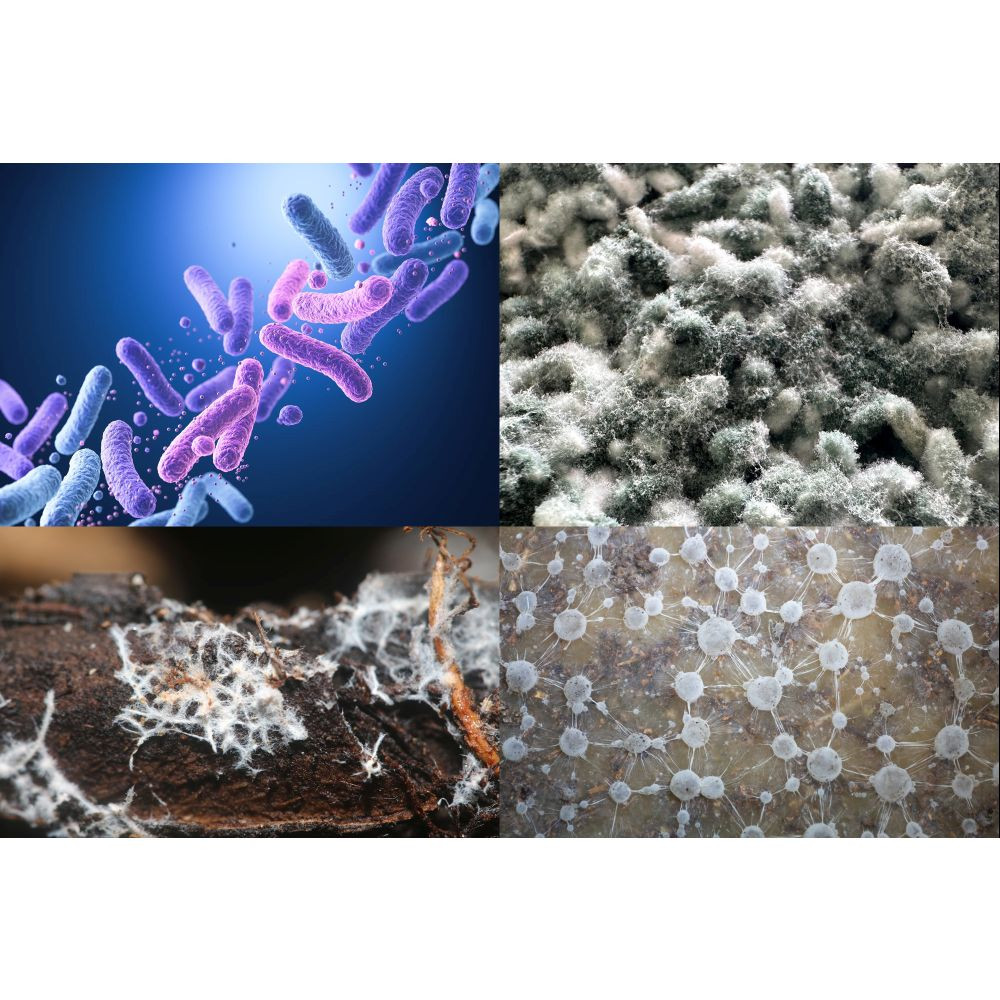 Just as there are many cultivation methods, there are countless ways to feed plants. Many indoor growers use highly effective mineral fertilisers. These are extremely effective, but they have one major disadvantage – plants become literally dependent on them. Mineral salts bypass the natural nutrient cycle, which depends on the cooperation of soil microorganisms and plants. That is also why they work so quickly. However, this ability comes at the cost of the need to fertilise often and precisely using a nutrient solution with adjusted pH and EC. Mineral fertilisers are usually used in hydroponics and in growing in soilless substrates such as coco, mineral wool (Grodan), perlite or expanded clay (LECA).
You may also be interested in: Mineral or organic fertilisers – which should you choose?
Organic fertilisers stand in contrast to mineral ones. They require soil microorganisms to work and therefore function somewhat more slowly. But that is precisely where their magic lies. Simply put, in organic growing all the nutrients that plants obtain from the soil must first be processed by microbes. The advantage of this process is that plants take from the soil only what they really need. It is enough for the substrate to contain sufficient nutrients. Thanks to this, complex measuring is not necessary when growing with organic fertilisers, and the risk of over-fertilisation is minimal.
Under the broad term organic fertilisers, you will find various formulations. Liquid organic fertilisers, which are added regularly to watering, are very popular among growers. However, if you want to grow really simply, go for dry organic fertilisers and pre-fertilised growing substrates. The following nutrition programmes are intended for growing in soil, and what they have in common is that for a large part of the growing cycle you will water the plants only with clean water, while the fertilisers take care of the rest.
BioNova Living Soil
BioNova Living Soil is an organic soil fertiliser that enriches any soil substrate with the necessary nutrients and all the required microbes. You can use any standard growing substrate; the most suitable are those intended for organic growing (for example Canna BIO Terra) or light mix type substrates. Avoid only heavily pre-fertilised mixes containing mineral fertilisers. After mixing, you will obtain an organic substrate that only needs to be watered, throughout the entire growing cycle.
You may also be interested in: Everything about BioNova Living Soil
Biotabs
Biotabs is a brand of organic fertilisers that offers a complete nutrition programme for organic growing. The basis consists of solid fertiliser tablets, which can be combined with all standard substrates except pre-fertilised ones. At the beginning of the growing cycle, the tablets are inserted into the pot, and the plants are watered only with water. In the Biotabs programme you will then find a range of useful organic additives with which you can enrich the substrate, as well as liquid organic products for plant protection and support of flowering.
You may also be interested in: Everything about Biotabs organic fertilisers
Pre-fertilised soil mixes
Pre-fertilised horticultural substrates differ from the previous two options in that they do not always contain only organic fertilisers. Light-mix type substrates contain only a small amount of fertiliser, which lasts the plants for the first few weeks of life, and are then combined with organic or mineral fertilisers. Nutrients in heavily fertilised substrates last longer, but certainly not for the entire growing cycle. A proven practice for many growers is to use liquid organic fertilisers in combination with these substrates. This gives them the best of both worlds. In the first few weeks, they do not need to fertilise the plants during the peak of the vegetative phase, and during flowering they can supply the plants with nutrients as needed.
You may also be interested in: How to choose a horticultural soil substrate
How to grow in pre-fertilised substrates
Although a substrate full of nutrients will certainly do a lot of the work for you, your indoor garden will still need some care. An optimal climate in the growing space is a given. We have discussed the importance of temperature, air humidity and the amount of light many times on the Higarden blog. If it is too cold in the growing space or you are lighting the plants with weak light, they will not thrive even with the best fertilisers.
You may also be interested in: What are the ideal conditions for indoor growing
If you are growing with organic fertilisers, always water the plants with clean water that you have left to stand or filtered to remove chlorine. Chlorine harms the microorganisms in the soil. Soil microbes are also killed by the use of chemical pesticides and herbicides or by too many salts from mineral fertilisers.
It may happen that the plants lack nutrients. For example, if you leave them in the vegetative phase for a very long time, grow plants with a long flowering period, or have used a pot that is too small. In such a case, you can supply the plants with nutrients using a fast-acting liquid organic fertiliser. If you want to act really quickly, you can switch to mineral fertilisers for growing in soil during the growing cycle.
You can find more practical guides, product reviews and growing tips on the Higarden blog, where we draw on real experiences from indoor and outdoor growers.
The Most Common Mistakes in Indoor Growing (and How to Avoid Them)
If you have been growing for some time but still are not succeeding, the problem may not be poor genetics, substrate or fertilisers, but something you are doing wrong. Many growers do not realise that they keep repeating the same basic mistakes over and over again. Today we will look at the three most common mistakes, and above all at how to solve them.
Overwatering
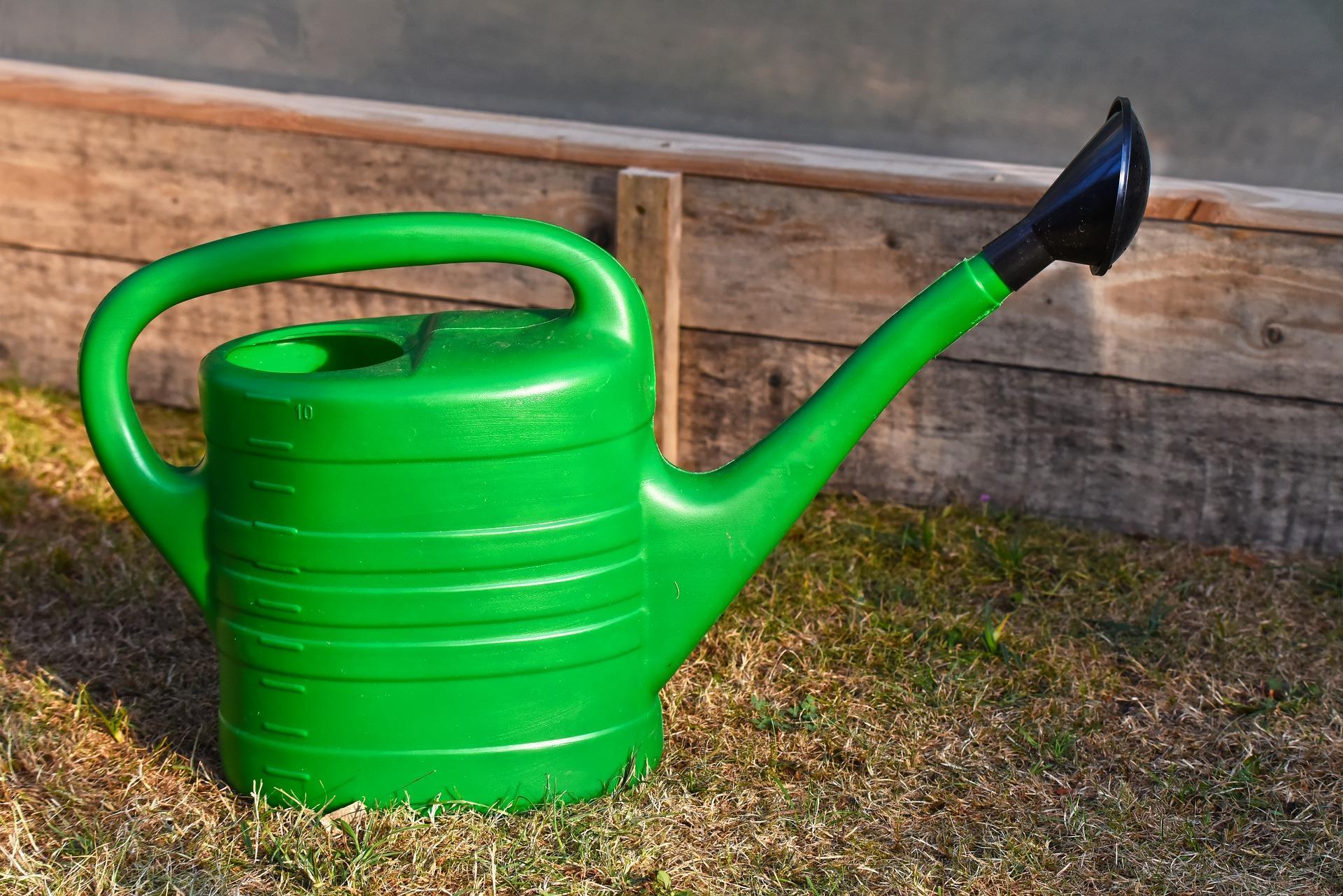 One of the most common mistakes made not only by beginners, but also by many experienced growers. Plants do need water, but that does not mean the roots must be constantly submerged in an overwatered substrate. In such a medium, oxygen cannot reach them, and the roots and the whole plant will grow significantly more slowly. By contrast, regular drying out stimulates plants to form new roots.
You may also be interested in: We debunk myths about growing – watering plants
The exact amount of watering and watering frequency depend on the age of the plants, the type and amount of substrate, and the surrounding conditions. For very small plants, one basic rule applies – it is better to start carefully. If you immediately drench the whole pot with water after transplanting a seedling or a germinated seed, the substrate will stay wet for a long time and the roots will not want to spread out.
You may also be interested in: Dry back – how to manage controlled drying of the substrate
For larger plants, it is advisable for each watering to be thorough and for a little water to drain out. This is especially important if you use mineral fertilisers and need to monitor the pH and EC of the nutrient solution. Thorough watering evens out the EC and pH of the substrate and helps prevent fluctuations. If you grow in soil or coco, allow the substrate to dry out sufficiently between each watering. How often you water your plants depends on many factors, but in general it is better to water more often than less often. When watering by hand, it is advisable for the substrate to have time to dry out sufficiently at least twice a week.
Typical signs of overwatering
- wilted leaves even with enough water
- slow growth
- yellowing of the lower leaves
Incorrect climate in the growing space
 In addition to water, nutrients and light, plants also need the right environment; otherwise they cannot make use of these resources. If, for example, it is too cold and humid in the grow room, plants transpire less water and grow more slowly. Heat and dryness also have negative effects. For indoor growing to be effective, conditions must be as close to ideal as possible. Plants can survive even in suboptimal conditions, but this will negatively affect their health, growth and yield.
Among the most common climate-related mistakes are insufficient or excessively high temperatures. Many growers underestimate how strongly even a few degrees of temperature difference affect plants. The ideal temperature during the lights-on period is approximately 21–28 °C, with slightly lower temperatures possible during the night. Plants do not respond well to sudden temperature swings or a day-night difference greater than 7 °C. If it is too cold in your grow room, greenhouse heaters are an excellent solution. Excessively high temperatures in the grow box can be solved with better ventilation, air conditioning or, in extreme cases, by reducing the power of the lights.
You may also be interested in: How to solve heat or cold in the grow box
The second pillar of climate is appropriate humidity. Excessively high or low humidity in the growing space is an invitation for mould and pests. Cuttings, germinated seeds and young seedlings need high relative humidity of 80–90%. During vegetative growth, gradually reduce it and keep it in the range of 50 to 70%. During flowering, keep relative humidity at 50–60%, and in the last two weeks before harvest reduce it a little further to a final 40-50%.
The easiest way to keep the climate in the grow box under control is with a dehumidifier/humidifier. Problems with excessively high humidity are more common than dryness, but the latter is not unusual either. Always monitor humidity and temperature in the growing space with a thermometer with a hygrometer.
You may also be interested in: Advanced climate control – VPD and transpiration
Ideal climate for indoor growing
- Temperature: 23 to 28 °C
- Humidity: Seedlings and cuttings 80-90%/Vegetative growth 50-70%/Flowering 50-60% /Ripening 40-50%
Poor fertilising
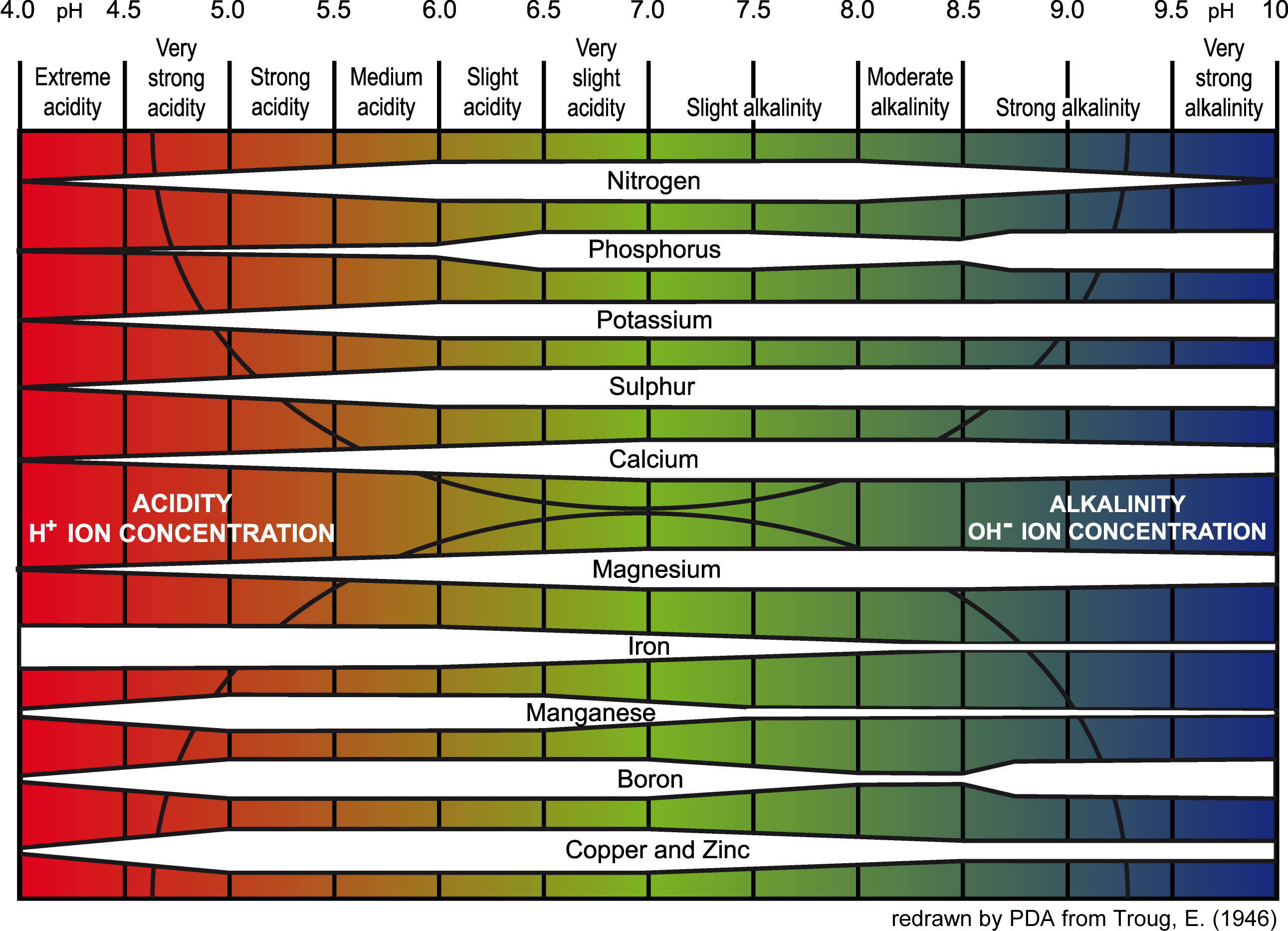 If you think that the more fertiliser you give plants, the better, let us disabuse you of that notion. Especially with effective mineral fertilisers, it is very easy to overfertilise the substrate and literally burn the plants. In general, it is better for a plant to have a slight deficiency than an excess of nutrients. That is why you should always start with lower fertiliser doses and only increase them once you see how the plant responds. If you use mineral fertilisers, always check the EC and pH of the nutrient solution and regularly monitor the EC of the substrate.
You may also be interested in: How to use EC metres in hydroponics and soilless substrates
When growing indoors, you can choose from two types of fertilisers – organic and mineral. The main difference is that organic fertilisers need soil microbes to function, while mineral fertilisers work even in inert substrates, coco or hydroponics. In practice, it may be easier for beginners to grow in soil with organic fertilisers than to jump straight into nutrition that requires precise EC measurement.
You may also be interested in: Organic vs. mineral fertilisers – a guide for beginners
Typical signs of overfertilising plants
- burnt leaf tips
- dark green or twisted leaves
- wilted plants even after watering
You may also be interested in: Complete guide to choosing fertilisers
Most problems in indoor growing do not arise from complicated mistakes, but from repeating the basic ones. Remember that indoor growing is about balance, and the one who succeeds is the one who does not try to rush everything. You can find more useful tips and articles about indoor and outdoor growing on the Higarden blog.
I Have a Small Tent: How to Grow Discreetly in an Apartment
 As the song goes, not everyone is lucky enough to have a balcony. Some even have the misfortune of living in a tiny flat with curious neighbours. Even so, they need not lose heart or give up hope of the desired three plants. Higarden advises how to grow indoors discreetly, yet effectively.
When we speak about discreet indoor growing, we certainly do not mean a few pots hidden on a balcony or a windowsill. We are talking about growing under artificial lighting in a special grow tent – growbox. Not only the plants, but also most of the equipment can be hidden inside it, and if you wish, you can even arrange it so that your mini grow room looks like a wardrobe from the outside. The important thing is that no light or odour escapes and that operation is as quiet as possible.
Which growbox to choose and where to place it
How large a growbox do you need? It probably does not need explaining that the smaller the grow tent, the easier it is to keep it hidden from curious eyes. However, if you do not want to grow only herbs, but have your eye on something more aromatic, you will need a tent with at least a 40x40 cm footprint and a height of 120 cm. Such a tent can comfortably fit one smaller plant, for example an autoflowering plant. If you want to grow more plants, you will need at least one square metre of growing area. Remember that the larger the tent, the noisier the operation of the growing room will be.
If you want to grow discreetly, you may have to pay a little extra for a growbox. Cheaper grow tents will fulfil their purpose, but they often let light through the seams. Growboxes from premium brands are made so that not even a ray of light gets out.
And where should you place the grow tent? The ideal place for a grow tent is a well-ventilated dark room, for example a storage room. However, if you cannot choose and need to keep the growbox, for example, in a bedroom, you can disguise it as a wardrobe. Just make sure you leave openings for the extract fan and air intake.
You may be interested in: What are the ideal conditions for indoor growing
How to keep the growbox quiet
Even the hum of a fridge can disturb a light sleeper, and the buzzing of fans in a grow room can be just as irritating. Quiet and reliable fans are essential, and it is not worth saving money on them. Modern fans with an EC motor are slightly more expensive than older AC types, but their operation is incomparably quieter. Their low energy use and easy speed control are also advantages.
An essential piece of equipment for a truly quiet growbox is also a noise silencer, which is fitted to the extract duct immediately behind the fan. A good idea is to hang the extract fan on rubber straps, which reduce the transfer of vibrations. When installing air ducting, remember that every bend increases the noise of the flowing air - therefore try to keep the connections as short and as straight as possible.
You may be interested in: How to choose quiet ventilation ducting for a growbox or growing room
Keeping odour under control
In addition to noise, the pleasant scent of flowering plants may give your growing room away. Modern medicinal varieties have an aroma that can pass through three doors, so when growing them it is essential to use an odour filter. This cleans the air leaving the growing space and neutralises the characteristic odour.
The filter must match the fan output capacity, and all joints must be well sealed. Do not forget that carbon filters wear out over time and after two or three cycles they need to be replaced with new ones. A few hundred crowns is a small price to pay for a peaceful sleep.
In the period just before harvest and during drying, the plants will become fully fragrant, and air filtration alone may not be enough. Be sure to equip yourself well in advance with odour gels, which create another layer of defence against unwelcome noses.
You may be interested in: How to choose the right odour filter for your fan
Suitable varieties for small tents and how to control them
Although almost anything can be grown under artificial lighting, if discretion is your goal, leave tall and vigorously growing sativas for greenhouses. In a small growing space, compact indicas or autoflowering varieties do best. They usually do not grow taller than one metre and have a short growing cycle.
A small space has its limits, and if you want to get the most out of your plants, think ahead about their shape. During the vegetative phase, try to encourage the plants to spread more in width than in height and fill the entire growing space. Remember that after switching to flowering, the plants will quickly stretch upwards. To prevent them from growing up to the grow lights, you can trim them, or bend and weave them into nets.
You may be interested in: How to trim and train plants
Are you only just starting with growing and do not know how to match all the components? Come and see us at Higarden.cz. We will help you choose a quiet fan, a tent that does not let light through, and other equipment for discreet growing. Useful tips and advice on indoor and outdoor growing can be found on our Higarden blog.
Indoor or outdoor: Which cultivation method is right for you?
Is it better to grow plants indoors or outdoors? Each method has its advantages and disadvantages. While indoor growing allows year-round harvests and control over the environment, outdoor growing is cheaper and does not require technical knowledge. We will compare both methods and help you find the ideal option for your plants.
Indoor Growing: Year-Round Cultivation and Control over Conditions
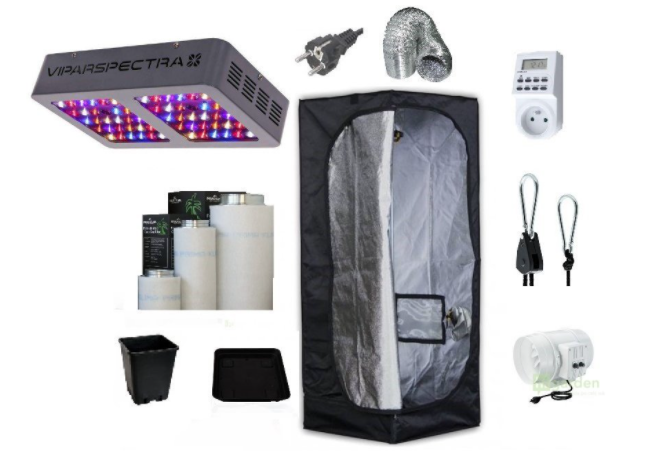 Indoor growing means that you grow plants in an enclosed space – in a grow box or an adapted room under artificial lighting, which replaces sunlight. In such an environment, plants can be grown both in traditional ways in pots or raised beds filled with soil, as well as hydroponically, in coconut substrate or inert growing media. Plants grown indoors usually require regular fertilisation, whether with mineral or organic fertilisers.
You may also be interested in: Buying a grow box from A to Z
Advantages of indoor growing:
- Full control over conditions – In an indoor garden, you are the master of the weather and can control temperature, humidity, light and air circulation with a simple turn of a knob.
- Year-round growing – You can grow and harvest in any season in the comfort of your own home.
- Discretion – If you do not want to, nobody needs to know about your indoor garden.
- Protection against pests and adverse weather – Plants grown indoors are exposed to less pressure from pests and pathogens than those outdoors.
- Exotic species – Some species (cacti, tropical plants, medicinal species, herbs, mushrooms) require a specific environment and would not have a chance to survive outdoors.
Disadvantages of indoor growing:
- Higher initial costs – Although it has long not been true that indoor growing is a financially demanding hobby, at the beginning you will still need to invest at least a few thousand crowns in your garden.
- Higher running costs – Sunlight and rain are free, but with indoor growing you must account for ongoing electricity costs.
- Dependence on technology – Faults in technical equipment at the wrong time can jeopardise your entire harvest.
Plants suitable for indoor growing:
- Herbs (basil, mint, coriander, thyme)
- Exotic plants (orchids, citrus plants, banana plants)
- Leafy vegetables (lettuce, rocket, spinach)
- Houseplants (ficuses, monsteras, succulents)
- Medicinal plants
- Tomatoes
- Chilli peppers
Outdoor Growing: Natural Light and Low Costs
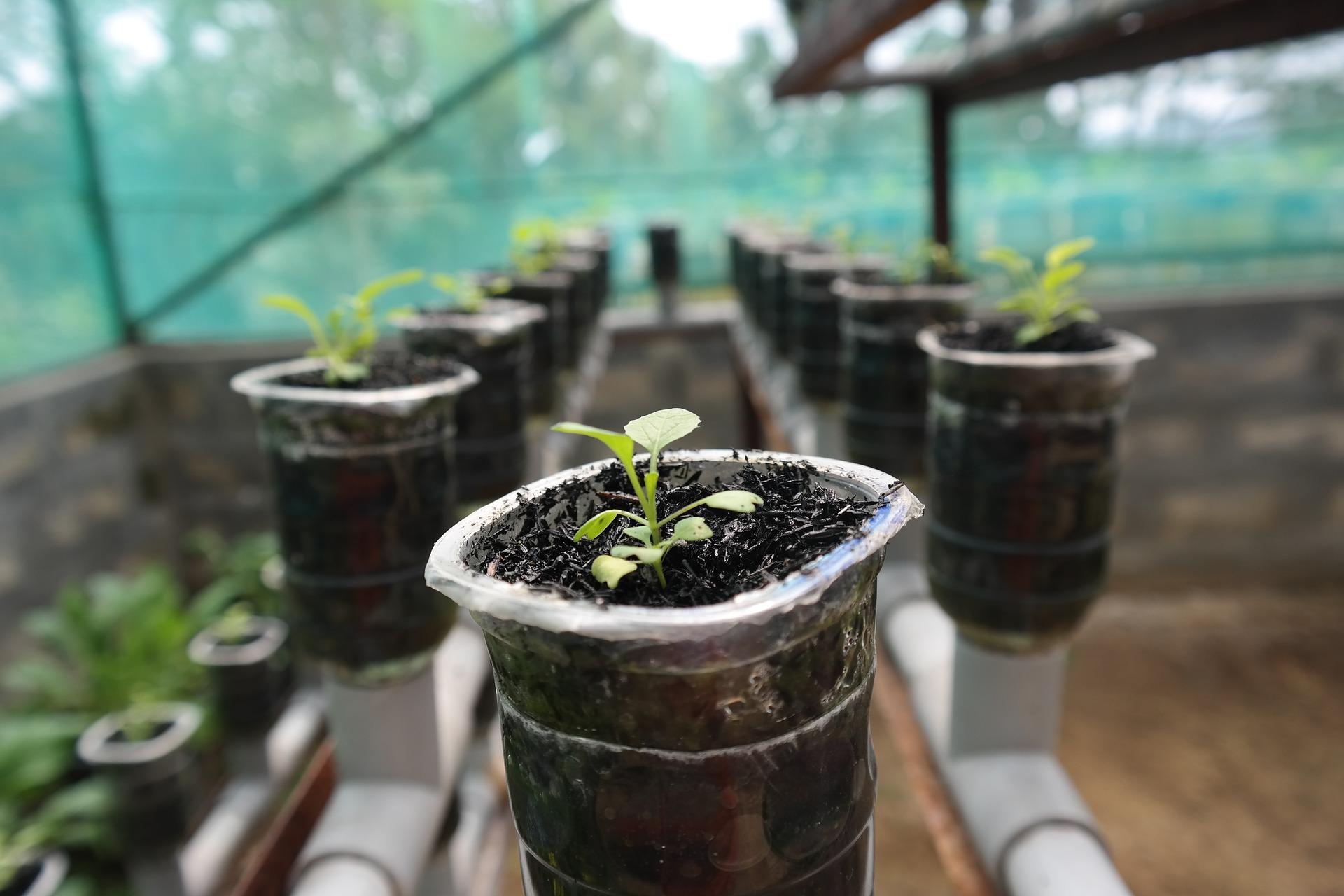 Outdoor growing means that you grow plants under the open sky, where they use natural sunlight and rainfall. This includes cultivating plants in open ground in beds, pots, raised beds or possibly in greenhouses. To make work easier and gain greater control when growing outdoors, you can use various types of irrigation systems.
You may also be interested in: Growing year plan: Prepare for the outdoor season
Advantages of outdoor growing:
- Sunlight – Although modern LED grow lighting surpasses outdated sodium discharge lamps in many respects, plants in the sun have access to a more complete light spectrum than those grown indoors.
- More space – Plants grown outdoors in open ground have more space for their roots and tend to be taller and bushier than those indoors.
- Lower costs – Unlike indoor growing, outdoors you can grow almost for free, and it is up to you how much you want to invest in your garden.
- Less fertiliser – Thanks to the natural cycle of nutrients in nature, plants grown in open ground do not require such frequent fertilisation.
Disadvantages of outdoor growing:
- Dependence on weather – Extreme temperatures, strong wind, hail or excessive rainfall can damage your harvest.
- Seasonality – Whether you want to grow vegetables, herbs or medicinal plants, the season ends for you in autumn and you will have to put the garden to bed for winter.
- Risk of pests and mould – Plants grown outdoors are exposed to insects and pests and wind-borne pathogens such as mould.
Plants suitable for outdoor growing
- Root vegetables (carrots, beetroot, radishes)
- Fruit vegetables (tomatoes, peppers, courgettes, cucumbers)
- Fruit trees and bushes (cherries, apple trees, currants, raspberries)
- Traditional herbs (lavender, sage, rosemary, lemon balm)
- Field crops (sunflowers, maise, potatoes)
- Legumes (beans, peas)
- Medicinal plants
It goes without saying that the decision whether to grow indoors or outdoors depends primarily on your options and priorities. If your main concern is having maximum control over the environment and you want to grow year-round and discreetly, choose indoor growing. If low costs are your priority, use the power of the sun and grow outdoors.
Also consider the type of plants you want to grow. Exotic or heat-loving species do not do very well in our latitudes. You can also combine both methods. For example, you can pre-grow chilli peppers indoors and move them outside for the summer season. As soon as it starts to cool down outdoors in autumn, you let the fruits ripen under artificial lighting. Similarly, indoor and outdoor growing can be combined in the form of lit or darkened greenhouses.
Are you looking for useful tips for growers, cultivators and enthusiastic gardeners? You will find all this and much more on our Higarden blog, where we regularly bring news for indoor and o
Choosing Your First Grow Tent with Everything Included
Have you decided to take advantage of our Christmas offer on grow tents and treat yourself, or someone else, to a brand-new grow box this year with everything needed for year-round operation? This article is here to make it as easy as possible for all enthusiastic beginners to choose a выгодný set for an indoor home garden. Everyone will find something suitable, and everyone can then harvest several times in the coming year!
By the way, the Christmas tree is practically the only thing that cannot be grown in a grow tent... Otherwise, it is entirely up to you. Once you have thought through what kind of herbs, fruit or vegetables you will fill your new grow box with, you can easily choose the appropriate size. The dimensions of the tent – the size of the growing area – are the first important parameters according to which you can choose from a wide range of grow sets.
To begin with, complete sets are absolutely indispensable! You do not have to choose individual components, whose correct combination and mutual compatibility are not only crucial for a successful and healthy harvest, but also take some time, especially, as they say, on a green field without any experience.
To make choosing a gift as easy as possible for you, one that will, with a little care, give you or the recipient fragrant and juicy gifts of nature several times a year, we have divided our exclusive range of grow sets into the 3 categories below. We will proceed nicely step by step, or rather in ascending order, from the less financially demanding variants using technologies proven over decades to the most modern technologies, which are certainly worth investing in and can be a luxurious start to indoor gardening, or the perfect gift for someone who already devotes themselves to growing.
Successful beginnings without having to dig deep into your pocket!
Get a tent from the legendary Dutch manufacturer Mammoth, whose uncompromising quality, even in the “basic” version, is praised by beginner and hobby growers from all over the world. By purchasing the whole set, you not only save significantly, but you also do not have to deal with choosing ventilation, pots, cables, hanging systems, or lighting, which in itself means choosing mutually compatible lamps, reflectors or, for example, a ballast. In short, you do not have to deal with anything. 100% joy – 0% worry.
If you plan to grow herbs with a strong aroma at home, you will certainly appreciate the basic set including an odour filter for discreet operation directly inside the home all year round. You will only pay a few hundred extra, but the comfort is definitely worth it.
We will be happy to help you fine-tune your first basic set according to your ideas and add a few practical tips, tricks and recommendations from our experts to get you started. Just write to us at the well-known address info@higarden.eu.
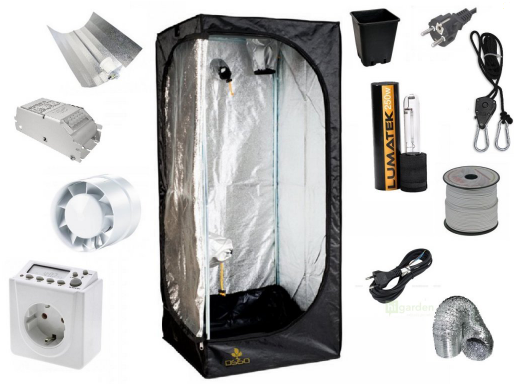
Sets that include lighting using modern LED technology will bring you greater comfort when growing as well as energy savings. The same will certainly be appreciated by the person you give a set such as this one as a Christmas gift. If you do not need to focus on the lowest possible purchase price, “LEDs” are simply a level above the sodium discharge lamps mentioned above and will bring even more joy to plants and growers with every harvest and during the activities that precede it.
An LED set represents the golden middle way for year-round growing in the comfort of your home. An exceptionally comfortable start and introduction to growing processes, or a lovely gift for someone who already grows herbs and deserves to move up a level!
The image below is again for illustration only. We will be happy to help you fine-tune your selected LED set exactly to suit your individual ideas and possibilities. Our experts are fully at your disposal, not only before Christmas. Do not hesitate to consult us via the e-mail address info@higarden.eu.
Whether you intend to reward yourself or someone who deserves it, this latest set is refined down to the smallest detail in terms of selected components and materials used, and it already belongs among the most powerful options you could wish for, or directly treat yourself to...
Do you want to keep up with the times and are satisfied with nothing but the best? CMH is the absolute number one on the high-pressure lamp market.
The 315 W grow set is literally packed with top-quality equipment, whether it is the lighting LUMii Solar or the grow box itself. This discounted complete package includes everything you will need to get started straight away! For example substrates, pots, ducting and ventilation, an activated carbon filter or complete nutrition – basic fertilisers and super supplements for plants from our favourite and increasingly popular brand among growers all over the world, Bionova.
To make sure your order is a safe bet, we will also be happy to help you fine-tune the selected CMH set according to your ideas and possibilities.
If you are choosing your first tent with accessories, you may also find something from our special offer useful, where you will find excellent unpacked products with a significant discount.
Now you know that the grow tent depends primarily on the size of the area and the type of light. The other elements must be adapted accordingly. If you have any wishes or questions, write to us (info@higarden.eu) or call us directly ( 777698622 )
A small tip to begin with - If you do not know which medium to grow in, forget hydro, coco and the like. Start in substrate. It is the natural method that is most forgiving of mistakes, and once you have tried it and “fine-tuned” it in soil and reached its limits, move on to another medium. At that point, you will know much better what you want and what you expect from the growing method.
- Grow tents (grow boxes)
- Grow box sets
- LED sets
- Fertilisers
- Substrates
Even with a smaller budget, great results can be achieved!
“LOW BUDGET”... that is how today’s article devoted to plant cultivation could be briefly described. Our main aim is to show enthusiastic beginners that there is no need to pour huge sums into home growing of herbs, fruit or vegetables right from the start.
As the title itself suggests, it is exactly the opposite, and nowadays there are indeed options for starting cultivation in a growbox, in the garden or in a greenhouse that are accessible to everyone and make growing in indoor and outdoor environments an increasingly popular hobby across age groups, and above all a real pleasure.
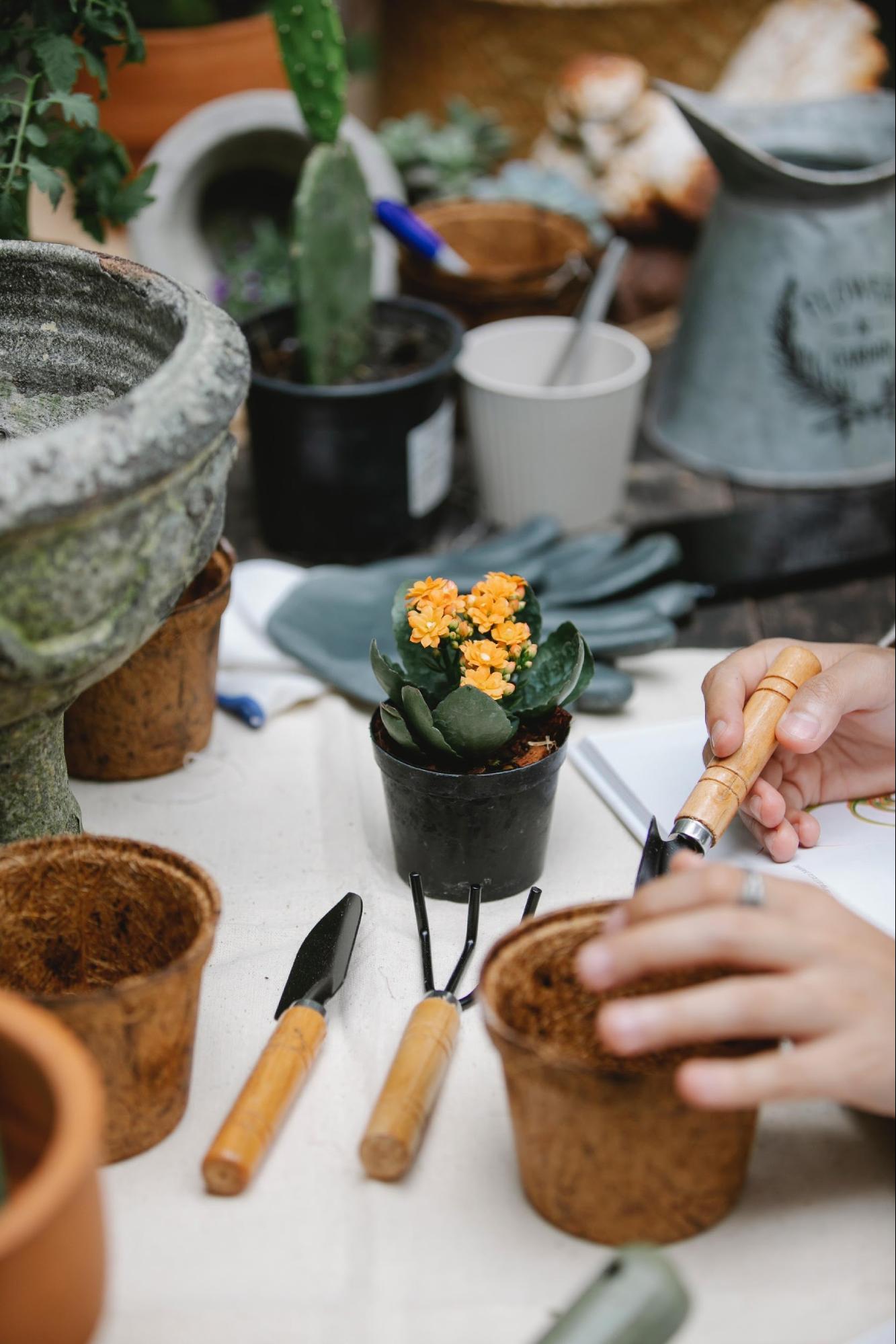
For example, there is no need to invest immediately in automatic growing systems, but every beginner grower can first get to know and understand plant needs on just a few plants, watered by hand and planted in pots, of which there is also a wide selection today, from fabric and perforated models to the cheapest plastic pots.
Cheap mini greenhouses and propagators, often also referred to as propagators, which greatly simplify the beginnings in the form of germinating and rooting seeds and cuttings, can now also be purchased for a few pennies.
The basics with everything included
An excellent and proven way to start growing any herbs or agricultural crops at home is a выгодný set of a grow tent with accessories. Here, indoor plant growing becomes accessible to everyone, immediately. You only need a little over five thousand crowns for a basic set (growbox + accessories) and you can already grow plants wherever you like, even in a block of flats, without any major botanical knowledge or experience.
For the smallest possible amount, everything you need to get started will suddenly arrive at your home, while you can also be completely calm that everything will work exactly as it should from the beginning to the end of the growing cycle, and you will achieve a beautiful first harvest without much effort!
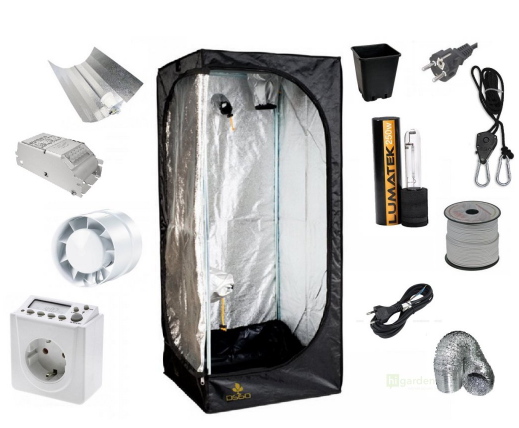
The image above shows what such a BASIC GROWBOX KOMPLET contains: from the grow tent itself, through pots, lighting and flexible ducting to a reliable fan. Another option is to pay a little extra for a set equipped with an odour filter, especially if you live in an apartment building and appreciate discreet operation.
Soil as the ideal and inexpensive start
Soil mixes can be considered the ideal growing medium for the beginning. Growing in soil provides the greatest tolerance for certain beginner mistakes and is the cheapest option. This does not change the fact that nothing prevents you from growing your own herbs, fruit or vegetables cheaply and easily in TOP quality thanks to affordable yet high-quality substrates and nutrition.
Gradually expand your equipment and your harvest
If, with the coming new season, only your budget stands between you and planting your first seeds, but you do not lack enthusiasm and the desire to grow, do not delay unnecessarily and enjoy the gardener’s year, at least in a small way! You can start very minimally, whether you use the cheapest grow tent or a growing kit including accessories at a favourable price, or the cheapest option for your garden or greenhouse.
We will be happy to advise you on choosing products so that, with regard to your individual possibilities, you can grow whatever you feel like and whatever brings you joy. Share your plans with us, and if you wish, also your budget, and we will be happy to help you choose the ideal equipment to start with, so that your first season will be unforgettable. We are here for you at the well-known address info@higarden.eu.
- Propagators
- Grow tent with accessories - basic set
- Cheap and quality substrate
- Plastic pots