
Nutrition, Growing Media and Water, Page 8
List of articles
Decorative, Hanging and Smart Flower Pots
Read about the trends in growing in pots and planters. You may be surprised by how cleverly designed some growing containers are, and how their design can enliven your interior, balcony or terrace.
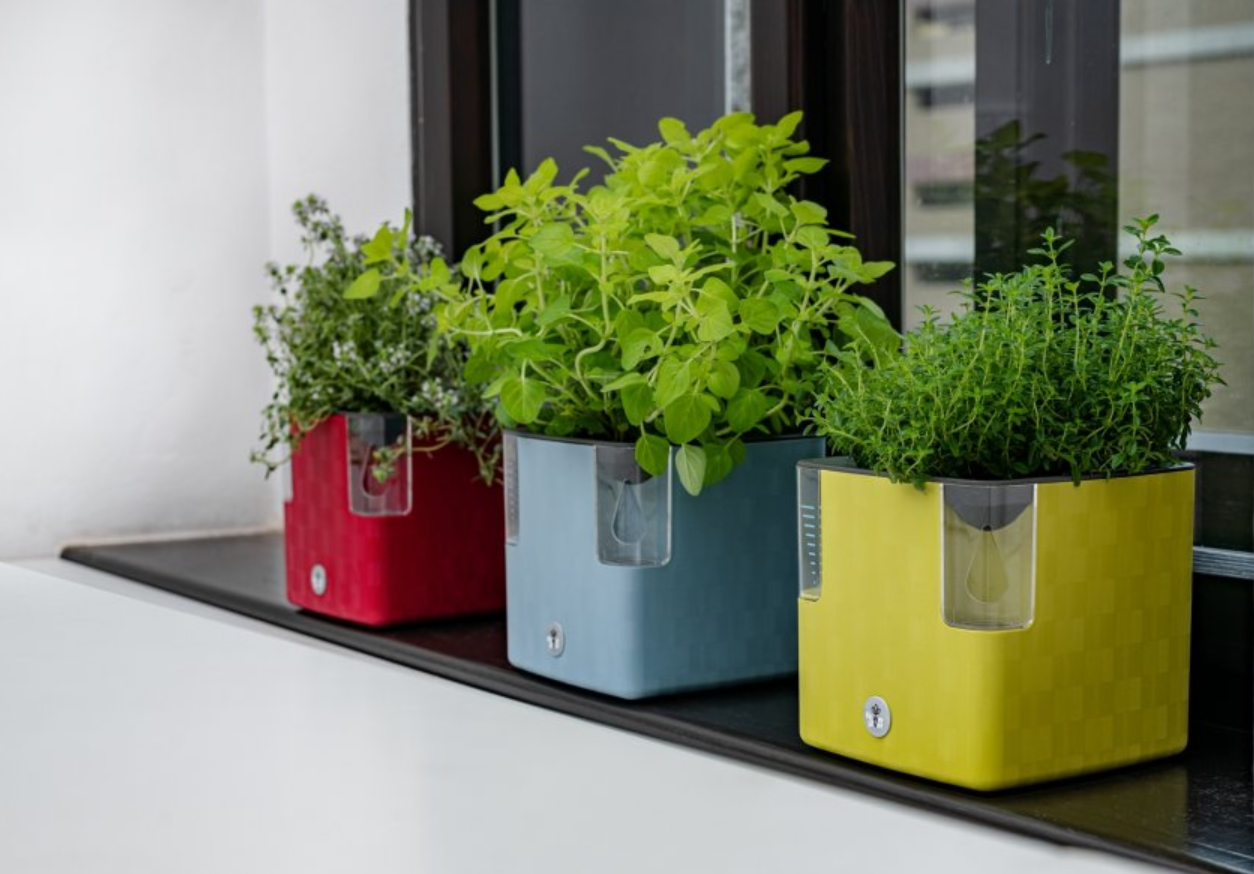
Highlight the charm of cultivated plants thanks to PLASTKON design pieces! Even a purely practical item such as a flower pot can also serve a decorative purpose in every household.
- For home use, we especially recommend the Cobble pots, which balance on the boundary between two categories, namely decorative flower pots and smart pots.
- If you know you will not stop at a single plant, you will appreciate the design of the Cooble Trio.
- As you can see in the picture, these timeless pots immediately attract attention with their modern appearance, and you can choose from four colour variations, from anthracite through ice white or basil green to steel blue.
- At the same time, they are cleverly designed so that the plants take only as much water from them as they actually use. We will say a little more below about how great an advantage this is in practice.
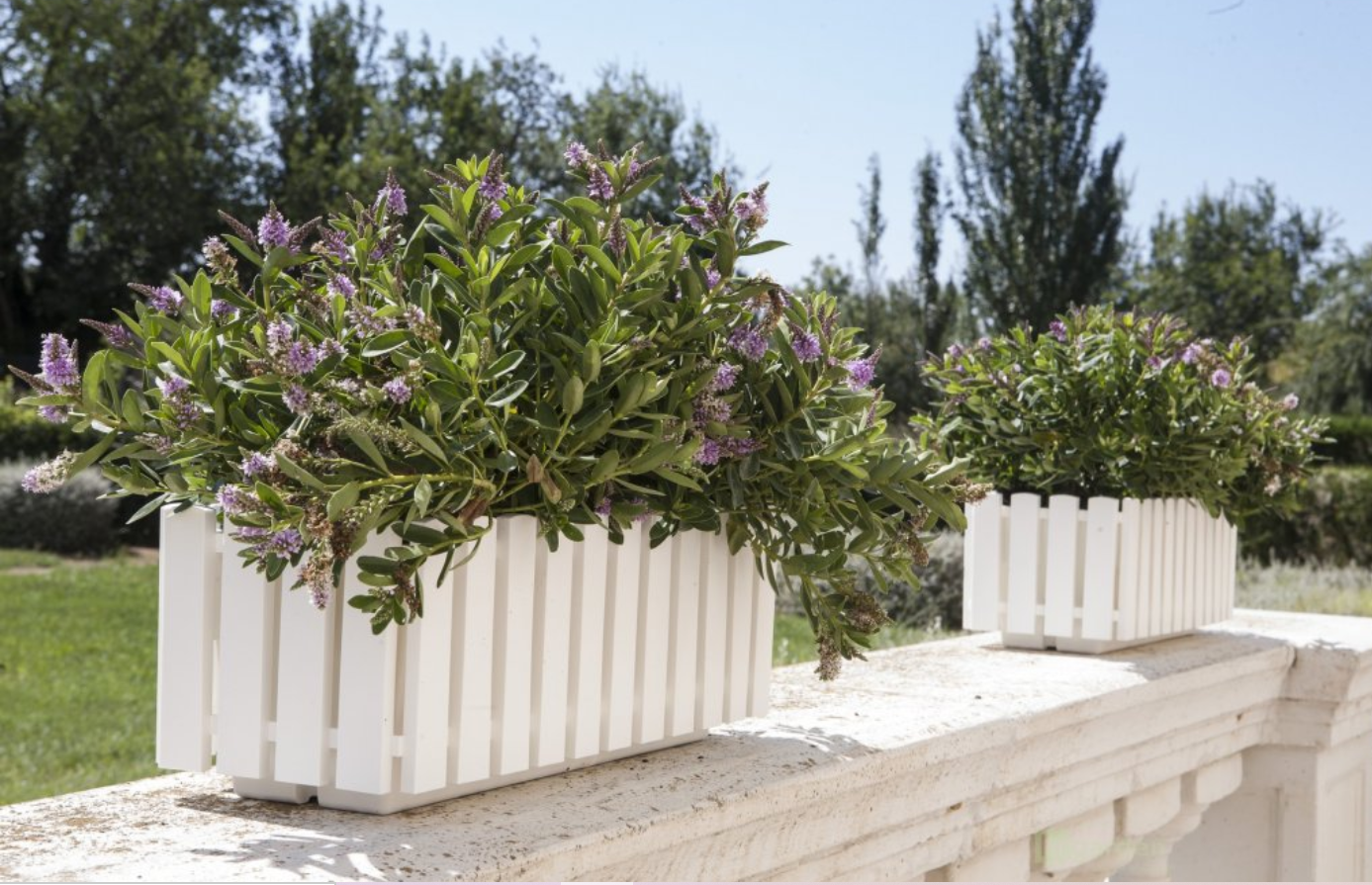
- Outdoors, you can then easily elevate an ordinary fence into a stylish pride of your garden through Fency planters. You can also use Cobble pots; we will soon explain how they are adapted precisely for outdoor use.
- The Fency planter also offers four colour variants, namely anthracite, taupe, pea green or classic white. These planters are available in two sizes, namely 50 cm or 75 cm.
Now that you know there is no need to choose between functionality and design, let us say a little more about the practical advantages of the smart pots Cobble and Cobble Trio:
- Thanks to these pots, herbs, fruit and vegetables always have the certainty of proper watering. The plants can continuously take in water according to their current needs, not a drop more, which helps you avoid overwatering. And of course not a drop less, so your plants will not simply dry out. In short, you can be much more at ease than when growing in ordinary pots with watering into a saucer.
- Thanks to the cleverly placed opening for topping up water, in practice you will also not tend to forget to replenish the supply of water or nutrient solution.
- The practical drainage opening also allows smart pots to be used outdoors, outside your home.
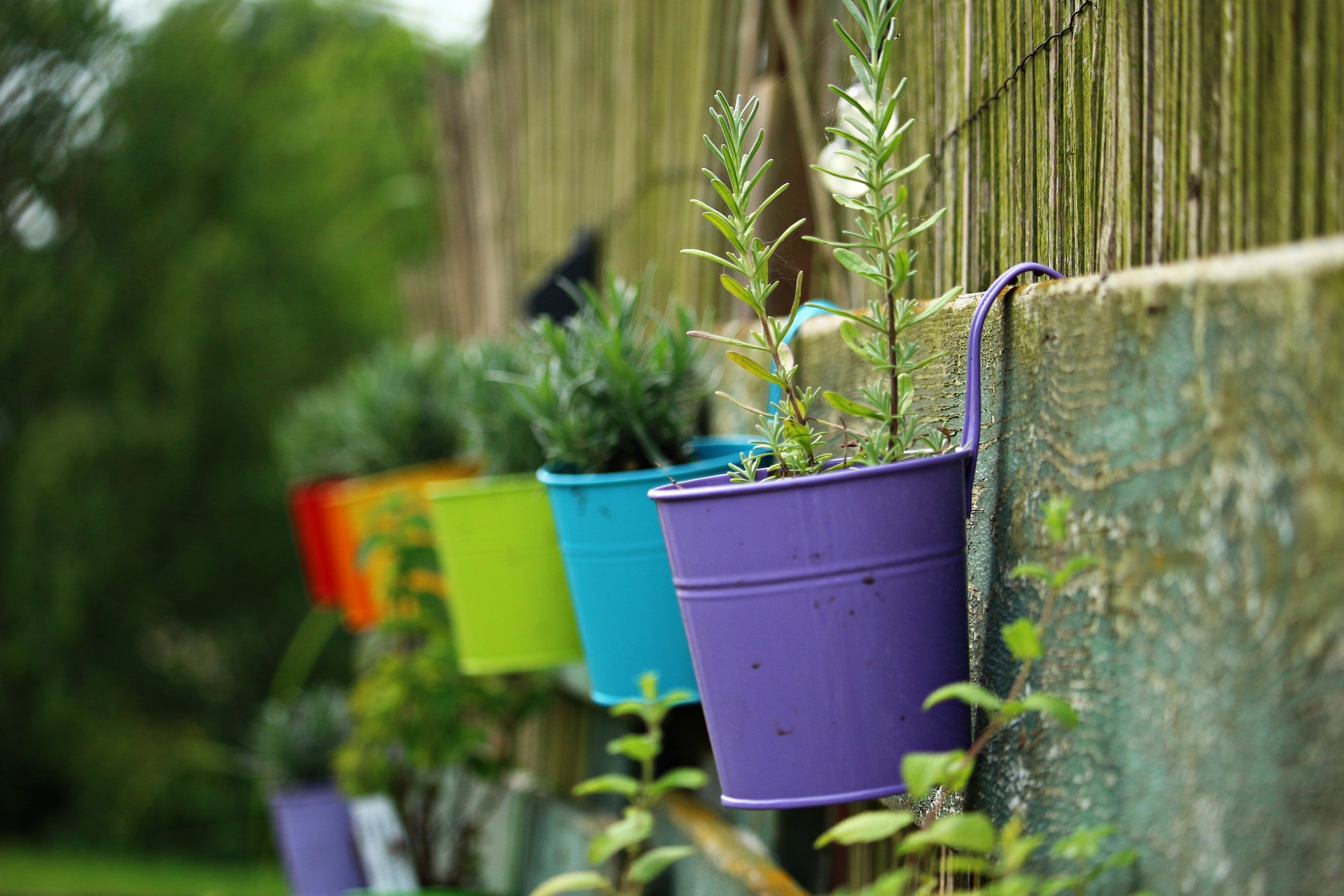
In view of the growing demand, we are currently also preparing a range of hanging pots for you. These allow growers to create a growing space practically anywhere. For example, by hanging one on a tree branch in the garden, you gain a growing space for cultivating strawberries in organic quality. In practice, the pot is hung on a lower branch of the tree and the ripe fruits then hang down from the pot.
We recommend these products:
What to read next?
- BioNova Veganics – fertilisers not only for vegans
- How do you save an overwatered plant?
- How do you choose a substrate?
If you have any questions about decorative and smart pots or would like to ask about the availability of hanging pots, please do not hesitate to contact us at the well-known address info@higarden.eu.
Expanded clay as a Growing Medium
In today’s article, you will learn what expanded clay, also known as hydroton, is and why it has become especially popular among growers involved in hydroponic plant cultivation.
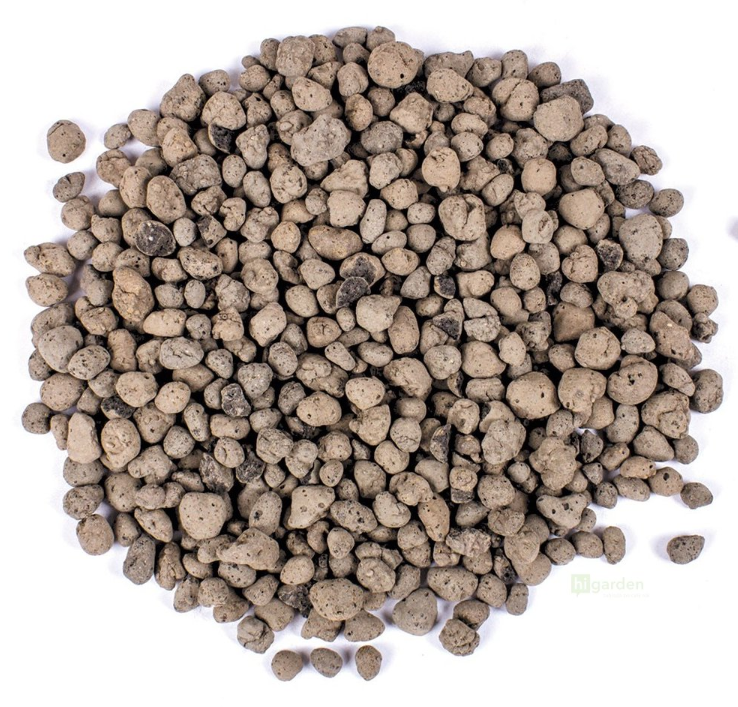
- In growing practice, expanded clay appears in the form of balls or irregularly shaped granules made from expanded clay.
- The main advantage of all these clay balls and granules lies in their inert properties, so they are a growing medium that has no effect on pH or EC.
- You can also reuse really high-quality expanded clay, such as Plagron Euro Pebbles, without any problem, and even for several years! Of course, repeated use depends on regular cleaning of the substrate.
- Among the manufacturers of top-quality clay substrates are, in addition to the mentioned brand Plagron, also VitaLink and Canna (see below).
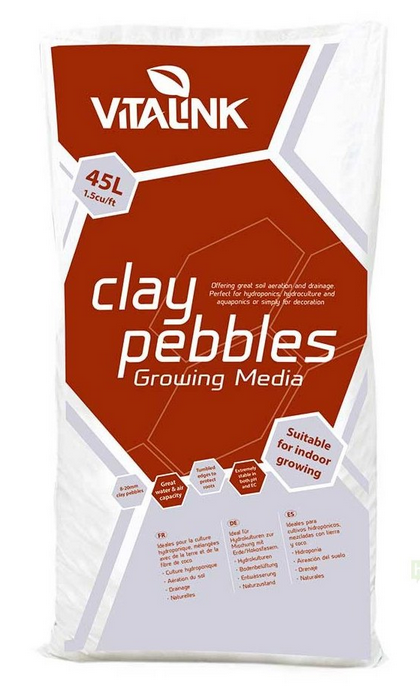
- VitaLink clay pebbles (pictured below) are characterised, compared with other products in this category, by a lower density while covering a larger area. They are exceptionally porous and retain water better (water retention capacity: 10%).
- The Czech manufacturer AGRO CS produces hydroton made from fired ceramic, with the clay first formed into balls and then fired at temperatures of 1,200 °C to obtain a strong and porous structure.
- For hydroponics or, for example, as a top decorative layer in a flowerpot, balls with a diameter of 8 to 16 mm are used.
- Expanded clay (hydroton) is also used as an additive to other substrates, especially soil mixes for self-watering pots from Autopot.
- Overall, expanded clay is excellent as a growing medium for all types of self-watering pots and planters, and you can also use it as a drainage layer if you grow plants in standard flowerpots.
- This inert medium is often used in recirculating hydroponic systems, such as the hydroponic systems Atami WILMA, because the plant takes only as many nutrients as it actually uses, which automatically leads to long-term savings on fertilisers and overall better nutrient management by the plant.
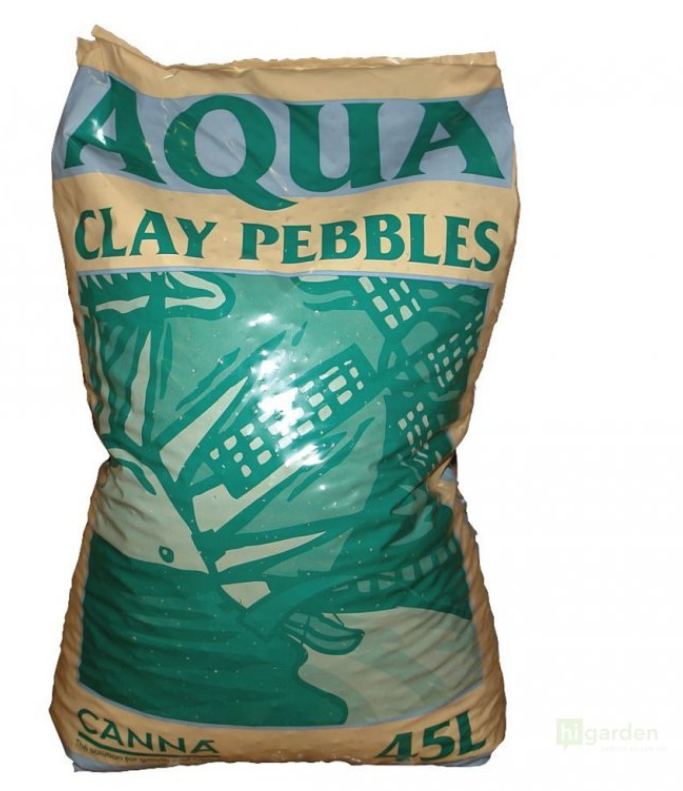
- If you are among experienced growers, you will certainly appreciate CANNA Aqua Clay Pebbles (the pack shown above) most of all among all hydroton packs - lightweight dried clay balls that allow you to influence nutrient application and plant moisture throughout the growing cycle. We recommend them for professional plant cultivation in closed hydroponic systems. There are also other advantages that every grower will appreciate:
- low content of soluble salts
- high permeability and airiness of the substrate
- direct support for the development of the plant root system
- an environment free from mould and diseases
- neutral pH and stable values of solution electrical conductivity (EC)
- It is advisable to rinse CANNA Aqua Clay Pebbles before use.
- We recommend using this substrate in combination with Canna Aqua or Canna Hydro fertilisers.
- You will achieve even better growing results in combination with powerful supplements from the Canna brand. We recommend in particular the unique enzymatic preparation Cannazym, the root stimulator Rhizotonic, the flowering booster Cannaboost, or the supplementary fertiliser PK 13/14.
- Add the base nutrients to the watering solution from the first day, as expanded clay itself contains no nutrients.
Self-watering pots, more and less sophisticated hydroponic systems and ordinary flowerpots. Expanded clay (hydroton) is suitable for home and outdoor gardening, whether as the main growing medium or as practical drainage. If you would like advice on choosing products, simply write to the well-known address info@higarden.eu.
We recommend these products:
- CANNA Aqua Clay Pebbles 45l (479 Kč)
- VitaLink Clay Pebbles (from 209 Kč)
- Plagron Euro Pebbles 45l (489 Kč)
What to read next?
How to Choose a Growing Medium?
Quality substrates are among the basic prerequisites for a successful harvest. These are mixtures made on various bases, whether it is peat or, for example, crushed coconut fibres. In this article, you will find out everything you need to know before you put a specific growing medium into your basket. You will also learn what to enrich it with and how to improve soil properties for even higher yields.
First of all, you should clarify the answers to the basic questions that should certainly come before choosing the ideal growing medium, namely WHAT you will grow and WHERE you will grow it:
Do you want to grow herbs, fruit or vegetables in a growbox (indoor), in a greenhouse or in a garden bed in the garden (outdoor)?
In a grow tent, in a greenhouse, but also on a windowsill, you will use pots or planters. The standard ones, intended for hand watering, can be filled with soil or coconut coir, which combines the best of hydroponics and growing in soil. Coconut fibres can hold a great deal of water while maintaining a high level of airiness.

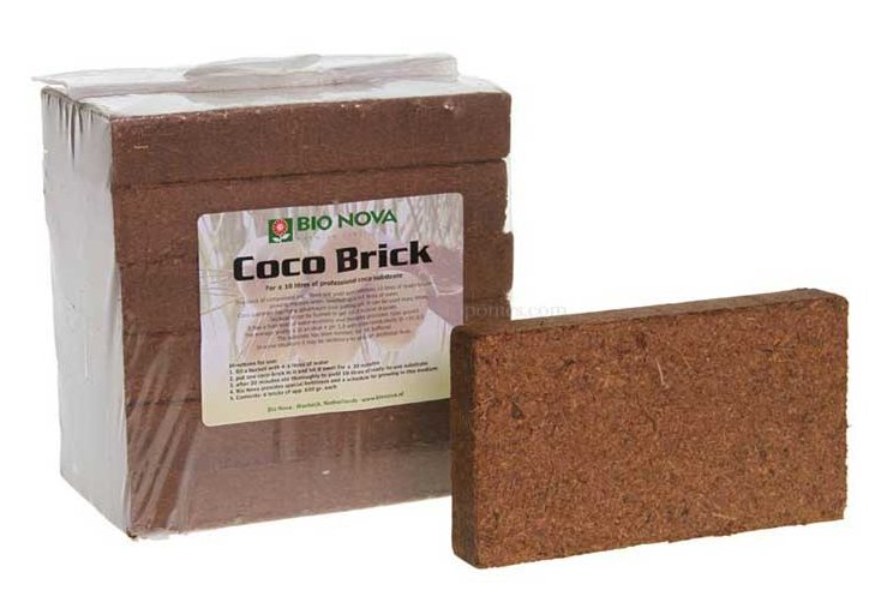
In addition to classic bags, you can also get practical compressed coconut briquettes. The pack contains compressed coconut fibres in a dehydrated state, which expand to the declared volume after watering, after which the substrate is ready for immediate use. The benefit of dried briquettes is long-term storage while preserving the original properties of the substrate, as well as easy handling of larger quantities of packs.
It should, however, be said that before using coconut substrate, it is better for the grower to have at least some experience, whereas soil mixes will also serve enthusiastic beginners well, as they allow a certain degree of tolerance for mistakes (in fertilising, watering, etc.). At the very beginning of the growing cycle, you also do not need to deal with nutrition, because peat mixes, often referred to simply as soil among growers, are divided according to nutrient content for the first weeks of the growing cycle into lightly, medium and heavily pre-fertilised substrates.
In the garden, a suitable substrate helps you cultivate the growing space and create a more favourable environment for plants or agricultural crops from seed to harvest.
If your intention is a BIO-quality harvest, use a 100% natural and certified soil mix. It contains, in an optimal ratio, premium white and black peat together with crushed and sieved compost. An important part of the composition of these mixes is also an inert component ensuring aeration of the substrate - perlite, which will be mentioned again in a moment.
Self-watering pots, such as Flo Gro, are filled with inert clay balls measuring 8-16 mm, also known as expanded clay (hydroton).
Expanded clay, like coconut substrates or perlite, belongs among the so-called inert media, which means that it contains absolutely no nutrients (unlike soil).
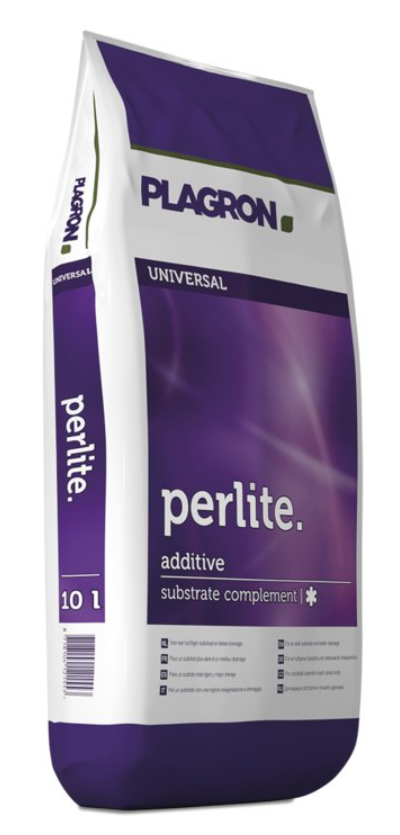
Perlite is most often used to improve soil properties or aerate substrates, whether coconut or soil mixes. These are white inert granules with a high water content, made from amorphous volcanic glass.
We will stay with inert growing media for a while longer. They find their greatest use especially in hydroponics thanks to their highly absorbent and retention properties. This “sterile” environment prevents plants from being attacked by pests or mould in advance.
Compared with soil, when using them it is necessary to continuously measure and regulate pH and EC values to prevent so-called plant burn or a reduction in the efficiency of fertiliser uptake.
A very popular inert medium is rockwool, also known as basalt wool. This substrate provides the root system of all plant species with a completely ideal ratio between water and air.
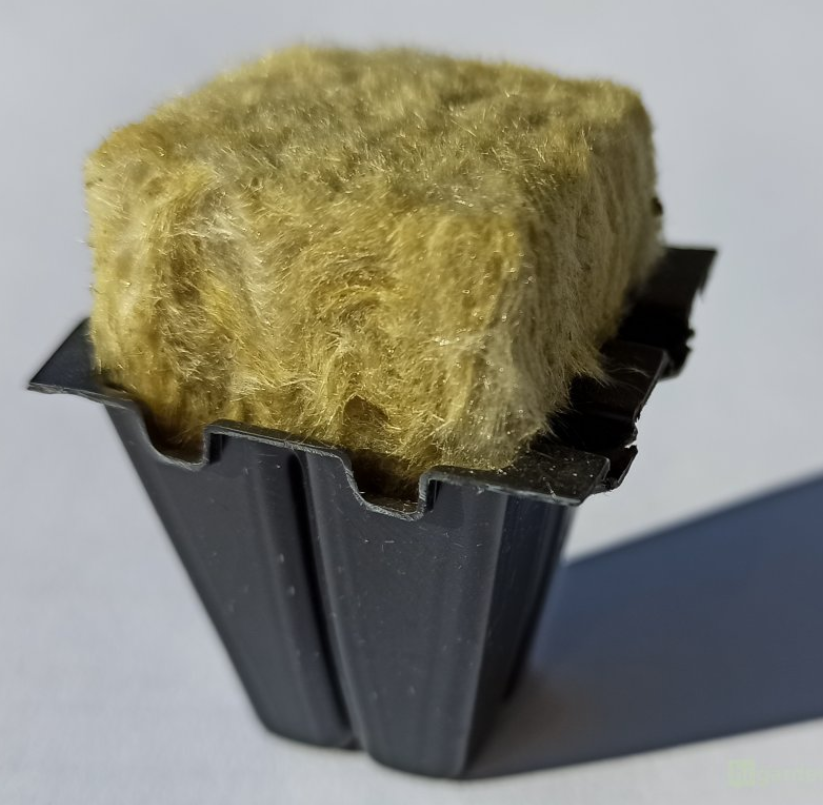
Its natural, 100% organic alternative is the increasingly popular Agra-Wool propagation cubes, made from Earthwool. In addition to being environmentally friendly, they help young plants root more easily.
Houseplants and ornamental plants are best grown in a mix of light and dark peat, which contains nutrition for the first weeks of the growing cycle and humus.
Specialised mixes intended for the cultivation of houseplants usually have their pH adjusted with limestone.
Substrates intended for the cultivation of acid-loving plants contain almost no nutrients and have a neutral pH, so that one product can cover as many commonly grown species as possible.
Substrate can even be mixed by yourself. But it requires experience. Industrial substrates, which today you can easily obtain in a quality suitable even for professional growers at an affordable price, moreover provide not only significantly better results, but also a huge saving of time and energy, and above all the certainty of the purity of the resulting mix. That is truly important. Proven products do not contain weed seeds or pathogen spores. Your plants will therefore grow from the start in a favourable environment that suits them, and they will be able to fully “focus” on root development and overall growth.
Final tip: You will achieve the best results if you combine substrates with fertilisers, nutritional supplements and additives from the same brand!
We hope we have made choosing a substrate easier for you. There is truly plenty to choose from in our e-shop, so do not hesitate to write to us at any time and our specialists will be happy to recommend the ideal growing medium tailored to your needs and plans. We look forward to your questions at the well-known address info@higarden.eu.
Root Stimulator – What Is It For?
A root stimulator, or root booster, provides plants with substances important for their further trouble-free development and for maintaining their vitality. The best root stimulators can then work wonders. This has a completely logical basis. A healthy and well-developed root system increases the likelihood of a plentiful and valuable harvest to the maximum. That is why experienced growers do not skimp on root support from the very beginning of the growing cycle. The root ball will tell you a great deal about its condition, and so in this article you will read not only about products that effectively support it, but also about what a healthy root system should look like.
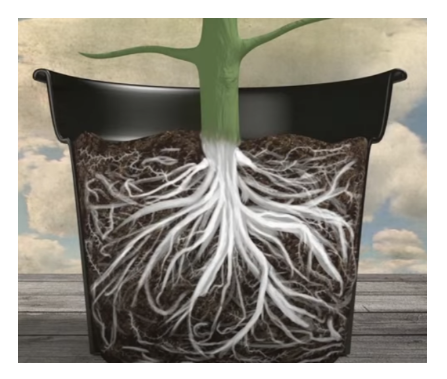
First, we will answer the question of why a root booster should be used at all. Then we will go into more depth. What is a root stimulator good for?
- More healthy roots in less time! The growth of new roots and root hairs fundamentally affects how effectively the plant is able to absorb nutrients.
- Without a healthy and strong root system, or root ball, your plants would never grow properly.
- Conversely, only healthy and strong roots, forming a dense network, are able to perform their primary function, which is the uptake of water and nutrients. This applies to the use of basic nutrients as well as other supporting substances, which come from various other additives beyond root stimulators.
- It follows that the healthier and stronger the root system of a young plant is, the better the quality of the flowers and fruits you will harvest at the end of the growing cycle.
- A root stimulator helps plants create a larger root ball. A substantial root system makes it possible, provided other conditions are met, to grow plants at higher temperatures, as the roots supply the plant with enough water, which it can then evaporate to cool itself down.
How can you tell whether a root system is healthy?
You can find the answer to this question visually in the introductory image. The application of root stimulators from our range should definitely be reflected in the health of your plants, provided watering is done correctly.
Are you interested in which indicators can be used to check a healthy root system at a glance? Here is its characteristic:
- Fine, medium and large whitish roots.
- Fine roots should have even finer root hairs.
- Roots should grow throughout the growing container, i.e. from the top all the way to the bottom of the pot.
The first product worth mentioning is the root stimulator Shogun Katana Roots, which can ensure explosive root growth in your plants regardless of the preferred substrate. However, it is not the only one. Other renowned manufacturers also produce quality root stimulators, and so further examples are certainly in order. In view of how crucial a role the health and density of the root zone play in the overall development of the plant and the resulting yields, it is clear that a quality root stimulator can be regarded as the most important supplementary fertiliser.
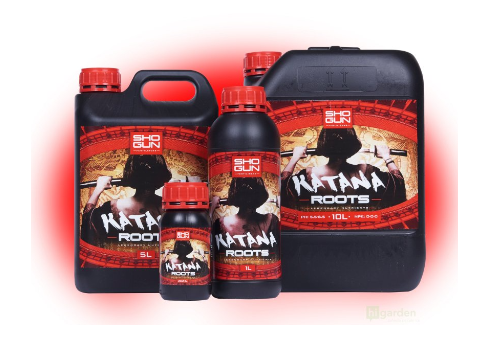
Root stimulator as a supplementary fertiliser (additive)
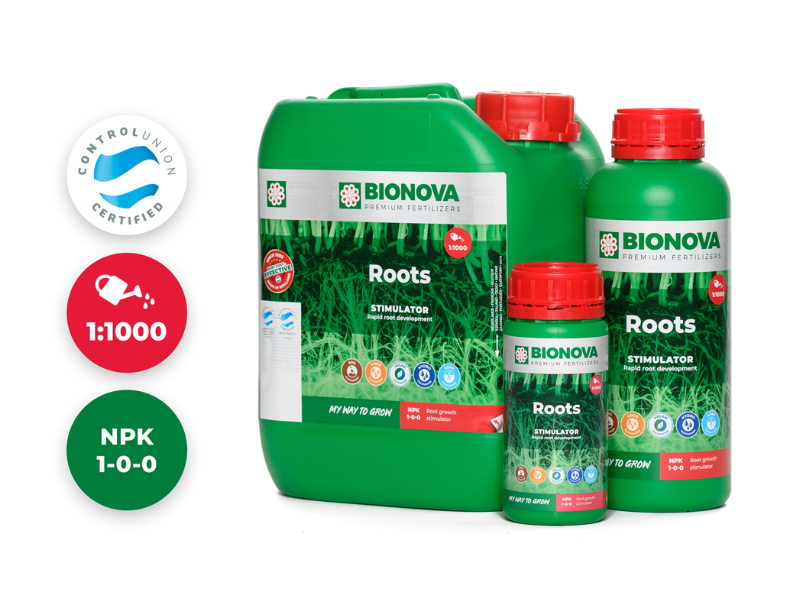
Root support in plants is a separate discipline for most leading brands. Most manufacturers (BioNova, Plagron, Canna, Advanced Nutrients, Biobizz, VitaLink and others) share the fact that they give consumers - growers - the option to use a specially developed product designed to effectively support root and root hair growth as a supplement to basic nutrition (N-P-K fertilisers N-P-K). As another example, we present the proven root booster BioNova BN Roots.
Root stimulator as part of complete nutrition
Some manufacturers, such as the Czech brand Jungle Indabox, however, offer growers a slightly different strategy for plant nutrition, and therefore also for roots. They produce a complete fertiliser consisting of only two basic components, while in terms of the overall composition they already take into account concepts such as root support or flower stimulator.
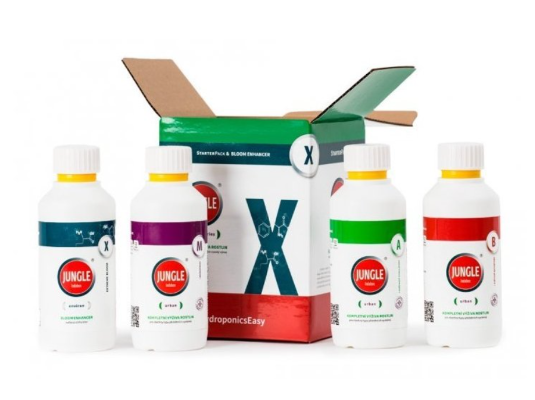
It therefore depends on the preferences and experience of each grower. Some of our customers swear by the combination of base fertiliser + root stimulator + flower stimulator + possibly other supplementary fertilisers from their favourite manufacturer. Others prefer the simple use of fertiliser in an “all-in-one” style. The advantage of brands that offer a wide range of supplements to proven base fertilisers is the possibility of gradually testing and combining special preparations with a positive effect on plant yields. Especially if you are one of those who like to tinker, this will be your case too.
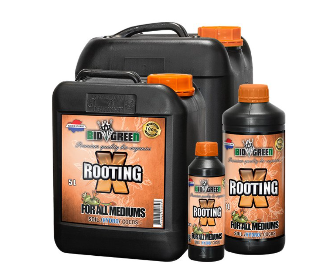
The goal is always the same for every plant: the formation of a large number of new, strong roots. This ability is also intensely stimulated by Biogreen X-Rooting as a high-quality supplement from the Netherlands, containing all the necessary organic amino acids and vitamins, which you can use regardless of the substrate in which you grow your plants.
Root stimulator according to the growth stage
The application of a root stimulator is clearly worthwhile right from the start of plant development, that is, at a time when it is still weak and vulnerable; there is no doubt about that. Some manufacturers then distinguish whether it is a root stimulator for the youngest seedlings or freshly germinated seeds, or a root booster for already “grown” seeds or sufficiently rooted cuttings.
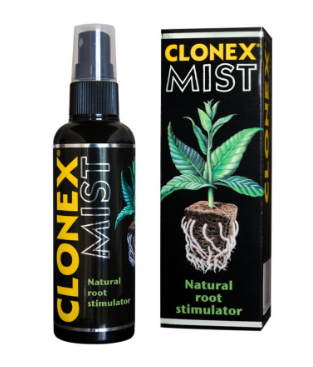
The early development stage of plants is specialised in by the British brand Growth Technology, which produces the root stimulator Clonex® Mist, available in a 100 ml pack or as a spray bottle with a volume of 750 ml. This carefully considered mixture of amino acids and minerals is applied directly to the leaves and stems of cuttings several days after taking them. Two to three days before taking cuttings, this product can also be applied to the leaves and stems of mother plants. In New Zealand, independent testing over 10 days proved a 30% increase in root size and an increase in the number of roots by an impressive 156%!
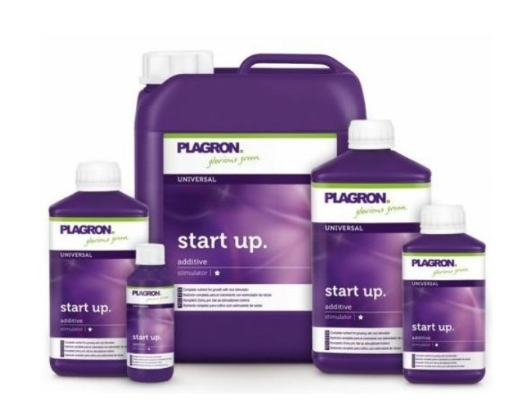
The root stimulator Plagron Start Up is often used already during seed germination and, thanks to the fact that it is suitable for all types of soil, you can give your plants a perfect start in life with it whether you are growing in a grow tent, in a greenhouse or outdoors in the garden.
OUR TIP: Plant roots are often very susceptible to damage during transplanting. Protection of roots during transplanting has a solution in the form of a product from the same manufacturer, namely Plagron Power Roots, which increases the plant’s overall defence.
Also Grotek Kick Start maximises photosynthesis and provides the necessary first dose of nutrients to the youngest plants in the initial growth stage.
Canna Rhizotonic is one of the long-standing root stimulators that has never disappointed any grower! Why? Because it is among the products that fully meet the definition of what a root stimulator is and what it can do:
- It stimulates the formation of new roots.
- It speeds up root development.
- It shortens the time needed for cuttings to root and for seeds to germinate.
- It also helps revitalise plants weakened by stress.
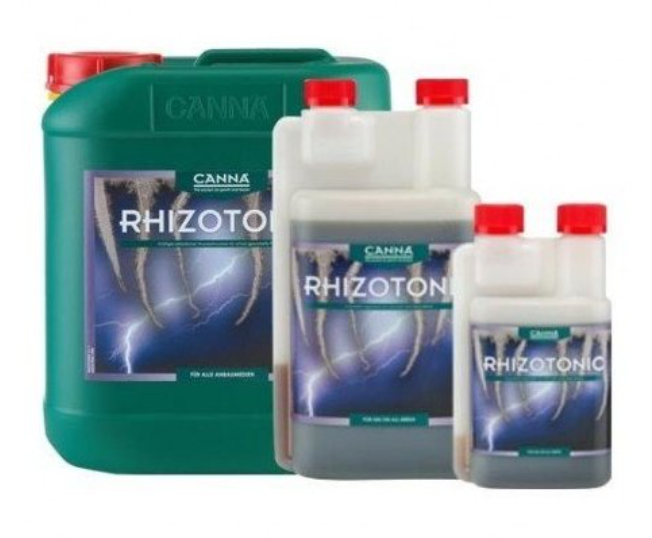
RHIZOTONIC is a rich cocktail of seaweed extracts, vitamins, minerals and other valuable substances for plant roots, stimulating the formation of root meristems associated with the growth of new roots and root hairs. As we have already explained, these are extremely important for nutrient absorption.
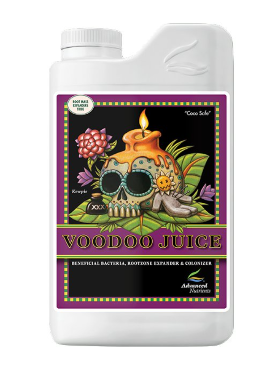
The root stimulator Advanced Nutrients Voodoo Juice is specific for its high concentration of beneficial microbes. It contains up to 50 million in a single litre. In combination with other beneficial substances, it ensures an increase in root mass of up to 117%.
Organic root stimulators
As with the selection of base fertilisers, for some growers the most important aspect is a 100% natural composition, suitable for growing herbs, fruit or vegetables in organic quality.
- Canna meets these needs with the stimulator Canna BIO Rhizotonic, which combines a root stimulator and a growth stimulator in one purely organic product.
- T.A. Root Booster (G.O. BioRoot Plus) is a natural root stimulator, also suitable for seedlings and rooting cuttings.
- A lush root system without a trace of chemistry is ensured, among other things, by Advanced Hydroponics Root Stimulator, which is known mainly to more experienced growers and fans of hydroponics.
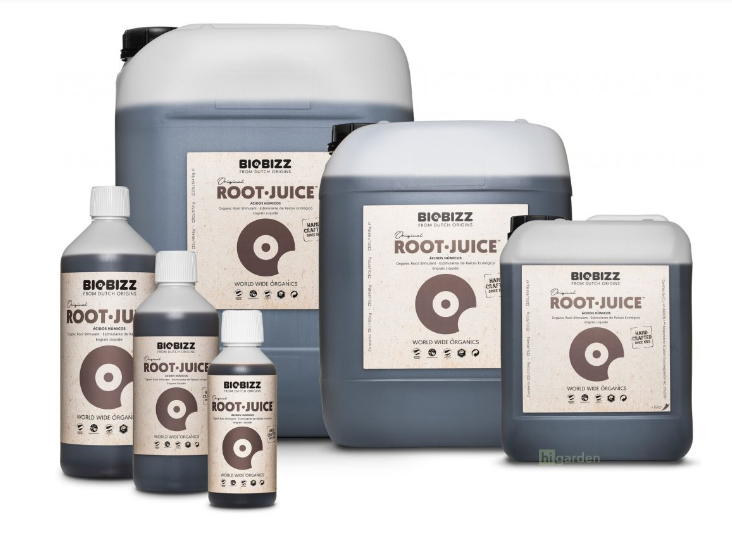
A purely natural product for ecological plant growing and the necessary stimulation of their root system is also BioBizz Root Juice, whose composition relies especially on the synergistic combination of humic acids and seaweed. If you are interested in comprehensive plant support, also read the separate article entitled Fulvic and humic acids: importance and use in plant nutrition.
Although it is the roots that are responsible for the uptake of almost everything plants need to live, many growers still forget about them and do not use root stimulators. We believe that after reading this article you will no longer be among them.
If you decide on a root stimulator, which we can warmly recommend, the best way to ensure compatibility is to use a root stimulator from the fertiliser brand you already use. We will be happy to advise you on the selection and combination of specific products. Do not hesitate to ask us anything you are interested in via the well-known e-mail address info@higarden.eu.
We also recommend these products:
What to read next:
When should you choose fabric pots instead of plastic ones?
Plastic pots are a cheaper and proven classic. In cultivation practice, however, we sometimes encounter situations where the lower price is offset by poorer yields, and that is naturally no longer worth it. Read on to find out when it pays to buy trendy textile growing containers!

Whether you are engaged in indoor plant cultivation, that is, at home in a grow tent, or outdoor, that is, outdoors in soil and in the sun, textile pots offer several advantages when growing medicinal herbs, vegetables and fruit bushes.
- Eco-friendly textile pots allow universal use not only regardless of the type of plants grown, as mentioned right at the beginning, but also with any growing medium and fertiliser. They work perfectly with coconut substrates, soil mixes, and you will also be delighted if you belong among supporters of hydroponics, as they have no problem with drip irrigation or some hydroponic systems, such as EBB & FLOW.
- In the past, in addition to the lower price, another advantage of conventional plastic pots was the possibility of choosing from an endless number of shapes and sizes. That is no longer the case, because nowadays, both here and everywhere else where gardening supplies for plant cultivation are sold, you can get textile pots in a wide range of designs from a whole series of renowned manufacturers. Would you prefer a textile pot with handles or without? Small, medium, large, or even huge for a more substantial shrub? And what about the colour? After all, you will be able to wash it after use and use it again for the next growing cycle, so the choice matters.
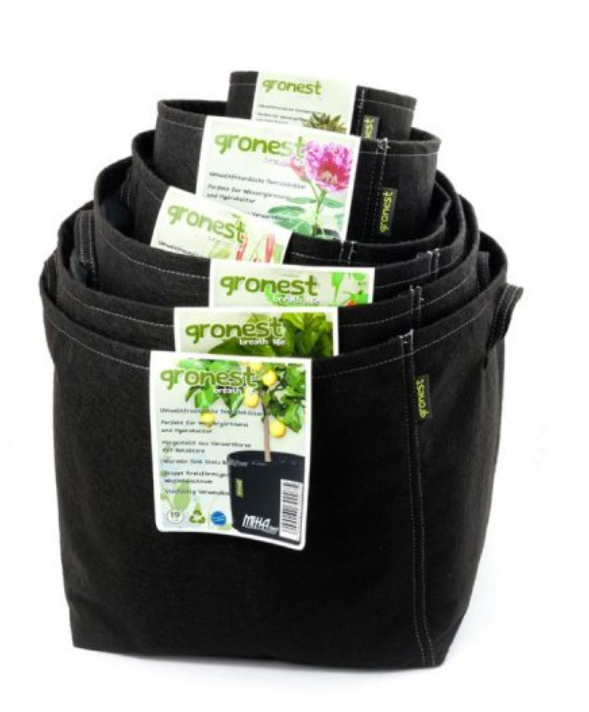
- The greater the access of oxygen to plant roots, the better the yield! This equation applies across growing activities. So, to answer the question in the heading, you can prefer textile pots practically whenever you care about harvest quality.
- Another answer is: if you are just starting out and water your plants by hand. Plastic pots are unforgiving, especially black ones, if you expose them to sunlight or an intense source of artificial lighting. Enthusiastic beginner growers, as we have written many times before, tend to overwater their first plants. Substrate in a plastic pot stays too wet, is prone to mould or pest infestations and, even worse if it is black, attracts light like a magnet and overheats. Textile pots allow enthusiastic beginners to reduce the risk of overwatering to a minimum because they let excess water out of the root zone and are thus able to save many a plant and perhaps even other efforts of promising growers in the first days and weeks.
- Since we have mentioned the root system, whose healthy development is the alpha and omega of a successful harvest, we must not forget other proven facts. How else do textile growing containers help its development?
- They support the process of optimal root branching.
- They prevent undesirable circular tangling of roots and rootlets.
- They protect the root system against the effects of UV radiation.
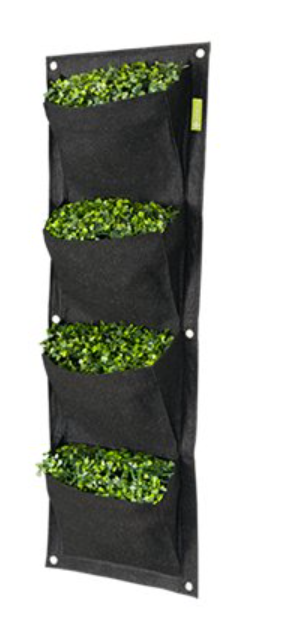
- The risk of overheating is taken care of thanks to the quality textile, but you may also be surprised by the fact that by using textile pots, including repeatedly after washing, you support plants during transplanting, when they must cope with considerable stress.
- The same applies if a plant is damaged by frost.
- Plants grown in a textile pot do not need watering as often as plants grown in a plastic growing container.
- We must not forget the increasingly discussed ecological sustainability either. This added value of textile pots in itself represents another answer to the question of when and why to use them. In this respect, Root Pouch pots stand out in particular, as do textile pots from other brands, which are usually made from recycled materials. However, to be completely objective, not all textile pots are 100% biodegradable.
- Finally, we have purely practical reasons:
- Considerably easier transport and handling than in the case of rigid plastic pots. Textile ones can simply be folded, so they are much more compact to store.
- You can forget about the degradation of growing containers.
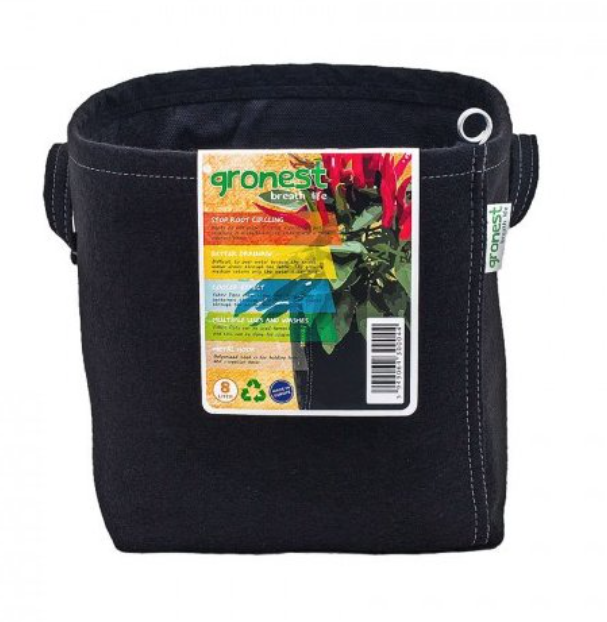
Growers who have tried textile pots in practice have already been convinced that this is a worthwhile purchase both for the owner and for the environment on the planet. You can buy them from as little as 19 Kč. Your growing costs will decrease with long-term use of textile pots, but for the reasons we have explained in this article, you can probably look forward to higher yields. If you would like to ask us anything, or need advice on choosing or using specific products, do not hesitate to contact us at the well-known e-mail address info@higarden.eu.
We also recommend these products:
- Root pouch Boxer brown, non-degradable, 8 l, 21x21cm (59 Kč)
- PLANT!T round textile pot DirtPot 37 l (115 Kč)
- ProPot Wall 12 - textile wall pot with 12 pockets (699 Kč)
What to read next?
- Jungle Indabox maximises the benefits of chelate binding
- Introducing vertical hydroponic systems NFT
- Trichoderma, or the natural way to a rich and healthy harvest
BIO SPECIAL
Grow organically! How can you secure a harvest of BIO quality? Nothing complicated. Just avoid synthetic fertilisers and replace chemical plant protection products with purely organic ones. We bring useful tips and information for indoor and outdoor growers and, indeed, for all supporters of ecological agriculture. Vegans will also find something of interest, so read on!
Plants and produce of BIO quality have an exceptional aroma and taste. As they say, it is simply on another level. The same applies to the content of valuable substances, such as vitamins, which benefit your health.
When growing at home in a grow box or greenhouse, you have BIO quality firmly in your own hands from the very beginning, immediately.

It is important to note that if you are growing in a garden where you have previously used a certain amount of chemicals, you must expect that it will take some time before all natural processes are fully restored in the soil. In such a case, it is advisable to use garden compost as a source of organic matter.
Ecological growing with respect for Mother Nature is becoming an increasingly trendy matter. For growers around the world, it also brings a number of benefits, led by the higher nutritional value of harvested herbs and crops.
Organic fertilisers
If you want to show your friends a harvest of BIO quality and truly enjoy it, do not make compromises. Use only high-quality certified organic fertilisers. Such products do not contain pesticides, artificial fragrances, colourings, or preservatives. You will also find them in our range, and you can recognise them easily from the name alone, as in the case of the 100% natural fertilisers from the BIOCANNA range.
TIP: 100% VEGAN
Fertilisers from the BioNova Veganics range for the growth phase and for the flowering phase will fully satisfy all growers - vegans.
Organic substrates
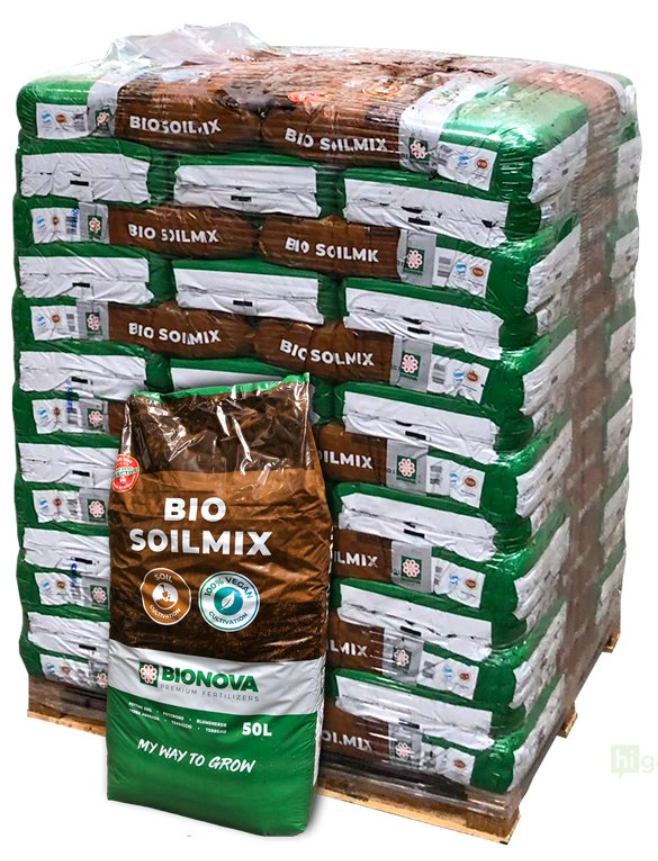
If you decide to take the path of ecological agriculture, choose your substrates accordingly. There is enormous interest, for example, in the lightly pre-fertilised soil substrate from the BioNova brand, which belongs among the absolute organic elite!
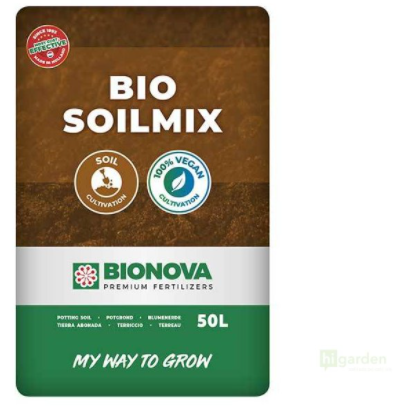
For interest, this ecological soil mix from the BioNova brand is so popular among growers that the manufacturer cannot keep up with printing the classic packaging as shown in the image above, and therefore replaces it with white bags, which it compensates for with a lower price. BioNova is selling like hot cakes. At Higarden.cz, this is further reinforced by the fact that for all substrates in our range we guarantee a 10% discount when purchasing 50 pcs and free pallet transport throughout the country when purchasing at least 20 pcs.
Organic additives and plant protection
It is clear at what pace the popularity of “ECO-friendly” products and activities is growing. It is therefore easy for growers to choose, in addition to suitable fertilisers and substrates, also a booster or root stimulator that meets their standards. A good stimulator can moreover breathe life even into plants that have suffered stress and are not doing particularly well.
Within ecological growing, you do not need to restrict yourself in any way (nor would it be advisable) when it comes to plant protection against diseases and pests. It can be done without chemicals!
Did you know that you can also use a bio pesticide? Alongside other excellent products from the BioNova brand, this highly effective cleaning product also has its place in our assortment.
TIP: BIO ALL INCLUSIVE
If you are preparing for your first growing cycle without using chemical or even animal products, you can simplify your selection within the categories above and try organic growing through a value set that contains all the products you need before you harvest the first fruits of your purely organic effort.
If you have just decided to begin, nature will be grateful to you, and you can already look forward to the unique essence of your own BIO food. Do not hesitate to consult us, perhaps via the well-known address info@higarden.eu, so that you have ecological growing under control and it becomes a source of fulfilment and joy for you. We are here for you!
- BioNova soil mix
- 100% natural BioNova Veganics fertilisers
- Biocanna
- BIO plant protection
- Biocanna Rhizotonic
Basic Fertilisers – What Should You Buy to Start With?
In short, basic fertilisers are those that contain the essential nutrients. In today’s article, we will look at which ones are available and answer a common question: how do you choose the right one from the vast number of bottles on offer?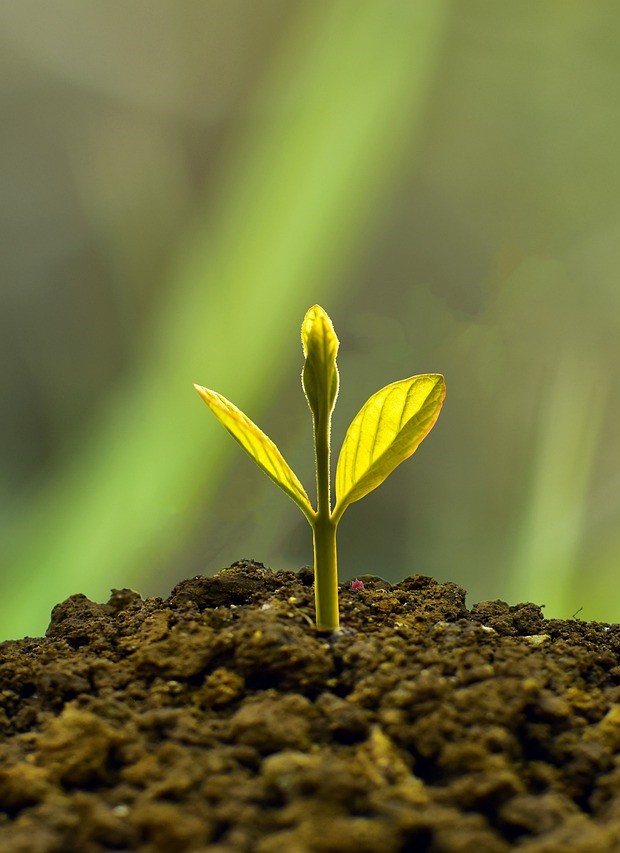
What are essential nutrients?
Essential nutrients are those that plants need in large quantities. They are therefore also known as macronutrients. These nutrients are absolutely necessary; without them, plants grow slowly or die completely.
Where do plants get essential nutrients from?
The most basic elements that plants need, namely carbon (C), oxygen (O) and hydrogen (H), they obtain from the air and water. They obtain the rest through their roots from the soil. To help them grow better, we add fertilisers, mainly the primary macronutrients known by the abbreviation NPK, namely nitrogen (N), phosphorus (P) and potassium (K).
Essential nutrients also include secondary macronutrients, calcium (Ca), magnesium (Mg) and sulphur (S), which are present in fertilisers in smaller amounts because they are usually available in sufficient quantities from the substrate – naturally, unless you are growing hydroponically.
How do basic fertilisers differ from one another?
Fertiliser manufacturers design nutrition so that it matches the plant’s needs as closely as possible. They take into account different stages of development, plant species, and their own experience. Every manufacturer has its own approach to cultivation and experience from tests (sometimes even its own scientific laboratory!), which is why fertiliser brands differ so much from one another.
1. According to the growth stage
Fertilisers are often tailored to the developmental stage. For beginners, the simplest are universal fertilisers for growth and bloom (you use two or three components at once) or single-component ones for growth and bloom (you first use one component for growth and then the second component for bloom). Multi-component fertilisers divide nutrition into four bottles (two for growth and two for bloom), so you can adjust it precisely according to the genetics being grown and the surrounding environment.
- Fertilisers for growth
Growth fertilisers contain more nitrogen, which plants need in greater quantities during the vegetative phase than at other times. Such fertilisers are usually labelled as the Grow component (Eng. “growth”). Growth fertiliser is also available in two components, marked Grow A and Grow B, because some compounds do not mix well in one bottle - more in the separate article.
- Fertilisers for bloom
Bloom fertilisers contain more potassium and phosphorus to support flowering and ripening. They are usually labelled as Bloom (Eng. “bloom”). Just like growth fertilisers, these can also be divided into A and B components.
- Universal fertilisers
They contain everything a plant needs during the cultivation cycle. The dosage changes according to the current stage the crop is in. Such fertilisers are usually in two bottles, A+B, or even three, most often labelled Grow, Bloom and Micro.
- Fertilisers for cuttings and seedlings
Fertilisers for the youngest plants are usually less concentrated to avoid overfertilisation.
2. According to the growing method
The growing method significantly affects plant needs, so there are fertilisers for soil substrates, coco, hydroponics and aeroponics. For example, in coco plants often lack calcium and magnesium, so fertilisers contain more of these elements. Hydroponic fertilisers tend to be more concentrated because plants cannot take nutrients from the substrate.
Some fertilisers are universal or can be used in more than one method. For example, the world-famous Dutch Formula from Advanced Hydroponics is intended mainly for hydroponics, but at half doses it also works very well in coco or soil.
3. According to composition
- Mineral fertilisers
These are the most widely used fertilisers today. They contain artificially created compounds, optimised to suit plants as well as possible and to be absorbed well. Mineral fertiliser is effective, concentrated and you usually know exactly what is in it. It does not spoil in a nutrient solution tank.
- Organic fertilisers
Organic fertilisers contain extracts from natural substances. They are closer to what a plant would naturally encounter. We recommend them especially for beginners, because with organics it is almost impossible to overfertilise. They are often suitable for ecological or at least more ecological cultivation, but you cannot use them in hydro.
- Bio-mineral fertilisers
They combine the best of organic and mineral fertilisers. The ingredients must be carefully selected, because some mineral substances can actually do more harm than good to the organic ones.
4. According to form
- Liquid fertilisers
A complete classic of home gardening. The fertiliser is in a bottle and is diluted with water, which is then used to water the plants. Such fertilisers work immediately and higher doses lead to overfertilisation, so it is necessary to dose carefully and regularly.
- Solid fertilisers
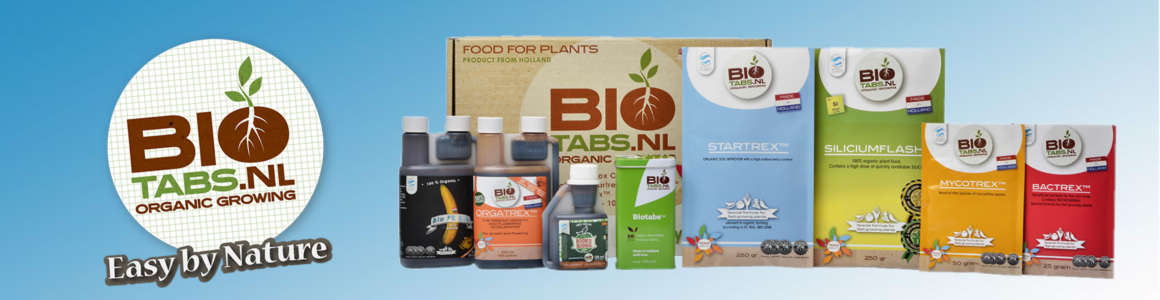
Solid fertilisers are usually loose or in tablet form. They are either mixed into water or added directly to the substrate. They release nutrients gradually; one tablet can last for several months.
So which fertiliser is the best?
The comprehensive description above is meant to help you ask and answer four questions, based on which you will choose the right fertiliser.
- Do you prefer more or fewer components? In which vegetative stage is the plant?
- What are you growing in, and how are you growing the plant?
- Do you prefer organic or mineral fertiliser?
- Do you want to fertilise regularly or only once or twice?
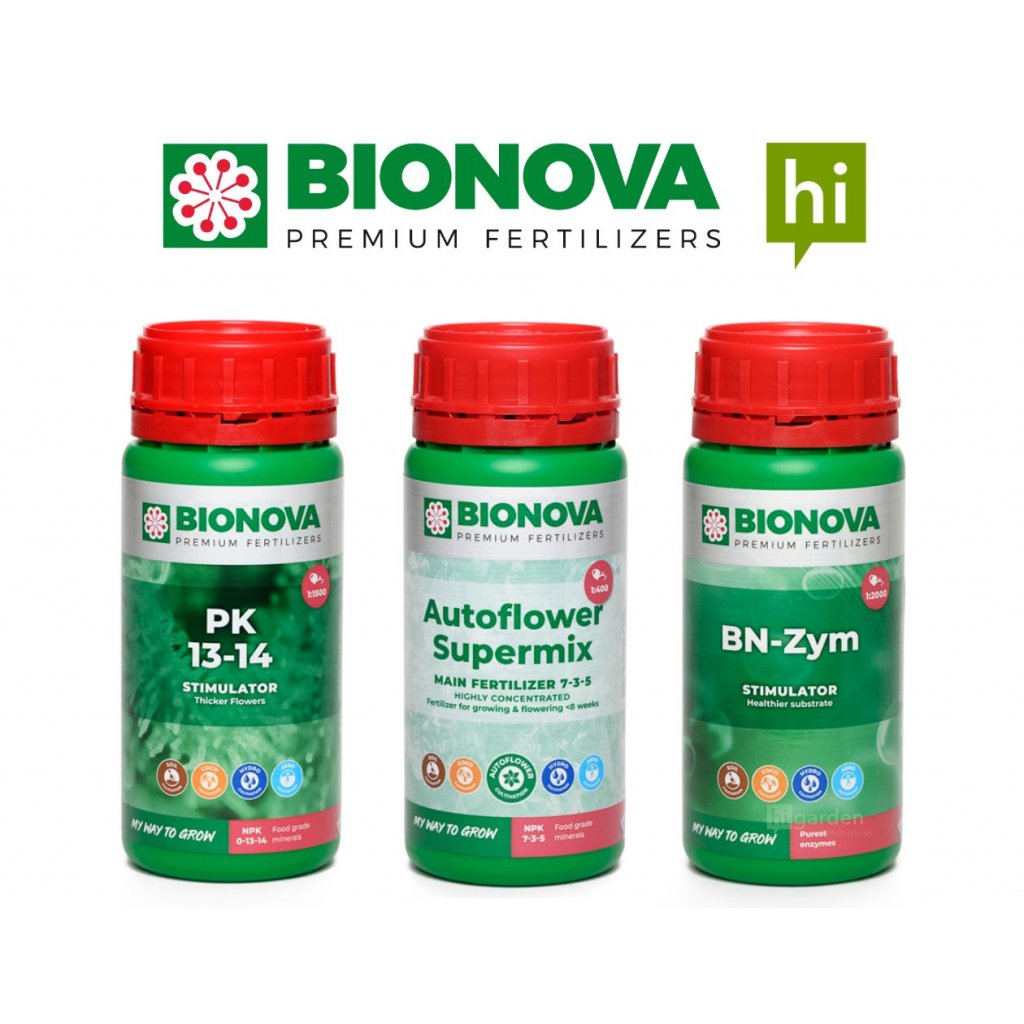
The choice of a specific brand then depends on your personal experience or preferences. From the Higarden team, we recommend the single-component nutrition from BioNova, which is available in versions for soil, hydroponics and aeroponics. Their range also includes a special fertiliser for autoflowering plants. If, on the other hand, you are interested in the simplicity of solid fertilisers, you certainly cannot go wrong with BioTabs. For coco substrates, we recommend the excellent nutrition from Shogun and, as for hydroponics, Advanced Nutrients or Terra Aquatica stand out.
The range of fertilisers is truly extensive. We will be happy to help you find your way around it and find a fertiliser that suits you perfectly. Just contact us at info@higarden.eu.
We recommend:
Further articles: