
Deficiencies and diagnosis
List of articles
The Most Common Nutrient Deficiencies in Plants: How to Recognise, Address and Prevent Them
Are your plants turning yellow, curling and slowing their growth? They may be lacking essential nutrients. Learn to recognise the signals your plants give you and find out how to help them quickly.
In total, plants need 17 nutrient elements to live. They obtain oxygen, carbon and hydrogen from the air. The remaining nutrients are taken from the soil or nutrient solution. Nutrient elements are divided into macronutrients, which plants need in the greatest amounts, and micronutrients, also known as trace elements or minerals.
- Macronutrients: nitrogen (N), phosphorus (P), potassium (K), calcium (Ca), sulphur (S), magnesium (Mg), carbon (C), oxygen (O), hydrogen (H)
- Micronutrients (trace elements): iron (Fe), boron (B), chlorine (Cl), manganese (Mn), zinc (Zn), copper (Cu), molybdenum (Mo), nickel (Ni)
Macronutrients are absolutely essential for plants, and their deficiency is clearly reflected in the plants. Plants need the primary macronutrients most of all – nitrogen (N), phosphorus (P) and potassium (K). In indoor growing, we may also encounter a deficiency of secondary macronutrients - calcium (Ca), magnesium (Mg) and, exceptionally, sulphur (S).
You may also be interested in: Everything about the primary nutrients NPK
Nitrogen
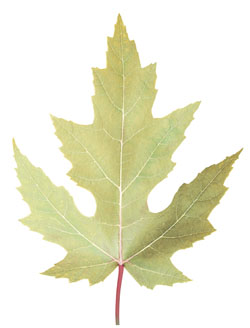 Nitrogen is most often lacking in plants during the vegetative phase, when they produce a large number of leaves. It is important in the formation of chlorophyll and is an essential component of proteins and nucleic acids.
Symptoms of nitrogen deficiency in plants
How can you tell if a plant is lacking nitrogen? The most obvious sign is yellowing leaves, which first affects the old leaves in the lower parts of the plant. This is because nitrogen is a mobile element that plants can freely move to where they need it most, namely to new shoots and leaves. In some varieties, nitrogen deficiency is shown by purple colouring of stems and leaf petioles.
- yellowing leaves and pale green colour
- lower leaves gradually fade and wilt
- slowed growth
- new shoots are lighter in colour
- earlier onset of flowering
- purple colouring of stems in some varieties
Why plants lack nitrogen and what to do
The most common reason for nitrogen deficiency is incorrect fertilisation. When growing outdoors, the cause may be soil poor in organic matter. Therefore, if you grow in the same place every year, it is important to regularly add compost or another source of organic matter to the soil, for example humus. If it is too late for that and you need to act quickly, we recommend using fast-acting liquid organic fertilisers for growth.
You may also be interested in: What NPK fertilisers are and what they are used for
In indoor growing, the reason may be too little fertiliser. This can be corrected simply by increasing the concentration of fertilisers in the nutrient solution. If you feel that you are fertilising sufficiently and yet the plants still look undernourished, the opposite may be true: excessive use of mineral fertilisers. This leads to salt build-up and the “locking” of nutrients in the substrate. In such a case, the solution is to flush the substrate with clean water with adjusted pH and then water it with a solution at the correct pH and EC.
You may also be interested in: What effect pH has on nutrient uptake
A common cause of problems not only with nitrogen but with plant nutrition in general is unsuitable substrate pH. When growing outdoors, this problem is less common and is dealt with by liming the soil or adding organic matter. Indoors, it is usual to lower the pH of the water with every watering, because water with fertilisers has a pH that is too high.
Phosphorus
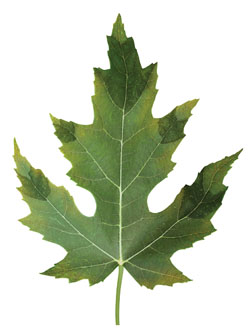 Phosphorus is essential for plants in root and leaf formation, photosynthesis and the uptake of other nutrients, as well as during the reproductive phase and flowering. Plants need phosphorus from early growth until harvest, with demand increasing when flowers are initiated – the transition to flowering.
Symptoms of phosphorus deficiency in plants
Plants with a phosphorus deficiency in their nutrition are stunted and have small leaves. The deficiency first appears on older leaves, which turn dark green, wilt and take on a blue-purple colour. If the phosphorus deficiency persists for several weeks, dark brown necrotic spots appear on the leaves and the leaf blades curl downwards. Plants with a phosphorus deficiency in their nutrition will still flower, but the flowers will be weak and few in number.
- dark green leaves with necrotic spots
- leaves darken from the edges and have a purplish colour
- deformed or curled leaf blades
- slow growth and flowering, small flowers
- purple colouring of stems in some species
Why plants lack phosphorus and what to do
When growing in soil, phosphorus deficiency is rare, and in such cases the cause is almost always incorrect pH of the growing medium. Outside the pH range of 6 to 7, the solubility of phosphates drops sharply. Soil pH can be adjusted by liming or by adding sulphur. If you need to act quickly, you can use phosphorus fertilisers in a sensible dose. Better more often and in smaller amounts, so that soil microorganisms are not destroyed and fertilisers are not leached into groundwater.
You may also be interested in: How to choose a fertiliser for indoor and outdoor growing
Indoors, phosphorus deficiency can also be caused by unsuitable pH of the substrate or nutrient solution. In such a case, it is enough to adjust the pH of the nutrient solution or substrate at the next watering. Less often, nutrition problems are caused by an unsuitable N:P:K ratio. However, if you use professional fertilisers for indoor growing and follow the feeding tables, your plants should not lack phosphorus.
You may also be interested in: Organic or mineral fertilisers – which are better?
Potassium
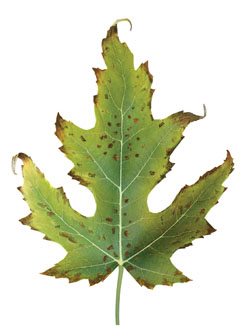 Potassium is an important element for water transport, as plants use it to control stomata. These small pores on the leaf surface regulate how much water evaporates from the plants and thus effectively control transpiration. Plants need potassium throughout the entire growing cycle.
Symptoms of potassium deficiency in plants
Potassium deficiency is initially difficult to recognise in plants. Plants that lack only a small amount of potassium still look healthy. They may even be slightly taller, but they are identified by slightly burnt leaf edges with yellowing tips. If the potassium deficit is more serious, the leaf veins remain green, but the petioles and stems turn red and dark necrotic spots begin to appear on the leaves.
- burnt leaf edges and tips
- leaves discolour from the edge towards the centre
- veins remain green
- slow growth and smaller flowers
- deformed and drying leaves
Why plants lack potassium and what to do
A large proportion of organic fertilisers used in outdoor growing (guano, fish emulsion, alfalfa, bone meal, animal manure) contain relatively little potassium due to their phosphorus and nitrogen content. Gardeners growing in fertile soils therefore also encounter a deficiency of this element. Potassium uptake is also slowed by cold, a high content of sodium, calcium or ammonia (NH₄ ⁺) in the substrate. An ecological way to supplement potassium in the soil is wood ash. For a quick potassium top-up in the soil, you can use potassium fertilisers.
When growing indoors, the most common reason for potassium deficiency in the soil is poor fertilisation or unsuitable pH. Problems with potassium uptake may also be caused by too high a content of calcium and magnesium in the nutrient solution or substrate. As always, the solution is first to measure the EC and pH of the substrate and, in the case of incorrect values, flush and water with a nutrient solution containing the appropriate amount of fertilisers.
Calcium
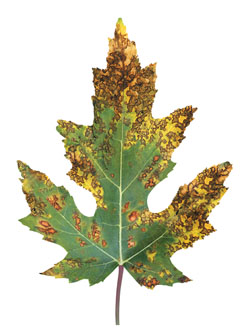 Although calcium is classified as a secondary nutrient, it is by no means insignificant for plants. It is part of plant tissues and essential for root growth. One of calcium’s most important roles is regulating the permeability of stomata, through which plants control transpiration. This element also affects growth hormones and the transport and uptake of other nutrients, especially potassium.
Symptoms of calcium deficiency in plants
The main sign of calcium deficiency is clearly defined necrotic brown-yellow spots on new leaves. If plants do not receive calcium, the damage will also appear on older leaves, especially on the edges of the blades, which then look as if burnt by fertiliser. Another symptom of calcium deficiency in plants is brittle, breaking stems.
- necrotic spots on leaves
- yellow or brown patches on leaf edges
- stunted plants
- dark green leaves
- rotting roots
- twisted and dying shoots
- sparse inflorescences
Why plants lack calcium and what to do
When growing in soil, calcium deficiency is encountered only exceptionally, only when growing in very acidic soils. This can be corrected by liming the soil, for example with dolomitic limestone.
Unlike soil, hydroponic substrates (rockwool, coco, perlite, expanded clay) do not contain calcium on their own and it must be supplied together with the other nutrients in the form of fertilisers. If you use soft, distilled or reverse osmosis filtered water for watering, it is necessary to add CalMag to the nutrient solution and increase the EC to 0.2–0.4 mS/cm.
Magnesium
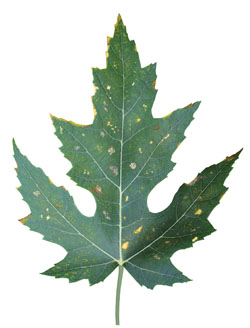 Plants use magnesium in the formation of chlorophyll – the green pigment essential for photosynthesis. It also activates hundreds of enzymes and supports the transport of sugars from the leaves to the roots and fruits, which directly affects yield. In addition, magnesium helps regulate the plant’s energy metabolism and increases its resistance to drought, heat and light.
Symptoms of magnesium deficiency in plants
Magnesium deficiency in plants first appears on older lower leaves, which fade while the veins remain green. Next, the leaves in the middle part of the plant are affected, and rusty spots appear on them. The symptoms gradually spread throughout the whole plant. Magnesium deficiency in nutrition may not show up on plants immediately; it is especially noticeable during the flowering phase, when the newly forming flowers are affected.
- yellowing leaves in the lower and middle parts of the plant
- necrotic spots
- young leaves are green
- dry leaf edges
Why plants lack magnesium and what to do
When growing in soil, magnesium deficiency is rare. It is usually encountered in clay soils or when there is a high content of potassium, ammonium or calcium. When growing in pots, magnesium deficiency may occur when watering plants with rainwater or filtered water. The easiest way to prevent magnesium deficiency when growing in beds is regular liming with dolomitic limestone.
Unlike soil, hydroponic substrates (rockwool, coco, perlite, expanded clay) do not contain magnesium on their own and it must be supplied together with the other nutrients in the form of fertilisers. If you use soft, distilled or reverse osmosis filtered water for watering, it is necessary to add CalMag to the nutrient solution and increase the EC to 0.2–0.4 mS/cm.
If you want to learn to grow like professionals or are looking for news from the world of indoor and outdoor growing, you will find all this and much more on the Higarden blog.
Leaf photo: canna-cz.com
Signs of a Deficiency in Essential Nutrients
Are you observing a plant and wondering whether it is missing something? If your herbs do not look healthy, they may be suffering from a nutritional deficiency, and it is therefore high time to give them an extra dose of one of the key elements through a suitable product.

Today’s article will teach you how to recognise deficiencies of individual elements in plant nutrition, and we will also recommend top products for their effective supplementation. In section “A” we will focus on basic nutrients (N-P-K), and in section “B” we will go through minerals and other most important elements that play an irreplaceable role in a wide range of plant biochemical processes.
One piece of advice to begin with. First of all measure pH. Before you start finding out which element your plants are lacking, if they clearly are not doing well, first of all measure the exact pH value of the substrate:
- When growing in soil, values from 6.5 to 7.0 are desirable.
- In hydroponics you need to measure lower pH values between 5.5 and 6.5.
If the measured pH values fall outside the ranges above, try adjusting the pH first and wait a while to see whether the plants begin to do better. The pH value can affect the presence of some basic nutrients or trace elements. Now let us explain how to recognise their deficiency and how to address it effectively.
Deficiency of basic nutrients N-P-K
NITROGEN deficiency (N)
- Without a sufficient supply of this biogenic element, plants simply do not grow; at best, they will be small and weak. Nitrogen is, after all, the most important component of nutrition during the vegetative phase (i.e. growth) of every plant.
- Another typical symptom that can be observed with the naked eye is overall yellowing, sometimes even reddening of the leaves, followed by their subsequent drop.
- Among the strongest fertilisers for replenishing nitrogen levels is Canna N 17%. With this product you can reliably eliminate a possible nitrogen deficiency in your plants, but do not forget to dose it carefully in view of its high concentration.
PHOSPHORUS deficiency (P)
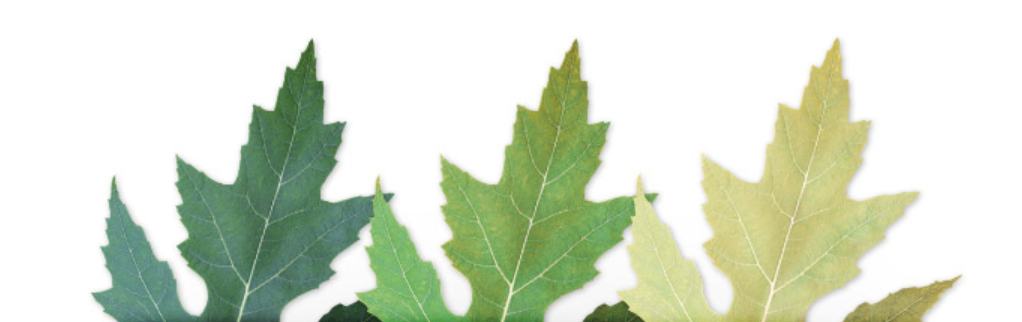
- Phosphorus is essential for the development of a healthy, strong root system, and if you read our articles regularly, you certainly know that the condition of the root system determines the plant’s ability to absorb nutrients contained in fertilisers effectively.
- In the case of phosphorus, it is a key component of nutrition during the flowering phase. In the period when plants concentrate their energy on producing abundant flowers and fruits, it is hardly ever the case that they have an excess of phosphorus.
- You will most often recognise phosphorus deficiency in plants by the premature dropping of older leaves. Also pay attention if you notice growth stalling, chlorosis of older leaves from the top down, dark grey spots and sometimes even purple-coloured patches on the leaves.
- Phosphorus is most often supplemented together with potassium in the form of PK additive fertilisers, such as Canna PK 13/14. You can also use the same product in the case of potassium (K) deficiency, see below.
POTASSIUM deficiency (K)
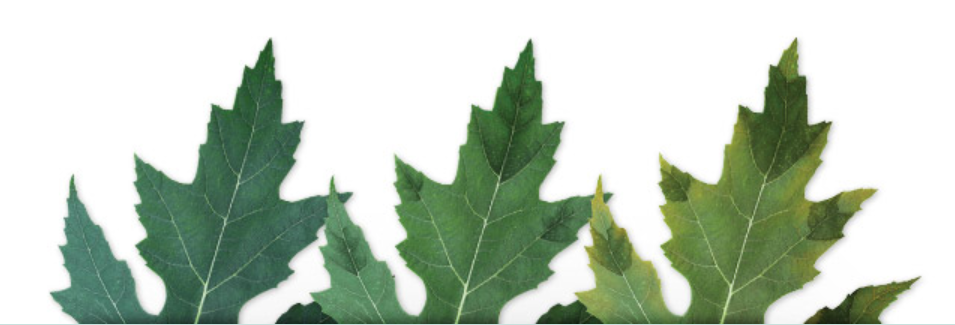
- Potassium completes the trio of basic nutrients. It is extremely important for the overall stability and vitality of the plant, helping it manage water and energy in the form of carbohydrates.
- A deficiency of this element can often be mistaken for burn damage, as older leaves yellow and the leaf edges turn brown in the same way as with scorching. Dots may also appear on the leaves.
- A classic symptom of low potassium levels in plants is stunted growth.
Deficiency of other nutrients
A deficiency of calcium and magnesium, which we mention a little further below, is effectively addressed by CALMAG-type products, such as Canna Calmag Agent.
CALCIUM deficiency (Ca)
- Calcium has a fundamental effect on the overall development and stabilisation of plants.
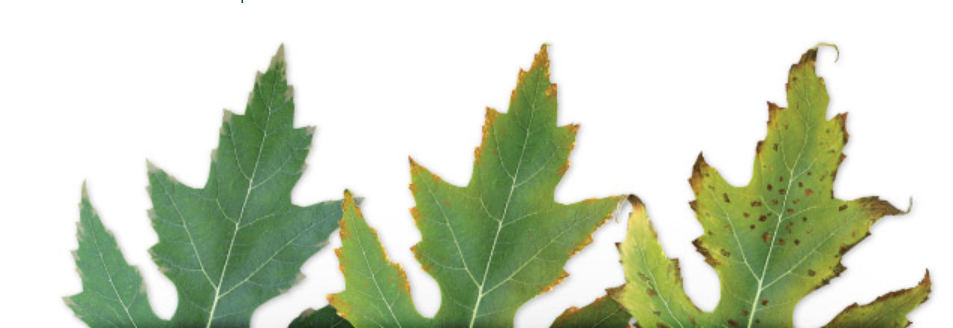
- Its deficiency is manifested mainly on plant leaves, namely by typical spots - small yellow-brown spots with a distinct brown edge.
- Other symptoms include short roots and curled or even “crumpled” leaves.
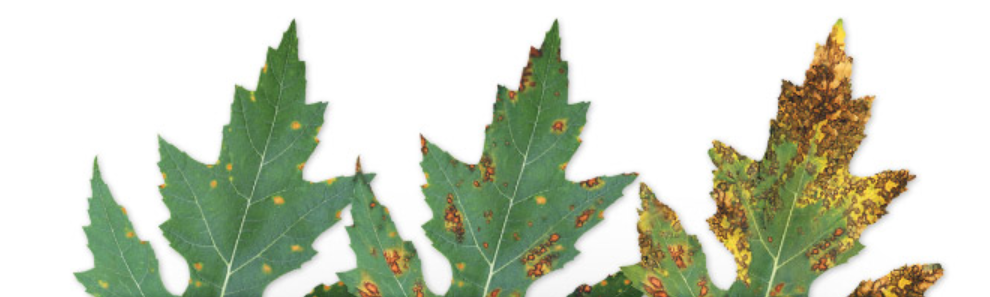
MAGNESIUM deficiency (Mg)
- The building block of chlorophyll must not be missing if plants are to remain photosynthetically active.
- Magnesium deficiency in plants is most often indicated by rusty brown spots and yellow spots between the veins on the leaves.
- A lack of magnesium prevents iron absorption, which is also associated with leaf distortion.
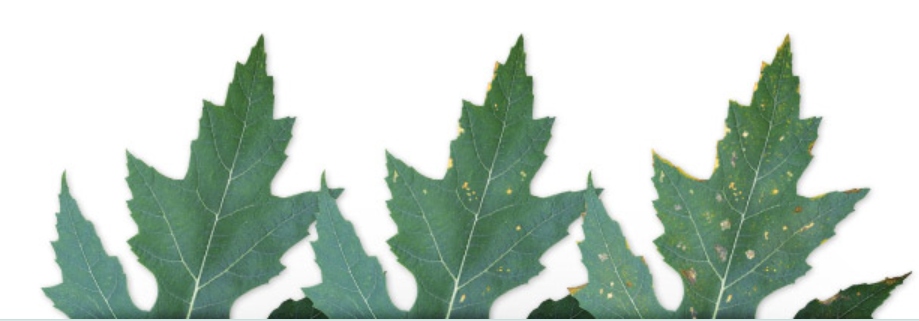
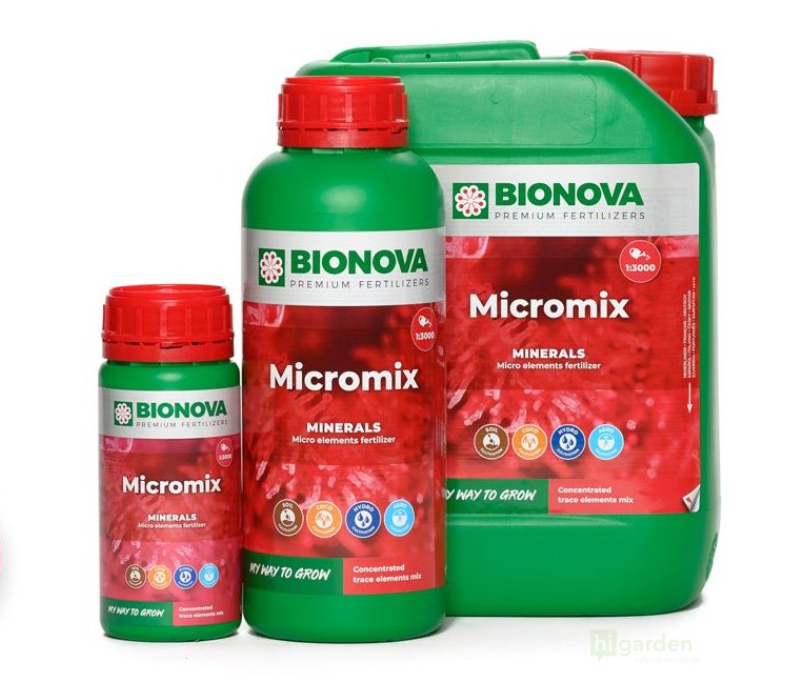
If you need to address a deficiency of any of the microelements listed below (iron, manganese, boron, zinc or molybdenum), use balanced MicroMix for easy replenishment of their levels and also as a prevention against deficiencies.
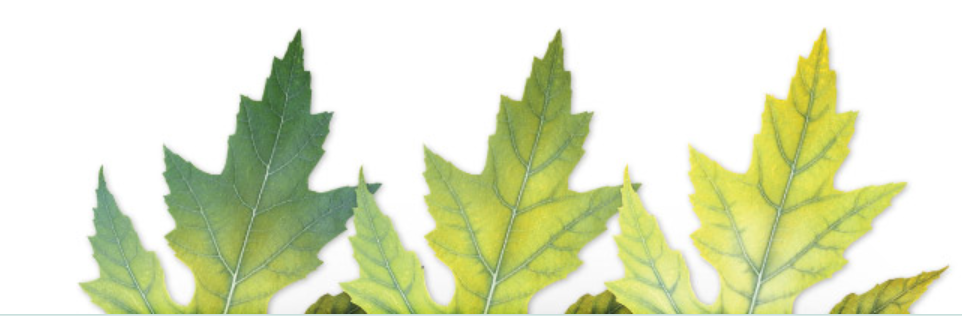
IRON deficiency (Fe)
- Iron is among the very unstable elements, so it likes to react with other nutrients, which is of course not desirable in plant nutrition, and therefore its deficiency is a fairly common matter.
- A low iron level in plants is manifested by yellowing leaves, or yellow patches on the leaves, while the leaf veins remain green. Leaf glassiness appears.
- Iron deficiency is often confused in cultivation practice with magnesium deficiency (see below). The difference is that iron deficiency affects only young leaves.
MANGANESE deficiency (Mn)
- Manganese deficiency in plants is most evident in hydroponics.
- The most common symptoms include dead yellowish tissue between the leaf veins, while the veins themselves remain green.
BORON deficiency (Bo)
- Abnormally slow growth? Your plants may be missing precisely this trace element, which supports the accumulation of phosphorus in the leaves and whose deficiency is in fact the most widespread nutrient uptake disorder in the world.
- You can recognise boron deficiency by small stems or curled leaves. It is also indicated by the dying off of older leaves and growth tips.
ZINC deficiency (Zn)
- Zinc deficiency, whose level is very low in plants of all kinds, is most often recognised by a yellowish area between the veins starting at the tips and edges of the leaves. The leaves may be striped.
- Sometimes vertical growth stops.
MOLYBDENUM deficiency (Mo)
- Molybdenum is part of important enzymatic processes related to nitrogen assimilation. The initial symptoms of its deficiency may also resemble nitrogen deficiency.
- Molybdenum deficiency later manifests as yellow spots between the leaf veins, followed by a browning area along the edges. Simply put, the leaves may be blotchy and mottled.
- A typical symptom of Mo deficiency is also inhibited flowering.
COPPER deficiency (Cu)
- Copper deficiency is most often indicated by the dying off of leaf edges and tips.
- The cause is usually stress and poor pH of the soil.
- In the case of hydroponics changing the water usually helps as well.
SULPHUR deficiency (S)
- The deficiency of this trace element also resembles nitrogen deficiency in the external appearance of the plants. We see signs of chlorosis (yellowing of the leaves) and usually also notice a significant stalling of growth.
- Crops with higher demands for copper will appreciate the use of blue vitriol
CARBON deficiency (C)
- We have left carbon for the end - the basic building block of the living world and an absolutely essential element for photosynthesis.
- Plants grown outdoors receive enough of it from the air, but if you are engaged in indoor cultivation of plants in a grow box, we recommend supplementing it with carbon dioxide. For example, No Mercy tablets are very popular, as they support your plants in development even if they do not show the signs of carbon deficiency listed below.
- Symptoms of carbon deficiency: White deposits appear on the underside of the leaves and the plant stops growing overall.
If you need advice on supplementing your plants’ nutrition, please do not hesitate to contact us and we will be happy to help. We look forward to your questions at the well-known address info@higarden.eu.
We recommend these products:
- Canna Calmag Agent (from 369 Kč)
- Canna PK 13/14 (from 149 Kč)
- BioNova MicroMix (mikroprvky) (from 279 Kč)
What to read next?
Nitrogen (N) Deficiency
A nitrogen deficiency is manifested by slow plant growth and subsequently by yellowing to a pale yellow. Unfortunately, these symptoms may also be caused by a range of other negative influences (for example, stagnant water, soil diseases or nematodes, etc.).
So how can you recognise when it is truly a nitrogen deficiency?
- First, the older leaves begin to turn yellow-green – from the top down
- Over time, the yellowing reaches the lower part of the leaf and begins to spread into the veins as well
- Next, growth stops and the affected leaves fall off
- Purple / reddish stem
Nitrogen deficiency can be recognised by the yellow (yellowish) leaves of the plant: if the roots’ absorption of this element is limited, chlorophyll (important for photosynthesis) disappears from the leaves. This happens first in the older leaves, at the lower part of the plant. The plant extracts nitrogen from these leaves and transports it to the young leaves and other areas where it is needed for further plant growth. Eventually, growth of the plant stops and the leaves fall off. In some plants (for example, cabbage), the leaves change colour to purple instead of yellow. Due to nitrogen deficiency, the plants and their fruits are considerably smaller. A plant with a nitrogen deficiency is much more susceptible to damage from diseases and insects. Unfortunately, these symptoms may also be caused by a number of other negative influences (for example, stagnant water, soil diseases and also nematodes).
Cause of the deficiency
Nitrogen deficiency can have several causes:
- Excess potassium, zinc and manganese in the soil or substrate.
- Too many chlorides in the soil
- The soil or substrate contains too little nitrogen
- Too high a pH level in the root zone (around the roots)
- Dysfunction of the root system caused by damage, disease or low soil temperatures
- Nitrogen is easily soluble and therefore easily leaches from the soil – which can cause its deficiency
How can nitrogen deficiency be prevented?
Usually, nitrogen deficiency does not appear immediately and you need to wait for the symptoms. During intense stress or growth, the plant is more susceptible to deficiencies. It is certainly worth making sure that you are using the correct fertilisers. Better fertilisers contain more than a sufficient amount of nitrogen and are therefore able to provide the plant with proper nutrition throughout its growth.
By using basic nutrients, which contain all the essential NPK components (Nitrogen N, Phosphorus P and Potassium K), you reduce the likelihood of nitrogen deficiency occurring. Always keep in mind that abiotic factors (such as temperature, light intensity, acidity, humidity and wind strength) can also have a significant effect on element deficiencies.
How can you deal with an element deficiency?
If you notice yellowing leaves on the plants, the situation can be addressed by applying a fertiliser with a high nitrogen content. Nutrients can also be applied extra-root (directly to the leaf) by using foliar fertilisers.
What function does nitrogen serve in the plant?
Nitrogen is absolutely essential for the plant. The plant needs nitrogen to form chlorophyll, which is indispensable in the process of photosynthesis. Nitrogen forms part of amino acids, from which proteins are subsequently formed, and these are necessary for all processes in plants. In general, it can therefore be said that nitrogen supports growth of plants, ensures higher quality of plant leaves and fruits, and further contributes to a larger harvest volume.
Listing controls
3 items total