
Nutrition, Growing Media and Water, Page 7
List of articles
How to Improve Soil Properties?
How fertile your soil will be depends first and foremost on whether you are cultivating plants in an indoor or outdoor environment. In a grow tent, the choice of growing medium is crucial, whether it is an inert medium or one of the peat mixes. In a garden bed outdoors, you will again be interested in how to significantly improve the natural properties of the soil there for higher yields and truly uncontrollable joy from every harvest. And that is exactly what today’s article is for!
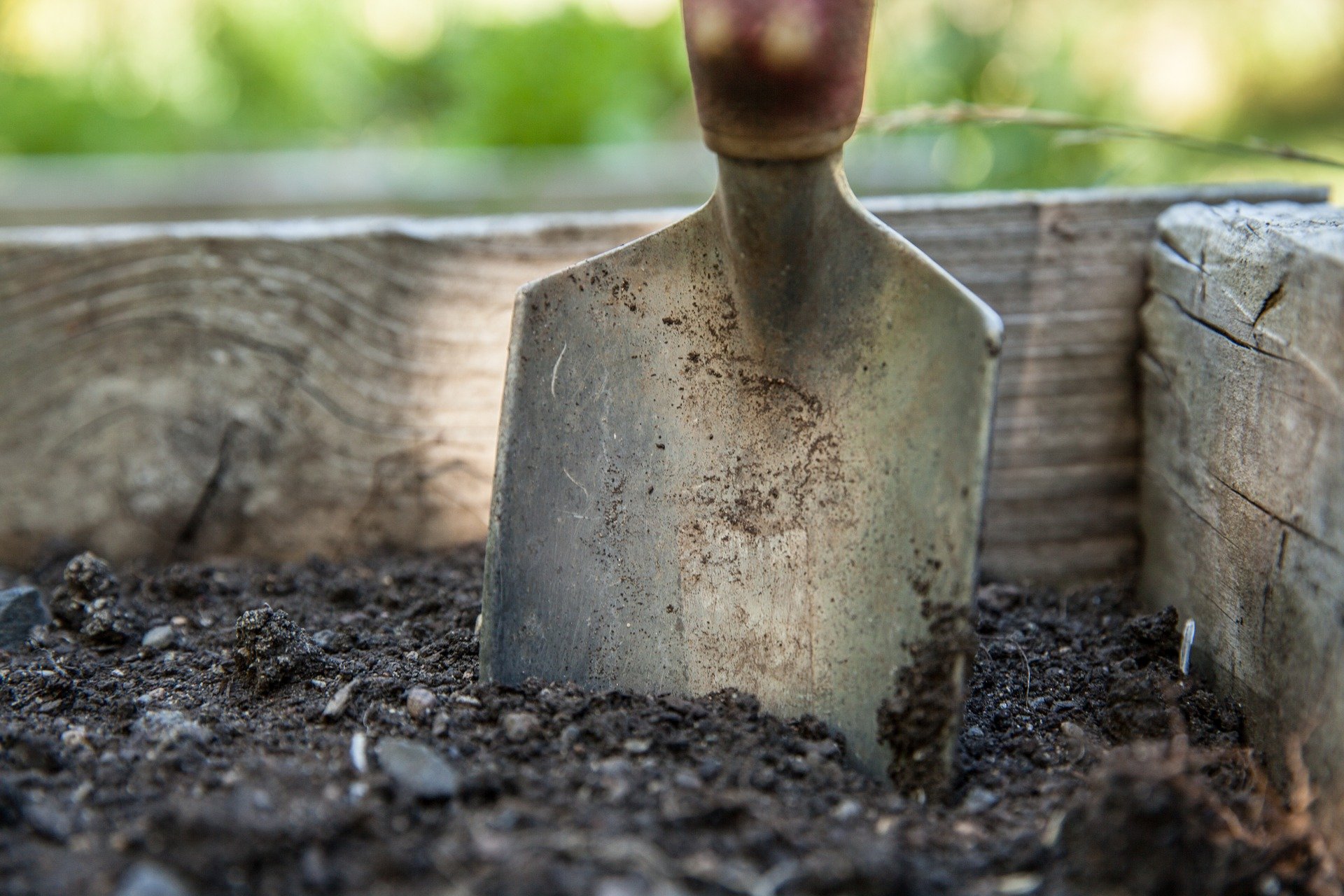
In the first case, you have a whole range of substrates at your disposal, which are slightly or even more pre-fertilised, aerated and generally fine-tuned on the basis of years of experience from manufacturers and growers from all over the world so that they provide your plants in the grow box with the best possible conditions for development. From both our point of view and according to the assessment of most growers, the best price-performance ratio is offered by the best-selling soil mix from the Dutch brand BioNova.
In the second case, if you are growing plants outdoors, the following tips for increasing soil fertility will certainly come in handy. Here they are!
Right from the start, we must not forget the location, which of course largely determines the quality of outdoor soil. However, even if the soil across the whole plot does not seem particularly fertile, do not despair. It is nothing that cannot be fine-tuned again with the help of quality soil, usually made up of several types of top-quality peat.
TIP: Try the unique soil improver VitaSol!
What needs to be monitored to make the soil more fertile?
- Nutrient content - this is what fertilisers are for. If you are growing outdoors, choose organic ones. You will be gentle on the planet and enjoy natural herbs, fruit and vegetables.
- Humus and organic matter content – an important indicator for water retention in the soil and its sufficient oxygenation for the healthy development of the plant root system. You can ensure a sufficient content of these soil components (humus should make up at least 2-4% of the total soil mass) with suitable products or, for example, by adding quality compost.

If you are patient and devote some time to the soil before planting the first plants in it, it will reward you for this “preparation time” with higher fertility. In the long term, you will ensure healthy and fertile soil by avoiding the use of chemical preparations and instead opting for purely natural nutrition and plant protection. As soon as it rains, do not wait for it to dry and loosen the soil thoroughly. Drain water away from waterlogged areas. You can also measure pH of your soil. If you find that it is too acidic, we recommend solving this by regular liming. The final tip for more fertile soil is to rotate the types of plants you grow in the garden or on the field.
We hope that our tips for more fertile soil will be useful to you, and if you would like to ask us anything, please do not hesitate to contact us at any time. Write to the well-known address info@higarden.eu. We look forward to your questions!
- Fertilisers for soil
- Soil mixes with nutrients
- Perlite for aerating soil
How to Choose a Flower Pot?
Are practical high-tech flower pots worth it, or will “ordinary” plastic or ceramic ones be enough for you? It depends on the individual. In any case, today we will compare both sides of the coin.
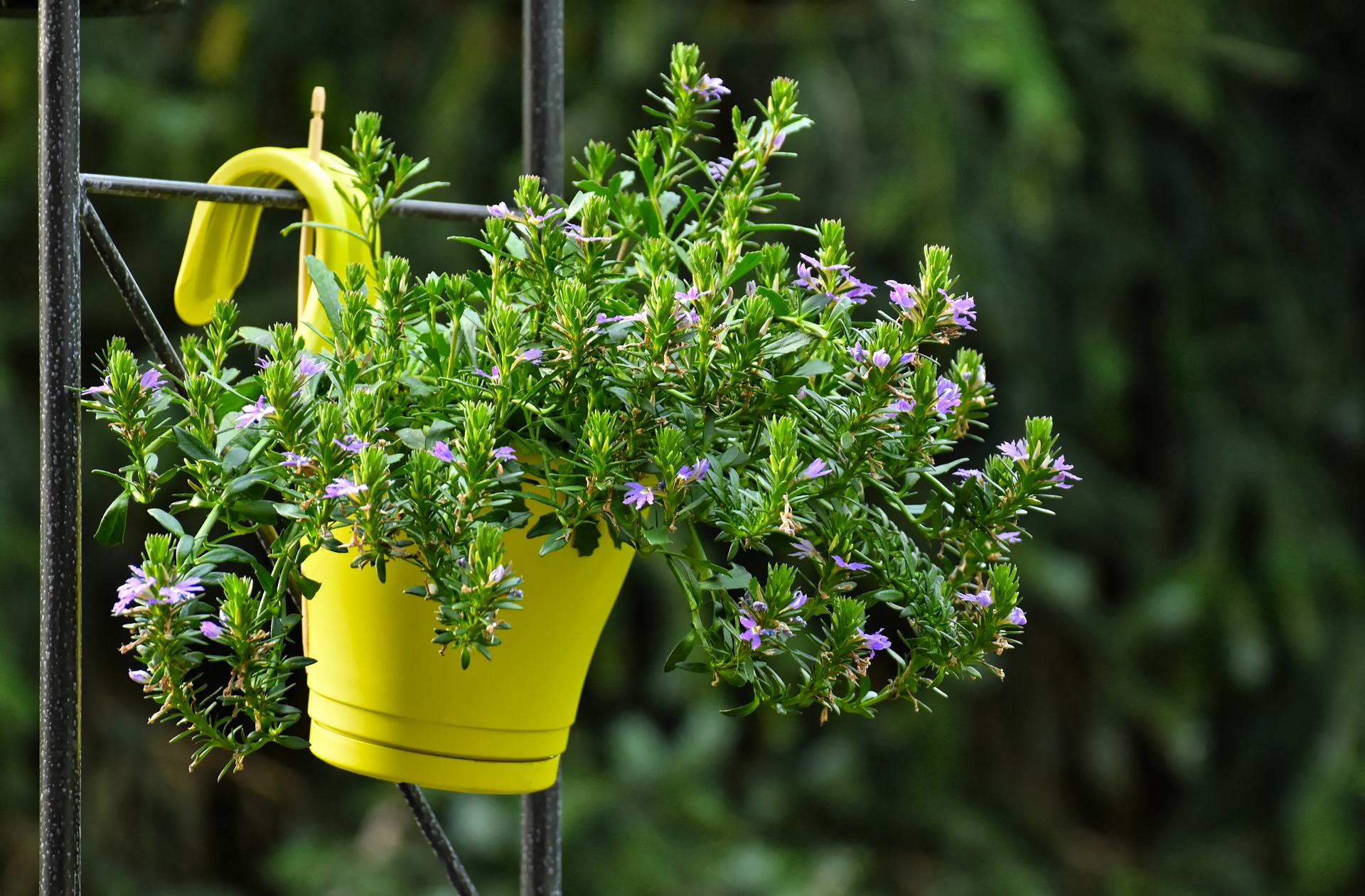
We certainly do not want to claim that with the arrival of modern pieces and innovations in the range of flower pots, there is no longer any point in buying the old good classic, such as a plastic pot, of which there is also an endless number of variants for all kinds of plants, and you can get them for really very little money.
On the other hand, why not pay a few pounds more, but make gardening significantly easier and at the same time greatly support plants in their development, right? This is where the benefits of modern pieces begin. Let us take a closer look at what makes modern flower pots stand out!
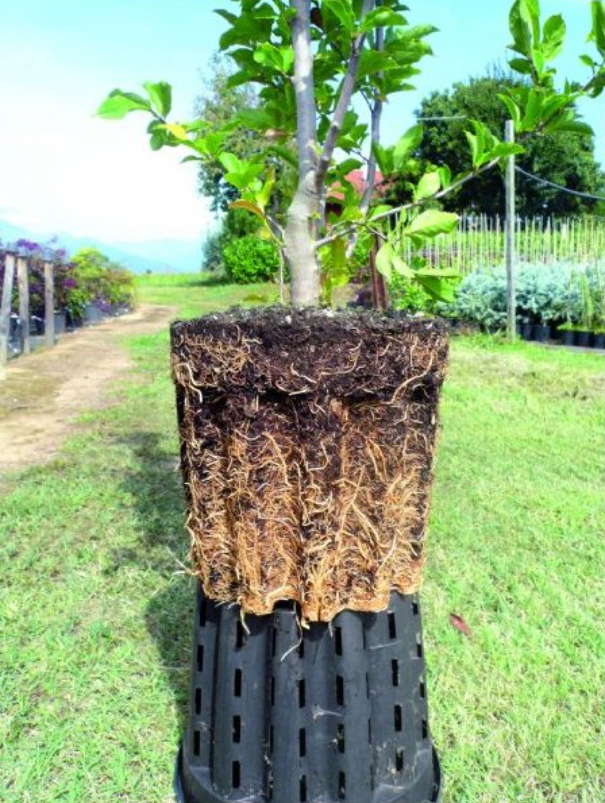
The fact that a pot is plastic does not mean that it cannot be effectively “upgraded” so that your little plants have a root system as strong as the mythical HERCULES. Specifically perforated pots have drainage holes placed all around the circumference, as well as an uneven base with protrusions on the inner side. This combination ensures both the drainage of excess water and the natural expansion of the root mass, so that the roots do not grow out of the pot. As you probably already suspect, HERCULES pots give you the chance to forget once and for all about container degradation! After all, growers who are used to factoring in the degradation of ordinary pots still buy them in larger quantities straight away. The results of cultivation using a Hercules pot are well illustrated by the photo below.
Another representative of elite plastic pots is the Air Pot range. Their construction is the result of 15 years of development, which is why our range already includes the sixth generation of striking pots designed for perfect aeration of the substrate, water drainage and nutrient uptake. AirPot pots benefit from a container-based design that prevents the roots from growing in an undesirable way, namely into a spiral.
We also have a separate category here that has been trendy recently, namely fabric pots. Progress in the development of gardening supplies has also left its mark on this category. Today, you can easily stack dozens of pots on top of each other, put the folded ones into a bag and off you go, perhaps to the cottage. A fabric pot is an ecological alternative thanks to the recyclable materials it is made from, and it is used both in the home and for outdoor growing in the garden. Among growers, pots made of durable fabric are becoming increasingly popular also because of the possibility that conventional pots definitely do not give you, whether they degrade or not. Fabric pots can simply be washed in the washing machine and used again as good as new!
Since we are already talking about technologically advanced pots, we must not forget sophisticated self-watering pots. These will be appreciated by anyone who finds regular watering difficult or is simply often away.
Now that you know what options you have, let us summarise the answer to the question of which pot will be the right one for you.
The growing container should be the right size. So if you plan to grow, for example, a autoflowering plant in one pot, whether it will be tall or, on the contrary, shorter but spreading widely, remember that you can never go wrong with a larger volume than a smaller one. Allow for a reserve; it pays off.
Then there is the age-old dilemma: square pot, or round? Square pots make better use of space with their shape and are ideal for cultivating a larger number of smaller plants in one place. Growing containers with a round base can clearly be recommended for large plants, and most of our customers buy them for this purpose as well. But as can be seen from the picture, the round shape suits not only larger plants...

Choosing pots is not as simple a matter as it may seem at first glance, and especially if you are just starting to grow, do not hesitate to consult us when buying them, so that you can be sure you have chosen the best option for your plans, whether in a grow box, on the balcony or in the garden. Write to us at info@higarden.eu.
- HERCULES
- Air Pot
- Fabric pots
Terra Aquatica (T.A.®) - the new name of a prestigious brand
Products from the legendary manufacturer GHE®, known among other things for its intensive collaboration with NASA, have received a new name, just like the company itself. General Hydroponics of Europe is definitively changing to Terra Aquatica.

Let us take a look together at what is changing and what is not, so that you do not unnecessarily look for the popular fertilisers, substrates and hydroponic systems under a different name.
The French leader in hydroponics is now wearing a completely new coat. Since 2015, the General Hydroponics brand had been part of the large multinational horticultural corporation Scotts Miracle-Gro Co. Later, however, it decided to operate as an independent unit and separate from its parent company. That is why a complete rebranding of GHE was launched in mid-2019, which is also approved by the author of the hydroponic bible, William Texier.
The names have changed, but the quality remains the same, namely first-class. Likewise, for all products, in the spirit of “if it works, do not change it”, the original composition and dosage have been preserved.
The labels are designed so that it is immediately clear which product they are based on. The upper half carries the new logo and product name, for example TriPart. Below, each label also states the original name, in this case FloraBloom, while at the bottom there is also a depiction of the identical formula as we knew it from the original product, and right at the bottom we can also see the classic GHE logo.
We also state the original product names in brackets in our e-shop for easier orientation. At least for now, until the gardening world gets properly used to it...
You will recognise most of your favourite products, especially the fertilisers, without any problem, mainly thanks to the graphic and colour design of the label, as shown in the following image.

The hydroponic system AeroFlo has also undergone a change. It now bears the trade name GrowStream and there is much to look forward to. Its improved design was built on the same foundations as AeroFlo, including the irrigation mechanism. However, the new system has rounded corners and larger growing chambers.
The EcoGrower, AquaFarm, WaterFarm, Aerofarm and RainForest systems remain the same.
The change from GHE (G. H.) to T. A. should no longer unnecessarily surprise or confuse you when choosing products from this prestigious brand, which we can only recommend. If there are any further changes on the part of the manufacturer, we will inform you, and if you would like to ask us anything, please do not hesitate to contact us at the well-known address info@higarden.eu.
- T.A. fertilisers
- T.A. substrates
- Hydroponic and aeroponic systems
How Do Bloom Boosters Work?
With the arrival of spring, when everything is in bloom, it is the ideal time to discuss what a flower booster, or flowering stimulator, is good for. Flowering stimulators stand out for their ability to draw the maximum potential from the essence of the cultivated plant in terms of fragrance, volume and colour.
When you add suitable additives to your plants’ feed, whether on a purely organic basis or in a combined organo-mineral form, nature will take care of the rest and the result will be a splendid feast for all the senses!
The aim of every grower in indoor and outdoor conditions is beautiful, lush flowering, or juicy fruits packed with a pronounced and, when using BIO nutritional supplements, also an unusually natural flavour. That is why an effective flowering stimulator should definitely not be missing from your plants’ nutrition.
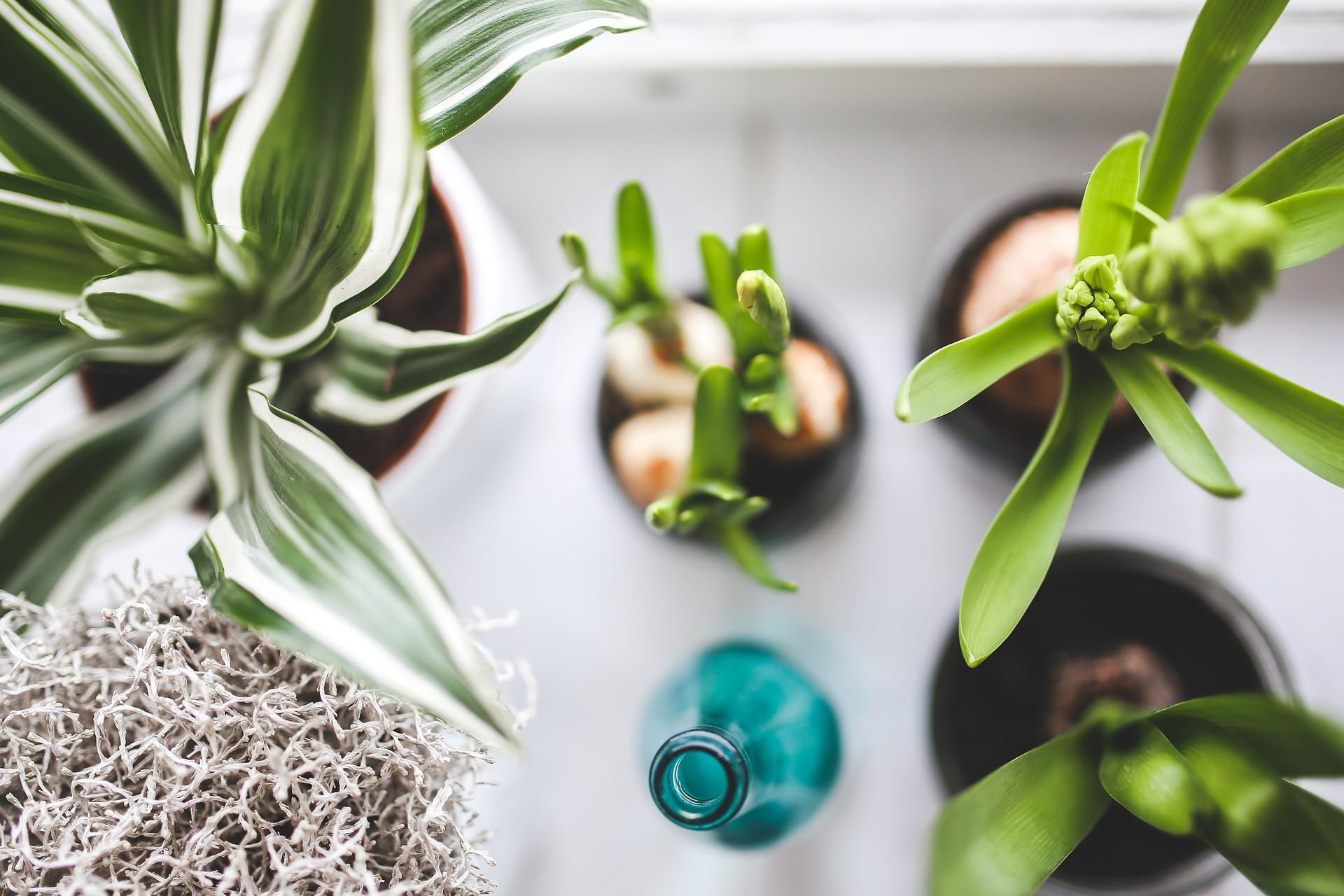
Flowering stimulators and activators, or flower boosters, can be distinguished mainly by their composition, which also has a fundamental influence on their specific effects. In general, flowering stimulators work with the plant by primarily stimulating its metabolism and increasing the efficiency of nutrient uptake, or by activating the activity of beneficial microorganisms in the substrate.
Organo-mineral flower boosters are usually made on the basis of basic nutrients (N-P-K), and the composition is most often enriched with various beneficial substances and trace elements, such as amino acids, vitamins or even flowering hormones. Such additives include, for example, the professional yet affordable flower booster Green Sensation from the popular brand Plagron. In addition to substances that support flower formation, it also contains substances that help the plant absorb nutrients better, namely hydrolysed milk protein, sodium EDTA salt and lactic acid. The result is a strengthened cellular structure of the plant, which will also have a positive effect on your harvest if your plants have recently been exposed to abiotic stress. The popular Grotek Monster Bloom will also bring you large flower clusters, faster ripening of crops and generally higher yields at a reasonable price. It dissolves very well in water, so it is a pleasure to add it to the feed. Its unique composition is a source of wonderful fragrance and flavour in freshly grown agricultural crops or herbs, but you will also appreciate it if you grow ornamental flowers at home. Among other things, it contributes to the formation of essential oils.
Additives that speed up plant metabolism during the flowering and fruiting phase can also be used if you want to grow BIO herbs, fruit or vegetables. A typical representative, which many growers swear by, is BIOCANNA BOOST, produced in laboratories through multiple controlled fermentation of plant raw materials. It enhances photosynthesis and increases the production of simple sugars. In addition to faster metabolism, you will also achieve an increase in the natural resistance of your plants. You can safely combine the universal bio flower booster with any fertilisers and growing systems.

The booster from the Terra Aqutica brand (formerly General Hydroponics) activates friendly microorganisms in the soil, or in the plant’s root system, where they directly support natural plant development and stimulate its immune system.
As a mineral supplement to classic, full-nutrition flower fertilisers, GET Power to Bloom is used. It is used especially in hydroponic systems.
Finally, we have prepared perhaps the best tip of all for you. What would you say to a universal booster that actively participates in the process of growth and subsequent flower formation from the very first day of planting? Sounds good? It is not incompatible with BIO-quality harvests either. Its name is: X-cel Booster and it belongs among the first-class products from the popular Dutch brand BioNova, with an emphasis on an ecological approach to production processes. Not only does it promise flowers up to 20% richer, but you can also apply it confidently regardless of which substrate you prefer.
We have explained how such a flower booster works, what its use will bring to your plants, and we have added a few tips from our range that will help you achieve higher yields. If you would like to ask us anything else or need advice on choosing a specific flowering stimulator, we are here for you. Write to info@higarden.eu.
- T.A. Pro Bloom
- Plagron Green Sensation
- BioNova X-cell booster
What water do you water your plants with?
Water is the most important element in plant nutrition. That is why experienced growers know the properties of the water they use to irrigate their plants and make use of modern tools to purify it. The cleanest possible water is the first prerequisite for a flawless harvest. And that is exactly what this article is about. You will also learn what reverse osmosis is.
If you take cultivation seriously, you can have a chemical and microbiological analysis carried out. You will avoid unnecessary complications. Now let us take a closer look at what they are...
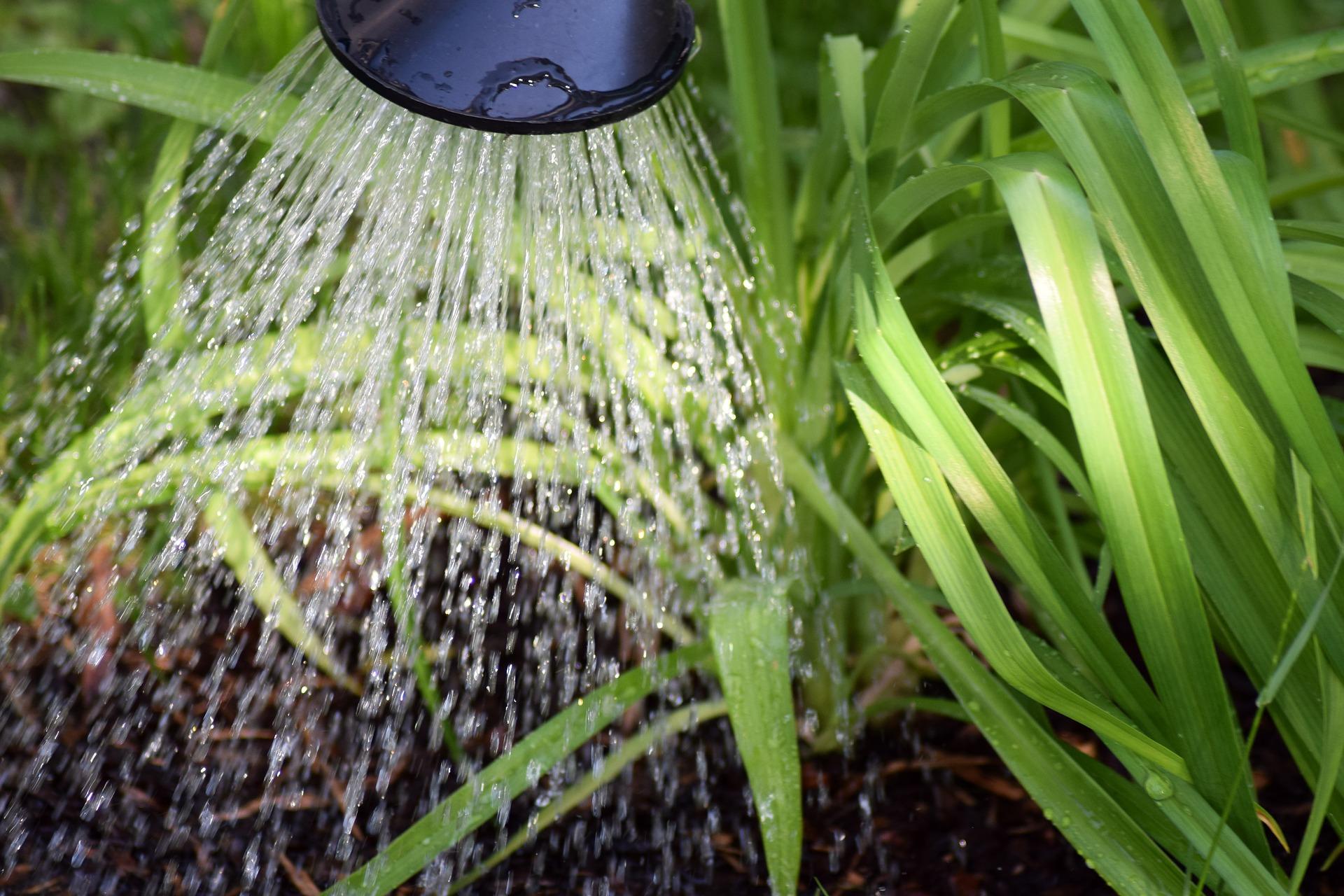
The vast majority of growers use ordinary tap water, which may contain dangerous amounts of chlorine. Chlorine is used for disinfection and is a poisonous gas. In appropriate amounts, it kills viruses, bacteria and amoebae in water pipes. However, doses that do not pose a danger to people can easily threaten your crop. Chlorine burns plant roots and beneficial microorganisms. Modern carbon filters fortunately absorb up to 99% of chlorine molecules. They are equipped with a special type of carbon with higher porosity than commonly used carbon. We are talking about Growmax Water filters. These filters are unrivalled for effective water treatment, and therefore are also generally the most popular among growers worldwide.
Water from a well is free of chlorine, but its absence is often more than compensated for by various types of natural contamination, whether from iron-rich or calcareous subsoil or dead animals. In addition to various bacteria, insecticides, pesticides, herbicides and other chemical substances can also get into your own water source. The nearest cesspit can also be a source of contamination. Another problem is "hard water", which contains too many minerals and reduces the effectiveness of fertilisers (see EC). Filters with reverse osmosis can reliably deal with the above-mentioned types of contamination.
Solid particles in water systems are captured by inline filters.
What is reverse osmosis?
This process can be simply defined as the reverse version of natural osmosis. It is used in water filtration, making use of the semi-permeability of a selective membrane and also the higher pressure from the more concentrated solution. In practice, the membrane of such a filter is permeable only to the solvent, while mineral salts and other substances dissolved in the water are retained and do not pass through the membrane. Reverse osmosis therefore ultimately ensures optimal fertiliser efficiency.
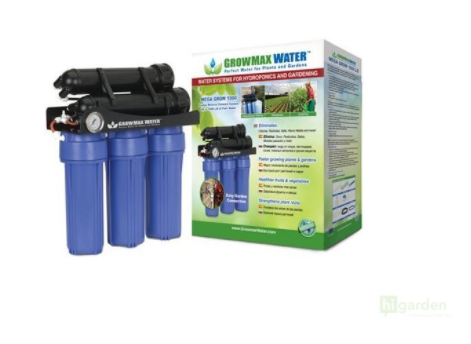 A unit capable of filtering up to 1,000 litres per day (40 litres per hour) on the principle of reverse osmosis also serves for 100% deionisation of water.
If you want truly perfectly clean water for your plants, choose total deionisation of the water. This is provided by the Reverse osmosis unit from Growmax. You will also find purification units from this manufacturer in our range, and they are among the best available on the market. If you aspire to give your plants pristinely clean water as the basis of fresh irrigation, all that remains is to choose the model with the required output according to your needs.
We will be happy to advise you so that you can meet these ambitions. Just get in touch by e-mail: info@higarden.eu
How to fertilise correctly?
If you want to support your efforts in plant cultivation as much as possible, fertilising is an absolutely essential and key part of it. It may seem complicated to some, but it is not rocket science. Let us look together at the basic rules which, if followed, will have you cheering over your harvest.
Fertilisers usually contain three basic nutrients, abbreviated as NPK (N - nitrogen, P - phosphorus, K - potassium). In the vegetative stage of the plant, a sufficient amount of nitrogen (N) is needed, which supports growth and the formation of strong green parts of the plant, namely stems and leaves. This is made possible mainly by nitrogen’s ability to form chlorophyll, which is responsible for the proper course of photosynthesis. Phosphorus (P) is important in the vegetative stage mainly for healthy growth of the root system. When growing outdoors, the growth stage usually lasts longer; in indoor conditions, it quickly moves into the flowering stage. Plants begin to flower either on the basis of photoperiod (according to day length) or depending on their age. In this case, flowers and fruits begin to form once the plant is sufficiently mature. When moving into the flowering stage, we reduce the supply of nitrogen in favour of potassium (K) and phosphorus, which support abundant flowering and increase yields. Potassium then helps in the formation of important compounds in the plant and at the same time improves overall resistance to disease and stress.
.jpg)
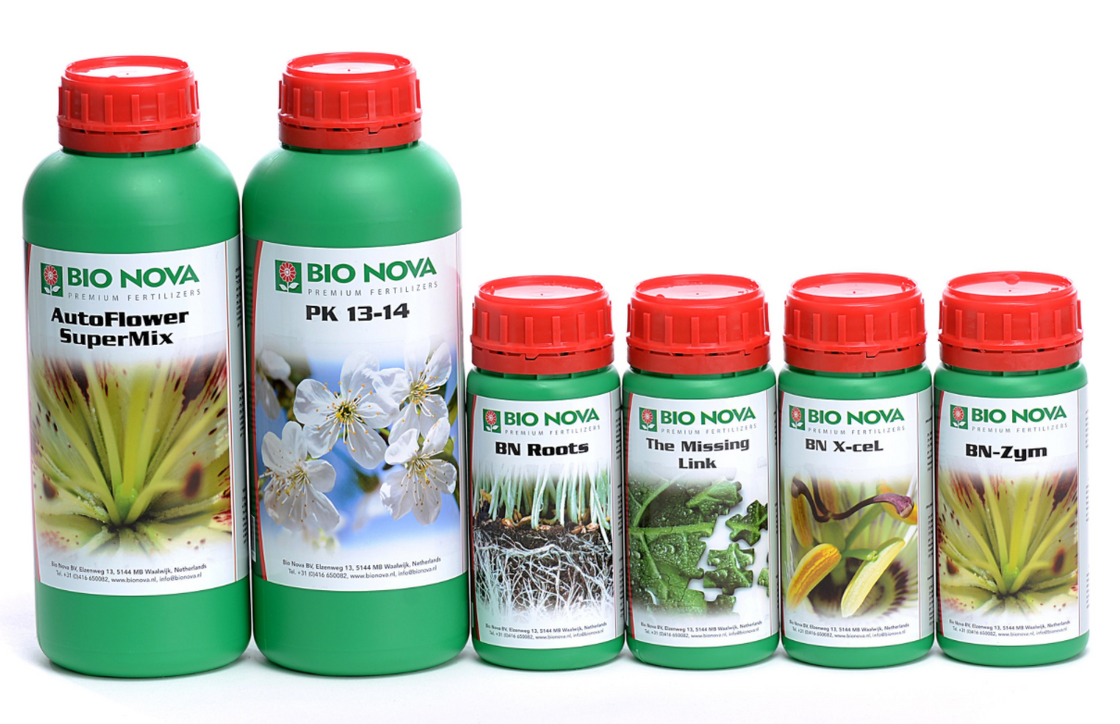
In addition to a lack of nutrients at a given stage, we must also watch out for over-fertilising. In an effort to “treat” their plants, it can easily happen that we over-fertilise them and thereby destroy them. Each plant is only able to absorb a certain amount of nutrients; the rest remain in the substrate and salinise it. It is therefore necessary to follow the recommended doses from fertiliser manufacturers and not try to improve things for the plants in good faith. Moreover, if you use special substrates, they are usually pre-fertilised for the first 2-4 weeks of growth, so fertilising only begins after this period. For the correct dosing of nutrients in certain stages of plant development, it is not necessary to calculate the ratios of individual components in a complicated way, but you can use a wide range of organic and mineral fertilisers exactly according to your requirements and cultivation method.
A new addition to our range is fertilisers from the Dutch company Bio Nova, which are environmentally friendly, easy to use and ensure high yields. The Bio Nova dosing tables will help you with precise fertiliser dosing, so you do not have to worry about over-fertilising or, conversely, a lack of nutrients. We also offer fertilisers from the brands: Plagron, Advanced Hydroponics, BioBizz,Canna and many others.
What pH of nutrient solution should you choose?
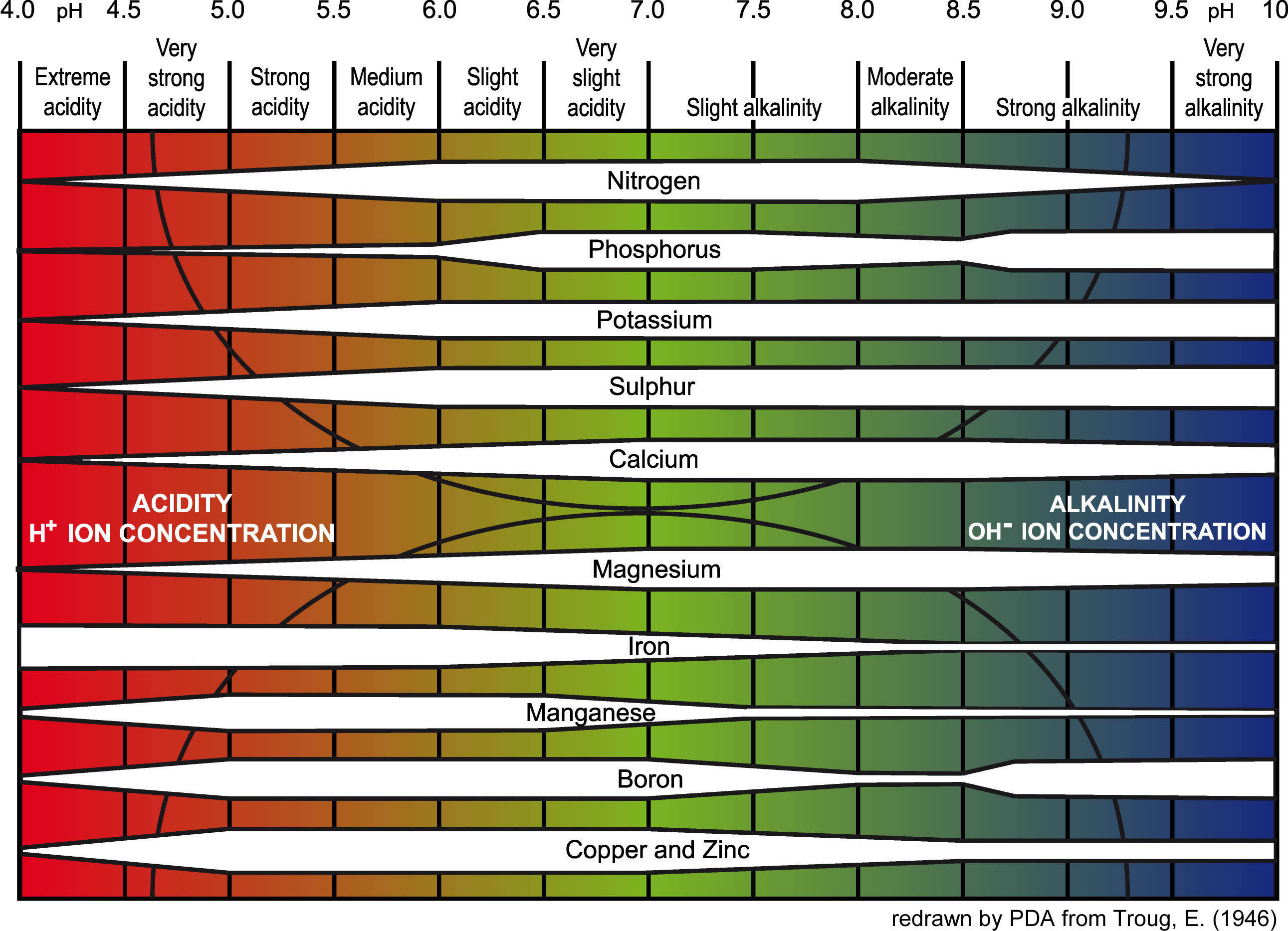
Which pH should you choose? In general, for a nutrient solution, a ph between 5.5 - 7 pH is recommended, but which is best?
The question has several answers:
- in soil, or substrate, you should maintain PH between 6.2 - 7.0 pH
- in coco, choose a value between 5.7 - 6.3 pH
- in hydroponics, choose pH between 5.5 - 6.3 pH
Why these values?
Because within the range of 5.5 - 7 Ph, the most important elements the plant needs dissolve best in the solution, and it can therefore obtain the most of them from the nutrient solution. See the image.
GOLDEN RULE - Keep pH stable, even if you are slightly outside the optimal range. Constant changes in pH cause shocks to the plant and it absorbs nutrients much more slowly than at stable pH, even if not completely ideal. It is therefore better to have stable pH than fluctuations around the ideal value.
For measuring pH, you can use our range of pH metres.
Growing in Fabric Pots
Plastic and clay flower pots are a long-standing staple that most growers reach for. However, plastic ones are not exactly environmentally friendly, and the substrate in them can overheat in the sun. In recent times, textile pots have therefore rightly been gaining their place on the market. How should they be used, and what are their advantages?
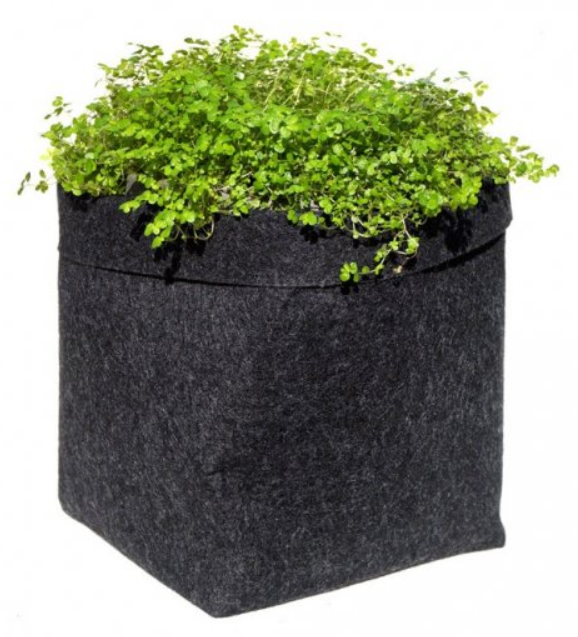 Advantages of growing in textile
In a textile pot, the plant develops a rich root system. It can therefore make efficient use of water and supplied nutrients, which has a major effect on its vitality, size and final yield. If a root reaches the outer wall of the pot, or rather the air, it does not curl its growth downwards, as is the case in ordinary pots, where a dense round mat of roots then forms. Instead, it responds by branching fine root hairs, thereby creating new root tips throughout the entire volume of the pot, through which nutrients are absorbed into the plant. The root system thus makes better use of the pot’s full capacity, and the plant does not need to be repotted as often.
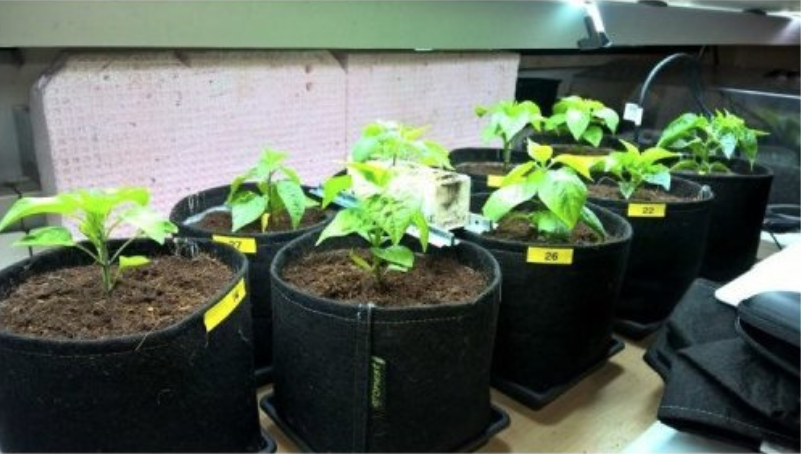
Textile pots are also excellent for growing seasonal crops, because they can be sterilised and reused. Another undeniable advantage is their compact storage, whether they are 4-litre or 50-litre variants. They can be used for both indoor and outdoor growing on a terrace, balcony or in the garden. They have excellent thermoregulatory properties, so the substrate does not overheat in the sun, as it does in plastic pots.
Another variant of the standard square or round textile pot is vertical pots with separate pockets. This is an excellent option for growers who are short of space, whether at home or in the garden.

Plant care - differences in watering
When using textile pots for growing plants, there are two differences to keep in mind. The root system is densely spread throughout the entire volume of the pot, so we must water the entire surface of the substrate, not just the part near the stem, where the water more or less runs straight down to the bottom.
As the textile pot is permeable and “breathes”, plants usually require more frequent watering than in plastic pots. On the other hand, there is a lower risk of overwatering, as the branched roots use more water and any excess remains in the saucer, which we can then pour away if necessary.
Although this is a relatively recent innovation, you do not need to worry about a high initial investment with textile pots; the smallest ones are already sold from 40 Kč.
SHOGUN: the Best British Fertilisers with a Focus on Research
Unlock the genetic potential of your plants! The innovative British fertiliser manufacturer and proud sponsor of Prague Cannafest 2021 is among the TOP 20 most popular brands among growers from around the world. Unique nutrition for plants of all kinds has just expanded our range, and in this article you will find detailed information about the individual products as well as how to use them in practice.

The SHOGUN company has its own scientific team, and its biochemists under the leadership of Dr. Callie Seaman always work on the basis of practical input from professional growers. All products of this brand, which are used every month by 87 million growers from 190 countries, are thoroughly and independently tested in third-party laboratories to ensure the consistency of every batch. The exceptional technical sophistication and super-stable, reliable composition of these products can also pleasantly surprise with their favourable price, as you can see HERE.
SHOGUN fertilisers stand out for their specific composition, which includes, among other things, original ingredients that stimulate plant development:
- SmartZen®: a maximiser that demonstrably increases yields by up to 8% (compared with nutrition with the same NPK content, but without SMARTZEN) and which was developed over a symbolic 8 years. SmartZen increases chlorophyll density and the photosynthetic activity of plants. Among other things, it also significantly reduces the impact of temperature fluctuations in the growing environment on plants.
- AquaZen®: without this technology, in the case of ordinary fertilisers, nutrients sink to the bottom of the roots with little dispersion and tend to be washed away, which the AQUAZEN component effectively prevents. Thanks to it, nutrients penetrate the growing medium to the maximum possible extent. The result is much better use of fertilisers - your plants absorb much more of them!
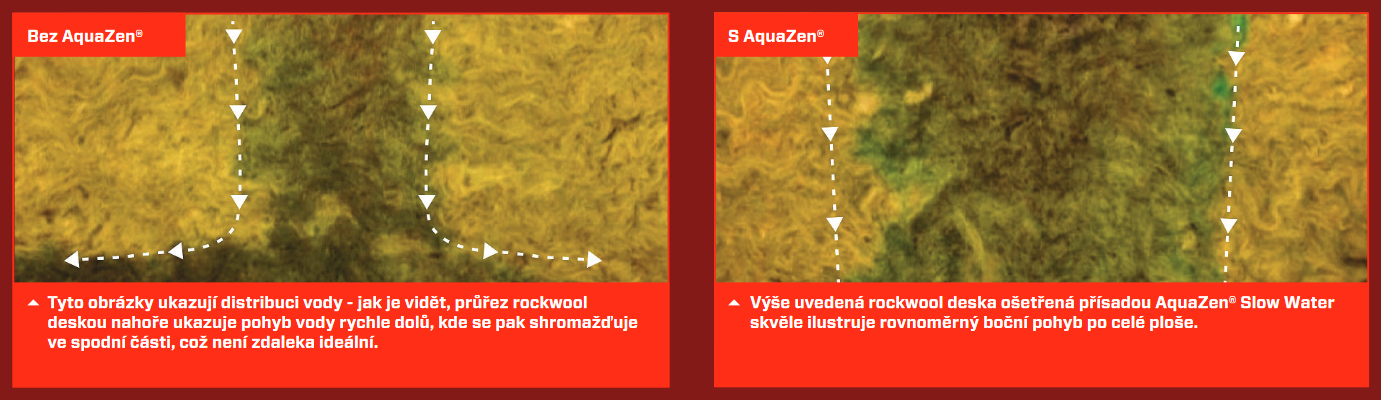
Now let us introduce this hot new product on the Czech market in more detail through the individual products, including their key features and ingredients. We will begin with the most advanced base fertilisers (HYDRO, COCO, TERRA) for individual growing methods, followed by other unmistakable preparations for a fantastic harvest, which perfectly complement one another.
- SHOGUN SAMURAI HYDRO: two-component hydroponic fertilisers for the VEGETATIVE and FLOWERING phase. Ideal for more experienced growers who need full control over the entire nutrition process. Growers also appreciate the fact that the SHOGUN range of hydroponic fertilisers is available in versions for hard or soft water.
- SHOGUN SAMURAI COCO: two-component fertilisers for growing in coco throughout the entire growing cycle, synergistically combining the benefits of the above-mentioned original SmartZen and AquaZen ingredients.
- SHOGUN SAMURAI TERRA: for growing in soil and soil substrates, these two-component fertilisers are used for GROWTH or FLOWER. The universal TERRA range is suitable whether you water plants grown in soil with hard or soft water.

SHOGUN START: fertiliser for easy and rapid rooting of seedlings and cuttings, which provides young plants with all the key micro and macro elements in the early stages of development, when they are still weak and vulnerable.
- KEY INGREDIENTS
- Boron and calcium in an ideal ratio
- SMARTZEN (see above) - a blend of unique carbohydrate compounds and elements that have remarkable effects on the growth of your crops.
- Trace elements, which are commonly overlooked but have a fundamental impact on the development of young plants.
- Humic acids and fulvic acids
- KEY FEATURES
- Faster germination and root formation
- Increased movement of auxins from the leaf tip to the root point
SHOGUN KATANA ROOTS: root stimulator for healthy root mass, enabling explosive growth of your plants. A great solution for the process of cutting propagation and cultivation of plants from seed creates the most effective mechanism of absorption of nutrients you could wish for.
- Key Ingredients:
- Green seaweed extract – a mix of beneficial vitamins (including biotin and thiamine, also known as B12), amino acids and hormones
- KEY FEATURES
- Faster germination and formation of white roots
- Extra-fast vegetative growth in every substrate
- More active roots and more vital crops
- Complex structure for maximally efficient nutrient uptake
- Revitalisation of wilting plants by applying spray directly to the leaves
SHOGUN ZENZYM: enzymatic fertiliser for the growth and flowering phase, which speeds up the decomposition of dead roots and continuously keeps your plants' root system healthy and clean. It also releases locked nutrients from dead matter and allows plants to reuse them. This dramatically increases nutrient uptake, which you will soon notice in your crop!
- KEY INGREDIENTS
- Enzymes or organic molecules that have biological activity and essentially function as a catalyst. Cellulase breaks down cellulose, producing glucose and other simple sugars. Xylanase breaks down the main components of plant cell walls. Ferulic acid supports cell wall strength.
- KEY FEATURES
- Easy and rapid revitalisation of substrates
- Significantly higher absorption of nutrients
- Rapid formation of a strong root system
SHOGUN GEISHA FOLIAR: a unique preparation for a bountiful harvest, whose technically advanced composition allows completely safe use already during the vegetative phase. It supports plant metabolism and increases water absorption. You can then expect exceptionally large and fragrant flowers or tasty fruits. This preparation, which is used every 2 weeks, does not need to be diluted or have its pH adjusted.
Among other additives from the SHOGUN brand is also the indispensable CALMAG, which is hard to find a competitor for among products for calcium and magnesium supplementation (especially thanks to the better ratio of these minerals) and, like armour protecting a samurai warrior, SHOGUN SILICON strengthens your plants and makes them significantly more resistant to pest attacks or the occurrence of plant diseases. Both preparations stand out for their highly refined mineral source. Another additive fertiliser, made using high-quality agrominerals and special organic acids, is called PK WARRIOR 9/18, for increasing the production of fruits and flowers.
The ripening processes during the late flowering stage are perfectly accelerated and supported by the sulphur-based preparation enhanced with nitrogen DRAGON FORCE. It also increases the production of secondary metabolites, raises the calcium content in flowers, increases the concentration of copper in plant tissues and stimulates the natural defence of plants.
If you are looking for a hydroponic biostimulant whose composition is so effective that it deserves comparison with SUMO fighters, be sure to try SUMO ACTIVE BOOST. This booster is absolutely ideal if you use hydroponic systems. It was created to remain stable in the tank for two weeks. Not only does it bring the taste and overall quality of your crop to the maximum, but through sophisticated technology to prevent fermentation in tanks and clogging of capillaries
- KEY INGREDIENTS
- Triacontanol (waxy leaf cuticles)
- Green seaweed extract
- Plant hormones and brassinosteroids
- KEY FEATURES
- Emulsion concentrate composed of the natural compound triacontanol and plant extract sustainably obtained from the South Atlantic
- Stimulation of efficient absorption of nutrients and photosynthesis
- Higher content of sugars, proteins, resins and terpenes in cultivated crops

After introducing the comprehensive SHOGUN range, we will now focus on preparing the individual products in practice. Let us start mixing!
How to mix SHOGUN TERRA?
- Fill the tank with clean water.
- Depending on the development stage, use TERRA GROW or TERRA BLOOM.
- Shake the bottle well and add the recommended amount of fertiliser to the water.
- Mix the solution thoroughly.
- Never mix growth and flowering fertiliser together.
- Measure the pH.
How to mix SHOGUN HYDRO?
- Fill the tank with clean water.
- Measure the electrical conductivity of the solution (EC) so that you know which type of nutrition to use.
- Depending on the development stage, use HYDRO GROW or HYDRO BLOOM.
- Shake component A well and add the recommended amount of fertiliser to the water.
- Mix thoroughly and then clean the measuring cup or syringe.
- Do the same with component B.
- Measure the pH.
How to mix SHOGUN COCO?
- Fill the tank with clean water.
- Shake component A well and add the recommended amount of fertiliser to the water.
- Mix the contents of the tank thoroughly.
- Do the same with component B.
- Measure the pH.
How to mix ZENZYM?
- Create a nutrient solution in the tank using the base nutrition (see above).
- Take ZENZYM and gently shake it before opening.
- Add the recommended amount of the preparation to the nutrient solution, then mix thoroughly.
- Measure the pH.
How to mix START (+KATANA ROOTS)?
- Fill the tank with clean water.
- Take the START fertiliser and shake it well before opening.
- Add the recommended amount of fertiliser and mix the solution thoroughly.
- At this point you can also add KATANA ROOTS and mix thoroughly again.
- Immerse the propagation medium in the solution and leave it soaked for 15 minutes, or water the plants as needed.
How to mix SUMO ACTIVE BOOST?
- Prepare a tank with nutrient solution containing base fertilisers (see above).
- Take SUMO ACTIVE BOOST and shake the preparation well before opening.
- Apply the recommended amount and mix thoroughly.
- Measure the pH.
How to mix SILICON?
- Fill the tank with clean water.
- Take the SILICON additive fertiliser and shake it well before opening.
- Measure the recommended dose, add it to the water and mix thoroughly.
- Measure the pH, which should rise after adding SHOGUN Silicon. The optimal value you need to reach is 7.
- Add the base nutrition in the recommended amount. Mix thoroughly.
- Check the pH.
How to mix CALMAG or PK WARRIOR?
- Prepare a tank with nutrient solution containing base fertilisers (see above).
- Take the CALMAG preparation and shake it well before opening.
- The preparation in the recommended amount must first be diluted in a separate beaker with water and mixed thoroughly.
- Only then pour the contents of the separate beaker into the tank with nutrient solution containing base fertilisers and mix thoroughly again.
- Check the pH.
How to mix DRAGON FORCE?
- Fill the tank with clean water.
- Take the DRAGON FORCE preparation and shake it well before opening.
- Measure the recommended dose, add it to the water and mix thoroughly.
- Measure the pH.
If you are at least half as excited about the new SHOGUN nutrition as we are, do not hesitate to ask us anything at the well-known address info@higarden.eu.
What to read next?
- Growing in soil: advantages and disadvantages
- Keramzit as a growing medium
- Design grow tents HOMEbox Ambient combine the pleasant with the useful
Guide to Composting
Today we are focusing on a topic that has become a major trend in the world of gardening recently, and we believe it will interest you. Today we will talk about how to easily set up and use compost.
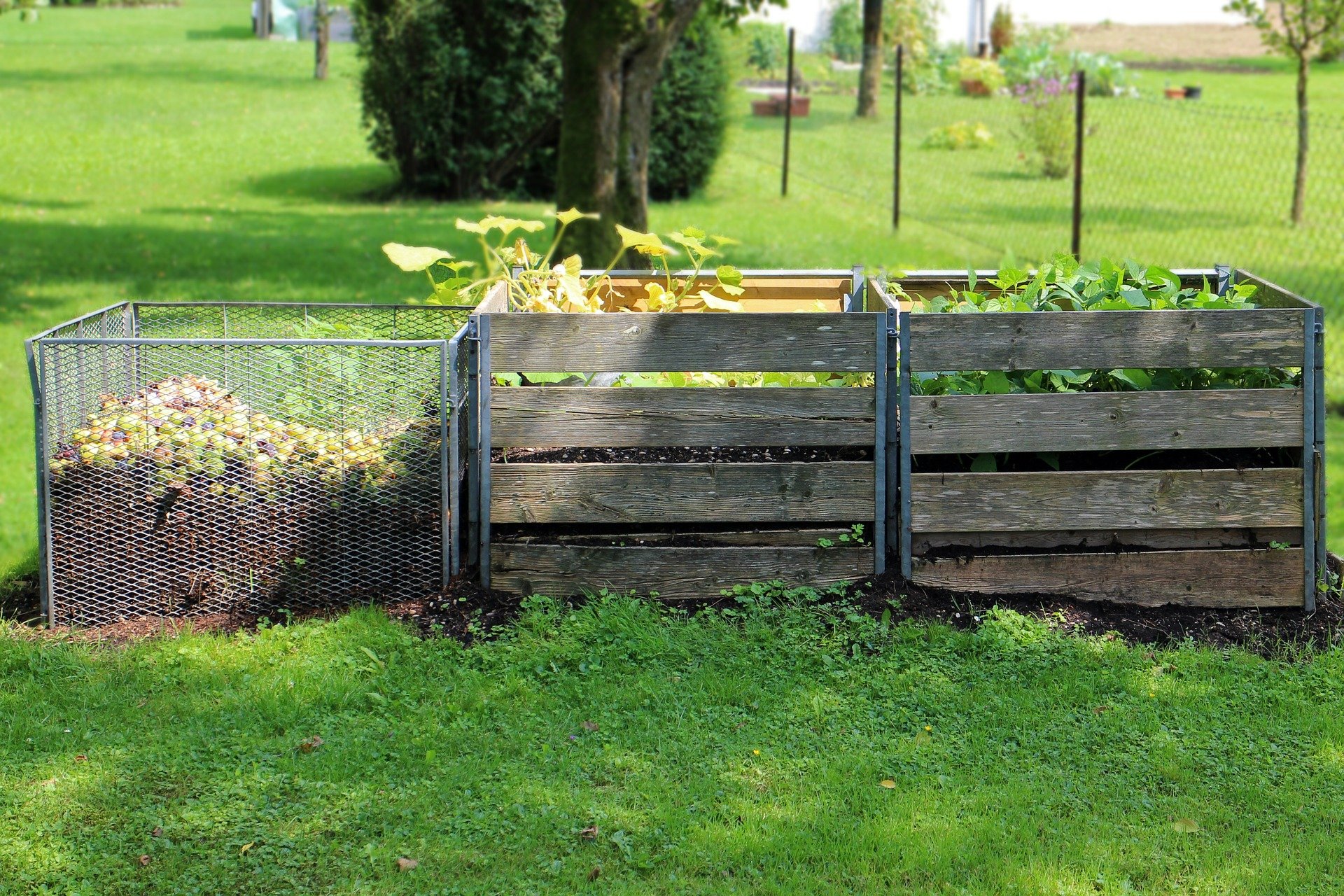
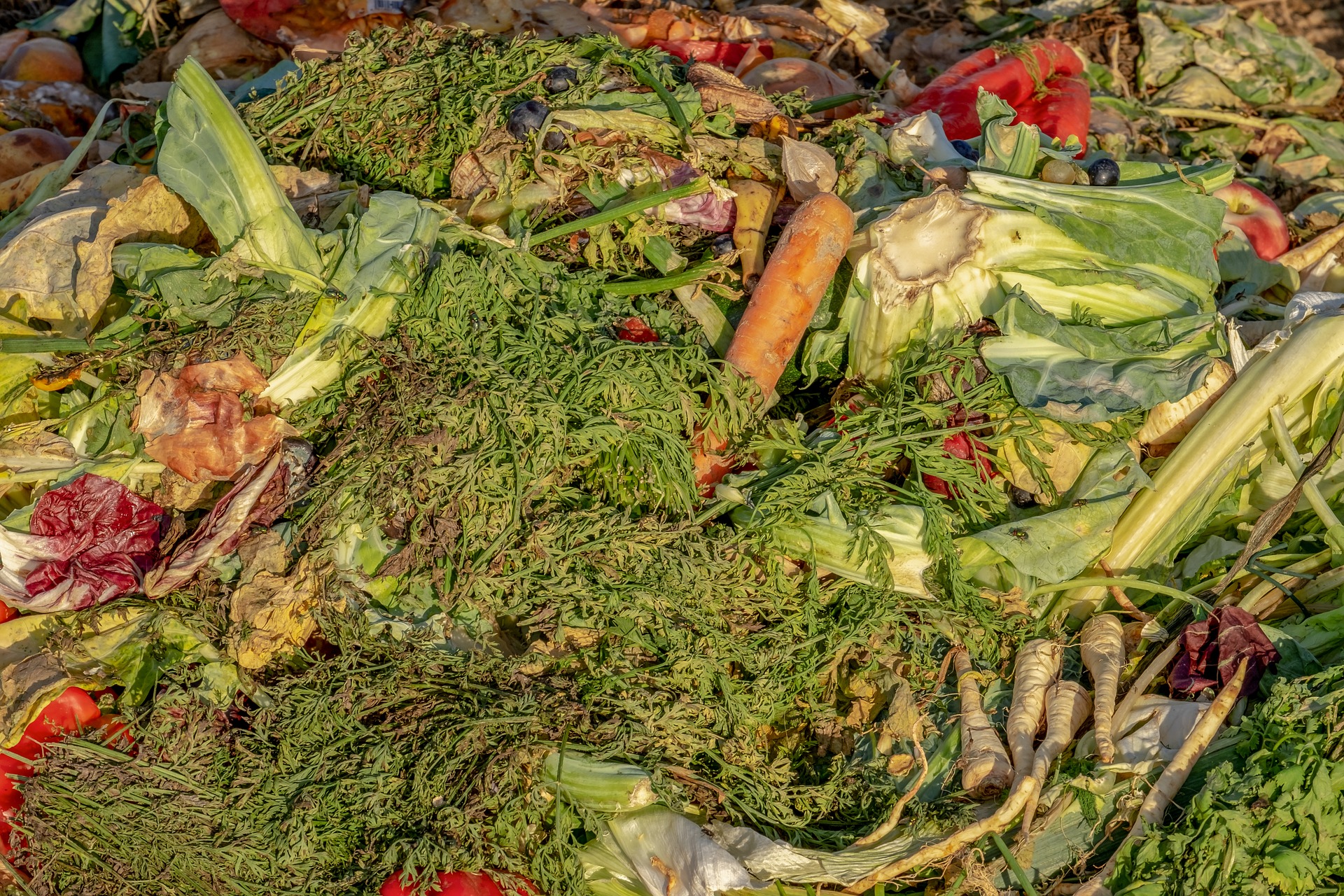
Composting represents a great opportunity for every grower and gardener to turn biological waste in the form of leaves, grass, vegetable scraps or, for example, fallen fruit into something useful, namely your own organic fertiliser!
Experience shows that every garden has a truly abundant amount of biological surplus, and it would be a shame for this valuable material, which after successful composting is capable of serving as a universal bio fertiliser that effectively supports all types of plants, to end up somewhere in landfill, where it is also difficult to burn and is often the reason why landfill sites smell so strongly far into the surrounding area. That is a little about the environmental aspect, and now we can move on to practical tips for your garden.
Is composting worthwhile?
The answer is unequivocally yes! As is well known, fertile soil is characterised by a sufficient amount of high-quality humus, which is created precisely by leaving nature to work for a while in the composter with the biological waste that we gradually fill it with. Humus has a loose structure that retains water in the soil while also aerating the roots; what more could you want? Of course, the whole process can be accelerated with a suitable product, for example in the form of a granulate from the Czech brand AgroBio. It contains the right bacteria that help nature along. In addition to the considerable benefit that composting will bring you in the long term, you can also feel good knowing that you are helping the planet yourself.
How do you do it?
- First, choose a place, ideally rich in humus, where you will set up the compost. It should be somewhere you can easily reach from time to time, even with a wheelbarrow loaded with biological waste. Avoid the common mistake of setting up compost in various hollows and other pits, where there is then insufficient air circulation. Rot does not belong in composting; only the gradual and natural decomposition of organic material, or decay, which is different. You also need a place where the sun will not beat down directly all day long.
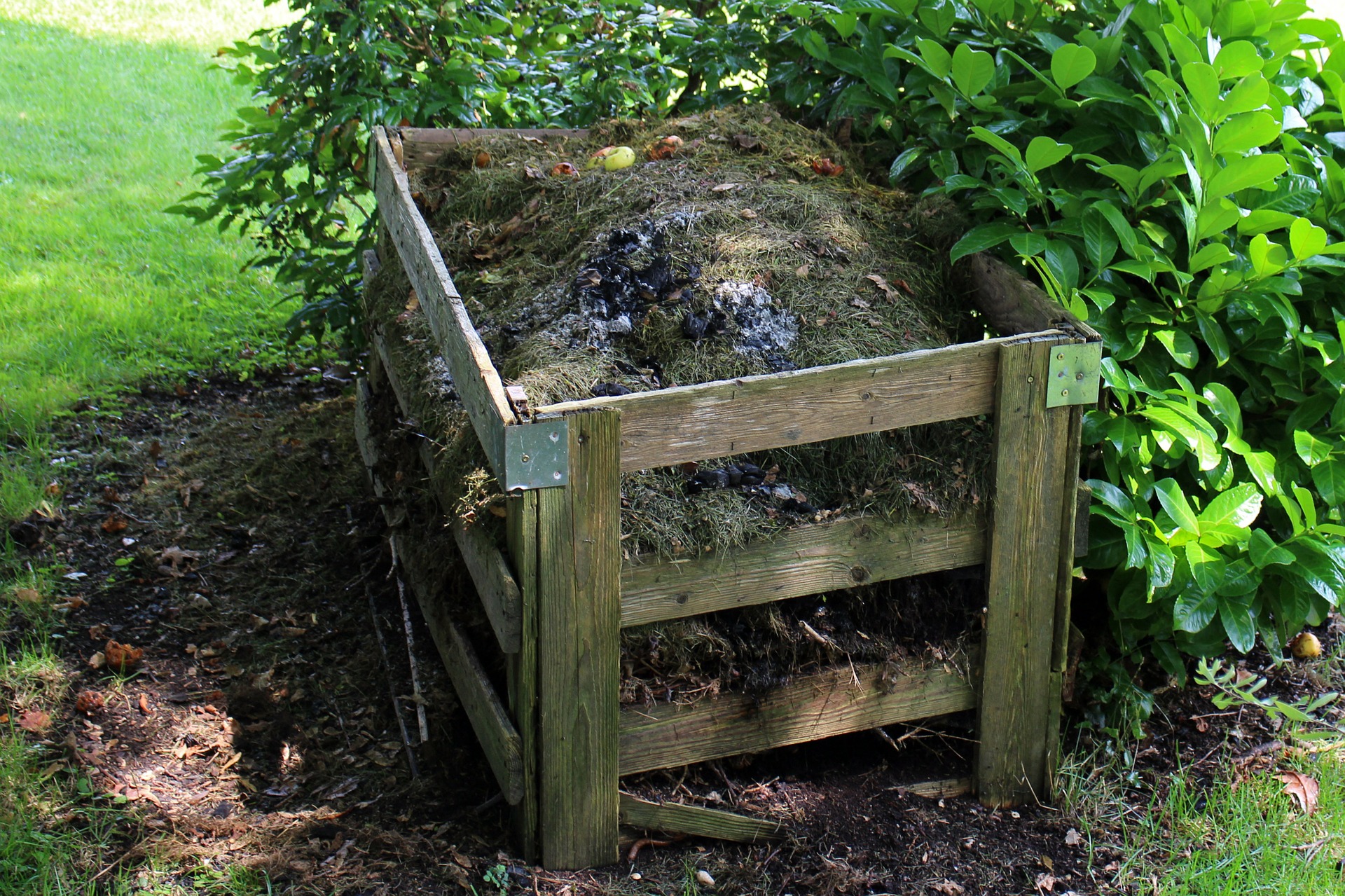
- Get a composter. It can take the form of an ordinary compost heap taking up roughly 1.5 x 1 m of space. You can save space with a composter made of wooden slats, because with a classic compost heap the bio-waste is layered at one end and the transformed material is removed from the other end of the heap. The length can therefore increase. In the case of wooden slats, it is also necessary to choose a type of wood that will not easily succumb to the decay process, ideally larch. Wood can be replaced by iron structures that do not weather. Recently, thermocomposters have been particularly popular, made of plastic and equipped with a practical lid. If you are just about to start composting, this is the easiest choice.
- A reliable recipe for proper composting is layering according to proven rules. The bottom part of a standard compost heap should contain branches or pieces of dead wood as a harder-grained material. This forms a kind of divider between the soil and the other bio-waste, so that oxygen can more easily reach the microorganisms working hard in the composter. We also distinguish between a nitrogen-rich and a carbon-rich layer. This is, let us say, the very basis for the contents of the later fertiliser that we will have available from our own biological surplus. Apply layers about 10 cm thick. Everything green, as well as kitchen waste including eggshells, forms the nitrogen-rich layer. Everything brown, moist and dry forms the carbon-rich layer. This includes straw, leaves, sawdust, etc. If you use an accelerator when setting up the compost (and why not), alternate the layers with soil mixed with the compost accelerator.
- Compost does not require too much maintenance. The heap will gradually compact, which reduces the supply of oxygen, and the compost needs to be mixed and layered again after roughly two months. In rainy weather, keep the compost covered, and if it is dry, it is a good idea to water the heap occasionally.
Compost maturity
In short, 3 stages are generally distinguished, with each phase in which the compost currently is determining the decaying organic matter for a different use:
- Fresh compost is about 3 months old and you can still identify the individual components in it. Even so, in this early stage you can use it to support useful plants such as tomatoes, potatoes or cucumbers.
- Mature compost is characterised by an age of six months to one year. You can recognise it by its dark brown to black colour. The smell resembles forest soil, and apart from eggshells, you can no longer distinguish the original components for the most part. If you sieve it before use, it is suitable as an additive for all grassy and garden areas, beds and, last but not least, as high-quality soil for flower pots of all kinds. Mature compost already contains a truly large amount of basic nutrients and needs to be used broadly and in moderation so that over-fertilisation does not occur.
- Compost soil is usually more than one year old, and the effect, or nutritional value, which is so intense in mature compost, decreases over time, so you can safely use it for all conceivable types of plants, ideally during spring and summer.
Now you know how to set up compost and how to speed up the whole composting process. If you have any questions related to setting up compost, do not hesitate to contact us at the well-known address, and we will be happy to advise you. Write to info@higarden.eu.