
Enzymes and Your Garden
The word enzyme is being mentioned more and more often in the world of indoor and outdoor growing. In today’s article, we will take a closer look at what they actually are, whether and how they help with cultivation, and how to use them effectively in the garden bed and in the growbox.
What are enzymes?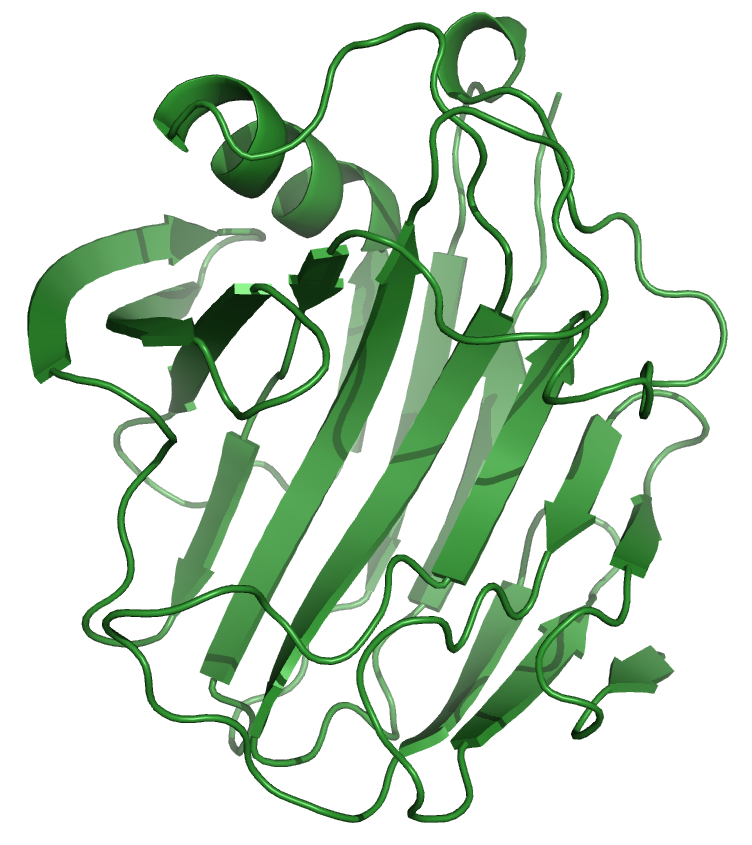
Enzymes are chemical substances that act as catalysts - they speed up chemical reactions between other substances. They therefore help break down complex substances or, conversely, form them. Life as we know it would not be possible without enzymes.
Where do we find enzymes?
There is a huge number of enzymes around us, and they are an inseparable part of our everyday lives. The best-known example of how enzymes help us is digestion, as enzymes are found in human saliva, and they are in the stomach and intestines. We add them to cleaning products, use them when cooking food and beer, as well as in the production of cheese and wine.
One enzyme always helps with one specific reaction and reacts only to one substance. If, for example, a person lacks the enzyme called lactase in the intestine, milk sugars (lactose) are not broken down, which leads to unpleasant problems that can only be avoided by limiting the diet - the enzyme cannot be replaced.
What are enzymes good for for growers?
- More nutrients for plants
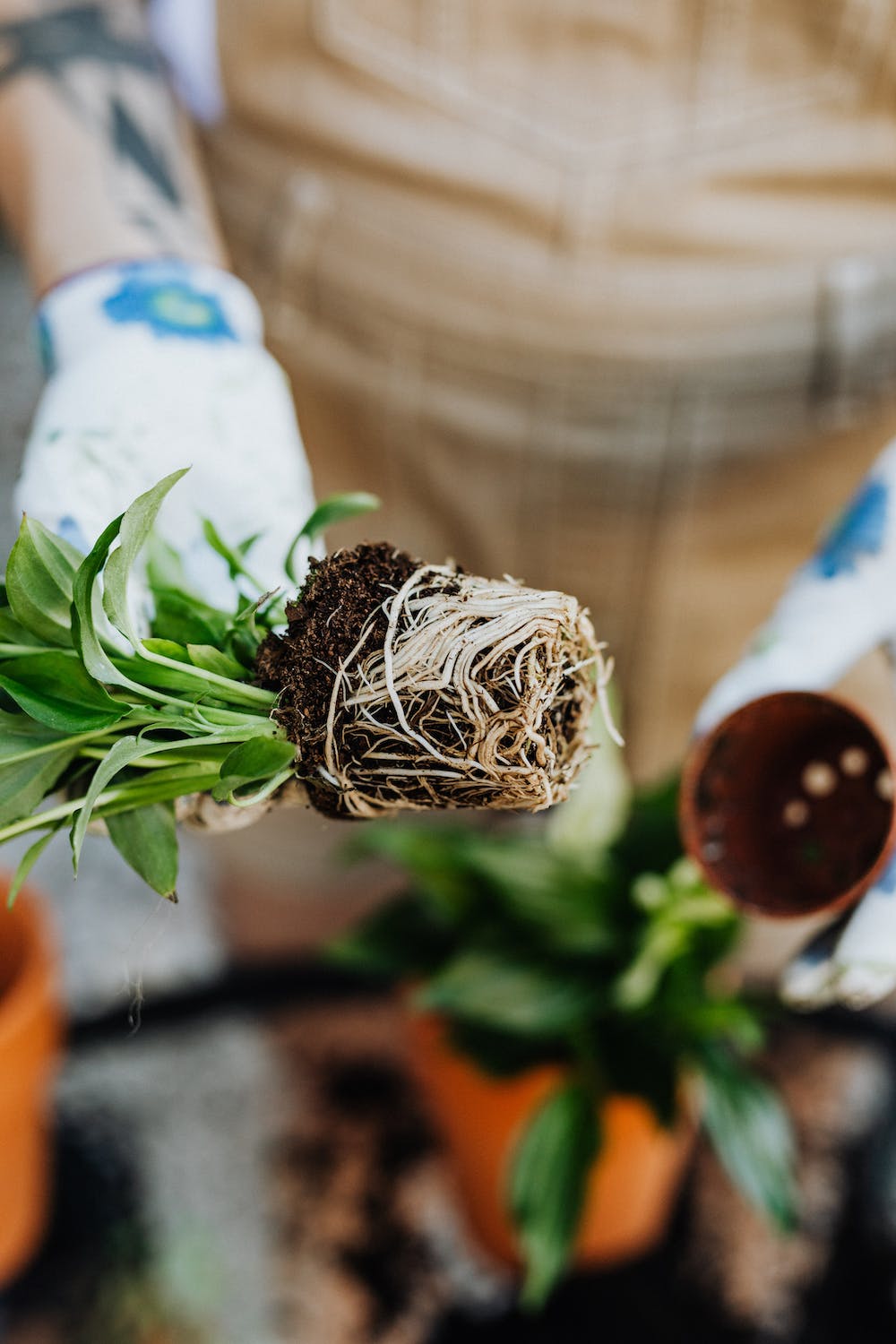
Enzymes speed up the breakdown of complex sugars, chitin, organic phosphates and, for example, animal fats. And what is all this for? By breaking down complex molecules, a lot of goodness is released - there is suddenly more nitrogen, potassium, phosphorus, zinc, iron and sugar in the soil in a form that plants can absorb and use.
- Better soil properties
As dead organic matter in the soil breaks down more quickly, not only are many nutrients released, but also a lot of space. The soil itself becomes better aerated and retains water more effectively, so nothing prevents the plant roots from growing and developing.
- Protection against harmful microorganisms
At the same time, there are far fewer opportunities in the soil for harmful bacteria and fungi that could feed on organic residues - and damage the cultivated plant. Some enzymes even break down the cell walls of pathogens, so the plant benefits both from prevention and from active protection.
- Faster and healthy growth
As if that were not enough, there are enzymes that speed up the production of hormones in the plant. Together with improved conditions in the soil and protection against harmful bacteria and fungi, they support the plant in its natural development.
The result is a healthy plant that lacks nothing and is already preparing to produce the most beautiful fruits and flowers.
TIP: Enzymes can be used to clean the substrate between individual growing cycles. This avoids the use of chemical cleaners.
Where do enzymes come from?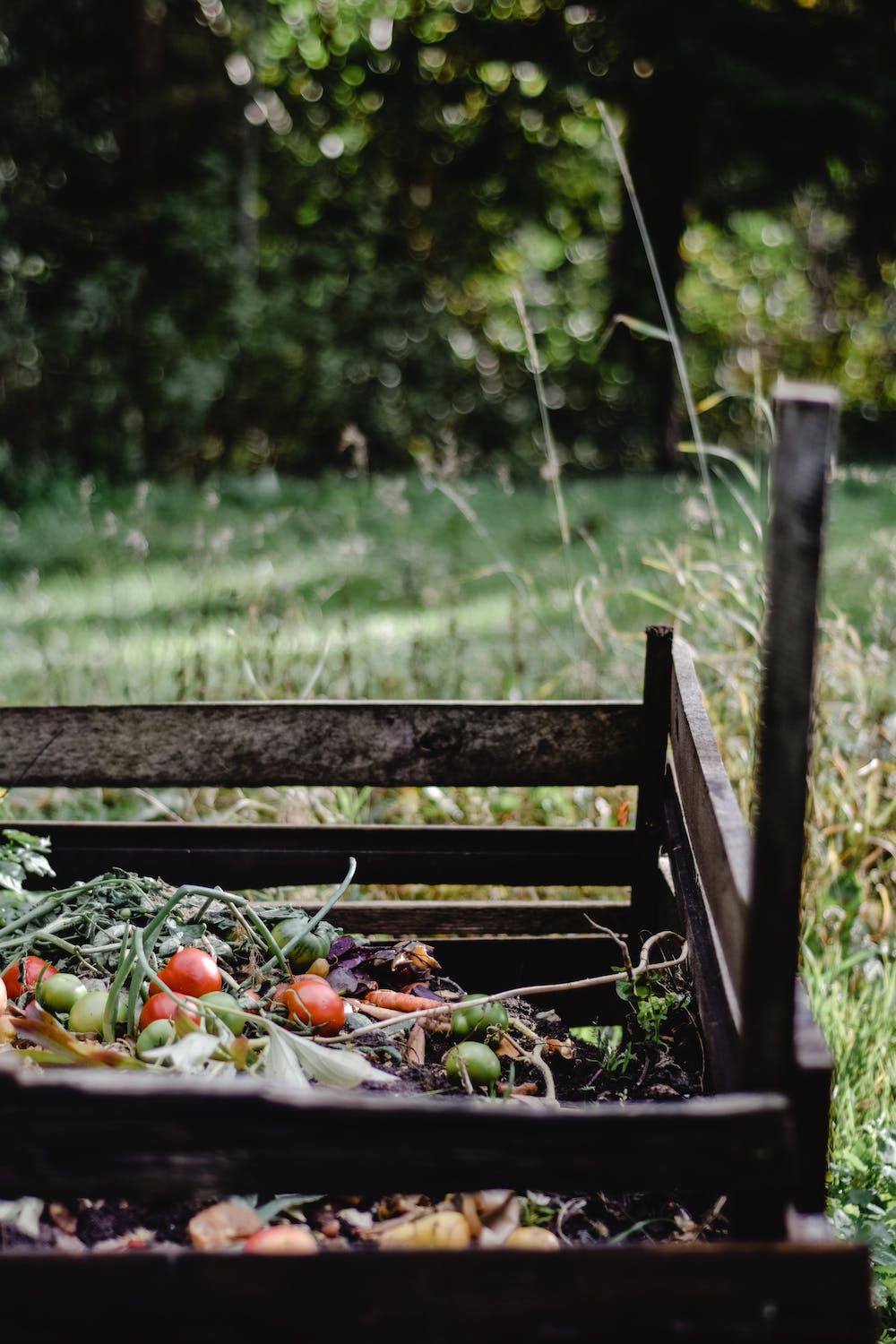
After all, enzymes are the most effective catalysts we know, so they are produced by microorganisms, animals and plants. A popular way to produce enzymes for plant cultivation is through microorganisms - bacteria and fungi (such as bacillus and trichoderma), which create enzymes and at the same time live symbiotically with plants. If you would like to know more about them, we have prepared a separate article for you.
How do you add enzymes to an outdoor garden?
In a conventional garden, microorganisms that produce enzymes are usually already present (warning! they can be destroyed, for example, by high pH or chemical spraying), so adding bottled enzymes is usually not necessary. If you want to give your plants a boost, you can add standard compost to the bed. It is rich in both nutrients and beneficial fungi and bacteria that create enzymes.
Another option is to use your own compost tea, over which you have greater control and which can be made more quickly. For example, Compost Tee from BioTabs is ready in just four hours and has all the advantages of traditional composting.
How do you use enzymes indoors?
Indoor grow rooms or grow boxes are closed systems where beneficial and harmful microorganisms do not simply balance each other out. Adding standard compost is therefore understandably off-putting to many growers (even leaving aside the smell), because they do not want to invite pathogens into a carefully created environment.
However, there are other options: you can add only enzymes - they can simply be bought in a bottle (for example from Shogun, Canny or BioNova). There are also blends containing beneficial microorganisms that create enzymes. In products from Terra Aquatica, Plant Success or Biobizz you will find selected microbes that will only benefit plants.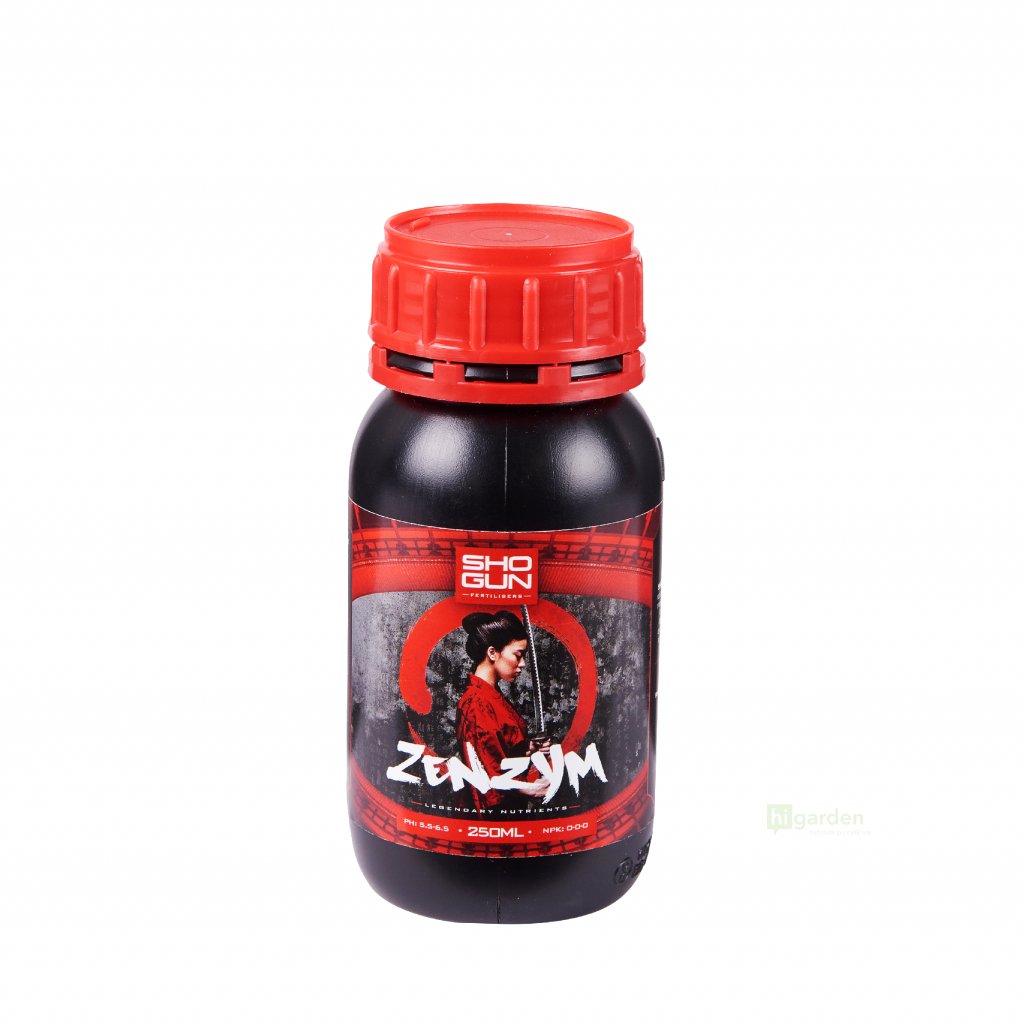
TIP: You can use enzymes in any style of plant cultivation - even in a hydroponic system.
What should you watch out for?
Enzymes work only under certain conditions. Changes in temperature, pressure or pH harm them, just as they harm microorganism colonies and, ultimately, plants. If possible, try to keep any fluctuations to a minimum.
If you want to add enzymes or microorganisms from a bottle, pay the closest attention to the storage temperature. Higher and lower temperatures can deactivate enzymes and kill microbes.
You should also pay attention to the labels. Manufacturers sometimes use terms such as enzyme and microorganism interchangeably, but the result is actually the same - you either add the catalyst directly or something that produces it. The bottle usually says only “enzymes” in general, without specific names, but that does not affect effectiveness - you will not find a sign on compost saying “contains cellulase, amylase and lipase” either.
And if we were to sum it up?
Enzymes are substances that speed up chemical reactions. When we talk about plant cultivation, their greatest benefit lies in improving the quality of the substrate. They improve its oxygenation, water retention capacity and increase the content of nutrients available to the plant. Adding enzymes certainly will not do any harm - quite the opposite. It may turn out that they are exactly what your plants have been missing for years, whether you grow outdoors or indoors.
If, while reading the article, you thought of any questions about enzymes and their use in plant cultivation, please do not hesitate to contact us at info@higarden.cz - we are here for you.
We recommend these products:
Other articles: