
Why not combine silicon-based products and beneficial microorganisms?
Mycorrhiza vs. Silica. For taller plants, silicon (Si) is an essential element that they are unable to produce themselves, and its deficiency usually causes health problems for them (see the separate article: The Effect of Silicon on Plant Health). However, many growers do not know that, from the point of view of nutrition for fast-growing plants, it is necessary to take into account the fact that silicon, although beneficial, slows the development of beneficial fungi and bacteria in their root system. If this information is new to you, this article will show you how to deal with it.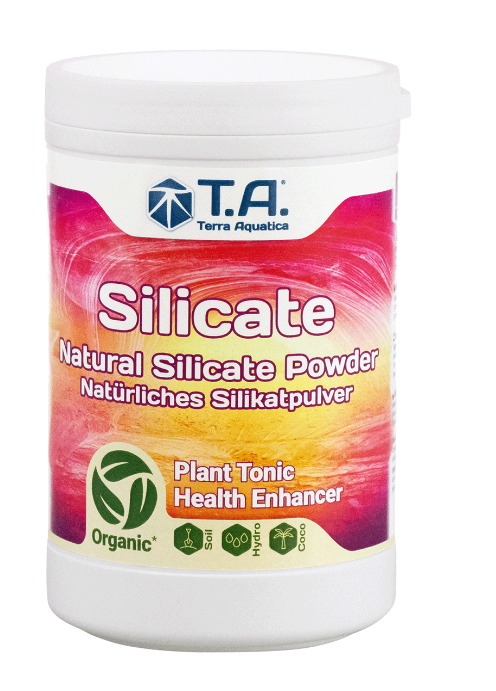
When silicon is mentioned, plant nutrition is primarily about silicates as oxygen-containing compounds of silicon, and this applies doubly to hydroponic plant growing. It is therefore no surprise that not only our customers involved in hydroponics, but also growers around the world, have for years relied on a natural, pH-neutral product containing an ancient source of biologically transformed organic material and naturally formed clay with silicic acid.
Experience from thousands of growers therefore shows that there is no doubt that the T.A. Silicate product is a very useful supplementary additive to nutrient solutions for the plants you grow. You may know this product under its former name, Mineral Magic, before the legendary manufacturer General Hydroponics (GHE®) was renamed Terra Aquatica (more can be found in the separate article: Terra Aquatica (T.A.®) - the new name of a prestigious brand). However, the current version of Silicate from Terra Aquatica can boast an improved composition, bringing growers the following benefits:
- Higher silicate content.
- Better solubility of the active ingredient thanks to smaller particles.
- Higher carbonate content, stabilising the pH level of the nutrient solution.
- In addition to the acidity of the solution, Silicate also helps stabilise its conductivity (see the separate article: Electrical Conductivity of the Nutrient Solution – EC), thereby minimising the stress to which fast-growing plants are often exposed.
- Natural colloids for better cation exchange in the nutrient solution mean better nutrient availability for your plants. Your plants will also certainly benefit from the presence of the other 60 minerals that are also part of the composition of T.A. Silicate.
- The composition of Silicate also protects plants from metal toxins.
Specifically, you can use T.A. Silicate (G.H. Mineral Magic) when growing plants in coco, in hydroponic systems, in soil, as part of bioponics and even in the form of a spray directly onto the leaves. The same applies to other quality silicon-based products, but they will all have one thing in common, and that is why it is now necessary to pay attention!
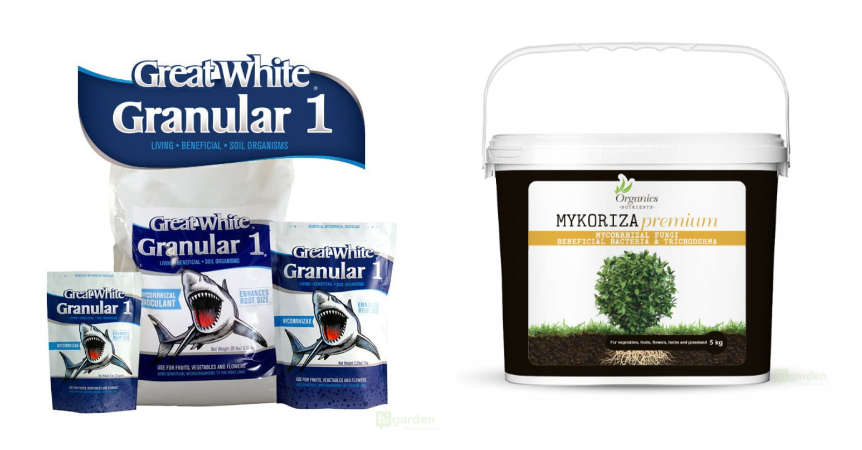
If you read our articles almost regularly, you have probably also read this one: Mycorrhiza, or High Yields Without Chemicals. It explains the importance of beneficial microorganisms in plant nutrition and focuses on the excellent results that products containing these beneficial soil bacteria and fungi bring to growers, especially in organic plant growing and organic agricultural crops. These include, for example, the hit of the last season MYKORIZA premium or the most affordable organic mycorrhizal product and a new product from the brand Plant Success Organics: Mycorrhizae Great White Granular 1.
However, when growing plants in a substrate, it would be counterproductive to use mycorrhizal products at the same time as products such as “Silica”, that is, silicon-based products. Beneficial fungi and bacteria are even part of the growing medium, as is the case, for example, with the compressed UGro XL Rhiza coco brick.
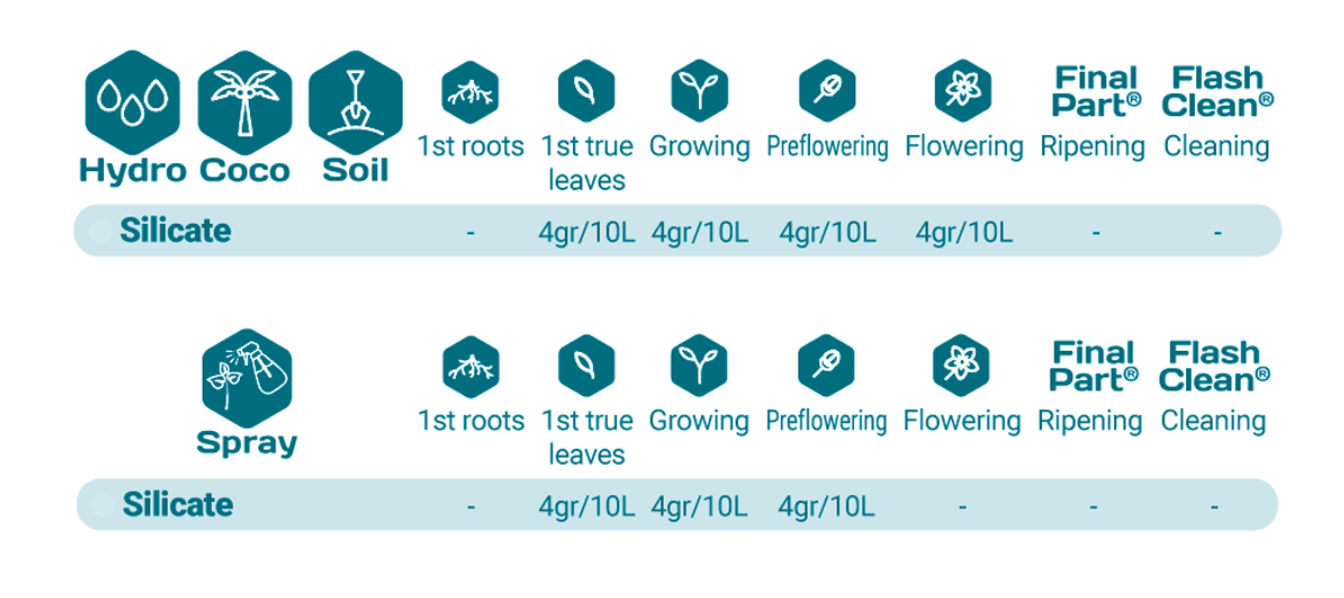
T.A. Silicate does work in synergy with all products from the same manufacturer, but take extra care when using it together with plant nutrition additives such as the highly effective blends with beneficial microorganisms T.A. Trikologic and T.A Trikologic S. The manufacturer recommends applying Silicate exclusively to the leaves or by the so-called dry method directly to the stem at a point just above the substrate. (The table shows the correct dosage using both methods.)
This is the only way to avoid the unwanted slowing of the development of such beneficial colonies in the soil! Take this advice to heart especially when growing plants indoors in a grow tent. In open ground, on the other hand, T.A. Silicate (see above), thanks to the larger growing space and lower concentration, stimulates the development of benefic