
Hydroponic growing, Page 2
List of articles
Hydroponics – What Does It Involve and How Do You Get Started?
Hydroponics is a modern and very clean way of growing plants without soil in a nutrient solution. Simply put, for such cultivation you need only a plant, nutrient solution and a growing medium to support the plant in a pot. Cultivating herbs, fruit and vegetables is made easier by a hydroponic system, of which there are several types, so among other things we will advise you on how to find your way around the individual growing systems.
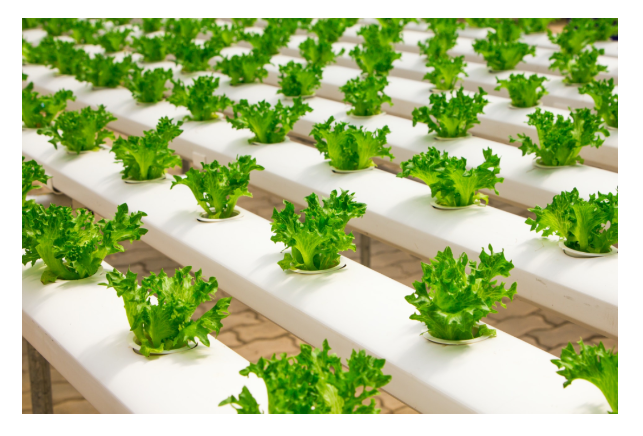
Hydroponic cultivation is really very popular among growers. No wonder. These are the main advantages of hydroponics:
- Perfect control of plant nutrition throughout the entire growing cycle.
- Greater growing efficiency associated with higher yields.
- With proper care of the hydroponic system, this is a very clean growing method, which means:
- Lower risk of pests or plant diseases.
- Much less mess.
Ordinary soil contains many organic and inorganic substances that the plant uses, so it can grow even without much help from fertilisers.
Hydroponic media, with which growers usually achieve the best results, are:
- coconut fibre
- expanded clay (hydroton)
In the past, perlite was also used, for example, but hydroponic cultivation of plants in perlite is now a thing of the past.
When growing hydroponically, be sure to pay attention to the choice of propagation medium, or rather propagation cubes. For example, Jiffy is not suitable for hydro, because dirt is often released, which clogs pumps or the irrigation lines of the watering system. On the other hand, we can clearly recommend rockwool or stonewool for hydroponics, especially Grodan propagation cubes.
The growing media mentioned above are inert, which means that they contain no nutrients, and it is therefore necessary to supply all the nutrients the plant needs for healthy development through the nutrient solution, that is, water combined with nutrients sourced from quality hydroponic fertilisers.
Fertilisers for hydroponics are discussed in more detail in a separate article as well: What are the best fertilisers for hydroponics and how should they be used correctly?
A common feature of hydroponic fertilisers is a mineral-based composition. Growers for whom natural feeding is a priority, but who also like hydroponics, are increasingly turning to bioponics, most often using products from the brand Terra Aquatica. Bioponics is essentially organic hydroponics. You can read more about this method in the article: What is bioponics?
OUR TIP: In addition to the legendary manufacturer Terra Aquatica (formerly General Hydroponics), we also recommend a new addition to our range, namely the best British fertilisers with an emphasis on research.
What should you consider before you start with hydroponics in practice? Above all, answer the following questions:
- What is your budget?
With a smaller budget, you can manage in the beginning, when you can get a feel for hydroponics on your first plants using simple but practical passive systems (see below). With a larger budget, you can afford a sophisticated hydroponic system that allows efficient plant cultivation on a larger scale, with electricity use and additional accessories (see below).
- How much time and effort do you want to devote to your plants?
Hydroponics requires more than just regular watering. You will hardly enjoy beautiful, abundant flowers or tasty fruit if you do not take into account that during the growing cycle it is necessary to regularly check and measure electrical conductivity (EC) and the optimal values of pH of the nutrient solution using pH and EC metres as well as temperature and its stability.
Especially more complex hydroponic systems need to be maintained and cleaned regularly. You can get a better idea of hydroponic system maintenance through the separate article HERE.
- Which specific plants or crops do you intend to grow, and on what scale?
Based on that, we will help you choose the appropriate size of grow tent set with accessories as well as the hydroponic system itself.
Hydroponic systems are generally divided into active and passive.
- Passive hydroponic systems, such as the popular AutoPot 1Pot system (pictured below), do not consume any electrical energy. They do not need any switches or pumps to operate. They rely on gravity pressure from the tank, which is usually part of the system. This makes them a perfect choice especially for beginners who want to try hydroponics in practice first on a few smaller plants.
- Advantages: low purchase price and negligible operating and maintenance costs.
- Disadvantages: lack of advanced options for dosing and timing irrigation, suitable only for smaller-scale growing, grower presence required.
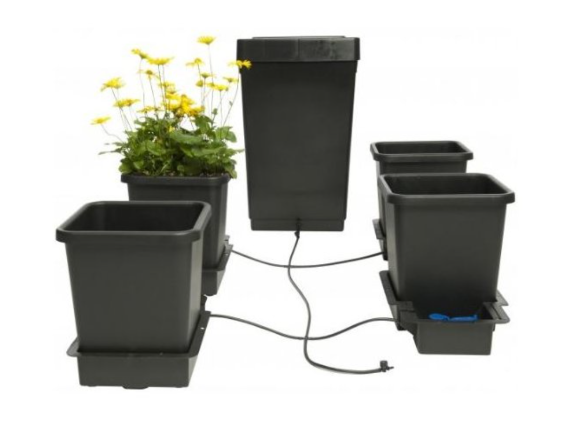
- Recirculating hydroponic systems, which include, for example, Atami Wilma (pictured below), allow uncompromising control over growing processes, whether it is irrigation timing or optimal nutrient supply. An undeniable advantage of active hydroponic systems is the use of a circulation pump, thanks to which you can easily go away for several days with the certainty that your plants are being cared for exactly according to the growing plan. To be objective, among the disadvantages we list electricity use in contrast to passive systems, but the reality of modern hydroponic systems is that they are very economical. (This is therefore an investment that pays off, much like modern LED lighting, which may cost more than conventional luminaires, but is light years ahead in both efficiency and economical operation. We definitely recommend it for indoor growing, whether with a passive or active hydroponic system. More HERE.)
- Advantages: savings on fertilisers, which circulate in the system instead of everything having to be poured away, complete control over growing processes, autonomous operation, almost unlimited possibilities with regard to scale and budget, compatibility with different growing media, longer service life.
- Disadvantages: higher purchase and operating costs, electricity use, more demanding maintenance.
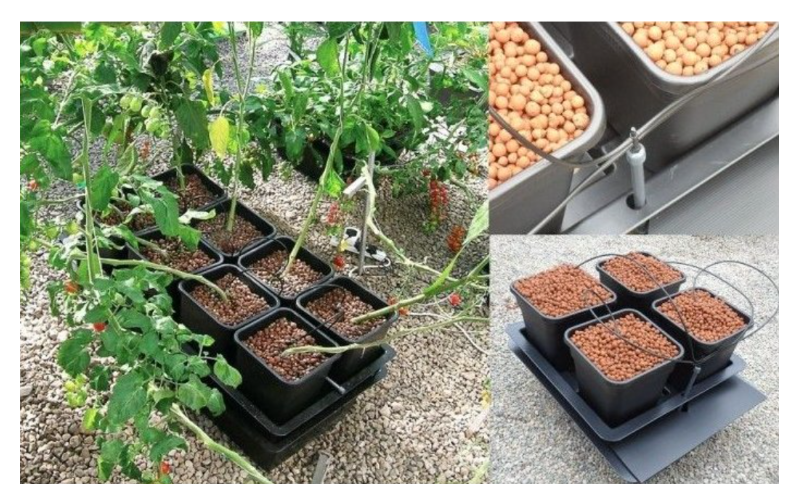
Examples of hydroponic recirculation also include complete flood tray systems from GHE, which are often incorrectly confused with the run2waste systems mentioned below.
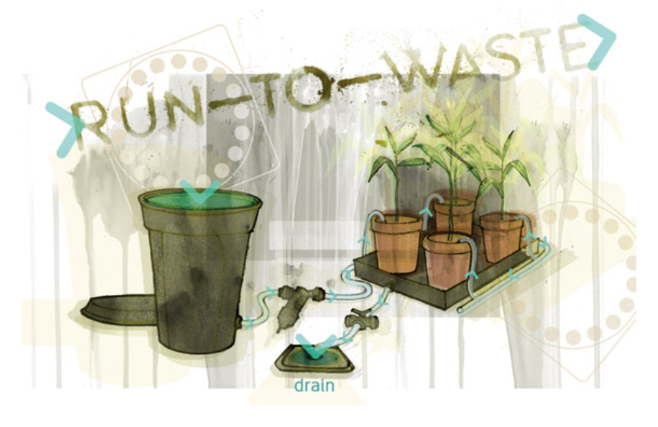
- Run2waste (or Run-to-waste or RTW) are simple hydroponic systems. As the name suggests, with this irrigation method the watering is applied until it flows from the root zone into the waste tank, after which it is disposed of and does not return to the system (unlike the recirculating systems above, where the fertilisers dissolved in water are recycled). Hydroponic growing using the RTW method is illustrated in the picture.
- Advantages: from a practical point of view, above all safer plant cultivation.
- Disadvantages: higher operating costs.
For hydroponic systems, it applies that the smaller the system, the more susceptible it is to fluctuations in values and also that the larger the tank, the better. That is all for their general division into active and passive.
It is also worth becoming familiar with the characteristics, including the advantages and disadvantages, of the individual systems associated with specific hydroponic methods, which we gradually cover in a series of separate articles. These are:
- NFT hydroponic systems and vertical NFT systems
- Ebb and flow - flood hydroponic systems
- Drip - drip irrigation
The most efficient growing method is aeroponics. However, this way of growing plants is also associated with the highest risk, because if the power goes out and the pumps stop working as a result, all plants connected to the system are doomed to die. Aeroponic systems have special chambers with nozzles in which the plant roots hang freely and breathe, while efficiently absorbing nutrients from the microdroplets that cling to them. The most powerful, most efficient, most dynamic and most flexible hydroponic / aeroponic system on the market GrowStream from the brand Terra Aquatica then functionally combines elements of aeroponics and hydroponic NFT systems.
We must not forget to mention that not everything can be grown hydroponically, because it simply is not worthwhile. A typical example is potatoes.
And that is it. Hydroponics is above all about the willingness to learn and improve. It then allows you to start with minimal costs and gradually move further, as far as you want. If you need any advice, do not hesitate to contact us at the well-known e-mail address info@higarden.eu. And while we are on the subject of hydroponic beginnings, we have also prepared a BOOK TIP: William Texier - Hydroponics for Everyone. This is the ideal first step for anyone interested in hydroponics.
Hydroponics Made Easy: NFT
NFT (Nutrient Film Technique) is generally considered the simplest and cleanest hydroponic method. So whether you are planning to start with hydroponics, or you have so far tried other hydroponic methods of plant cultivation indoor, you should definitely read more about NFT systems and their practical use.
Despite the fact that NFT irrigation systems are renowned among growers for their simplicity, they represent one of the “hydroponic keys” to fast-growing plants and attractive yields. And if we were to choose a hydroponic method for complete beginners at the same time, the answer would be precisely these three letters - NFT:
- NFT hydroponic systems work on the principle of a shallow stream (film) of water with dissolved nutrients, which constantly circulates and is in continuous contact with the plant roots.
- Nutrient solution is supplied in them by means of a pump from the reservoir to the start of the growing channel and, on the principle of circulation, flows back to the tank after being evenly distributed around the roots.
- It is precisely the constant access to nutrients and oxygen that, in practice, results in yields many times higher than those we are used to, for example, in soil substrates.
Healthy seedlings are the basis of success
When it comes to the actual preparation and use of an NFT hydroponic system, the first thing to consider is the choice of growing medium for raising seedlings. To make full use of the potential of NFT systems, you will need really healthy seedlings with a sufficiently developed root system for transplanting into the NFT system. When growing plants from seeds, it is first necessary to make sure that we have a suitable growing environment for the specific species. If the answer to this question is not a clear YES, it is better to let the seeds germinate in a propagator.
- So-called artificial substrates, in this case especially products made from rockwool (GRODAN), are the most commonly used growing medium for raising young plants for NFT systems. In addition to cubes, you can also use growing mats. For raising plant seedlings, rockwool is ideal as a growing medium, as it absorbs the necessary moisture excellently without at the same time retaining an excessive amount of nutrients. Even at 100% saturation with water, rockwool can still count on 20% aeration. You can read more about preparing rockwool in a separate article HERE.
- Coconut substrates have ideal properties for hydroponics similar to those we can observe in inorganic growing media (rockwool, etc.), and therefore you can use them without concern even when combined with NFT. Coconut retains even more water than rockwool. When used in NFT systems, part of the coconut fibres is gradually washed out and the organic matter tends to decompose. If you decide to combine NFT with a coconut substrate, we recommend a compressed coconut substrate (coconut bricks and mats), for which the same procedure applies as for the “artificial substrate” (see above).
Working with an NFT system
You can now move on further in preparing the NFT system. However, first of all, do not forget to check the temperature and pH of the nutrient solution.
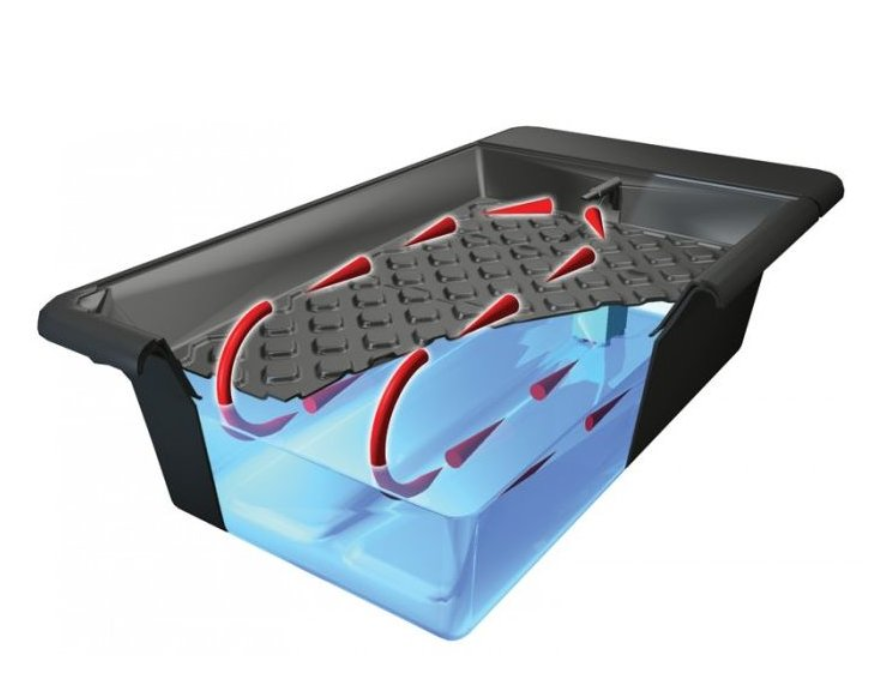
- Make sure the NFT growing setup is precisely sealed in all places. Water must not leak out of the system anywhere under any circumstances.
- Place a high-quality non-woven NFT fabric at the bottom of the growing channel, which helps to distribute nutrients evenly. We recommend letting this fabric slightly overlap at the point where the irrigation flows back into the reservoir.
- The ideal speed at which the nutrient solution should flow through the growing channel is between 400 and 1,500 ml per minute.
- The slope of the growing channel is also important so that so-called puddles do not form on the sheet.
- To eliminate the risk of algae, keep the growing channel covered. Another reason for covering the growing channel is to prevent access to light, which is not good for root development.
- If you want to check the root system, never do so in direct light and always try to keep this time to the absolute minimum necessary.
- If we use an artificial or compressed coconut substrate (see above), the cube should be thoroughly colonised by the plant root system.
- The distance between individual plants depends on the specific species. Do not hesitate to consult us.
- If the roots of the plant are vigorously growing from the growing medium into the growing channel, you have practically won, and after an average of two days you can consider the herbs successfully transplanted. Only after these two days do we also begin applying hydroponic fertiliser.
- NFT is a very effective method, so do not be surprised if you notice root growth of several centimetres in a single day.
- Indoor cultivation of plants using NFT systems requires avoiding fluctuations in pH values outside the range of 5.8–6.5. Especially if you are using a larger NFT system, we recommend an automatic device for maintaining a constant pH value.
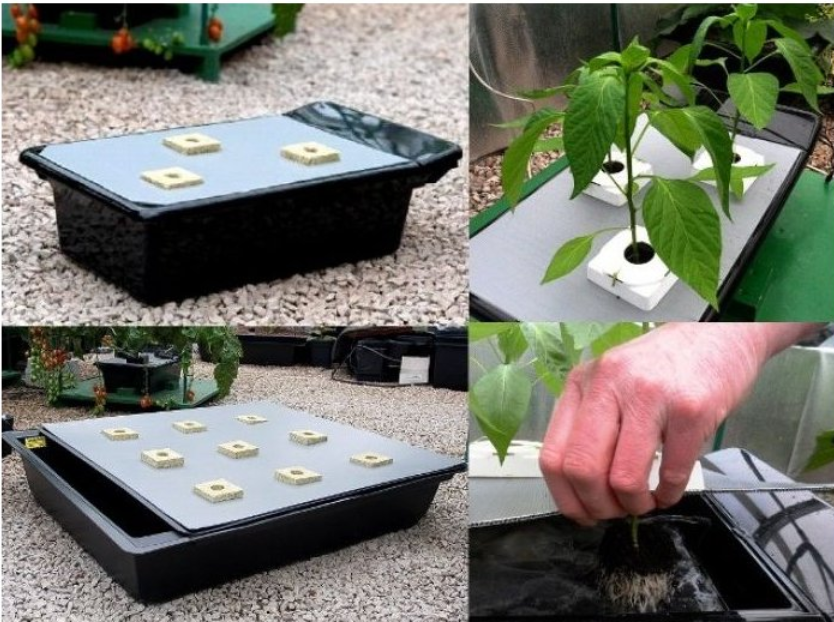
Finally, we offer you a brief summary of the advantages that characterise NFT-type hydroponic systems:
- You can be sure that plants absorb the optimal amount of nutrients and their roots have unlimited access to oxygen.
- You do not have to fight weeds and you also minimise the risk of plant diseases, including root rot.
- Constant circulation of the nutrient solution also helps prevent common beginner mistakes in the form of overwatering or, conversely, drying out.
- The operation of NFT systems, such as NFT Gro Tank GN 901, involves only minimal costs and energy efficiency. They are assembled in a short time and their use is just as intuitive.
To be completely objective, it is also necessary to mention the negative consequences resulting from a possible power outage. You should therefore try by all available means to prevent a power failure.
If you are interested in the possibilities offered by this hydroponic method even to complete beginners, do not hesitate to ask us anything via the well-known address info@higarden.eu. We will also be happy to advise you on choosing a specific NFT system or growing accessories.
We also recommend these products:
- NFT Gro Tank 205 (1,599 Kč)
- NFT Gro Tank GN 901 (4,399 Kč)
- PLANT!T Non-woven fabric for NFT systems (390 Kč)
What to read next?
Torus Hydro perfectpH: a revolutionary pH stabiliser
Make growing in hydroponic systems easier with a product that ensures the nutrient solution continuously maintains optimal pH values, enabling the plant to absorb nutrients with maximum efficiency.
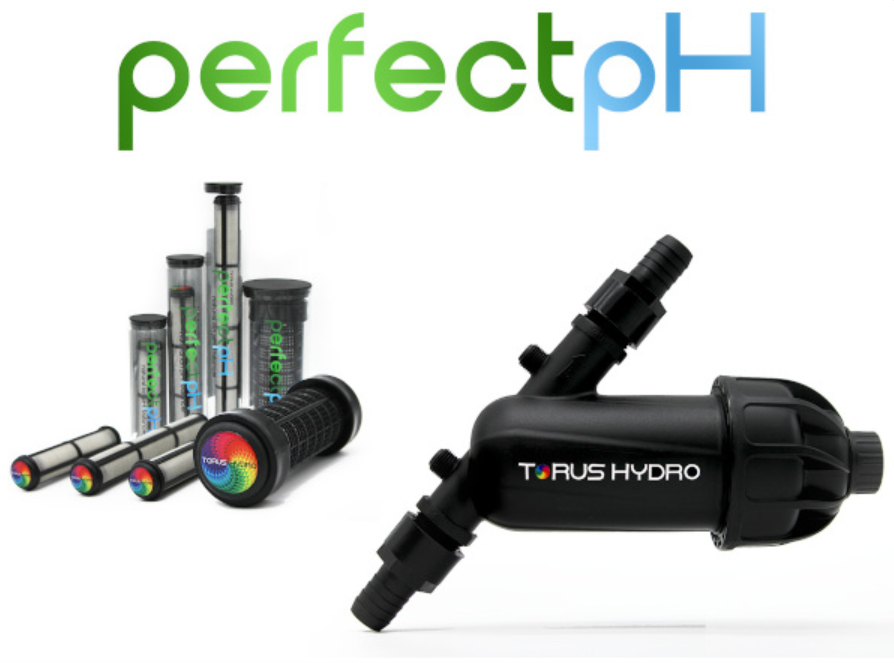
When science, art and innovation come together, pH adjustmentpH could not be easier. No more measuringpH or using acids.
Not only do the innovative Torus Hydro perfectpH products, launched in 2017, eliminate the risks associated with pH fluctuations, but thanks to better fertiliser management, your investment in this technology will pay for itself quickly!
- Torus Hydro perfectpH stabilisers work on the principle of modern ion technology.
- This technology prevents fluctuations in the pH values of the nutrient solution, which brings the following benefits:
- More vigorous plant growth
- Greater vitality / stronger plant immunity
- Another advantage is that you can say goodbye to chemical buffering for good.
- Nutrient solution does not need to be changed as often as usual when using Torus Hydro perfectpH technology. This automatically reduces both water consumption and fertiliser consumption. Of course, this also applies to conventional products commonly used precisely for pH balancingpH.
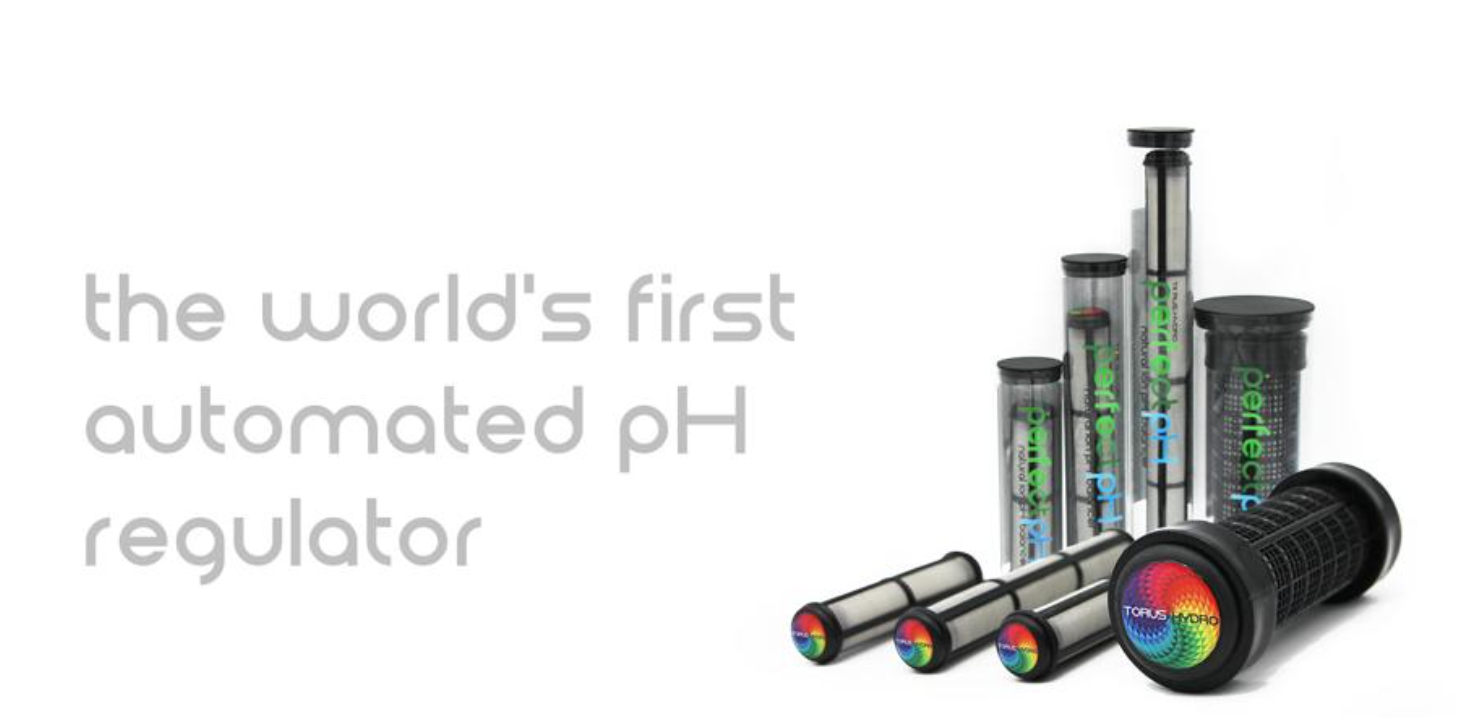
In hydroponics, the correct pH level is a crucial factor that determines success or failure. What makes Torus Hydro perfectpH such a revolutionary solution, and how does it actually work?
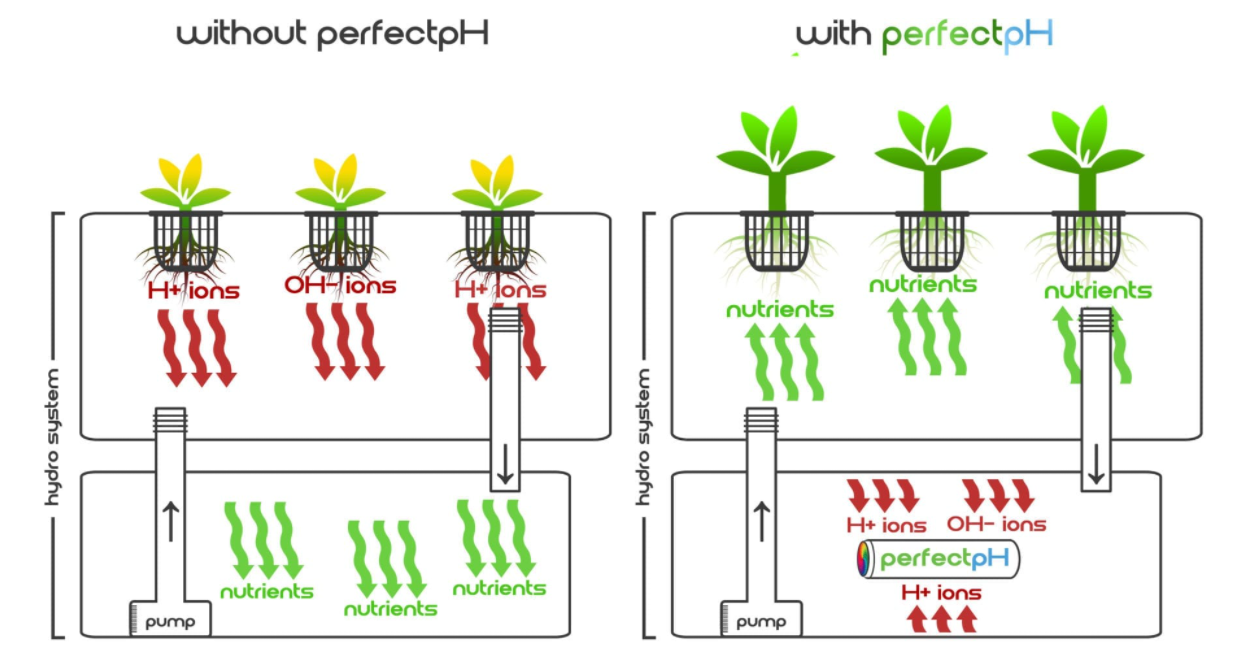
- Because in hydroponic systems plants do not root directly into the substrate, as is the case when growing in soil or coco, excess ions (H+ and OH-), which are produced by the plants, accumulate in the irrigation water, or nutrient solution. This process is undesirable, because it slowly but surely creates a highly toxic environment, the opposite of favourable conditions for healthy plant development.
- Torus Hydro perfectpH is able to perfectly bind the mentioned excess ions, ensuring a stable and suitable environment for healthy, vigorous plant development.
- As shown in the following diagram from the manufacturer’s website (see below), on the right-hand side, illustrating the operation of the stabiliser based on ion technology, there is reliable capture and subsequent elimination not only of excess ions (H+ and OH-), but also of toxins.
- The result? Stable pH, a vigorous plant and significantly higher yields!
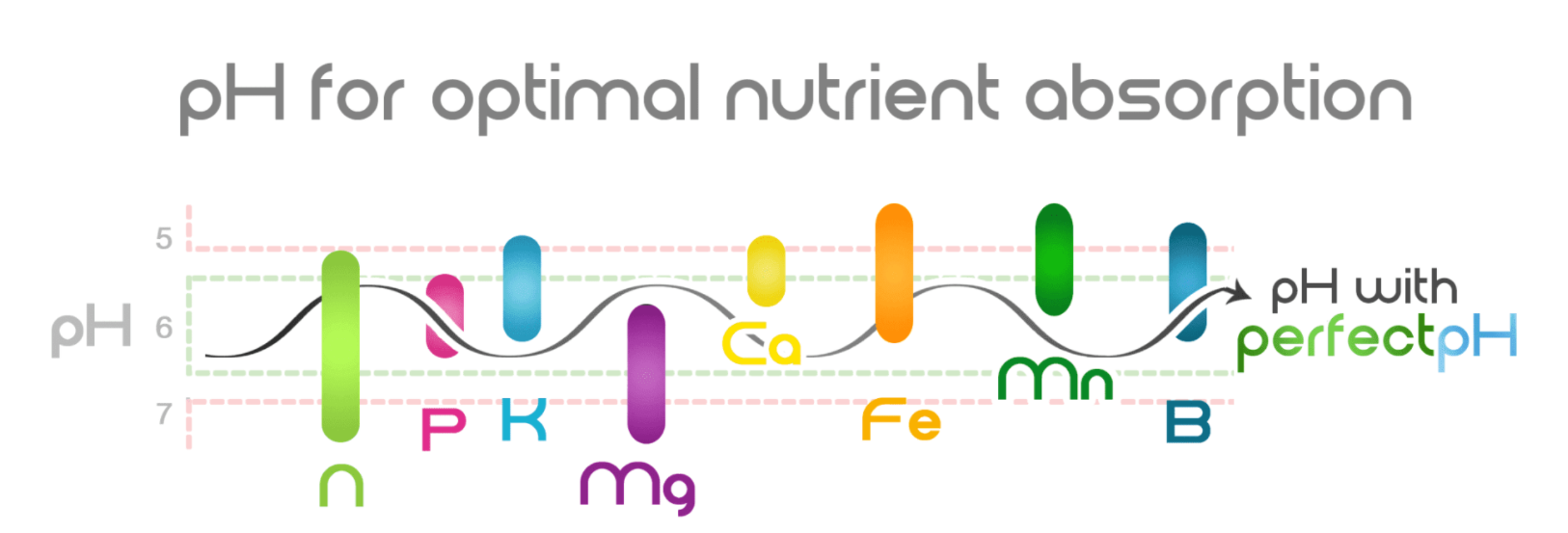
- If you have been involved in hydroponics for some time, then you know very well that pH regulation is not easy. Plants prefer slightly acidic pH. Once the pH value deviates from the optimal range, i.e. usually 5.5 – 6.6, vital micro- and macro-elements are not absorbed sufficiently. As a result, the natural defence of the plants is disrupted and growth slows down or even stops.
- The plant absorbs different elements and nutrients at slightly different pH levels, as the manufacturer’s graph below nicely illustrates. Therefore, if your pH fluctuates even when using Torus Hydro perfectpH, but within the range of 5.7 – 6.5, everything is absolutely fine.
- So far, we have explained the ion technology of TORUS HYDRO perfectpH capsules.
- TORUS HYDRO also produces INLINE stabilisers, which work on the principle of forced flow that improves the ion exchange process in a range of hydroponic systems and methods, from DRIP drip irrigation systems through NFT to Flood and Drain and others, including aeroponics.
- For long-term and flawless functionality, Torus Hydro perfectpH Recharge Solution is used. After roughly a quarter of a year of use, simply remove the capsule from the tank and immerse it in this product. This preserves the same ion exchange efficiency and makes it last much longer. This product can also restore the function of Torus Hydro perfectpH Inline filters.
The Torus Hydro products we have introduced in more detail in this article have changed the face of modern hydroponics once and for all. So why should your path to fantastic results in hydroponics not also become much easier, more elegant and more efficient once and for all? If you have any questions, please do not hesitate to send them to the well-known e-mail address info@higarden.eu.
We also recommend these products:
- Shogun fertilisers (from 199 Kč)
- LUMii Black Digital Complete 600W KIT (2,990 Kč)
- Vertical hydroponic systems NFT (VAKPLAST) (from 9,990 Kč)
What to read next?
- What are the best fertilisers for hydroponics and how should they be used correctly?
- What can be grown using hydroponics?
- Introducing vertical hydroponic systems NFT
Hydroponics Made Easy: Drip Irrigation (Drip)
Drip irrigation, micro-irrigation, or simply DRIP – these are all well-established terms among growers for the classic method of watering plants, based on economical water dosing. Read on to find out how it works and what benefits it brings to growers!
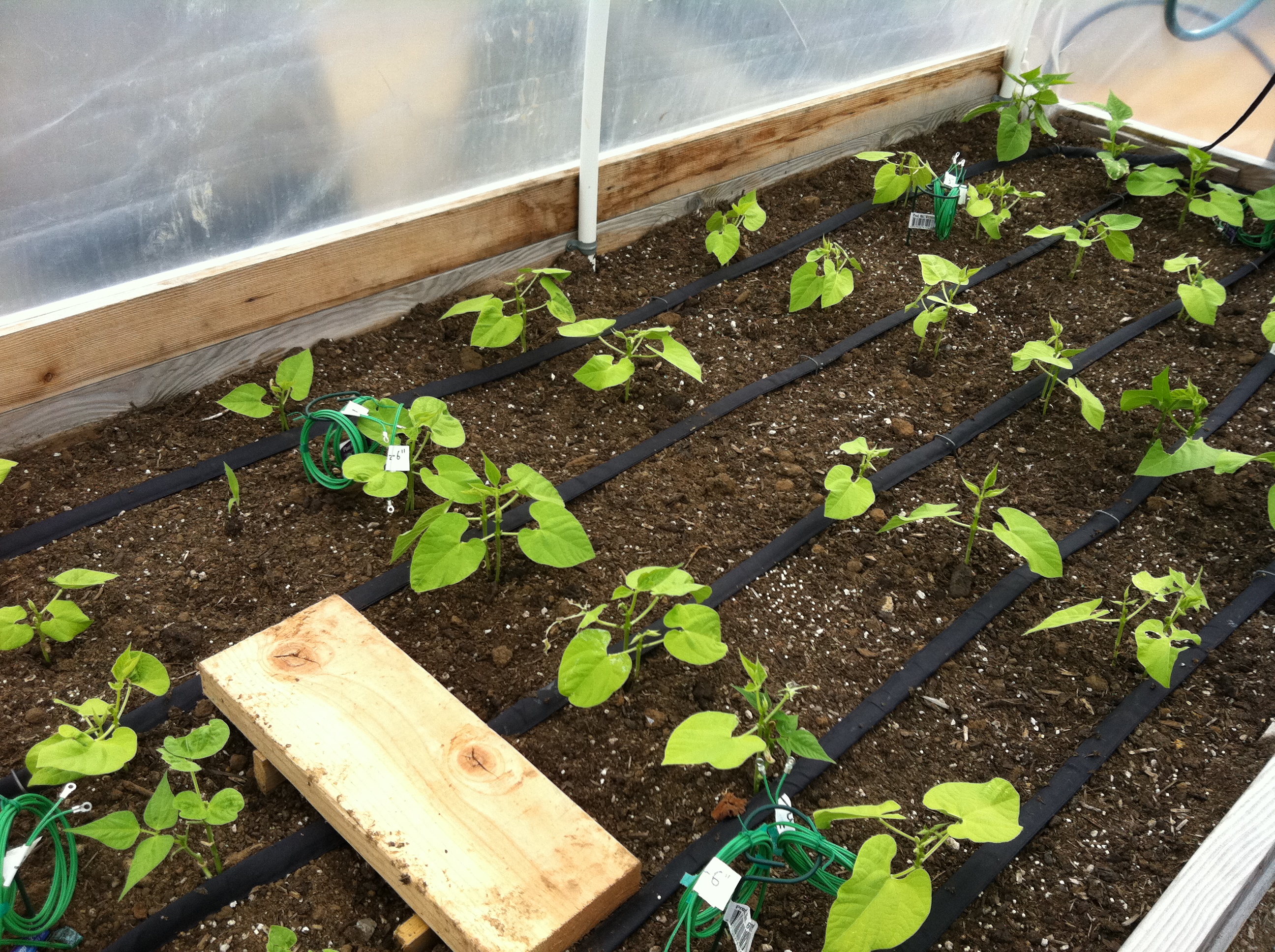
In addition to achieving minimal water consumption, drip irrigation makes the watering process significantly more efficient. This is especially true if you grow a larger number of plants.
If you expect a proper harvest in your garden or perhaps in a greenhouse, manual watering is a thing of the past! However, the drip method also finds use when growing herbs in the comfort of home or, conversely, in agriculture on a large scale.
The larger the scale, the greater the water savings. And over the long term, water savings always show. Besides the economic aspect, there is of course also the environmental one. With a drip irrigation system, you certainly will not waste water. At the end of the article, we will also discuss how important the properties of the water you use to water your plants are, as well as the quality of the water source.
What is drip, or how does drip irrigation work in practice?
Drip can sometimes seem unnecessarily complicated to beginner growers, yet the opposite is true. So let us take it step by step. What does a drip irrigation system consist of?
- Water source (tank, well, mains water supply).
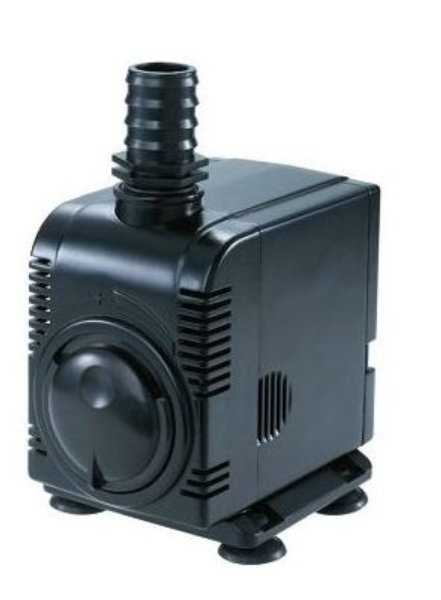
- Pump (see image, except when using a tap)
 Water distribution, or rather the distribution of tubing (capillaries and hoses), which are connected to the water source. At the end of the capillaries are connected irrigation needles, which are inserted into the soil.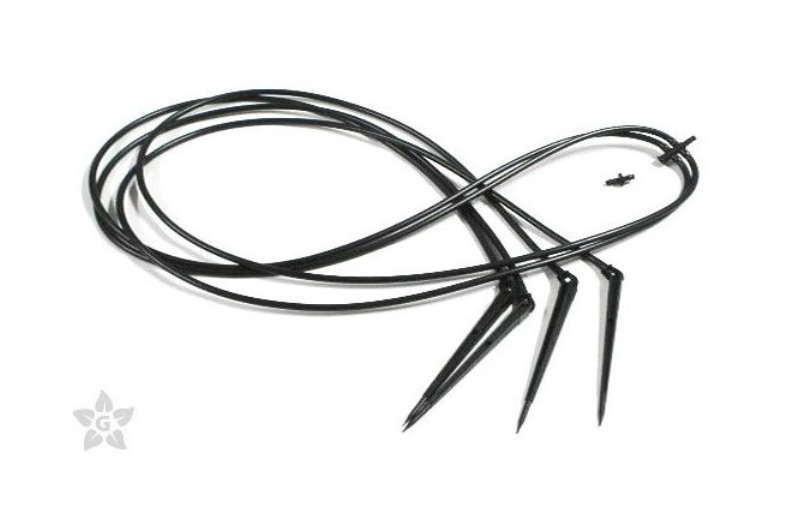
- Reducers, connectors, end caps, valves and various shaping components (connectors, connectors).
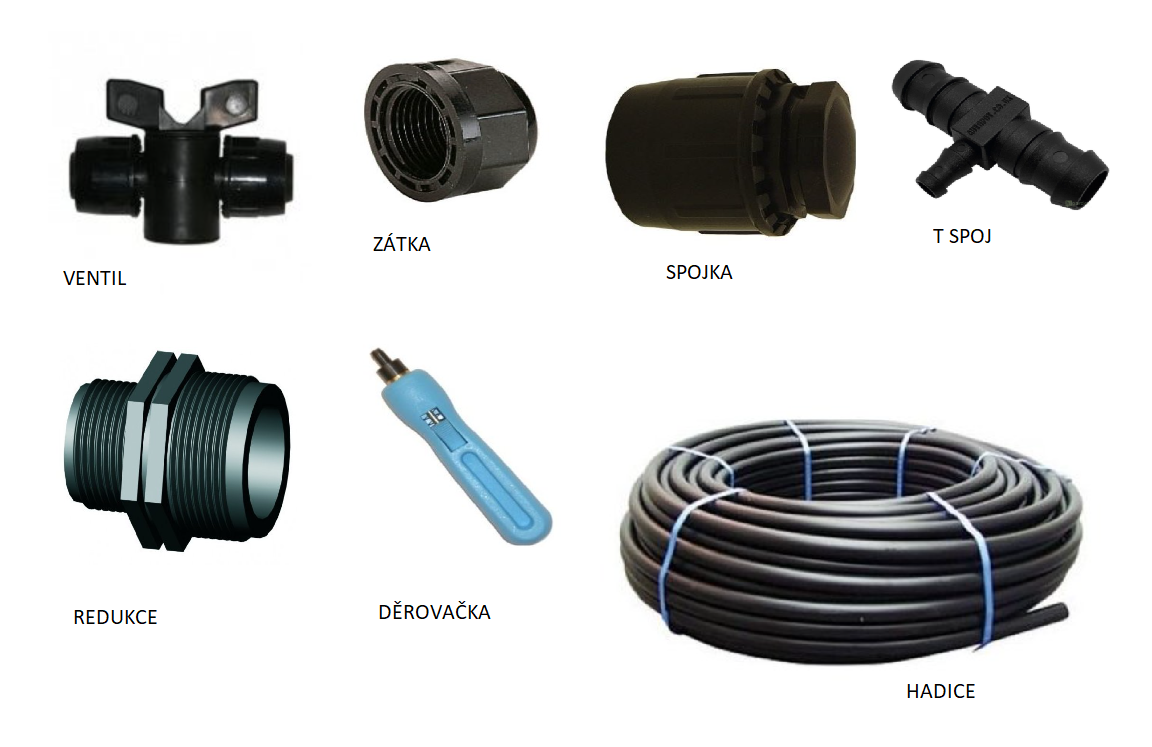 Assembling drip irrigation - how do you do it?
- When assembling drip irrigation, the grower’s first task is to lay out the hose around the plants so that it does not cross over itself anywhere, let alone become tangled, and so that water and nutrients, driven from the tank or well by a pump with sufficient flow rate and head, can flow evenly through the irrigation system.
- Next comes the hole punch, with which you make holes in the hose in places that are ideal for irrigation. In addition to ordinary hole punches, you can also make the work easier by using the lever hole punch. For the smallest drip systems with thin-walled distribution piping, in which there are only a few holes, a 3 mm hole punch will suffice.
- A cutter is used to cut the drip tubing.
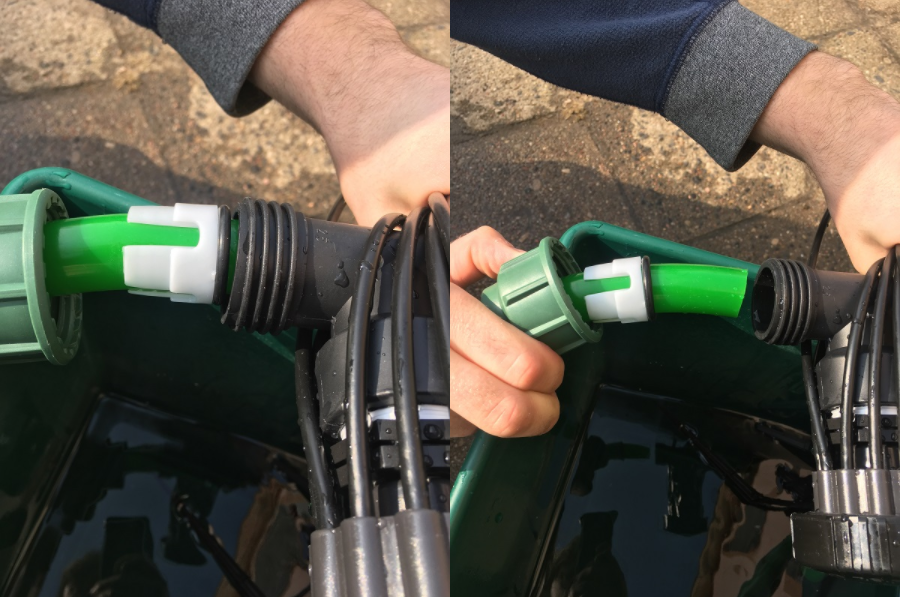
- Even when making the holes, bear in mind that water and nutrients need to be brought as close as possible to the plant roots. This is made possible by the end capillaries. “Basic” end capillaries are available in the form of capillary needles. However, many growers swear by multi-part capillary distributors with end needles (Topspin). Correct system connection is also essential, as you can see in the image. This will prevent leaks of water with precious nutrients. When connecting, pay particular attention to the correct placement of the seals.
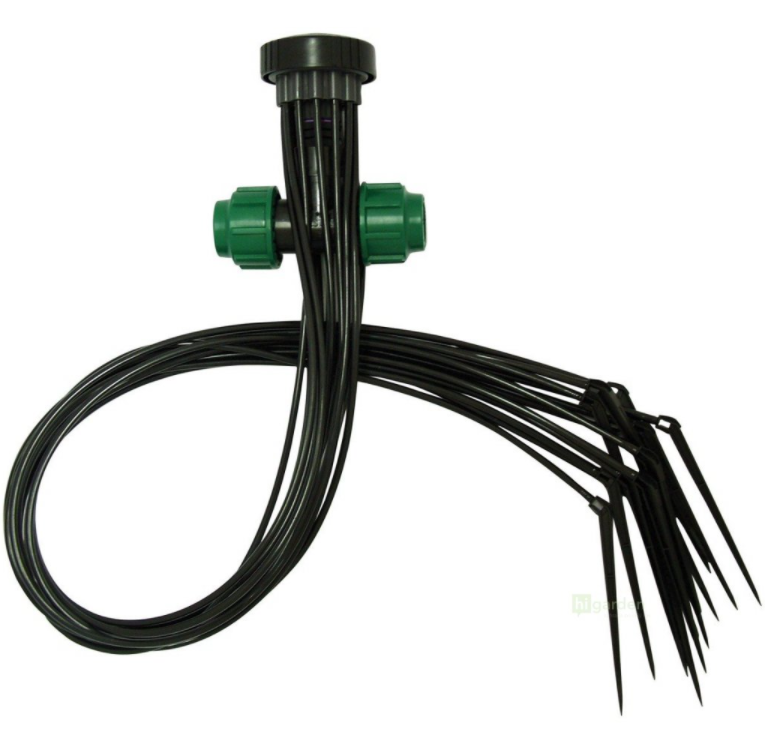
- Thanks to the fact that through capillary needles the watering gets below the surface directly into the substrate, the nutrient solution no longer evaporates into the air afterwards. It is precisely the high rate of water evaporation that is typical of long-outdated manual watering, because with each growing cycle you would use a disproportionately larger amount of water than when you assemble your own drip system.
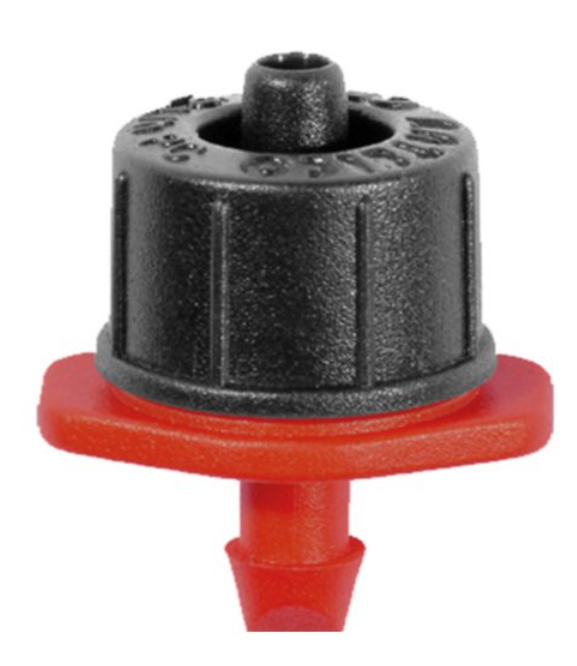
We must not forget what capillary pressure irrigation means. It is drip irrigation that works with higher water pressure, more precisely from 0.5 bar upwards. This is also associated with a greater water column height, with the equivalent of 0.5 bar being a 5 m water column. It is worthwhile for short water runs of approximately 2 metres and when irrigating only a few plants. The downside of pressure drip irrigation, however, is the uneven distribution of nutrient solution to individual plants. In drip systems of this type, growers therefore use pressure valves (see image), which for a few pounds will ensure that all the plants in the system receive regular watering of the same intensity, regardless of the distance from the water source and regardless of how high the water column leading from the pump is. Different variants of drippers with a pressure valve differ from one another in the amount of watering released per hour. If you decide on pressure drip irrigation, do not forget that you need to choose a pump with a greater head than the starting pressure. If the starting pressure is 0.5 bar, choose a pump whose head is at least 0.6 bar after subtracting the height difference within the whole system.
Our TIP: When working with a drip system, practical waterproof tape can be useful in many situations.
Automatic drip irrigation
Having a DRIP system is an advantage. But automating it will save you even more time and energy. And we dare say that automatic irrigation timing is absolutely essential, especially in summer. At the same time, you will achieve precise watering intervals and frequency according to the current need or, for example, based on the plant variety grown.
You can therefore normally supplement your drip irrigation system with timer switches, or even more advanced irrigation timers. This category is clearly led by the reliable products from TechGrow:
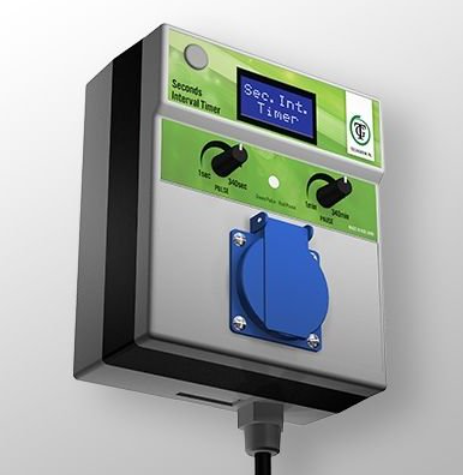
Interval and second timers from the TechGrow brand enable precise irrigation not only in drip systems, but they also serve perfectly in flood-and-drain systems or Aero systems.
Gardeners and growers who care for their plants in a greenhouse have also found automatic solar irrigation to be effective.
For home growers using a grow tent to cultivate herbs, drip hydroponics may be useful, which is perfectly handled on a smaller scale by the hydroponic systems Atami Wilma.
Experienced growers and professionals will find it worthwhile to explore the options offered by GroLab when it comes to automating growing processes.
When automating hydroponic systems, a float switch with gland is also used.
Quality water and its source – that is the absolute basis of drip irrigation!
Not only in the case of drip irrigation, but also in terms of hydroponics in general, whether you are growing plants indoor or outdoor, it is certainly worth considering the following question, which is so important that it has become the subject of a separate article: What water do you use to water your plants? The quality properties of water have a huge influence on crop quality and growing results. Beautifully clean water free of all sediment is a basic prerequisite for achieving a beautiful harvest. Sediment contained in the water will probably cause the tubing to clog and create other problems, because of which your hydroponic efforts in the garden, greenhouse or even inside a grow box will not be effective. Likewise, if the water source you use for irrigation is somehow contaminated, water treatment and filtration come into play.
Water treatment in growing practice takes place on several levels:
- Adjustment of pH.
- Reverse osmosis (RO) is the most effective solution for dealing with practically all impurities of organic and inorganic origin. On this topic, we again recommend a separate article. More advanced reverse osmosis units can also handle total deionisation of water, which is of course the ideal state.
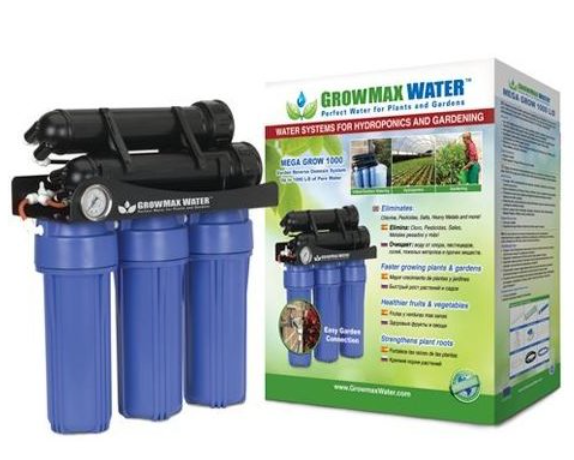
- Water filters. If the basis of your watering is tap water from a municipal source, which often contains chlorine in amounts that are very harmful to plants, a carbon water filter will also help. A mechanical filter captures larger sediments. Irritec inline water filter is suitable for every water system. For drip irrigation systems, the safety filter with push-fit connectors is intended, and both components are often at the same time an important part of the water distribution (see above). Where there are large height differences between the tank and the pots, it is advisable to use a check valve or non-return valve.
What should you watch out for when it comes to drip?
Although drip irrigation has no outright disadvantages, the experience of countless growers should be reason enough to keep the practical observations below in mind:
- If you have a drip system outdoors in the garden, it is often exposed to “attacks” by rodents or various other pests, or it commonly becomes the object of unwanted attention from pets. Therefore, and not only for that reason, be sure to check your drip system from time to time along its entire length to make sure everything is as it should be and that no damage has occurred anywhere, which you can avoid, among other things, by ensuring there are no sharp objects near the hoses and that the hoses do not run over sharp edges.
- Watering in the true sense of the word means water and fertilisers dissolved in it. And it is precisely these that are the reason why regular maintenance of your drip system is important before the start of each growing cycle. It is enough to thoroughly flush the water distribution using products such as OxyPlus or T.A. FlashClean (formerly G.H. FloraKleen).
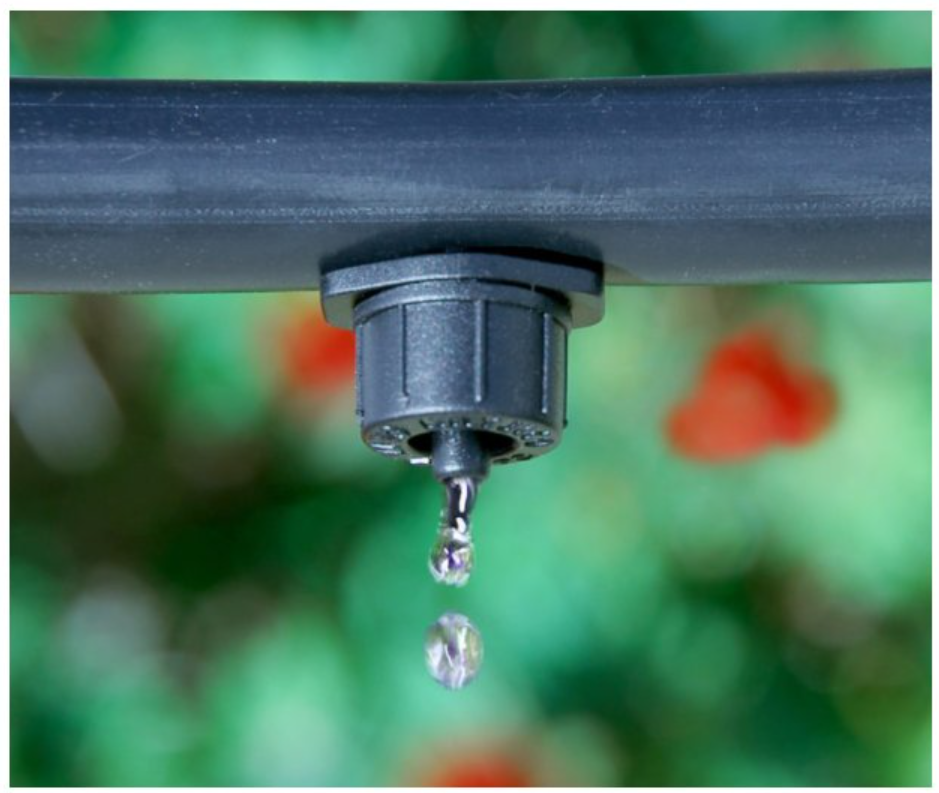
If you would like to ask us anything about drip irrigation, we are here for you at the well-known e-mail address info@higarden.eu and we look forward to your questions. We will also be happy to help you choose specific products for an effective and reliable drip system.
We also recommend these products:
What to read next?
How to Use Growing Mats?
Because a growing mat as an inert medium is excellent for use in a window box as well as for drip irrigation within a hydroponic system, let us now briefly focus on the TOP growing mats on the market and their practical use.
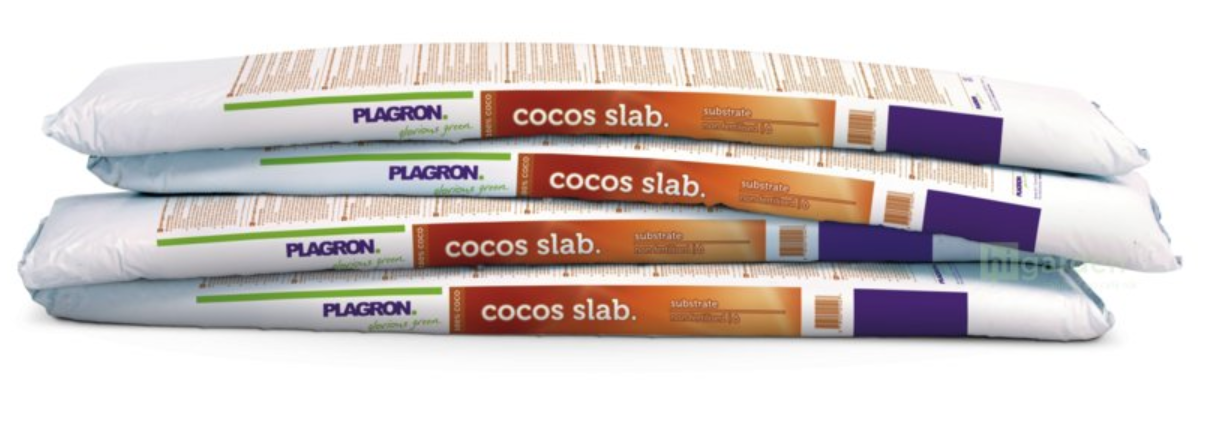
These growing mats for plant cultivation are made from coconut fibres (besides Cocos Slab, for example also UGro Slab - compressed mat). Compared with the mineral-based mats listed below, they stand out above all for their 100% natural composition and meet the strictest quality standards (RHP).
When using the one-metre growing mat Cocos Slab from Plagron, proceed as follows:
- Shake well before use, but do not rinse. The substrate is ready for immediate use.
- Just check that the drainage holes at the bottom of the Cocos slab are large enough.
- Place the plants into the Cocos slab.
- pH of the water to 5.5.
- The advantage of this growing mat from the Plagron brand is the fact that it naturally ensures low EC values.
- The manufacturer’s dosing tables will help you with the nutrition of plants grown in growing mats. Dosing tables are provided directly by the manufacturer. The Cocos Slab growing mats are a truly perfect medium for hydroponics. If you decide to use them, we recommend combining them with two-part nutrition from the same brand, namely Plagron Cocos A+B, as well as with the supplements Power Roots, Pure Enzymes and Green Sensation.
- The substrate itself contains no fertilisers, so you can dose the nutrition above according to the dosing tables from the very first day. However, the substrate contains the beneficial fungus Trichoderma, which has a beneficial effect on the healthy development of a strong root system in your plants, as it can surround it and effectively protect it, for example against mould attack.
- You can also use these growing mats from Plagron repeatedly. This, together with their purely organic origin and composition, is their main advantage compared with Grodan growing mats (see below). You can tell when it is time to replace the growing medium after several months by the measured value of EC, if it is higher than 1.8, or pH, if it is lower than 5.4 or higher than 6.5. You will find everything for measuring pH and EC values HERE.
Classic, Master and Expert (Grodan)
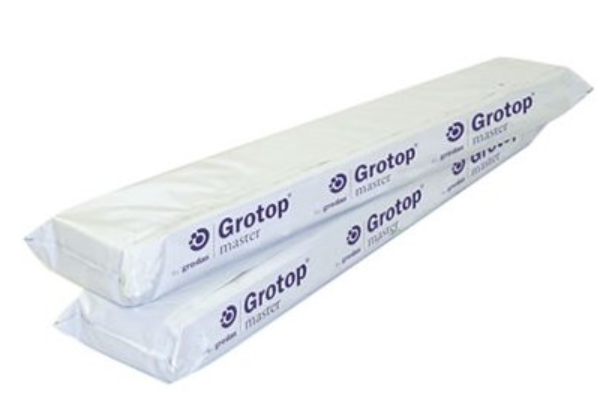
- Grodan growing mats have a mineral origin. They are made of horizontal fibres from high-quality basalt wool (rockwool), which slightly raises pH.
- As an example, we can mention the best-selling Grodan Master growing mats with different densities of hydrophilic fibres. Compared with the Classic or Expert mats, we found better water management and fertilisers with the MASTER mat.
- These growing mats have a balanced ratio of water and air. They are firm yet airy, increase the plants’ oxygen absorption and uptake of fertilisers, and maintain stable pH. They also ensure uniform plant development in the slab. In addition, they allow full control over the electrical conductivity values of the solution. As a result, among growers they are considered one of the most popular growing media for hydroponics.
- We recommend using one growing mat for only one growing cycle!
- You can use them on their own, but also as a practical base for rockwool propagation cubes.
- Before use, rockwool needs to be soaked in lukewarm water at approx. 25 °C, preferably already with adjusted pH in the range of 5.8–6.
COGR - compressed mat (Canna)
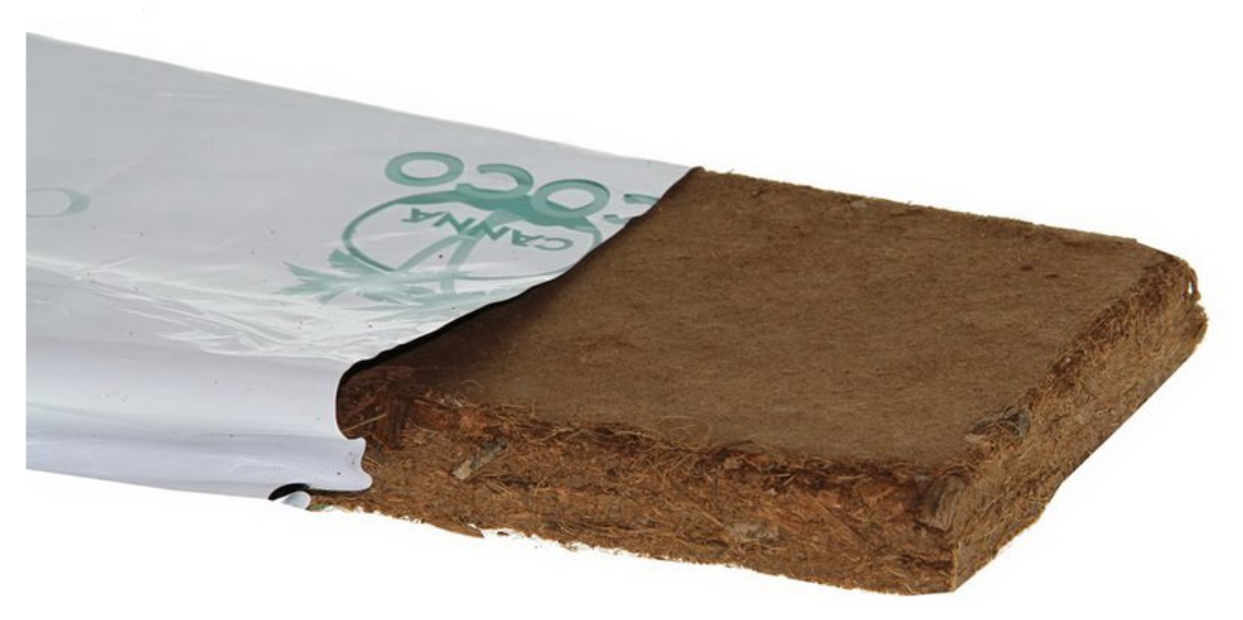
A separate chapter in the case of growing mats is Canna COGR - compressed mat, made from a special blend of coconut husks, fibres and coconut granulate, which will satisfy even the most demanding hydroponics enthusiasts.
- This inert substrate from a prestigious manufacturer is simply a clear guarantee of maximum aeration as well as absorption of nutrients and moisture!
- Just like Plagron mats, you can also use Canna COGR repeatedly - even up to three times in a row, and moreover without the slightest loss of quality.
- It is important first to moisten the compressed slabs with the special COGR Buffering Agent. Then it is necessary to fertilise with COGR Vega during the vegetative phase and switch to COGR Flores during the flowering period.
- In terms of practical use, part of these growing mats can be crushed and divided into any flowerpots. You therefore do not have to limit your purchase only to window boxes and hydroponic systems.
If you are involved in hydroponics and have not yet tried growing mats, perhaps now is the time to put that right. And if you have any questions, we will be happy to answer them at the well-known address info@higarden.eu.
We also recommend these products:
- Plagron Cocos A+B (from 329 CZK): two-part plant nutrition ideal for cultivating plants in Cocos Slab growing mats.
- Libra hydroponic window box (199 CZK): designed for both coconut and rockwool growing mats.
- pH and EC metres (from 99 CZK)
What to read next?