
Don't be afraid to use coco coir substrate again
Coconut substrates can be used without major complications for two or even three growing cycles. Let us look at how to do it, step by step.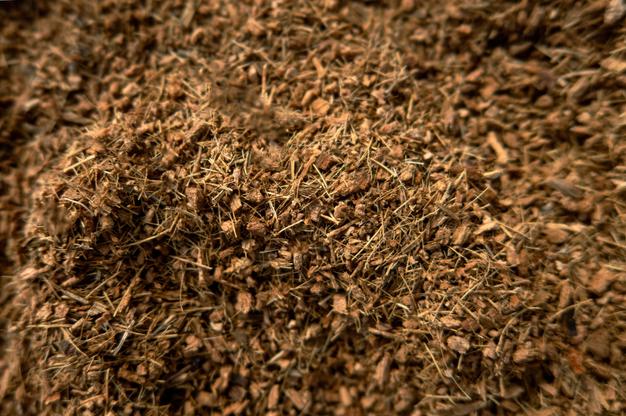
Coconut substrate is very popular among indoor growers because of its specific properties. First and foremost, it retains much more water than soil without losing its airiness. It is also popular because of its sterility - it does not favour pathogens and contains no nutrients, so you know exactly what the plants have available.
By reusing the substrate, you save money and the natural environment. You can plant the plants directly into the used substrate, or you can first mix it with brand-new growing medium. You can use coconut substrate until its fibres begin to break down; then it will lose most of its ability to retain water and will no longer be as capable of supporting plant roots.
A few tips at the start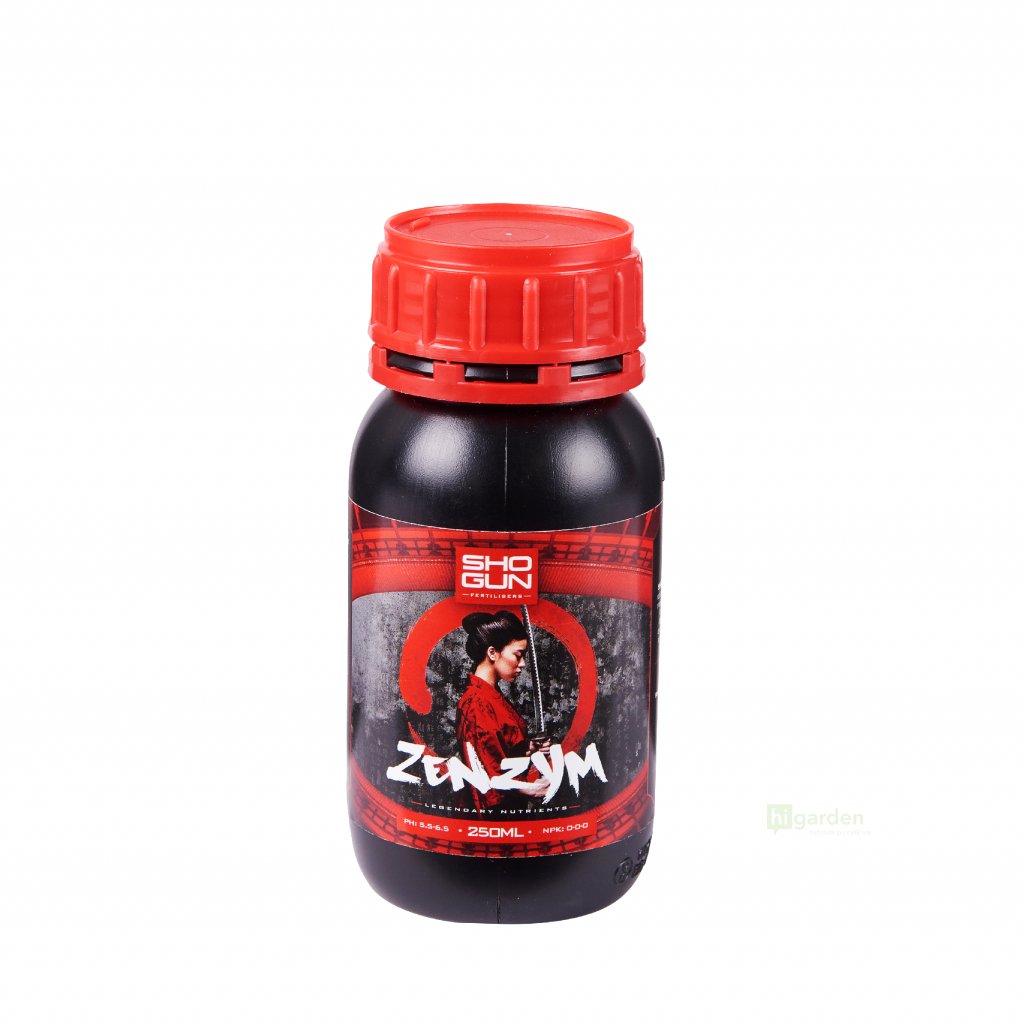
First of all, it is necessary to remove everything left in the coconut from the previous growing cycle. Start by removing plant residues, meaning all leaves, stems and roots. If you want to be absolutely sure that nothing remains in the substrate, we recommend using an enzymatic product that helps break down dead biomass.
After a very successful harvest, there should be no fertilisers left in the substrate. To prevent the plants from being exposed to salt build-up, rinse it thoroughly with water without minerals (other water could only make the problem worse), ideally water from reverse osmosis or distilled water. For good measure, also check the substrate EC and pH.
Even in a closed grow tent, there is a risk of diseases or pests. As a precaution, it is a good idea to disinfect the substrate before the next cycle. We have tested a solution of hydrogen peroxide (2 ml / 1 l of water), into which you simply soak the substrate. Afterwards, the growing medium needs to be rinsed again. Pathogens and pest larvae are also reliably destroyed by high temperatures. In practice, the main methods used are a bath of boiling water and, if you have a forgiving wife, an oven heated to at least 100 °C.
You can use revitalised substrate without any problem for mature, healthy plants. For cuttings and seedlings, place a layer of new coconut around the young roots, but you can safely put the old substrate around the edges of the container. A proven method is to mix the old coconut with the new one before transplanting.
If the coconut is already falling apart in your hands, the fibres are short and it clearly no longer retains as much water, you do not have to throw it away straight away. Even at this stage of decomposition, it still has uses: prepare it according to our instructions and you can use it to improve the properties of soil in an outdoor bed.
How do you recycle coconut substrate?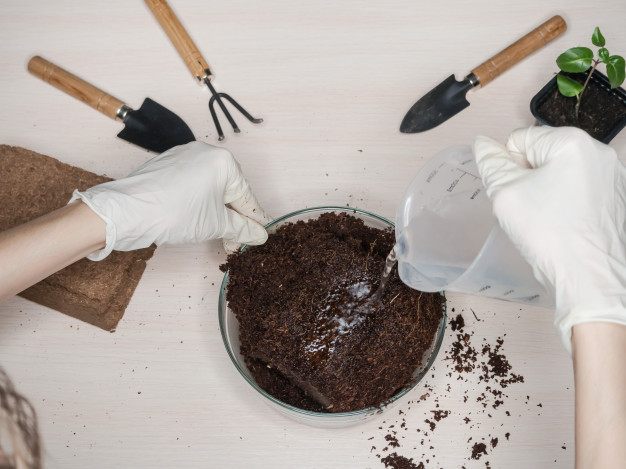
- Remove all plant residues; all old roots must be removed
- Rinse the substrate with water at least three times (preferably RO or distilled); we recommend using 2-3 litres of water per 10 litres of substrate
- Sterilise the substrate with hydrogen peroxide (35% solution, 2 ml / 1 l of water) or boiling water
- If you used peroxide, rinse the substrate once more
What should you watch out for?
- If you had problems with pests or diseases during the last growing cycle, do not reuse the substrate.
- We recommend working in a clean environment. Wash your hands or use clean gloves.
- Sterilisation removes absolutely everything from the substrate - including beneficial microorganisms. Do not skip this step because of that; instead, add trichoderma and other friendly fungi to the substrate afterwards add.
- Peroxide is a corrosive substance; handle it carefully and only in well-ventilated rooms.
- Heat sterilisation may create an unpleasant odour.
- Sterilising the substrate in the oven without agreement with your wife may cause a divorce.
- If you want to mix old substrate with new substrate, we recommend doing so before it dries out completely.
If you have any questions while reading the article, do not hesitate to contact us at info@higarden.cz.
We recommend:
- BioNova Cocomix Plus - premium coconut substrate
- Plangron Purezym - a great source of enzymes
- Plant Success Orca - adds beneficial fungi and bacteria to the substrate
Other articles: