
Signs of deficiency of important nutrients
Are you observing a plant and wondering whether it is missing something? If your herbs do not look healthy, they may be suffering from a nutritional deficiency, and it is therefore high time to give them an extra dose of one of the key elements through a suitable product.

Today’s article will teach you how to recognise deficiencies of individual elements in plant nutrition, and we will also recommend top products for their effective supplementation. In section “A” we will focus on basic nutrients (N-P-K), and in section “B” we will go through minerals and other most important elements that play an irreplaceable role in a wide range of plant biochemical processes.
One piece of advice to begin with. First of all measure pH. Before you start finding out which element your plants are lacking, if they clearly are not doing well, first of all measure the exact pH value of the substrate:
- When growing in soil, values from 6.5 to 7.0 are desirable.
- In hydroponics you need to measure lower pH values between 5.5 and 6.5.
If the measured pH values fall outside the ranges above, try adjusting the pH first and wait a while to see whether the plants begin to do better. The pH value can affect the presence of some basic nutrients or trace elements. Now let us explain how to recognise their deficiency and how to address it effectively.
Deficiency of basic nutrients N-P-K
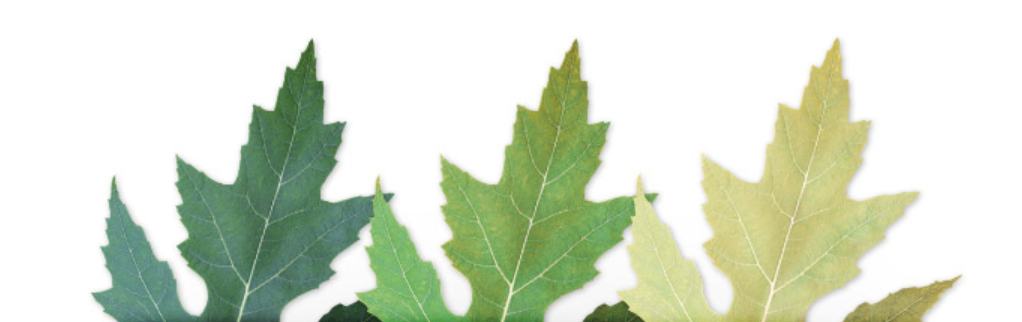
NITROGEN deficiency (N)
- Without a sufficient supply of this biogenic element, plants simply do not grow; at best, they will be small and weak. Nitrogen is, after all, the most important component of nutrition during the vegetative phase (i.e. growth) of every plant.
- Another typical symptom that can be observed with the naked eye is overall yellowing, sometimes even reddening of the leaves, followed by their subsequent drop.
- Among the strongest fertilisers for replenishing nitrogen levels is Canna N 17%. With this product you can reliably eliminate a possible nitrogen deficiency in your plants, but do not forget to dose it carefully in view of its high concentration.
PHOSPHORUS deficiency (P)
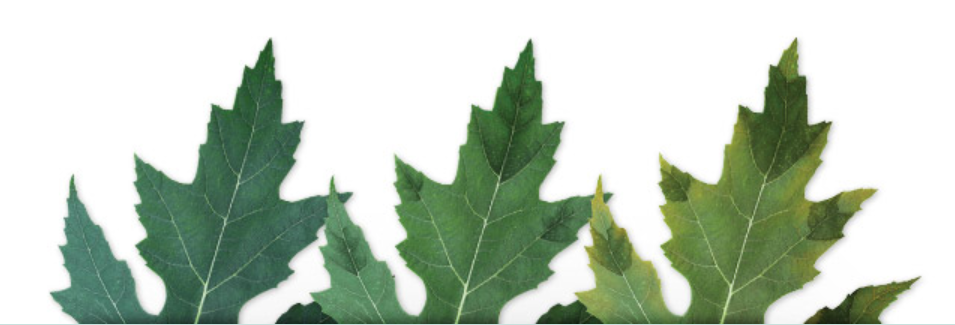
- Phosphorus is essential for the development of a healthy, strong root system, and if you read our articles regularly, you certainly know that the condition of the root system determines the plant’s ability to absorb nutrients contained in fertilisers effectively.
- In the case of phosphorus, it is a key component of nutrition during the flowering phase. In the period when plants concentrate their energy on producing abundant flowers and fruits, it is hardly ever the case that they have an excess of phosphorus.
- You will most often recognise phosphorus deficiency in plants by the premature dropping of older leaves. Also pay attention if you notice growth stalling, chlorosis of older leaves from the top down, dark grey spots and sometimes even purple-coloured patches on the leaves.
- Phosphorus is most often supplemented together with potassium in the form of PK additive fertilisers, such as Canna PK 13/14. You can also use the same product in the case of potassium (K) deficiency, see below.
POTASSIUM deficiency (K)
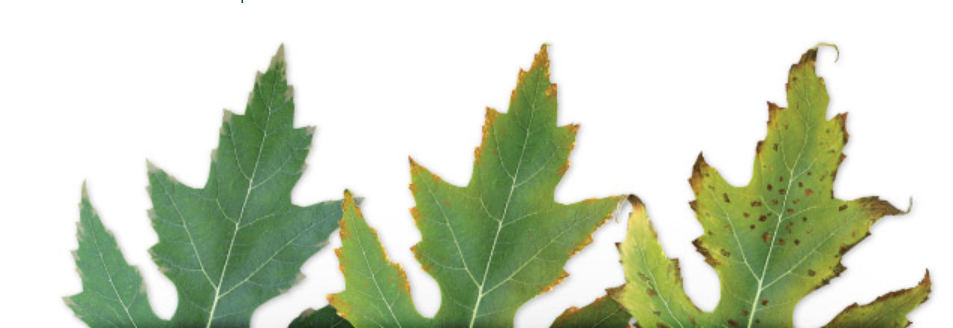
- Potassium completes the trio of basic nutrients. It is extremely important for the overall stability and vitality of the plant, helping it manage water and energy in the form of carbohydrates.
- A deficiency of this element can often be mistaken for burn damage, as older leaves yellow and the leaf edges turn brown in the same way as with scorching. Dots may also appear on the leaves.
- A classic symptom of low potassium levels in plants is stunted growth.
Deficiency of other nutrients
A deficiency of calcium and magnesium, which we mention a little further below, is effectively addressed by CALMAG-type products, such as Canna Calm