
Processing and storage
List of articles
3 Principles of Safe Drying: What to Do So Your Harvest Does Not Mould After Harvesting
After harvest, you are not done yet. It is during drying that it is decided whether your crop will turn into fragrant, high-quality dried material – or end up in the bin because of mould. It can appear quickly and ruin the entire harvest within a few days. How can you recognise mould, why does it develop, and how can you prevent it? Follow these three principles.
Mould is among the most common and at the same time most dangerous threats during drying herbs. At first glance, it may appear as a subtle white coating or small grey spots, but in reality it is microscopic fungi that spread quickly and can ruin the entire harvest. It most often appears inside dense flowers, where moisture accumulates and there is not enough air movement. Its development is mainly encouraged by high humidity, insufficient ventilation, and poor hygiene when handling harvested plants.
Choose a suitable drying method
 If you want your herbs to retain as many aromatic terpenes as possible and not lose active compounds, make sure they dry slowly. Fast drying does reduce the risk of mould, but at the expense of the quality of the dried material. Herbs dried too quickly have an unpleasant odour and taste bitter.
The optimal drying time is roughly 7 to 21 days and will depend on the temperature, humidity, and movement of the surrounding air, as well as the size of the plants and their flowers. If you dry plants whole (hung upside down by the crown), they will dry the slowest. Drying will be slightly faster if you divide the plants into individual branches. The fastest method is then drying on drying nets, where you can dry individual flowers divided into smaller parts. A newer method is drying in drying bags made of breathable plastic. These protect the flowers from mould spores while also sealing in valuable terpenes.
The drying speed is also affected by how you clean the plants before drying. If you remove only the large leaves and trim the small “petal” leaves on the flowers only after drying (dry trim), they will dry slightly more slowly. If you clean the flowers thoroughly before drying (wet trim), they will dry faster.
You may also be interested in: Guide to perfect drying
Do not underestimate the right climate
Mould thrives best in a humid environment. During the drying process, relative humidity should not exceed 65%. Ideally, you should keep the humidity between 50% and 55%. You can easily reduce the air humidity in the drying area with a dehumidifier, but be careful that the warm air from the device does not blow directly onto the flowers. They would dry out too quickly.
The ideal temperature for drying medicinal herbs is roughly 18 °C - 20 °C. At higher temperatures, valuable monoterpenes evaporate quickly. If you want to slow the drying down a little, you can lower the temperature to 16 °C. Remember, however, that slower drying increases the risk of the crop being affected by mould.
To prevent moisture condensation, it is necessary to ensure constant air circulation in the drying room. If you are drying in a grow tent, leave the extract fan running at least at low power – it will help remove humid air and bring fresh air in. In the room where the tent is located, open a window or at least the door to the next room so that the air can move freely and does not build up in a closed space. If conditions allow, you can also use a small fan to gently move the air between the drying flowers. However, be careful that the airflow does not point directly at them.
Care pays off
 Be as careful as possible during harvesting, drying, and subsequent processing. It would be a shame to throw away months of hard work in the final stage. When harvesting, inspect the plants thoroughly for signs of mould. Pay particular attention to the largest flowers, which may look healthy on the outside but already be mouldy inside. If you come across a mouldy part of the plant, separate it from the rest of the crop immediately and be even more cautious during drying. In such cases, it is often better to divide large flowers into smaller parts and dry them on drying nets.
Also pay attention to hygiene. Disinfect scissors and other tools before use and wear disposable gloves. This will protect not only the plants, but also your hands from resin, which can be irritating. If you have come across parts affected by mould, disinfect the tools again after removing them and replace the gloves with new ones.
Monitor the humidity and temperature in the drying area with a thermometer with hygrometer and check every day that everything is proceeding without problems. Mould can appear on the flowers even during the drying process. In such a case, remove the affected parts immediately, lower the humidity, and increase the temperature in the drying room.
You may also be interested in: Drying without worries with DRYFERMBAG
Would you like to learn how to grow like professionals, or are you interested in news from the growing industry and legislation? You will find all this and much more on the Higarden growing blog!
How to Process and Store Mushrooms at Home?
Full baskets can be admired in the hands of passionate mushroom pickers during autumn days on the way home from the forest and on social media. Mushroom season is in full swing, and for lovers of fresh mushrooms, the smell of home becomes literally intoxicating at this time of year. Mushrooms are food like any other. A substantial part of them will certainly be enjoyed in many ways soon after you clean and slice them. But what about all those remaining porcini? Read on to find out how to process and then store mushrooms so they do not spoil and retain their original nutritional values for a long time!
Use drying nets
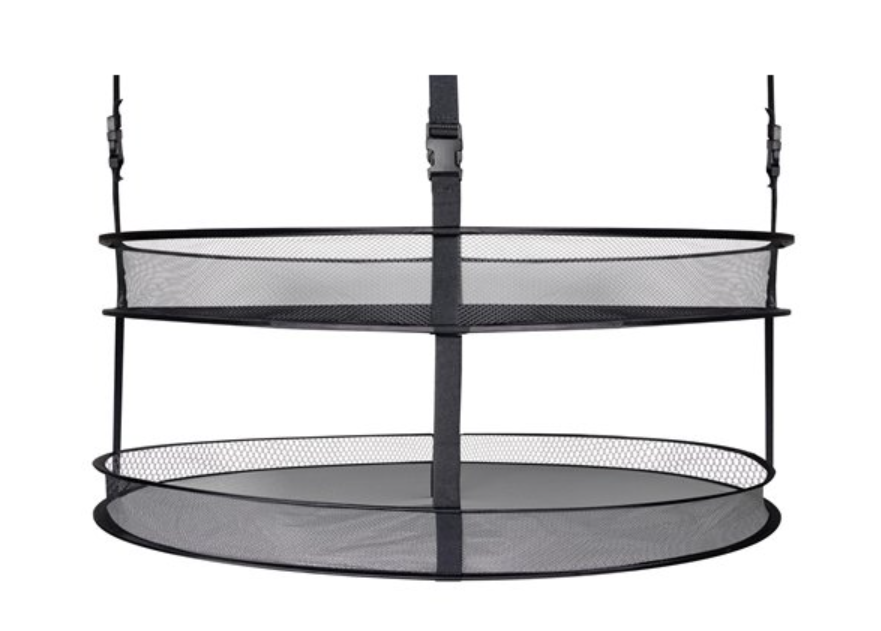
If you dry mushrooms properly, they will not lose any of their nutritional value. Practical aids for mushroom pickers therefore already include drying nets. Depending on the diameter or number of tiers, you can simply choose from a wide range of options according to how much your fragrant autumn finds have started to pile up at home. The individual tiers together create a considerable drying area, which means that you can easily dry a large quantity of carefully cleaned and sliced porcini at home without them taking up too much space indoors, as drying nets are by their nature very space-saving. And because the sliced mushrooms will not be everywhere you look, you can focus only on the ideal places for drying mushrooms, which are shady and airy.
Quality drying nets for mushrooms are also useful all year round for indoor growing (see separate article: Home mushroom growing). In addition to mushrooms, they are also intended, for example, for drying herbs grown in a grow tent.
Airtight containers are the answer
Once the mushrooms are properly dried, it is worth not underestimating their storage. And by that we do not mean only the classic advice such as: “Put the mushrooms into jars and store them somewhere dark.” A much more sophisticated solution is available, which, like drying nets, also allows for universal use in the future beyond storing mushrooms. TightVac airtight containers are excellent for smart storage of practically all kinds of food you can think of! Transparent or opaque storage containers of various sizes will not let through even strong aromas, which are inseparably linked with some types of produce, yet you do not want them to be smelled all over the flat.
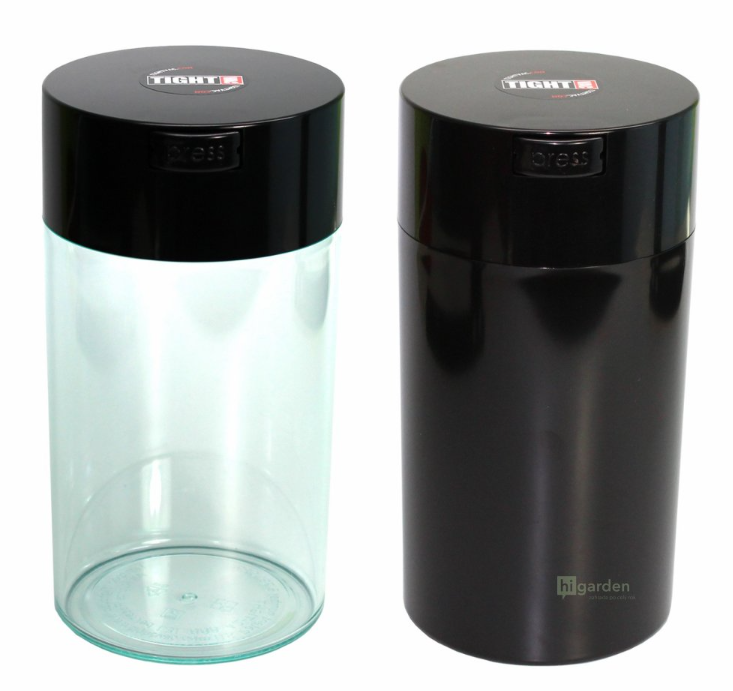
The airtight food containers shown in the picture work on the principle of vacuum. They will protect your food long-term from external moisture and at the same time will not allow unwanted odours accumulated inside the storage container to escape. They are made of health-safe plastic that is also durable. This is, after all, another unobtrusive but major advantage over ordinary jars, which must be handled carefully every time so that, before long, you do not end up sorting shards and dried produce from the floor with your knees, Cinderella-style, because of a moment’s inattention. And cheap plastic substitutes are hardly worth mentioning.
Maintaining optimal humidity inside the storage container is key to preserving mushrooms
And it really takes very little! Storing mushrooms in such a way that they remain a source of distinctive flavour and part of a healthy diet even after a longer time requires one more handy trick. It is small, inexpensive, and yet it will take care of maintaining ideal humidity inside the storage container, preventing sad scenarios in the form of over-dried mushrooms or, even worse, mould caused by excessive moisture, which means the final loss of the stored porcini. In terms of preventing mould, it is generally not recommended to rinse picked mushrooms with water, but only to clean them thoroughly with a knife before drying (see above). You are probably already wondering what this simple and popular tool for perfectly balanced humidity is. We will not keep you in suspense. They are sachets with the patented Integra Boost technology, which we have already mentioned several times on our blog. The detailed description of each variant explains how easy they are to use.

The picture also shows which pack size you should use depending on the size, or rather the weight, of your harvest. For the third time, it also applies that Integra Boost two-way humidity control is useful not only for storing mushrooms, but also dried herbs and other foods, from fruit and vegetables to favourite coffee or tea. And what does two-way humidity control actually mean in practice? The patented technology either releases or absorbs moisture. This achieves optimal humidity in a sealed environment, which the Integra Boost sachets then maintain until the smart, easy-to-read indicator card clearly signals in blue that it is time to use a fresh sachet again.
Now it is up to you whether you save time and hassle with the above-mentioned tricks, or whether you stick with the oven, radiators and jars. Finally, let us briefly summarise all our recommendations for processing and storing mushrooms for greater clarity:
- Do not rinse freshly picked mushrooms with water, but clean them carefully with a knife.
- Then place the sliced mushrooms into the individual tiers of the drying net.
- For hanging the mushroom drying net, always choose a shady and airy place if possible.
- Move well-dried mushrooms into an airtight container made of health-safe plastic. Not only for practical reasons, but above all to preserve their original properties and health-beneficial nutrients for a long time.
- Maintain optimal humidity inside the storage container so that your mushrooms remain in perfect condition for the whole year or even longer by using sachets with the patented Integra Boost technology.

Do not forget that if you would like to ask us anything about storing your harvest, we are here for you at the well-known e-mail address info@higarden.eu.
We also recommend these products:
- Biotabs Starterpack
- PLANT!T GEMINI - Hydroponic circulation system
- Plant Success Mycorrhizae Great White Granular 1
What to read next:
- High temperatures when growing indoors. How can you avoid them?
- Aqua Master Tools - digital measuring instruments from the Netherlands
- How to deal with plant diseases?
How Can You Increase the Terpene Content in Your Harvest?
In today’s article, we will focus on how to fully use the potential of growing aromatic and medicinal plant species. Fragrant herbs such as lavender, but also citrus fruits, for example. You will learn how to ensure that your harvest is characterised once and for all by an exceptionally intense fragrance. And as the title of the article suggests, it is above all necessary to maximise the amount of contained terpenes, which are responsible not only for a pleasant scent, but also for beneficial effects on our physical or mental well-being.
It is precisely terpenes that, as specific organic compounds, give individual plants their unmistakable scent. It is simple. The more terpenes there are, the more intoxicating aroma we can expect. Beautiful and healthy plants should pleasantly impress every grower with a proper natural fragrance, and so we will now explain everything essential that relates to a high terpene content in every harvest.
There are tens of thousands of these volatile substances, formed in the trichomes on the surface of plant leaves, in nature, and each terpene has its own unique aroma. And because nature is a master of alchemy, once we smell a particular plant, the scent we perceive represents a combination of terpenes that are currently dominant. As you can see from the following lines, fragrance is not the only reason to try to achieve the maximum possible terpene content with every harvest. Let us mention at least the most important ones:
- Limonene: at the beginning of the article, we mentioned citrus fruits, and it is limonene that is responsible for their fresh scent. Numerous health benefits have also been proven for this substance, whether in the form of anti-inflammatory, antioxidant or anti-stress properties.
- Myrcene: lemon grass, mango, thyme or hops, for example. Myrcene predominates everywhere there, and a small amount of it is also added to beer.
- Pinene: herbalists know this terpene with its spicy forest scent very well, and have used its beneficial effects since time immemorial as part of therapy for easing inflammation or asthmatic problems. Pinene is commonly found, for example, in conifers, oranges, rosemary, dill or parsley.
- Beta-caryophyllene: the spicy and woody scent of this terpene is probably best known thanks to cloves. It is no coincidence that in herbalism and natural healing, cloves are often used to treat painful dental conditions. Beta-caryophyllene relieves pain because it contributes to the release of analgesic endorphins in the body and at the same time suppresses the psychological component of perceived pain. Besides cloves, it can also be found, for example, in black pepper or basil.
- Eucalyptol: a remarkable amount of this terpene can be found not only in eucalyptus, but also in sage, wormwood, bay leaf, or cardamom.
- Nerolidol: the woody and earthy scent of this terpene can most easily be compared to fresh tree bark. Nerolidol is found in ginger, jasmine, cajeput, lavender, lemon grass, eucalyptus, basil, black and green tea, cardamom, stevia, tarragon, lemon verbena, thyme or star anise. It is interesting that this terpene, for which numerous studies point to possible anti-inflammatory or even neuroprotective effects, also plays a protective role in the wild against being eaten by certain herbivores.
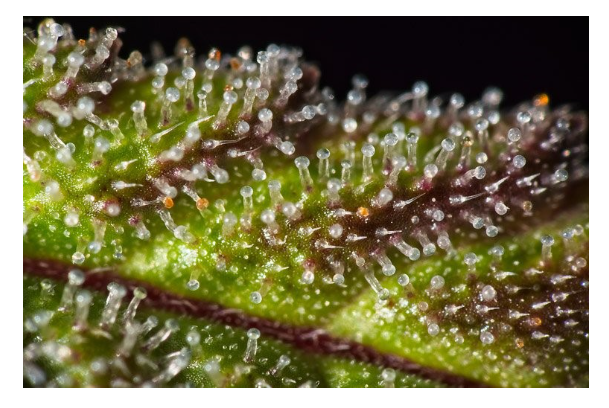
After introducing some of the best-known and most useful aromatic terpenes, we can move on to the methods that allow growers to support their content in the final harvest as much as possible.
Factors that most affect terpene content in the harvest
- Careful selection of the variety
It should be borne in mind that the representation and composition of rare terpenes in the harvest are largely influenced by the genetic predispositions of the selected variety. The genetics of a given variety or phenotype literally determine which terpene will dominate in the composition, as well as which terpene will not be represented at all. If, for example, when growing medicinal herbs you expect certain health-related properties, it is important to take an interest in the choice of genetics in relation to dominant terpenes in advance and accordingly carefully select the variety to which you will then devote proper care when growing in a grow box, in a greenhouse or in the garden.
- Optimal growing conditions
This point should not surprise you in any way, as it is obvious that if you provide your plants with a stable and favourable microclimate, they will reward you with a high level of production of rare aromatic substances. This is easiest to achieve in a grow tent, and you will be able to enjoy a harvest with a high terpene content several times a year (see, for example, the separate article: Choosing your first tent with everything included).
Our TIP: Discover modern Garden Highpro grow boxes!
It is also necessary to avoid degrading already formed terpenes due to an unsuitable growing environment, which would be a great pity and would be reflected significantly in the final quality and value of your harvest. Therefore, do not forget to keep an eye above all on insufficient humidity or excessively high temperatures. The most critical period in this respect is the late flowering stage. At this point, the plants have usually already managed to produce most of the terpenes. And because terpenes belong among volatile substances, you must do everything as a grower to protect ripening plants from high temperatures, whether when growing outdoors during hot summer months or indoors, where quality grow room ventilation will also help provide your plants with optimal conditions for development all year round.
- Spectrum and intensity of the light source
Light has a huge influence on terpene production. Whether it is grow lamps or the sun, plants mainly need truly usable light for terpene production, from which they draw energy for key biochemical processes.
On the other hand, it is important to emphasise that you will not support the desired content of aromatic substances at all if you overdo it with the intensity of the light rays falling on the surface of your plants. Excessive light intensity causes so-called flower bleaching, and you can almost say goodbye to terpenes.
That is why we will be happy to advise you on choosing a suitable grow lamp for a grow box, or you can use ready-made complete grow box sets. On this topic, we have also prepared these separate articles for you:
- Growing under artificial lighting: HPS vs. LED
- How high above the tops of plants should the light be hung?
The experience of professional growers from around the world also clearly points to the fact that the overall terpene content in plants can be effectively increased by the action of the ultraviolet UV-A and UV-B light spectrum. However, this spectrum is not found in ordinary grow lights. That is what supplementary lighting sources are for, created directly for this purpose (see the separate article: How to use UV radiation indoors?).
Some growers have also wondered why plants grown outdoors, exposed to natural sunlight, ultimately show a significantly higher amount of contained terpenes than those grown in a greenhouse or polytunnel. This is because the sun emits ultraviolet radiation, but film and polycarbonates then filter it out in order to extend the life of the material before it reaches the plants.
- Timing of the harvest
We have already mentioned that we find the most terpenes in plants in the later stages of flowering. The ratio of terpenes, as well as their content, changes during plant ripening, so harvesting at the right time is also crucial for the best possible results. Even beginners will surely realise that insufficiently ripe flowers have not yet reached their full potential in terms of terpene content. Terpenes contained in overripe flowers or fruits gradually degrade. So before you decide to harvest, if you have the opportunity, consult a more experienced grower, especially at the beginning, and you will see that over time, with increasing experience, you will learn to recognise the perfect moment for a terpene-rich harvest yourself.
- Overall plant health
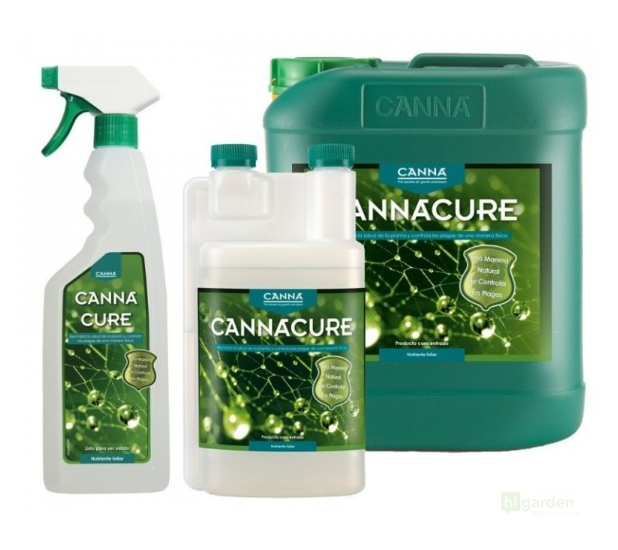
If pests or diseases attack your plants, terpene production will start to decline rapidly. That is why we recommend not underestimating prevention. We have also prepared the following separate articles for you:
- Proper plant nutrition
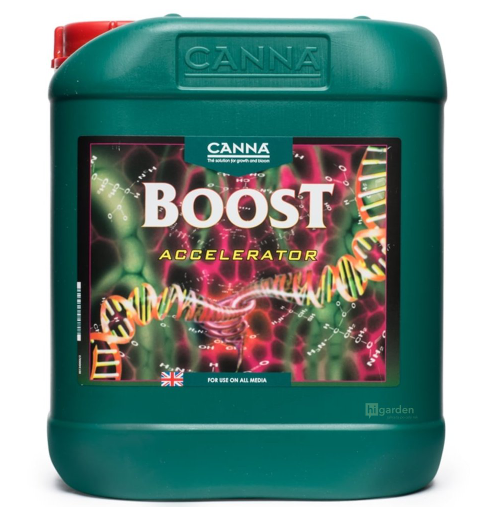
You will find a whole range of proven fertilisers and stimulators in our e-shop range, which are characterised by their ability to maximise the content of aromatic and health-promoting substances in cultivated plants. Popular BIOCANNA organic fertilisers, which unlike mineral fertilisers contain a wide spectrum of various plant substances formed during organic plant cultivation as a result of the activity of beneficial microorganisms in the root zone, contribute for example to a higher content of fragrant substances and sugars in the final harvest. In addition to the basic organic fertilisers Canna BIO Vega (100% organic fertiliser for growth) and Canna BIO Flores (100% organic fertiliser for flowering), a similar principle is also used by the additive CANNABOOST Accelerator, which significantly stimulates and accelerates plant metabolism. In addition to strengthening the photosynthetic activity of plants, it also contains plant regulators, ensuring higher yields and better taste and aroma of the final harvest. It is a powerful stimulator that increases the concentration of fragrant terpenes as much as possible!
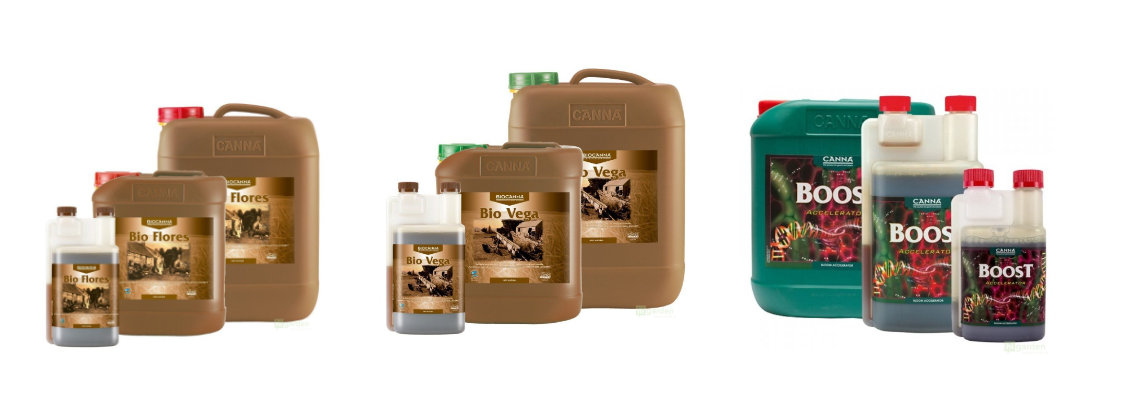
If you would like to ask us about other quality fertilisers and supplements that will raise the concentration of terpenes contained in your harvest to the maximum possible level, and thus also increase the overall value of your harvest, or if you have any other questions, do not hesitate to consult us at the well-known e-mail address info@higarden.eu.
We also recommend these products:
- LED Set 720W Lumii Black
- Clip fan PF 15 cm 15 W 2 speeds
- Plant Success Mycorrhizae Great White Granular 1
What to read next:
Drying and Curing – The Path to a Delicious Harvest
When a grower finally harvests ripe flowers, a moment of satisfaction arrives — and at the same time one of the most important stages of the entire season. The flavour, aroma and effect of the final dried material depend on the way you dry and cure the harvest. A few mistakes are enough for months of work to come to nothing. So how should you dry and cure it so that the result is worth it?
What do you imagine when you hear quality dried material? A strong effect, pronounced aroma or delicate flavour? Probably all of these together. Behind these qualities are cannabinoids, terpenes and other substances that form in the plant and are stored in trichomes. To preserve as much of them as possible, you must handle the harvested plant material carefully during processing. Proper drying and the subsequent refining (curing) determine whether your harvest will smell of fruit or of wet hay.
Different drying methods
 The first step towards a flawless harvest is gentle and slow drying. The aim is not merely to dry the plant material, but to do so in a way that preserves as many active compounds as possible in the dried material. These are hidden in trichomes, microscopic glands on the surface of flowers, leaves and stems, where cannabinoids and terpenes are formed. With rough handling, the trichome heads break off and fall from the flowers in the form of a fine resin-like powder. The trichomes on flowers are the most valuable; they contain the greatest amount of active compounds and have a higher monoterpene content than trichomes on leaves and stems.
The more you handle the plants, the more trichomes you will lose during drying. The gentlest method is to remove only the dried and yellow leaves from the plants and dry them whole, hanging upside down. This method ensures slow drying, which is important because herbs that dry too quickly lose terpenes and have a bitter taste. The optimal drying time is roughly 7 to 21 days at a temperature of 16-20 °C and relative humidity of 55%. During that time, the plant material should lose roughly 70–80% of its weight.
There is always a certain risk of mould during drying. This is especially true for large outdoor plants or those that have already been affected by mould. In such a case, remove all large leaves from the plants before drying. This will increase air circulation around the flowers. The flowers will dry a little better if you separate the plants into individual branches. Alternatively, you can dry the flowers divided into smaller parts on drying nets. Before that, however, do not forget to remove the small petals (wet trim).
You may also be interested in: How to harvest the most fragrant outdoor crop
|
|
Temperature |
Relative humidity |
|
Drying whole plants |
18-20 °C |
50-55 % |
|
Drying by branches without large leaves |
16-19 °C |
50-55 % |
|
Drying on nets |
16-19 °C |
55-65 % |
How to equip a drying room
 A room for drying herbs must be well ventilated and completely darkened. Light degrades both cannabinoids and terpenes, and air circulation is important so that the plant material does not become damp and start to mould. If you do not have a suitable place in the house, a growbox (grow tent) with an activated extract fan will do for drying herbs.
Throughout the drying period, monitor the temperature and humidity in the drying room with a thermo-hygrometer. If the humidity rises too high, the best solution is a dehumidifier, on which you only need to set the desired humidity. When drying in a growbox, place the dehumidifier in the room with the grow tent, not directly inside it, so that the warm air does not dry the herbs too quickly.
You can tell well-dried flowers by the fact that they feel dry to the touch, spring back slightly and break off the stem easily. If the herbs crumble easily between your fingers, that is a sign of over-drying. This is not ideal, but all is not lost. If you place the dried material in a space with higher humidity (above 65%) for one or two days, it will regain some moisture. Check the flowers roughly every 6 hours.
You may also be interested in: FERMBAG: A revolution in drying
Trim and curing
If you did not do so during harvest, after drying it will be necessary to clean the plants of the remaining leaves, especially the small leaves around the flowers (dry trim). Trimming is painstaking work, and we recommend equipping yourself with sharp spring-loaded scissors with a sharp tip. Disposable gloves will also come in handy, because the resin of some medicinal plants can irritate the skin. For cleaning tools and hands, do not forget to add disinfectant alcohol to your basket.
In theory, the dried and trimmed buds can be used immediately; however, you can still improve the quality of the dried plant material. Curing (refining) is a technique in which the dried material is left to mature for several weeks to months under controlled conditions. During this time, residual moisture in the dried material spreads evenly and the plant material loses some chlorophyll, which has a bitter taste.
Curing is usually carried out in glass or metal jars that can be sealed airtight. Fill the containers with the trimmed flowers to about three quarters full so that there is some space for air. You can add a humidity control sachet inside, which will ensure that maturation takes place under optimal conditions. Finally, store the maturing dried material in a dark place with a stable temperature in the range of 15-18 °C.
Depending on the cultivar and personal preference, you can leave the dried material to mature for several weeks to months. During the first week, open the containers every day and allow the dried material to air out once a day for about 20-30 minutes, but be careful about the surrounding humidity. If it is raining outside, the humidity at home can also be around 70-85%, and the dried material will absorb it very quickly. It is therefore a good idea, in rainy weather, to seal the room off from the outside environment before opening the container and measure the humidity in the room where the container with the maturing material will be opened. Before closing it, gently mix the flowers in the container with a clean tool so that fresh air reaches all of them. In the second week of curing, it is enough to open the containers two to three times. In the following weeks and months, air the dried material at least once a week.
For more tips and guides on legal cultivation, visit our Higarden blog for beginners and advanced growers.
Pruners
When harvest time comes, efficiency and precision are key factors. Trim, or pruning, is the process of removing leaves and keeping the flower as clean as possible. Traditional hand shears can be a reliable tool, but if you are looking for a faster and more efficient way to trim flowers, trimmers or shears may be very useful. In this article, we will look at the different types of trimmers and who they are suitable for, and we will also compare the time saved when using shears and trimmers.

Example of time savings: Trimmers for flowering herbs can trim faster than any other tool, which significantly reduces the time needed to process a large harvest. It is important to realise that the choice of trimmer depends on your needs and the scale of the harvest. Hand shears are suitable for small growers and amateurs, while electric trimming machines and manual trimmers for flowering herbs are suitable for larger and commercial growers. Using the right trimmer can significantly increase your productivity and save time when harvesting flowering herbs. Manual and electric trimmers save time by hours; typically, trimming time is reduced by 2-4 times compared with hand trimming with shears.
Hand shears:
Hand shears are a traditional tool for trimming flowering herbs. They guarantee precise cutting and minimal losses. They are suitable for smaller harvests and growers who prefer detailed control. Hand shears are also affordable and do not require electricity.
Example for this group: PF Garden Shears, large curved
More in the category Shears
Manual trimming machines:
Manual trimming machines are a middle ground between hand shears and electric machines. They are easy to transport and provide faster trimming than hand shears. These machines are suitable for growers who need to trim medium-sized harvests.
Example for this group: VF Trimmer 50 cm (19")
More in the category Manual trimmers
Electric trimming machines:
Electric trimming machines are an excellent choice for trimming larger harvests. They are faster than hand shears and require less physical effort. These machines are ideal for commercial growers and people who need to process large quantities of flowering herbs.
Example for this group: VF Table Trimmer, 3 speeds
More in the category Electric trimmers
Industrial trimmers:
These are semi-automatic and automatic machines designed specifically for trimming flowering plants in huge quantities. They are the fastest and most efficient choice for large growers and industrial operations. Trimmers allow automated trimming of up to 16 kg per hour.
Example for this group: Sunflower Automatic Trimmer L - Light
More in the category Electric trimmers / Sunflower and Master Trimmer
Preparing flowers for trimming is an important step that ensures efficient and clean cutting.
The following steps will help you prepare flowers for trimming:
Harvest at the optimal time: Harvest flowers at the optimal ripe stage, which depends on the specific species and its purpose (for example, medicinal flowering herbs are harvested at a different stage than herbs for textile production). Avoid harvesting too early or too late so that the plants are in the best possible condition.
Choose a suitable working environment: Trimming should take place in a clean, well-lit and well-ventilated environment. This ensures that the work is comfortable and hygienic, reducing the risk of mould.
Cut away large leaves and stems: Before trimming, remove large leaves and coarse stems. This will make access to the flowers easier and minimise the risk of damaging the flowers with the trimmer. At industrial scale, the machines will take care of this for you.
Prepare your tools: Make sure that you have all the necessary tools and materials ready, including trim, gloves, glasses and a container for collecting removed leaves and flowers.
Clean the plants: If you have plants outdoors and they are dirty, rinse them with clean water and let them dry.
Start trimming carefully: Begin trimming carefully and proceed slowly. Make sure that you remove excess leaves, but avoid damaging or losing valuable trichomes.
Drying: After cutting, place the flowers on drying nets. In the spaces, monitor temperature and humidity so that you achieve 21°C and 55% humidity. The drying time depends on your conditions; it can take 4-12 days, but even longer. The right time to move them into containers comes when the stem cracks but does not break completely. We do not recommend speeding up drying, as you will lose aroma and flavour.
Store the harvest properly: After trimming, place the flowers in suitable containers or sealable containers to preserve freshness and aroma. Open the containers once a day for 20-30 minutes to release internal moisture.
Be careful with cuttings: Cuttings (removed leaves and flowers) can be used to make oil, tinctures or other products. Be careful not to lose them and use them efficiently. Tools and devices for processing can be found in the category Pressing / Extraction.
Preparing flowers for trimming requires care and attention to detail. Following these steps will help you ensure clean and efficient trimming and keep the quality of the harvest at the highest level.
If you have any questions or need advice on choosing, our specialists are available at info@higarden.eu.
We also recommend these products:
- VF Table Trimmer, 3 speeds, electric
- Icer PF pollen separation washer + set of 3 separation bags
- Trim Bin Harvest Cut Tray, complete set
What to read next?
- Everything for the autumn harvest
- How can you increase the terpene content in the crop?
- Prima Klima - odour filters with activated carbon you can rely on
What to Do with Harvest Residues
 The main goal of most growers is to harvest unpollinated flowers full of active compounds and terpenes. But what should be done with the “leftovers” — that is, trim, leaves, stems and roots? For most growers, these are merely waste that ends up in the bin or compost, but that is a great shame. These parts of the plant contain valuable substances that can be turned into home remedies, cosmetics or treats.
Harvest time is always a time of joy for growers, but it also brings more work. Bear in mind that if you decide to make further use of the leaves or roots of the plant, you should treat them with similar care during harvesting and drying as you would the flowers. When drying, ensure the correct conditions, namely low air humidity of around 55%, a temperature in the range of 18-21 °C, darkness and a supply of fresh air. Under no circumstances should you use mouldy dried material or plants treated with pesticides for further processing.
You may also be interested in: How to harvest the most fragrant outdoor crop
Sugar leaves
The English term “sugar leaves” refers to the small leaves around the flowers that are covered in trichomes and contain a relatively large amount of cannabinoids and terpenes. You can prepare effective extracts, tinctures or ointments from them, or use them in a similar way to the flowers (sifting resin, vaporising herbal blends).
Do not forget that CBD occurs in dried material in its acidic form (CBDA), which is inactive when ingested. In order for CBDA to be converted into CBD, the dried material must first be decarboxylated, that is, heated to a sufficiently high temperature for a certain period of time. Decarboxylation takes place to some extent during the cooking of oil or ointment itself, but for better effects of the final product it is better to heat-treat the dried material first.
- Enriched butter or oil: Cannabinoids bind very well to fats, so cooking dried material in butter, oil or another fatty carrier (coconut oil, lard) is a very effective extraction method. Simply heat an appropriate amount of dried material slowly at a temperature of about 80 °C for 2-3 hours and then strain it.
- Homemade herbal ointment: There is a great deal of evidence that CBD and other cannabinoids are very effective when applied topically, especially for pain, eczema and skin injuries. You can use medicinal petroleum jelly, coconut or olive oil, shea butter or lanolin as the base for a homemade ointment. The procedure for preparing a basic herbal ointment is simple. Add approximately 20 to 50 grams of dried material to one kilogram of carrier and heat the mixture in a water bath or in an oven set to a low temperature for about 2 hours. The temperature of the mixture should not exceed 80 °C, so that the cannabinoids are not degraded. You can then strain the mixture or leave it to cool and repeat the heating process several times in order to extract the maximum from the dried material.
- Tincture: As with fats, alcohol is also an excellent tool for extracting active substances from herbs. The “green dragon”, or herbal tincture with a high alcohol content, was a common remedy for pain or insomnia in the past. Preparation is easy. Add approximately 10 grams of decarboxylated dried material to 200 ml of strong alcohol and seal it in a bottle or jar. Leave the mixture of herbs and alcohol to macerate for several weeks at room temperature in a dark place. Finally, filter the mixture through a coffee filter.
- Sifting resin: Like flowers, the leaves around them contain a significant amount of trichomes with a stalk and head, in which active substances and terpenes are hidden. The trichomes can be separated from the rest of the dried material mechanically or with a suitable solvent. The result is a concentrated “resin” (hashish, ice hash, rosin, resin) with a high proportion of active substances and terpenes. Sifting resin through a fine sieve (so-called dry sift) is one of the oldest methods of producing herbal concentrates.
- Vaporisation: Inhalation of vapours rich in active substances and terpenes is a very effective and fast way of consuming medicinal herbs. For this purpose, thoroughly cleaned, dried and mature flowers without seeds are most suitable, but the leaves around the flowers also conceal medicinal potential. However, the consumer must be prepared for the fact that they do not have such a delicate flavour. A great way to give less aromatic dried material a pleasant scent is terpene sachets.
You may also be interested in: Drying and curing – The path to a delicious harvest
Large leaves
Compared with those on the flowers, the trichomes on large leaves contain a very small amount of cannabinoids and valuable monoterpenes. Nevertheless, they are rich in antioxidants, chlorophyll, fibre, minerals and vitamins, which makes them an excellent ingredient for the kitchen. You can also process them into ointments, but bear in mind that a larger amount of dried material will be needed than if you used flowers or sugar leaves.
- Green smoothie: Add fresh leaves to your favourite smoothie.
- Herbal tea: Pour hot water over the dried leaves and leave to infuse. The infusion will have an earthy flavour and calming effects. You can also add other herbs to the herbal tea, such as mint, lemon balm or even ginger and honey.
- Salads: You can use the leaves in salads. They have a distinctive flavour that pairs wonderfully with mustard dressing, strong cheeses and fruit.
Roots
Roots are probably the most overlooked part of the plant among growers, yet they have a long tradition in folk medicine dating back thousands of years. Ancient Chinese, Greek and Roman texts already describe decoctions, compresses and pastes made from roots used against pain, inflammation, cramps or bleeding. Even in the 18th and 19th centuries, they were recommended for rheumatism, inflammation or urinary problems. Although roots contain only trace amounts of cannabinoids, especially CBD, they also contain friedelin and epifriedelanol, which are known to have antioxidant, anti-inflammatory or anti-cancer effects.
- Tincture: Roots are a great ingredient for the “green dragon” whose preparation we described above.
- Balm or ointment: You can also add roots to a herbal ointment. First dry them and then crush them into pieces or a fine powder. Then add the roots to the herbal ointment and proceed according to the instructions above.
Stems
Of all the residual parts of the plant, stems contain the fewest active substances, but they are rich in cellulose and lignin, that is, strong plant fibres. The best use is composting or mulching, or you can make decorations from them. We do not recommend using dried stems as supports for plants, because they may become mouldy and spread mould spores into the surroundings.
For more tips and guides for beginner growers as well as experienced growers, visit the Higarden blog.
Extracts Easily and Quickly
The extraction of plant extracts is both a science and an art, allowing you to obtain the best from plants – from valuable terpenes to active compounds – while removing unwanted components such as waxes, fats and plant material. Whether you choose methods that use solvents or take the safer solventless route, the key is selecting the right process. Join us as we delve into the fascinating world of extraction, where traditional methods meet the latest technologies, and discover how each of them can affect the final product.
The aim of extraction is to separate the active components (terpenes, active compounds) from unwanted ones such as fats, waxes or plant material. The various techniques used to achieve this are divided into two basic categories according to whether solvents are required during extraction or not.
Extraction using solvents: These extraction methods use organic solvents (butane, alcohol, isopropyl alcohol, dimethyl ether, CO₂) that separate trichomes (resin) from the organic material. This is followed by a separation process, during which the resulting extract is heated, mixed or otherwise treated to create a concentrated product.
Solventless extraction: Solventless extraction methods include a wide range of techniques, from traditional ones such as sieving to modern water separation or pressing. In these techniques, trichomes are separated from the plant material mechanically, using agitation, pressure, heat or cold.
Each of the extraction methods mentioned above has its advantages and disadvantages. The main differences between the individual techniques are yield and the quality of the final product. The types of extracts obtained differ in appearance, structure, consistency, active compound content and purity, depending on the quality of the raw materials and the extraction processes used.
Solventless extraction methods
 The main advantages of solventless extraction are safety and a relatively low purchase price for the equipment. These techniques give growers the assurance that the final product will be non-toxic. In addition, there is no risk of poisoning or injury during production, as is the case when using flammable solvents.
Sieving
Sieving (dry sift) is one of the oldest methods of resin extraction, used by growers around the world for centuries. In this technique, dry plant material (flowers, leaves, trim) is processed and sifted through fine screens with tiny openings through which only trichomes pass. The resin is released from the dried material thanks to mechanical movement and takes the form of a sticky powder that can then be pressed, cleaned or otherwise processed.
- Hand-held dry sift screens are suitable for home growers and for those who want maximum control over the extraction process. Thanks to several screen grades, you can capture different trichome sizes, giving you the option to decide on the quality of the final product.
- Automatic pollinators work on the same principle as hand-held screens, but are equipped with a motor that sifts the material, speeding up the work.
Water extraction
Ice water extraction is based on sieving and consists of immersing the plant material in a mixture of ice and water, followed by stirring and straining through bags with a mesh bottom. Cold water makes it easier to release the trichomes, making it possible to obtain a cleaner product than with dry sieving.
- Extraction bags for pollen separation with screens of different grades are an essential tool for water extraction. To begin with, you will need a basic set of three bags (220.73,25 microns), with the screen with the largest openings (220 µm) catching impurities and plant material, the middle screen (73 µm) catching the heads of the largest trichomes, and the bottom screen (25 µm) catching the remaining resin.
- Pollen separation washers make mixing and the subsequent draining of water through the screens easier. Thanks to gentle yet thorough mixing, it is possible to achieve a higher yield and a cleaner final product than with manual processing.
Hot pressing
Pressing is one of the modern extraction methods, in which plant material or resin obtained by sieving or water separation is pressed and heated so that excess waxes and oils are separated from the product. The result is a very clean product with a high content of terpenes and active compounds. The advantage of hot pressing is the high quality of the extract obtained and the absence of solvents. This method requires a special hydraulic press with heating plates.
- Manual presses are suitable for home growers and those who want to try this method in practice for the first time.
- Automatic resin extraction presses are slightly more expensive than manual ones, but they can achieve better results.
Extraction using solvents
 The main advantages of extraction methods using solvents are yield and low cost, especially in industrial processing. However, in home conditions it is always necessary to bear in mind that most of these substances are highly flammable or may be toxic. The following lines serve only as a general introduction to some extraction methods. If you decide to use these techniques, first familiarise yourself thoroughly with the procedure and the risks, and observe all safety precautions.
Extraction with ethanol/isopropyl alcohol
Ethanol or isopropyl alcohol are the most common solvents used in resin extraction with solvents. The extraction process with these substances can be carried out in various ways, but the basic procedure always consists of soaking the plant material in the solvent and then evaporating it. The disadvantage is that polar solvents (ethanol) easily bind water-soluble compounds such as waxes or fats, which is undesirable and reduces product quality. These impurities can be removed from the product by chilling (winterisation), pressing or other methods.
Hydrocarbon extraction
One of the most popular and at the same time most effective solvent-based extraction methods is hydrocarbon extraction. These techniques use light hydrocarbons such as butane or dimethyl ether, which, thanks to their low boiling point, allow extraction and separation at low temperatures. The result is a very clean product with a high content of terpenes and active compounds. Hydrocarbon extraction allows significantly higher yields than other methods.
- Addipure extractors for extraction with dimethyl ether and N-butane are made from high-quality materials and facilitate safe hydrocarbon extraction.
Carbon dioxide extraction (CO₂)
Extraction using CO₂ is considered one of the cleanest and most environmentally friendly ways of obtaining plant extracts. In this method, carbon dioxide is heated and compressed into a supercritical state, where it behaves as both a gas and a liquid at the same time. CO₂ in a supercritical state easily penetrates the plant material and separates active compounds, terpenes and other compounds. After extraction, the CO₂ simply evaporates and is reused, making this a non-toxic process with no residual solvents. CO₂ extraction cannot be carried out without expensive laboratory equipment, which is usually not available to home growers.
Would you like to learn more news from the world of growing and get useful guides? Do not hesitate to visit our blog.
How to Store Your Harvest Properly?
What is the best way to store fresh or dried herbs and food? Today’s article answers these questions. You will find out how to hermetically seal and perfectly preserve anything natural that you need to keep in its original condition for up to a year or even longer, whether it is active compounds, nutrients, aroma or flavour. We will also explore a patented technology that monitors the optimal humidity for you, so your dried treasures stay practically fresh indefinitely.
There is no point beating around the bush. The answer to the question of what to store herbs, fruit, vegetables, coffee, tea, flour, tobacco, in short anything you like, in is: Tightvac.
Growers have taken a liking to these practical vacuum containers, which are also suitable for use in any kitchen, as a reliable solution for storing freshly harvested produce and preserving its intense aroma as well as rare or health-beneficial substances.
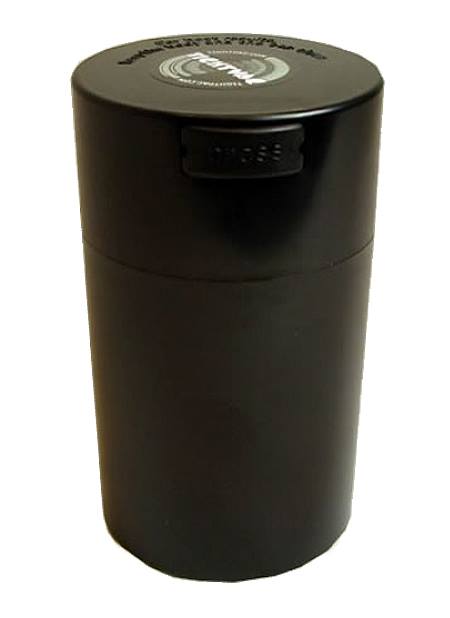
Most growers buy several airtight Tightvac containers at once, as they are available in a range of variants. You can choose from many volumes, from 60 ml up to ten litres, as well as between a transparent and an opaque variant. Our customers prefer the 1,300 ml opaque variant most. All products in the Tightvac range are made from durable, food-safe plastic.
The containers and small containers open and close easily by pressing a button, or rather by pushing down, after which air is automatically drawn out of the interior, and the precious contents, whether hidden or visible, end up in a vacuum. Tightvac stores, preserves and keeps the harvest dry. No mould or other forms of spoilage of the precious crop are a threat any more. Another advantage is easy handling.
How can you protect the harvest against drying out and becoming damp?
That is exactly what the patented, simply brilliant technology we mentioned right at the beginning of this article is for. It takes the form of smart sachets with an indicator card, Integra Boost, and works as follows...

The sachet absorbs excess moisture from the plant, regulates the humidity inside any sealed container to the required 62 % or 55 %, and once its capacity is full, you will know it from the blue dot on the indicator. At that point, simply replace the sachet with a new one, which you can repeat practically indefinitely, with absolute certainty that, for example, dried herbs will never become too dry or too damp.
These products meet strict standards for safe food storage, so you do not need to worry about placing Integra Boost products, which work on both sides with relative humidity, into any sealed container in which you store dried herbs, food or spices. In the ideal case, this can be the vacuum container Tightvac. The durable sachet is also not easily torn or damaged. Just in case, it contains only non-toxic substances and no salts.
Sachets with different weights are available, depending on the size of the harvest and the container. It will be most helpful to give typical examples of harvest size in relation to the size of the Integra Boost sachet. Both figures are given in grams:
- 4 g sachets are ideal for a smaller harvest in the range of 12 grams or less.
- 8 g sachets are among the bestsellers and maintain perfect humidity for a harvest size in the range of 12–28 grams.
- 67 g sachets take care of dried herbs weighing up to 450 grams.
How do you read the indicator card?
- Pink indicates the optimal relative humidity of 62 %.
- Lavender indicates the optimal relative humidity at the required value of 55 %.
- As soon as fresh air enters the container, humidity regulation begins, shown by the changing colour gradually turning blue, which we have already explained...
Crop degradation is also prevented by Boveda products. Their functional composition is achieved by a combination of potassium citrate and acetate. These two-way humidity regulators also have their supporters among growers and offer similar benefits in practice to Integra Boost. The characteristic feature that distinguishes them is 58 % humidity, instead of 55 % in the case of IB. The second variant remains at 62 %. Here, the indicator card is replaced by a gel content, which hardens once the sachet’s capacity is exhausted.
You now know how to store your harvest intelligently so that it remains in the same condition for many months as when you sealed it in the container. And thanks to two-way humidity control, you can say goodbye once and for all to worries about crop degradation. Finally, we have one more piece of advice for you. Remember that the more often you open the containers, the sooner the regulating sachets will be used up. If you would like to ask us anything, do not hesitate to write to us at info@higarden.eu.
- TightVac - vacuum containers in various sizes
- Integra Boost - sachets for optimal humidity
Modern Trimmers Make Working with Fresh Harvest Easier
Trimmers and trimming machines, as practical helpers for professional and hobby growers alike, are modern tools that allow the quick processing of freshly harvested herbs and, especially for growers who regularly harvest larger quantities of plants, represent a significant time-saver and a major acceleration of work.

The best is often saved for last, but this time we simply cannot resist and must introduce you right away to the Trim Buddy trimmers from Great Britain.
- A practical trimming tool for cutting plants and crops using the shaking method.
- This is the most modern way to separate leaf matter from the finished product. Lightning-fast, without scissors and without unpleasant blisters or pressure sores on the hands.
- With this helper, trimming harvested plants becomes a matter of minutes instead of several hours.
- The design is adapted for easy handling.
- The tool contains no perishable or moving blades, which has enabled the manufacturer to achieve a high level of safety and product durability.
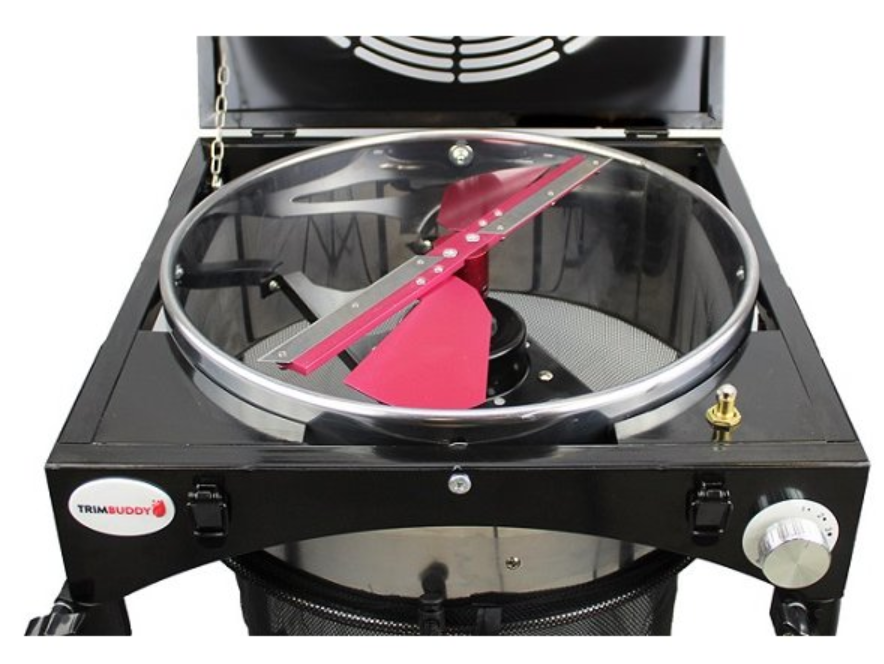
Automated trimmer for processing up to 8 kg of plants per hour!
If you harvest from a grow box several times a year and know that you want to invest in a modern trimmer, then in our view this new product on the market is the clear choice. Why?
- Table Trimmer V2 is made with feedback from thousands of professional growers in mind, and it shows. The very first reactions from our customers suggest that, in terms of price, performance and cutting quality, this machine has no competition on the market!
- The result is an easy-to-assemble and extremely efficient trimmer for surgical cutting precision, which remains incredibly even and consistent. Recessed screws also contribute to an exceptionally tight and precise cut without the slightest damage to flowers.
- Here is a list of other improvements that the new version has received based on customer feedback:
- More robust base, improved output door and a new motor.
- Adjustable height for the health of your back.
- Adjustable blades.
- Increased work safety thanks to new covers that fully seal all electronics.
- The glossy surface makes cleaning easier.
- A new bag for convenient carrying of the processed harvest.
The versatile double table plant trimmer takes the possibilities and efficiency of final harvest finishing even further. This innovative device is also height-adjustable, and the list of its most important benefits is again long. You will find it in the product description. Likewise, if growing is more than just a hobby for you and you appreciate a tip for the best possible investment in a trimmer for commercial growers who need to trim on a large scale, where both enormous time savings and the resulting quality of plants or crops in the form of finished products after trimming become apparent.
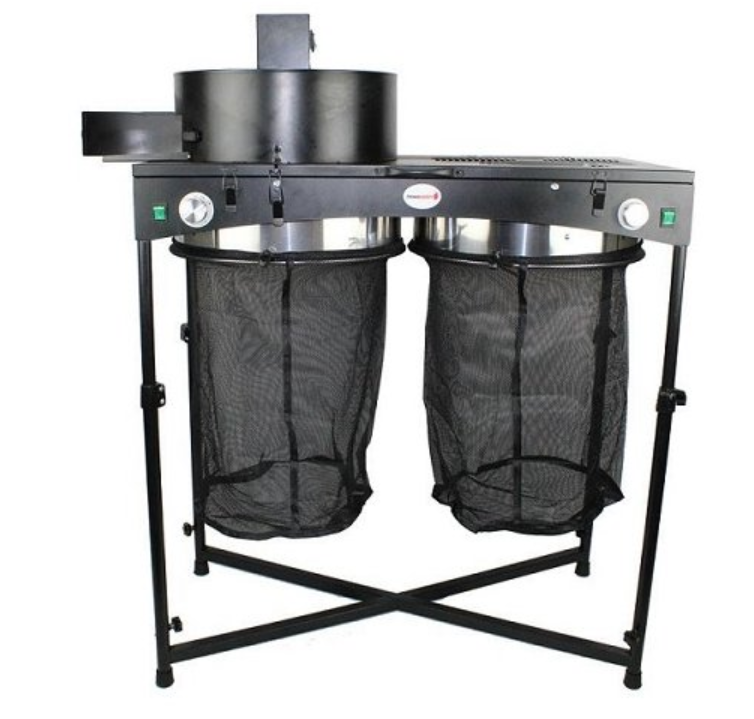
Trimbuddy are simply trimmers that few devices can match. Nevertheless, in our range you can also choose products from other brands, which will certainly serve their purpose and are also characterised by high quality. While the above-mentioned Table Trimmer V2 is fully automatic, the best-selling device in the trimmer category is the mechanical VF Trimmer with manual drive. Among the prestigious manufacturers and long-standing names on the market for sophisticated trimming tools are Trimpro trimmers, aimed primarily at professional growers in terms of both price and workmanship.
At this point, all that remains is to calculate how worthwhile it is for you to invest in a more or less sophisticated trimmer. We will of course be happy to advise you on your choice, and if you have any questions about this range, please do not hesitate to contact us at the well-known address info@higarden.eu.
We also recommend these products:
- Handheld electric trimmer Trimer Rapido Trim (7 790 Kč)
- Trim Bin Harvest Cut Tray trimming tray - complete set (1 749 Kč)
- TightVac vacuum containers (from 205 Kč): the best way to store fresh and dried plants or food.
What to read next?
Czech Sunflower Trimmer electric trimmers are enjoying success all over the world
“Trimming is easy,” says the slogan of the Czech company SUNFLOWER TRIMMER, which manufactures unique professional trimmers, with which it has already broken through worldwide and which have recently also enriched our range. Discover a revolutionary high-end solution with Czech support and service!
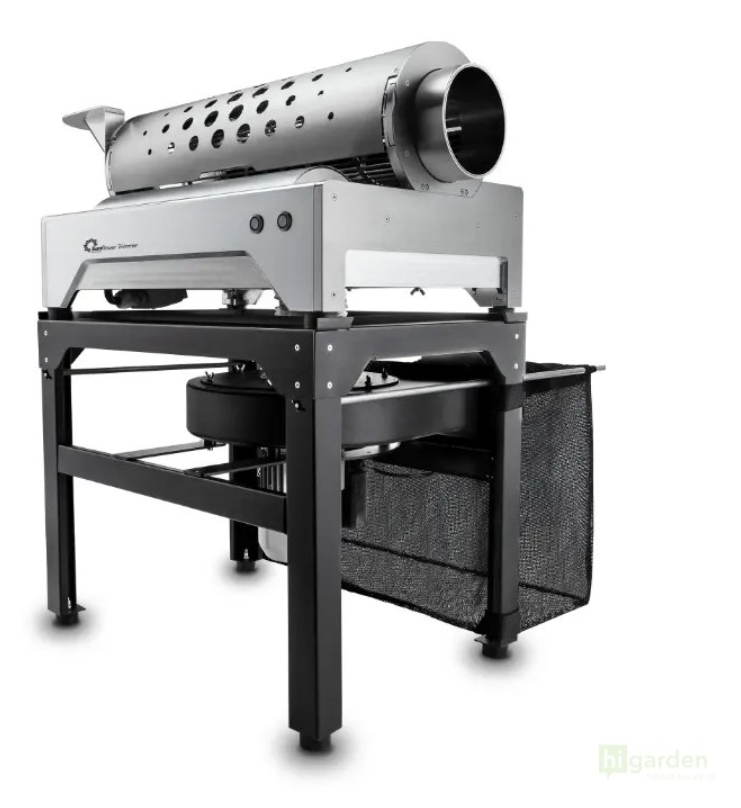
What stands behind the massive success of Sunflower Trimmer trimmers?
- Exceptionally easy to operate and clean.
- Simple capacity expansion.
- Robust trimmers are fully portable.
- Industrial design that is pleasing to the eye.
- The manufacturing materials guarantee an unusually long service life. With proper handling, your SunFlower trimmer (trimming machine) will serve you reliably forever. That is what we call a good investment!
It all began with the vision of a group of engineering enthusiasts in the heart of Europe, who carefully examined the products available on the market until they found room for improvement. Improvements thanks to a sense of detail and precision. The results were not long in coming, and in 2019 the first-class Czech-made plant trimmers received the prestigious international A’DESIGN AWARD.
In short, after years of observing everything available on the market and years of intensive research and development, Czech engineers were able to begin producing a product for customers who are looking for the best available quality on the market.
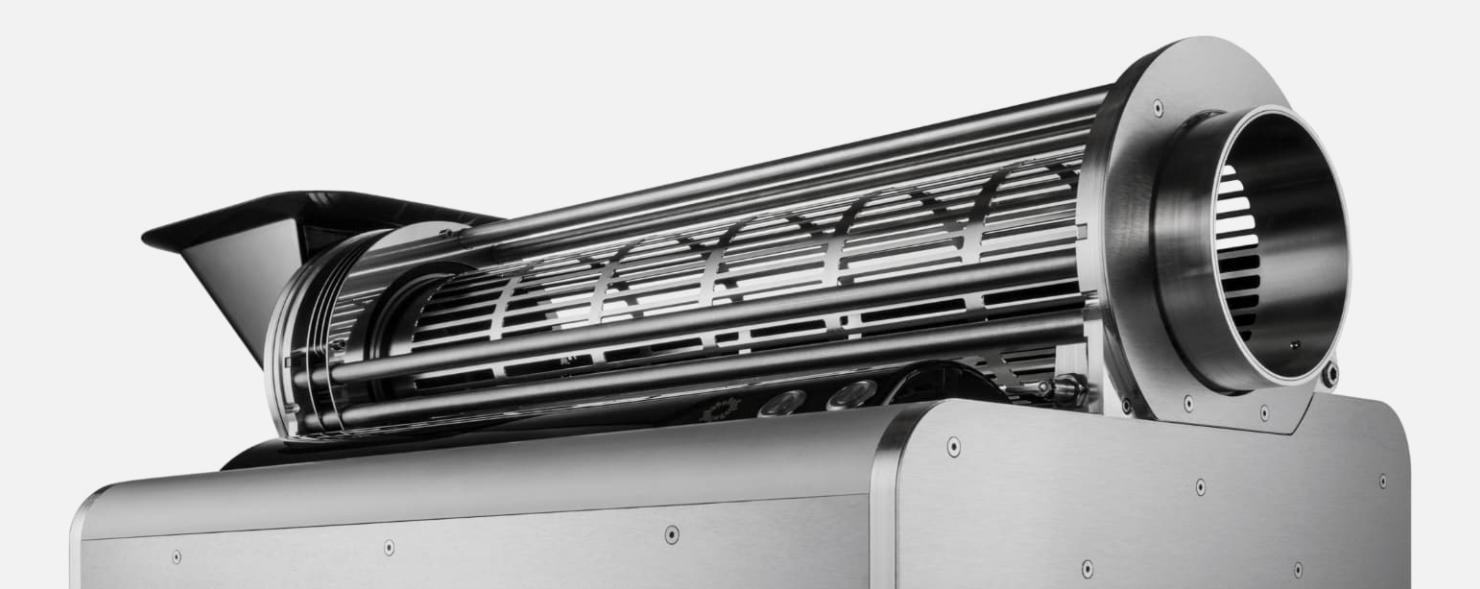
Professional growers on a global scale have long appreciated these trimmers not only for comfort, safety or quality workmanship, but also, among other things, as a means of achieving the primary goal in harvest processing, which is optimisation of production costs.
- SunFlower trimmers feature a unique industrial design, created through cooperation with a team of specialists from Brno University.
- In its own factory, the production of SunFlower trimmers is subject to strict final quality control not only for the whole unit, but also for every single component.
- The main frame or chassis of each trimmer, in other words the trimming machine, is always made from a single piece of the highest-quality aluminium, unlike other machines available on the market, which consist of several smaller and cheaper pieces welded together. This welding of multiple pieces creates joints which, one could say, form the Achilles’ heel of such devices, as they are much more prone to cracking.
Responsive customer care
- At Sunflower Trimmer, after many years of conversations and feedback from growers, they look at things exclusively from the end customer’s perspective, and therefore they know that it is not only the quality or uniqueness of the device itself that matters, but they place the same emphasis on customer care (online support) and service.
- These services are provided to you for as long as you own or rent the device. The warranty on every Trimmer Sunflower is valid for 5 years!
- With the purchase of a machine of this brand, the relationship and interaction with the customer only begins. Technical support for customers operates 24/7. This is an important part of the company’s philosophy and, we believe, also part of its success in the domestic and foreign markets.
- Based on feedback from an ever-growing number of satisfied yet demanding customers, the Czech brand does not rest on its laurels and is constantly working on further innovations that it will be able to excite them with and that will certainly receive the same or even greater response as the electric trimmers, which you can already order from us at a favourable price. We will also keep you informed about further news and expected innovations from Sunflower Trimmer.
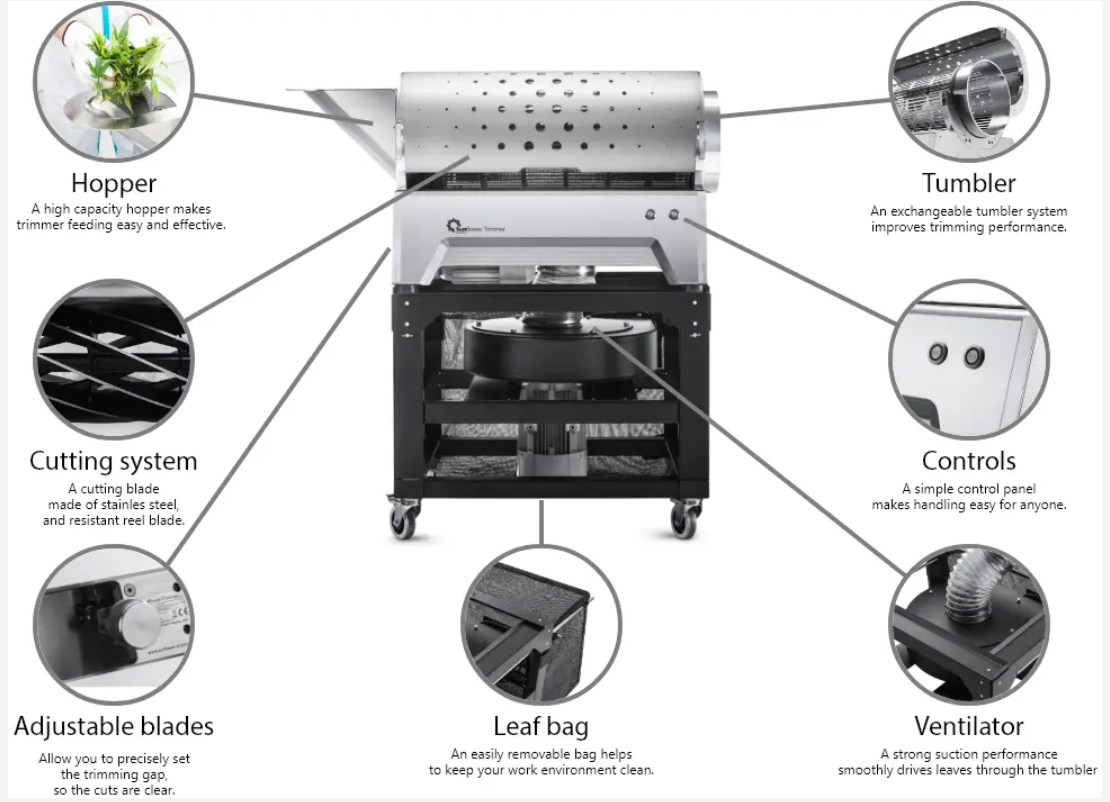
On our website, you can already order the electric trimmer in the L or XL version, as well as original accessories such as the dust filter with regeneration. Spare parts are also available, for example the replacement tumbler (cylinder), adjustable wheel pads, waste bag or grids. Do not hesitate to ask us anything about the SUNFLOWER TRIMMER range at the well-known email address info@higarden.eu. We look forward to your questions!
We also recommend these products:
- LUMii Black Digital Kit 600W (2,990 Kč)
- Lumatek ZEUS 600 W PRO 2.9 (24,990 Kč)
- Qnubu Rosin Press automatic press 20 tonnes AUTO LION, pressing area 15x20cm (49,900 Kč)
What to read next?
Listing controls
10 items total