
Spring garden work
It is a joy to watch nature in bloom. Did you know that it is in April that the changes in the garden are most visible? At this time, the spring garden really changes practically every day and calls for the intensive attention of gardeners, who are kept busy, whether it concerns beds or the lawn. That is why, during this period, we have focused on practical advice for effective spring gardening.
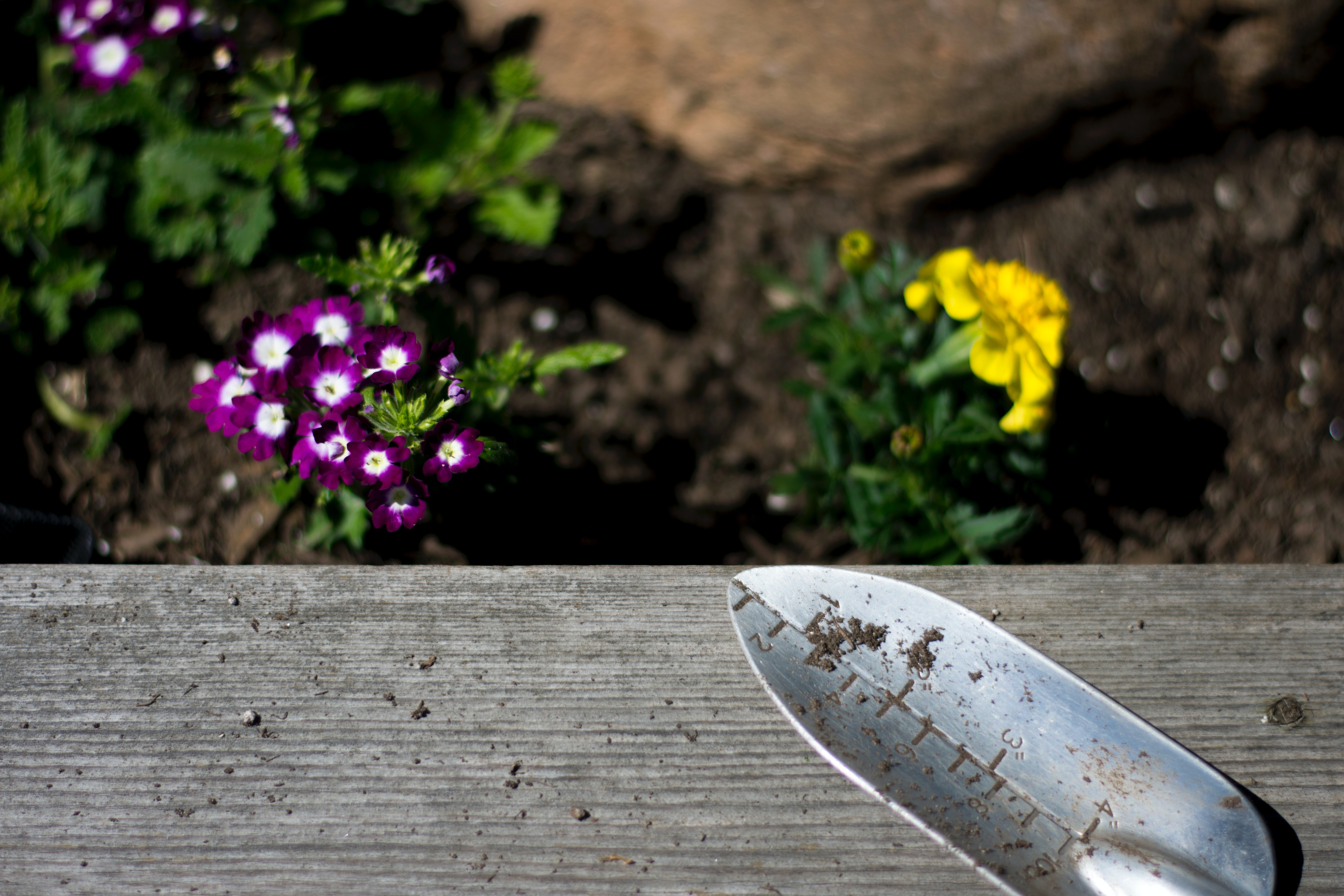
Preparing the garden after winter
Most gardeners plan the garden clean-up for the turn of February and March, but if you have not yet found time for it in this hectic period, better late than never. After all, it is your garden, so no stress. You can still catch up without any problem. For example, rake up fallen leaves and branches, as well as other plant waste that is left over in the garden after the long winter. If you have a compost heap or vermicompost in the garden, then you know where and why to put all this bio-waste. If you have not started composting yet, we recommend our Guide to composting.
An equally important part of preparation is checking your gardening arsenal. Working in the garden should above all be a pleasure, so there is no point in struggling, for example, with old garden shears or pliers.
Quality garden tools and comfortable gloves with a non-slip finish will make your preparations and later also other work in the garden much easier and faster. So what tasks should you continue with once your spring clean-up is done?
Care for beds and lawn
A straight spade will help you renew and straighten the edges between the beds and the lawn.
Weeds thrive in spring. Remove them together with moss using a spade or a sturdy trowel, because April is exactly the month when thorough and repeated weeding pays off most in the garden. This is because frequent hoeing of weeds during the period when they are going through the first two growth stages will significantly weaken them. Before you know it, summer will be here and the reward will be a clean garden, where you will only encounter weeds sporadically. This will be the first step in preventing pest infestations, which weeds in beds naturally suit very well.
With moss, it is necessary to take into account the possibility of spreading to other corners of the garden, so remove all its patches uncompromisingly not only from the beds, but also from walls, stones or surrounding paths. These actions will also save you money on products against moss and weeds (see below).
Mow the old grass at least once a week, either by hand with a well-sharpened scythe or with a mower, which will help it thicken. Keep in mind that sharp blades not only make the work easier, but also prevent unwanted pulling out of the grass with the roots.
Around the middle of April is also the ideal time for sowing grass seed. If there are bare patches on your lawn, also known as thin spots, overseed them with grass seed. For this purpose, a grass mixture designed directly for overseeding lawns or other grassy areas will serve you well.
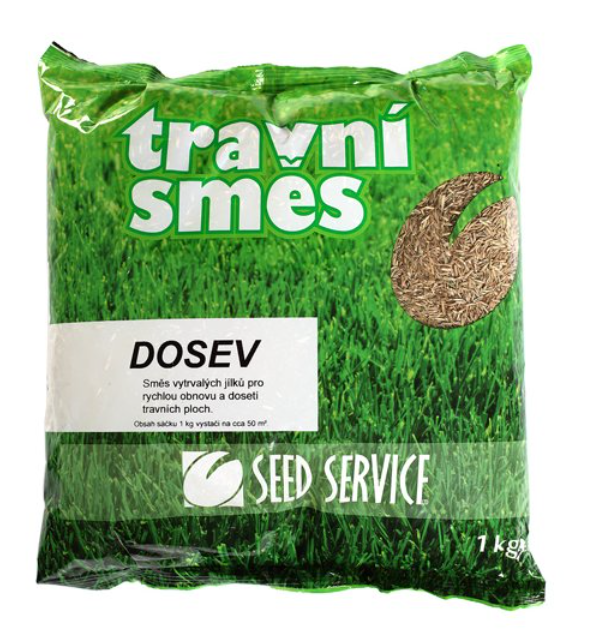
In general, lawns do less well in the sunniest parts of gardens. It is practical to dig up such areas and turn them into a flowering spring meadow sown with a bee-friendly grass mixture. In addition to the aesthetic aspect and greater diversity in your garden, you will attract pollinators and other beneficial insects.
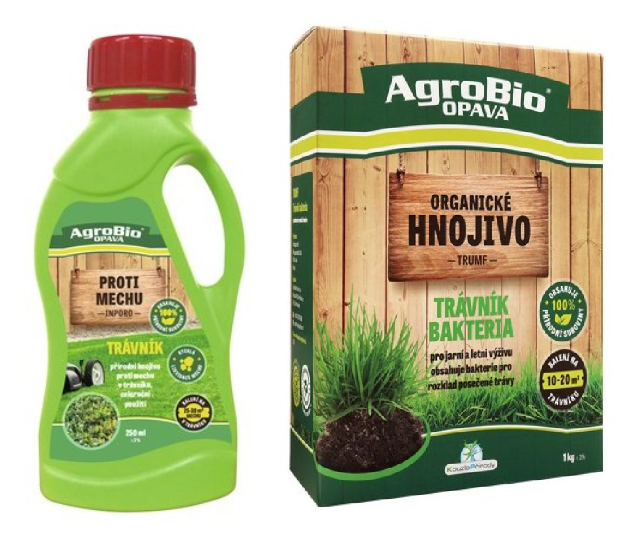
You can use these proven products to care for a beautifully green and dense lawn:
- The Czech product AgroBio INPORO against moss in lawns is a purely natural fertiliser for lawns that visibly suppresses moss within one or two days.
- AgroBio Healthy Lawn - for a beautiful lawn without weeds
- AgroBio TRUMF is also a popular organic fertiliser intended for lawn nutrition.
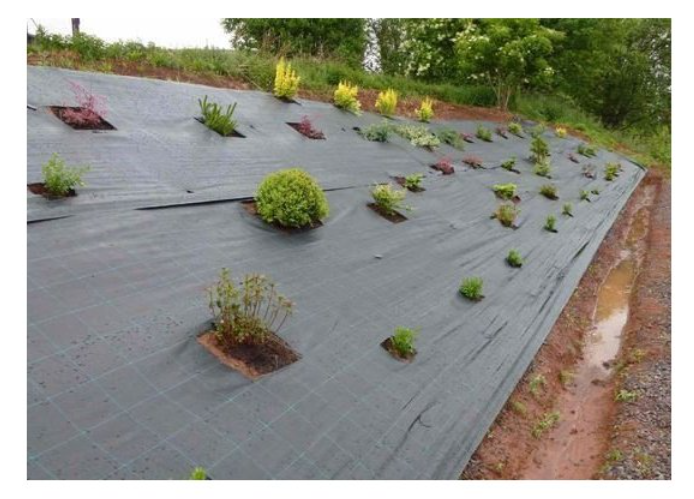
Among gardeners and farmers alike, mulching the lawn is often mentioned as the cheapest method of lawn maintenance. However, you can also mulch vegetable beds or, for example, shrubs and trees. Rainy spring weather favours this activity, as the soil is sufficiently moist. Conversely, never mulch dry soil. Mulch means a covering of the soil surface with organic material, typically finely cut grass, straw or mulch bark. As you can see in the picture, mulching also uses a sturdy woven mulching fabric, which will last you for several years and whose use also brings other benefits:
- Suppression of weed growth in beds.
- Reduction of soil drying out.
- The black colour reflects sunlight, thereby supporting fruit ripening.
Spring planting and fertilising in beds
Although nature sometimes helps us water the garden in the spring months, do not rely on rain alone, because especially freshly sown seeds or newly planted seedlings require sufficient irrigation. Therefore, water thoroughly loosened soil generously not only after sowing, but also before it. The fact that seedlings have taken root does not mean that they are no longer very sensitive to drought. Therefore, never allow the soil to dry out.
Our TIPS for irrigation:
- If you are already tired of physically and time-consuming hand watering, put aside the watering can for plants and replace it with drip irrigation, or DRIP Previous article Next article