
What are the best fertilisers for hydroponics and how to use them correctly?
Choosing the ideal plant nutrition is especially important with this popular growing method. That is why we will help you find your way around the market for hydroponic fertilisers, including a wide range from our shop.
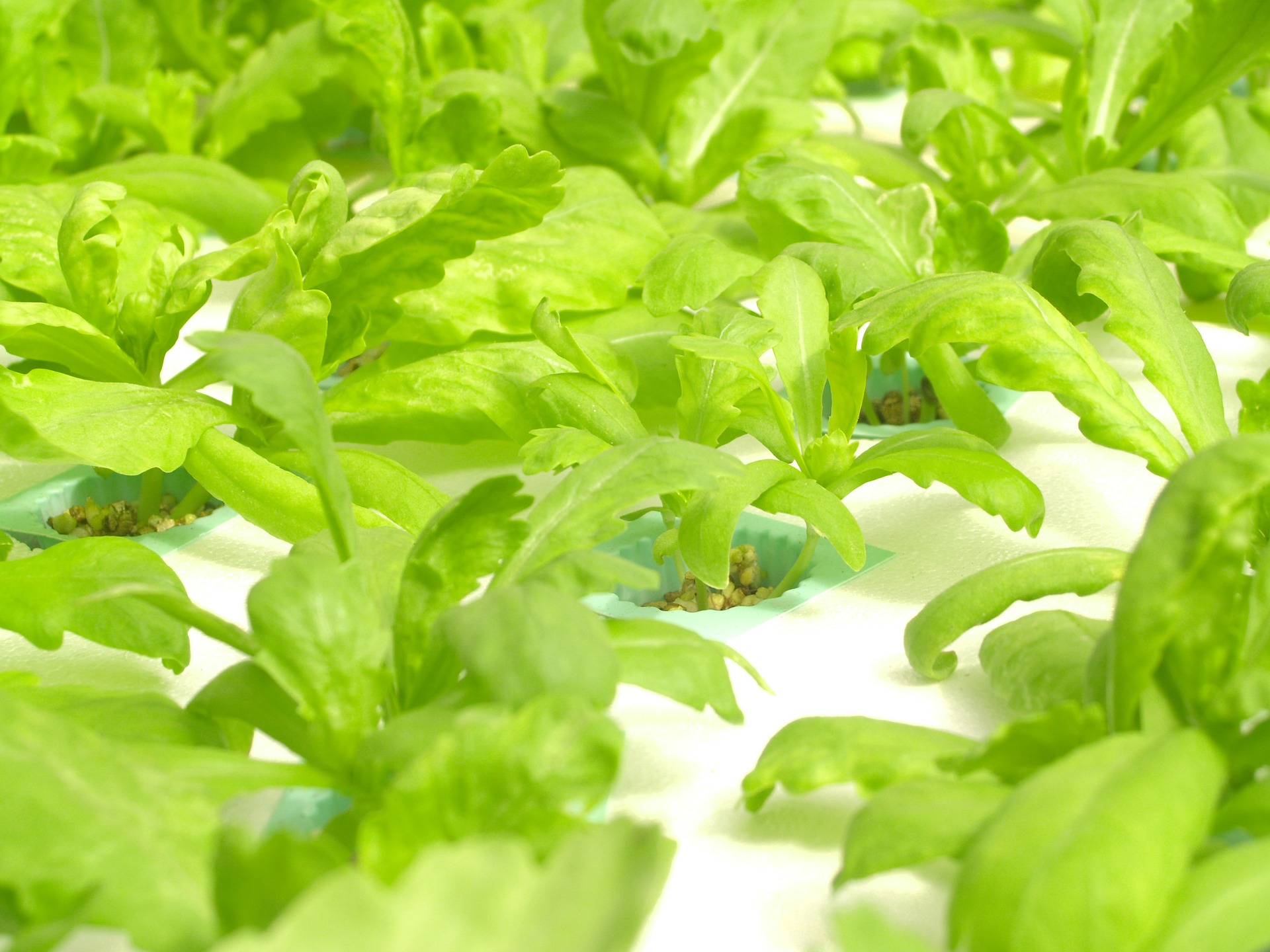
As with other growing methods, if you want to achieve a truly abundant harvest and do not want to wait forever for it, then in hydroponics you also have the option of using a range of interesting additives beyond basic nutrition. We mean, for example, root or flower boosters and other additives, for example in the form of top-quality enzymatic products. These products should form an integral part of comprehensive nutrition for hydroponically grown plants, where high quality and yield are expected.
- Liquid fertilisers are a safe bet. You prepare a nutrient solution from water and fertiliser in the specified ratio and apply watering in smaller amounts but at more frequent intervals. Never use the nutrient solution for longer than one month.
- Tablet fertilisers are a fully fledged alternative to liquid fertilisers. Tablets are characterised by the gradual release of nutrients.
Less is sometimes more, and that also applies to hydroponic fertilisers
We have also prepared detailed fertiliser dosage tables for you, which will make using premium nutrition, including for hydroponics from our shop, as easy as possible in practice. For each manufacturer, you only need to find the table and the instructions valid for hydroponic fertilisers. If you follow them, you will reduce the risk of overfeeding and other beginner mistakes to a minimum, and your little plants will grow like mad. However, hydroponics is an especially clean method that is not as tolerant of nutrition mistakes as, for example, growing in soil or coco. Therefore, you will do no harm if, at the beginning of the growing cycle, you prepare the nutrient solution for hydroponically grown plants at only half strength and only gradually reach the recommended dose over the following weeks.
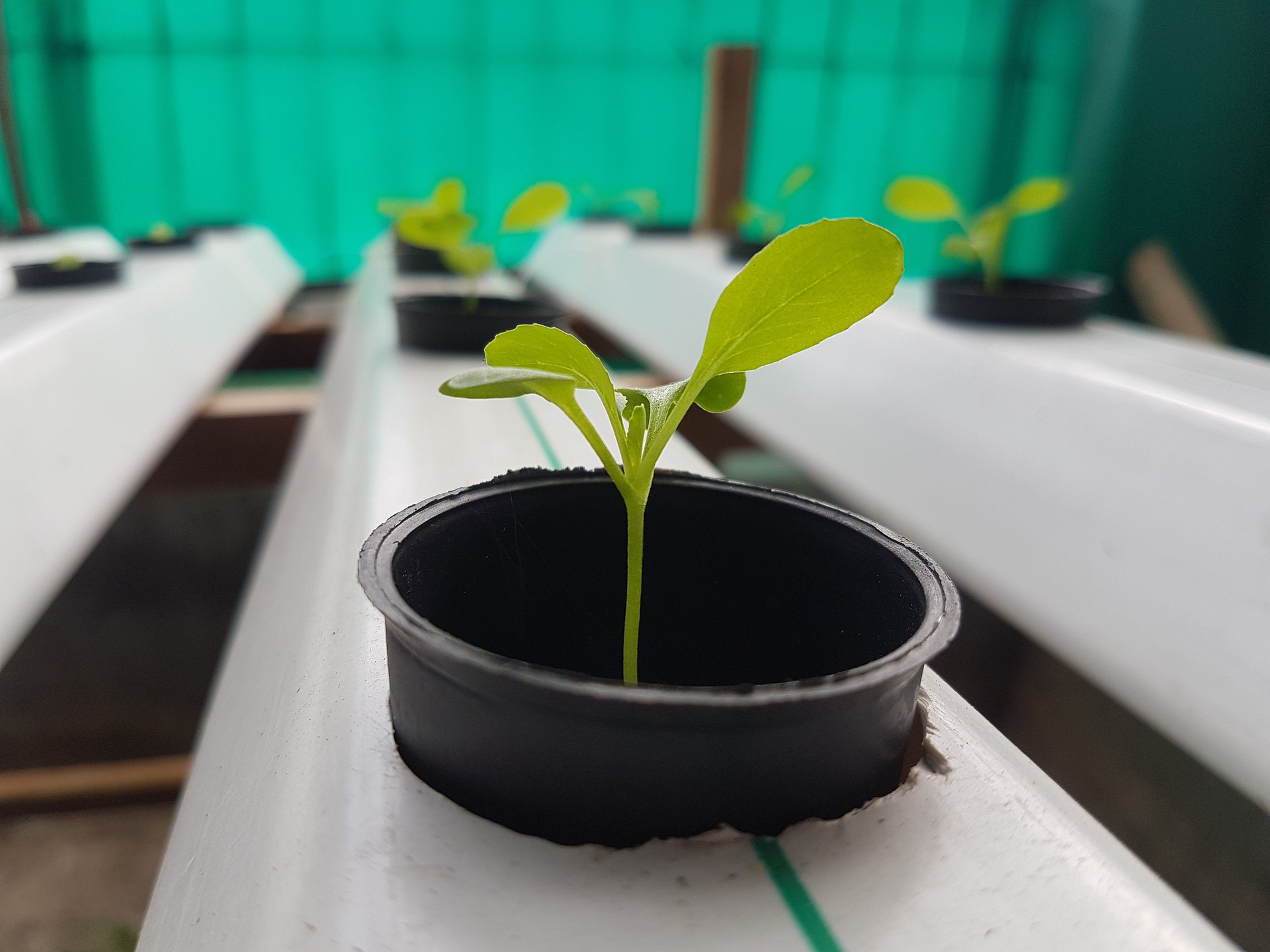
In hydroponics, the rule applies that you should wait to fertilise until the young plants have adapted sufficiently. How can you recognise this moment? White tips on newly formed roots will tell you.
Premium quality and precise application of fertilisers pay off in hydroponics
Using hydroponic fertilisers requires responsible measurement of the key parameters of the nutrient solution. You do not need to measure twice every time, as in the well-known saying, but you should definitely measure first and only then fertilise.
- Make sure that the water with nutrients has room temperature (min. 16 °C and max. 25 °C), with 20–21 °C being ideal.
- Regularly measure pH of the nutrient solution. You will again find the optimum value in the tables and manufacturer’s instructions, as each manufacturer uses slightly different values.
- In hydroponics more than anywhere else, you must keep the electrical conductivity of the nutrient solution under control, known by the abbreviation EC. This tells you how effectively your plants absorb nutrients in the hydroponic system, which prevents both burning and wasting hydroponic fertilisers. That is why you should have an EC meter in your equipment.
- We recommend getting one device for precise EC and pH measurement, or even a practical measuring set straight away.
It is now time to recommend some leading manufacturers of hydroponic fertilisers and their main advantages. You can find a complete range of the best fertilisers for hydroponics from our shop HERE.
Hydroponic fertilisers Advanced Nutrients
- pH Perfect technology helps maintain stable pH, so you can say goodbye to adding acids to the watering solution for regulation purposes.
- Canna offers two fertiliser product lines for use in hydroponics, namely Canna Aqua and Canna Hydro.
- The two-component nutrition from the AQUA range, i.e. Aqua Flores for flowering and Aqua Vega for growth, is specially adapted for use in closed recirculating self-watering systems. You will achieve the best results in combination with the substrate CANNA Aqua Clay Pebbles.
- Previous article Next article