
How to choose a substrate?
Quality substrates are among the basic prerequisites for a successful harvest. These are mixtures made on various bases, whether it is peat or, for example, crushed coconut fibres. In this article, you will find out everything you need to know before you put a specific growing medium into your basket. You will also learn what to enrich it with and how to improve soil properties for even higher yields.
First of all, you should clarify the answers to the basic questions that should certainly come before choosing the ideal growing medium, namely WHAT you will grow and WHERE you will grow it:
Do you want to grow herbs, fruit or vegetables in a growbox (indoor), in a greenhouse or in a garden bed in the garden (outdoor)?
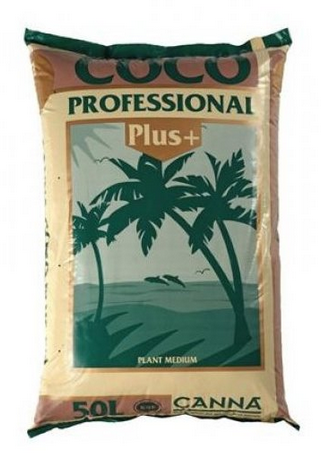
In a grow tent, in a greenhouse, but also on a windowsill, you will use pots or planters. The standard ones, intended for hand watering, can be filled with soil or coconut coir, which combines the best of hydroponics and growing in soil. Coconut fibres can hold a great deal of water while maintaining a high level of airiness.
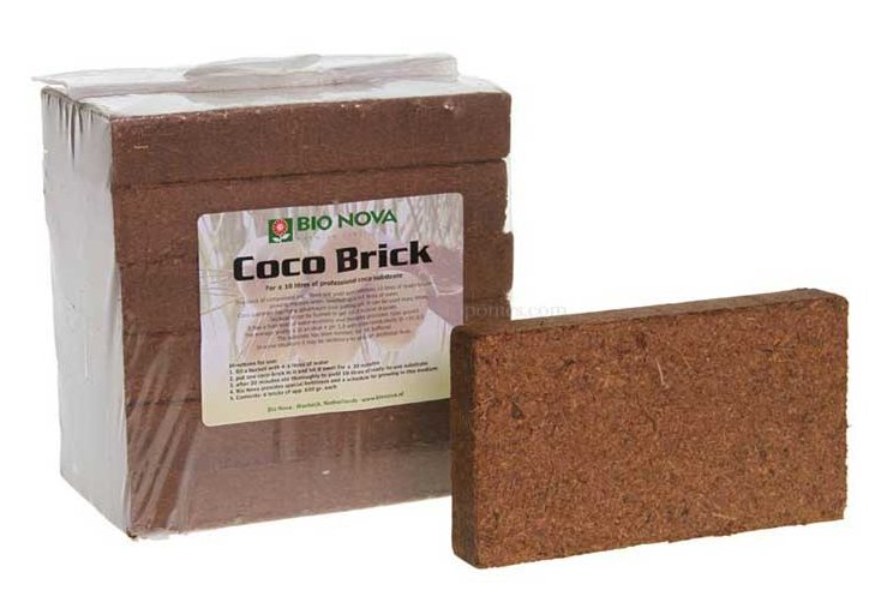
In addition to classic bags, you can also get practical compressed coconut briquettes. The pack contains compressed coconut fibres in a dehydrated state, which expand to the declared volume after watering, after which the substrate is ready for immediate use. The benefit of dried briquettes is long-term storage while preserving the original properties of the substrate, as well as easy handling of larger quantities of packs.
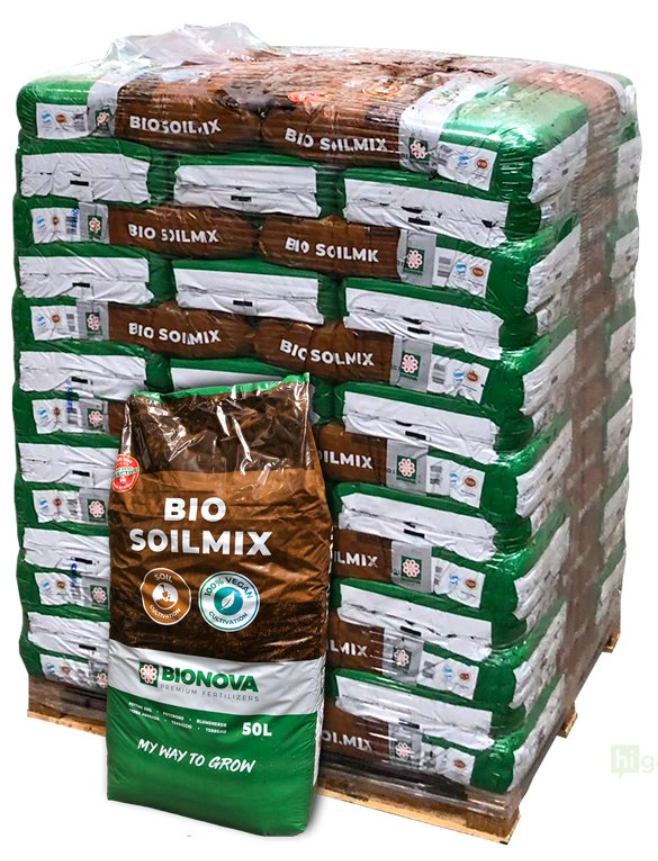
It should, however, be said that before using coconut substrate, it is better for the grower to have at least some experience, whereas soil mixes will also serve enthusiastic beginners well, as they allow a certain degree of tolerance for mistakes (in fertilising, watering, etc.). At the very beginning of the growing cycle, you also do not need to deal with nutrition, because peat mixes, often referred to simply as soil among growers, are divided according to nutrient content for the first weeks of the growing cycle into lightly, medium and heavily pre-fertilised substrates.
In the garden, a suitable substrate helps you cultivate the growing space and create a more favourable environment for plants or agricultural crops from seed to harvest.
If your intention is a BIO-quality harvest, use a 100% natural and certified soil mix. It contains, in an optimal ratio, premium white and black peat together with crushed and sieved compost. An important part of the composition of these mixes is also an inert component ensuring aeration of the substrate - perlite, which will be mentioned again in a moment.
Self-watering pots, such as Flo Gro, are filled with inert clay balls measuring 8-16 mm, also known as expanded clay (hydroton).
Expanded clay, like coconut substrates or perlite, belongs among the so-called inert media, which means that it contains absolutely no nutrients (unlike