
How to harvest the most fragrant outdoor plants
With the arrival of cooler days and shorter evenings comes the time to harvest the fruits of a year’s work. Every grower knows that now is the moment when it becomes clear whether their care has brought not only beautiful buds, but also a rich aroma. However, the scent of the harvest does not arise on its own – correct timing, gentle drying and patient curing are the key to an unmistakable flavour.
Before you start harvesting, let us first clarify what affects the flavour and aroma of your crop. First and foremost, it is the plant’s genetic make-up. Every cultivar (bred variety) has a specific genetic profile. This affects not only the appearance and growth characteristics of the plant, but also the content of secondary metabolites, such as various active compounds, flavonoids, and especially terpenes. Terpenes are aromatic compounds responsible for the scent and aroma of plants and are part of plant essential oils. It is precisely the high amount of terpenes that turns your harvest into a fragrant delicacy. The choice of variety is up to you, but the quality of the dried material is also influenced by how you care for the plants throughout the entire growing cycle and how you harvest, dry and store them.
You may be interested in: What do I need for the autumn harvest?
Fertilising before harvest
 If you planted in time in spring, you should start to see the first signs of ripening on the plants in the second half of August. The buds will gain volume and the previously white hairs on the flowers (pistils) will gradually begin to turn brown. The speed of ripening depends on the weather and also on nutrition during the last two to three weeks before harvest. Many growers adjust plant nutrition during this period so that the plants ripen better.
In general, there are two ways to fertilise in the period before harvest. You can either water the plants with clean water (possibly with adjusted pH) or use one of the ripening products. These can be divided into two categories according to whether they flush nutrients from the substrate or, conversely, “lock” them and stop their uptake. Whichever method you choose, a reduced supply of nutrients will force the plants to focus all their energy on ripening instead of forming new flowers.
Your goal is to time the reduction of nutrients in the substrate with the plant’s natural life cycle. If you cut it off from nutrition too early or too quickly, ripening will slow down instead. When growing in substrates rich in organic nutrients (for example in beds), it is usually enough to water the plants with only clean water for roughly two to three weeks before harvest. Fertile soil contains enough microbes to break down organic matter into plant nutrients. When growing in sandy soils or inert substrates that do not retain many nutrients, it is better to continue fertilising the plants until the last week before harvest.
You may be interested in: How to choose a fertiliser: A complete guide to buying nutrition for your plants
How to time the harvest
To make your harvest as fragrant as possible, you must harvest the plants at the moment when the buds contain the highest amount of terpenes. The ripeness of the flowers is best identified by the colour of the trichomes, which look like shiny fuzz on the surface of the plant. In fact, these are miniature glands that cover the entire plant, especially the flowers. The trichomes on the flowers (specifically glandular trichomes with a head and stalk) contain the highest amount of secondary metabolites, including terpenes.
To observe trichomes, get a handheld microscope or a camera with macro resolution and at least thirtyfold magnification. Select a representative resin-covered part of the bud and observe the colour of the trichome heads. Glandular trichomes on flowers look like small mushrooms with a long stalk and a round head. At the beginning of trichome development, this head is transparent, and as harvest approaches it becomes cloudy. Milky-cloudy heads in most trichomes indicate that the plant is ripe. Overripe trichomes are amber in colour, contain fewer secondary metabolites and have a less pronounced terpene profile.
You may be interested in: Legal cultivation from 1.1.2026: An overview of laws and rules
Harvesting and drying
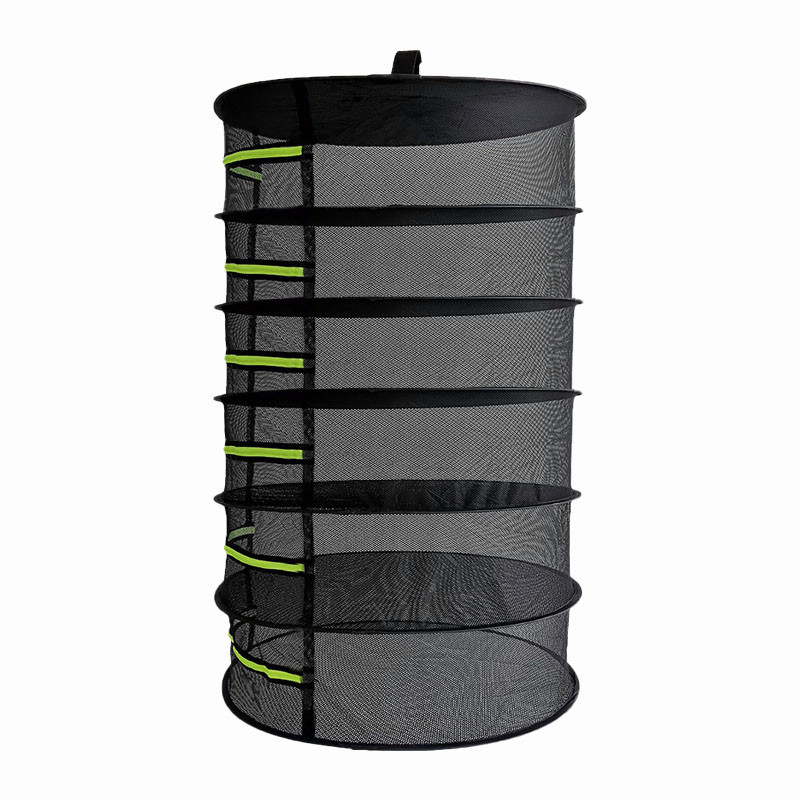 Timing the harvest does not mean your search for fragrant buds is over. You must now harvest and dry the plants properly. Bear in mind that different cultivars may ripen in different ways. Some plants ripen evenly, others from top to bottom. It also applies that buds exposed to light all day ripen faster than those growing hidden in the shade. Especially with large outdoor plants, it may therefore be better to harvest them gradually. Start with the ripe buds and, if the weather allows, leave the unripe flowers to ripen for a few more days.
The harvesting method will also affect the next part of the process, which is drying. The larger the harvested pieces of plant material, the longer it will take for them to dry. The drying time is very important. If the buds dry too quickly, the dried material will lose most of its terpenes and the dried material will taste bitter. On the other hand, drying too slowly increases the risk that mould will ruin your crop. You can harvest the plants whole, divide them into segments, or harvest only the flowers and dry them on drying nets.
Under ideal conditions, the drying process should take roughly two weeks. It is usually recommended to dry medicinal plants in a well-ventilated room or grow box without access to light and at temperatures in the range of 16 to 20 °C. Proper humidity is also important, and it should be between 50–60%. Dehumidifiers are excellent for this purpose, but make sure that warm air does not blow directly onto the drying flowers. You can recognise properly dried flowers by the fact that they break off the main stem easily, yet they still feel slightly springy to the touch and do not crumble between your fingers.
You may be interested in: Essential equipment for the autumn harvest
Curing and storage
The final step towards a perfectly fragrant harvest is curing, that is, maturing the dried material under controlled conditions. As with tobacco, curing balances the residual moisture in the plant material and enhances the plant’s terpene profile.
For curing and storing dried material, the best option is glass or metal jars, but you can also use resealable plastic bags or containers. Place the cleaned buds into the containers or bags and leave some space for air. It is usually recommended to fill the container to about three quarters. Place the maturing dried material in a dark place with a stable temperature in the range of 15-18 °C.
During the first week, open the containers every day and let the dried material air out. Before closing, gently mix the buds in the container so that fresh air reaches all of them. In the second week of curing, it is enough to open the containers two to three times a week. In the following weeks and months, open and air the containers at least once a week. If you want your harvest to retain its freshness, we recommend placing humidity control packs in the containers.
For more tips and guides on legal cultivation, visit our Higarden blog for beginners and advanced growers.