
Growth Phase: Guide for Outdoor Growers
Would you like to grow strong and healthy plants in the garden this year and harvest a proper yield? You need to start during the growth phase already – the period when plants build roots, leaves and stems, which will later form the basis of your harvest. In our guide, we will advise you on how to support vegetative growth in outdoor cultivation.
During their life, plants go through two specific periods – the vegetative (growth) phase, when they grow and form leaves, roots and stems, and the generative (flowering) phase, when they flower and produce seeds. The length of the vegetative and generative phases varies among different plant species; some species have a long vegetative phase and short flowering (for example, trees), others move quickly into the generative phase (for example, annuals), and in some plants (for example, perennials) these phases repeat cyclically over several years.
You may also be interested in: Photoperiod: Short-day and long-day plant species
Why healthy stems and roots are important
During the growth phase, it is very important for plants to develop enough roots, leaves and stems, because during flowering they will focus most of their energy on producing flowers, fruits and seeds. Simply put, without strong stems and healthy leaves and roots, you will not achieve a proper harvest. Stems support the leaves, flowers and fruits and contain the vascular system that transports water and nutrients throughout the plant. The root system also serves several functions at once. Roots draw nutrients and water from the substrate and serve as a reservoir for plants during dry periods. In addition, sufficiently deep and branched roots are a guarantee that plants will withstand strong winds as well, which is important in outdoor growing.
Enough nitrogen
As with people, the right composition of the diet is half of health for plants too. During their entire life, plants need a total of 17 different nutrient elements. Some are taken from the air and water (carbon, oxygen, hydrogen), but most are obtained from the soil through the roots. If any of these important nutrient elements are missing, it has a major impact on plant health. Fertile soil and the right fertilisers are therefore the first step to ensuring that your plants are in good condition during the vegetative phase and quickly form robust stems and many roots.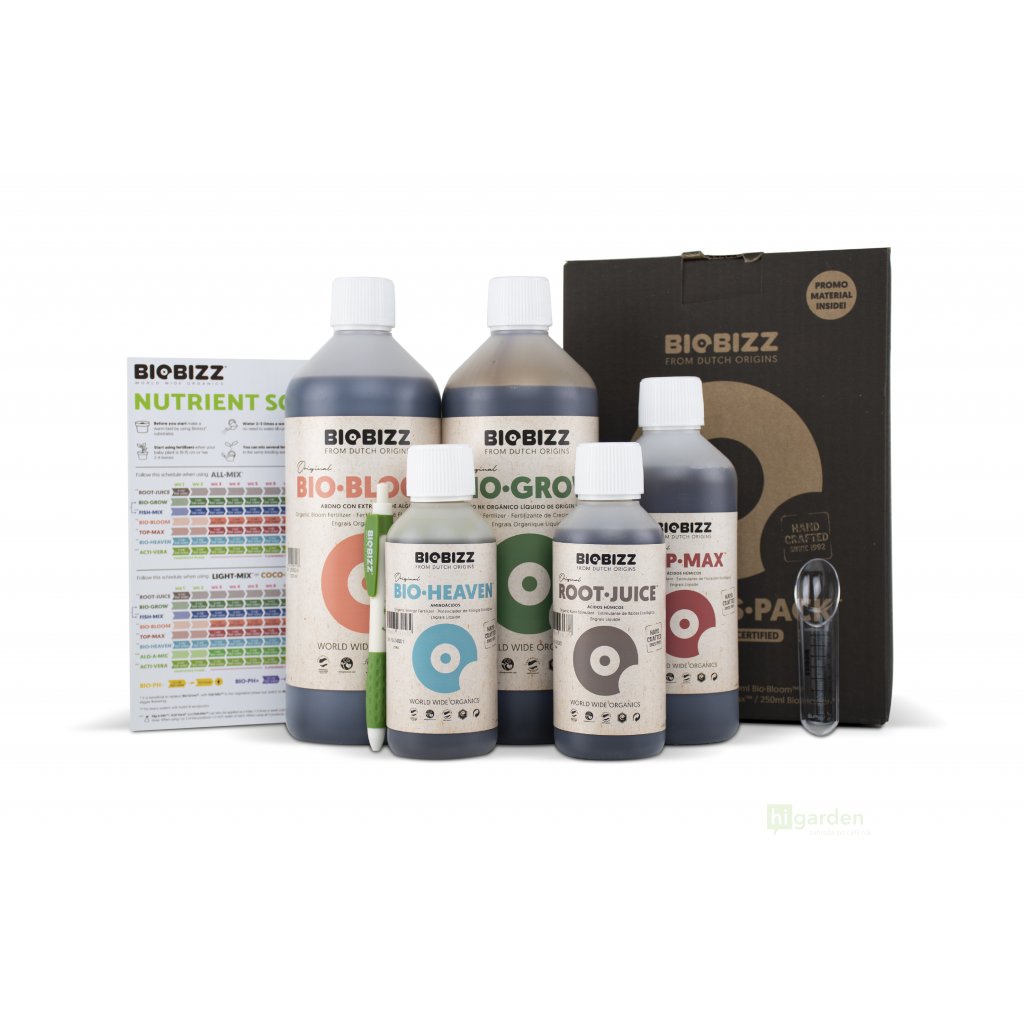
The three most important nutrients in the soil for plants are nitrogen (N), phosphorus (P) and potassium (K), which they consume in the greatest quantities. During the growth phase, nitrogen plays the main role, as it is the cornerstone for the formation of proteins, which are the “building blocks” of all plant cells and tissues. Without proteins, plants would not be able to form new leaves, stems or roots. Nitrogen is also part of chlorophyll, the green pigment that enables photosynthesis, that is, the conversion of light into energy. Last but not least, nitrogen is also part of RNA, DNA and enzymes. Nitrogen enters the soil in several ways:
Biological nitrogen fixation: Some bacteria (for example of the Rhizobium or Azotobacter genus) convert atmospheric nitrogen (N₂) into ammonia (NH₃). These bacteria live both in the soil and on the roots of leguminous plants (peas, beans, clover). Planting these plants in beds (green manure) is a great natural way to increase the amount of nitrogen in the soil.
Organic matter: Nitrogen also enters the soil as part of decomposing organic matter, which soil microorganisms transform into nitrates (NO₃⁻). The most effective way to add organic matter to the soil is compost, humus and mulching.
Growth fertilisers: There is a huge range of fertiliser types, from fully organic to purely mineral, with slow-release or fast-acting effects, in powder or liquid form. Choosing the right one depends mainly on your growing method. While liquid, fast-acting fertilisers are suitable for growing in pots, organic slow-release variants are more suitable for soil. Whatever type you choose, growth fertiliser should always contain a high proportion of nitrogen (N).
You may also be interested in: Growth fertilisers: What they are for and how to use them
Supporting nutrient elements
 Calcium (Ca) and silicon (Si) are two nutrient elements that most outdoor growers do not pay much attention to, because there is usually enough of them in the soil. Nevertheless, a lack of silicon or calcium during the growth phase can have a major effect on plants, because both of these elements directly influence the strength of cell walls. When a plant receives enough silicon and calcium, it has stronger leaves and stems and better withstands wind, drought and pathogens.
Calcium: This element is essential for the development of new cells and also regulates the transport of water and nutrients between cells. Calcium deficiency in plants is shown by deformed or dying young leaves and slowed growth. A good source of calcium for outdoor growing is dolomitic limestone, which also helps reduce soil acidity. A quick source of calcium for plants in the growth phase is liquid fertilisers containing calcium and nitrogen (CalMag). Decomposing organic matter, for example in compost or during mulching, also contains calcium.
Silicon: In outdoor growing in open soil, silicon is widely available to plants, but if you are growing, for example, in coco or inert substrates, your plants may lack it. Silicon increases the strength of cell walls, so plants better withstand high temperatures, dry air and drought. If you want to supply silicon to plants quickly and protect them against warm weather, try silicon in foliar application form, for example Terra Aquatica Silicate.
Watering and soil moisture
The vegetative phase is a period of rapid and intensive growth, and plants need a regular supply of water. Especially young plants with developing roots can be significantly slowed down by drought. On the other hand, overwatering the substrate can result in root rot and the development of mould. Therefore, when watering outdoor plants, it is good to follow these rules:
- Water more often and in smaller amounts rather than in one large dose.
- Regularly check the soil moisture – it should feel moist to the touch, but not muddy.
- Water in the morning or evening.
- During periods of heavy rain, ensure sufficient soil drainage.
For more useful tips and guides for outdoor and indoor growers, visit our Higarden blog!