
Growth fertilisers: What are they for and how should they be used?
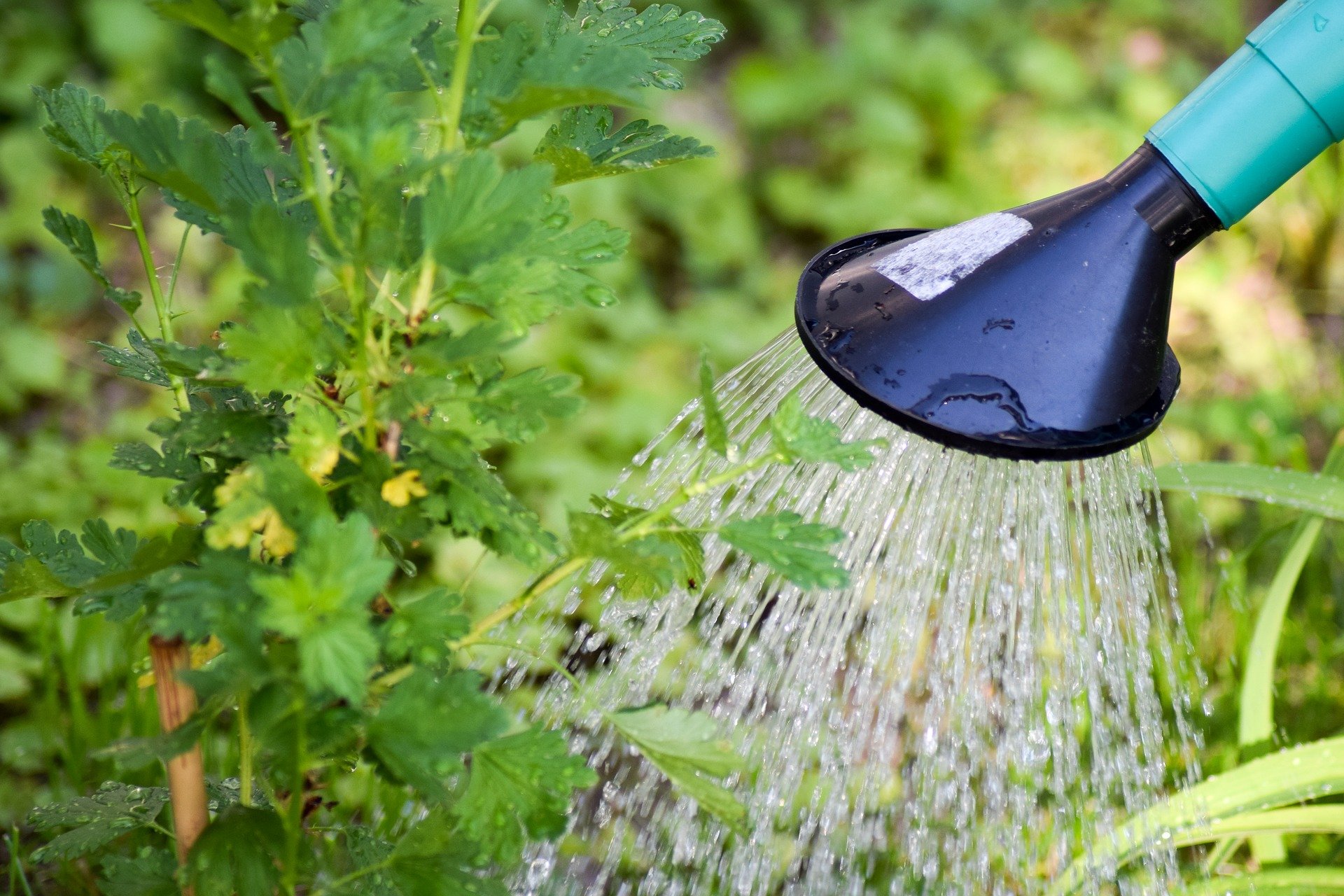 Plants grown outside their natural environment, for example indoors, in pots or in hydroponics, require careful care and proper nutrition through fertilisers. Fertilisers for the vegetative stage are rich in nitrogen and provide your plants with the nutrients needed for rapid growth and healthy root development. We will advise you on how to choose the right fertiliser according to the growing medium, cultivation method and the age of the plant.
While plants growing in open ground in nature or in beds can draw nutrients naturally, when growing plants in pots, soilless media or hydroponics they depend on fertilisers. These may be various types of organic, mineral or organomineral fertilisers in powder or liquid form and with slow or fast release, depending on the growing medium, the species grown and, last but not least, the age of the plants.
What is vegetative growth and the growth phase?
Annual plants go through several phases during their life cycle, which we can divide into the vegetative growth phase and the flowering (generative) phase. As plants move from one stage of the life cycle to the next, their nutrient requirements also change. The amount of nutrients and the frequency of feeding will vary according to the cultivation method, the growing medium and the species, but in general plants in the vegetative growth phase need more nitrogen (N) and less phosphorus (P), while in the generative phase they need less nitrogen (N) and a greater proportion of phosphorus (P).
Vegetative growth phase
- Germination/cuttings
- Seedlings/rooting
- Vegetative growth
Flowering phase
- Start of flowering
- Mid-flowering/rapid flower development
- Ripening
Also read: NPK – what is it
Growth fertilisers for germination and cuttings
After germination of seeds the first pair of leaves appears on the plants, which we call cotyledons. These do not look like normal (true) leaves, which grow a little later. Cotyledons serve as a source of food and are not capable of photosynthesis. Do not fertilise plants at this stage; wait until several tiers of true leaves have grown. You can help seedlings by treating them with a root stimulator or mycorrhiza support products.
The cloning process using cuttings begins by cutting off a suitable part of the plant and placing it into the growing substrate. Until the cuttings root, they cannot take up nutrients in the form of fertilisers. Only after rooting and transplanting into the growing substrate can you begin applying growth fertiliser to the plants according to the dosage chart. You can speed up the rooting process with various products for cuttings and planting.
Growth fertilisers for seedlings and young plants
Once the first 4-5 tiers of true leaves have grown on the plants, you can transplant them into a larger pot or growing container, where they will remain for the rest of the vegetative cycle until harvest. Now begin supplying the plants with growth fertilisers with a high nitrogen content. At the same time, you can still apply root and growth stimulators. The choice of specific products depends primarily on your cultivation method and the nutrient programme you have chosen. If you are only just starting to grow, follow the dosage charts and do not mix products from different manufacturers.
Also read: Are dry or liquid fertilisers better for indoor growing?
Fertilisers for vegetative growth
At the peak of the vegetative phase and during the transition to flowering, plants consume mainly nitrogen and require large amounts of water. The frequency of fertilising and watering in the vegetative growth phase is influenced primarily by the growing medium.
When growing in soil it depends on whether you use pre-fertilised horticultural substrates or unamended (“light”) soil mixes. In the case of soil mixes enriched with organic or mineral fertilisers, plants may require only minimal or no nutrition in the form of fertiliser during the first weeks of growth. Fertilisers for growing in soil can be organic, mineral or organomineral, with fast or gradual release, in powder or liquid form.
Plants grown in coconut substrates are completely dependent on the nutrients you supply in the form of fertilisers. This is because coconut fibres contain only a minimum of nutrient elements that plants can absorb. Fertilisers for growing in coco can be organic, mineral or organomineral and are used to prepare a nutrient solution with which we water the plants regularly.
Soilless growing media (rockwool, perlite, expanded clay) work best for hydroponics, where the plant roots are constantly immersed in a nutrient solution. Fertilisers for hydroponics are usually mineral and act very quickly, which is why regular measurement of the pH and EC of the nutrient solution is important.
Also read: Guide to growing substrates