
How to Choose a Horticultural Substrate
In our complete guide to choosing the right horticultural substrate, we present the most important information about the composition of horticultural substrates, their correct use, and recommend the best brands and blends for growing plants indoors and outdoors, in pots, in beds or under artificial lighting.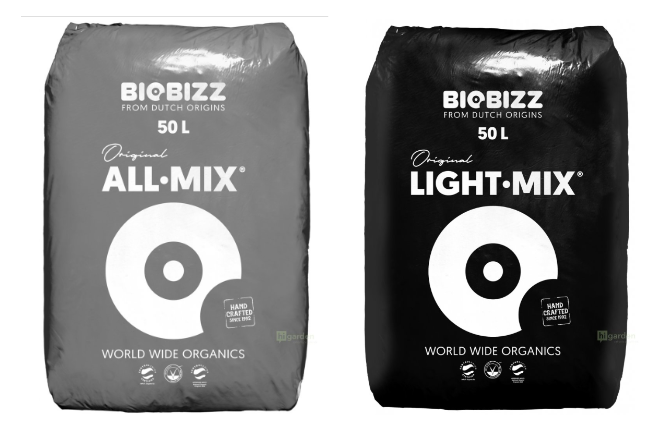
Horticultural substrates are growing media intended for growing plants in the traditional way in soil. Their main use is for growing plants in pots indoors and outdoors, or as soil for beds or greenhouses.
Also read: Guide to growing substrates
What do horticultural substrates contain?
Manufacturers of horticultural substrates adjust their composition so that the resulting blends have different properties in terms of water retention, nutrient content or soil acidity.
The basic component of every horticultural substrate is organic materials of plant or animal origin. Most often these are peat, coconut fibres, composted wood and tree bark, compost, worm humus and other substances that serve as a source of organic nutrients for plants.
Another ingredient is inorganic natural materials, which ensure aeration of the substrate, improve drainage and retain moisture. These include perlite, vermiculite, expanded clay, sand and others.
Many horticultural substrates are enriched with fertilisers, whether mineral ones with gradual release or organic soil amendments such as bat guano, bone or blood meal, alfalfa or seaweed extracts.
Other additives, for example lime and substances for pH balancing, beneficial microorganisms (trichoderma, mycorrhizal fungi) or admixtures further modify the specific properties of the substrate.
How to choose a horticultural substrate?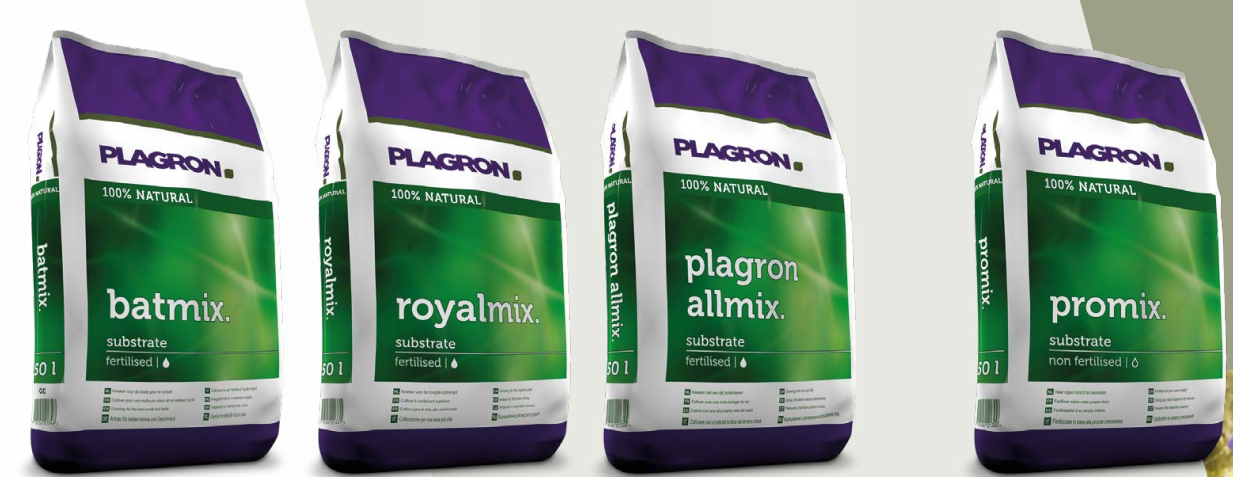
The choice of horticultural substrate depends primarily on the age of the plants and your growing method. In general, for seedlings and young plants indoors and outdoors, unfertilised or lightly pre-fertilised blends are most suitable. Horticultural mixes with a higher fertiliser content are suitable as a medium for nutrient-demanding plants, indoor growing, or as soil for beds or greenhouses. For some growers, the purely natural origin of all components of the blend may also be important, for example for organic growing or organic farming.
Unfertilised horticultural substrates consist only of a pure blend of organic and inorganic materials without added fertilisers. They are suitable as a starting medium for germination, cuttings, seedlings or young plants intended for later repotting. When growing in unfertilised horticultural substrates, it is necessary to supply plants with nutrients in the form of fertilisers, whether organic or mineral.
Lightly pre-fertilised horticultural substrates, sometimes referred to as “light-mix”, contain only a minimal amount of nutrients in the form of mineral or organic fertilisers. They are suitable either as soil for young plants intended for later repotting, rooted cuttings or for growers who want to supply plants with nutrients at their own discretion and according to their needs. Lightly pre-fertilised blends can be combined with most commonly available fertilisers and feeding programmes.
Pre-fertilised horticultural substrates are balanced blends with a medium amount of nutrients that will last plants for the first few weeks to months of life, depending on the species, pot size and growing method. They are suitable as a basic substrate for growing in pots indoors and outdoors; however, in later stages of life, plants need nutrients supplied in the form of mineral or organic fertilisers.
Heavily pre-fertilised substrates contain a high dose of nutrients in mineral or organic form and are not suitable for seedlings, cuttings or young plants, because the high nutrient content in the soil can cause leaf and root “burn”. Heavily pre-fertilised mixes are suitable for nutrient-demanding plants, as soil for beds or greenhouses, and as a medium for indoor growing under highly intensive artificial lighting.
Substrates intended for organic growing contain only materials of natural origin and are often certified for growing plants in organic quality without the use of mineral fertilisers and chemical pesticides. These substrates may be pre-fertilised or unfertilised and are suitable for cultivating plants in pots indoors and outdoors or as soil for beds or greenhouses.
- Canna BIO Terra Plus
- Atami Bio Growmix
- Terra Aquatica Organic Soil Light-mix
- BioBizz Juju Royal Light Rebel, organic substrate
Vegan substrates are, like substrates for organic growing, composed only of natural materials, with the difference that they contain only substances of plant origin. These blends are suitable for growing in pots indoors and outdoors or as soil for beds or greenhouses.
Substrates for sowing and germination contain a minimal amount of nutrients and have a finer structure to retain more moisture, and you can use them for germination and taking cuttings from plants.
Special substrates are designed to meet the specific requirements of certain plant species. Among them you will find, for example, substrates for citrus, orchids, substrates for roof gardens or herbs.
Answers to the most frequently asked questions about horticultural substrates
Can horticultural substrates be used for several growing cycles in a row?
Used growing substrate can be revitalised and used again; however, if the procedure is incorrect, there is an increased risk of disease, pests or mould. When growing indoors, it is common to replace the growing substrate with a new one after each cycle. When growing outdoors in pots or in beds, the soil can be revitalised before planting by adding compost, worm humus or a heavily pre-fertilised horticultural soil mix.
Do I need special fertilisers when growing in horticultural substrates?
Horticultural substrates may or may not contain a certain amount of fertilisers that serve as nutrients for plants. Especially when growing in pots, plants quickly deplete the nutrients from the soil and after some time it is necessary to replenish them. This is what various types of fertilisers are for, from fast-acting mineral ones to fully organic ones. The choice of the right feeding programme then depends on the plant species and your growing style.
How often should plants grown in horticultural substrates be watered?
The frequency and amount of watering supplied to plants depends on many factors; however, in general, for plants grown in beds, it is time to water the substrate if the soil has dried to a depth of one inch. For plants in pots, we can estimate the amount of water in the growing medium by weighing the growing container.
Also read: Dry or liquid fertilisers, which are better for indoor growing?