
Guide to Coconut Substrates
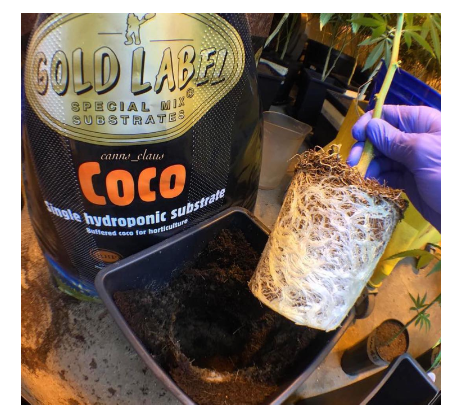 Coconut substrate is a modern growing medium made from fibres and husks of coconut shells, available in many forms and suitable for a wide range of horticultural techniques, from traditional pot growing to hydroponics or large irrigation systems. In this guide, we will help you choose the right type of coconut substrate for your grow room, garden or greenhouse.
Coconut substrates are among the most versatile and easiest growing media you can choose for cultivation. Compared with soil, where it is difficult to keep an exact overview of pH and nutrients in the substrate, in coco it is easy to monitor these two values with EC and pH meters and adjust them using a nutrient solution. At the same time, coconut substrates have sufficient buffering capacity and retain water and nutrients well, so they are not as sensitive to mistakes as fully hydroponic systems. You thus get the best of both worlds: the security of a classic growing medium and the speed and efficiency of hydroponic cultivation.
MAIN ADVANTAGES OF GROWING IN COCO
- pH and nutrient neutral: Coconut fibres contain very few nutrients on their own, which makes precise plant feeding easier. You can easily supply plants with exactly the nutrients they need at any given moment. In addition, it is easy to adjust the pH in the root zone without increasing EC.
- Optimal drainage: Coconut fibres can retain up to ten times their weight in water and, unlike, for example, expanded clay or perlite, which drain water away quickly, they keep the plant root system hydrated for longer, so there is no need to water plants too often. Compared with soil, water drains away faster, so you can water and feed plants much more frequently.
- Healthy root development: Growing in coconut substrate is very beneficial for plant roots, which grow faster and are healthier. This is due to the fibres' ability to retain large amounts of nutrients, water and air. Roots without access to air (for example in overly compact soil or poorly aerated hydroponic solution) tend to be poorly developed and are at risk of fungal attack.
- Fewer pests: Many soil insect pests and pathogens do not thrive in coco. In addition, coconut fibres often contain strains of trichoderma, which protect plant roots from other parasitic microorganisms.
- Eco-friendly and reusable material: Coconut substrates are made from waste materials and can also be reused. This represents a significant reduction in the carbon and environmental footprint of cultivation.
Buffered or unbuffered coco
When choosing a coconut substrate, it is very important to distinguish between buffered and unbuffered coco. Buffering is the process of preparing coconut fibres before use for plant cultivation. Coconut fibres in their raw form contain a high amount of salts and are also poor in calcium and magnesium. During buffering, which consists of soaking and rinsing in water with adjusted pH, potassium and sodium ions bound to the coco are replaced with calcium and magnesium, which plants need.
Most manufacturers of coconut substrates supply already buffered mixes that do not need any adjustment before use; it is enough to soak them in water or nutrient solution. If you want to use coco as an additive to soil that is rich in nutrients and organic matter, it is not necessary to buffer the material in advance, because the substrate will still contain enough calcium and magnesium.
Types of coconut substrates and their use
 Pure coconut substrates
Coconut substrates without additives contain only coconut fibres and chips and are suitable as a basic substrate for indoor and outdoor growing, in the traditional way in pots or hydroponically and with the use of automatic irrigation systems. Coconut substrates contain a minimal amount of nutrients, and these must be supplied to plants in the form of fertilisers for growing in coco. Coconut fibres are also an excellent additive to horticultural substrates, where they improve water and air circulation.
Coconut substrates with perlite/expanded clay
Coconut substrates enriched with perlite or expanded clay have better drainage properties and help prevent overwatering, which is especially useful for growers in pots. The usual ratio of coconut fibre to mineral component in such cases is generally 70% to 30%. Thanks to the faster drying of the growing medium, it will be possible to water plants more often.
Compressed coconut substrates
Compressed coco pressed into solid briquettes or bricks has the advantage of reducing costs as well as storage and transport. This is beneficial not only for retailers, but also for large-scale growers who need large quantities of growing medium. Before use, compressed coconut substrate must be soaked in water or a buffering solution so that the fibres expand. You can then use it on its own or mix it with other additives such as peat, soil or perlite/expanded clay.
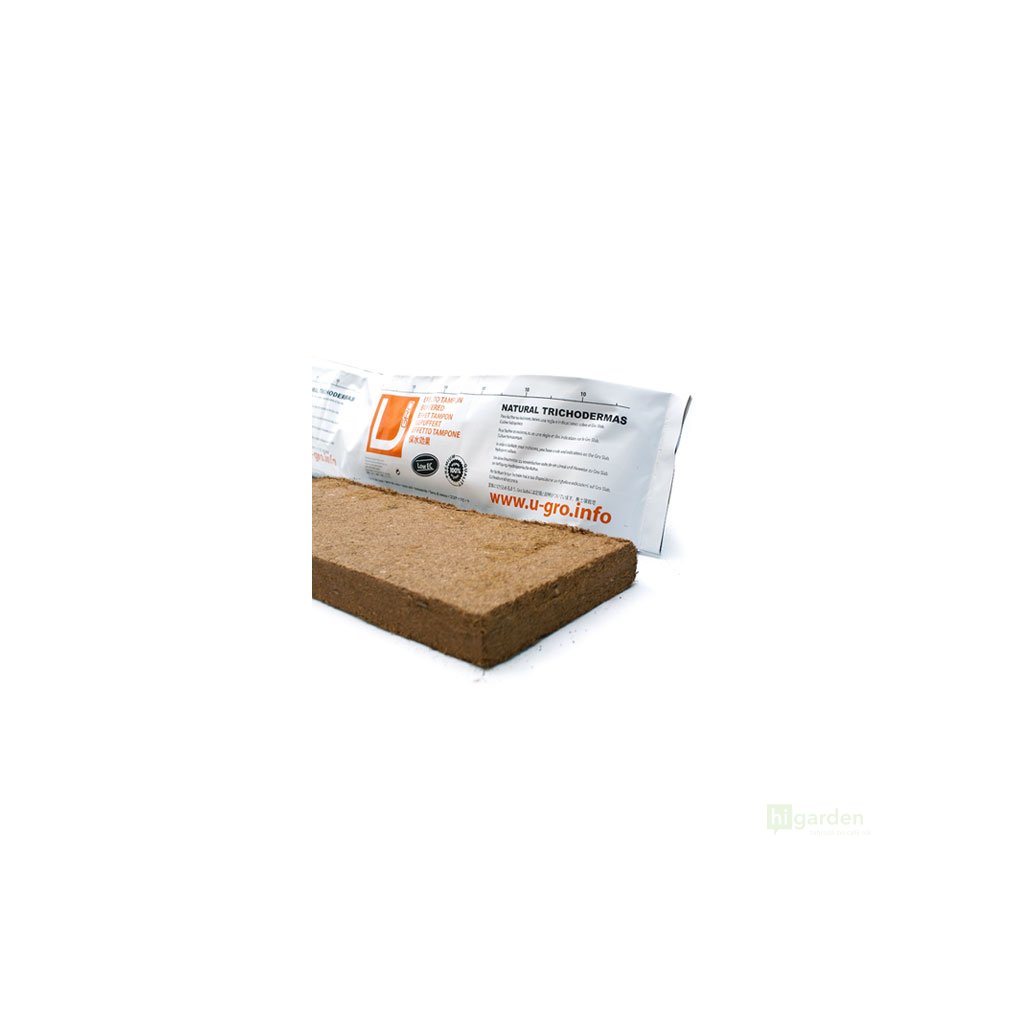 Mats made from coconut substrate
Growing mats with coconut substrate are particularly practical for growers using automatic irrigation systems, where they help save water and fertilisers used, thanks to precise and even watering. Despite their ability to retain large amounts of water, growing mats provide sufficient drainage and access to air, which supports rapid root growth without the risk of pathogens or mould. Growing mats can be reused.
Coconut substrates with trichoderma
Many coconut substrates contain trichoderma, a naturally occurring beneficial fungus that can adapt to almost any environment. Trichoderma produces metabolites that inhibit the growth of other microorganisms, thereby protecting plants from parasitic fungi and other pathogens. Some trichoderma species (T. reesei) produce large amounts of cellulase, others (T. virens) are perfect mycoparasites and can parasitise other fungi, and others (T. harzanium) are demonstrably effective in the fight against nematodes.
Growing bags with coconut substrate
Practical pots with coconut substrate ready to use straight away will be appreciated especially by growers in greenhouses and outdoors. The advantage is easy use without the need to soak or buffer the coconut fibres. The coconut substrate is not compressed in the bags, so it allows good drainage and absorbs water very well. Growing bags can be reused.
As with any growing medium, coco has its pitfalls and requires certain knowledge and practice. Now that you know which type of coconut substrate to choose and how to use it, you are ready to start growing.