
Coconut Cultivation
Are you thinking of trying cultivation in coco? Today we will discuss a popular growing medium that stands out for its unusual versatility and has quickly become synonymous with healthy, strong plant roots. We will look at the properties and types of coco substrates. We will also add tips for their correct use in cultivation practice. Coco substrates are being preferred by more and more growers around the world. So what is their appeal?
An inert coco substrate has truly ideal properties for growing herbs, crops and flowers of almost every kind, and it is used most often in hydroponics. Coco fibres are able to retain a great deal of water while maintaining a high level of airiness. This creates perfect conditions for the development of the plant root system, as the fibre structure holds water with nutrients (nutrient solution), which the roots absorb efficiently and naturally work with...
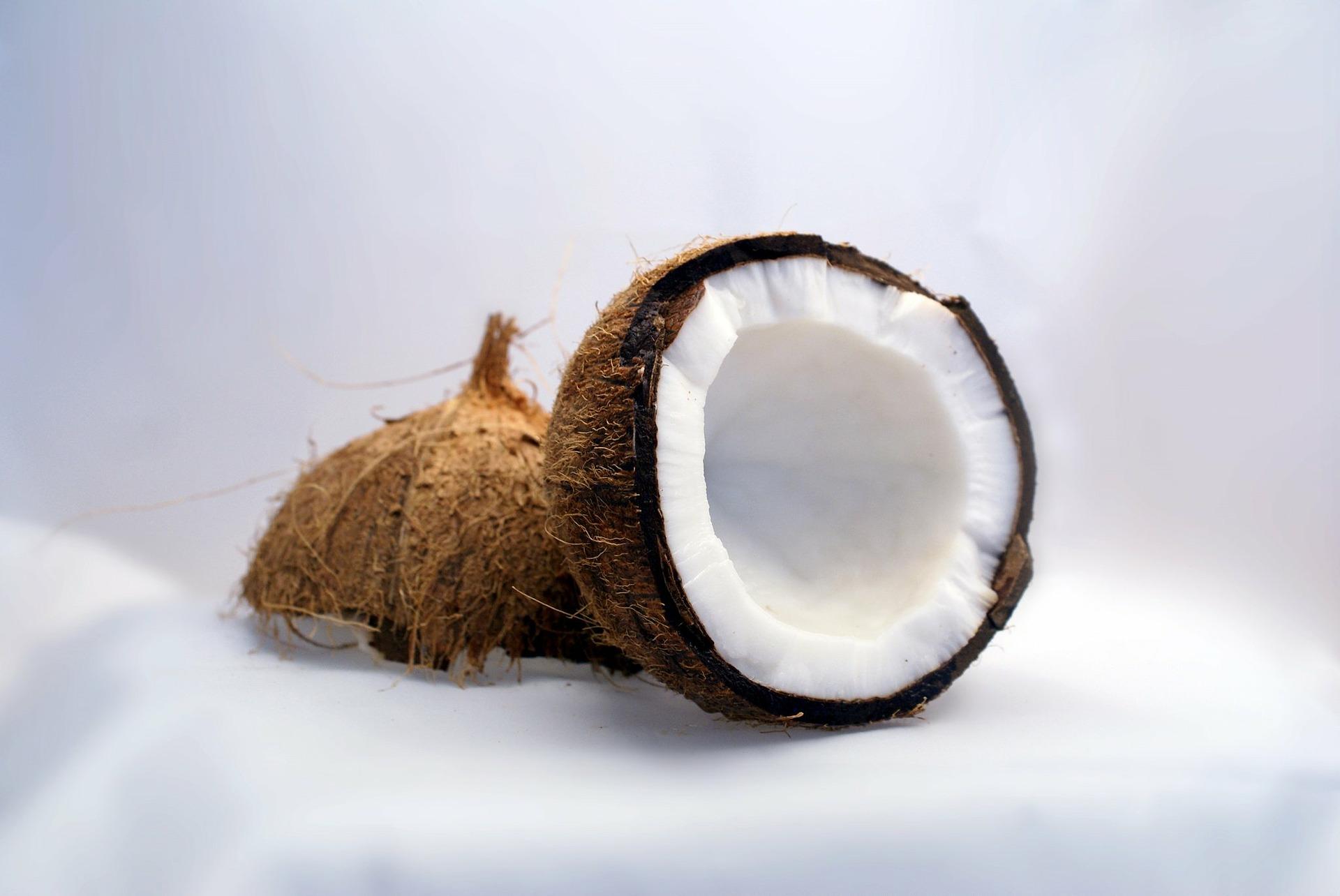
The birth of a universal medium
The production of coco substrates consists of repeated cleaning of crushed and sieved coco fibres from the fruits of palms grown, for example, in Sri Lanka. In addition to sterilising the fibres, the process of buffering is also common.
Parameters of coco substrates and their positive impact on the harvest
Coconuts contain lignins. These compounds are able to stimulate the development of beneficial bacteria, which results in increased resistance to various diseases and pests. The resistance of root systems to attack by pathogenic bacteria and moulds, as well as plant yields, is supported by the presence of the fungus Trichoderma, which is part of most substrates. Symbiotic fungi colonise the surface of the roots, thereby increasing the volume and capacity of the root system, as well as the ability to process absorbed nutrients. Coco substrates are also often supplemented with perlite for even greater aeration of the root zone. Coco mixes with expanded clay are also available on the market. If you are satisfied only with a 100% coco substrate of the highest quality, try our tip from the brand BioNova.
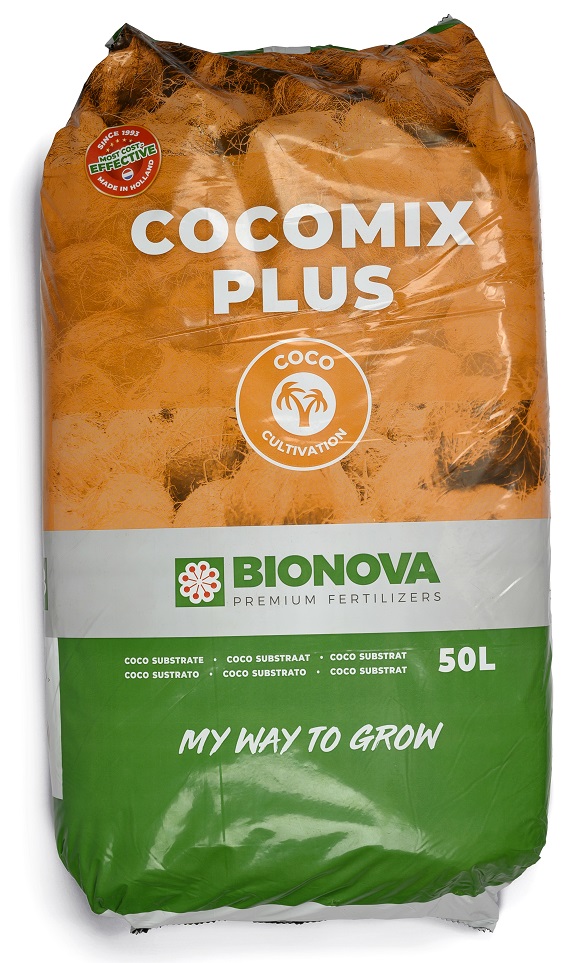 100% coco substrate of the highest quality
Once a plant has a rich root system, it can reliably make use of the nutrients it receives. This is easy to recognise in its above-ground parts, which are vital and have a visibly strong structure. The plant thrives, grows faster and produces beautiful flowers and juicy fruits.
The reasons why coco is an excellent growing medium for both beginners and experienced growers are probably already becoming clear to you. It is time for a brief summary of the main advantages:
- Coco supports the development of the root system for strong and healthy plants.
- Coco fibre is as environmentally friendly as possible; it breaks down easily in nature or compost.
- Coco opens up space for beneficial microorganisms, while relentlessly driving pathogenic ones away.
- Coco substrate is exceptionally airy and ensures enough oxygen in the root zone.
- Coco offers plants an ideal acidity level: pH 6.0 – 6.8.
- Coco fibres contain a significant proportion of natural cellulose, phosphorus and potassium.
- Coco offers a cleaner gardening experience, for example compared with ordinary soil.
- Coco fibre absorbs water easily, so it is suitable for manual watering, but it does not retain it as much as soil, which means it is also suitable for hydroponics. And because coco is inert, it is made for hydroponics.
Recycling
In addition to the generous list above, coco has one more practical advantage, namely the possibility of repeated use. You only need to make sure that before each further growing cycle it is cleared of visible remains of dead vegetation, such as roots or leaves. You can use this medium without any problem for up to three growing cycles!
Two packaging types
Coco substrate is sold in bags as standard (most often 50 l) or in the form of compressed coco. Dehydrated compressed coco bricks allow easy handling and are also suitable for long-term storage. The coco bricks are soaked before use. They then expand to the required size.
Practical tips for growing in coco
At the beginning, we recommend avoiding transplanting. First raise the seedlings using Jiffy and only plant them into coco once roots are visible. Then, especially if you are only just starting to grow in coco, it will definitely be easier for you to begin with manual watering. As with all processes that a beginner grower gradually comes into contact with, working with coco will also need to be learned calmly, and manual watering will give you the necessary peace of mind that you will not overwater the plants unnecessarily and that they will receive, in their growth, the amount of water they are able to use. Once the young plants have developed a sufficiently branched root system, you no longer need to worry, because cultivation in coco can, thanks to the properties described above, withstand more frequent and more intensive watering. After the first two weeks, the watering intensity can be gradually increased until the second week of the flowering phase. If the leaves start to turn yellow or even wilt, you are overdoing it with water. The sign of the correct watering intensity is strong, green leaves. Therefore, always increase water doses gradually and carefully observe the plants' reactions. During the 14 days before harvest, gradually reduce the water doses and, in the final stage, 2-3 days b