
Medicinal herbs for outdoor and home cultivation
Are you among passionate herbalists who enjoy making honest homemade tinctures or teas from various kinds of medicinal plants? Medicinal herbs of all kinds are an integral part of practically every garden, including indoor ones. Their enduring popularity, stretching far back into history, is due not only to their pleasant fragrance but above all to their beneficial effects on mental and physical well-being. In this article, in addition to traditional species, we will also focus on less well-known medicinal plants. What is more, you can grow them not only in the garden, but also at home.
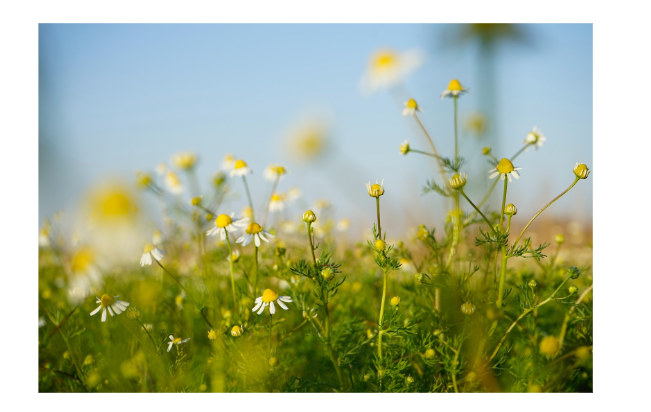
When medicinal herbs are mentioned, many of us immediately think of common chamomile. And why not, when this plant is also known as medicinal chamomile, which is why its species name, familiar to many, directly invites us to think of it. Usually, however, it is chamomile growing in the wild, as we can see in the picture. You can buy chamomile seedlings in specialised shops. Not only fresh and extra-high-quality chamomile can always be at hand if you pre-grow it from seed in a greenhouse (see separate article: How to grow in a greenhouse?). In the colder months, do not forget about greenhouse heating. If you have a complete grow box at home, then there is nothing to solve and you can harvest all the medicinal plants mentioned here all year round without having to step outside.
Some of the plant species we recommend below are often grown mainly for their beauty as ornamental perennials. However, they are often also herbs with a beneficial effect on human health. Other traditional medicinal plants you will love include:
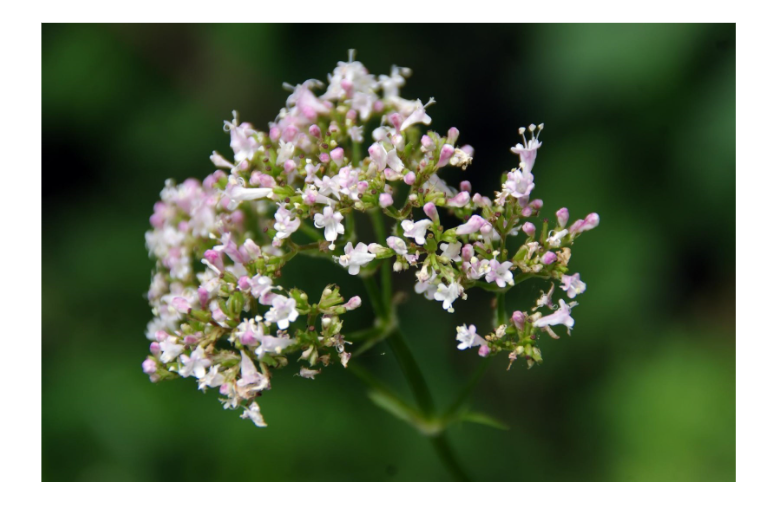
- common valerian (Valeriana officinalis): the medicinal herb from the introductory photograph, whose Czech species name clearly signals its beneficial and especially sedative effects on the human body, will adorn any garden with its dense inflorescences full of small white or pinkish flowers. You may also know valerian by the folk name baldrian. It has been used in natural medicine since the Middle Ages. This medicinal plant, which becomes poisonous in high concentrations, has been used by people in small amounts since time immemorial, among other things against insomnia, nervousness, anxiety, depression or stomach cramps. Interestingly, it is one of the first herbs to have been processed homeopathically. In addition to the sedative effects mentioned above, valerian is a powerful natural antioxidant that effectively combats the effects of free radicals. For medicinal purposes, only the roots of valerian with rhizomes are used. The above-ground parts of valerian are not used.
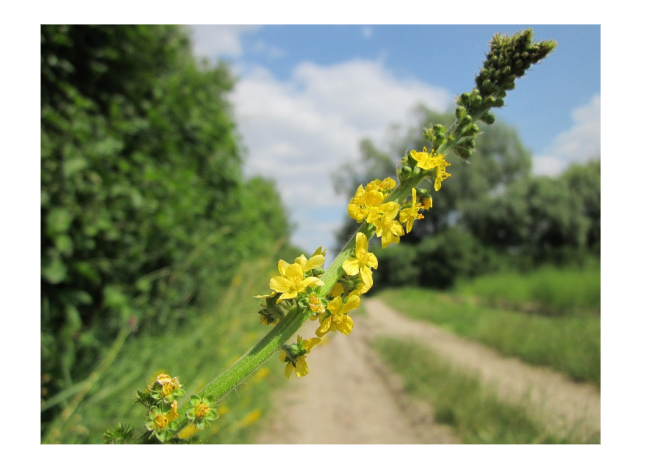
- common agrimony (Agrimonia eupatoria): agrimony flowers are yellow and have a characteristic fragrance reminiscent of apricots. In terms of cultivation, it is an undemanding herb for which sufficient light is particularly important. From a medicinal point of view, agrimony is well known for its anti-inflammatory effects. This popular herb, usually growing to a height of just under one metre, is also processed for the treatment of liver disorders. Interestingly, the flowering aerial parts of common agrimony were already used by the ancient Egyptians.
- Mauritanian mallow (Malva mauritiana): striking pink-purple flowers, reaching up to 5 cm in size, are a decoration for any garden or balcony. In addition, mallow, which grows to a height of up to one and a half metres, is used for inflammation of the upper respiratory tract. This is due to its high content of mucilaginous substances. Growing mallow is exceptionally easy. A decoction of Mauritanian mallow is also used in folk medicine to address skin problems, including the healing of inflamed wounds. Last but not least, the colourful flowers are an edible decoration suitable for a wide range of dishes and beautifully colour any tea blend.
Interesting medicinal plants that are often forgotten
There are also various kinds of useful herbs that our great-grandmothers would not have given up, but which over time have fallen into obscurity. This category includes, for example:
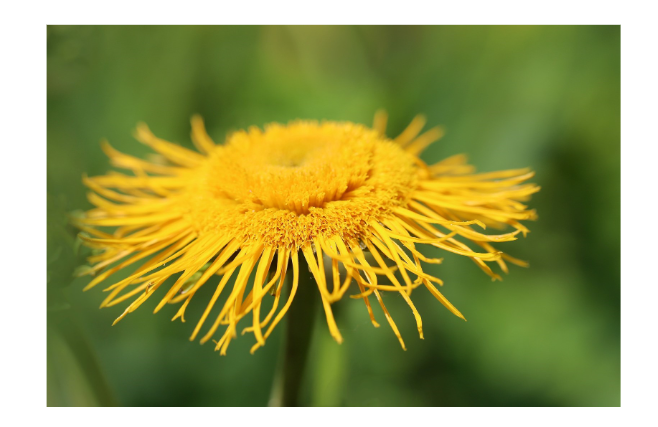
- elecampane (Inula helenium): on this plant, which produces unmistakable sulphur-yellow flowers (see picture), the most valuable part of all are its roots, which are collected in both spring and autumn and have the potential to address metabolic problems ranging from loss of appetite to poor digestion. They also help to relieve spasms in the respiratory tract. In folk medicine, elecampane is used in the form of tea, tincture or syrup. For example, for bronchitis.
- marshmallow (Althaea officinalis): this is another medicinal plant that is often grown only for decoration, although all its parts (root, leaves, flower) have also been collected for medicinal purposes since ancient times. From an aesthetic point of view, its delicate pink flowers are particularly attractive. It is another medicinal plant containing mucilaginous substances that make expectoration easier and soothe the irritated mucous membrane of the respiratory tract. However, marshmallow is also used in natural medicine, for example, for inflammation of the urinary tract or diarrhoea. The greatest effects of marshmallow are attributed to its macerated roots.
Proper storage will preserve valuable substances and the original fragrance
Whether the medicinal herbs mentioned above will decorate your outdoor garden, balcony or terrace, or whether one herb will interest you so much that you decide to set aside a place for it in your grow tent and ensure a year-round supply, do not underestimate the proper storage of fresh or dried herbs. In this respect, a separate article will help you: How to store your harvest properly?
If you would like to ask us anything, we are here for you at the well-known e-mail address info@higarden.cz.
We also recommend these products:
What to read next: