
How to grow orchids?
Orchid (Orchidaceae) is undoubtedly an ornamental plant and one of the most popular among home growers. That is why today’s article focuses more closely on how to care for these flowering beauties.
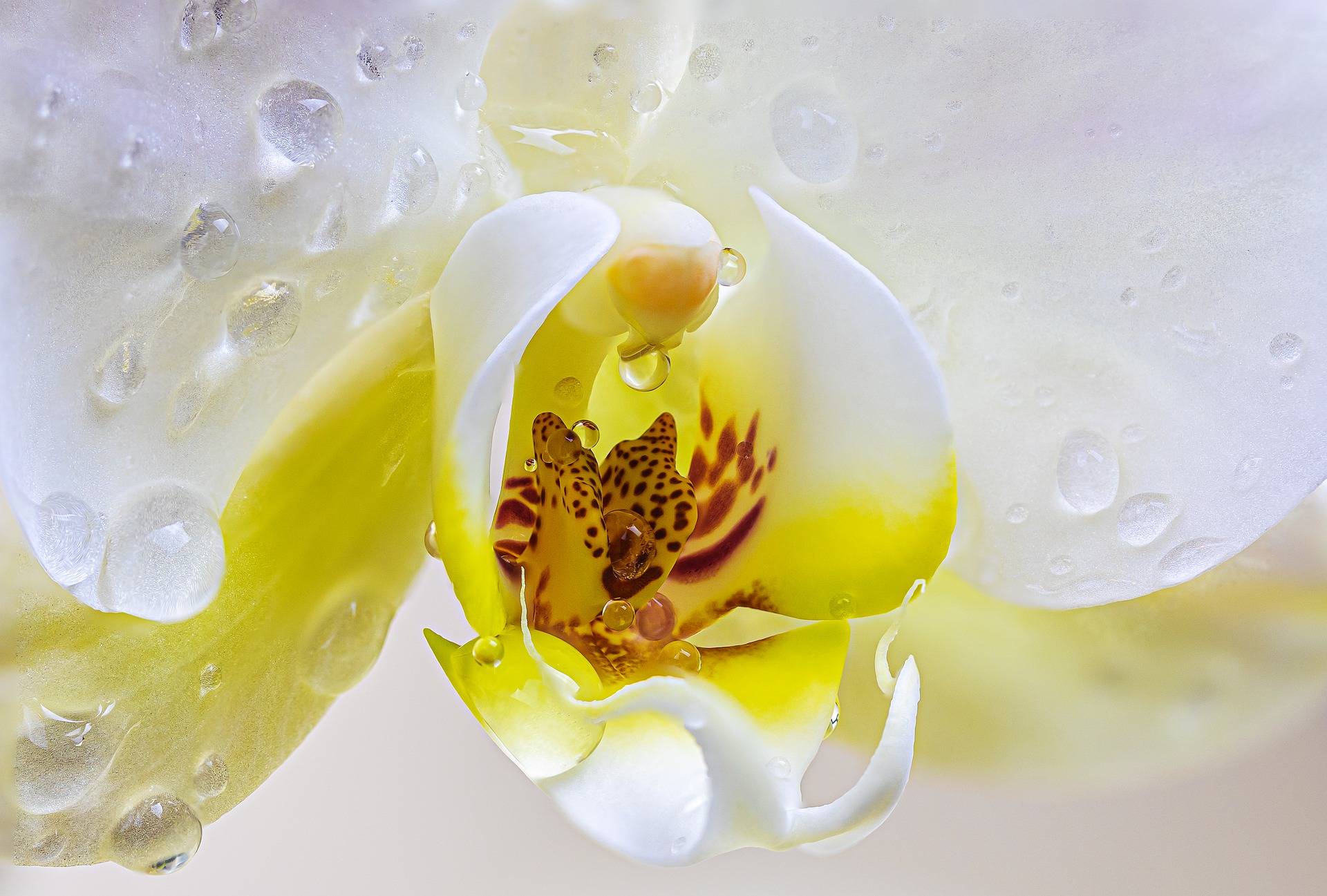
Caring for orchids, houseplants with a tradition dating back to the 18th century, is mainly about choosing and using a suitable growing medium, or substrate.
- Do not use exhausted substrates that have already seen better days or have been left in one place for a long time, as there is a risk that pests or perhaps some bacteria have got inside.
- Use quality substrates with a natural composition and, ideally, substrates intended directly for orchids. For this purpose, mixes of crushed bark and coconut fibres are most commonly produced.
- Substrate, which will suit your orchids, must above all be well aerated and light. Effective aeration can be ensured, for example, by adding perlite.
- At the same time, substrates that are too heavily pre-fertilised are not suitable for orchids. If the growing medium is 100% natural, it does not matter if such a substrate is slightly enriched with nutrients. The presence of any chemical components in the substrate is completely undesirable for growing orchids.
- Another key property of the substrate when growing orchids is its ability to absorb water, so that the root system of plants from the orchid family can absorb nutrients evenly throughout the entire pot, which is reflected in the final appearance of the above-ground parts of the plants, which we ultimately admire and also smell above the level of the substrate.
- The ideal substrate will provide orchids with an optimal balance of moisture and air in the root zone.
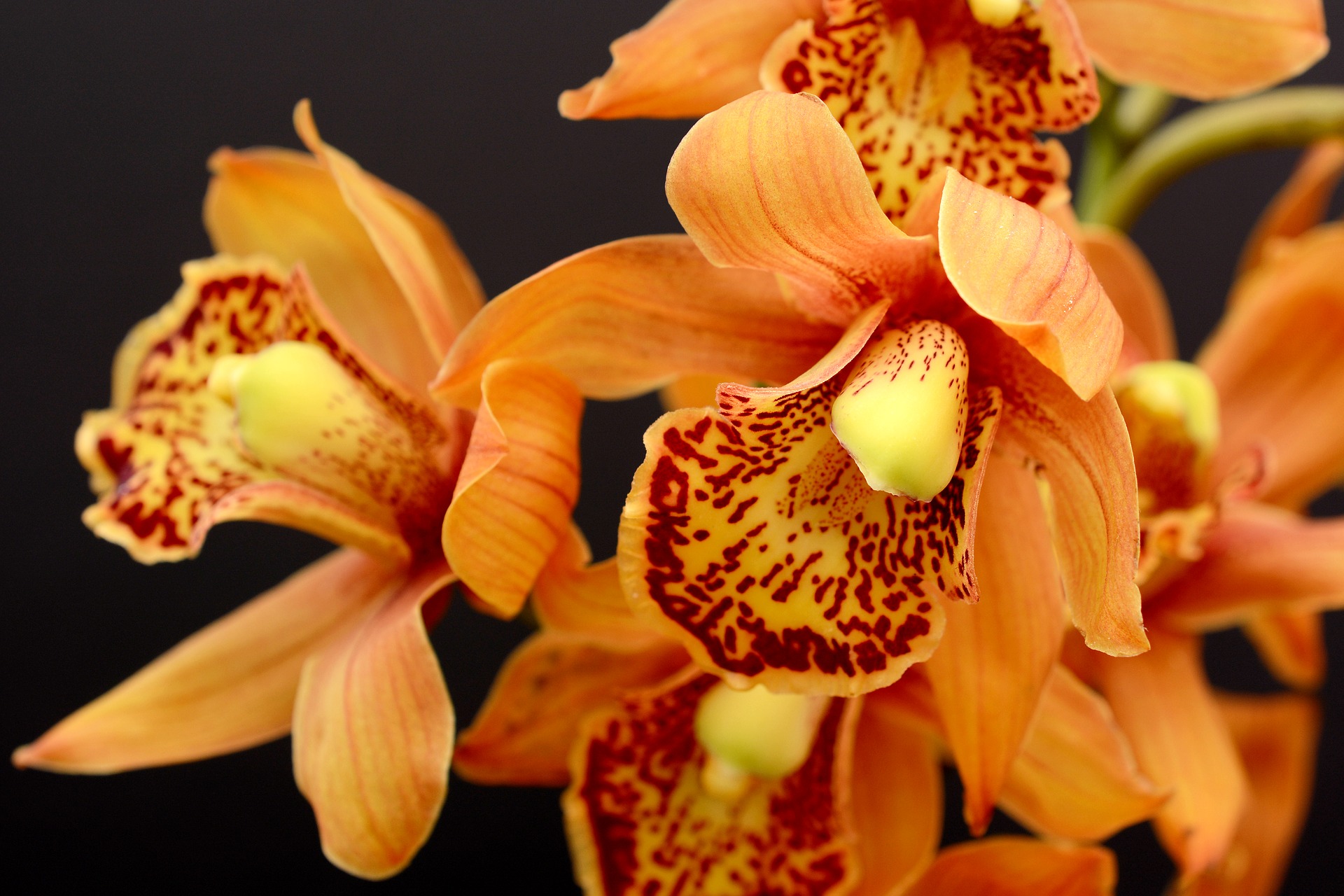
It is now necessary to mention which conditions suit orchids best.
- We already know that orchids welcome humid air. That means at least 50%, but quite easily up to 80%. Such air humidity is, of course, not present in the home. This is where sprayers come in, or you can place the orchid pot on a tray of pebbles, to which you regularly add water just below the tops of the pebbles. To keep it as air humidity, do not forget to regularly exchange the air in the room and ventilate properly, which is also a prevention against mould.
- They also generally belong among heat-loving plants, so ideal daytime temperatures range between 22–27 °C and night temperatures should oscillate around 18 °C. In summer, try not to expose orchids unnecessarily to hot midday sun, as direct sunlight represents considerable stress for them.
- Otherwise, they will welcome light. If you grow them as houseplants, they will thrive by windows on the east or west side. As soon as winter arrives, move them to the south side.
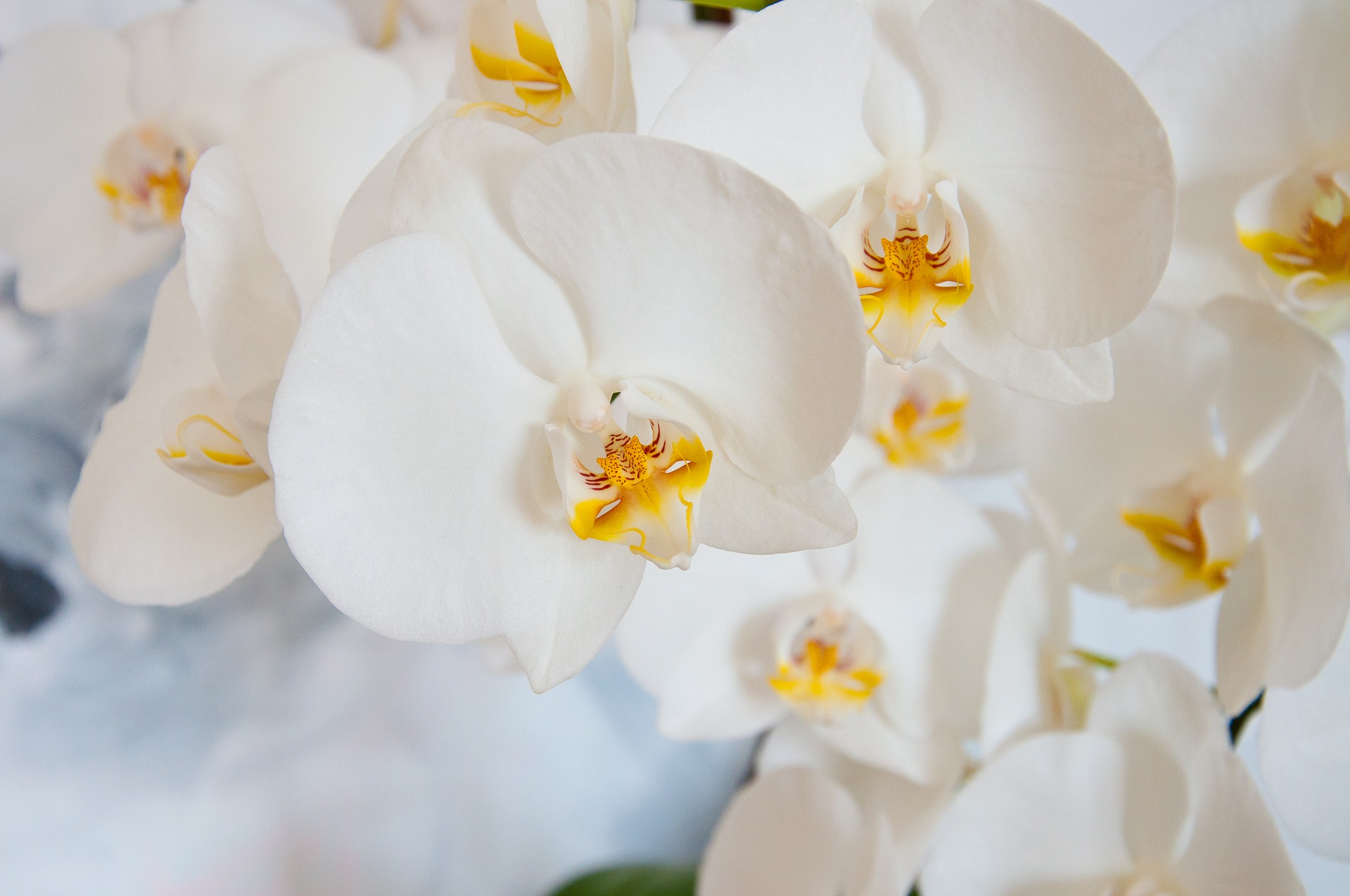
Overall, we can say that orchids are a little more demanding when it comes to watering. Here are a few tried-and-tested tips.
- Orchids also like dryness, so it is really important not to overwater the substrate. While they can last quite a long time in dry substrate, a thoroughly waterlogged substrate can even mean their death.
- Be extremely careful with fertilising orchids. It is more than enough to supply nutrients once a month, and only during active growth.
- In winter or, for example, after repotting, but also during active flowering, let orchids rest and do not fertilise them unnecessarily.
Orchids are simply fascinating, but they do require a certain amount of care. Phalaenopsis is probably the most commonly grown species in households, and it benefits from morning sunlight. However, there are many other interesting and fairly readily available species (Paphiopedilum, Cattleya, heat-loving hybrids Dendrobium phalaenopsis and cool-loving hybrids Dendrobium nobile, Oncidium, etc.) worth exploring, and thanks to the advice in this article, growing them should be a little easier. In any case, do not hesitate to ask us anything at the well-known e-mail address info@higarden.cz. We look forward to your questions!
We also recommend these products:
- AgroBio FANTAZIE - orchids 250 ml (89 Kč)
- Grotek Vitamax Pro (from 559 Kč)
- AgroBio INPORO PS against aphids and spider mites (from 159 Kč)
What to read next?
- What can be grown using hydroponics?
- The effect of silicon on plant health
- ONA Block: solid odour absorber