
Chilli Peppers: How to Germinate and Prerear
There are hundreds of different chilli pepper varieties in the world, differing in heat, shape, colour and size. What all chilli types have in common, however, is that they are heat-demanding plants with a relatively long growing cycle. If we want to grow them outdoors in our conditions, it is therefore important to start early and pre-grow them indoors. We will advise you how to do it!
Many of us have taken a liking to chilli peppers because of their heat. This is measured on the so-called Scoville scale, named after the American chemist Wilbur L. Scoville. While mildly hot Jalapeño have somewhere between 2,500-8,000 SHU, the recently bred record-holder “Pepper X” reaches a staggering 3,180,000 SHU, which is enough for its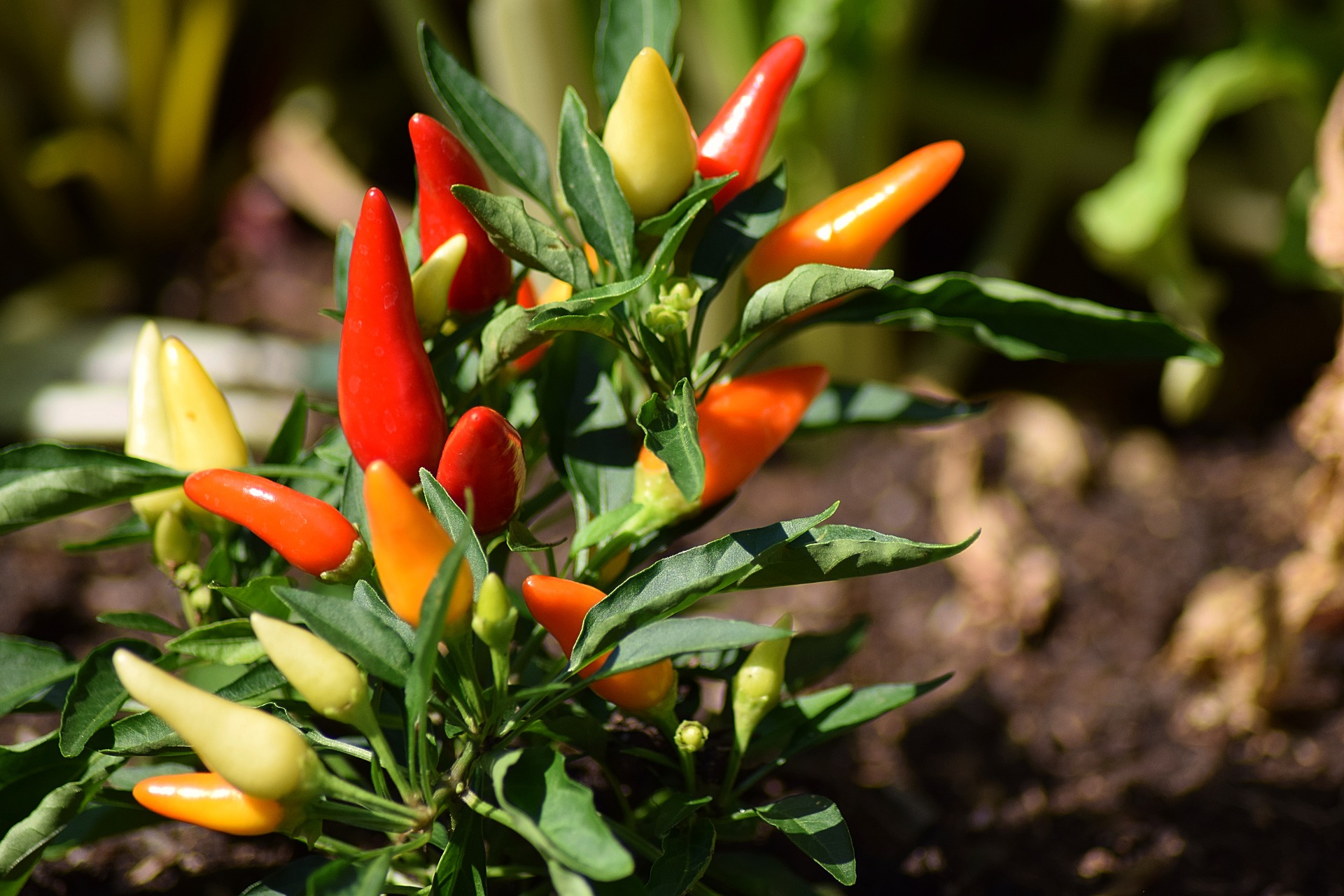 consumption to cause anaphylactic shock in some individuals. The burning sensation is caused by a chemical called capsaicin, which stimulates nerve endings in the mouth and, according to some, may have medicinal effects. The capsaicin content depends mainly on the cultivar (a bred variety), but also on the age of the plant or growing conditions.
How to choose the right chilli variety for growing
Chilli can be grown in many ways, outdoors in a pot or in a bed, in a greenhouse or also indoors under artificial lighting or hydroponically. It is precisely the chosen growing technique that most influences the selection of the right chilli variety for your garden. Different chilli varieties differ from one another not only in taste, appearance and heat, but also in the length of the growing cycle. Some types (often the hottest ones) flower and ripen for so long that they would not have a chance to ripen outdoors here. Varieties with a long flowering period are therefore better grown indoors under artificial lighting. As an example, we present several popular chilli types with regard to flowering time and suitable growing method.
- Jalapeño is a chilli variety originally from Mexico that will not take your breath away with its heat, but it is easy to grow and is excellent in the kitchen as an ingredient in sauces, salads, nachos, or it can be pickled in a sweet-and-sour brine or smoked (chipotle). The plants grow to a height of 1 metre and thrive in direct sunlight as well as in a greenhouse. Jalapeño has a relatively short flowering and ripening period (80-125 days) and is suitable for outdoor growing.
- Bhut Jolokia, also known as Ghost Pepper or Naga Jolokia, is one of the hottest peppers in the world. The heat, which can persist for hours after consumption, is accompanied by a distinct apricot and apple flavour. As they ripen, the peppers change colour from bright green to dark red, but some varieties may have white, orange or chocolate-coloured fruits. Bhut Jolokia is somewhat more demanding to grow and requires a constant temperature of around 24-28 °C during germination. The plants grow to a height of 1.2 metres and have a longer ripening time. This variety is suitable for outdoor growing, in a greenhouse and indoors.
- Trinidad Moruga Scorpion is a super-hot type of pepper originally from Trinidad. It occurs in two cultivars, one with bright red fruits and the other with yellow fruits. Both varieties have the typical shape with a tip resembling a scorpion’s sting and a very thin skin, beneath which lies an enormous dose of capsaicin reaching up to 2 million SHU. This chilli cultivar is more suitable for experienced growers. Seed germination can be demanding and you will probably not do without a heating mat. You will need patience during ripening, which can take more than 160 days. Trinidad Scorpion is suitable only for indoor growing under artificial lighting.
OUR TIP: Do you want to start growing chilli but lack the equipment? We have prepared discounted chilli pre-growing sets for you, where you will find everything you need to get started, including seeds of selected varieties and a special fertiliser for chilli peppers.
How to germinate chilli peppers
The right time for germinating chilli seeds for outdoor growing is from January to March. The earlier you start, the better. Your plants will gain a head start before the sun really starts shining outside. Before you begin, make sure you have all the necessary equipment ready.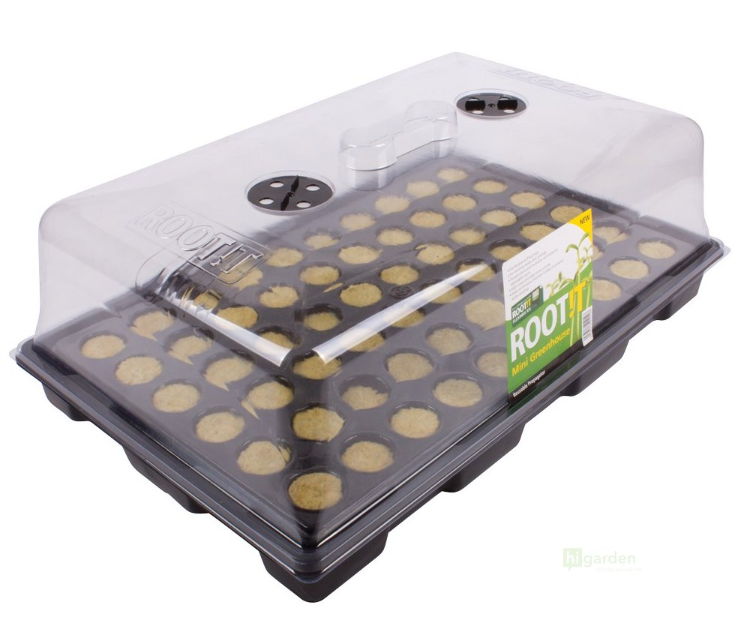
- Chilli seeds
- Seed tray or sowing pots
- Sowing substrate (or propagation tablets, propagation cubes, rockwool)
- Propagator (plastic propagator)
- Sprayer
- Additional equipment (heating mat, LED grow light, grow tent)
Germinate chilli peppers always indoors; they need plenty of warmth. You can place the germinating seeds on a windowsill where they receive sunlight, or use a heating mat that will provide them with a constant temperature. This is especially important for more demanding exotic varieties.
- Fill a tray or germination container to the brim with sowing substrate.
- Moisten the substrate using a sprayer.
- Sprinkle several seeds onto the surface of the substrate and cover them with a layer of substrate or vermiculite. If you are using jiffy pellets or propagation cubes, place the seeds into the prepared hole.
- Place the germination container into a plastic mini greenhouse (propagator) and put it in a warm place with plenty of light.
- Maintain a constant temperature. For chinense varieties 24-32 °C, for annum varieties 10-24 °C.
- The seeds should germinate within 3-10 days depending on the variety and the age of the seeds.
- Keep the substrate moist throughout, but not waterlogged.
OUR TIP: Do you want to grow chilli indoors like a true professional? Take a look at our complete indoor growing sets.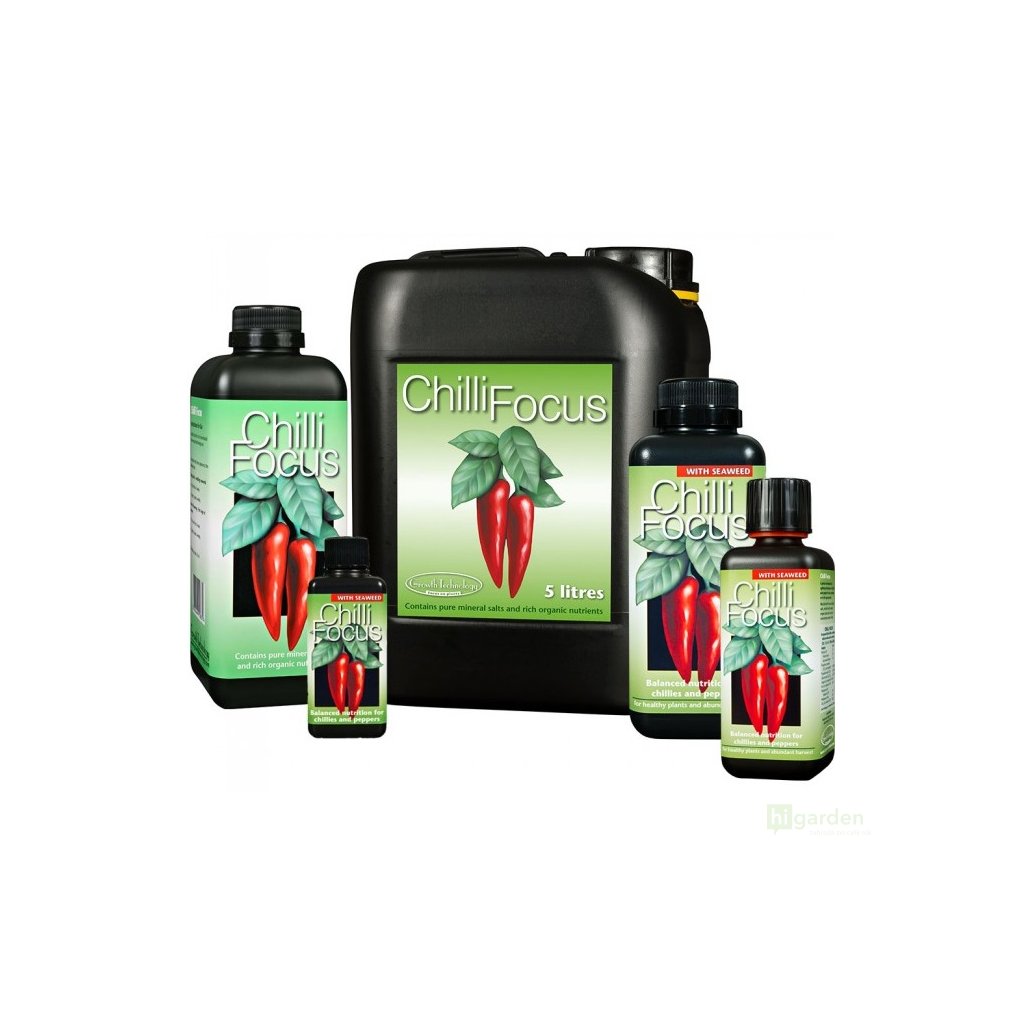
How to plant and pre-grow chilli peppers
You can transplant the germinated seeds once they have grown a little and the first two small leaves have appeared. For pre-growing purposes, it is better to plant the germinated plants first into a small pot and only when the seedlings have grown larger, transplant them into a bed or a larger growing container. This will help the development of a rich root system.
Water the plants regularly during pre-growing, but be careful not to overwater the substrate and not to let the roots stand in water. From the second week onwards, you can start fertilising the plants with a weak growth fertiliser or a fertiliser intended for chilli peppers.
Pre-grow the seedlings either on a windowsill where there is plenty of sunlight or under artificial lighting in a grow box. Whichever method you choose, make sure the plants have at least 12 hours of light. A lack of light or too little intensity will slow plant development. Under