
Tissue cultures and micropropagation. The future of plant propagation?
In today’s article, you can broaden your horticultural horizons and discover a new global trend in the field of cloning plants through tissue cultures. This is still a less well-known method of plant propagation than the well-known cultivation (propagation) from seeds or cuttings, which for many years was also the only way to propagate plants.
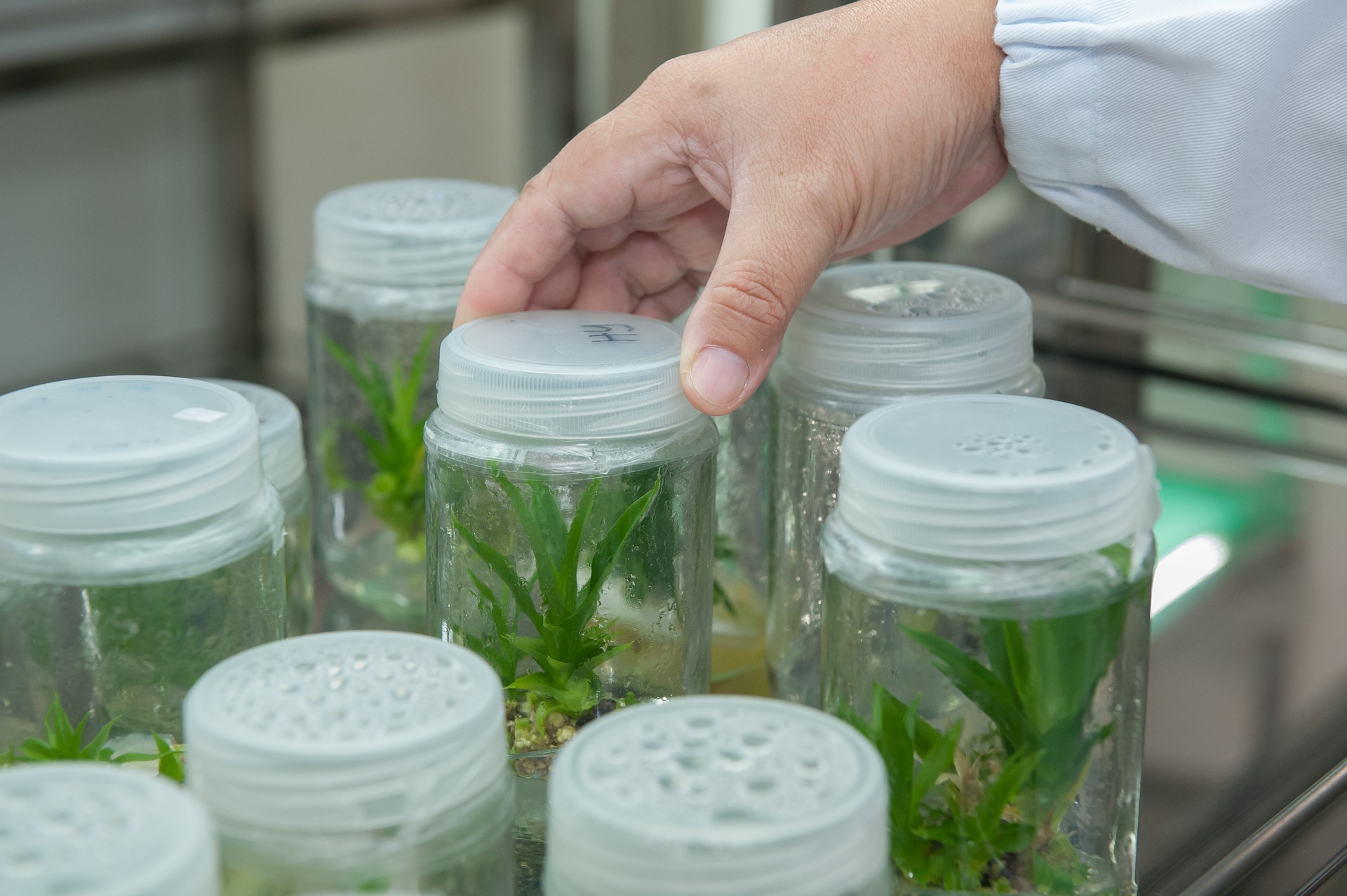
What is tissue culture micropropagation?
To answer this question, it is first necessary to define certain boundaries between the terms micropropagation and tissue culture. So what is the difference between them, and what is the connection?
The micropropagation process requires tissue culture for the propagation of seedlings. These two terms are often confused. The main difference between micropropagation and tissue culture lies in the fact that micropropagation means, in practice, the controlled production of a large number of plants from a small amount of plant material, whereas tissue culture can also be described, for the purposes of plant propagation, as the initial step of micropropagation. Hence tissue culture micropropagation.
Micropropagation:
- Plant propagation by growing seedlings in tissue culture and then planting them out
- The two steps are tissue cultivation and introducing new plants into the soil.
- It is used to produce a large number of clones.
Tissue cultures:
- A technique for maintaining and growing plant cells, tissues or organs, especially on an artificial medium in suitable containers in a controlled environment.
- The three steps are introducing the explant into the tissue culture medium, propagation and the initiation of root formation.
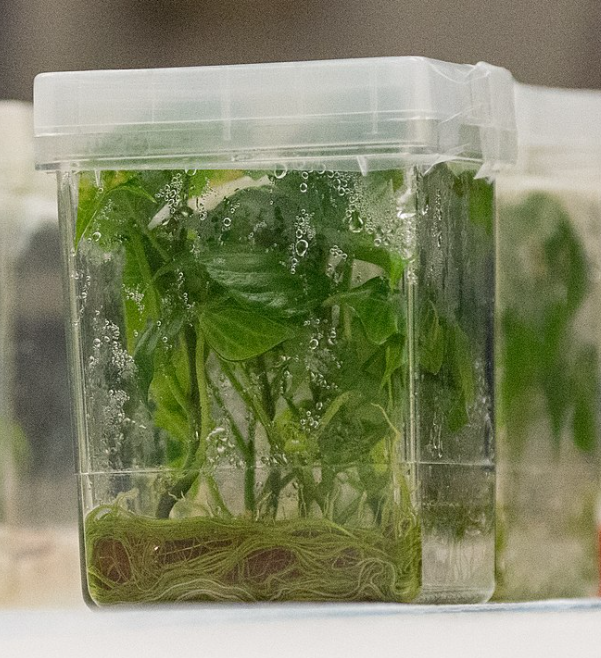
This cloning technique uses plant cell cultures. These are grown in sterile Petri dishes. At the beginning of this process, as with conventional cuttings, there is also a mother plant. However, only the so-called explant, or plant sample, is taken from it, which is then placed in a sterile environment, usually a nutrient-rich gelling medium containing vital nutrients including vitamins and hormones that stimulate the development of shoots and roots in the young plant.
The controlled cloning environment allows the tissue culture to be preserved for practically unlimited periods until the grower decides to use the sample. Whether the plant sample is at that moment in the growth, rooting or propagation phase, these processes can be initiated at any time by adding further solutions with a high content of nutrients and hormones. Then, once the plant has developed sufficiently in all respects and is ready for propagation, exceptionally identical clones are produced in high numbers.
The attentive reader will already have realised that the almost laboratory-like work with tissue cultures goes beyond indoor gardening itself and moves towards microbiology, and therefore requires an exceptionally clean environment. If, however, you enjoy experimenting, go ahead. All you need is a home micropropagation kit. A sterile starting environment is essential for future seedlings so that pests or plant diseases do not occur.
When genetics takes the lead
An undeniable advantage of tissue cultures is that the clones remain genetically perfectly identical to the mother plant.
Here too, cloning through tissue cultures excels over conventional methods, because it is more precise, cleaner, and therefore allows the grower to secure plant genetics exactly as needed. Traditionally grown clones are also usually more susceptible to disease and may suffer from genetic mutations from the original mother plant.
That is why tissue cultures are increasingly used to achieve a particular genetics of high value.
Genetic stability is often a priority in the world of cultivation, and tissue culture micropropagation meets this perfectly.
By contrast, compared with clones, growing new plants from seeds cannot be strongly recommended in terms of genetic stability. In addition, the whole process is more time-consuming and financially demanding, especially if you are aiming to grow herbs with medicinal effects, which usually root relatively easily and quickly.
A solution for commercial and smaller growers
Without doubt, this is not only the future, but in many cases already the present for commercial growers. Tissue cultures are already commonly used, for example, by large-scale banana growers. This method of cloning plants, where new individuals are produced from stored cell cultures within a short period in the thousands, shows exceptional efficiency on a large scale. Producing ordinary clones in the way we have known until now requires constant care and attention for the “mothers”. If we focus on the popular and often discussed autoflowering varieties, long-term maintenance of mother plants essentially becomes “mission impossible”, because so-called autoflowering plants do not respond to changes in photoperiod in the same way as conventional varieties.
With tissue cultures, there is not only far less trouble, but they also take up nowhere near as much space, not to mention the fact already mentioned, namely the almost unlimited storage t