
Cloning / Cuttings
Cloning, or taking cuttings, is a method that allows convenient propagation of plants within your indoor garden. You can do it yourself at home. Read on to find out how to proceed and what will help you care for the seedlings perfectly, so that you make full use of the potential of your home growing space.
How does it work? The cutting process consists of removing a part of the plant, which you then replant, creating a clone. This clone has identical characteristics to the mother plant. If you grow herbs at home, so much the better. Herb cuttings are characterised by significantly faster rooting than is the case with cloning woody plants. Clones are already small plants. Compared with growing from seed, you gain several weeks’ head start.
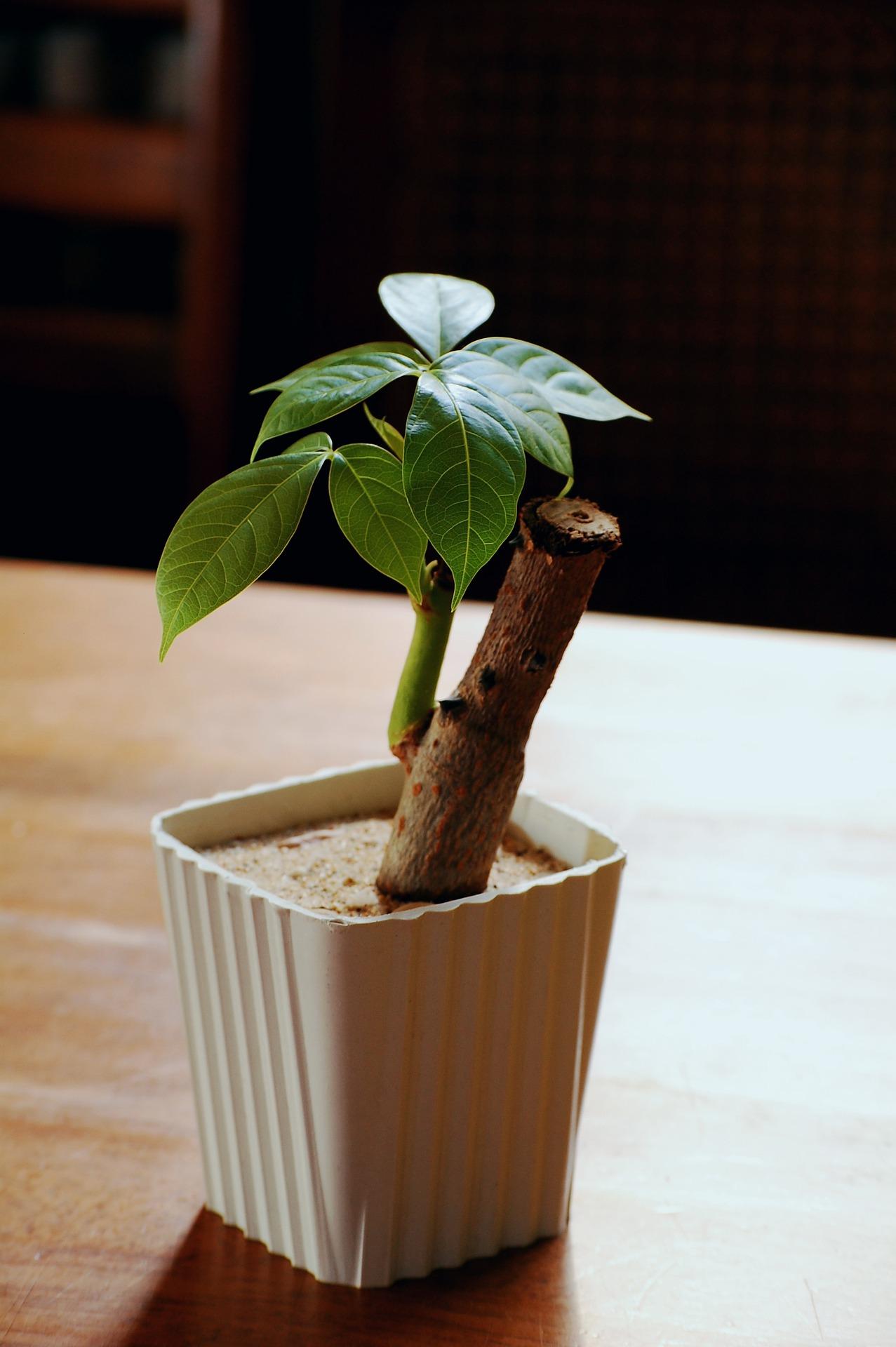
In practice, cuttings are taken from various parts of plants, from roots through shoots to leaves. Based on the degree of maturity of the shoot or a particular part of the plant, we distinguish woody, semi-woody and herbaceous cuttings. It is the last-mentioned that you should take from your herbs as fresh as possible, as soon as you see that the mother plant is already sufficiently vigorous. When growing various herbs and medicinal plants, mother plants are commonly kept in a vegetative state for the gradual cutting of cuttings, which then grow faster than herbs grown from seed. Experienced growers apply a special cloning spray to the mother plant two to three days before cloning itself, which significantly increases the success rate of your clones and, conversely, reduces any losses in the first days after cloning.
The art of the correct cut
If you cut the cutting gently and diagonally at an angle of approximately 45°, you will make subsequent rooting and growth easier for it. For surgical precision, use a scalpel, please. Do not forget the lower leaves, which should always be cut off to prevent them from rotting. We then strongly recommend dipping the lower part of the clone into a quality stimulator, and that is it! The rooting stimulator can be powder or gel. Plant the cutting about 2 cm deep into a growing medium suitable for rapid rooting.
Ideal conditions for your clones
First of all, you need a suitable growing medium.
Growing plants from cuttings is also made possible by various propagation cubes made of basalt wool (Rockwool) or the popular Jiffy pellets. Are you an advocate of ecological growing and would you welcome 100% natural propagation cubes made of earth wool (Earthwool) for rooting cuttings, which do not need to be buffered? Then the range from the brand Agra-Wool is the most suitable solution for you.
For successful and convenient pre-growing of cuttings, growers have access to smaller greenhouses and propagators. A key factor when choosing one is the ability to maintain the important high humidity for seedlings, which ranges between 70–80%. For most plants, temperatures of 20 to 25 °C are beneficial for cuttings inside a propagator.
The exceptionally practical ROOT!T mini propagators can be purchased in a value set containing everything you need, including propagation plugs!
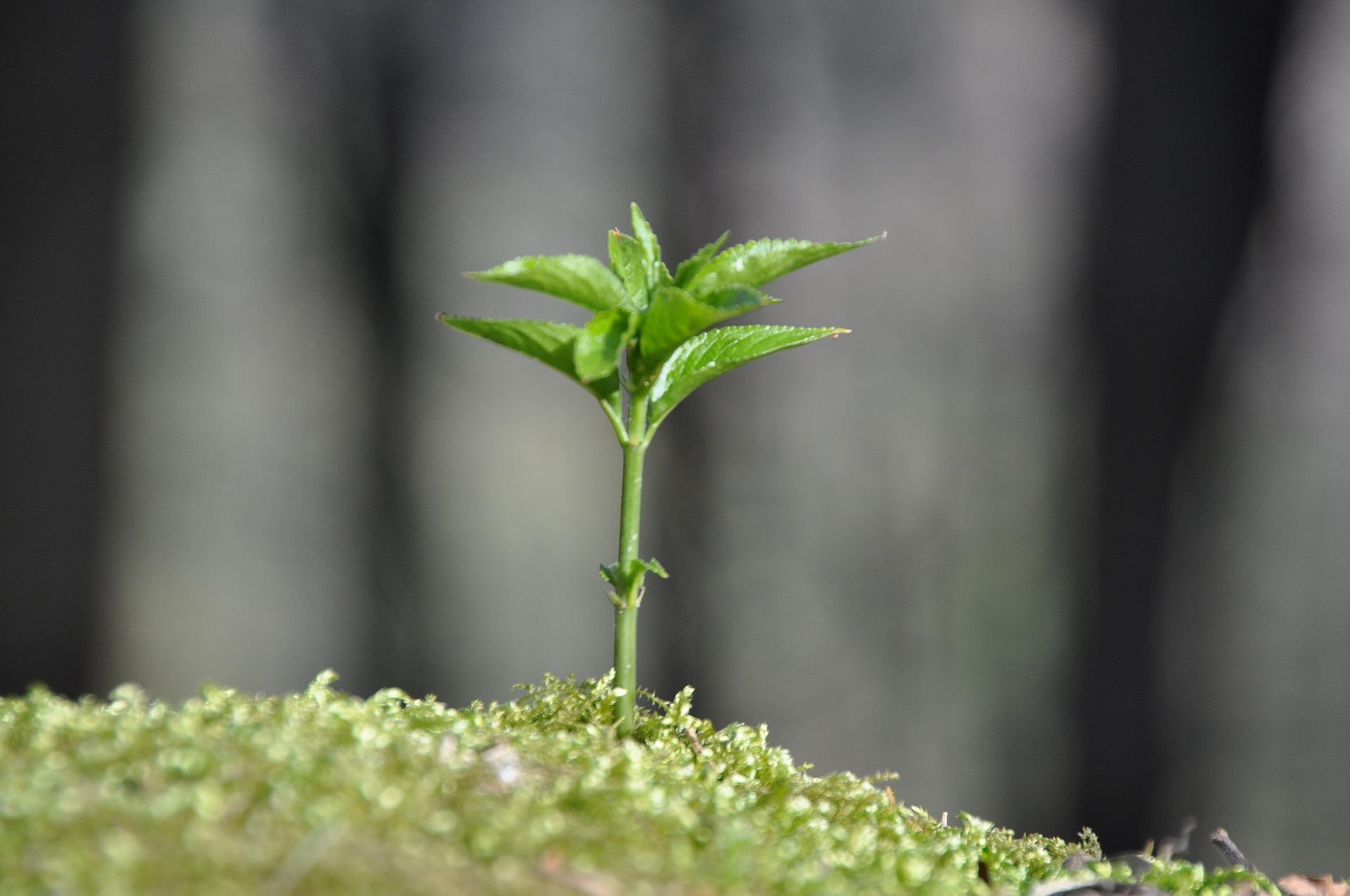
We hope this article has helped you orientate yourself in the basic questions of cloning, and we believe that you will master this activity with ease. Propagating plants is fun. At the same time, it is necessary to proceed correctly and accommodate the needs of different varieties.
We wish you every success in caring for cuttings and mother plants. If you would like to ask anything or need advice on choosing equipment, we are here for you at the well-known address info@higarden.cz.
- ROOT!T cloning spray
- ROOT!T Rooting Gel rooting stimulator
- ROOT!T mini propagators
- Propagation growing medium
- Earth wool propagation cubes