
NPK - what is it?
The NPK value indicates what percentage by weight the three basic nutrient components for a plant make up.
The NPK value indicates the percentage by weight of the three basic nutrient components that a plant should have available for optimal growth and development:
- N denotes nitrogen, which is absolutely essential for growth in plants.
- P denotes phosphorus, which supports root formation and the development of buds and flowers.
- K denotes potassium, which ensures the plant’s strength, improves its resistance and protects the plant against possible infections.
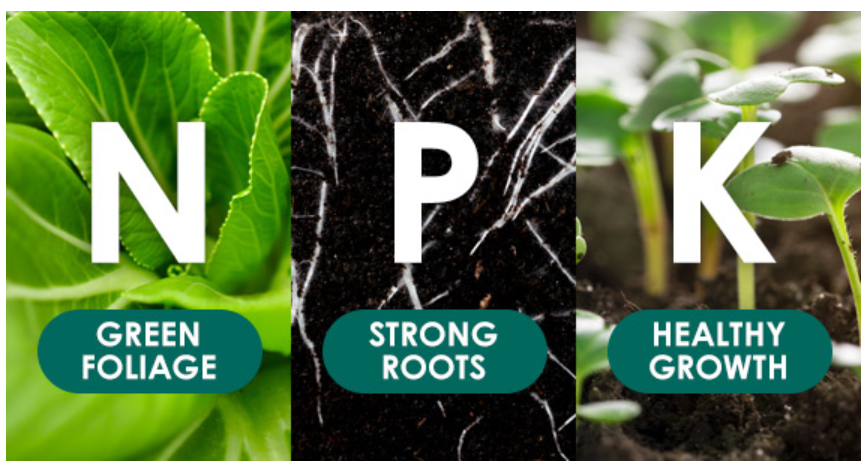
Fertilisers containing N-P-K elements are the basic nutrition for plants.
What is the composition of an NPK fertiliser and how should one understand the specific values of a given NPK fertiliser?
If the NPK value is 6-8-6, the plant’s nutrition includes 6% nitrogen, 8% phosphorus and 6% potassium (by weight).
NPK fertilisers containing the basic elements for healthy growth of plants are often referred to as so-called complete fertilisers. The term triple fertilisers is also often used.
A fertiliser containing only phosphorus and potassium - a double fertiliser, or PK fertiliser - is a mineral additive for an extensive root system of plants, and another effect of its use is often the formation of abundant flowers.
Growers also widely use single fertilisers containing only one of the three most important NPK elements. A single fertiliser provides plants with an extra dose of nitrogen, phosphorus or potassium. The number for each type of fertiliser again expresses the percentage by weight.
Fertiliser with NPK content and its practical use:
- The consumption of nitrogen, phosphorus and potassium is considerable in most plants, so single, double and triple fertilisers with different NPK contents are intensively used when growing plants in indoor conditions throughout the cultivation cycle.
- Basic soil fertilisation at the start of vegetation is also important if you repeatedly use a smaller growing area outdoors outdoor (a garden, bed, etc.) for growing fruit or vegetables, for example. Repeated cultivation in the same growing area results in lower soil fertility, as nutrients are gradually depleted from the soil. It is therefore important to add them back into the soil, and this is exactly what complete fertiliser is for.