
How to get rid of slugs
Slugs can destroy a crop in a single night, even if you have spent weeks working on it. How can you get rid of them once and for all without destroying the rest of the garden? We have prepared an overview of all available methods, from natural ones to proven products.
 Slugs are found in practically every garden. The most damaging is the Spanish slug (Arion vulgaris), a species of slug that spread to us from Western Europe and has become the nightmare of Czech growers in recent years. Slugs hide in damp shelters during the day and only go out to feed after dark. They are omnivores, but they most enjoy young and juicy parts of plants. In spring, slugs therefore often feed on freshly sprouted shoots of lettuce, strawberries, courgettes or tomatoes, but they do not turn down hemp, herbs or flowers either. Slugs prefer a damp and warm environment and are most active at night after rain or after the garden has been watered. This pest reproduces very quickly and a single slug can lay hundreds of eggs during the season. Thanks to the lack of natural enemies, slugs spread incredibly quickly, and if you do not want to lose your crop, it is advisable to protect it using all available methods.
Prevention against slugs
As with all pests, prevention is always easier than eradication when it comes to slugs. Slugs prefer environments full of damp places where they can hide from the sun and dryness. If you adjust the garden so that you minimise such conditions, you will significantly reduce the risk of infestation.
The basis is to keep beds clean. Regularly remove weeds, fallen leaves and other debris. Water in the morning rather than in the evening so that damp soil does not attract slugs overnight. A great preventive measure is to grow in raised beds or pots with a protective edge. If you mulch, choose straw rather than wood chips, as it makes movement more difficult for slugs.
- Regularly remove weeds, fallen leaves and dead plant parts from the garden.
- Water in the morning so that the soil is not damp overnight.
- Use raised beds or planters.
Mechanical methods for removing slugs
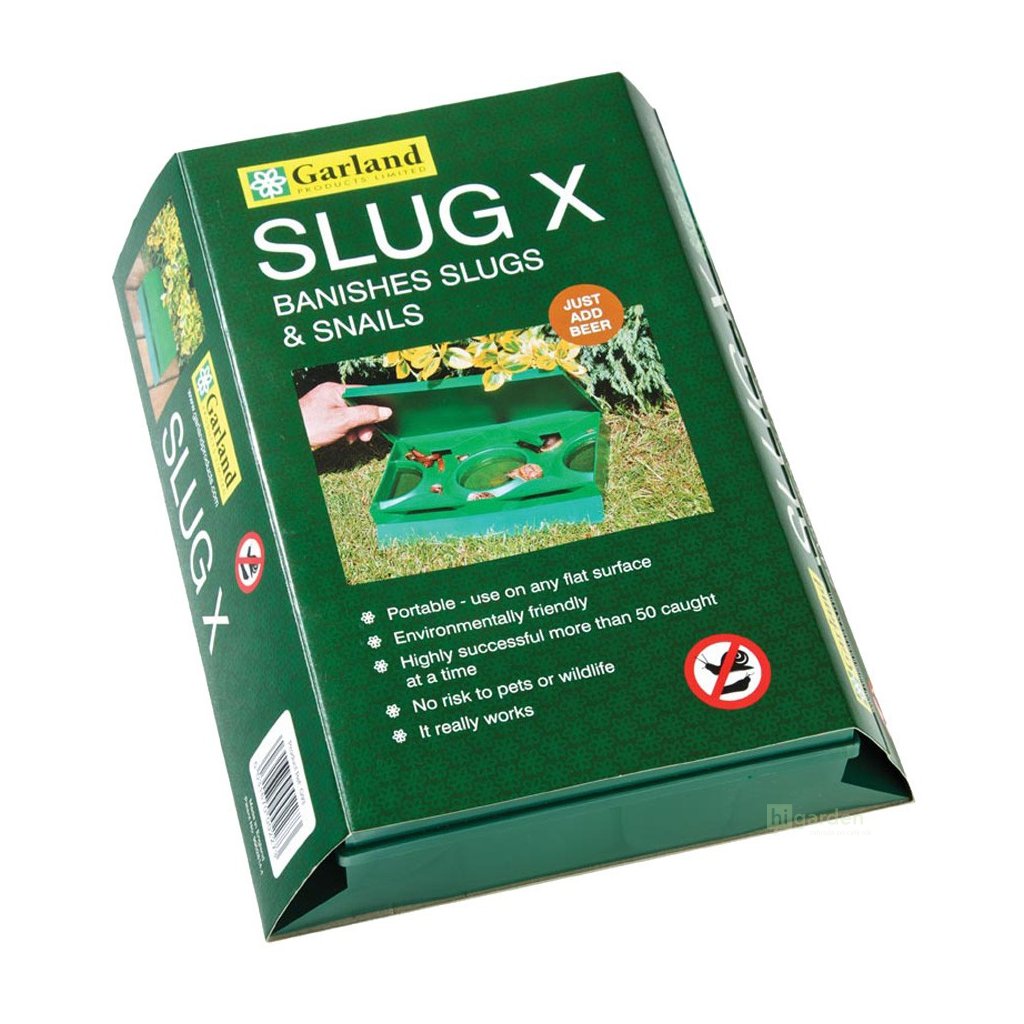
In the case of slugs, mechanical removal is quite effective. At least if the infestation does not reach biblical proportions. You can collect slugs by hand; it is easiest with a head torch after dark. You can also place mechanical traps with beer around plants, which attracts slugs. The basis of success when “hunting” slugs is regularity. If you go into the garden every evening, you should be able to reduce their numbers to an acceptable level.
- Collect slugs early in the evening or in the morning.
- Place slug traps on the beds.
- Remove slugs from the garden every day to reduce their population.
Natural repellents and barriers against slugs
If you want to get rid of slugs without chemicals, you can try using ecological products such as sand, sawdust or copper tape. By themselves, these methods will not be 100% effective, but in combination with mechanical removal and prevention they can save your garden from a slug disaster.
- Line the edges of pots and raised beds with copper tape, which slugs cannot cross.
- Spread sand, ash or sawdust around plants, which will dry out the slugs’ mucus.
- Plant species that slugs do not like, such as garlic, thyme or lavender, along the edges of beds.
Proven slug control products
It may happen that the above methods are not enough and you have no choice but to use modern slug control products. These are usually slug pellets, which are very effective, but some types can be toxic, for example to pets. Gentler products, such as parasitic nematodes, can also significantly reduce the slug population in the garden.
- Use non-toxic slug pellets based on iron.
- You can also use biological slug control in the form of nematodes of the genus Phasmarhabditis.
Last but not least, we must also mention the natural enemies of slugs in our article, such as hedgehogs, frogs, birds or slow worms. Although it is difficult to influence the presence of these animals in your garden, you can at least strive to create a clean and non-toxic environment where they will thrive. You can also use Indian Runner ducks, which specialise in hunting slugs.
Looking for more useful advice for outdoor and indoor growers? Visit the Higarden blog, where you will find verified information and guides for both beginners and experienced growers.