
How to grow and care for mother plants?
Mother plant, or simply a mother. In this post, you will find out what this term means, and we will also focus on the practical side of the matter.
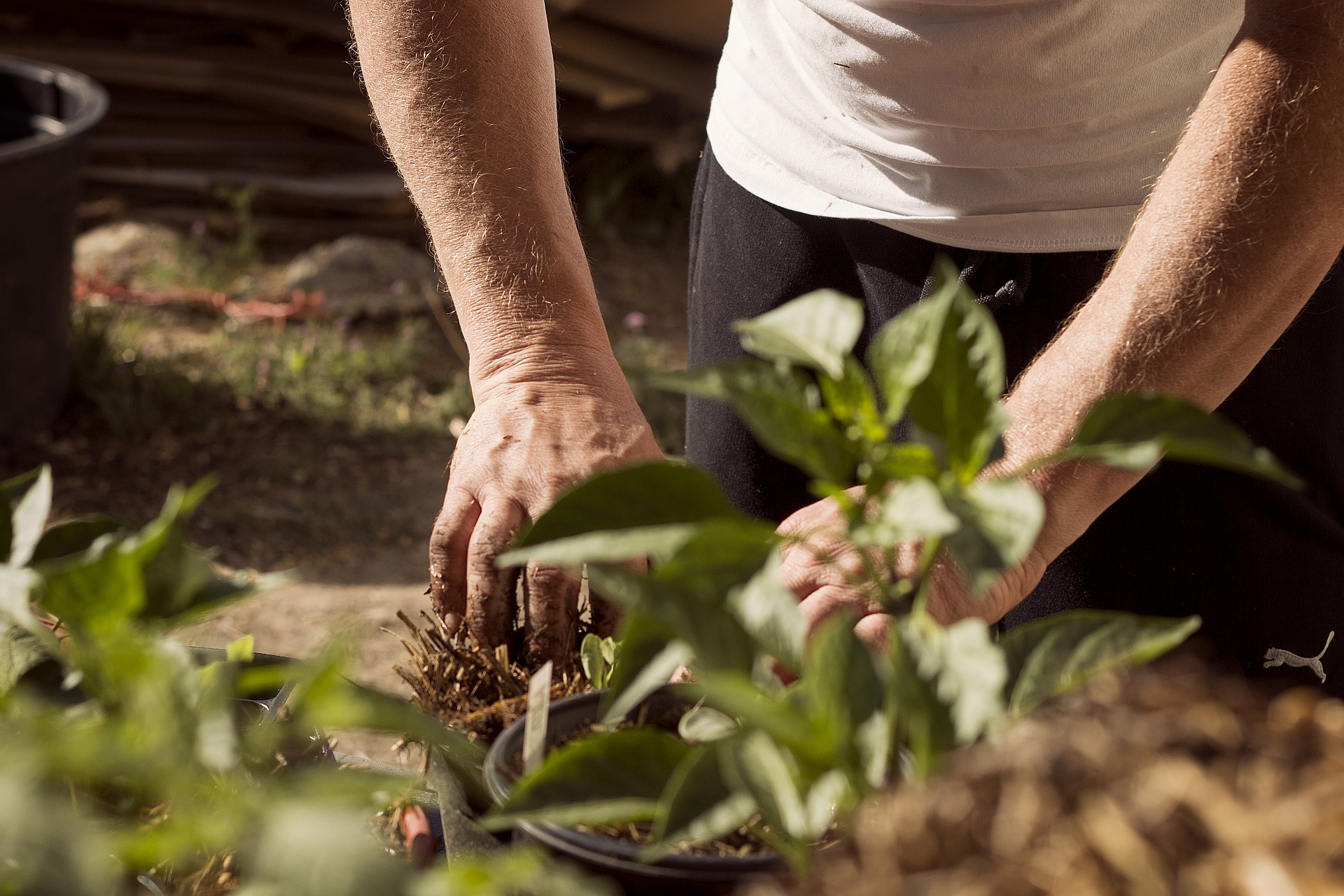
- A strong, vital plant of the preferred variety is carefully selected and then used as a mother plant. It is then kept in the vegetative stage for a long time in order to provide cuttings (clones).
- The proven “functional” period for using a mother plant for successful propagation by cuttings is approximately one year, although an average mother plant lasts longer and the most resilient ones can easily survive for several years.
- We care for a mother plant practically the same way as for plants in the growth stage, whether it concerns fertilisers, prevention, or lighting, where we choose discharge lamps with grow light, or, in the better case, full-spectrum LED lamps, which perfectly imitate sunlight for the mother plant. High-quality TLED grow lighting can also be used for a single mother plant.
- Mother plants need only a lower light intensity. What is important is the growth light cycle, that is, 18 hours of light and 6 hours of darkness.
- For the cultivation of mother plants, we recommend hydroponic systems, with which you no longer have to repeatedly deal with complications associated with exhausted substrate or soil.
- For growing mother plants, choose larger round pots.
- Mother plants do not form flowers, so you do not need to worry about mould infestation.
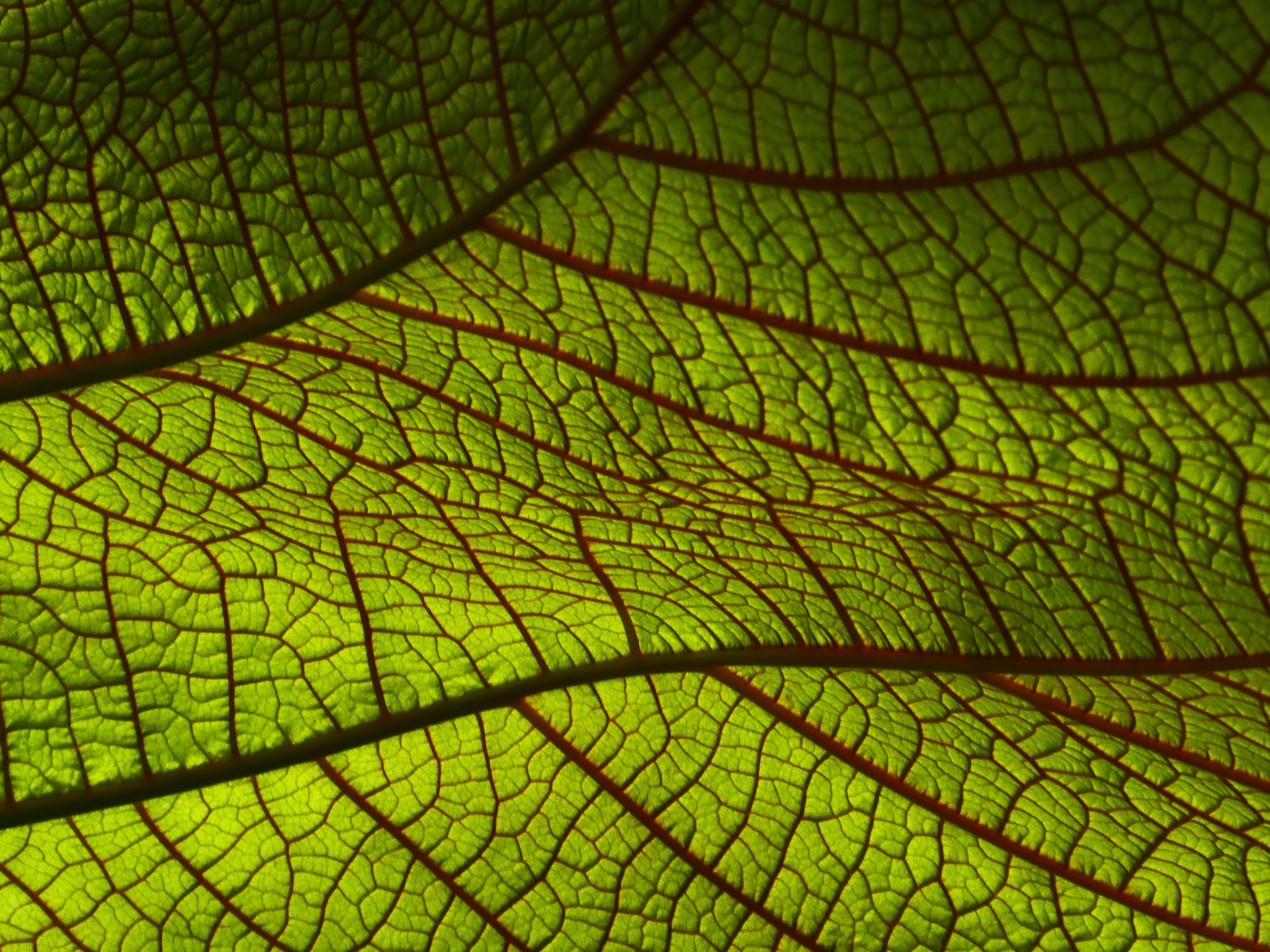
- The ideal growing environment for mother plants is characterised by slightly increased air humidity.
- The dosing of irrigation should be just as precise as in the case of watering classic plants in the growth stage.
- Moderation is required when fertilising, as mother plants will remain in the growing medium for a very long time, and therefore careful dosing of growth fertilisers is suitable to eliminate the risk of soil salinisation.
- At least once every quarter, it is advisable to replace the substrate by carefully removing the mother plant from the pot, while carefully removing the outer layer of exhausted substrate (1-2 cm) from each side around the root ball with a sterilised knife. Fill the remaining space in the pot with fresh substrate. If the mother plant was not sufficiently vital, careful repotting should give it new energy. If even replacing the substrate is not enough, it is time to let one of the cuttings grow into a new mother plant, which you will again maintain with a suitable light source, light cycle and nutrition in the vegetative phase.
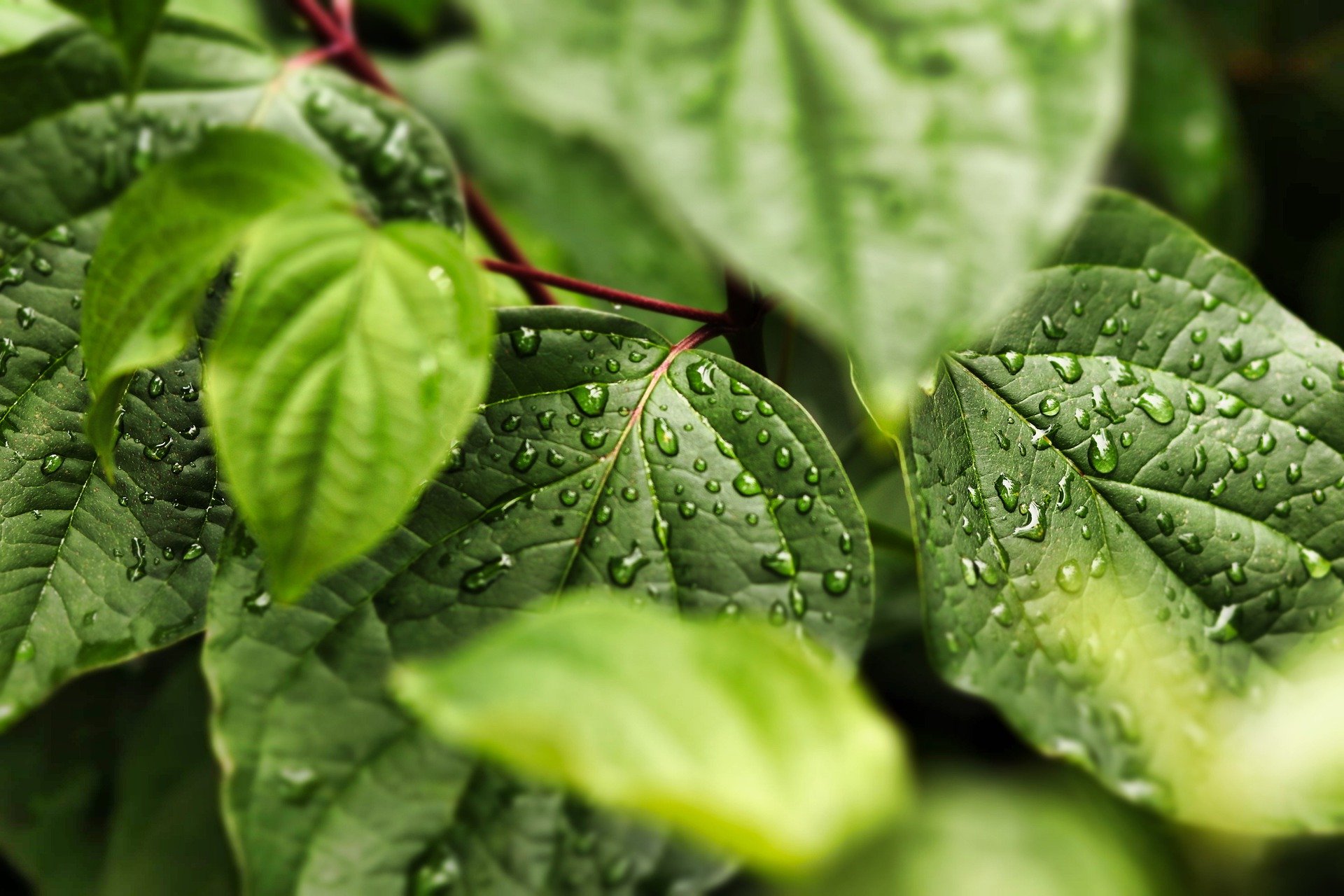
- It is necessary to make sure that you do not overwater mother plants. If automatic growing systems are not taking care of irrigation for you, we recommend watering mothers only when the substrate is practically dry, but the plants have not yet started to wilt, which would of course not be desirable at all.
- Hydroponic systems offer growers a clear advantage during the cultivation of mother plants in that, unlike hand watering, which in practice requires, for example, when leaving for a few days, someone with a sense for precision and regularity, they allow long-term and independent growing with optimal irrigation without the risks associated with a deficiency of water and nutrients or, conversely, overwatering.
That is all regarding the care of mother plants themselves, about which you have been asking us frequently lately. We discuss taking and rooting cuttings in a separate article. If you would like to ask us anything, we look forward to your questions at the well-known address info@higarden.cz.
We recommend these products:
- BioNova Bio Soilmix 50L (279 Kč)
- BioNova Veganics Grow (from 269 Kč)
- HERCULES aerated pot - round 20L (89 Kč)
- Hydroponic systems (from 2 599 Kč)
What to read next?