
Sowing Substrate, Rockwool, Peat or Eazy Plug – How to Choose the Right Medium for Germination?
Sowing substrates, propagation plugs, peat and rockwool cubes, or Jiffy – we have them all at Higarden! Which germination medium should you choose? It depends on what you are growing in and how you grow. Here is an overview of propagation substrates for germination and instructions on how to use them correctly.
When choosing a germination medium, a simple rule applies – choose according to the substrate in which you will grow the plants. For growing in soil or horticultural substrates, sowing substrates or peat plugs are the most suitable. For growing in coco, Jiffy or Eazy Plug cubes are best, but you can also use rockwool. For hydroponics and growing in soilless substrates, use rockwool cubes for germination.
You may also be interested in: Germination from A to Z
Sowing substrates
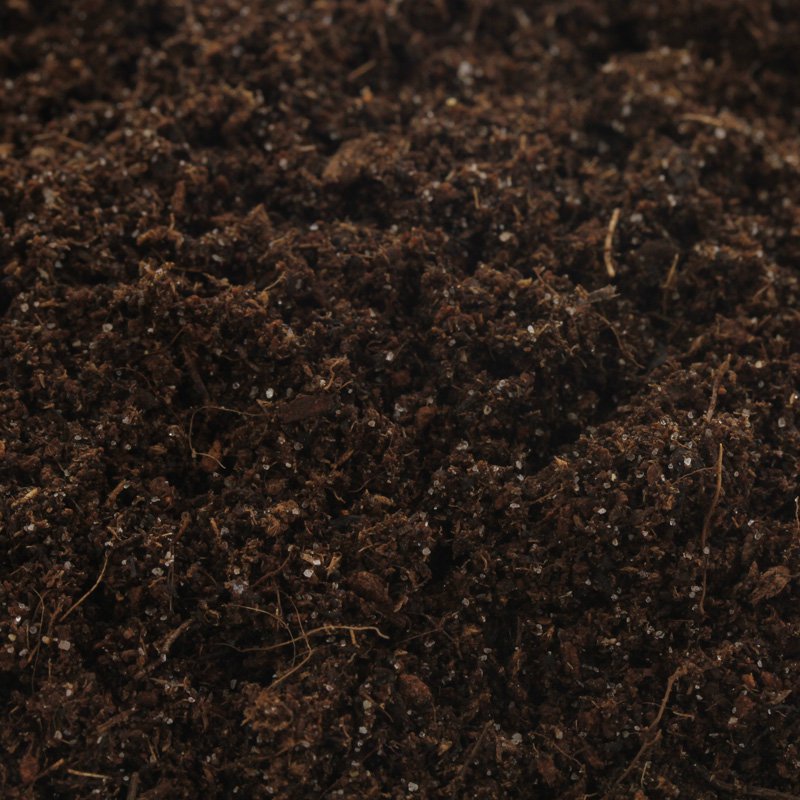 Compared with those intended for growing, soil-based substrates for germination and sowing have a finer structure. This helps them retain water better and also prevents seeds from floating to the surface when watering. You can use sowing substrates when growing in soil, both indoors and outdoors, in pots, beds or in a greenhouse. For germination in sowing substrates, you will need small plastic pots, in which you can also pre-grow seedlings straight away. However, if you are germinating seeds of autoflowering varieties, use peat plugs and transplant the plants into a large pot immediately after germination. Autoflowering plants do not tolerate transplanting well. When germinating in sowing substrates, first fill the growing container to the brim, water the soil thoroughly with clean standing or distilled water, and sow the seeds to a depth of approximately twice their length.
Peat plugs
Plugs made from peat or other organic materials are suitable for growing in soil, both indoors and outdoors, in pots, beds or in a greenhouse. For germination in peat plugs, you will need a suitable propagator tray, into which you place them. You will also need a propagator, a small plastic propagator, which prevents the plugs and germinating seeds from drying out. When germinating, first soak the plugs in clean standing or distilled water, let them drain for several minutes, and only then sow the seeds into them to a depth of twice their length.
Jiffy made from coco substrate
Jiffy are compressed discs made from coco substrate that swell into the shape of a small plug after watering, into which the seed is planted. Jiffy are most suitable for growing in coco substrates, but you can also use them in soil. For germination in Jiffy, you will need a small propagator tray so that the plugs do not tip over, and a propagator so that the plugs with seeds do not dry out. When germinating in coco Jiffy, use distilled water or clean standing tap water with the pH lowered to 5.5 – 6.5.
Eazy Plug
Eazy Plug are propagation cubes made from a mixture of coco and other organic materials. You can germinate in them when growing in coco, soil, Eazy Plug Pyramid and Block, and some hydroponic systems. If you are buying Eazy Plug for the first time, choose the version with a propagator tray that you can use repeatedly. When germinating in Eazy Plug, first let the cubes soak up clean water with the pH lowered to 5.8. Then place the seeds into the holes in the cubes and let them germinate inside the propagator.
Mineral wool cubes
Rockwool cubes are made from inert mineral wool and are the best medium for germination in hydroponic systems. However, they can also be used when growing in soil, coco or any other growing substrate. When germinating in rockwool, first soak the cubes in clean or standing water with the pH lowered to 5.5 – 6.5. Do not squeeze the cubes after soaking, simply let them drain. Place the seeds into the prepared holes (note that some cubes do not have pre-made holes) and let them germinate in the propagator. As soon as the seeds germinate, move them promptly into the substrate or hydroponic system, because mineral wool contains no nutrients.
Several rules for successful germination
 Choosing the right medium is only the first step towards successful germination. Conditions and procedure are equally important. Seeds germinate best at a temperature of 22 – 26 °C. If the room is too cold, place a heating mat under the propagator.
A common problem during germination is damping off. This is caused by fungi that attack the fragile stem, which then rots after a few days. Therefore, use only clean, preferably boiled water for germination. You can use germination stimulants or microbial inoculants that help the plants in the first days of life.
Light is not needed during germination, but as soon as the first leaves appear above the surface, move the seedlings under artificial lighting or to a bright place. Most seeds germinate within 3 to 7 days, but it may take longer. Be patient and do not handle germinating seeds unnecessarily. Check the substrate every day to make sure it is sufficiently moist and, if necessary, moisten it with a spray bottle. Do not water germinating seeds directly, as they could float to the surface.
You may also be interested in: How to pre-grow seedlings indoors
Looking for more guides for indoor and outdoor growers and news from the world of growing? Visit the Higarden blog, where you will find reliable information on how to grow like professionals.