
Grow Three Plants Outdoors – Part 1: Preparing for the Outdoor Season
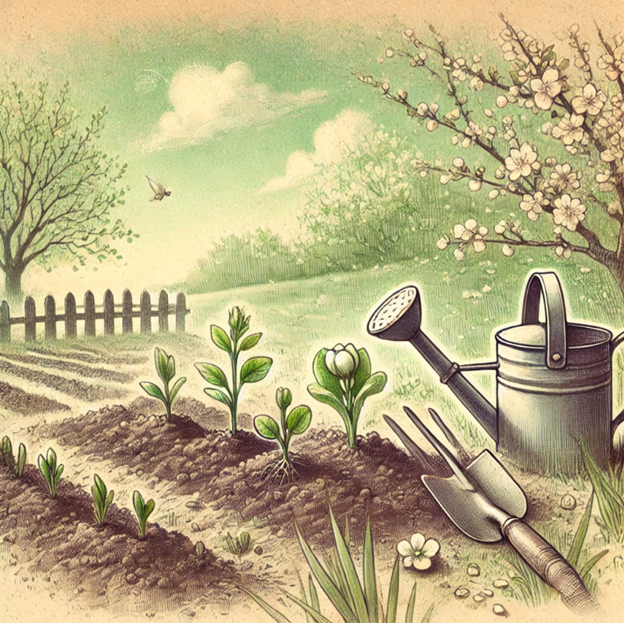 The first legal outdoor season will be here before long. Do you want to grow three plants outdoors and are not quite sure how to get started with outdoor cultivation? Do not worry, we have prepared an outdoor growing guide for you, with which even a complete beginner can manage legal cultivation. In the first part, we will focus on the basics, namely the growing method, variety selection and planting planning.
In the first part of our series on outdoor cultivation, we will look at the basics. We will introduce the most common methods of outdoor growing and advise you which varieties are best suited for outdoor cultivation. Finally, we will plan the date of outdoor planting and germination according to the type of selected variety.
You may also be interested in: How to grow legally – answers to the most common questions from growers
How to grow outdoors
Before you start buying garden tools, fertilisers or seeds, make sure where and how you want to grow. You can plant the plants directly in a bed in open ground, in a greenhouse, or grow them in a pot. Each of these options has its advantages and disadvantages.
- Bed: The main advantage of growing in open ground is unlimited space for the roots. An extensive root system pays off for plants twice over. Firstly, they can grow without any restrictions, and secondly, a large root area also means greater uptake of nutrients from the soil. So if you plant the plants in spring into fertile substrate, they will grow like mad and you will probably not even need to fertilise them much.
- Greenhouse: In a warm and humid greenhouse, plants thrive and grow faster than under the open sky. This environment is particularly beneficial for them during the growth period, but flowering plants also do well in a well-ventilated greenhouse. In a greenhouse, you can start the season a little earlier than outdoors, and it is also a good place for raising seedlings for later planting.
- Pot: Outdoor growing in a pot gives the grower a certain degree of flexibility. By reducing the size of the growing container, it is possible to limit how much the plants grow, which makes it easier to stay within the limits set by law. Growing in containers is also advantageous if you want to move the plants, for example for the purpose of darkening to speed up flowering or to protect them from pests and weather.
The chosen type of site will also affect how you care for the plants during the growing cycle. Those who have a sunny spot with a fertile bed in the garden have the least work with growing. Usually, it is enough for them to replenish the substrate with organic nutrients once a year and then water it only with clean water for the rest of the season.
You may also be interested in: How to choose a horticultural substrate
When growing in pots, it depends on how large the growing container is. If you fill a really large pot with dozens of litres of fertile horticultural substrate, the nutrients may last the plants for the entire growing cycle. However, it is much more common to grow in medium-sized pots (approximately 10 – 30 litres) and supplement the plants with fertilisers for soil growing.
You may also be interested in: Which pot to choose for outdoor growing
In a greenhouse, it is possible to grow both in pots and in beds, and in both cases the above-mentioned specifics for nutrition apply. Beginners often find that their plants outgrow the space and do not fit into the greenhouse. Each plant should have roughly 1 m² of growing area.
Which varieties to grow outdoors
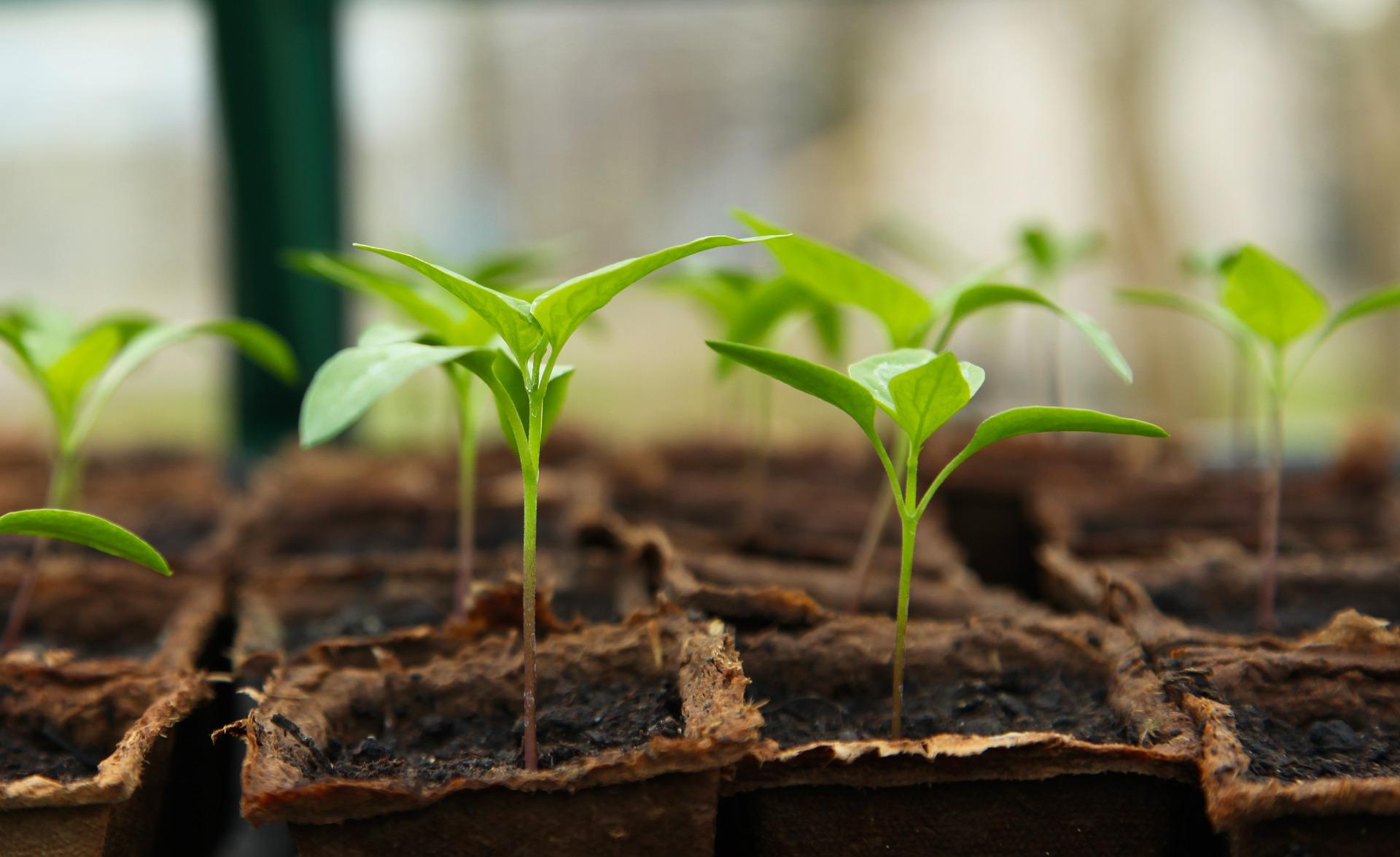 It is not the best idea to choose seeds for outdoor growing based on the name alone. Some varieties flower for a very long time and may not ripen during our relatively short season. Classic photoperiod varieties begin to flower during August. Good weather may last until the beginning of November, but an outdoor grower must always count on having to harvest already during September or October. It is therefore a good idea to choose varieties with a flowering time of a maximum of 9 weeks.
You may also be interested in: First purchase in a grow shop – a guide for beginning growers
A great solution for outdoor growers are autoflowering varieties, sometimes called autos. Compared with photoperiod varieties, autoflower plants flower independently of day length and therefore have a shorter growing cycle. With autos, it is easier for growers to fit into the window when the weather outdoors is best. Another option for getting a little ahead of the weather is “fast” or “early” varieties. These are based on photoperiod varieties and flower more quickly, and they can usually be harvested already during September.
When to start germinating and when to plan outdoor planting
With the exception of technical varieties, hardly any grower sows seeds directly into a bed in open ground. Most germinate seeds individually indoors in the warmth and safety of home, where they first raise small seedlings, which are planted outdoors once they have grown a little and the right weather arrives. You can start germinating seeds of photoperiod varieties from April to May. The earlier you start, the more time you will have to raise the seedlings.
You may also be interested in: Detailed germination guide
Autoflower varieties do not tolerate transplanting, and it is better to plant them straight into their final site after germination. It is also important that in the first weeks of life the young plants have the best possible conditions and have time to grow. Therefore, for outdoor growing, start germinating autos only with the arrival of warm weather in the second half of May or later.
If you would like to sow seeds directly into a bed, wait until the soil warms up and its temperature rises above 13.5 °C. However, bear in mind that with direct sowing the germination success rate is significantly lower than when germinating indoors at higher temperatures.
In the next part, we will look at how to prepare the site for the plants and which garden equipment and fertilisers you should definitely not forget to add to your basket. For more guides and growing tips for indoor and outdoor growers, visit the Higarden blog.