
Do you know what VPD is? Discover the key to perfect conditions for plant development
VPD (vapour pressure deficit = the difference in water par) is still a big unknown for many growers. On the other hand, more and more home growers have recently been getting acquainted with the topic of VPD, especially those who devote themselves to indoor gardening in their grow box. Join them thanks to the information you will absorb in this article. For professionals, knowledge of VPD and its use in growing practice is then a matter of course. Join them and reach a new level!
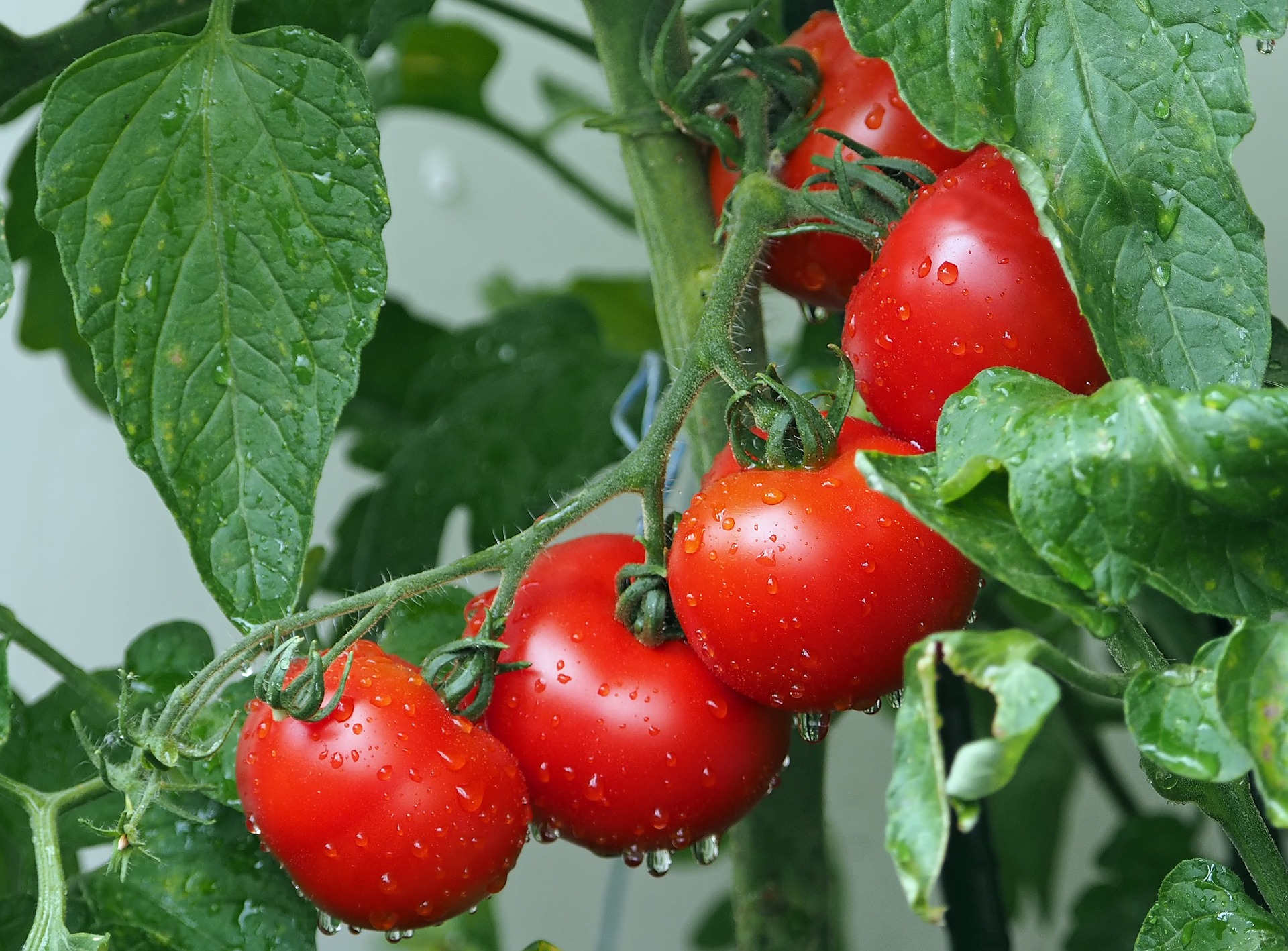
All growers certainly want to provide their plants with perfect conditions for development. To give them an ideal climate inside the growing space so that they can later enjoy a wonderful, flawless, abundant harvest. However, when it comes to the climate inside a grow tent or indoor grow room, most growers deal only with factors such as temperature or humidity. These factors can be directly influenced using common equipment, whether it is quality ventilation equipment or suitably chosen artificial lighting for plants. Even measuring temperature and humidity is no science at all.
VPD and the importance of plant transpiration
Transpiration is the process by which plants breathe and release water through stomata, which are pores on the leaves. Intensive transpiration of plants through the stomata on the leaves is extremely important for plants, because the amount of water a plant exhales is always closely related to how much water with nutrients (feed solution) it is able to take up through its root system.
Now comes an important fact. The rate of plant transpiration largely depends on the difference between the water vapour pressure in their stomata and the water vapour pressure in the surrounding air. This also explains the concept of VPD without unnecessarily technical wording. The difference in water vapour pressure simply tells us how strong the “drying” power of the air around the plants is, which directly affects the intensity and overall quality of their transpiration.
The water vapour pressure around plants always depends on the temperature and humidity of the air in the growing space. The humidity inside the stomata on plant leaves can generally be considered 100%. The pressure is influenced mainly by leaf temperature. If we measure leaf temperature in addition to air temperature and humidity, we are able to calculate the difference in water vapour pressure between the stomata and the surroundings of the leaves from the measured values. In relation to the current stage of the plant’s life, we can therefore maintain and control VPD. And that is great news, because if you can keep VPD under control throughout the growing cycle, your plants will thrive much more!
How to achieve the correct VPD?
You may be wondering what the catch is. The best thing about it is that there is practically none. It is enough to measure responsibly the main factors affecting the difference in water vapour pressure. Repetition is the mother of wisdom and, in this case, of high yields too, so for completeness we provide a clear summary of them:
- air temperature
- leaf temperature
- relative humidity of the air
- light intensity
- substrate moisture and EC substrate
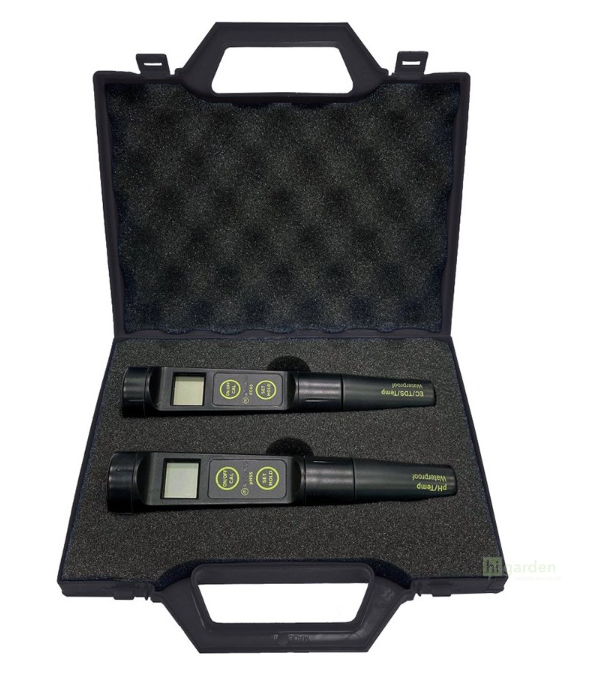
Our TIP: Get the practical and elegant Milwaukee KIT case with waterproof instruments for reliable, regular measurement of pH and EC.
Accurate measurement and influencing of the individual factors affecting VPD is truly essential if you want to use this knowledge for a better harvest. On the internet you will also find many tables with generally recommended values for the difference in water vapour pressure. To begin with, remember a simple but most important rule: The leaf surface must always have a lower temperature than the surrounding air! If it were the other way round, the rate of plant transpiration would not be sufficient, the plants would not cool dow