
Soil or coco growing medium? Choose the right one for your garden!
Choosing the right substrate is one of the most important decisions you will make as a grower. Whether you choose soil or coco will affect not only the health of your plants, but also the choice of fertilisers, the method and frequency of watering, and many other aspects of plant care. In the following article, we will introduce you to the advantages of growing in soil-based and coco substrates and advise you on which one to choose.
Soil and coco substrates have much in common, but they also offer unique advantages and challenges. The choice of a suitable growing medium ultimately depends mainly on your needs and those of your plants. It will be easier to decide if you familiarise yourself with the strengths and weaknesses of each growing substrate.
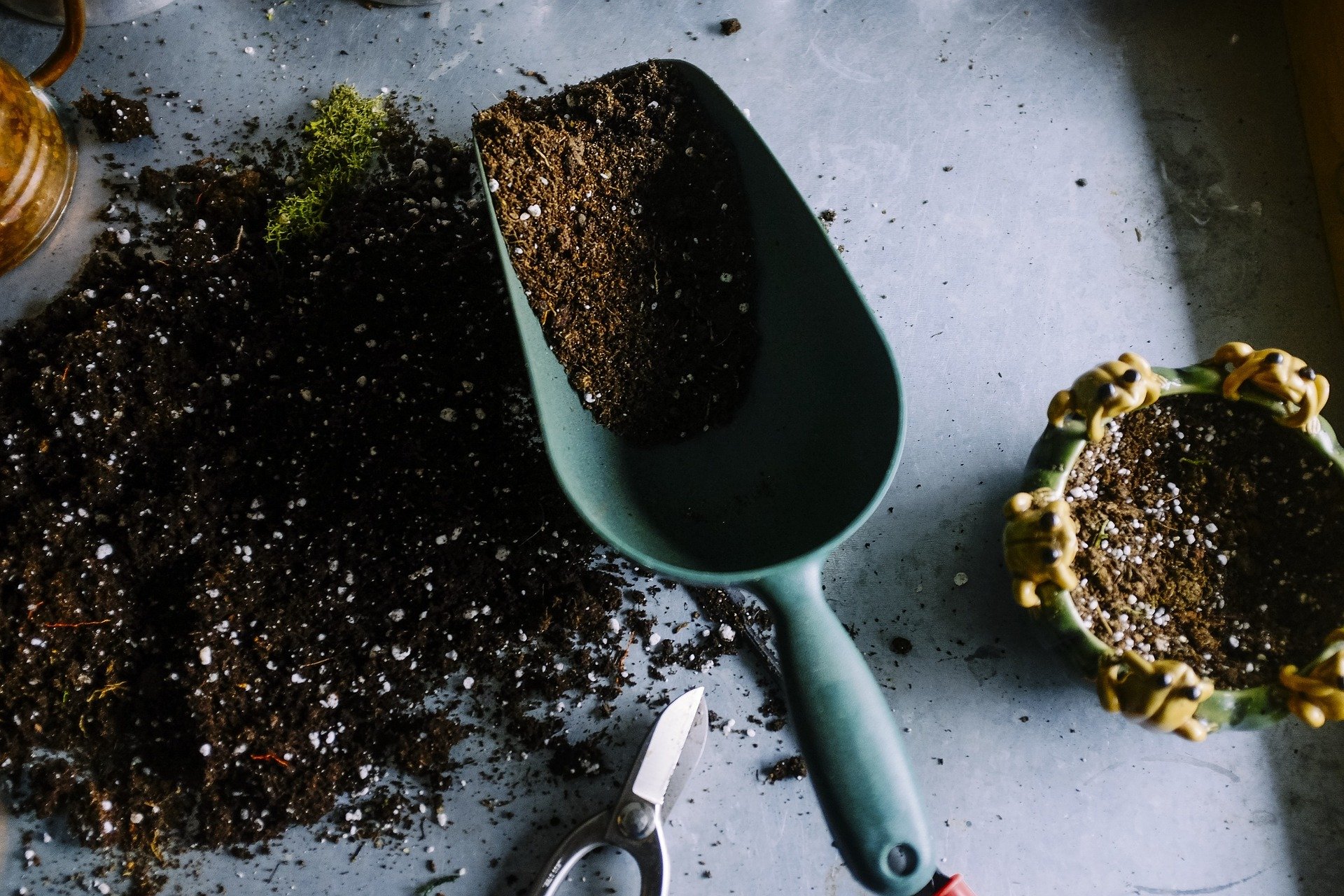 Soil substrates
The main component of soil-based (gardening) growing substrates is soil, which may be enriched with other components such as peat, compost, perlite, coconut fibres, fertilisers, and others that further adjust their properties. Different types of soil can suit specific plant needs, and gardening substrates are suitable for a wide range of species, from vegetables and fruit to ornamental flowers and herbs.
Advantages of soil growing substrates
- High nutrient availability
Gardening substrates are rich in the basic NPK nutrient elements (nitrogen, phosphorus, potassium) and trace minerals that occur naturally in soil. The amount and availability of these nutrients are influenced by the composition of the substrate and microbial activity during the growing cycle. In some soil mixes, manufacturers add slow-release fertilisers that increase their fertility.
- Rich microbial life
Soil is a natural environment for a host of beneficial microorganisms, such as bacteria, fungi, protozoa, and others, which play an important role in the decomposition of organic matter, nitrogen fixation, and increasing nutrient availability to plants. Many plants form symbiotic relationships with soil microbes, for example with mycorrhizal fungi, which improve water and nutrient uptake.
- Excellent water retention
Soil retains water very well, which reduces the need for frequent watering. In addition to soil, most gardening substrates also contain other materials that adjust the water-retention properties of the mix according to the gardener’s needs.
- Balanced aeration and structure
Quality soil mixes retain a large amount of water while remaining sufficiently porous to allow oxygen access to the roots. Soil is heavier than other growing media and provides plants with firm support even when grown in pots and in windy locations.
- Naturally stable pH
Soil has natural buffering capacity and helps maintain a stable pH in the substrate, which is essential for nutrient availability and the overall health of plants.
- Price and availability
Soil substrates are widely available and, compared with other growing media, are often cheaper.
You may also be interested in: How to choose a gardening substrate
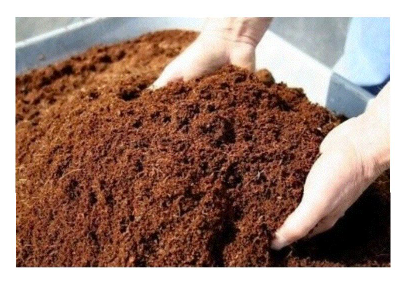 Coco substrates
Coco substrates are modern growing media made from coconut fibres and are an increasingly popular alternative to classic soil mixes. They come in various forms and are suitable for a wide range of gardening techniques, from pot growing to hydroponics and irrigation systems. Coco substrates have versatile uses and are suitable both for cultivating most plant species and for cloning, germination, and raising seedlings.
Advantages of coco growing substrates
- Nutrient- and pH-neutral
Coconut fibres contain a minimal amount of nutrients, so growers can supply plants through fertilisers with exactly the nutrition they need. This precision helps control plant development and achieve maximum yields. The neutral pH of coco substrates also makes it easy to adjust and maintain pH within the optimal range for nutrient uptake.
- Resistance to pests and diseases
In coco substrates, pests and pathogens commonly found in soil are encountered less often. This significantly reduces the risk of infestation, which is especially useful in enclosed grow rooms and grow boxes. At the same time, many coco substrates contain beneficial fungi of the Trichoderma genus, which protect plants against harmful microorganisms.
- Excellent retention properties
Coconut fibres can hold up to ten times their weight in water, while also effectively draining away excess irrigation. This provides the roots with constant moisture and prevents root rot and other problems associated with overwatering. This balance allows growers to water and feed plants more frequently.
- Excellent aeration
Coco substrates have a porous structure that ensures excellent aeration, leading to rapid development of the root system. The combination of good water retention and high aeration supports vigorous growth.
- Buffering capacity
Compared with hydroponic systems and media, coco substrates have good buffering capacity and help stabilise pH fluctuations, which can stress plants and create problems with nutrient uptake. They therefore allow the grower a small margin for error in fertilising and watering.
- Easy storage and handling
Coco substrates are lightweight and can be compressed into compact blocks, which makes transport and storage easier.
You may also be interested in: Guide to coco substrates
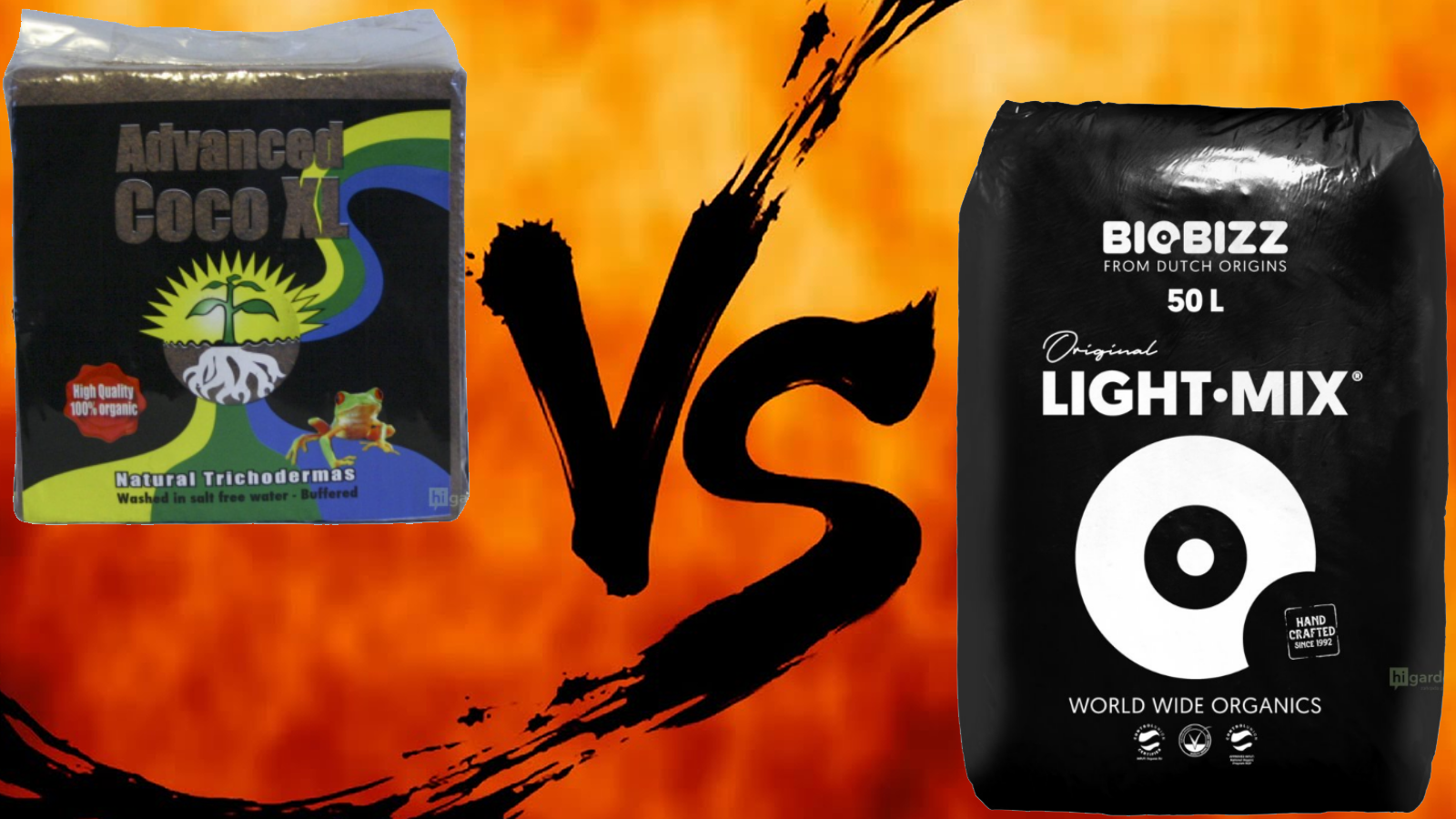 Comparison of coco and soil substrates
When comparing coco and soil substrates, we can notice several differences. While soil naturally contains a wide range of nutrients available to plants, coco substrates are “empty” in this respect. On the other hand, coco substrates offer better retention properties and aeration than soil mixes. Working with soil can be more demanding than with clean and lightweight coconut fibres. When deciding which growing substrate to choose, take three main factors into account: the environment, the growing method, and plant nutrition.
- Growing environment
Soil: Suitable for outdoor and indoor growing under artificial lighting, especially for plants that can benefit from microbial activity and a high nutrient content, such as tomatoes, peppers, and others.
Coco: Suitable for outdoor and indoor growing under artificial lighting, in hydroponic systems, especially for plants that require a well-aerated substrate, such as herbs and ornamental flowers.
- Nutrition
Soil: When cultivating plants in soil mixes, you can use mineral and organic fertilisers with slow or fast release, as well as nutrient supplements. Gardening substrates are also suitable for organic and permaculture growing and the “living soil” method.