
Outdoor season is just around the corner: What will you need?
Winter is ending, plants are waking up, and your garden is waiting for a proper spring boost! Whether you grow tomatoes, herbs or something special, you will not do without the right substrate, fertilisers and pots. We will advise you on everything you should not forget when buying equipment for the outdoor season in spring.
The right substrate is the basis of success
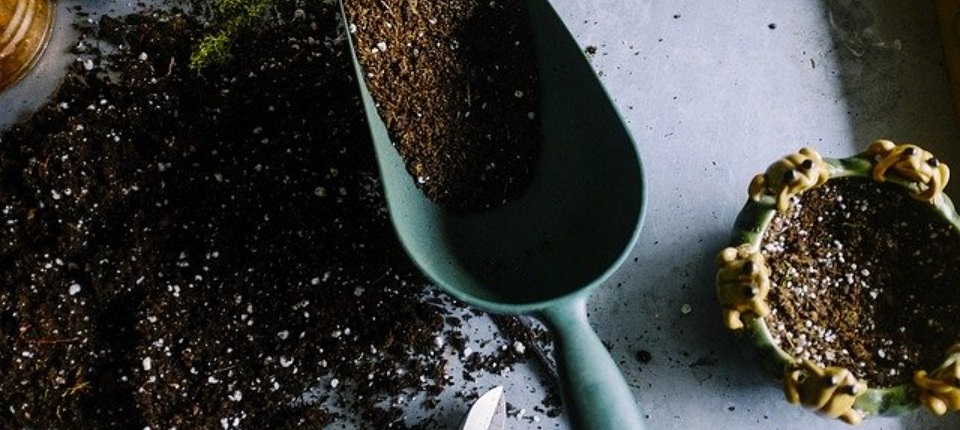 Whether you grow outdoors in pots, beds or in a greenhouse, your plants need suitable soil. The purpose and use of different types of substrate vary according to their composition and nutrient content. In general, seedlings need a lighter and less fertilised substrate than plants in the peak stage of growth or flowering. When growing outdoors in open soil, we recommend using soil-based growing substrates and coconut substrates if you are growing in pots. Soil mixes for outdoor growing may contain organic or mineral fertilisers that nourish plants for several weeks to months. Additives for substrates in outdoor growing usually serve to improve depleted soil.
You may also be interested in: How to choose a horticultural substrate
Sowing substrates – If you are planning to grow from seed in spring or to raise your own seedlings in advance, you will not do without a sowing substrate. Propagation substrate must be light and airy and should contain only a small amount of nutrients. We do not recommend germinating seeds in pre-fertilised substrates.
Substrates for growing in pots - The choice of growing substrate for growing in pots depends mainly on the feeding programme you choose. If you decide on organic fertilisers, choose soil substrates intended for organic farming, such as Canna Bio Terra Plus or BioNova Bio Soilmix. If you will feed plants with mineral fertilisers, you can choose from a wide range of soil mixes or coconut substrates. For growing in pots, we recommend using lighter mixes with perlite, which helps prevent soil compaction.
Additives for improving soil – When growing in beds, the soil is often depleted in spring and plants would not do very well in it after planting. Before spring planting, we recommend adding compost or worm humus to the soil, or products with mycorrhiza and beneficial bacteria.
Root stimulators and growth fertilisers
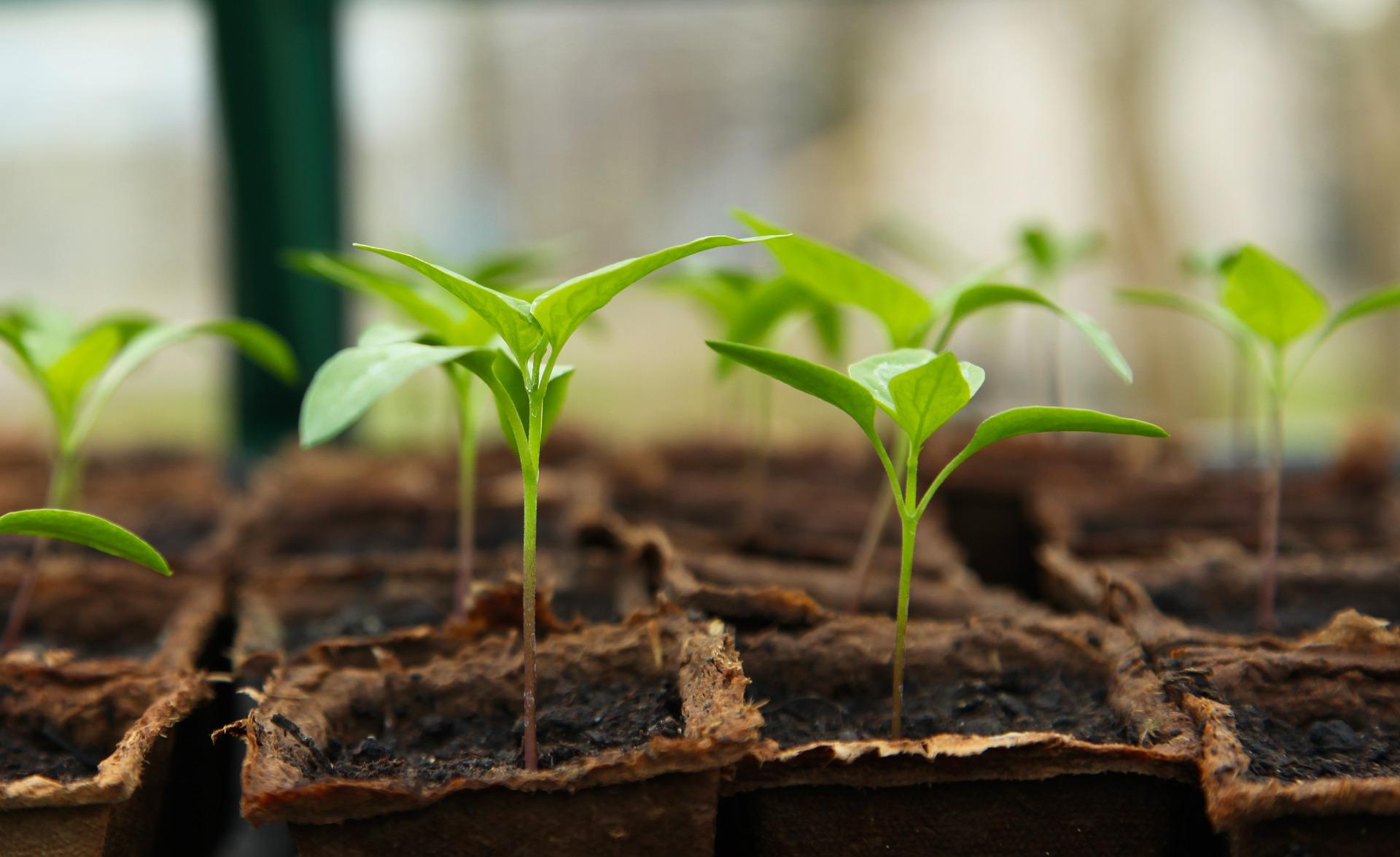 Germination and the first weeks of life are the most critical period in a plant’s life, and it does not hurt to give them a little help. If you grow from seed, we recommend trying germination stimulators, which increase germination success and help you achieve a greater number of healthy seedlings. Root stimulators for growth are especially useful when caring for seedlings and transplanting them, but they are beneficial throughout the entire growing cycle, so there is no need to be afraid of buying a larger pack. If you are growing in pots, the substrate is quickly depleted, so do not forget a suitable growth fertiliser.
You may also be interested in: Organic or synthetic fertilisers: Which are better for your plants?
Germination stimulators for outdoor growing – Germination stimulators are most effective if you apply them directly to the seeds. These products contain plant hormones, mycorrhiza or beneficial bacteria that help seed germination. If you grow with organic fertilisers, try root stimulators with mycorrhiza, such as Orca Liqiuid Mycorrhizae or Ugro Rhiza 1200. If you will use mineral fertilisers, choose products that do not contain mycorrhizal fungi or other beneficial microorganisms, for example Plagron Start Up or Canna Start.
Root stimulators for seedlings and planting – You may have experienced that after transplanting, your little plants had wilted leaves and it took some time before they recovered. This phenomenon is known as transplant shock and can even lead to plant death. Using a root stimulator is a great way to prevent this. Apply the root stimulator to seedlings both before planting, directly around the roots of the plants, and into the soil immediately after planting.
Fertilisers for seedlings and young plants – Plants grown in pots may require more frequent fertilising than those grown in open soil. This is because the substrate in the growing container contains only a limited amount of nutrients, which plants gradually deplete. During the spring months, plants mainly need a high amount of nitrogen for the formation of new leaves, but also phosphorus, potassium and other nutrients. Choose a growth fertiliser according to the type of substrate (soil/coconut) and the growing method (organic/mineral).
You may also be interested in: What growth fertilisers are for and how to use them
Pots for every occasion
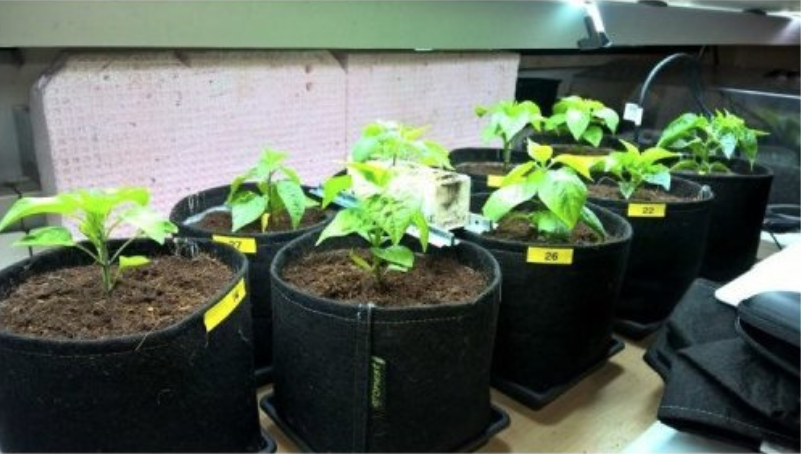 Few growers can do without pots, whether for germination and raising seedlings or for growing on balconies, in gardens or in greenhouses. When choosing a pot, size is not the only factor; the material from which the growing container is made is also important. Plastic pots in various sizes are suitable for almost every occasion, fabric pots dry out faster and support root development, and pots made from biodegradable materials are suitable for raising seedlings.
Pots for raising seedlings – As a rule, it is not worth germinating and growing seedlings in a large pot. With the exception of species that do not tolerate transplanting, it is at least impractical and often more demanding. For germinating seeds, we recommend using propagation cubes or jiffies. For raising seedlings, choose small plastic pots or seedling pots made from biodegradable materials.
Fabric pots – The advantage of a breathable pot is faster drying of the substrate, so plants grown in fabric pots need watering more often. More frequent alternation of wet and dry conditions supports root formation in plants and is especially beneficial for nutrient-demanding species, such as tomatoes or peppers. Fabric is also a great material for raised beds.
Self-watering pots – Although progress has not yet reached the point where pots do all the work for us, there is no reason not to make growing easier. If you grow herbs, try smart planters. If you want to start growing peppers, tomatoes or medicinal plants, choose the modular AutoPot systems.
You may also be interested in: Everything about AutoPot growing systems
Gardening tools and equipment for spring work
Last but not least, we will also add a few tips on garden accessories specific to the spring season. So what else should you not forget? If you are planning to sow vegetables directly into beds in spring, it is important to protect germinating seeds from frost and pests using breathable geotextile. Do not forget planting aids such as labelling tags, planting stick and trowel, sprayer and other garden tools.
Are you looking for news and useful tips for gardeners and growers? Visit our Higarden blog, where you will find news and guides from the field of indoor and outdoor growing, as well as other expert advice for lovers of greenery.