
Indoor Growing: How to Switch to Flowering
 When growing indoors, the transition from the vegetative phase to flowering is one of the most important moments in the entire cultivation cycle. A number of factors determine when the right time has come, and correct timing of the switch will greatly affect the quantity and quality of the harvest. We will guide you through the most important aspects of the transition to the flowering phase and advise on some advanced cultivation techniques that will help you achieve a better harvest.
What is the difference between the vegetative phase and flowering?
To begin with, let us clarify what we actually mean when we speak about switching or transitioning from the vegetative to the flowering phase. Plants go through four phases during their life: first they germinate, then they become seedlings, followed by the vegetative (growth) phase and finally flowering. While in the early stages of life plants focus on producing new leaves and roots so they can capture more sunlight and nutrients, during flowering they begin to form buds that mature into flowers, fruits and seeds.
But how do plants know when they should start flowering? Just as with the energy for photosynthesis, they rely on sunlight in this case too, which signals the change of seasons. In the case of short-day plants, the earlier the sun sets, the faster they move into flowering. In the case of long-day plants, it is the opposite. This phenomenon is called photoperiodism, and we discuss this topic in more detail in one of our previous articles on our blog.
Outdoors, plants do not need much help, but in indoor growing the alternation of day and night is in the gardener’s hands. The grower decides whether the light schedule keeps the plants in the vegetative stage or whether it is time for flowering. The critical length of day and night can vary between species, but for most short-day plants (which include most popular indoor crops, including medicinal and aromatic herbs) the trigger for the transition to flowering is shortening the day to 12 hours (12/12 schedule). During the vegetative phase, most growers maintain a light schedule of 16-18 hours of light and 6-8 hours of darkness.
What to watch out for when switching to flowering
Although indoor growers have a number of factors under control, the timing of the light switch often also depends on factors that we cannot fully influence. Plant height and shape, the condition of the root system and, where relevant, various horticultural techniques to which they have been exposed all play a role.
Plant height and shape
Many beginner growers underestimate how much plants will grow after switching to flowering. Some species and varieties can stretch to as much as three times their length during the first weeks of flowering. Always keep in mind how much space the plants have above them. During the vegetative phase, try to shape plants using pruning and other techniques so that after the switch they fill the entire growing area and as many tops or flowers as possible are exposed to light.
Root system
In addition to growing taller and producing new leaves, plants spend a large part of the vegetative phase developing their root system. The amount of space for roots will vary depending on the growing method, but whether you grow in hydroponics or in pots, you must not rush root growth. Once a plant starts flowering, it focuses most of its energy on bud formation and needs all the nutrients it can take up through its roots. If you switch to flowering too early, you will lose part of the harvest at the end of the cultivation cycle. There is no exact science to timing, but most plants need at least three weeks from transplanting to their final position before they can start flowering.
 Advanced cultivation techniques
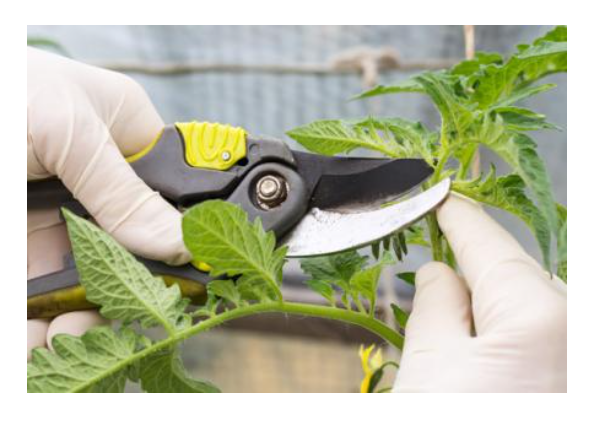
To maximise yields, many growers use various innovative techniques that influence plant growth and development. It should be added that not all of them are suitable for all species and varieties of plants, and we leave their use to the reader’s consideration.
Sea of Green (SOG)
The Sea of Green (SOG) method involves growing many small and short plants packed closely together. The aim is for the plants to start flowering as early as possible and not have time to form side branches. Growers using this technique usually switch to flowering when the plants are 15-30 cm tall. The result should be many plants with one main top.
Screen of Green (ScrOG)
Although it shares a similar abbreviation with the previous method, the Screen of Green technique is its exact opposite. ScrOG consists of placing a support net roughly 30-60 centimetres above the base of the plants and then weaving the tops through it so that the resulting canopy is spread out as much as possible. With this method, with a certain amount of patience and experience, it is possible to fill the entire growing space with a single plant or just a few plants.
Lollipopping
The very popular pruning method known as “lollipopping” consists of removing all branches from plants except those that are largest and promise the greatest yield. Supporters of the method point out that flowers in the lower and shaded parts often do not mature and it makes no sense for plants to waste energy and nutrients on them. Before you start pruning, make sure the plants are healthy and sufficiently developed so that you do not slow their growth.
Would you like to learn how to grow indoors like professionals? Read the latest articles on our blog!