
How to use UV radiation indoors?
Ultraviolet radiation, whose natural source is the Sun, can also be provided to plants we grow in the comfort of our homes, supporting them during both the growth and flowering phases. Broaden your horizons in indoor gardening and read this article for all the essential information about UV radiation and its influence on plant development.
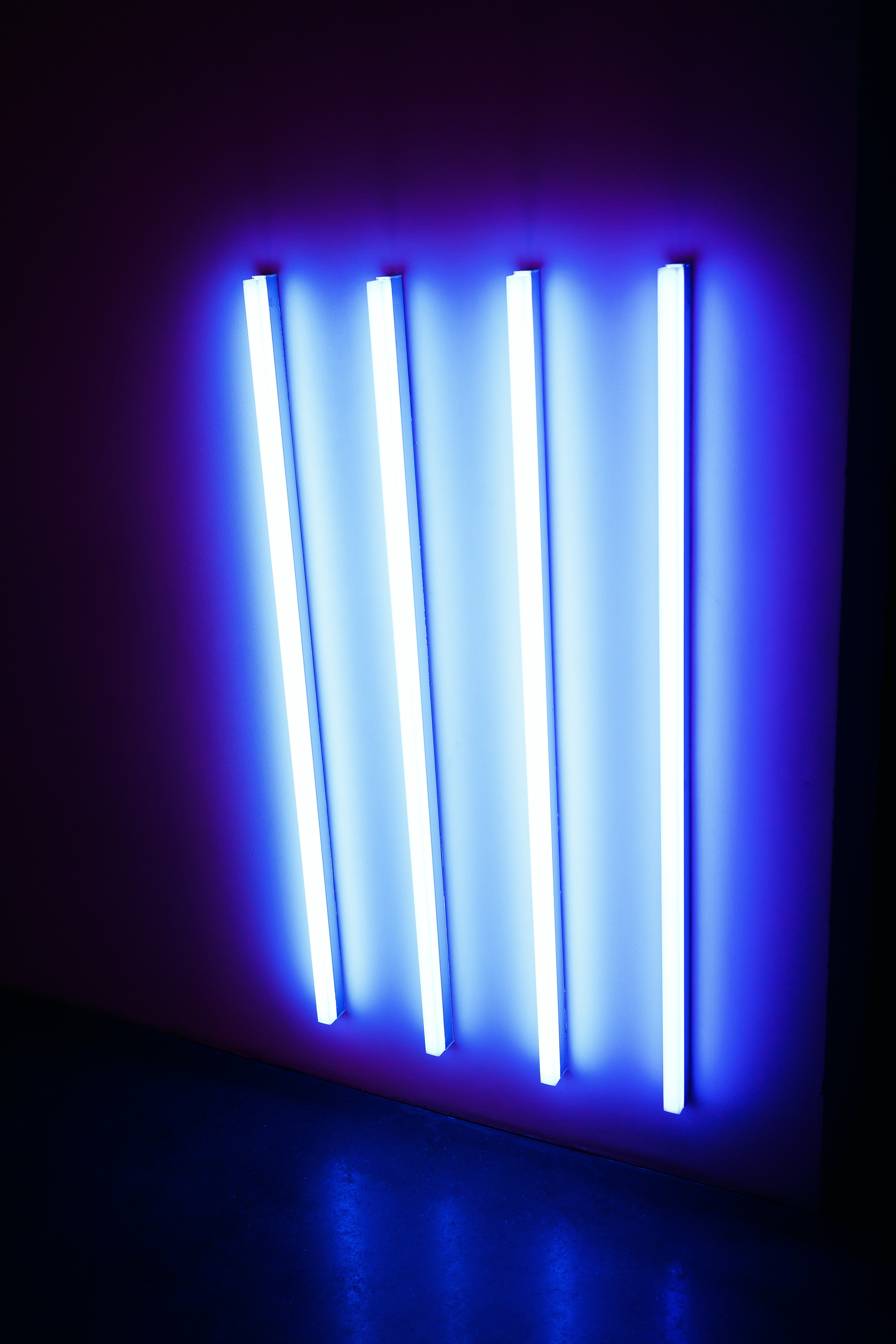
- What is UV, or ultraviolet radiation? You may still remember the answer to this question from physics lessons. It is electromagnetic radiation with a wavelength shorter than visible light, but at the same time longer than X-ray radiation. As a result, UV radiation is invisible to the human eye. For growers, however, the important fact is that a short wavelength means high light energy. And if, as a grower, you decide to use a UV lamp during cultivation processes, wavelength plays a crucial role in its selection.
- Did you know that there are several types of UV radiation? Yes, that is correct, and each type of UV radiation affects plants completely differently. It will probably not surprise you that the individual types of ultraviolet radiation are distinguished precisely by wavelength as follows:
- UVA: 315–400 nm
- A harmless light spectrum present in ordinary daylight, to which our skin is accustomed thanks to the sun.
- For plants grown in indoor environments, it is useful blue light that simulates natural sunlight, especially in those parts of the growing area where the primary source (výbojka, LED light) of artificial lighting does not reach sufficiently.
- This radiation is especially useful during the vegetative phase of plants.
- UVB: 280–315 nm
- This type of UV radiation is captured by the ozone layer.
- It is harmful to people in larger amounts.
- It has a negative effect on the photosynthetic activity of plants, which, however, may be desirable during the flowering phase, and therefore growers use it in reasonable amounts for higher yields and also to make the most of the genetic potential of herbs, for example with regard to beneficial active compounds.
- It also affects the intensity of the taste and scent of flowers or fruits.
- UVC: less than 280 nm
- The strongest form of UV radiation.
- The radiation penetrates cellular structures.
- It destroys viruses, bacteria, mould spores and microorganisms.
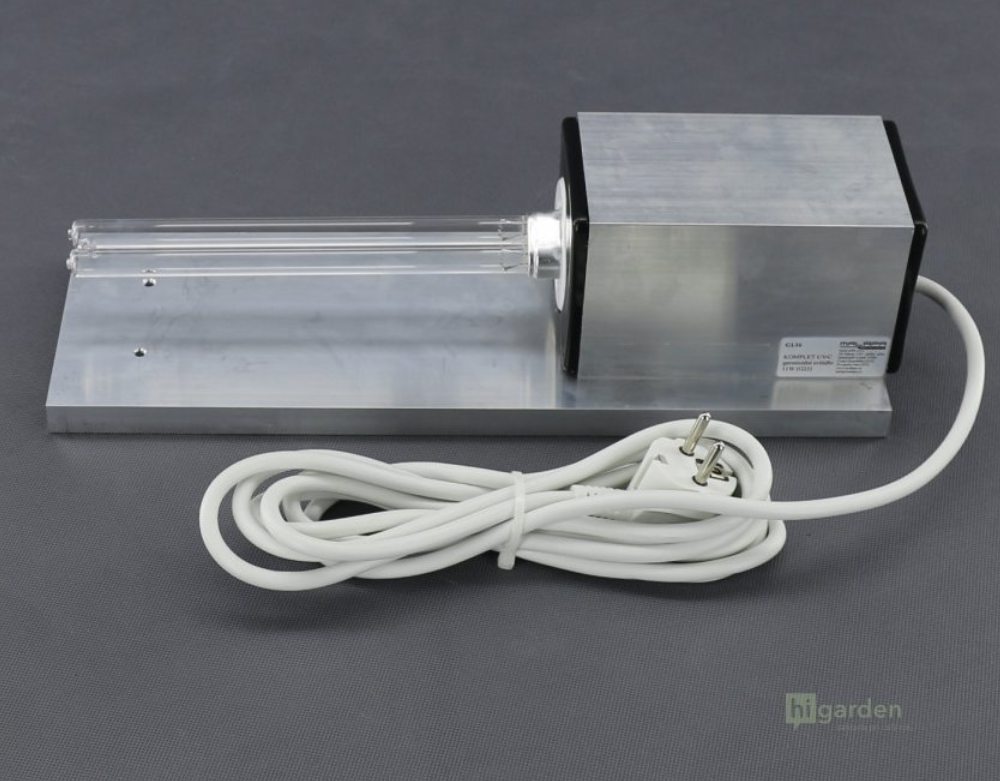
- It is used for water disinfection and sterilisation of spaces, including growing areas.
- Reliable sterilisation of your grow box is ensured by high-quality germicidal lamps.
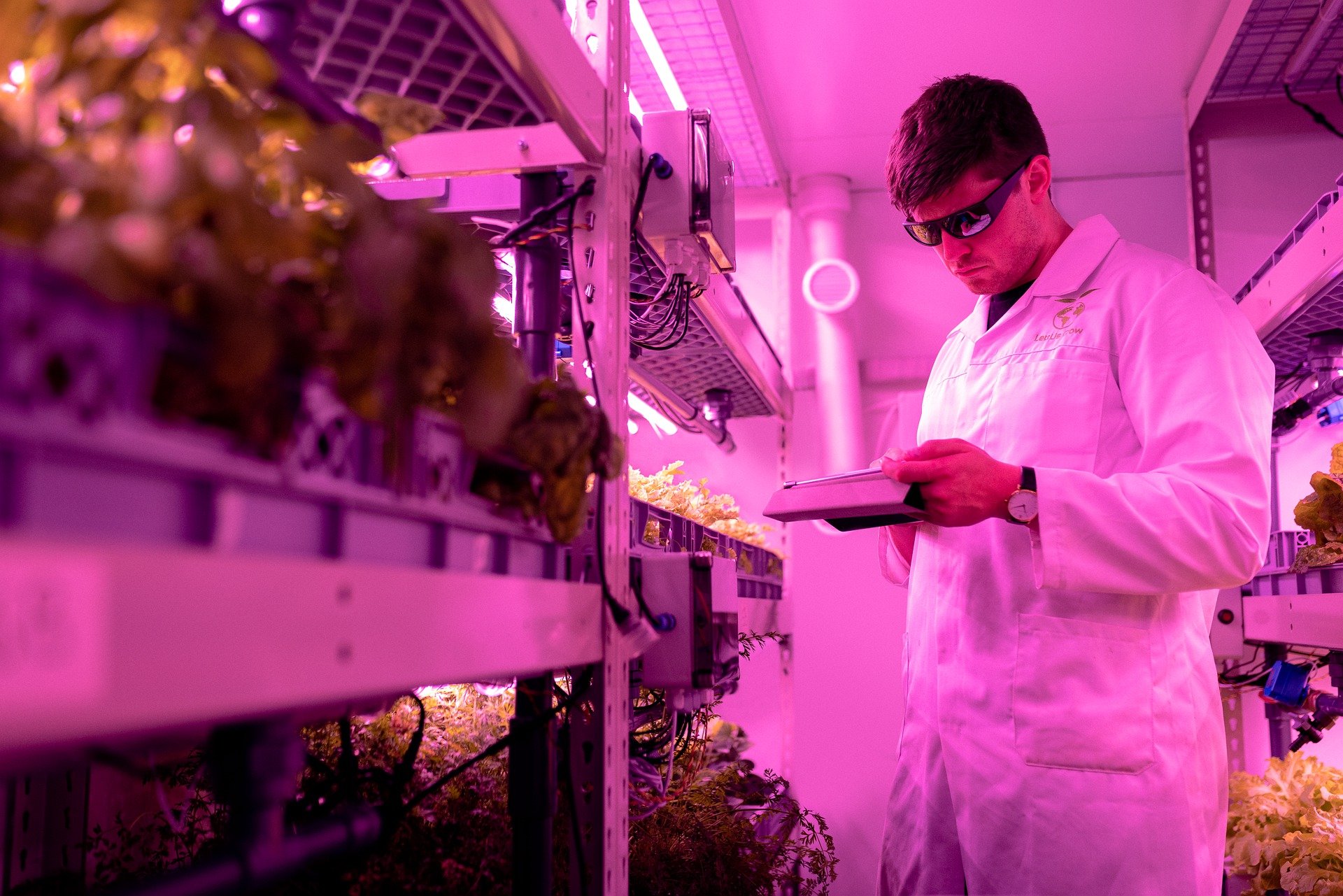
- Using all the above-mentioned types of UV radiation when growing indoor requires a certain discipline; otherwise, you could quite easily burn your precious little plants.
- We therefore recommend starting with a shorter lighting period, and if you consider it appropriate, you can gradually extend it. However, an ideal lighting time practically does not exist in the case of UV lamps, and it depends greatly on the individual characteristics and needs of each plant.
- Another way to prevent burning is to place the lamp emitting ultraviolet radiation at a sufficient distance from the plants. These are the recommended minimum distances:
- Discharge lamps: 40–60 cm
- LED lights: 30–40 cm
- Fluorescent tubes, energy-saving lamps, or less powerful LED lights, etc.: 10–15 cm
Are you looking for suitable lighting with UV radiation? Our specialists are available to you at the well-known address info@higarden.cz. We look forward to your questions!
We also recommend these products:
- GL16 – COMPLETE UV-C germicidal light 11 W (G23) (1,790 Kč)
- LUMii Black Digital complete 600 W KIT (2,990 Kč)
- Aerated HERCULES pots (from 49 Kč)
What should you read next?
- SHOGUN: The best British fertilisers with an emphasis on research
- How powerful a discharge lamp should you choose?
- succulents?