
How to save an overwatered plant?
In this article, we advise you on what to do so that your plants recover quickly from any overwatering.
When it comes to overwatering, prevention is of course the best approach, which is why experienced growers regularly check whether their pots contain excess water. It is also never a bad idea to study basic information about the given plant or its variety in advance, so that we know its individual water requirements. Simply put, there is a clear difference between a cactus or plants with fleshy leaves, which contain their own water reserves, and, for example, evergreen plants. However, even individual types of evergreen plants may differ in nuances when it comes to the preferred frequency and amount of watering. Therefore, do not grow “blindly”. Compared with hand watering, if we know the needs of a particular plant in advance, self-watering systems make proper irrigation easier.
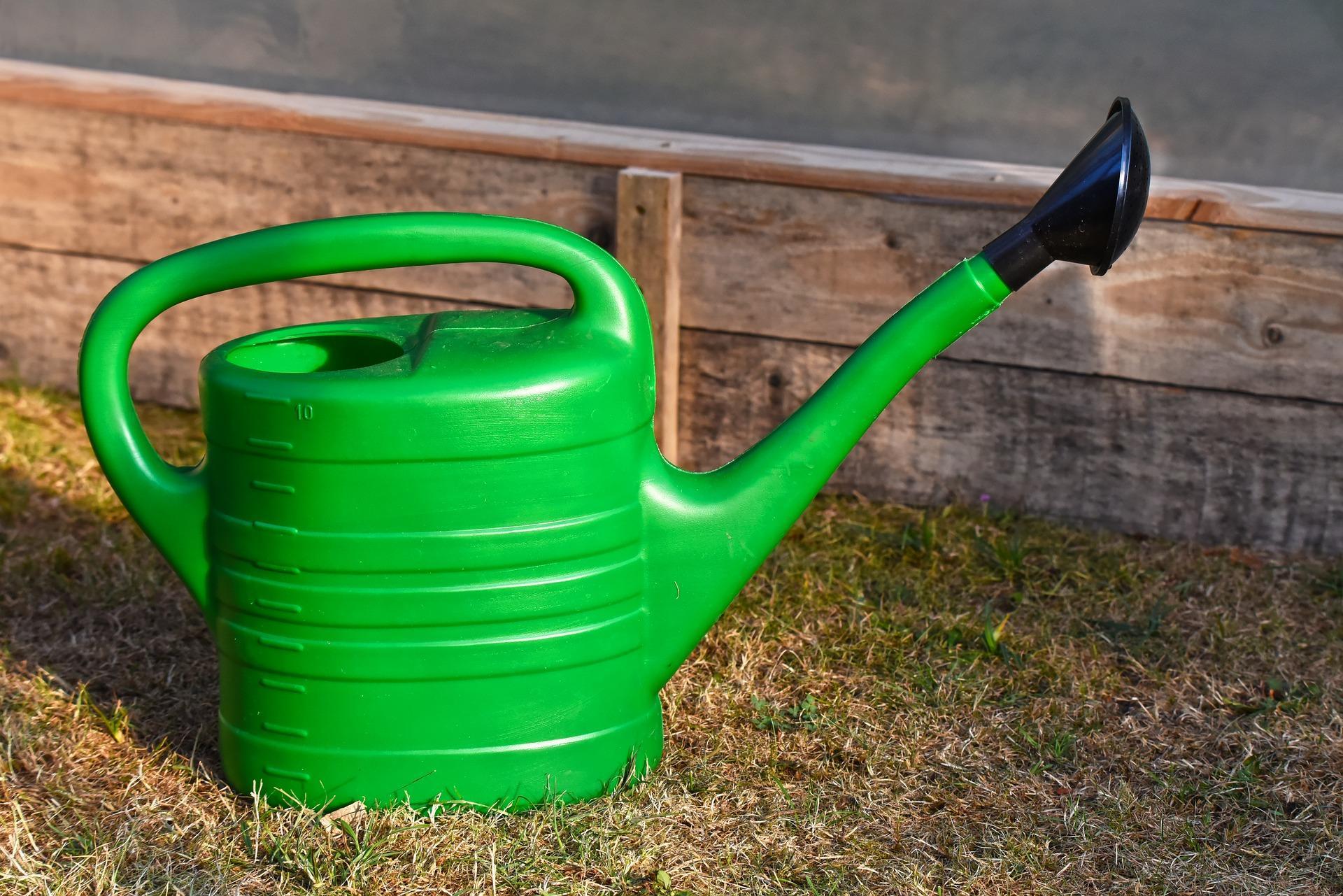
Sometimes we overdo frequent watering and overwater the crop. However, overwatered plants are weaker and tend to fall victim to diseases and pests much more easily. It is still a much smaller mistake than, for example, burning plants through overfertilisation. These two mistakes, which belong more to the beginnings of gardening, are closely related, because if we overwater plants with irrigation containing a mineral nutrient component, we can easily also so-called burn them. When growing outdoors, rainfall can also help bring about this negative effect. But, as they say, even a master gardener...
How can you tell if a plant has been overwatered?
To find out how a plant grown in a pot is doing in terms of moisture, you can lift the plant pot in your hand. You then water the plant only if the pot feels light to you. If the substrate is dry on the surface, but the pot with the plant is surprisingly heavy, wait until the next day before watering.
The most visible indicator of overwatering is, of course, the appearance, which does not match the idea of a healthy and thriving plant. Yellowish leaves reveal a lot. However, leaves of plants that desperately need watering also show the same symptoms. Some growers then, in an effort to save the situation, water the plant heavily without realising that they have heavily watered a plant showing signs of overwatering. Therefore, one cannot rely solely on “yellow leaves”, not to mention that both variants are already wrong.
After overwatering plants, it is essential to repair the damage in time!
So let us really save the situation. After overwatering, move the plant first of all to a warmer environment, ideally to a sunlit spot where there is plenty of fresh, flowing air. The reason is simple. In such an environment, excess water is absorbed more easily. Then water the plant much less and observe what happens. Alternatively, you can only mist the area around it, which will increase humidity without causing overwatering again.
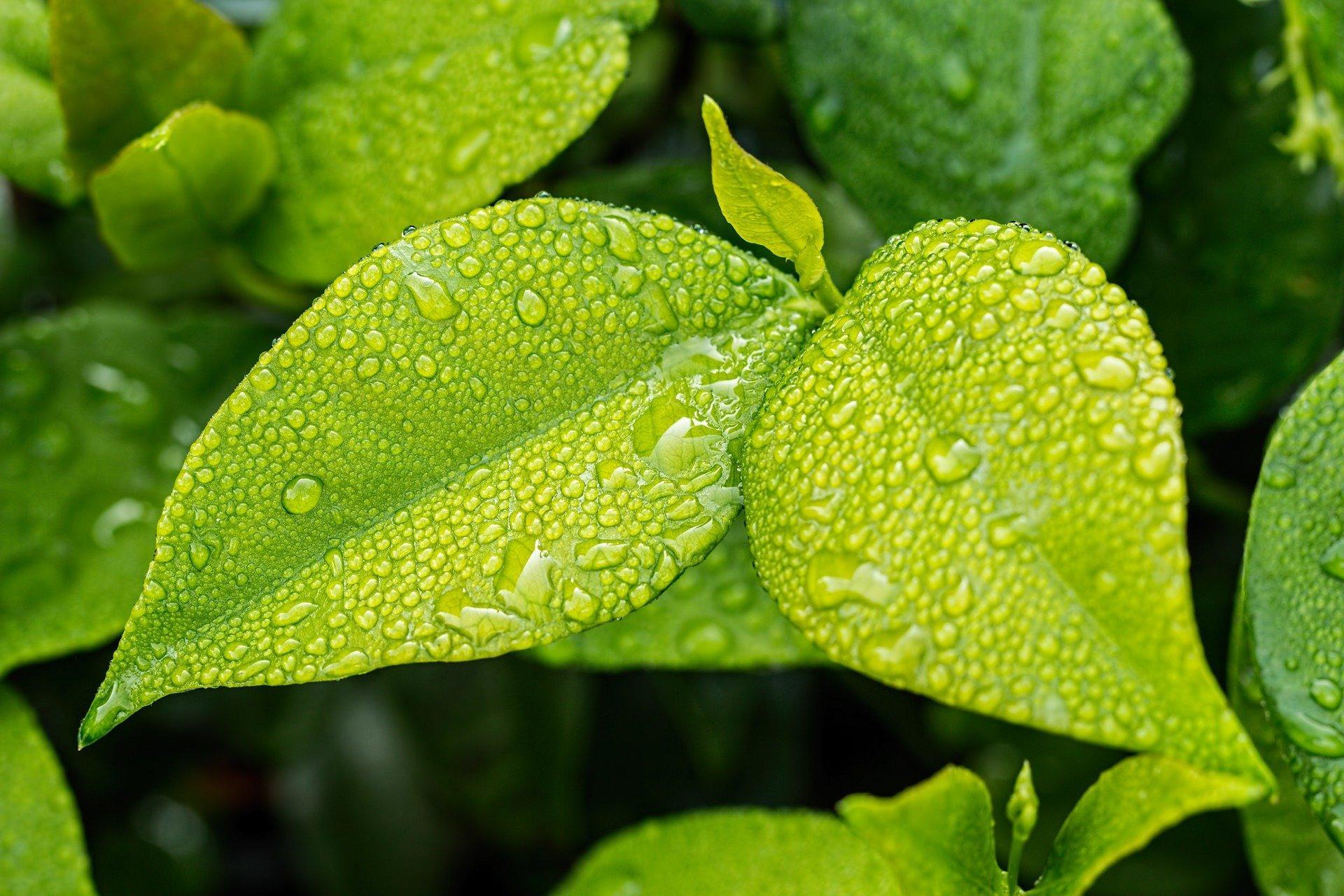
If the leaves of your plant are already visibly dying, follow the procedure below. Remove it from the pot or other growing container and remove as much of the substrate as possible without damaging the root system. Before replanting it, leave it overnight in a warm place without draughts. In the meantime, disinfect the pot and dry it thoroughly. Moisten the new substrate only very lightly and, in the lower part of the pot, be precise when preparing drainage using pieces of wood or twigs, stones or leaves. And above all, do not forget to check the condition of the roots before replanting.
Fortunately, in these cases the ability to self-regenerate and the powerful force of nature fully come into play, so there is always a high probability that with timely “plant resuscitation”, which we have just described, you will save the overwatered crop and the plants will soon recover so that they can bring you joy with beautiful leaves and flowers.
When growing using autonomous irrigation systems, you can quite literally water the crop much more efficiently, without losing any plants, but also time and energy. A sophisticated self-watering system manages water excellently, the plants will not be overwatered, and not a drop of water will go to waste.
So these are our tips on how to prevent overwatered plants and how to deal with this complication during growing processes with the greatest possible success. If you have any questions, do not hesitate to write to us at the well-known address info@higarden.cz.