
Common Mistakes in Indoor Growing (and How to Avoid Them)
If you have been growing for some time but still are not succeeding, the problem may not be poor genetics, substrate or fertilisers, but something you are doing wrong. Many growers do not realise that they keep repeating the same basic mistakes over and over again. Today we will look at the three most common mistakes, and above all at how to solve them.
Overwatering
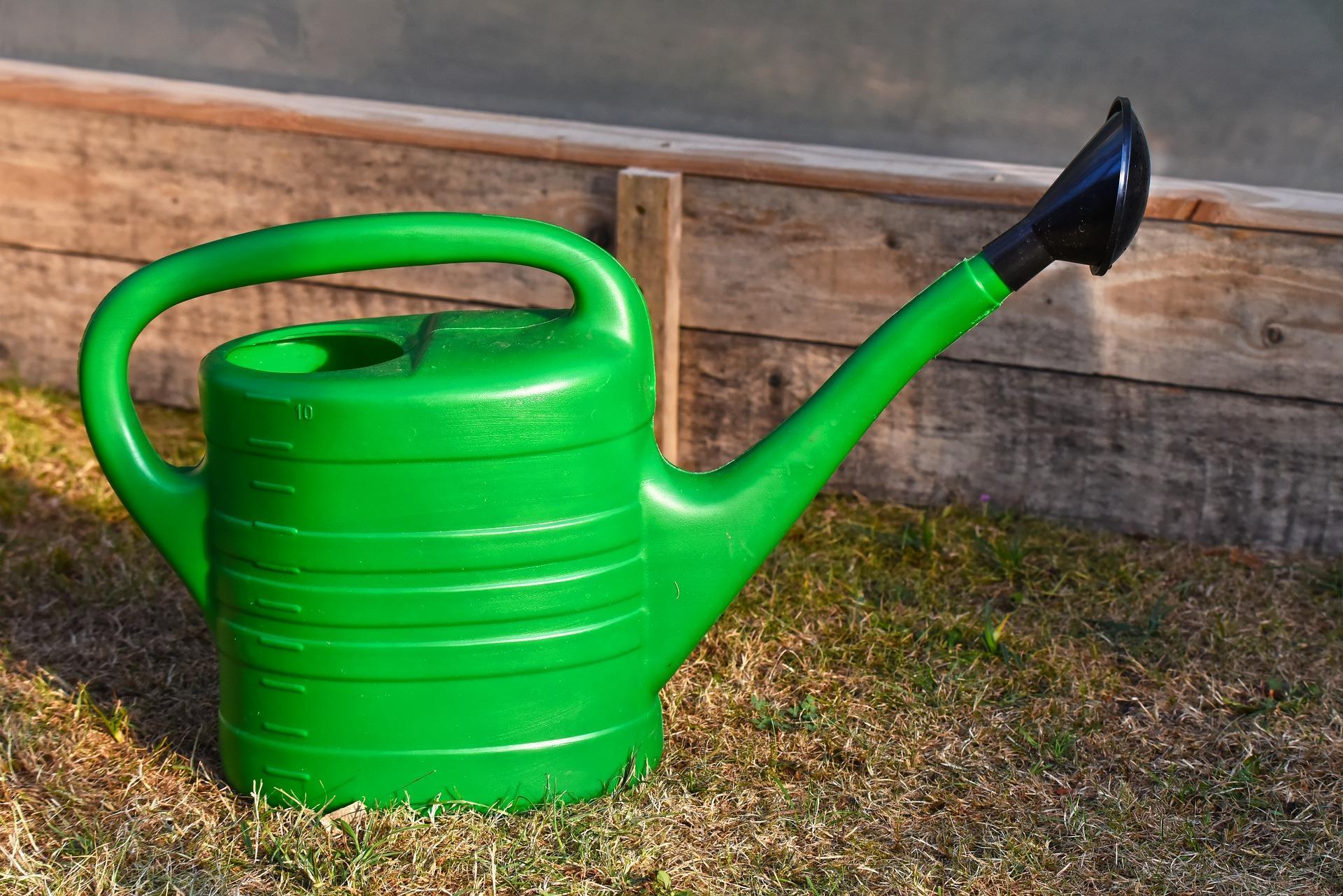 One of the most common mistakes made not only by beginners, but also by many experienced growers. Plants do need water, but that does not mean the roots must be constantly submerged in an overwatered substrate. In such a medium, oxygen cannot reach them, and the roots and the whole plant will grow significantly more slowly. By contrast, regular drying out stimulates plants to form new roots.
You may also be interested in: We debunk myths about growing – watering plants
The exact amount of watering and watering frequency depend on the age of the plants, the type and amount of substrate, and the surrounding conditions. For very small plants, one basic rule applies – it is better to start carefully. If you immediately drench the whole pot with water after transplanting a seedling or a germinated seed, the substrate will stay wet for a long time and the roots will not want to spread out.
You may also be interested in: Dry back – how to manage controlled drying of the substrate
For larger plants, it is advisable for each watering to be thorough and for a little water to drain out. This is especially important if you use mineral fertilisers and need to monitor the pH and EC of the nutrient solution. Thorough watering evens out the EC and pH of the substrate and helps prevent fluctuations. If you grow in soil or coco, allow the substrate to dry out sufficiently between each watering. How often you water your plants depends on many factors, but in general it is better to water more often than less often. When watering by hand, it is advisable for the substrate to have time to dry out sufficiently at least twice a week.
Typical signs of overwatering
- wilted leaves even with enough water
- slow growth
- yellowing of the lower leaves
Incorrect climate in the growing space
 In addition to water, nutrients and light, plants also need the right environment; otherwise they cannot make use of these resources. If, for example, it is too cold and humid in the grow room, plants transpire less water and grow more slowly. Heat and dryness also have negative effects. For indoor growing to be effective, conditions must be as close to ideal as possible. Plants can survive even in suboptimal conditions, but this will negatively affect their health, growth and yield.
Among the most common climate-related mistakes are insufficient or excessively high temperatures. Many growers underestimate how strongly even a few degrees of temperature difference affect plants. The ideal temperature during the lights-on period is approximately 21–28 °C, with slightly lower temperatures possible during the night. Plants do not respond well to sudden temperature swings or a day-night difference greater than 7 °C. If it is too cold in your grow room, greenhouse heaters are an excellent solution. Excessively high temperatures in the grow box can be solved with better ventilation, air conditioning or, in extreme cases, by reducing the power of the lights.
You may also be interested in: How to solve heat or cold in the grow box
The second pillar of climate is appropriate humidity. Excessively high or low humidity in the growing space is an invitation for mould and pests. Cuttings, germinated seeds and young seedlings need high relative humidity of 80–90%. During vegetative growth, gradually reduce it and keep it in the range of 50 to 70%. During flowering, keep relative humidity at 50–60%, and in the last two weeks before harvest reduce it a little further to a final 40-50%.
The easiest way to keep the climate in the grow box under control is with a dehumidifier/humidifier. Problems with excessively high humidity are more common than dryness, but the latter is not unusual either. Always monitor humidity and temperature in the growing space with a thermometer with a hygrometer.
You may also be interested in: Advanced climate control – VPD and transpiration
Ideal climate for indoor growing
- Temperature: 23 to 28 °C
- Humidity: Seedlings and cuttings 80-90%/Vegetative growth 50-70%/Flowering 50-60% /Ripening 40-50%
Poor fertilising
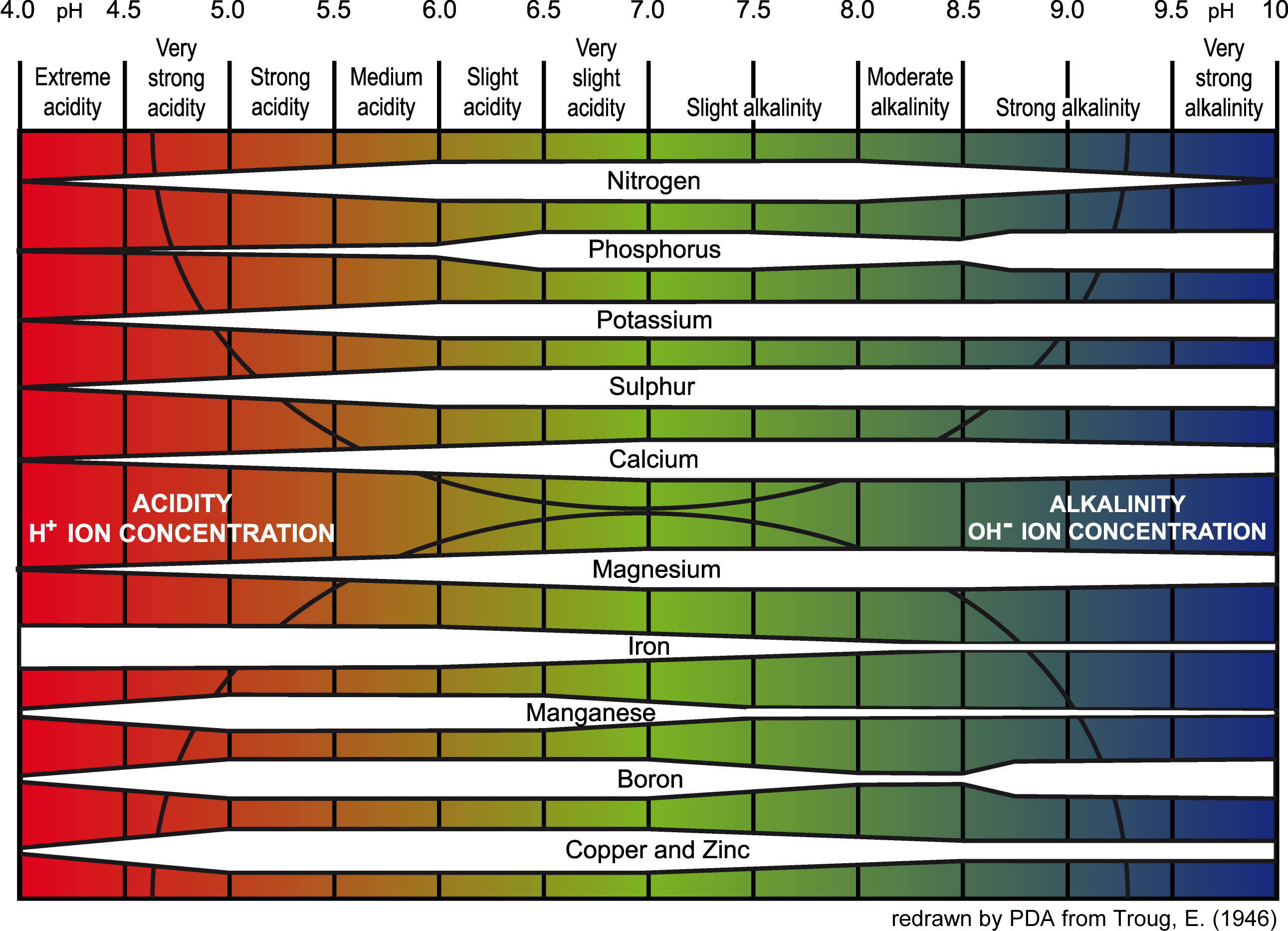 If you think that the more fertiliser you give plants, the better, let us disabuse you of that notion. Especially with effective mineral fertilisers, it is very easy to overfertilise the substrate and literally burn the plants. In general, it is better for a plant to have a slight deficiency than an excess of nutrients. That is why you should always start with lower fertiliser doses and only increase them once you see how the plant responds. If you use mineral fertilisers, always check the EC and pH of the nutrient solution and regularly monitor the EC of the substrate.
You may also be interested in: How to use EC meters in hydroponics and soilless substrates
When growing indoors, you can choose from two types of fertilisers – organic and mineral. The main difference is that organic fertilisers need soil microbes to function, while mineral fertilisers work even in inert substrates, coco or hydroponics. In practice, it may be easier for beginners to grow in soil with organic fertilisers than to jump straight into nutrition that requires precise EC measurement.
You may also be interested in: Organic vs. mineral fertilisers – a guide for beginners
Typical signs of overfertilising plants
- burnt leaf tips
- dark green or twisted leaves
- wilted plants even after watering
You may also be interested in: Complete guide to choosing fertilisers
Most problems in indoor growing do not arise from complicated mistakes, but from repeating the basic ones. Remember that indoor growing is about balance, and the one who succeeds is the one who does not try to rush everything. You can find more useful tips and articles about indoor and outdoor growing on the Higarden blog.