
Grow three indoor plants – Part 7: Peak flowering
In the seventh part of our indoor growing series, we focus on the second part of the flowering phase. We explain how to manage the climate and why it is important to monitor VPD inside the growing space. Finally, we will say something about defoliation and training plants during flowering.
In the previous part, we explained how photoperiod affects flowering and when to switch to flowering in indoor growing. We also went through the first three weeks of flowering together and learned how to adjust the nutrition of flowering plants. If you have followed our guide, your plants should now have prominent flower buds that are growing larger every day. Most commonly grown varieties flower for 8 to 10 weeks and stop growing in height during the second to third week of flowering. The exception is long-flowering sativa varieties, which may continue to grow for several weeks longer.
Climate control in the flowering phase and the importance of VPD
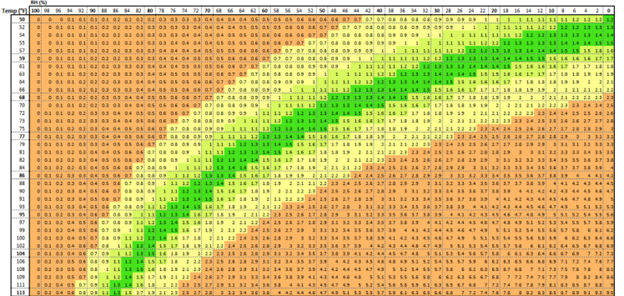 The period of four to six weeks of peak flowering is absolutely crucial from the point of view of plant development. If, for any reason, serious growth slowdown occurs during this time, it will significantly affect both the quantity and quality of the harvest. Plants should always have not only enough nutrition, water and light, but also a perfect climate that will not limit their metabolism.
The temperature in the growing space should be between 24-28 °C during the day and 20-23 °C at night during the second part of the flowering phase. Keep the air humidity between 40-55%. If the growing space is too cold and damp, the plants will absorb less water and nutrients and will grow more slowly. Air that is too hot and dry forces the plants to close their stomata (pores on the leaves) in order to retain as much water as possible, which slows down their metabolism.
You may also be interested in: How to manage VPD in indoor growing
The relationship between temperature and humidity is best described by VPD (vapour pressure deficit). VPD expresses how much water vapour the air can hold at a given temperature. The higher the VPD, the drier the air, and the faster plants evaporate water through open stomata, while more water and nutrients flow through the roots to the leaves. However, if the VPD is too high, the plant begins to close its stomata in order not to lose too much water, which reduces the uptake of CO₂ and nutrients and slows growth. Conversely, at too low a VPD (too much humidity), water transpiration from the leaves is so slow that photosynthesis slows down and the formation of new biomass is reduced.
How to fertilise plants in peak flowering
 In the previous part, we described how the nutrient requirements of flowering plants change. Even in the second part of the flowering phase, the plants need less nitrogen and their consumption of phosphorus and potassium increases. From the very beginning of flowering, you should use flower fertilisers. You can also use PK boosters and flowering stimulators.
The plants should now be able to absorb a large amount of nutrients. If you are growing with mineral fertilisers, you can increase up to 1.6-1.8 EC when growing in soil, 1.8-2.0 EC in coconut substrates and 2.0-2.2 EC in hydroponics and in soilless substrates (expanded clay, perlite, rockwool).
You may also be interested in: How to use EC meters
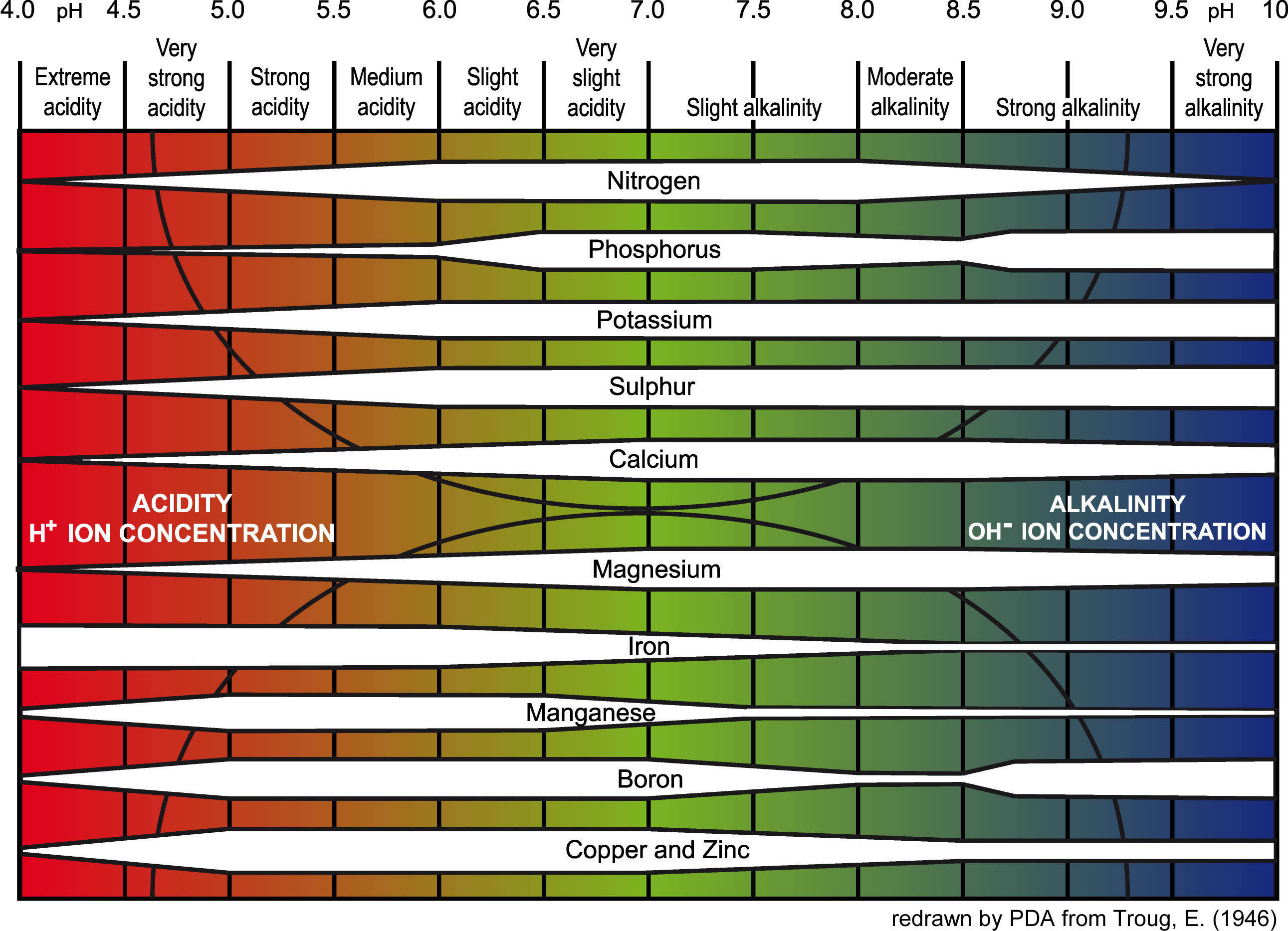
Correct pH is no less important than an appropriate dose of fertilisers. Too high or too low a pH affects the uptake of nutrients that the plant can absorb through its roots. In soil, maintain a slightly acidic pH in the range of 6.2-6.8 pH, in coconut 5.8-6.2 pH, and 5.5-6.0 pH in hydroponics and in soilless substrates. To lower the pH of water, use pH adjustment solutions.
You may also be interested in: What you need to know about the water you use for watering
Defoliation and LST during flowering
Once buds begin to form on the tops of the plants, it is too late to trim them. However, even during flowering it is possible to guide plant growth if necessary. The simplest method is bending the tops and weaving them into nets. Your goal should always be to fill the growing tent area as effectively as possible so that you use the light energy from the grow lights efficiently.
You may also be interested in: LST – plant shaping and training techniques
During flowering, it is a good idea to regularly remove large leaves from the plants that shade the flowers or other plants. This will also improve air circulation between the branches and reduce the risk of damp spots and the spread of mould. Never remove too many leaves from the plants at once so that you do not restrict them too much. Also remove yellow, dry and dying leaves, which attract pests and pathogens.
In the next part, we will gradually move closer to harvest and explain how to care for the plants in the final weeks of the growing cycle so that the harvest is as successful as possible. You can find more guides and tips for beginner and advanced growers on the Higarden blog.