
Too hot in the grow room? We'll advise on how to manage summer temperatures during indoor growing
Summer heatwaves are a major challenge for many indoor growers. While we enjoy sunshine and swimming outdoors, temperatures in grow tents can rise to critical levels. Heat stress slows growth, reduces yields and, in extreme cases, can even lead to plant death. How can you cope with high temperatures and keep the growing space in optimal conditions?
Although some species and varieties can tolerate heat better than others, in general most plants suffer from heat stress at temperatures above 30 °C. Typical symptoms are:
- curled, drooping leaves with the edges curled upwards
- slow growth
- sparser flower structure
- lower resin production during flowering
Light at night
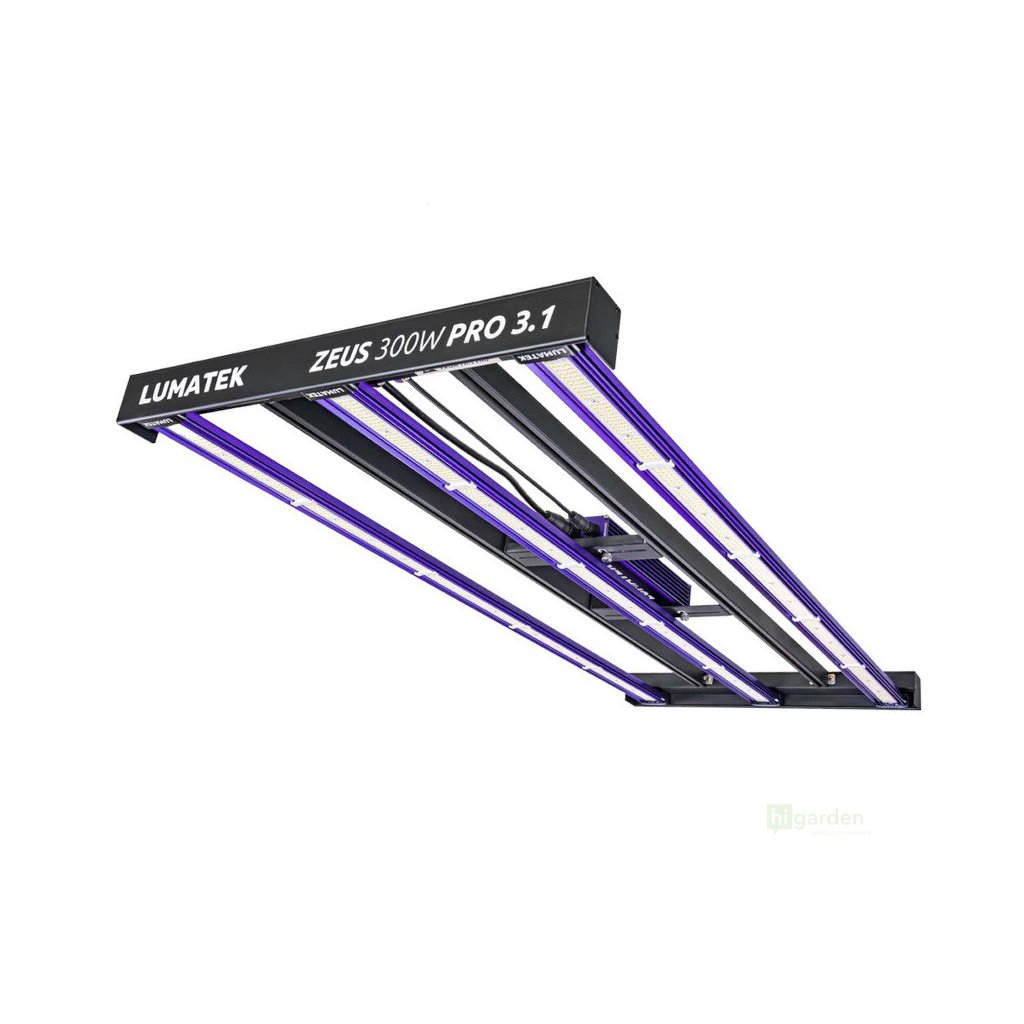 The simplest and cheapest way to reduce the temperature in a grow room by a few degrees is to light it during the night, when it is cooler. During flowering (12/12 cycle), it is best to switch on the grow lights only before sunset, around eight in the evening or even later. During the vegetative phase, your aim should be to avoid the hottest part of the day between midday and five in the evening. Another advantage of lighting at night is that electricity prices are usually lower.
You may be interested in: How to set the photoperiod for indoor growing
Switch to LEDs
Modern grow LED lights are noticeably more efficient and do not generate as much heat as sodium discharge lamps. If you are still using them, consider switching to LED technology. In addition to a lower operating temperature, LED modules also have the advantage of more economical operation and a light spectrum closer to natural sunlight.
If you are already using LEDs and they seem to give off too much heat in summer, reduce the power (if you have a light with a controller) or at least hang the light higher above the tops. However, remember that this will also reduce the supply of light energy to the plants and slow their metabolism. Do not forget to adjust nutrition and the amount of watering!
You may be interested in: The most important metrics of grow lighting
Improve ventilation
 In summer, it is hard to replace properly functioning and sufficiently powerful extract and circulation fans with anything else. The rule of thumb says that the air in the growing space should be replaced approximately every minute. This means that for a 120×120×200 cm tent (2.88 m ³), an extract fan with an output of at least 172.8 m ³/h is required (2.88×60). In practice, however, you need to account for power losses when air passes through an odour filter or bends in the ducting. It is therefore better to equip the grow room with an extract fan at roughly double the estimated output and then reduce its performance using a controller if necessary.
Do not underestimate the importance of circulation fans, which move the air inside the grow box. There should be enough of them, and they should be powerful enough for the plants to move constantly as if in a gentle breeze. Set the airflow so that it points upwards above the tops of the plants and blows the hot air away from under the grow lights.
You may be interested in: How to solve ventilation in a grow room
Air conditioning and tank cooling
If you struggle every summer with temperatures in the grow room exceeding 30 °C, the only truly reliable solution may be air conditioning. Growers using hydroponic systems should also monitor the temperature of the nutrient solution and, if necessary, cool the water in the system with a tank chiller. The optimal temperature of the nutrient solution or watering water is 20–22 °C. Higher temperatures reduce the amount of oxygen in the water, and above 30 °C plant damage begins to occur.
You may be interested in: What are the optimal conditions in a grow room?
CO₂ enrichment
 A very effective method of protecting plants against heat stress is to increase the concentration of carbon dioxide in the growing space. The normal concentration of CO₂ in the atmosphere is around 400 ppm. When increased to 700–800 ppm, plants are able to photosynthesise effectively even at temperatures slightly above 30 °C. To enrich the air with carbon dioxide, you can use hanging CO₂ production bags (for smaller and medium-sized grow boxes) or CO₂ dispensers (for large grow rooms).
You may be interested in: Advanced climate control
Additives and nutritional supplements to protect plants from heat stress
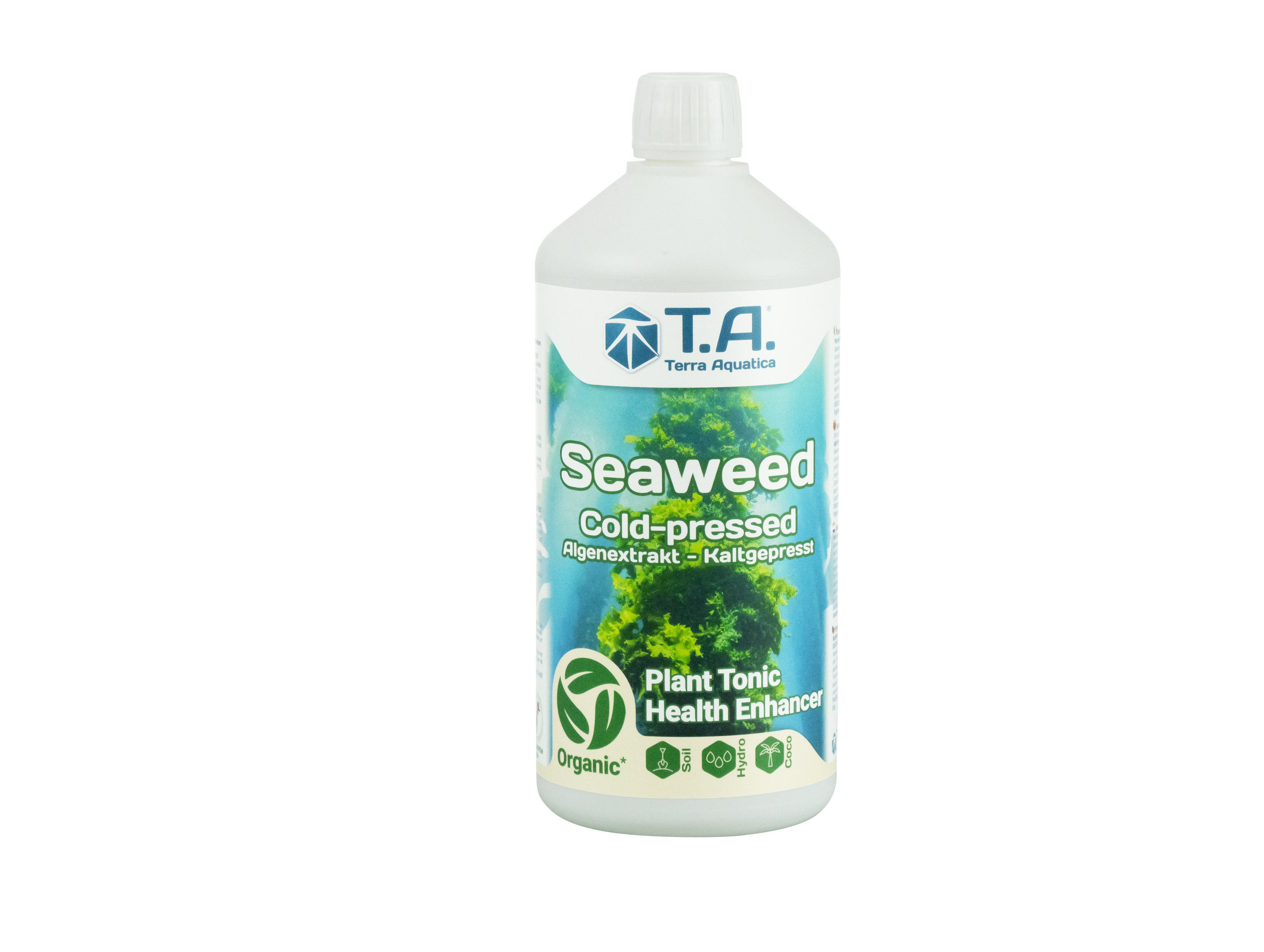
When it comes to nutritional supplements that protect plants from high temperatures, seaweed extracts and silicon are mentioned most often. Seaweed extracts contain vitamins, trace elements and minerals that increase stress tolerance and improve nutrient uptake. Silicon is a nutrient element that plants rarely lack. However, it has been proven that plants fed with silicon supplements have stronger cell walls and withstand high temperatures better.
You may be interested in: The effect of silicon on plant health
Finally, a few small points that did not fit into the article and that many growers overlook. If possible, place heat sources (ballasts, electronics, dehumidifiers) outside the grow box. Regularly check filters and ducting for blockages and replace them as needed. Monitor the temperature not only at the tops of the plants, but also in the root zone.
That is all for today from the Higarden blog. We believe that with our gardening tips you will handle the summer season with ease. We wish you many green successes.