
Moulds and diseases
List of articles
Powdery Mildew and Botrytis: Fungal Growth on Plants and How to Get Rid of It
Few things frighten a grower more than noticing signs of mould on their plants. They will probably lose a large part of their harvest. How can you prevent mould that attacks plants, and how can you get rid of powdery mildew and botrytis? We answer these questions in the following lines.
Whether we are talking about indoor or outdoor cultivation, the main moulds that attack plants are powdery mildew and grey mould. Powdery mildew appears mainly on leaves and looks like a white coating. Grey mould, known as botrytis, is most dangerous on flowers, where it causes rot.
What is powdery mildew
Powdery mildew is a fungal disease of plants caused by parasitic fungi of the Erysiphaceae family. It is very easy to recognise - it looks like a white, flour-like coating on the leaves. Powdery mildew first attacks young leaves, on which white spots appear. As the infection spreads, the white patches grow and the plants begin to look as if someone has sprinkled them with plain flour.
Powdery mildew spreads most quickly in warm and humid conditions. The fungus thrives best in poorly ventilated places with air humidity of 70 – 90% and temperatures of 20 – 25 °C. Powdery mildew spores are light and spread easily through the air, so one infected plant can cause an outbreak throughout the entire grow room, greenhouse or garden.
How to recognise powdery mildew on plants
- white or greyish-white spots on leaves
- gradually spreads to the whole plant
- leaves turn yellow, curl and die off
- slow growth
Spray for powdery mildew
Sprays against powdery mildew are most effective when used early and preventively. To combat powdery mildew, you can use chemical fungicides, biological products and natural (plant-based) sprays. Classic systemic fungicides can significantly limit fungal growth on leaves and tend to be more effective. However, it is necessary to take possible toxicity into account, especially when growing medicinal plants.
You may also be interested in: Sprays and sprayers – everything you need to know
An alternative to chemical sprays against powdery mildew is biofungicides. Biological sprays work on the basis of beneficial microorganisms (e.g. Bacillus, Pseudozyma, Trichoderma) that compete with powdery mildew and support the plants’ natural defences. These products can also be used in organic cultivation.
Sprays against powdery mildew with plant extracts, botanical fungicides and biofungicides, which contain a mixture of antifungal substances of natural origin (terpenes, phenols), are also attracting increasing attention. These substances limit spore germination and fungal growth while being gentle on the environment. With natural products, regular preventive application is often important.
What is botrytis
Botrytis cinerea is a parasitic fungus that causes moulding of the above-ground parts of plants. Under the right conditions, botrytis can attack plants at any stage of growth. By far the most dangerous time, however, is during flowering, when it causes flower rot.
Botrytis overwinters in the form of sclerotia, which remain in dead plant material. In spring, botrytis produces spores that spread by wind and land on plants, where they try to settle. Infection is helped by high humidity above 65% and temperatures around 15 – 25 °C. Flowers and fruits growing close together are very sensitive to botrytis.
How to recognise botrytis on plants
- greyish-white clumps of mould on flowers and leaves
- flowers falling apart when touched
- noticeably dried out or darkened parts of flowers
Spray for botrytis
Sprays against botrytis have the disadvantage that the fungus can easily develop resistance to chemical fungicides. That is why biological products are increasingly used for protection against botrytis.
Products against botrytis containing beneficial microbes (Bacillus, Trichoderma, non-Saccharomyces yeasts, etc.) are more effective when combined with or alternated with low doses of classic fungicides. Plant extracts are also effective against botrytis, as they can suppress fungal growth and have a smaller impact on the environment.
Warning: When growing medicinal plants, never apply sprays directly to ripening or already ripe flowers.
Prevention against mould
 The simplest way to prevent mould on plants is prevention. Once mould develops on plants, eliminating it without losing the harvest is almost impossible. The basic rules of mould prevention are:
1) Correct humidity and sufficient air circulation: High air humidity and stagnant air are the main causes of mould. When growing indoors, always use circulation fans to move the air in the growing area. Reduce humidity with the help of an air dehumidifier. In a greenhouse, it is advisable to maintain a gentle draught.
2) Cleanliness in the growing area: Mould spreads through spores that float freely through the air and settle on plants and in every corner of the grow room. Regular disinfection and соблюдение hygienic principles significantly reduce the chance that spores will multiply and mould will attack your crop. In this respect, dead plant material is the worst, as it is literally a breeding ground for mould spores.
3) Preventive sprays against mould: There is a wide range of preventive sprays for indoor and outdoor plants. Apply them during vegetative growth and at the start of flowering to increase the plants’ resistance to infection.
For more practical guides, grower tips and recommendations for proven products, visit the Higarden blog, where we cover everything important about healthy plant growth and successful cultivation.
How to Deal with Plant Diseases?
Today we will discuss the most common plant diseases that can affect plants. But do not worry, thanks to proven products you do not need to fear all kinds of ailments so much, and your herbs will remain vigorous!
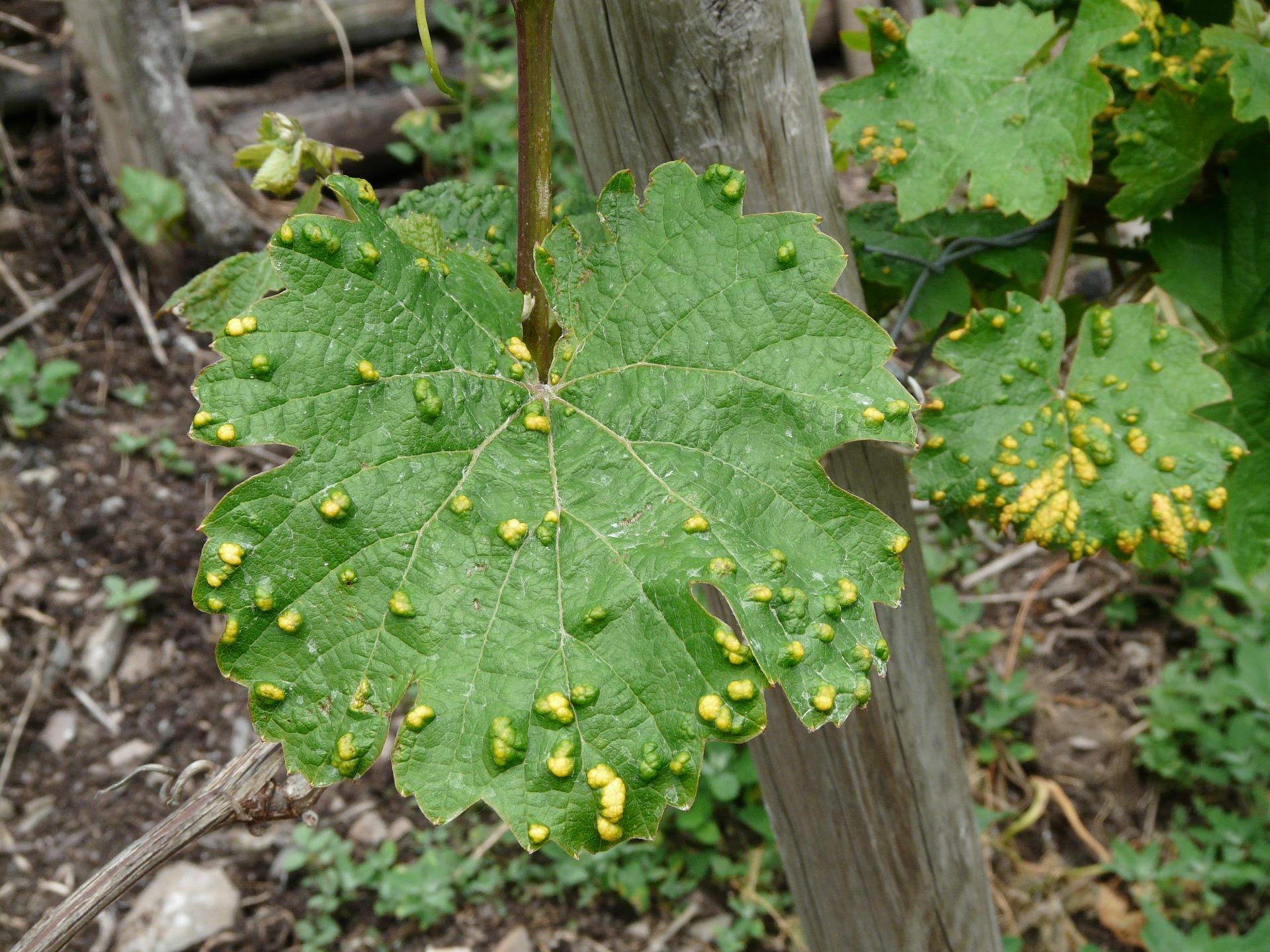
From the point of view of their origin, plant diseases can be divided into three categories: fungal, bacterial and viral. Fungal plant diseases, which generally thrive in damp, warm and dark conditions, are referred to as moulds, and unlike bacterial and viral plant diseases, they can be safely identified on plants.
First, let us say what to do to keep your herbs healthy. We believe that the individual types of the most common plant diseases and the options for their treatment, which we will discuss a little further below, will then no longer be just a current issue for your crop.
PREVENTION, OR PROPER CARE OF THE PLANT ENVIRONMENT
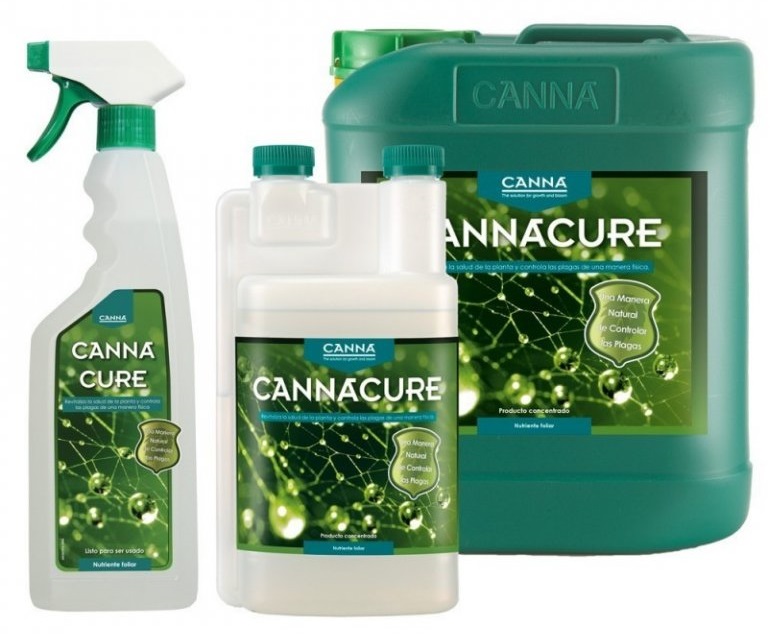
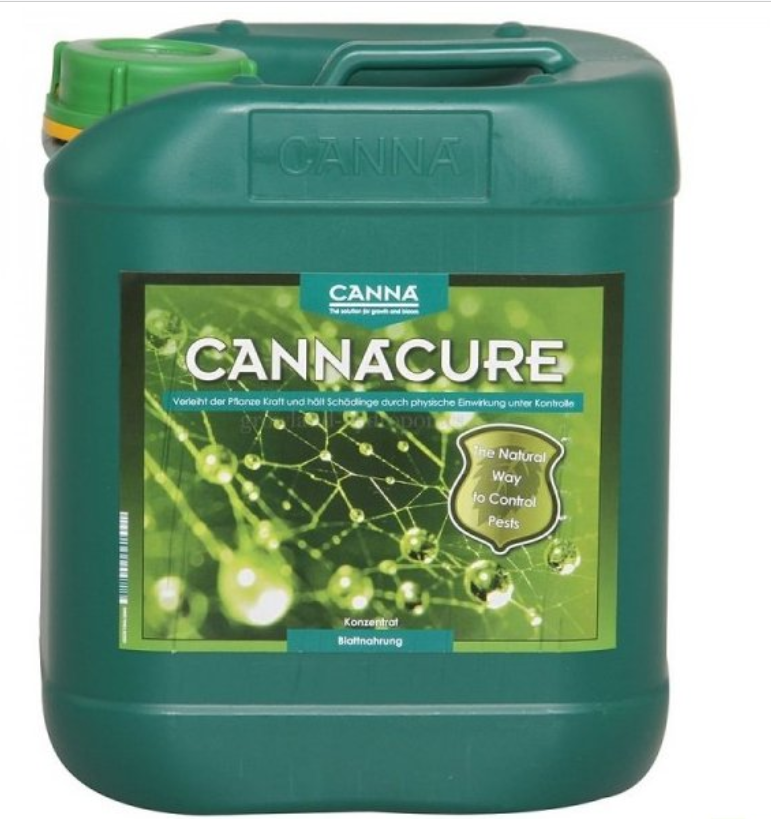
- Preventive spray. We recommend using Canna CURE, a 100% organic foliar spray for the entire growing cycle, which stands out thanks to its unique composition and will help you keep your crop under control. Apply it to both sides of the leaves and your plants will gain exceptional resistance and will much more easily withstand pests, moulds and other threats. As a result, they will be able to focus fully on intensive growth and the formation of lush flowers! That is why the larger and more economical the pack size (the most economical one is shown in the image above), the better. You will really not want to be without this product, and when growing in indoor and outdoor environments it is good to have it constantly available.
- A healthy level of watering plants. Neither too much nor too little. Keep under control whether your plants are not so-called dry and avoid beginner mistakes in the form of overwatering and overfertilising. Too moist or even wet substrate provides an ideal environment for moulds and other diseases. Do not forget to check pH, both in the growing medium and in the nutrient solution.
- Optimal climate. Get equipment for reliable temperature and humidity measurement. Also a fan, ensuring constant air circulation in the growing space. In general, most plant species are suited to a temperature of 24-27 °C during the day and 21-25 °C at night. It should definitely not fall below 18 °C. Relative humidity should be in the range of 40–50 %. The catch for every grower in relation to the fight against moulds lies in the fact that this relatively high relative humidity suits both the plants themselves and fungal diseases. Fortunately, there is a way out of this vicious circle. Reduce the humidity in the grow room during the night, because unlike plants, moulds want darkness for their proliferation. Given that humidity is naturally higher at night than during the day, an effective dehumidifier may also come in handy.
- Germicidal light. This affordable high-tech gadget deals with all three of the above-mentioned types of disease. You only need to keep track of the exposure time of the plants (once a day, 2 – 5 seconds for indoor and 5 – 10 seconds for outdoor) and remember to put on protective glasses and gloves before use. A quality germicidal lamp will then destroy mould spores, bacteria and viruses.

SUBSTANCE IMBALANCE VS. DISEASE
The symptoms of plant diseases are often confusing, and growers in practice are often frightened by all kinds of diseases even in cases where it is “only” a substance imbalance. What does that mean? If a plant is in substance imbalance, then it is either undernourished or, conversely, struggling with an excess of nutrients (overfertilisation).
The symptoms are similar, especially spots on the leaves. How do you make sense of them and how do you distinguish a nutrition error in plants from the symptoms of disease?
- Disease spots have an irregular shape and appear more on the leaf surfaces, gradually turning yellow or brown from the centre outwards.
- Spots signalling a substance imbalance usually occur on the edges of plant leaves, spreading inwards, either from the margins or from the veins. At the same time, they are usually also accompanied by leaf curling.
THE MOST COMMON PLANT DISEASES
- Grey mould (Botrytis cinerea) is among the most common fungal plant diseases. Between the second and third week of the flowering stage, increased attention should be paid to the petals of the plants. Their drying out and browning very reliably indicate the presence of this mould. A single dry petal is enough, and that alone is a reason to gently open the whole flower to see whether we find a focus of grey mould in its interior. If we did not remove the focus thanks to this “signal” from the petals, the mould would spread very quickly to the point where we would only sadly stare at a grey-white furry spot. However, you can avoid this unpleasant scenario thanks to effective prevention!
Our TIP: Canna CURE spray, when the conditions for creating the correct growing environment described above are observed, represents the absolute basis and will also serve you as a universal prevention against many pests.
- Algae are another complication that growers face, especially in hydroponics. Algae primarily need light and nutrients to live. And hydroponic systems are a frequent “refuge” for them. It is therefore necessary to focus on prevention in terms of cleaning and water filtration. A common solution is mechanical cleaning. We can also use hydrogen peroxide at a concentration of 0.5 – 1 % or germicidal lights.
- Powdery mildew can be recognised by white spots on the leaves of growing plants aged 2 – 3 weeks. They occur in large numbers and look as if they were a white powder that could be wiped or shaken off. Unfortunately, the opposite is true. Therefore, as in the case of grey mould, quality prevention is absolutely essential.
- Pythium and Phytophtora. Perhaps the best-known representative of these moulds is potato blight (Phytophtora infestans). Against these common fungal diseases, products containing the beneficial mycorrhizal fungus Trichoderma, with the ability to create its own colony, have proven very effective in prevention and treatment, significantly supporting the plant while also functioning as a protective shield against other types of fungal microorganisms. We recommend using products containing Trichoderma for effective prevention again in combination with CANNACURE spray. If it is necessary to address an infestation of the plant, reach for contact products based on copper. You can follow treatment with the use of a quality root stimulator or again use the powerful action of CANNACURE.
If your crop is affected by mould or another disease, after successful treatment you may consider an early harvest to save what can be saved. However, if you do not neglect prevention and pay attention to the correct growing environment, in the end you will certainly be dealing with the opposite “problem”, namely: Where should the abundant harvest go?. Moulds are also ready to attack harvested crops during drying or improper storage.
We recommend these products:
- Canna CURE spray (from 349 Kč) represents perfect prevention! It controls plant pests and smut through ecological physical properties and at the same time supplies nutrients through the leaves, thereby keeping plants continuously in proper condition.
- KOMPLET UV-C germicidal light (2 199 Kč) for uncompromising disinfection and sterilisation at a promotional price.
- T.A. Trikologic (from 139 Kč) contains the mycorrhizal fungus Trichoderma.
What to read next?
- How to improve soil properties?
- How to store the harvest properly?
- Growing under artificial lighting: HPS vs. LED
If you have any questions about the prevention or treatment of plant diseases, do not hesitate to contact us at the well-known address info@higarden.eu.
How to Prevent Mould and How to Remove Mould from Plants?
You may already know this unpleasant experience from practice. You have successfully raised your plants, so you also have reason to look forward to the intense and unmistakable taste of fresh fruit, when suddenly... mould! Stay calm, mould can be prevented with a high success rate. Today we will explain how.
Plant fungal diseases are easy to recognise: the plant simply does not look healthy, and we can observe spots in large numbers. It does not matter so much whether it has been affected by mould attacking its roots or the fruit, which then begins to rot slowly but surely.
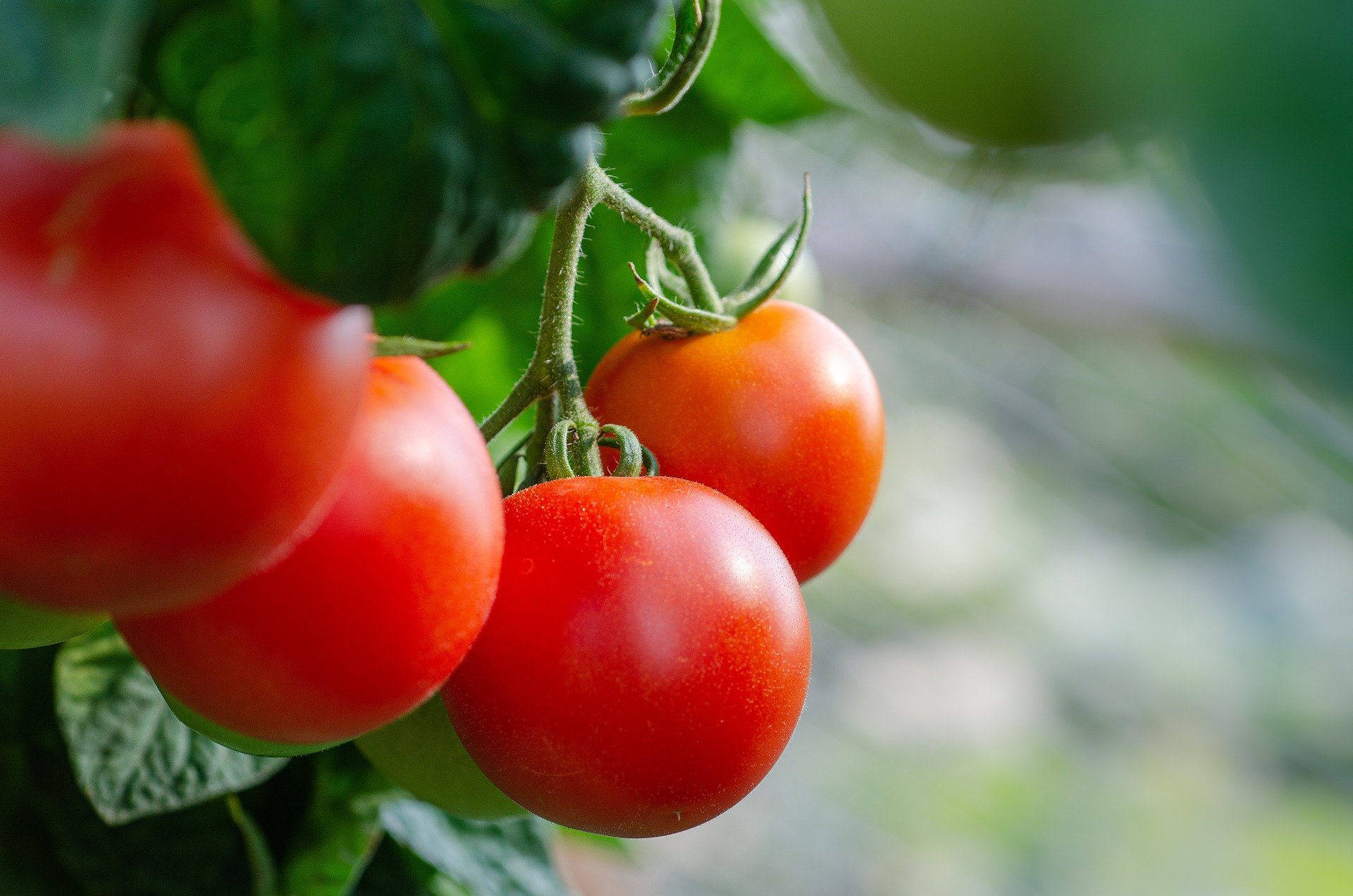
A typical example of when mould troubles growers most during the sunny season is tomatoes. They are particularly susceptible to fungal diseases, including leaf spot, tomato black mould, grey mould, tomato powdery mildew and the well-known potato blight. How can you ensure they produce healthy fruits like those in the picture above?
Prevention is best
Fortunately, modern cultivation already has 100% natural means available to ensure sufficient resistance for growing crops. For example, the bio pesticide NovaFoliar makes the surface of plants literally unattractive not only to mould, but also to various pests.
However, mould can also be successfully avoided, especially in the case of the tomatoes mentioned above, by the planting method itself. First of all, do not plant them near potatoes. You also need to prevent dampening off, so young plants must not be too crowded together. If you grow not only tomatoes indoors, you can significantly reduce the risk of fungal diseases by ensuring sufficient ventilation and creating an optimal climate inside the grow room. A lack of circulating air, heat and humidity all directly contribute to mould growth. In outdoor conditions, therefore, take extra care during rainy periods. Outdoors, make sure that tomato leaves do not touch the soil.
Saving affected plants
If mould has already developed to some extent on tomatoes or other plants, it is still not too late to harvest. It is not even necessary to take the chemical route. First try to find out what type of mould it is. Some products are highly specific, while others offer broader use. For an effective solution to fungal diseases, we recommend from our range of plant protection products against diseases the purely organic product BioGarden Polyversum, whose main active ingredient is the microorganism Pythium oligandrum. A huge advantage of this biological product is its gentleness to plants, as it selectively and mercilessly attacks only the mould itself.
If you do decide to take the chemical route for the prevention or treatment of fungal diseases on tomatoes or other plants from your garden, do not forget the so-called protection period, which means the time after spraying during which consuming the fruit has a negative effect on the human body, similarly to the pests themselves, and that is certainly not what we want when we are growing healthy food ourselves.
After reading this post, you should now have a clear idea of how to avoid mould and what to do if you do encounter a fungal disease that threatens an approaching harvest. If you would like further advice on this issue, write to us at the well-known address info@higarden.eu.
- Fungicides against mould
- Polyversum - the best-selling BIO product against mould
- Air ventilation
Listing controls
3 items total