
Outdoor cultivation
List of articles

My First Growbox: Equipment for Beginner Indoor Growers
Light is the primary source of energy for plants and without it they simply won't grow. In indoor growing, sunlight is replaced by special grow lights...
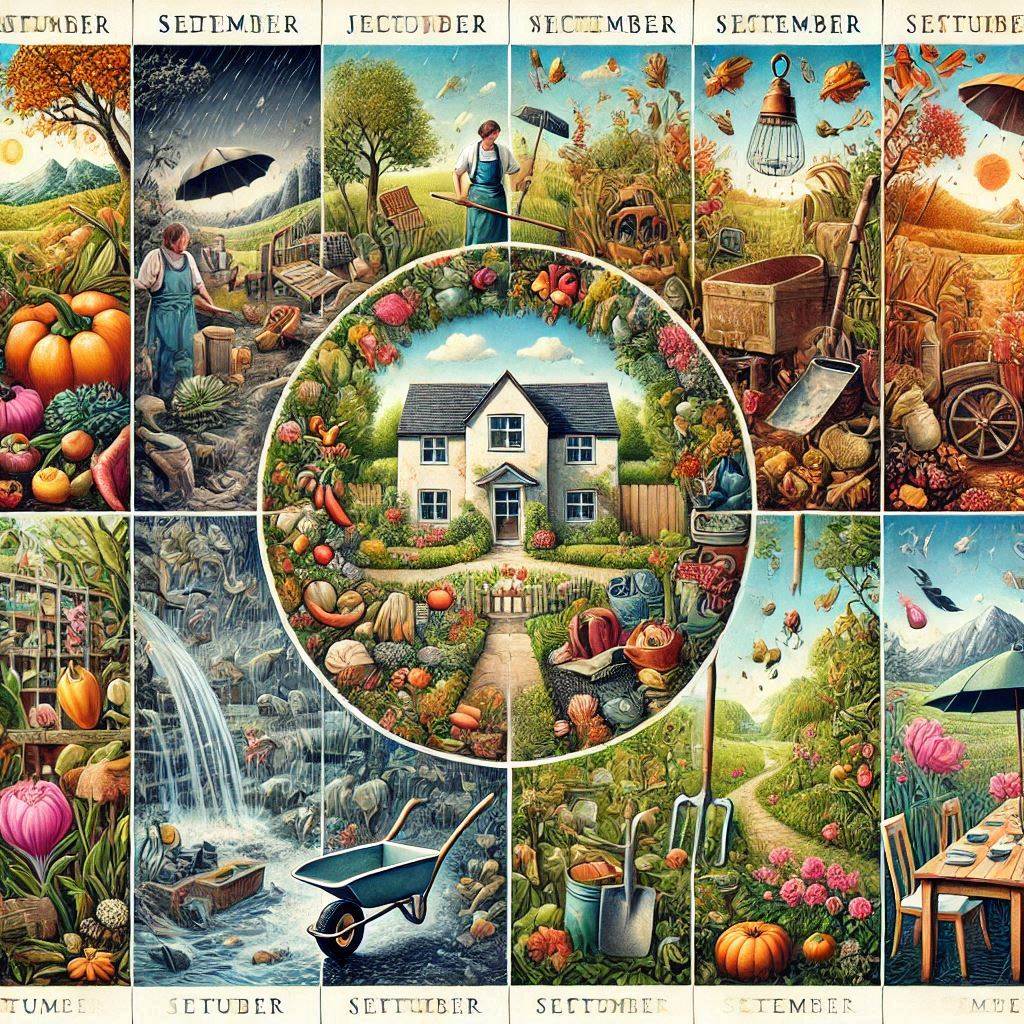
Annual Grow Plan: Prepare for the Outdoor Season
Those who grow outdoors must reckon with the whims of the weather and adapt their cultivation to nature. A diligent gardener is not caught off guard and plans planting and a work schedule months in advance. We will guide you through the key periods of the entire outdoor season and tell you when and how to plant which crops so you can expect a truly abundant harvest.
January and February: Preparing for the season
Winter is a time for planning and preparing for spring. Start by thinking about what you want to grow in the coming season. Explore new varieties that could enrich your garden or be better suited to the specific location. Did you encounter pests or fungi last season? Now is the right time to consider planting more resistant cultivars or even a different type of plant. Create a bed plan to make the most efficient use of your growing area.
Tool care: Check the condition of your tools and repair or replace damaged pieces. Invest in quality gardening supplies for professional gardeners that will save you time and money. Think about what you might need in the upcoming season. Don’t forget sprayers, watering cans, gloves, tying wire, geotextile, plant labels, and pruning shears.
Soil maintenance: If weather permits, add good compost or vermicompost to the beds to supply nutrients to the soil. Try not to underestimate this step; organic fertilizers need time to break down in the soil. Mulching is a great way to protect the soil from erosion and keep it ready for spring planting throughout the winter.
Wondering which fertilizers to use for outdoor growing? Read the article Organic vs. synthetic fertilizers: What is better for your plants?
March: First sowing and soil care
In March nature begins to wake up and it's time for the first outdoor sowing and soil preparation. If you grow plants that need a long ripening period (for example, chili peppers), you can start raising seedlings at home under artificial light. Learn how to start chili peppers here.
Preparing beds: Loosen the beds thoroughly and remove weeds. Add compost or a quality garden substrate to improve soil structure and provide nutrients. If you use the "no-till" method, where seeds are sown directly into untilled soil, skip this step.
Sowing hardy crops: Radishes, carrots, parsley, or peas can be sown directly into the beds. For peas, keep about 10 cm between seeds and 40–60 cm between rows. You can also start onion sets or garlic.
Cold frames and greenhouses: If you have a cold frame or greenhouse, you can start raising tomatoes, peppers, and other fruiting vegetables. Don’t forget adequate light and the right temperature, or try tube heaters for greenhouses.
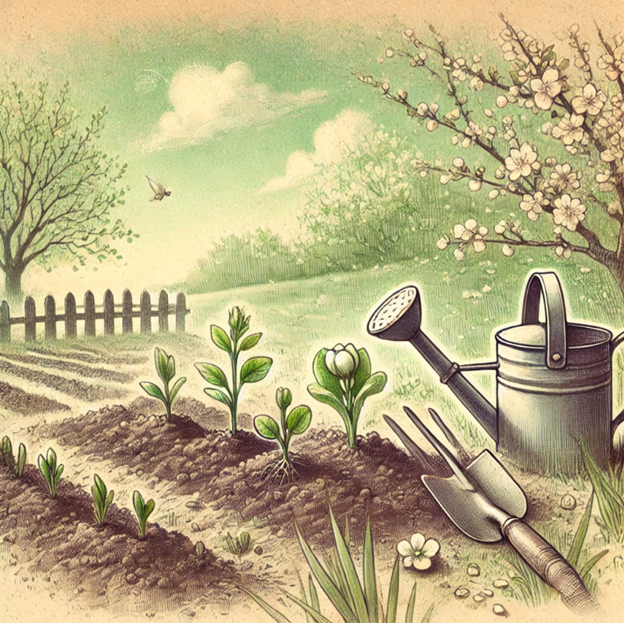
April: Season kick-off
April is a month of lively work for outdoor growers. The soil starts to warm up, allowing you to sow less hardy types of plants.
Planting potatoes: If you plan to grow potatoes, April is the ideal month to plant them. Plant seed potatoes in rows spaced 60 cm apart, at a depth of about 10–15 cm.
Sowing leafy and root vegetables: Spinach, beetroot, kohlrabi, and chicory can be sown directly into the beds. Also prepare space for herbs such as coriander, parsley, or chives.
Fruiting vegetables: Start raising tomatoes, peppers, and cucumbers at home or in a greenhouse. These plants need a longer growing season and should be moved to outdoor beds in May.
May: Peak planting
In May your garden will begin to come alive. As the saying goes, after the "frost days", i.e., after May 14, you should start planting warmth-loving crops directly in the beds.
Planting tomatoes and peppers: Transplant the seedlings of tomatoes and peppers to sunny beds. Keep adequate spacing between plants so they have enough room to grow.
Sowing zucchini and pumpkins: These crops need plenty of space, ideally at least 80 cm between plants. Sow them directly into the beds once the soil is sufficiently warmed.
Care for young plants: Monitor the weather forecast and protect plants from possible night frosts. Use non-woven fabric or plastic covers.
June and July: Garden care and harvest
Summer is a time of intensive work for gardeners, but we can also enjoy the first summer produce. This period is also the peak of activity for many pests. Regularly inspect plants in the garden so you can intervene in time. An overview and detailed information on how to fight insect pests and fungi can be found on our blog.
Watering and mulching: During dry periods remember to water regularly. The modern grower has access to a number of tools, including automatic irrigation systems that can take care of most of the heavy work for you.
Pest control: Watch plants for aphids, slugs, or other pests. Try to use ecological methods of pest and disease protection, such as predatory beetles or natural insecticides.
Harvesting fast-growing crops: Radishes, spinach, and lettuces are ready to harvest within weeks of sowing. Sow these crops throughout the season to harvest them progressively.
August and September: Harvest and preparation for autumn
The end of summer and the beginning of autumn are a time of abundance and preparation for the end of the season. Proper garden care in these months will ensure not only a flawless harvest without molds but also a healthy start for the next year.
Harvest: Tomatoes, peppers, zucchinis, potatoes, and other crops ripen. Harvest gradually so plants can continue to produce.
Sowing autumn vegetables: Sow winter leeks, Brussels sprouts, or autumn spinach so they have time to grow sufficiently before the frosts arrive.
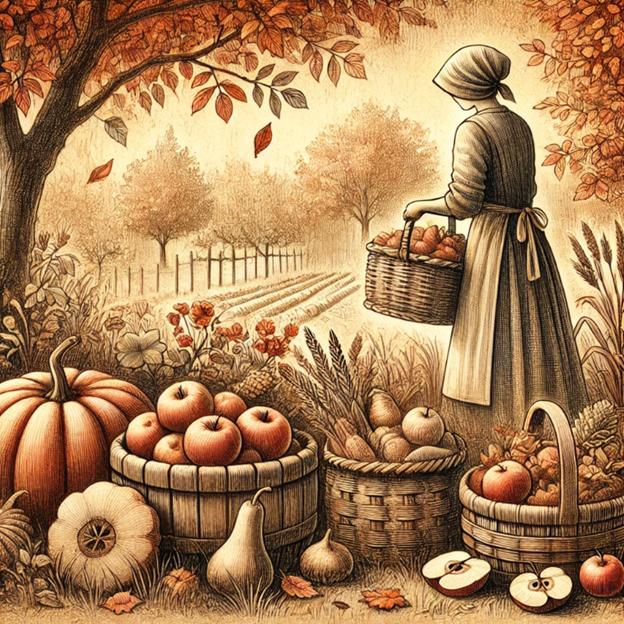
October and November: The garden rests
With the coming winter, nature begins to prepare for its winter rest. Spend time cleaning up and caring for the soil. Remove plant remains to prevent the spread of pests and fungi.
Garden cleanup: Remove plant debris that could host pests or diseases. Dig up and store the tubers of flowering plants, such as dahlias, in a dry place.
Fertilizing and composting: If you haven't done so yet, add organic fertilizers and compost to the soil so it has plenty of nutrients for the next season. If the soil needs liming, now is the right time.
Protection of perennials: Cover tender plants with evergreen boughs or non-woven fabric to protect them from frost.
You should now be perfectly prepared for the upcoming season. Finally, we add a clear table of popular crops with their planting months to help you better plan sowing. Find more useful tips for growing at home and outdoors on our Higarden blog.

Want to care for your garden ecologically and sustainably? Try ATAMI's new vegan fertilizers!
The Dutch company ATAMI has for many years been among the leading manufacturers of supplies for growers, especially fertilizers, substrates and equipm...
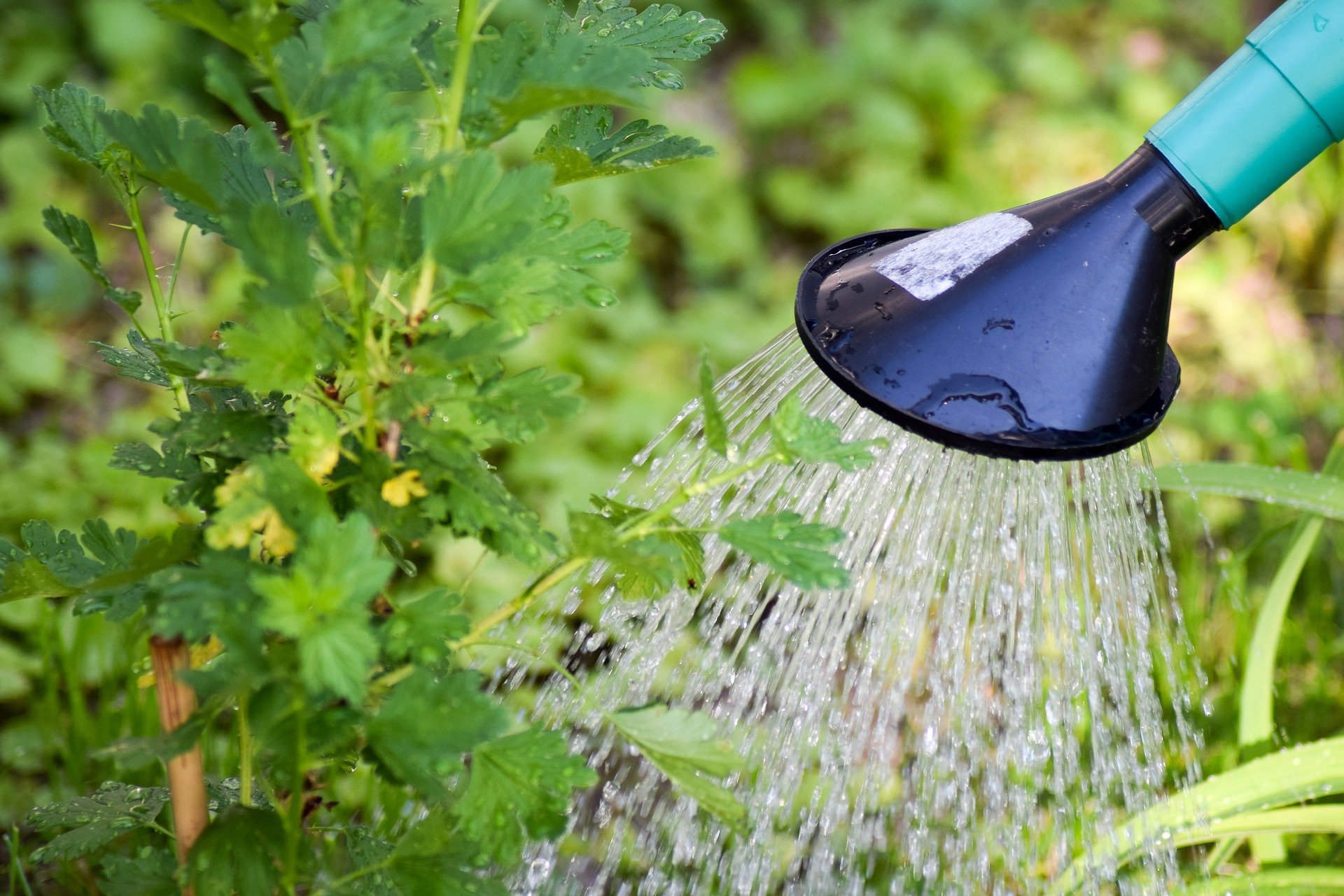
Growth fertilizers: What they are used for and how to use them
Plants grown outside their natural environment, for example indoors, in pots or in hydroponics, require careful attention and proper nutrition supplie...
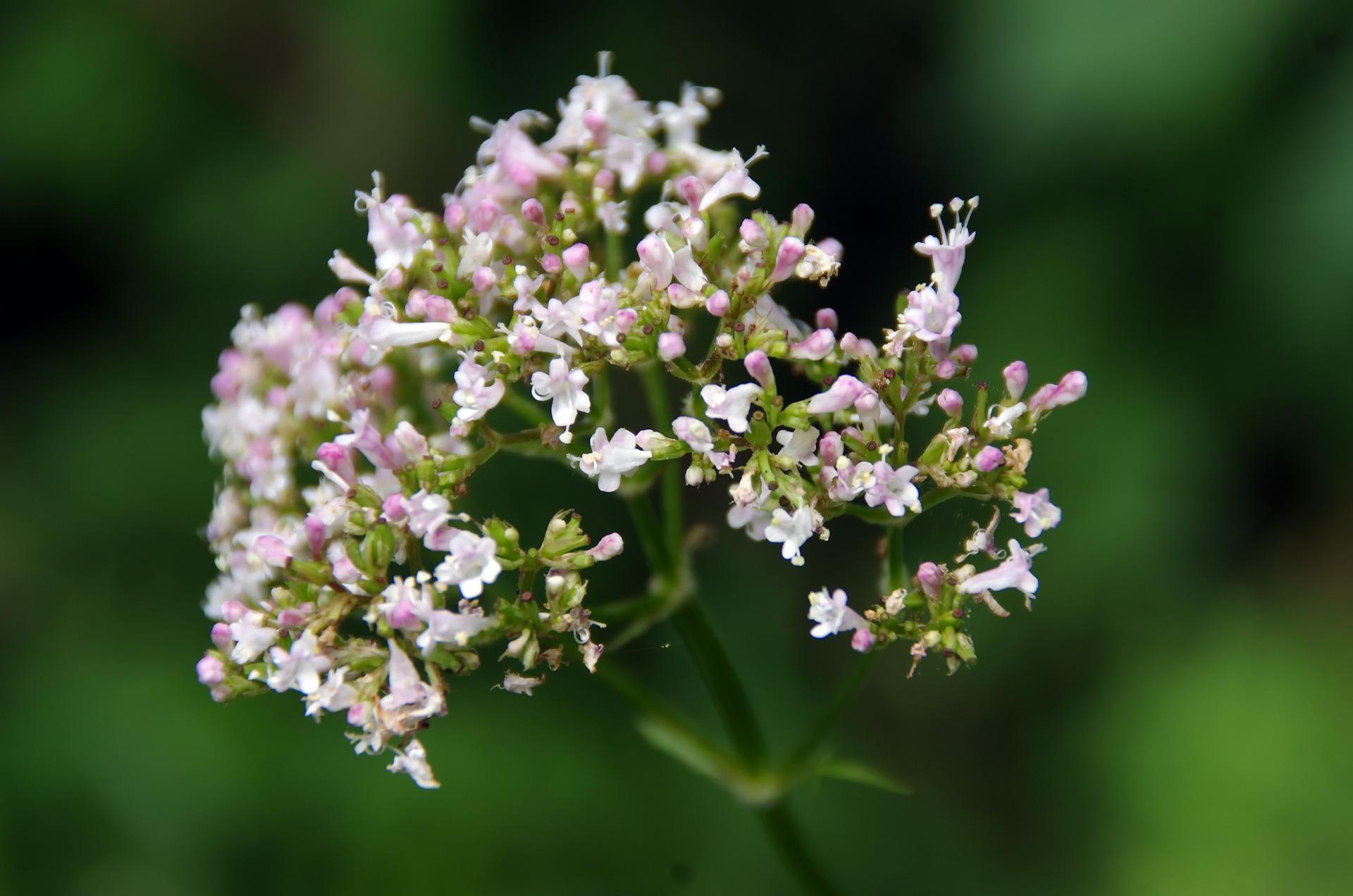
Medicinal herbs for outdoor and home cultivation
Are you an avid herbalist who likes to make honest homemade tinctures or teas from various medicinal plants? Medicinal herbs of all kinds are an integ...
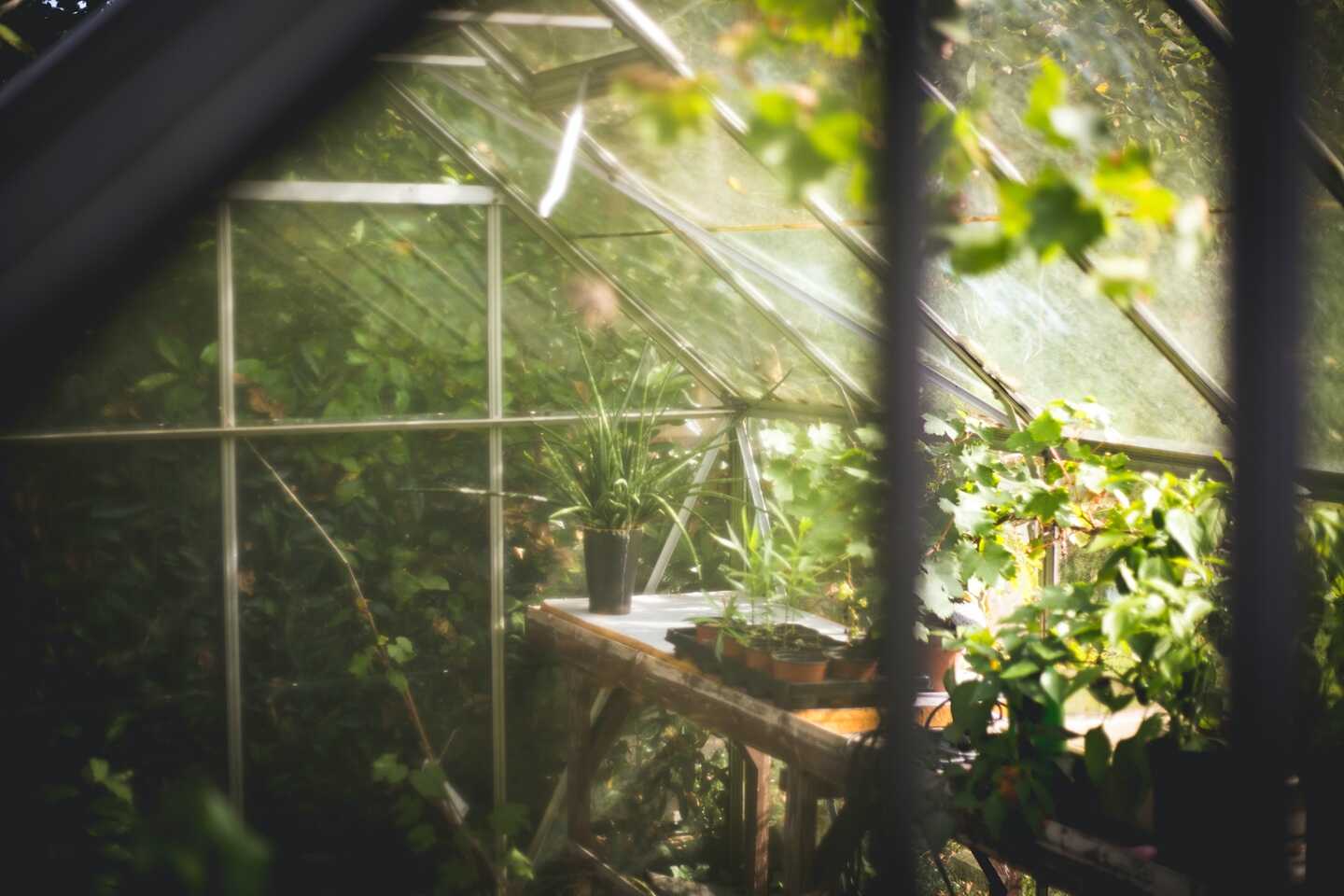
How to grow in a greenhouse?
Greenhouses are often associated with harvesting fresh home-grown tomatoes, peppers or cucumbers. Successful cultivation of various types of vegetables, fruits and herbs in a greenhouse, however, follows time-tested principles that experienced growers stick to so they can enjoy a plentiful harvest once or even twice a year. Read about the advantages and pitfalls of growing in a greenhouse.
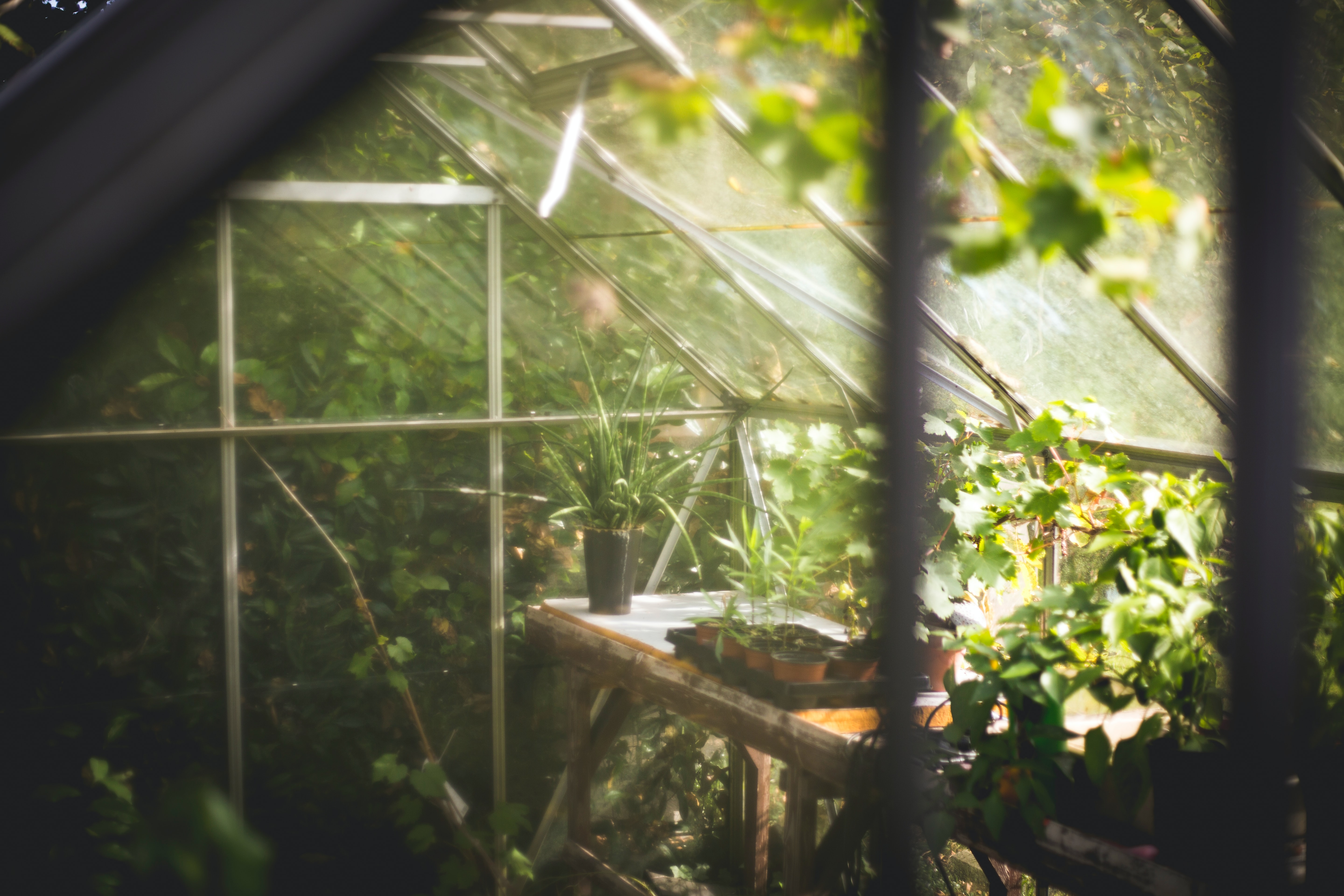
Advantages of greenhouse growing
What is the main advantage of greenhouses compared to growing on uncovered beds in the garden or on a small plot? The number one answer is: optimal growing conditions, which some popular plant species are very sensitive to. In a greenhouse, unlike purely outdoor cultivation, you can maintain a steady temperature and humidity. Greenhouses also protect plants from adverse weather such as strong winds or heavy rains. (Below the article you will find a link to a separate article dedicated to various stress factors that harm plants.) Greenhouses allow plants to grow faster and crops to ripen sooner. Growers make the most of this especially when growing seasonal vegetables. Some vegetable varieties cannot be properly grown without a greenhouse. If you have a greenhouse in your garden, you have much greater flexibility in terms of which varieties to grow.
OUR TIP: Achieving optimal conditions in greenhouses is also helped by a Dutch high-tech innovation: intelligent TechGrow S-2 CO2 sensor. We also highly recommend other unique devices from this manufacturer! For example modern timers for your irrigation systems.

Another advantage of greenhouse growing is of course saving electricity, because when it comes to plant lighting you don’t need an artificial light source — you use the sun, which shines on your plants for free and whose light is intensified by clean glass (see below).
Another benefit of greenhouse cultivation is the head start. What do we mean by that? As we mentioned at the beginning, it is possible to harvest even twice a year. That is because while in open outdoor beds we usually plant tomatoes or peppers around May when the weather is warm enough, a greenhouse gives growers up to a two-month lead, so hardier vegetable varieties are commonly planted as early as March.
Ventilate, ventilate, ventilate
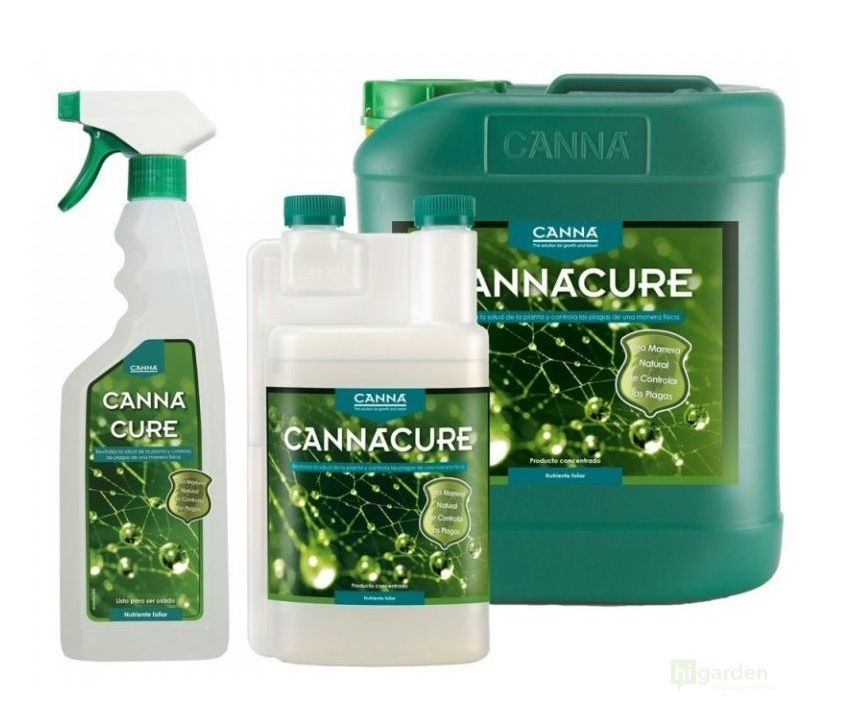
Ventilation, ventilation — plants are protected from the development of molds by... Not only for this reason should regular air exchange be a matter of course when growing in a greenhouse. If that does not happen, an environment automatically forms in which, simply put, plants struggle to “breathe”. Too high humidity builds up inside the growing space, which increases the risk of fungal infections or other mold diseases. A common mistake is relying on just one ventilation opening. Always open at least two windows to ensure sufficient air circulation inside the greenhouse. On warmer days you can open the door, but bear in mind that the larger the ventilation opening, the easier it is for pests to slip in. After all, a greenhouse is not a grow box, so make sure you have effective prevention. Also read How to deal with pests? A particularly useful aid is the popular Canna CURE spray. On the other hand, opening vents and doors gives beneficial flying insects — pollinators — the opportunity to enter the greenhouse and perform their natural role, helping you achieve a great harvest. To summarize:
- Ventilate thoroughly in combination with effective prevention.
- Opening at least two ventilation openings on opposite sides of the greenhouse ensures that air naturally circulates in the growing space.
- In spring ventilate only during the day when outdoor temperatures peak, and remember to close ventilation openings at night so that nocturnal temperature fluctuations do not endanger your plants’ development — greenhouse heating.
Make the most of the space
Efficient use of space in a greenhouse allows you to multiply the amount of tasty fruits or fragrant herbs you can harvest. For this purpose, greenhouse shelves or window sills are put into greenhouses. Handy DIYers can also make them themselves. The material matters less than stability, because wet soil is quite heavy. They are perfect, among other things, for pre-growing seedlings in pots. Some shelves are foldable, others are not. The advantage of foldable shelves is that later they do not obstruct taller plants. Under non-folding shelves you can grow lower vegetables and create an additional layer on the shelves where you place planters with basil and other warmth-loving plant species. Ideally, shelves have various openings through which circulating air can also reach the lower tier.
Tips on pots for a healthy root system and higher yields
Fabric pots are made with sustainability in mind. After harvest you can simply wash them and reuse them for the next growing cycle. Unlike plastic pots, there is no risk of container degradation and you will provide plants with perfect drainage and aeration of the substrate — that is, an excellent supply of oxygen to the roots. Read the article: When to prefer fabric pots instead of plastic ones? From plastic pots we recommend for great root development the aerated HERCULES pots. The picture clearly shows how well plant roots thrive in them.
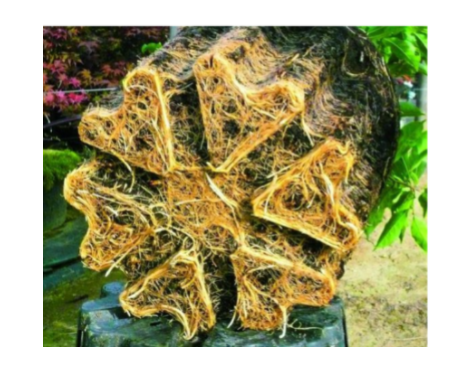
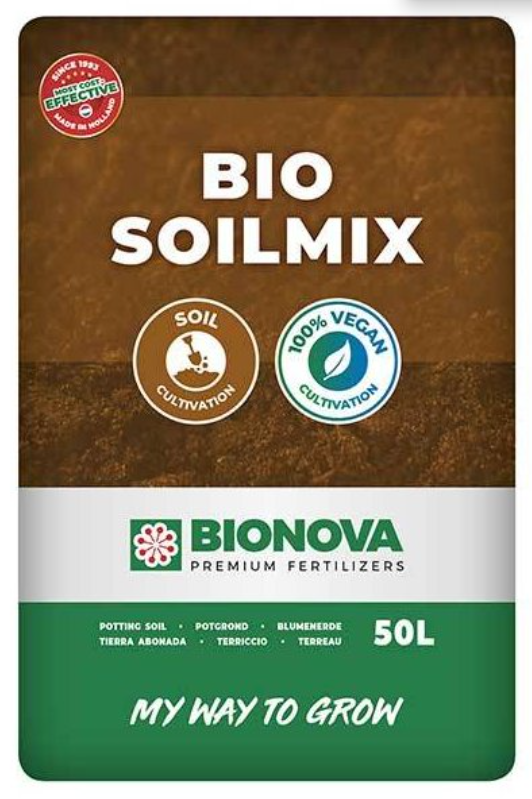
Some growers prefer beds inside the greenhouse, complemented by hanging pots to maximize growing space. If you decide to cultivate plants in beds inside the greenhouse, remember to obtain a quality growing substrate and replace or revitalize it regularly. Revitalizing substrate is the subject of the article: How and why to revitalize the substrate? Regular revitalization and replacement of spent substrate in greenhouse beds is part of important prevention against mold development and pest infestation. If your priority is harvesting tasty crops in organic quality, we recommend for example BioNova Bio Soilmix.
Advantages and pitfalls of the greenhouse effect
This process, which we already learned at school, allows plants to grow faster and form fruits that also ripen more quickly. Fruit vegetables are therefore usually topic number one in greenhouses. Short-wave radiation passes through the glass into the greenhouse creating heat that is well retained inside. Growers and gardeners use this every year early in spring to pre-grow seedlings. The greenhouse effect is beneficial in most situations, but it is said that too much of anything is harmful. That also applies to too much sun, whose rays are intensified by glass. During hot summer months you need to be careful not to let extreme temperatures develop inside the greenhouse. On our e-shop you can choose from a range of devices for temperature and humidity measurement.
Heating the greenhouse
Protect your plants in the greenhouse from sudden drops in temperature or low nighttime temperatures and provide them with a stable environment using special heating
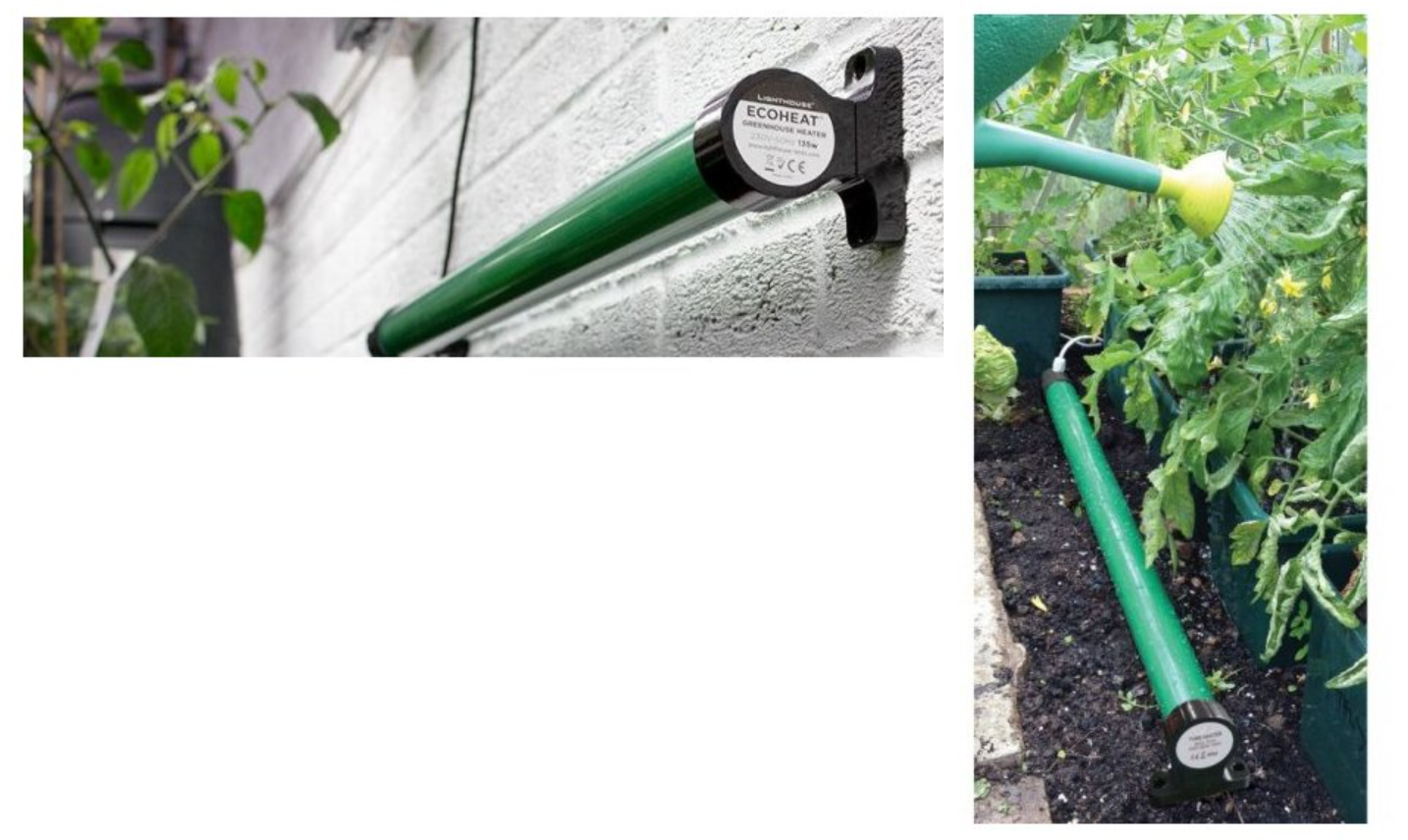
We recommend reliable tubular heating elements LightHouse ECOHEAT, made specifically for greenhouse growing in four variants. Just choose the required power (45 W, 80 W, 135 W or 240 W) according to the size of the greenhouse.
Practical heating elements can be easily attached to the greenhouse wall, but you can also place them directly near the plants, as they are resistant to sprays and water splashes. You can see both options in the picture.
Greenhouse heating will certainly come in handy for safely overwintering potted plants.
Heating the greenhouse is a useful support for plant development during colder months, but remember that to grow plants in a greenhouse during winter you must also provide sufficiently strong artificial lighting in addition to heating. Heating a large space together with artificial lighting is already a financially significant undertaking. Year-round cultivation of any plant species under artificial lighting is also possible in grow tents of various sizes, allowing you to harvest comfortably at home from spring to winter.
Clean glass and birds
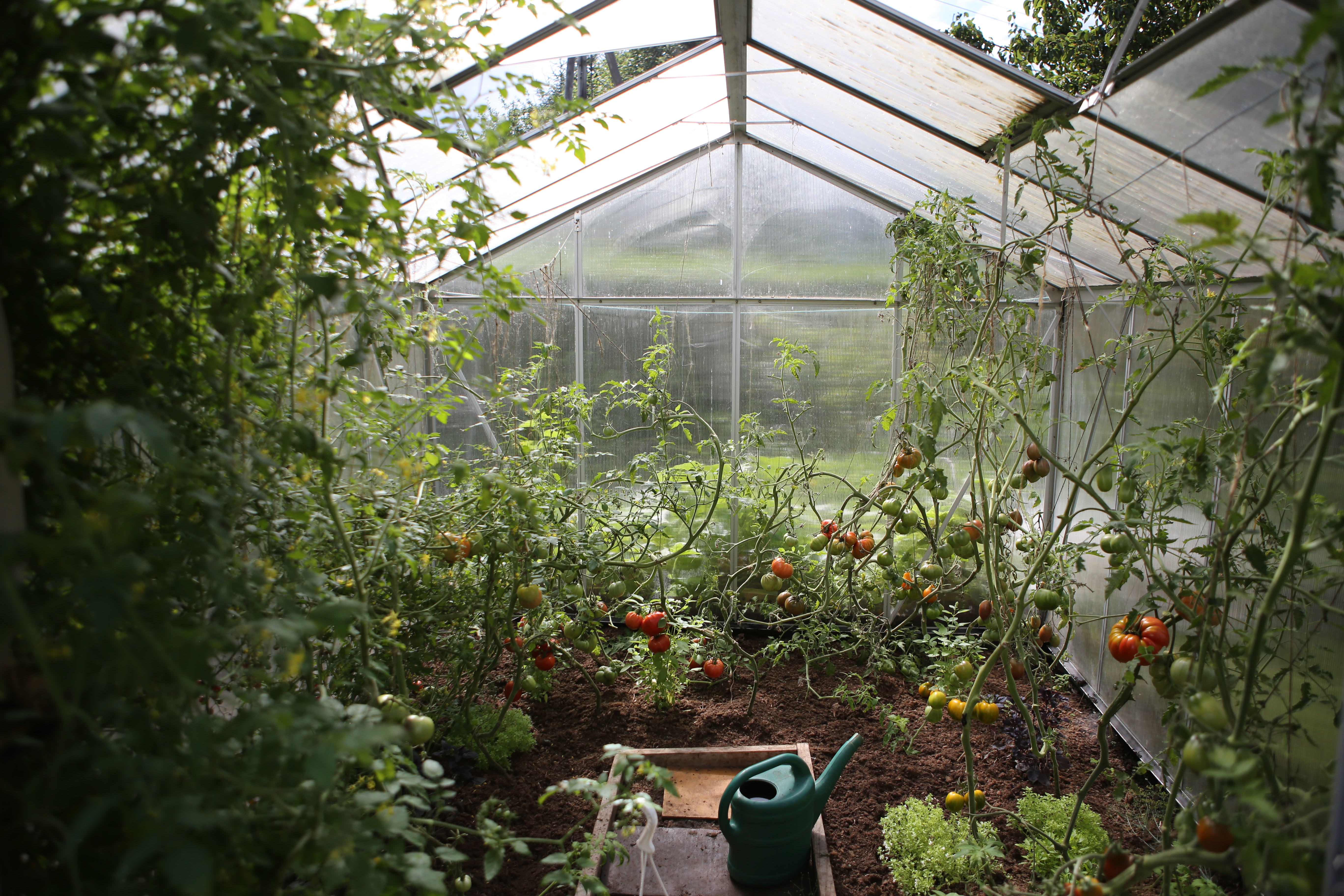
If you keep the glass permanently perfectly clean, you will maximize the effectiveness of the sun’s rays that pass through the glass to the photosynthesizing plants. In other words, it would certainly be a shame for your efforts to be hampered by a layer of dust or other dirt from the surroundings. For example, lettuces in particular, which due to a layer of dust on the greenhouse do not absorb light sufficiently, tend to accumulate nitrates.
Again, too much of anything is harmful, so when it comes to pitfalls associated with greenhouse growing, caution is especially needed in summer. We have already mentioned the greenhouse effect. Accumulating heat inside the greenhouse could damage plants, so it is worth using proven measures such as applying a protective lime wash to the greenhouse surface, which can be relatively easily removed after the season with water and vinegar. These coatings are usually inexpensive and you do not need to worry about damaging the glass.
Regarding clear glass, it is also important not to underestimate the speed and perception of birds flying over the land where your greenhouse stands. A bit of translucent paint or UV stickers on the glass will save the lives of birds and at the same time prevent damage.
If you have any questions about greenhouse growing, we will be happy to advise you at the well-known e-mail address info@higarden.cz. This of course also applies to choosing suitable products that will significantly simplify your work in the greenhouse and increase yields. We are here for you!
We also recommend these products:
- BioNova VitaSol
- Shogun fertilizers
- ROOT!T rooting sponge / propagation cube
What to read next:
- Stress harms plants too — Abiotic plant stresses
- Organics Nutrients: naturally towards large yields
- How to grow outdoor?
Spring gardening tasks
It's a joy to watch nature burst into bloom. Did you know that changes in the garden are most visible in April? The spring garden really changes almost every day at this time and demands intensive attention from gardeners, who are kept busy whether it's flowerbeds or the lawn. That's why we've focused on practical advice for effective spring gardening at this time.
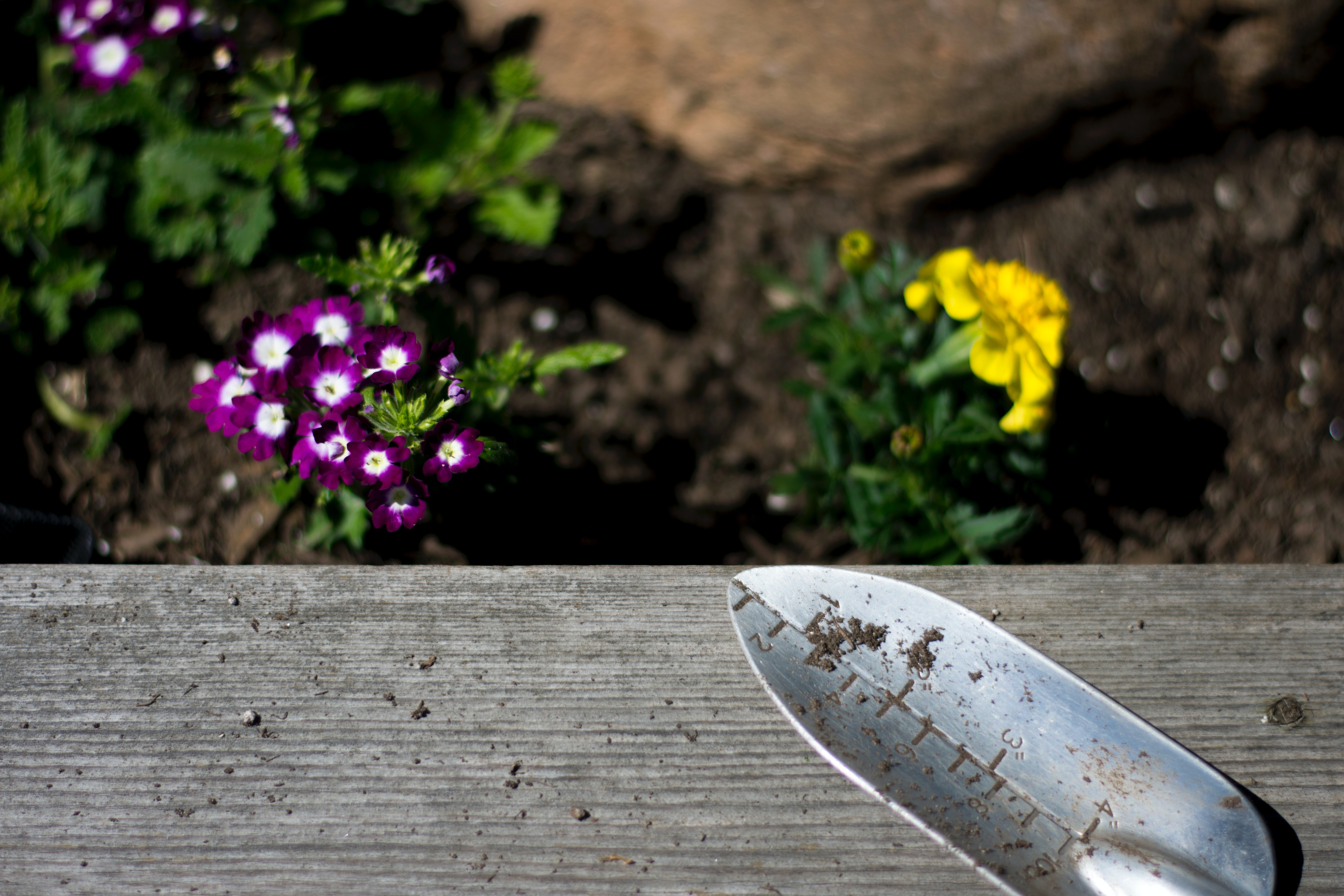
Preparing the garden after winter
Most gardeners plan garden cleanup around late February and March, but if you haven't had time yet during this hectic period, better late than never. After all, it's your garden, so no stress. You can still catch up on everything. For example, rake fallen leaves, branches and other plant debris left in the garden after a long winter. If you have a compost or vermicompost in the garden, you know where and why to put all this biowaste. If you haven't started a compost yet, we recommend our Guide to compostingcomposting.
An equally important part of preparation is checking your gardening toolkit. Gardening should be enjoyable, so there's no point struggling with, for example, old pruning shears or pliers.
Quality garden tools and comfortable gloves with non-slip treatment will make your preparations and subsequent garden work much easier and faster. So what tasks should you continue with once your spring cleanup is done?
Care for beds and the lawn
A straight spade will help you restore and level the edges between beds and the lawn.
Weeds thrive in spring. Remove them along with moss using a spade or a solid trowel, because April is exactly the month when thorough and repeated weeding pays off most in the garden. Frequent hoeing while weeds are going through their first two growth phases significantly weakens them. Before you know it, summer will be here and you'll be rewarded with a clean garden where weeds appear only sporadically. This is the first step in preventing pest outbreaks, which badly weedy beds naturally favor.
With moss, consider the possibility of it spreading to other corners of the garden, so uncompromisingly remove all its patches not only in beds but also focus on walls, stones or surrounding paths. These measures also save you on moss and weed treatment products (see below).
Mow old turf at least once a week, whether by a well-sharpened scythe or a mower, which will help thicken it. Remember that sharp blades not only make the work easier but also prevent unwanted tearing of grass with its roots.
Mid-April is also an ideal time to sow grass seed. If your lawn has bare spots, overseed them with grass seeds. For this purpose, use a grass mixture intended specifically for overseeding lawns or other grassy areas.
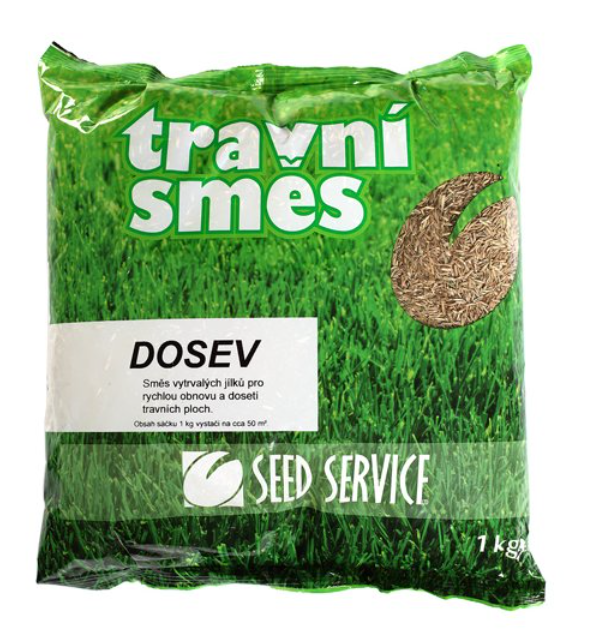
Generally, lawns struggle more in the sunniest parts of gardens. It's practical to dig up such sections and transform them into a blooming spring meadow sown with a pollinator-friendly grass mixture. Besides the aesthetic aspect and greater diversity in your garden, you'll attract pollinators and other beneficial insects.
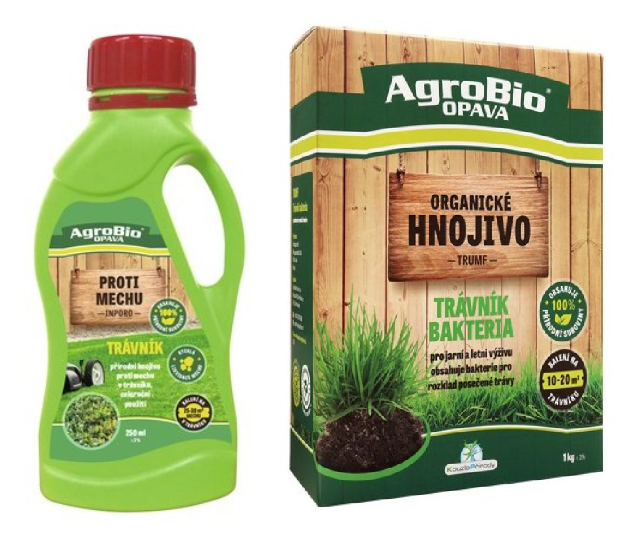
To care for a beautifully green and dense lawn you can use these proven products:
- Czech product AgroBio INPORO against moss in the lawn is a purely natural lawn fertilizer that visibly suppresses moss within one or two days.
- AgroBio Zdravý Trávník - for a beautiful lawn without weeds
- AgroBio TRUMF is a popular organic fertilizer designed for nourishing lawns.
Spring planting and fertilizing in beds
Although nature sometimes helps water the garden in spring, don't rely solely on rain, because freshly sown seeds or newly planted seedlings especially require sufficient watering. Thoroughly loosened soil should therefore be heavily watered not only after sowing but also before it. Just because a seedling takes root doesn't mean it's no longer very sensitive to drought. So never let the soil dry out.
Our TIPS for watering:
- If you're tired of the physically and time-consuming manual watering, put aside the watering can and replace it with drip irrigation (DRIP).
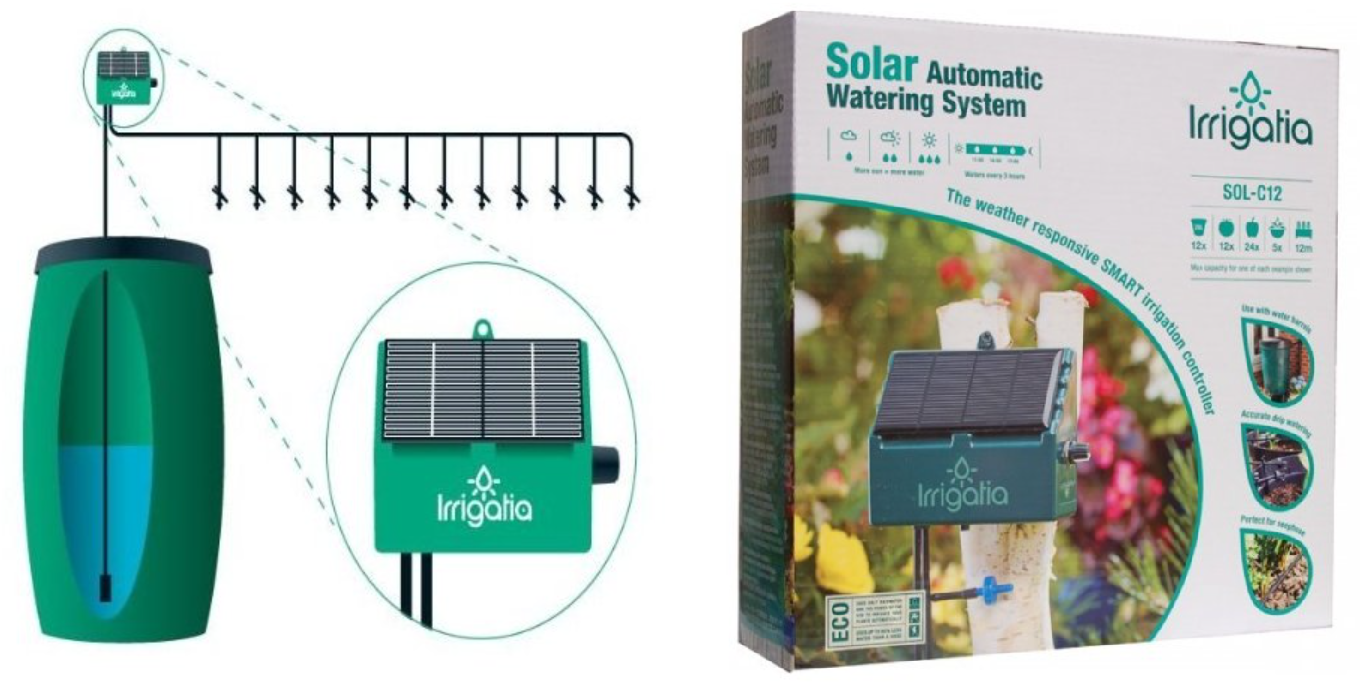
- Automatic solar irrigation Irrigatia is a great investment that will provide you freedom to travel later in spring and during summer while ensuring regular watering for your garden or lawn without using electricity. Solar irrigation systems are becoming increasingly popular among outdoor growers and gardeners. Besides better water efficiency with self-watering systems, they also support needed sustainability.
Give your beds plenty of nutrients in spring
Moist spring soil absorbs fertilizers well down to plant roots, so it naturally invites their application.
At this time it's necessary to provide plenty of nutrients to beds with small fruit, for example strawberry beds. Generous feeding is also particularly important now for fruit bushes and trees.
On Czech gardens you'll usually find bushes such as raspberry, gooseberry, or currant, which need to be sensibly pruned in spring to a length of about 130 cm. Raspberries have short shoots that are removed close to the ground.
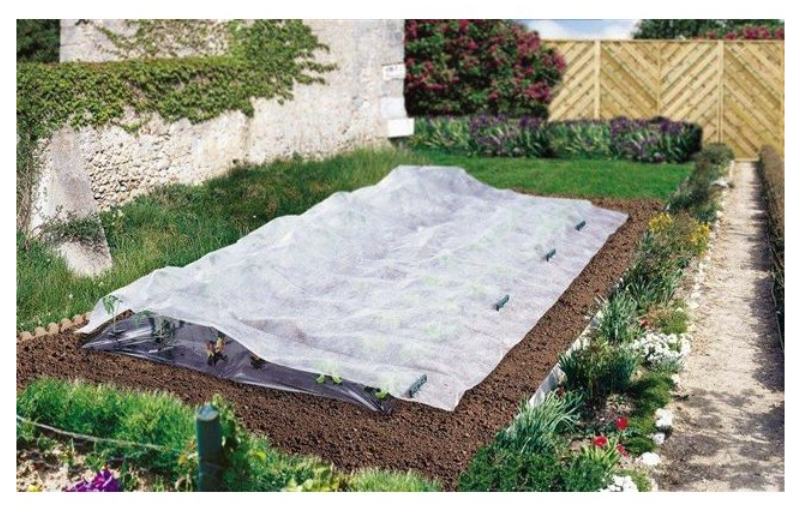
Whether sowing or planting, April nights can still bring frosts, against which protection in the form of non-woven fabric is suitable, as illustrated below.
When to start spring vegetable planting?
- Pre-grown or purchased seedlings should wait in optimal indoor conditions until the soil outside has warmed sufficiently to at least 6 or 7 °C. After that you can safely begin planting the following vegetables:
- Lettuces
- Beetroot
- Radishes
- Spring onions
- Spinach
- Leeks
- And others...
- Keeping about 10 cm spacing when planting vegetables prevents later thinning.
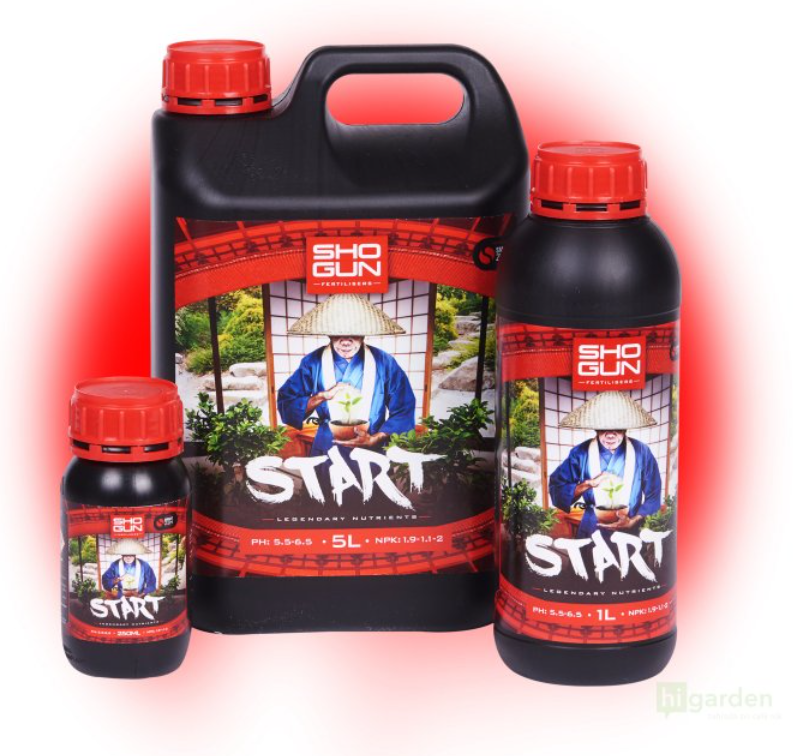
- From the early developmental stages you can strengthen young plants and give them a successful start, which will soon reward you with steady growth, exceptional vitality and overall quality of flowers or fruits. During the cutting and seedling growth phase try, for example, the British number one Shogun Start.
Our TIP: Try the comfortable NICE planting trowel with a lightweight but unusually durable plastic structure reinforced with fiberglass.
More practical tips for the spring garden:
- Turn the chirping birds in your garden into helpers that will help you with insect pests. Thoroughly cleaning and clearing feeders encourages them to find food independently.
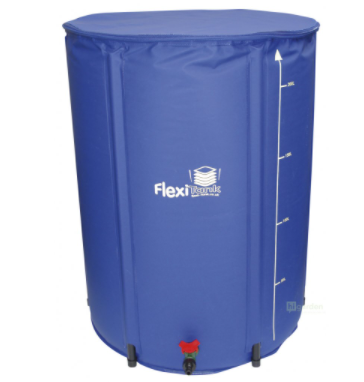
- Spring provides enough rainfall for you to obtain a suitable container as a rainwater reservoir. Rainwater is free and has been used for garden irrigation since time immemorial. If you don't have one at home or in the shed, use practical folding textile rainwater tanks like the FlexiTank.
- More useful advice awaits you in a separate article: How to grow outdoors?

We hope this article has inspired you and that this year's spring in your garden will be the most successful yet. Use April weather together with quality nutrition, represented by basic and supplementary fertilizers. We are happy to help you choose them. Feel free to ask us anything via the familiar email address info@higarden.cz. We're here for you!
We also recommend these products:
- Hnojiva Shogun
- Vermiculite - substrate additive
- HERCULES aerated plant pots
Further reading:
- SHOGUN: the best British fertilizers with emphasis on research
- BioNova Boost Pack for luxurious flowers and fruits
- Organics Nutrients: naturally to great yields
How to grow outdoors?
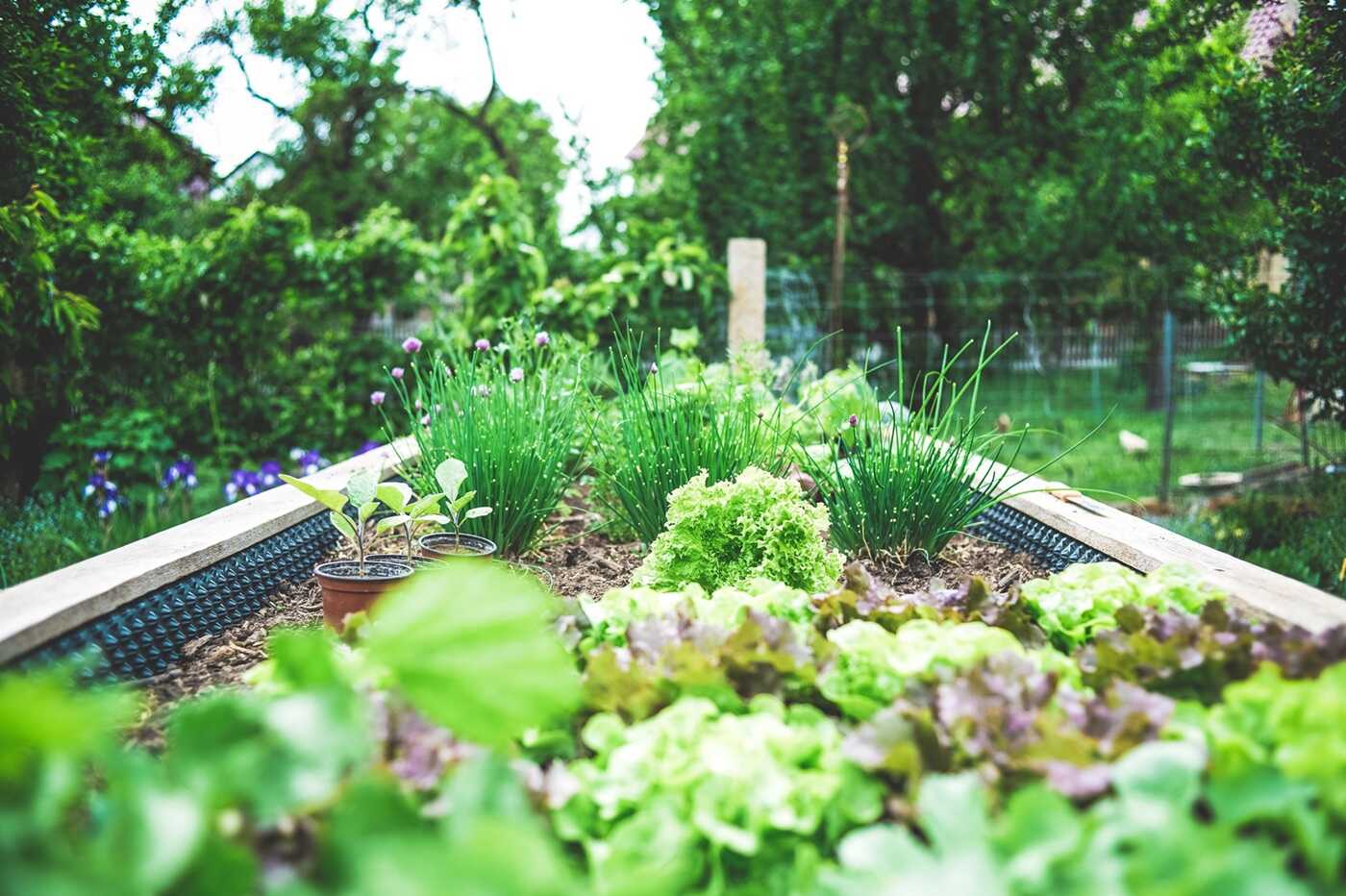
Today we have several practical tips for effective cultivation of plants outdoor, that is, outside in the sun. The gardening season is in full bloom after a long winter, so it would be a shame not to give the plants in your beds more than just the bare essentials they need outdoors. Even in an outdoor environment it is possible to achieve fantastic yields!
Quality soil and rich soil life
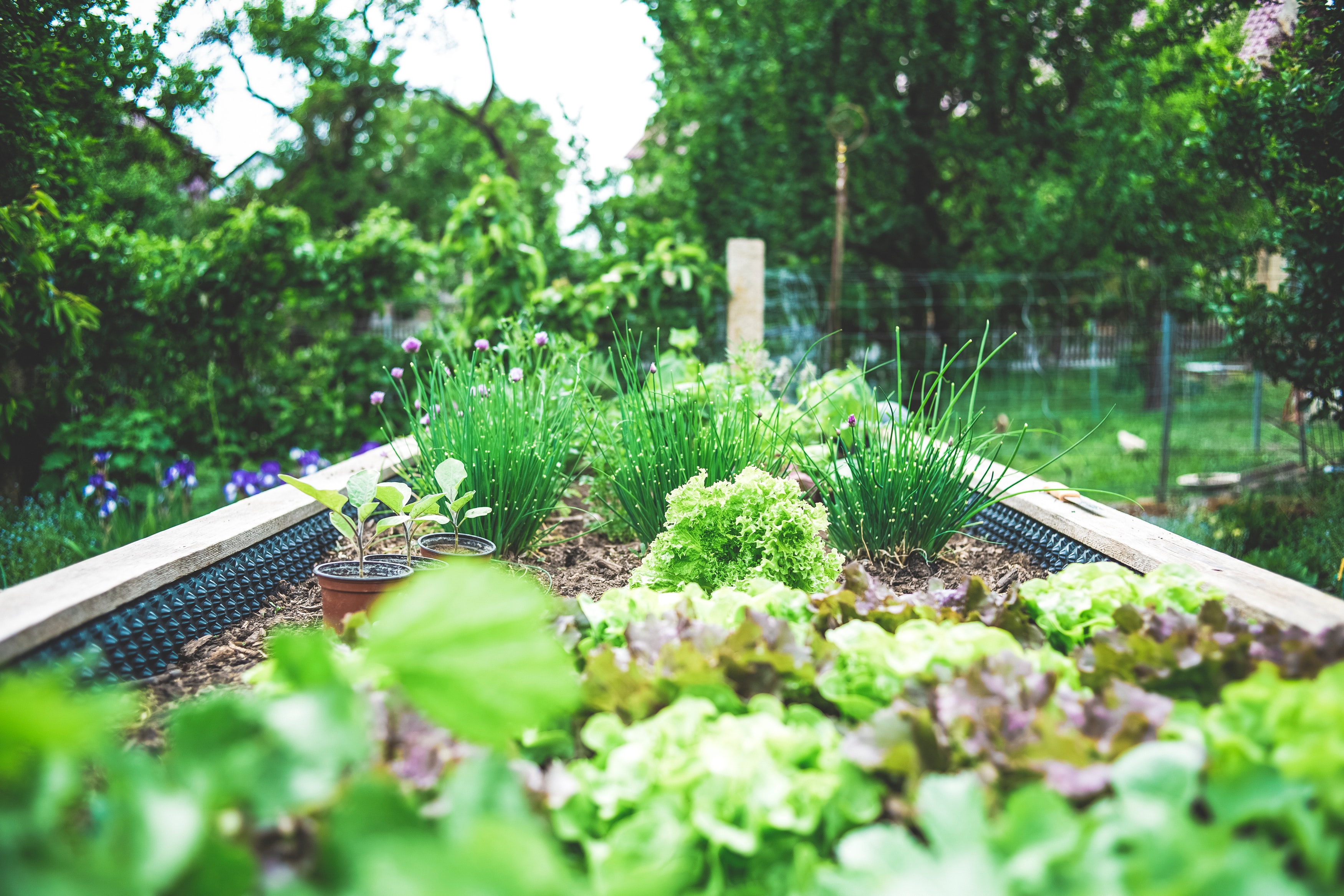
Pests, dangerous pathogens or heavy metals. All of these work against us and our plants when growing in open soil. Therefore it is good to know the soil you have available and work with it accordingly.
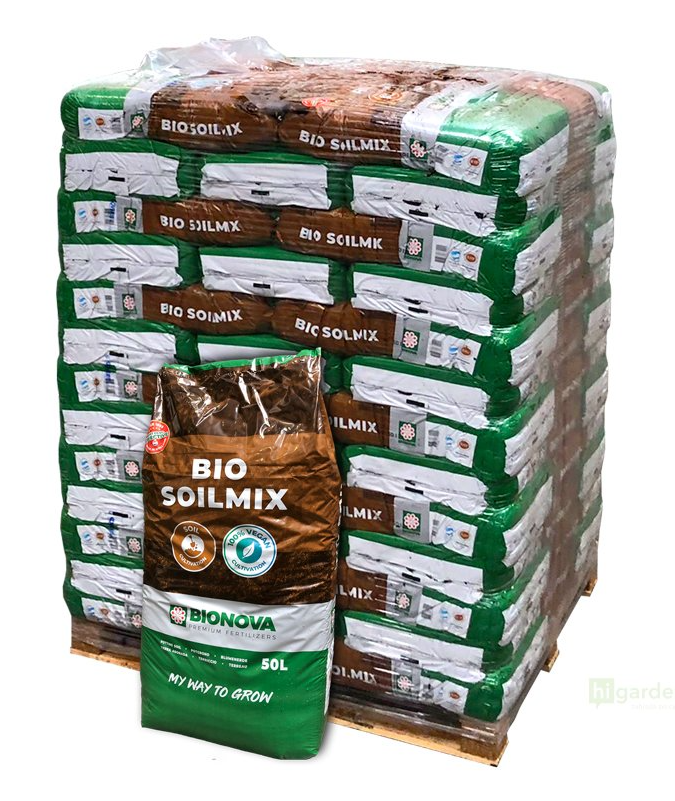
High content or conversely lack of specific nutrients in your soil can make it unsuitable for growing certain types of plants. The same applies to the pH, which you measure with a meter. Of course one option is a laboratory analysis, but a much simpler solution is to go straight for a tried-and-true soil substrate. Nowadays it is not a problem to obtain a large amount of high-quality soil at a reasonable price. An example is BioNova Bio Soilmix, which is a premium soil that is also 100% natural, making it suitable even for organic outdoor plant cultivation.
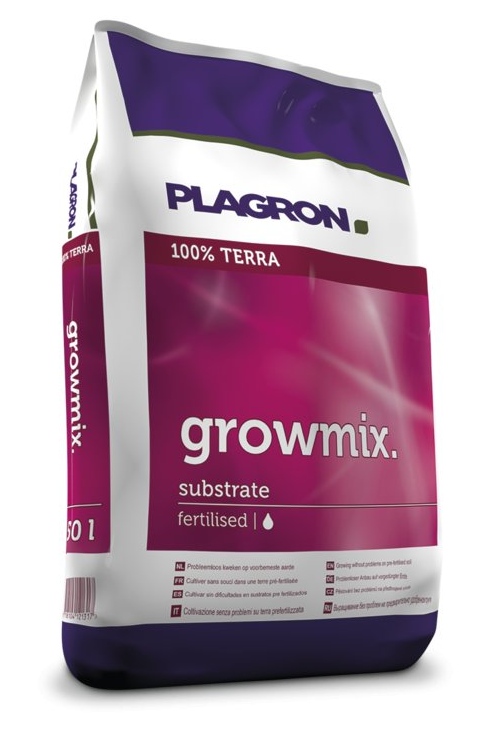
Our customers have long favored soil mixes from the brand Plagron as well - Growmix and Lightmix. These represent a great base for fast and high yields in your garden! In addition to three types of high-quality peat (white, black and fibrous), they also contain additions of biohumus, vermicompost or perlite. Biohumus and vermicompost support a healthy “micro-life”, i.e., beneficial microorganisms living in the soil, whose activity has a positive effect on the stable development of plants in soil, making them more resistant to stress or potential pests that we must reckon with in outdoor cultivation so we can enjoy a proper harvest. The perlite addition ensures perfect aeration of these soil substrates, which greatly improves the effects of watering because nutrients are better absorbed by the root system. Both of these pre-fertilized and aerated soil mixes contain mineral nutrients. So what is the difference between them? It is mainly how long additional fertilizers are not needed. Lightmix contains all nutrients plants need during the first week of the cultivation cycle. And the composition of Growmix is a proven source of health and strength for plants during the first three weeks of the cultivation cycle. Therefore, if you have less experience growing outdoors so far, you can take advantage of that. Conversely, Lightmix is used by more experienced growers and gardeners who want to switch to applying selected fertilizers according to their own plans as soon as possible.

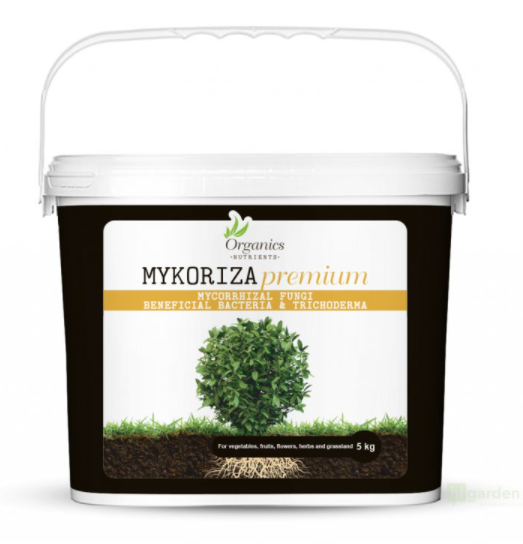
As already mentioned, supporting soil microorganisms is definitely worthwhile. For this purpose, mycorrhizal fungi are used in cultivation, especially Trichoderma Harzianum. We dedicated a separate article to this fungus and to plant nutrition products that use its symbiotic relationship with the plant root system: Trichoderma: a natural way to a rich and healthy harvest.
OUR TIP: Organics Nutrients MYKORIZA premium contains a completely organic concentrated powder of Endo&Ecto mycorrhizal fungi, beneficial bacteria, microorganisms and Trichoderma. It increases root system growth by up to 400%, which allows your plants better nutrient supply and strengthens their immunity, as mentioned earlier. Plants will be more productive, healthier and the yield will be of higher quality. We recommend it!
Nutrition for plants grown in soil
Deficit or excess nutrients in open soil are addressed by applying basic and complementary fertilizers designed specifically for use in earth or soil substrates. They therefore respond very well to the needs of outdoor growers when cultivating all types of plants.
When growing outdoors, where purely natural conditions and influences prevail, you have the opportunity to grow fruit, vegetables or herbs in organic quality, i.e., 100% naturally. This is made possible by purely organic fertilizers. If the prospect of ecological cultivation appeals to you, be sure to read the article: BioNova Veganics – fertilizers not only for vegans.
OUR TIP: Bat guano, worm castings or fish mix containing fish bone meal – all of these are additional organic fertilizers commonly used in outdoor plant cultivation!
BioNova Silution
Plagron Alga fertilizers contain an extract from seaweed.
The problem with mineral fertilizers when growing in open soil is soil degradation. At the same time it makes little sense to support soil life, because mineral-based fertilizers largely destroy beneficial microbial life, which in outdoor cultivation ultimately reflects in increased occurrence of pests or plant diseases.
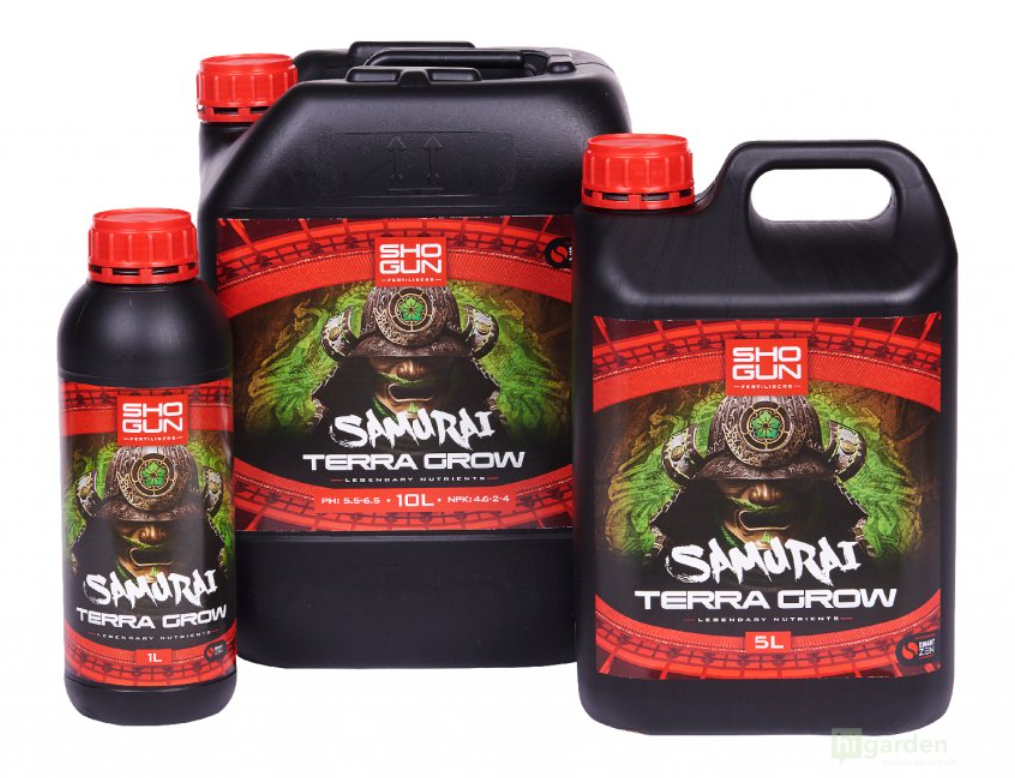
However, if you combine outdoor cultivation with irrigation systems, you will need mineral-based nutrition (see below). The Dutch brand BioNova also produces our best-selling single-component mineral fertilizer for soil, which is BioNova Soil Supermix. We are also happy to advise you on the selection of other mineral fertilizers. You can often recognize them by the designation TERRA, for example Shogun Samurai Terra Grow as some of the best British fertilizers, combining a perfect balance of nutrients with an advanced understanding of the complex chemistry affecting nutrient availability in soil.
From the above it is clear that, just like the composition of the substrate, the composition of nutrition for plants grown in the sun is also important for a healthy and rich microbial life. In addition to basic fertilizers, you can support soil life and beneficial microorganisms with several products. The composition of these products is based on the effects that various organic substances have on plants:
- Fulvic and humic acids, including tips on the best products, were discussed in detail in the article: Fulvic and humic acids: importance and use in plant nutrition.
- The article Enzymes deals with products based on complex sets of living microorganisms that can convert dead plant residues into valuable organic material and support plant development in many ways. For example Cannazym, which many experienced and ecologically minded growers swear by, speeds up the breakdown of dead root material and activates beneficial microorganisms while helping to maintain optimal soil aeration. Cannazym therefore also serves as an effective prevention against these problems.
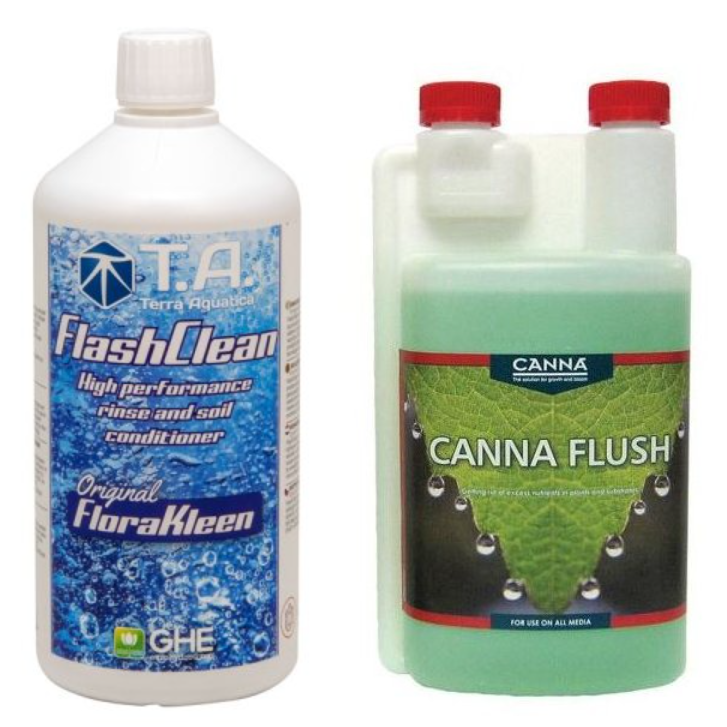
- All the products above pursue a common goal: optimal nutrient uptake and healthy plant development. At the end of the cultivation cycle, remember to flush the plants during the last week before harvest. Growers call this phase flushing and it ensures that harvested plants or their fruits are as clean as possible (free of fertilizer residues) and taste as they should. Flushing agents, such as Canna Flush, gently remove all excess salts from the plants so they do not destroy beneficial fungi or bacteria, ensuring great flavor.
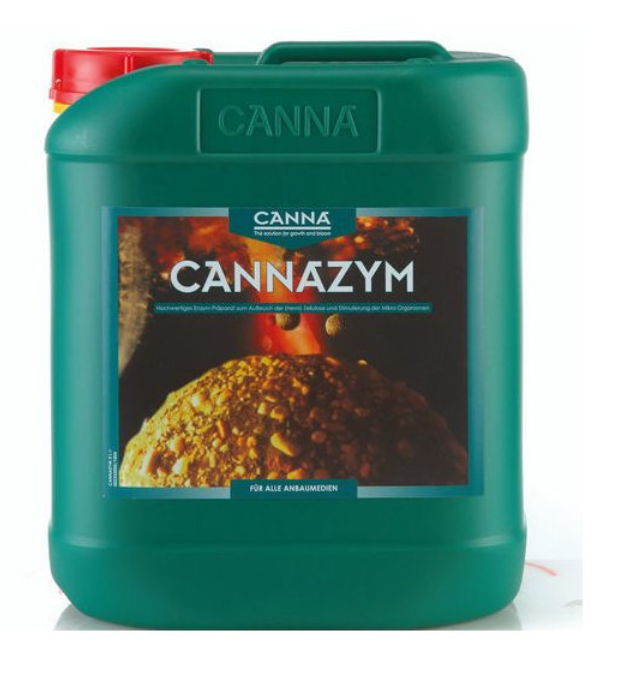
All the products mentioned above pursue a common goal: optimal nutrient uptake and healthy plant development. At the end of the cultivation cycle, remember to flush the plants during the last week before harvest. Growers call this phase flushing and it ensures that harvested plants or their fruits are as clean as possible (free of fertilizer residues) and taste as they should. Flushing agents, such as Canna Flush, gently remove all excess salts from the plants so they do not destroy beneficial fungi or bacteria, ensuring great flavor.
Remember, however, that plain water alone does not actually flush anything effectively, because plants begin to use nutrients stored in leaves only around the tenth day of flushing. For this reason it is important to use dedicated agents that accelerate this process, so that the desired and real flushing happens immediately. In addition to Canna Flush we also recommend, for example, T.A. Flashclean (G.H. FloraKleen).
Growing outdoors, managing water
Outdoor growers sometimes don’t realize at first that hydroponic and aeroponic systems, which allow much more efficient management of water and fertilizers, can be used just as well for outdoor gardening as for indoor. They do require some initial investment, but the benefits are worth it. Judge for yourself from the list of advantages:
- Higher yields and better-quality harvests
- Lots of time saved and, in the long term, also money on water and fertilizers
- Durability for several years
For outdoor gardening you can also set up your own DRIP irrigation system at any scale. On this topic we recommend a detailed article titled Hydroponie snadno – kapková zálaha – drip.
Hydroponics made easy: drip irrigation.
Keep in mind that irrigation systems are not compatible with organic fertilizers, because bio nutrient solutions usually need to be used within 24 hours! This means that a feeding solution prepared from purely natural plant nutrition would spoil and clog a hydroponic system.
Do you have space in the garden and are interested in growing tomatoes, peppers and similar types of plants? Then you might also be interested in Autopot self-watering systems, which allow much simpler and less time-consuming operation compared to other hydroponic systems like NFT or Aeroflo. Autopot is a perfect solution for all urban growers. In an urban environment it works great on balconies, terraces, backyard gardens or in greenhouses. If you have enough space to collect rainwater, get a practical FlexiTank.
Automatic solar irrigation
Growing various types of plants outdoors combined with an irrigation system can be so economical that you can do without an electrical power source altogether. Don’t believe it? Proof is the automatic solar irrigation from the brand Irrigatia. You can also use it in gardens or plots where there is not enough water pressure or no electricity connection. The rules are simple. The more the sun shines, the more IRRIGATIA waters! The system turns off at night. Right now the sun is beginning to shine outside and we have about six or seven relatively sunny months ahead, including a hot summer. So why not provide automatic irrigation for outdoor plants at minimal cost even when you go off to enjoy even stronger sunshine, for example at the seaside. From our point of view Irrigatia is a smart investment for outdoor cultivation in spring and later at the turn of spring and summer.
How to protect plants in an outdoor environment?
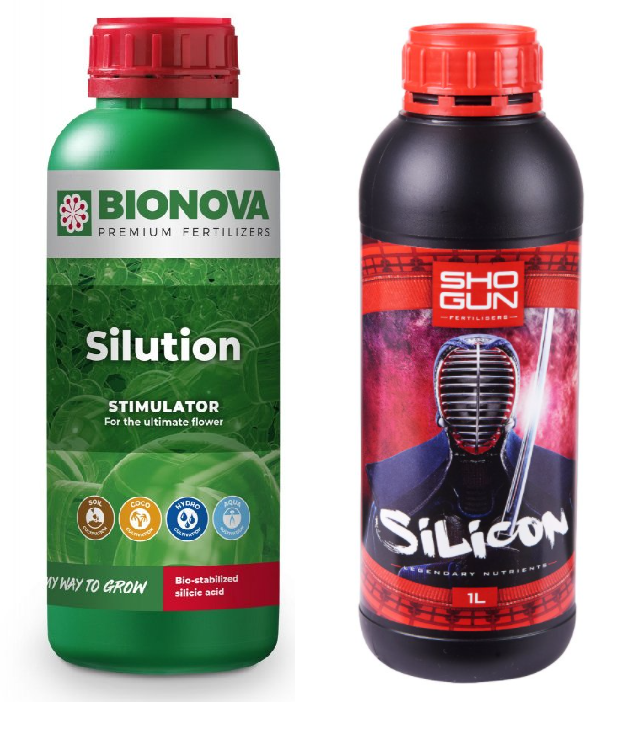
Natural conditions cannot be influenced like the ideal microclimate inside a growbox. Therefore it is important to start protecting plants already when choosing the place where they will grow. It should of course be sufficiently sunny, but it should not accumulate overly humid or hot air. It should also be somewhat protected from strong winds. In an uneven fight with strong wind, bamboo stakes and support nets can help you especially with taller plants and shrubs; they not only prevent stems from breaking but also ensure upright growth. Continuous and rather gentle air movement is something your plants will reward you for. Considering the natural conditions of outdoor cultivation, which can often expose plants to stress and negatively affect their development, we recommend the separate article: Stress harms plants too: abiotic stresses of plants. Before we know it, spring sunshine will be followed by intense summer sun, which can be accompanied by heat and drought. These factors represent significant stress for plants. Besides regular watering, it is therefore appropriate to give plants products that can significantly revive and revitalize plants weakened by these abiotic stressors. Among other things, they contain silicon, which effectively helps plants with overall revitalization.
Our customers especially appreciate these preparations:
- BioNova Silution
- Shogun Silicon
- T.A. Silicate (G.H. Mineral Magic)
- Biotabs Silicium Flash
- Atami B’cuzz Silic Boost
- Grotek Pro-Silicate
- Mills Vitalize
Protection of plants grown outdoors is also related to effective prevention, which can literally mean the difference between a successful and an unsuccessful season. Therefore never underestimate it in outdoor gardening. You need to start with the basics:
- clean substrate free of harmful pathogens
- healthy seedlings
- regular monitoring of the growing environment
You can monitor insect presence in the growing environment with sticky yellow traps.
Prevention and biological protection of plants is always much better than chemical solutions like insecticides or fungicides. We therefore recommend to every outdoor grower the Canna CURE pest spray. Excellent results against chewing insects and easy to use! Also no negative impact on crop quality. The same can be said for other purely natural products, such as BioBizz LeafCoat, Terra Aquatica Protect, Atami B’cuzz Bio-Defence or the Czech product AGRO CS Rock Effect.

Do not hesitate to ask us anything you are curious about regarding outdoor plant cultivation. We are happy to also advise you on selecting specific products. We believe that after reading this article you have plenty of inspiration for outdoor gardening, not only for the upcoming season. We look forward to your questions at the usual email address info@higarden.cz.
We also recommend these products:
- Garden tools
- Shogun fertilizers
- Vermiculite - substrate additive
Further reading:
- What is vermiculite and how to use it?
- SHOGUN: the best British fertilizers with emphasis on research
- Indoor vs Outdoor: is it better to garden at home or outside?
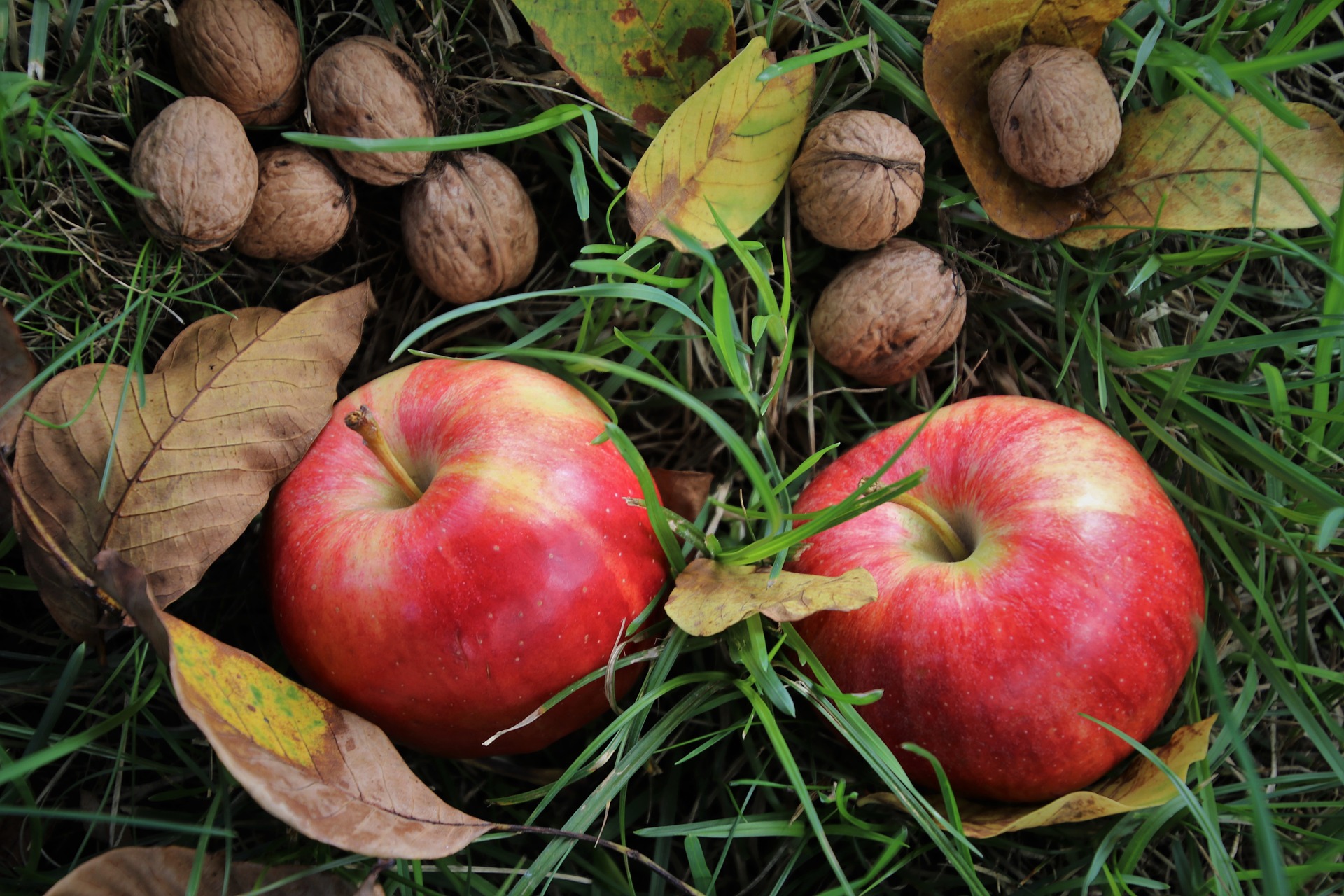
Autumn Gardening
The garden has its charm in autumn. Moreover, both at the end of September and during October, enthusiastic growers still have many opportunities for action. Besides harvesting crops from the garden or orchard, it is the ideal time to take care of the lawn and roses. We will also tell you what to plant in autumn.
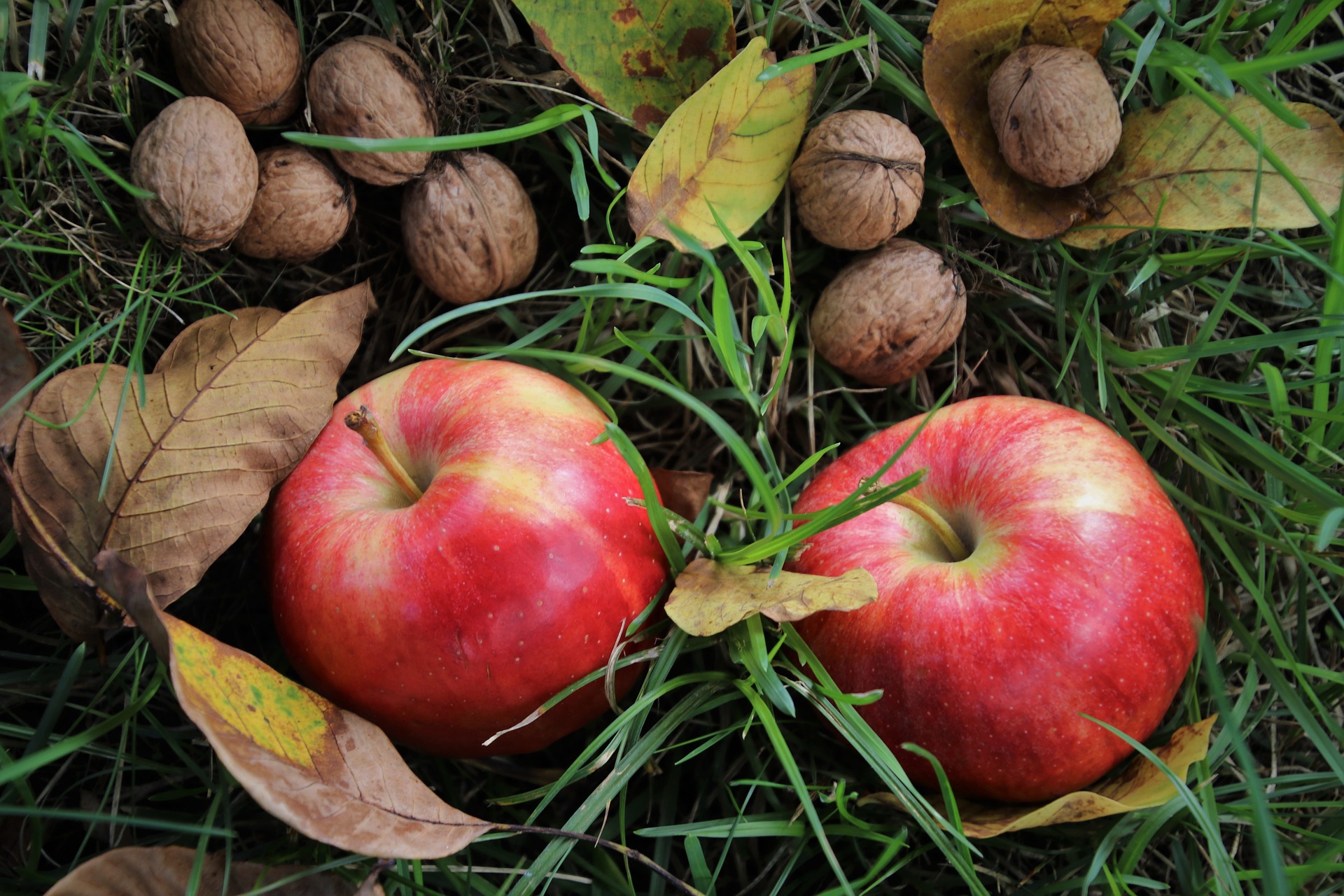
What can you still do in SEPTEMBER?
- Lettuce
- Radishes
- Onions
- Spinach, which you can still harvest in about two months.
- Bulbous plants, whose flowers will delight you in spring. These include, for example, spring snowflakes, snowdrops, irises, crocuses, hyacinths, daffodils, and the popular tulips.
What to plant in OCTOBER?
- Garlic, whose cloves should be planted about 6 cm deep in the soil.
- Cabbage, which it does not make sense to expose to frost. Before frosts arrive, you can comfortably leave it outside. When frosts come, simply transplant it into flower pots and finish growing it in a cooler room.
- Ornamental shrubs and fruit trees – in this case some species establish better than in spring, because they only need to root well and gain a head start before the arrival of spring days. From mid-October until the first frosts, feel free to plant apple trees, plums, sweet cherries, sour cherries, pear trees, and walnut trees.
- Sea buckthorn
- Cranberries
- Canadian blueberries
- Grapevine
Herbs in autumn
- Experienced herbalists cultivate herbs not only in spring but also in autumn, using mulching bark and light watering.
- Delicate herb species are protected from low temperatures by non-woven fabric.
- Among the most commonly grown herbs in the cold months are sage, chives, rosemary, thyme, and mint.
Caring for roses
- For the care given to roses during the autumn months so they can comfortably survive the coming winter, these beauties will richly reward you in spring with beautiful flowers, whichever variety you grow.
- First of all, try to avoid black spot (Diplocarpon rosae), which on roses is typically caused by fluctuations in day and night temperatures. You will notice this problem by brown or black spots on the leaves when viewed from above.
- Before you notice these signs, it is of course better to use a quality biological preventive spray that effectively strengthens the roses' defenses.
- If it is already too late for prevention, prune the roses so that you remove all leaves affected by black spot.
- Quality pruning shears for trimming not only roses and other garden tools can be found here.
- Except for rock garden roses, you will prune roses not only in the case of spotting, but also as part of regular maintenance to encourage their further growth and beauty.
- A tried-and-true gardeners' tip is to trim roses 2 cm above the spot where the fifth to eighth leaflet-bearing shoot begins.
- The ideal time to prune roses is at the end of October.
- Even before that, at the start of autumn it is also an ideal time to plant new specimens, because roses thrive in naturally settled soil. Even more so if you enrich it with compost or a quality phosphorus fertilizer.
- Trim new roses back to the thick part, immerse them in water (2 hours) and then you can plant them.
- If you know you grow a more sensitive variety, geotextile will benefit your roses.

Lawn care
- In summer it is possible to leave the mown lawn unattended for some time, but in autumn we definitely recommend removing cut grass promptly for the health of the soil.
- If after raking leaves and cut grass you discover "bare" spots, don't forget about local overseeding.
We hope the above recommendations will allow you to enjoy the gardener's autumn to the fullest. And if you have so far cultivated plants only in the garden, perhaps before winter it is the right time to get your first growbox with accessories at a discounted price and discover the magic of indoor growing. Below we also include links to articles on this topic for inspiration and if you would like to ask us anything, we are here for you at the familiar address info@higarden.cz.
We also recommend these products:
- Geotextile (from 59 Kč)
- Pruning shears and garden tools (from 29 Kč)
- Canna CURE (from 349 Kč)
What to read next?
- Indoor vs. Outdoor: Should you garden at home or outside?
- How to properly store the harvest?
- BioNova Veganics – fertilizers not just for vegans
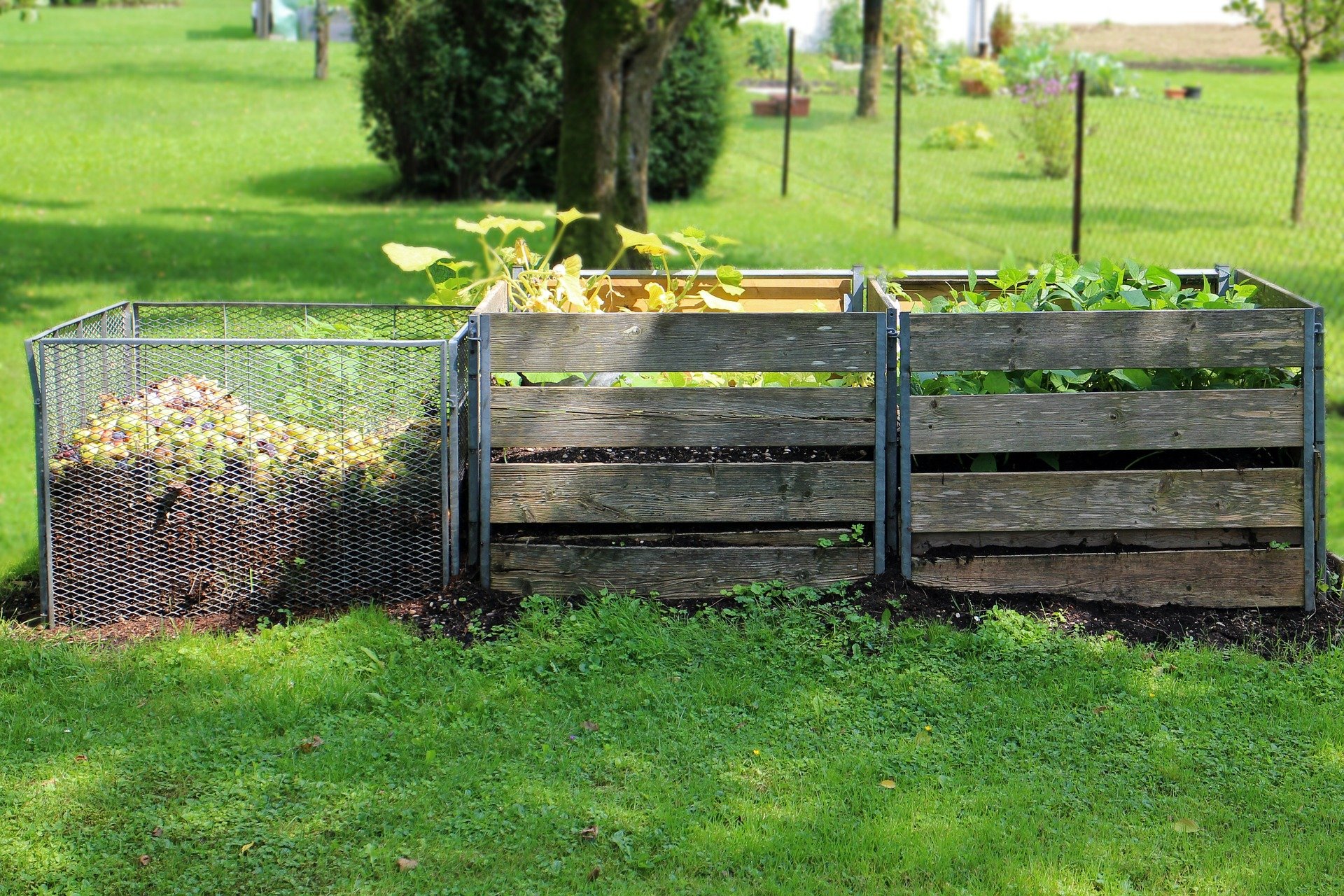
Composting Guide
Today we'll focus on a topic that has become a strong trend in the gardening world recently, and we believe you'll find it interesting. We'll be talki...