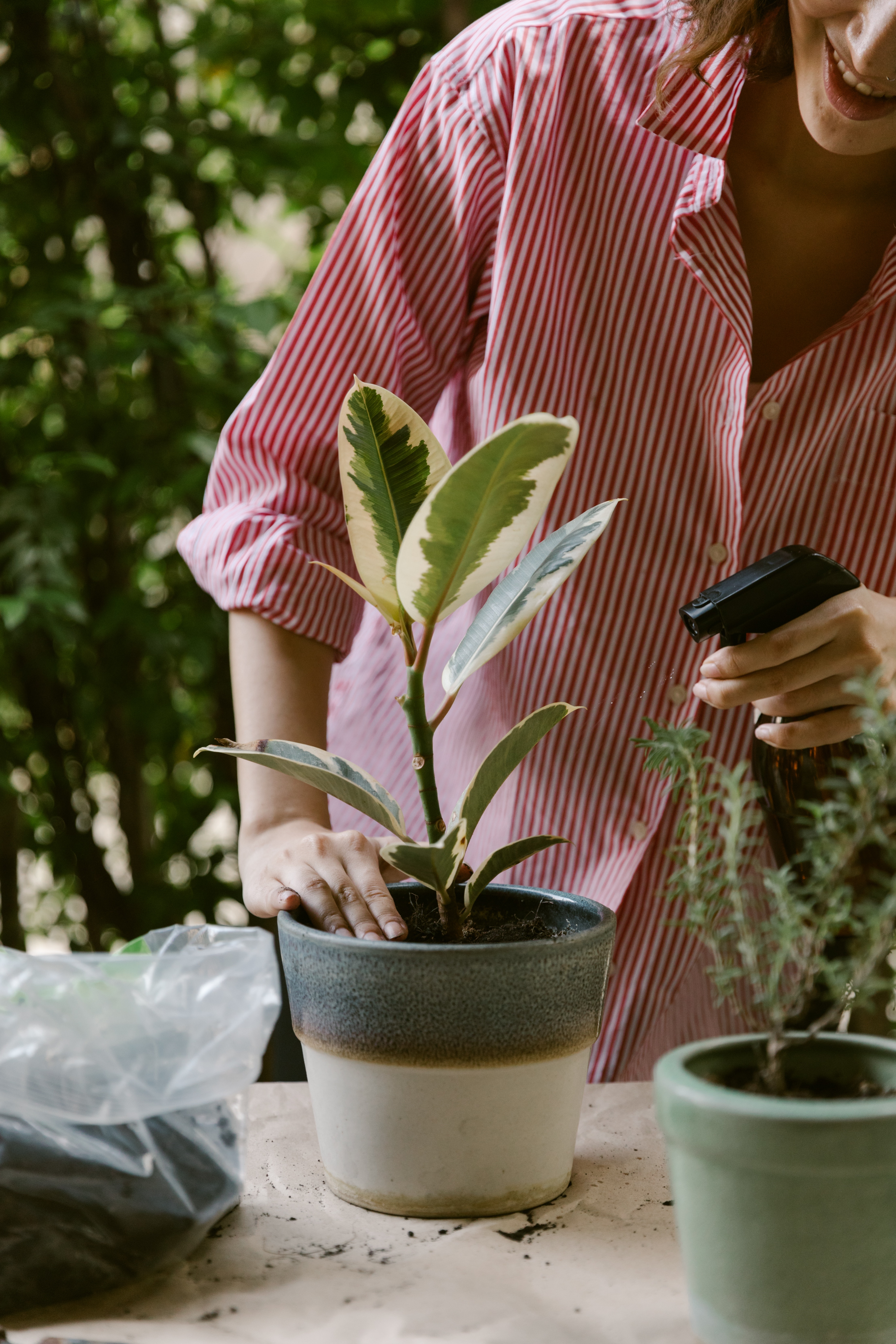
Pest Control and Effective Plant Protection
Everything is green, the growing season is in full swing, but your plants don't look healthy, even though you give them all your care? It may happen that upon closer inspection of the leaves or substrate, you find unwelcome guests in the form of pests. How to fight them and what preventive measures to take for healthy plants?
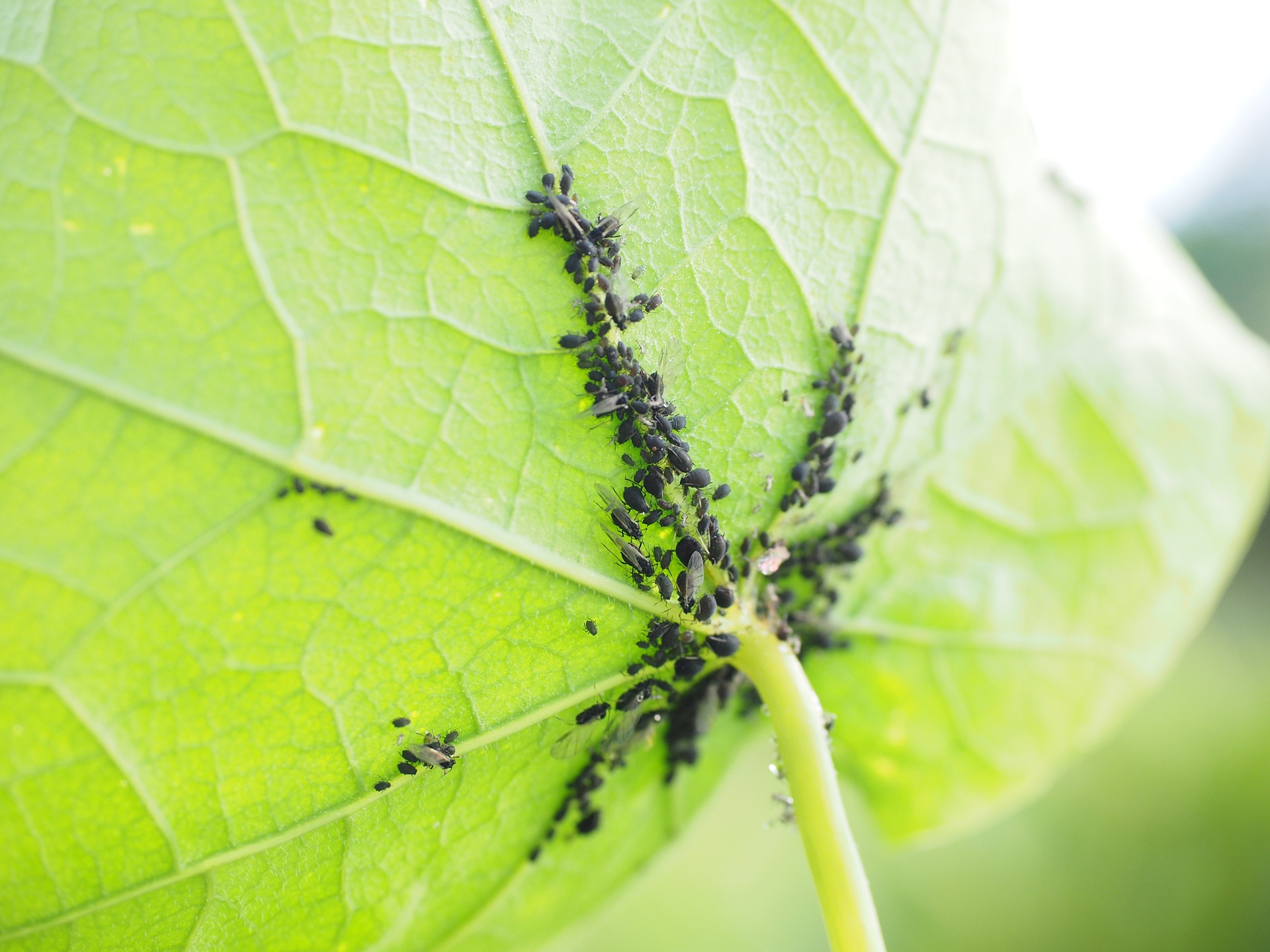
Among the best-known pests indoors and outdoors in gardens are aphids, spider mites, and scale insects. Your plants can also be troubled by whiteflies, fungus gnats, thrips, or mealybugs. The first step you can take as a preventive measure occurs already at the store where you buy the plant. Always carefully check whether any pests are present on the underside of the leaves, on the stem, flowers, or in the substrate. Even if you don't see any, bad signs can also include webs formed by spider mites or honeydew (sticky substance) on leaves secreted by scale insects.
If you do bring an unwelcome guest home or pests appear on your balcony or in your garden, the phase of fighting and solving the problem begins. If possible, separate the infected plant from others to prevent the spread of pests. Thoroughly check other plants as well to see if they have already been infested by pests from the infected plant.
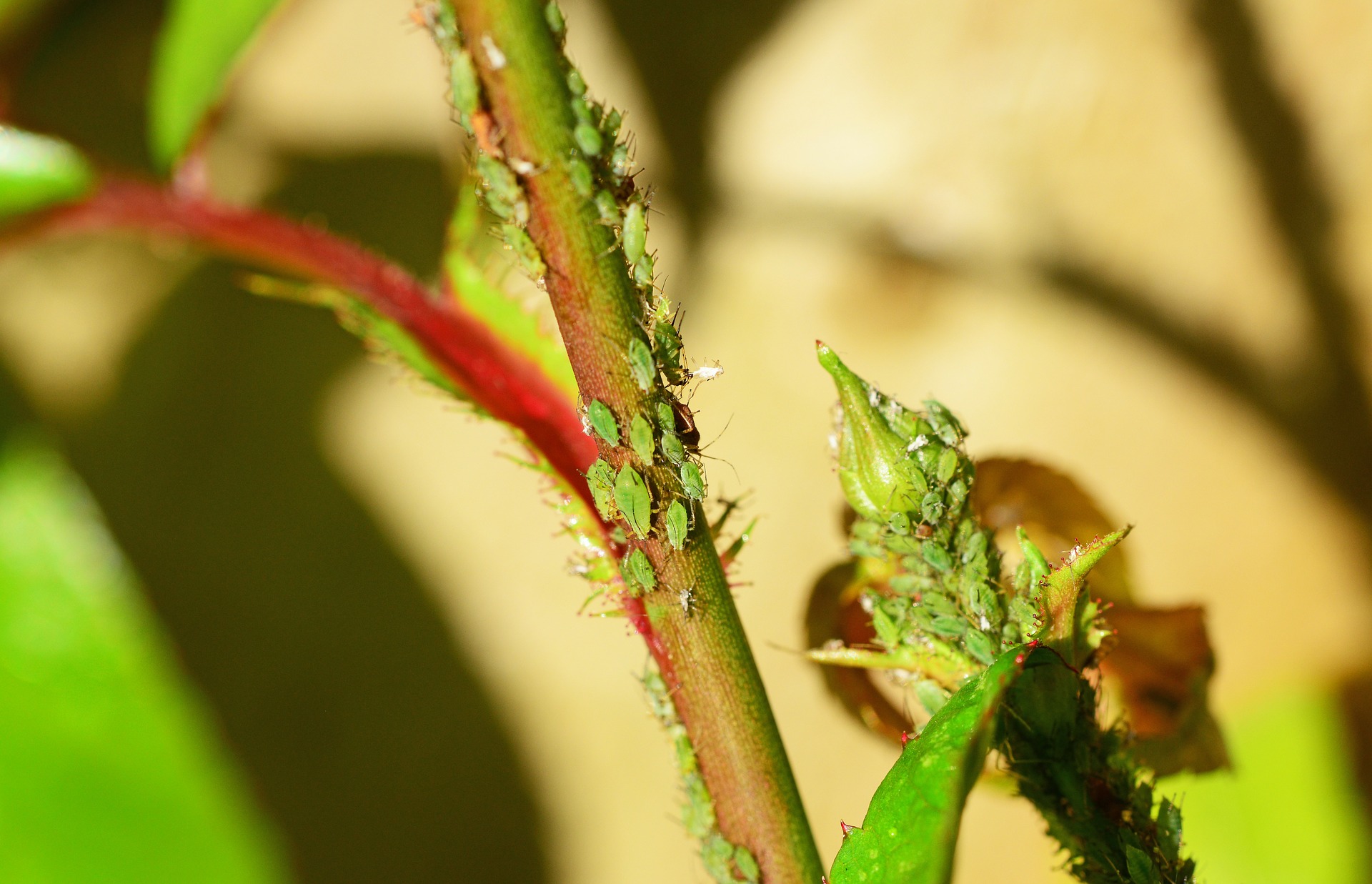
In our e-shop we offer many products, which can be used against sucking and chewing pests, including products on a natural basis. However, it is always important to intervene in time and usually repeatedly until the complete disappearance of pests. In the case of useful plants, it is necessary to check the protective waiting period on the packaging for the specific crop on which we use the spray, and to avoid application before harvest, whether due to taste or partial toxicity. For trapping flying pests, classic sticky traps or stakes can be used, which are hung above the plant or stuck directly into the substrate. Thanks to them, the presence of pests can be indicated in time, and action can be taken immediately if necessary. However, every fight always comes with a loss, whether it's to the leaves, plant vitality, quantity, or taste of the fruits.
Regular inspection and preventive protection are therefore the most important and best things you can do for your plants. Since preventive sprays need to be repeated, we recommend using one of the natural products that are suitable for both ornamental and useful plants, and in addition to pest protection, they also provide plants with nutrients and help their overall immunity. They are often oil-based or contain other natural substances that reliably destroy pests, but are harmless to humans, pets, and beneficial insects. Since most pests are found on the undersides of leaves, do not forget to apply the spray to these parts as well.