
Outdoor cultivation, Page 2
List of articles
How to Improve Soil Properties?
How fertile your soil will be depends first of all on whether you cultivate plants in indoor or outdoor environments. In a grow tent the key is the ch...
When to plant the different types of herbs, fruit, and vegetables?
The gardening season is in full swing, so today we have prepared a practical article for all gardeners and outdoor growers that will show you when it is ideal to sow and plant popular types of plants and agricultural crops. Browse our tips on what and when to plant through the end of the year.
May
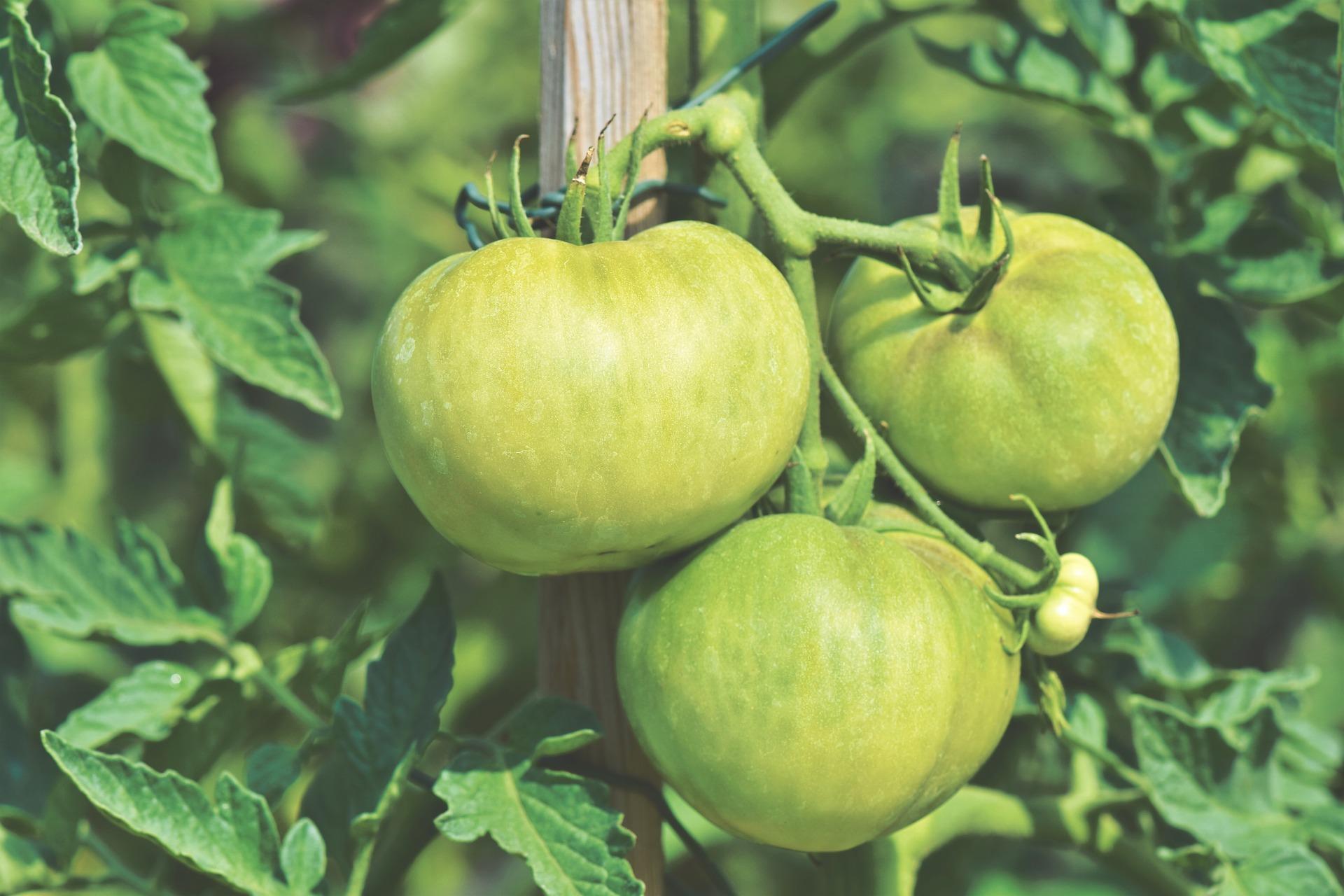
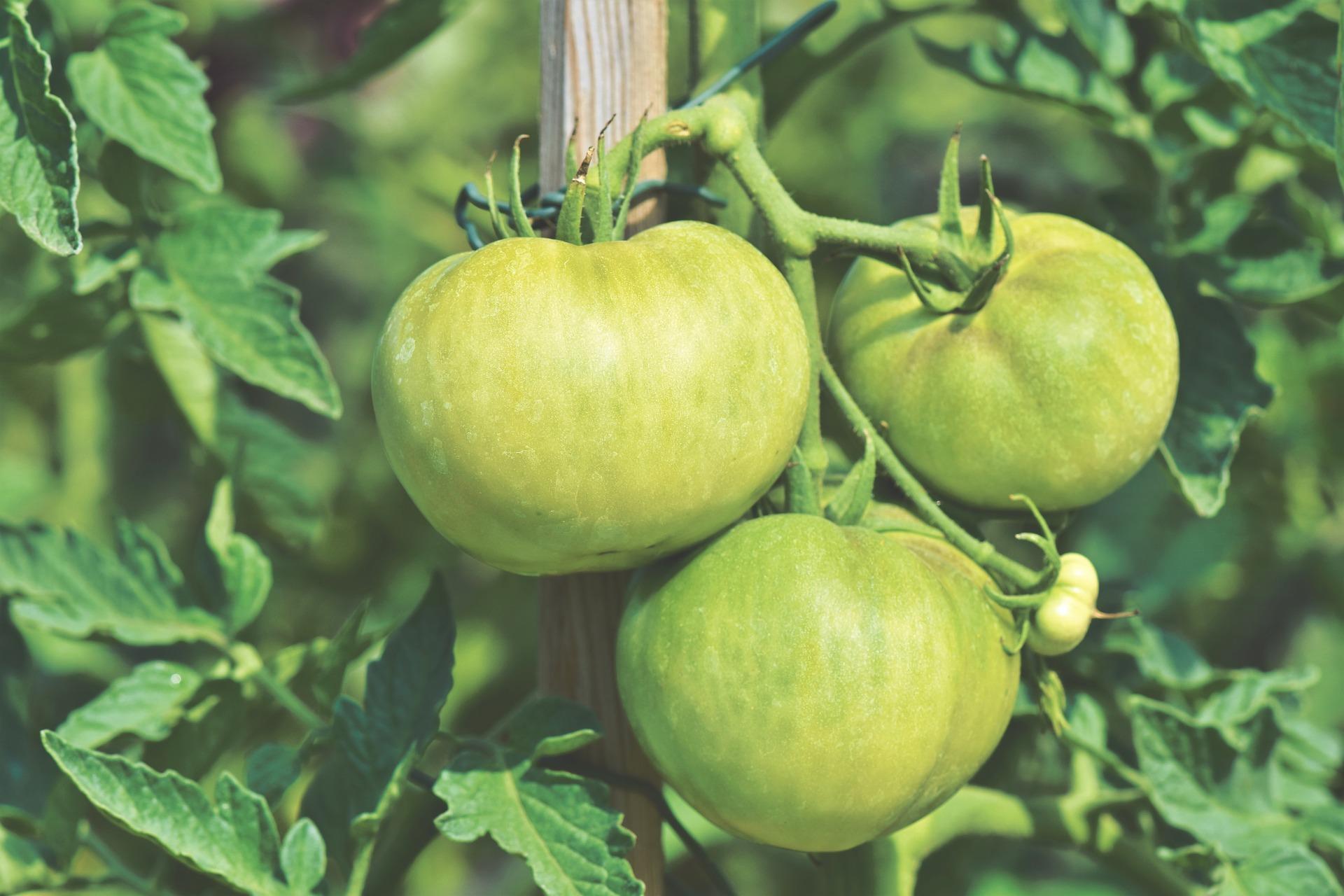
With the start of May, which even has May in its name, you have perfect timing to sow cucumbers or field lettuce. Tomato or pepper seedlings that you started earlier are also ready to be transplanted into prepared beds. Another typically May crop with an irreplaceable place in many recipes is zucchini. However, we recommend waiting until around mid-May, until any remaining ground frosts have definitely passed. In mid-May you can also confidently sow tomatoes and peppers if you haven't started them in advance. Also be sure to sow beans, corn and let's not forget eggplant or even watermelon.
The second half of May is also associated with decorative window boxes that can be placed outside to enjoy the fresh air and spring sunshine. You still have time to plant your ornamental garden using purchased seedlings. In sunny spots, geraniums, petunias, lobelias or portulacas work very well. Shadier places are best filled with mint and begonias.
You can also sow biennials that will amaze you with their beauty the following year. If you plant nasturtiums, known for their edible flowers, you can consume them for health from August into autumn. Similar annuals that can be sown in May include calendula (pot marigold). And if your garden features a garden pond, May is an ideal time to plant water lilies.
June
In the first summer month you can sow more healthy vegetables in garden beds or in the field. Here are our tips: kohlrabi, carrots, cabbage, leek, Brussels sprouts, and if you also sow lettuces, you will ensure a continuous harvest into the next period.
June is also an ideal time to take cuttings from ornamental shrubs. By dividing clumps you can propagate and transplant perennials that bloom in spring, ideally until mid-month.
June is also dedicated to sowing these beautiful biennials: pansies, forget-me-nots, daisies and carnations. Before the pansies emerge, however, they benefit from some shading.
July
In summer, after returning from a swim, you can sow more types of vegetables. Short-rooting carrot varieties will still take well. Beijing cabbage and spinach are also popular. The sun again favors growing various types of salad greens.
In July it is also worth paying attention to planting new strawberry seedlings. This is also the period when woody plants such as thuja, junipers, cypresses or yews can be easily propagated vegetatively.
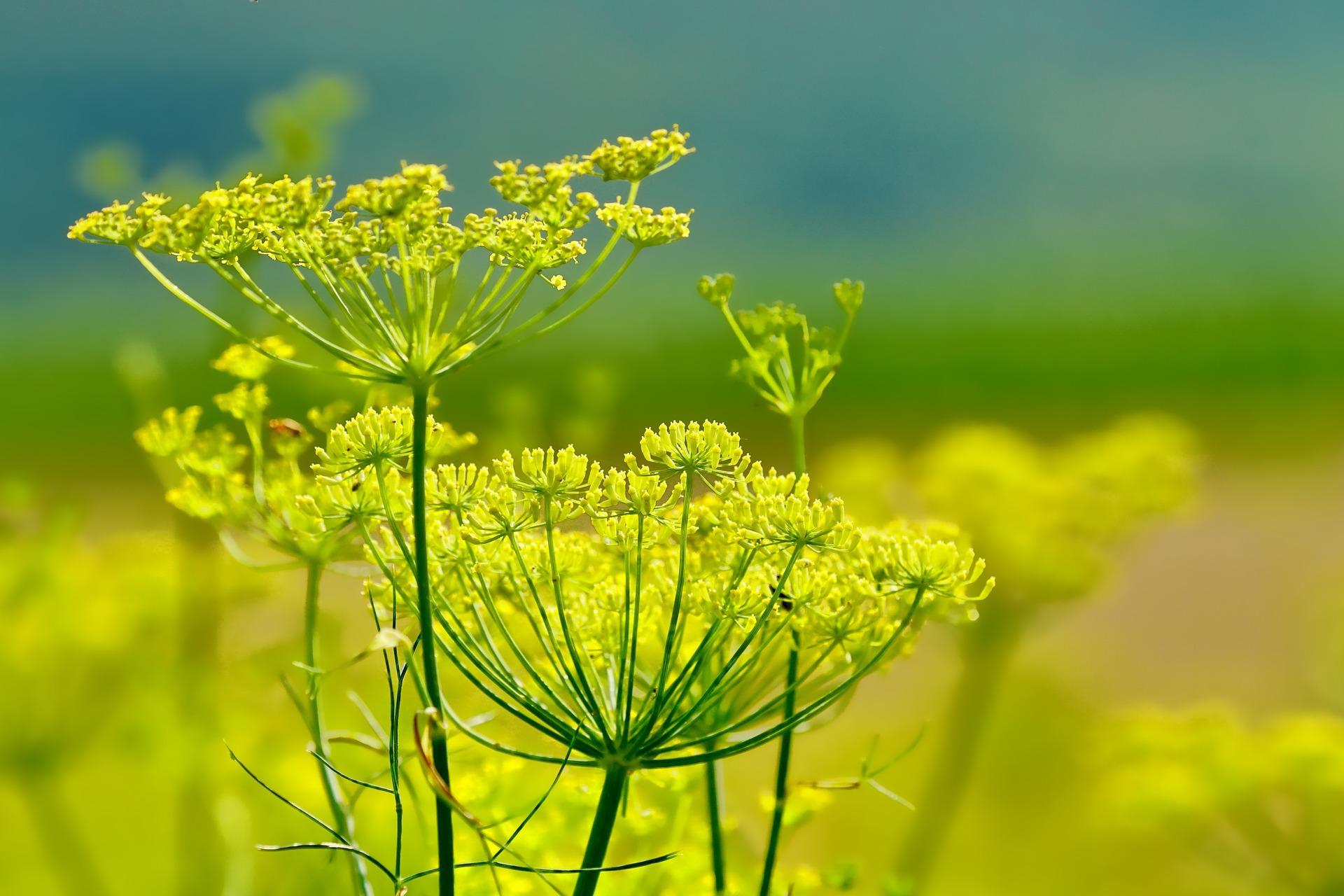
Let's have a quick botany quiz—don't peek at the next paragraph. July is inseparably associated with the planting of a medicinal perennial plant that is often grown as a biennial. Can you guess which one it is?
Here’s a small hint before your eyes slide to the answer. This medicinal herb grows most in our climatic conditions in southern Moravia. Its name is common fennel (Foeniculum vulgare), which you can see in the image below. Dried fennel is, of course, especially popular in the kitchen as a spice. In the human body it acts beneficially, among other things, against intestinal cramps and bloating.
August
If you sow corn salad (lamb’s lettuce) in August, you will secure a tasty harvest up to the first frosts. Don’t forget that you’ll enjoy your favorite dishes best in organic quality. In August you still have room to sow spinach or lettuces intended for autumn harvest.
For both beauty and health, don’t forget radishes or white radish, again using purely organic fertilizers. Growers and gardeners here regularly start planting cabbage, black salsify and winter onions in August, which they will harvest the following year.
September
If you want to harvest vegetables in the same year, it is still possible at the beginning of autumn, especially for early radishes, early lettuce and arugula.
If you want to plant for a spring harvest, plant parsley, spinach or lamb’s lettuce, but the second half of September is usually too late, so aim for the first weeks.
When it comes to ornamental flowers, September is definitely the time for planting bulbous plants. This group includes, for example, daffodils, hyacinths or tulips.
October
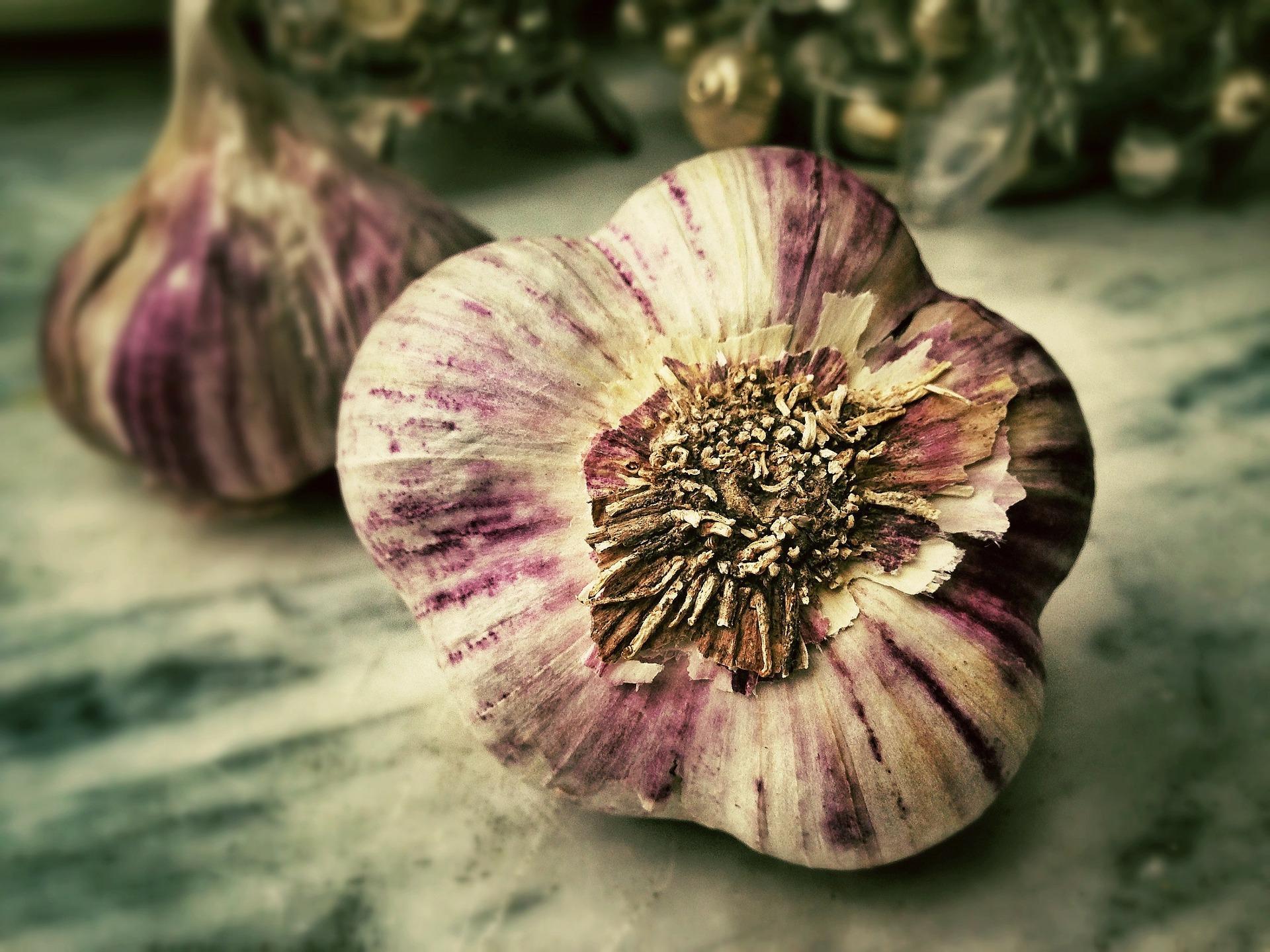
October is the clear answer to the frequent question of when to plant garlic if not in autumn, so go for it! We just recommend choosing lighter, non-waterlogged soil for autumn planting of this natural antibiotic, because in heavy, wet ground garlic cloves are often attacked by diseases that prevent successful overwintering. This powerful perennial herb is commonly grown by planting individual cloves from a bulb directly into beds. If you grow garlic organically, in addition to its fantastic aroma in garlic soup or other dishes, you will also experience its beneficial effects on the body. It is rich in vitamins A, B and C, selenium, calcium and iodine.
November
There are also winter varieties of garlic that you can safely plant in November. And you can plant onions then too.
While we’re on the topic of planting, don’t forget to get quality seeds. Often your acquaintances will advise you best based on experience from the previous season or even many years, and if you don’t have anyone to ask, we are here for you and happy to help. Call or write to the familiar address info@higarden.cz.
- Garden tools
- Potting substrate
- 100% organic fertilizers - comprehensive range
Outdoor growing - Tips to get started
Are you planning to grow plants outdoors? Let's answer a few essential questions together and take the first steps toward creating a plan for establishing a planting.
With a good plan, on a small scale
If you plan things well, growing outdoors can be very rewarding and also fun. First, it would be good to obtain the equipment you'll need for your cultivation project.
Then answer the following questions:
- Which plants do you want to grow? You will need to obtain seeds or cuttings of the given species – you can obtain these materials for establishing your planting at specialized stores or order them online.
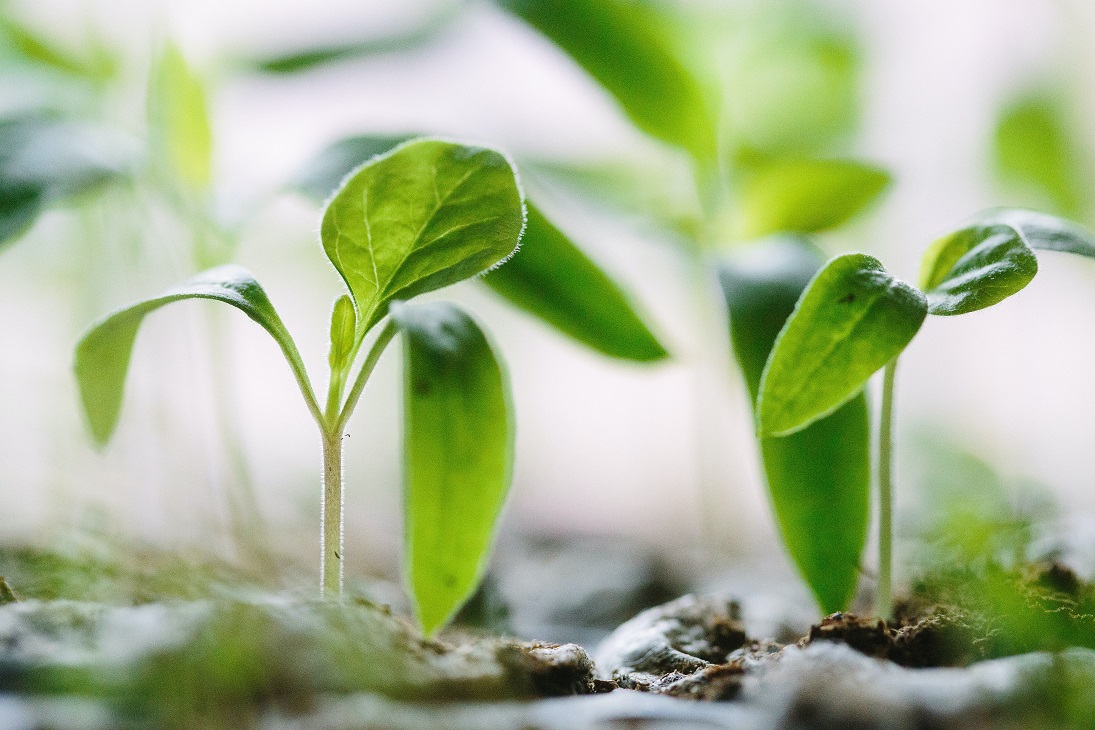
- Will you grow in open ground (in a field, etc.) or in pots? Both methods have their advantages and disadvantages. It is essential to answer this question as soon as possible. The growing method will determine the needs and tools required to cultivate the planting. For example, if you are growing plants from seed, it is appropriate to first germinate the seeds in a box intended for this purpose and then transplant the seedlings into larger pots until they are ready to leave the comfort of indoor spaces and move to outdoor areas (beds, etc.).
- Do you have suitable soil conditions? If quality soil is missing at your chosen location or there is none at all, it is ideal to secure your own substrate. If you plan to frequently tend your plants and enrich the substrate with fertilizers, a lightly pre-fertilized substrate will suffice—for example BioNova SoilMix. For those who cannot fertilize regularly, heavily pre-fertilized substrates are ideal, releasing nutrients for your plants for up to 6 weeks—for example Plagron Royalmix.
- Do you already know where you will plant them? For growing in open ground, location is crucial – later it will not be possible to move the plants without damage. If growing in pots, you will not face this problem. On the other hand, the limited space of a pot also limits the maximum size of the plant. The site for establishing the planting should have good access to sunlight, at least 6 hours a day.
- When growing in pots it will be necessary to protect the plants (at least initially) from strong wind. A natural windbreak from nearby shrubs or other vegetation is ideal. The situation changes at the end of the flowering phase, when wind helps prevent mold from forming on the fruits/buds of the cultivated plant.
- Will you have time to fertilize? Not everyone has time to fully devote themselves to plants and fertilize them regularly. There are several solutions for these cases. One of them, organic and slow-releasing, are the tablets from the manufacturer BioTabs. One tablet is sufficient for 5L of substrate. For volumes greater than 40L, one tablet per 10L is enough. You can read more about BioTabs in our article HERE.
Do you want to ask us something? We are here for you at our known e-mail address info@higarden.cz. We will be happy to advise you, for example, on selecting suitable products and accessories.
We also recommend these products:
- Pure Pot fabric pot with handles, 26L
- Guanokalong granules - bat guano
- Organics Nutrients MYKORIZA premium
What to read next:
- How plant health is related to root temperature?
- Flower stimulator - why and when to use it?
- Beneficial microorganisms (microbes) are indispensable helpers for achieving a healthy and abundant yield
How to Get Rid of Slugs
Slugs can destroy a crop you've worked on for weeks in a single night. How to get rid of them once and for all without ruining the rest of the garden?...
Growth Phase: Guide for Outdoor Growers
Do you want to grow strong, healthy plants in your garden this year and harvest a solid yield? You need to start already during the vegetative phase –...
Choosing a pot for outdoor growing: Comparison of plastic, fabric and Air Pot planters
Some people focus on nutrients, some on light – but few pay enough attention to what the plant actually grows in. A poorly chosen pot can cause seriou...
Spring Planting: Site Selection and Soil Preparation
It's hard to deny that the right location and fertile soil are the basic prerequisites for successful growing. There's no point in trying to grow tomatoes, for example, in a forest where the soil is acidic and shaded by trees. But how do you find the perfect spot for your plants? We'll advise you, whether you live in the city and have only a little space for growing or, on the contrary, can't decide where to plant in your expansive garden.
Choosing the right spot for growing is not a matter of opinion, but mainly about balancing your priorities and the plants' needs. The most important factors you should consider before selecting a growing site are the amount of light, proximity to a water source and soil quality.
Sunlight
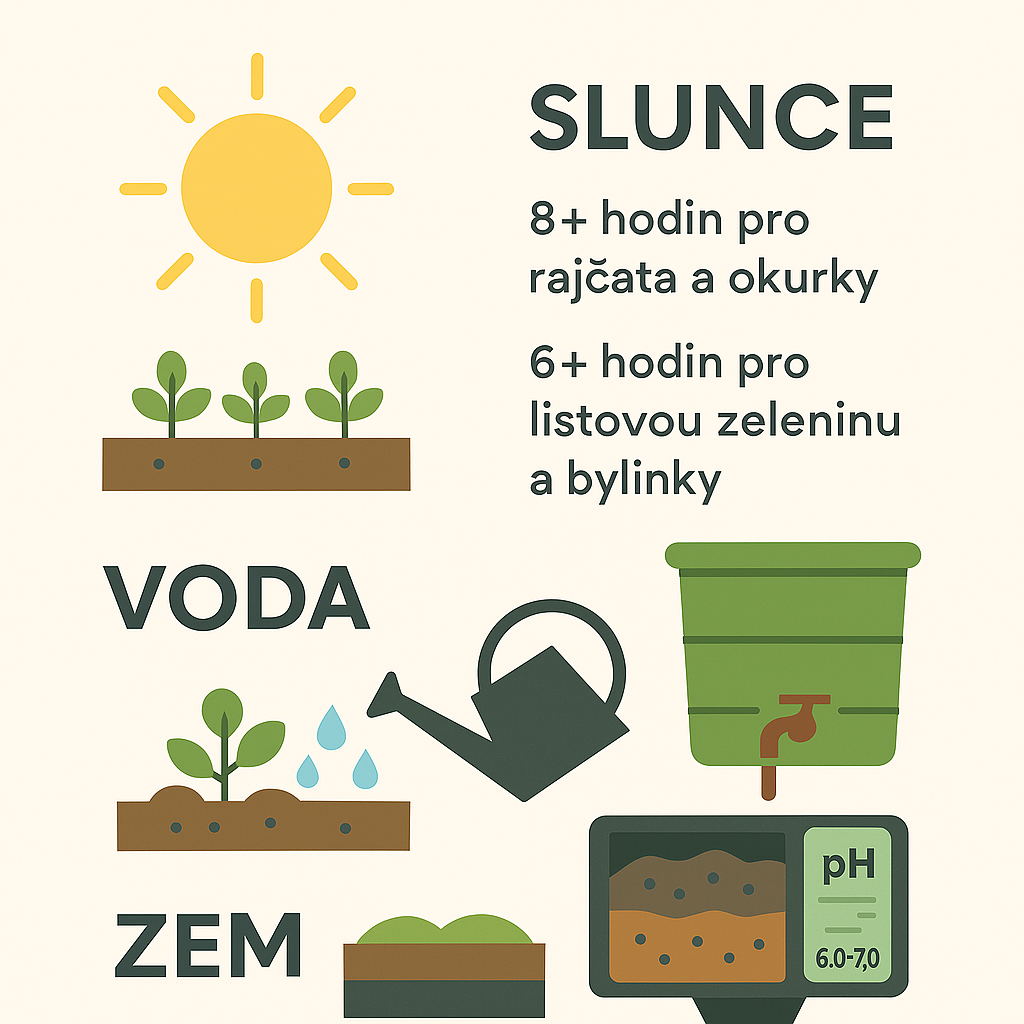 When growing, the rule is: the more light reaches the plants, the better. Sounds simple, right? However, few are lucky enough to live in a place without tall buildings, trees or fences. When planning, follow the rule that, if possible, the growing site should not be shaded from the south. Even a low fence on the south side of a bed will block a lot of sunlight.
Most flowers and crops, such as tomatoes, cucumbers or medicinal plants, need 8 or more hours of direct sunlight per day. The same applies to perennial berries or citrus. These plants will survive in lower light, but they will produce far fewer flowers and fruits. There are also species that will do well in shadier sites. If your garden receives at least 6 hours of light per day, you can grow peas, beans, lettuces and herbs.
You might be interested in: Light spectrum and its effect on plant growth: Outdoor vs. greenhouse vs. indoor
Proximity to a water source
Rain is indeed the cheapest and best source of water for outdoor growing, however nature is unpredictable and most plants do best with a regular watering regime. When choosing a growing site, don't forget that you'll need to water. You can do this by hand or use an automatic irrigation system.
Place a barrel or a water tank near the growing site so you can collect rainwater in it or place it where it can be easily filled from a tap. It's not just about convenience, but also about the fact that watering water should not contain chlorine. Therefore, if you draw watering water from the mains, it's good to let it stand in the tank for at least a day before use.
You might be interested in: What you need to know about the water you use for watering
Soil quality
Whether you plan to grow in an open bed in the ground, in a greenhouse, or on a balcony or terrace in pots, fertile and high-quality growing substrate is a prerequisite for success. Most plants do best in neutral to slightly acidic, well-draining soil (pH 6.0 – 7.0) rich in organic matter. Growing substrates for container growing usually contain a mix of soil, compost and perlite for aeration. If you grow in open beds in the ground, expect a bit of dirty work.
You might be interested in: How to choose a garden substrate
How to prepare garden beds for growing
- Thorough cleanup: Remove weeds, fallen leaves, plant residues and last season's mulch from the bed. The goal is to reveal bare soil.
- Loosening and adjusting soil pH: Loosen the exposed soil by forking the top layer to a depth of about 10 to 15 centimeters. If the soil in your garden is heavy or clayey, enrich it with compost or humus. If you find the existing substrate particularly infertile or rocky, the simplest option is to build a raised bed on that spot. While loosening you can also lime the soil to help neutralize acidity. To measure soil pH, use analog or digital pH meters.
- Spring fertilization: In spring months plants mainly need enough nitrogen, which you can add to the soil for example in the form of compost, vermicompost (humus), guano or fertilizers high in nitrogen. In spring you can also add wood ash to the soil, which contains phosphorus that supports root growth in young plants.
You might be interested in: Prepare your garden for spring!
Find more tips about growing and gardening for indoor and outdoor on the Higarden blog for growers.
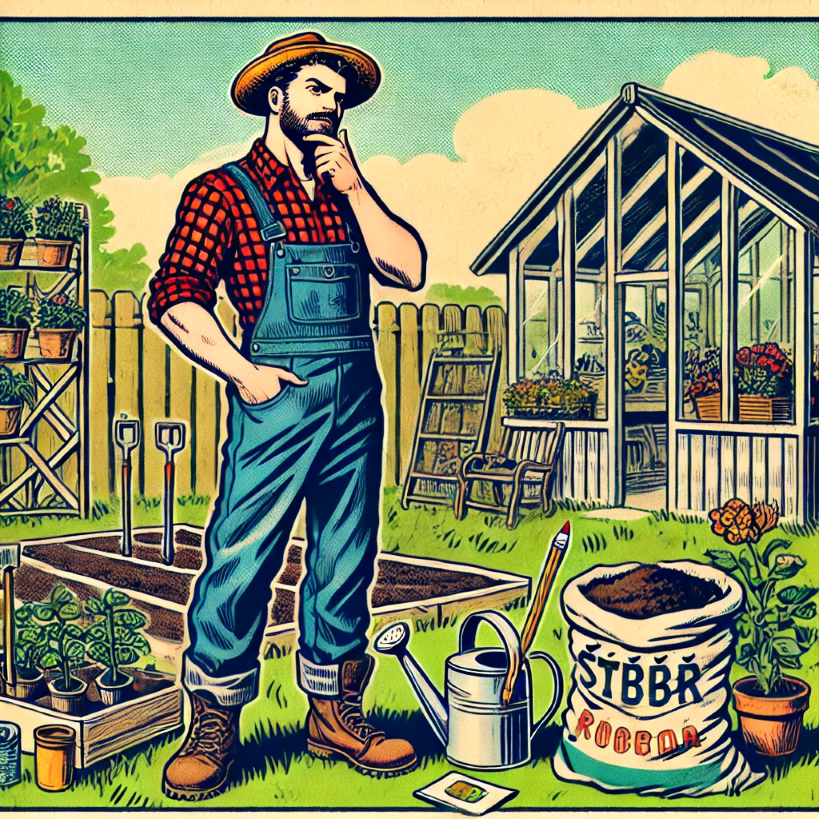
Outdoor season is just around the corner: What you'll need
Winter is ending, plants are waking up and your garden is waiting for a proper spring boost! Whether you grow tomatoes, herbs or something special, without the right substrate, fertilizers and pots it won't work. We'll advise you what not to forget when shopping for outdoor season equipment in spring.
The right substrate is the foundation of success
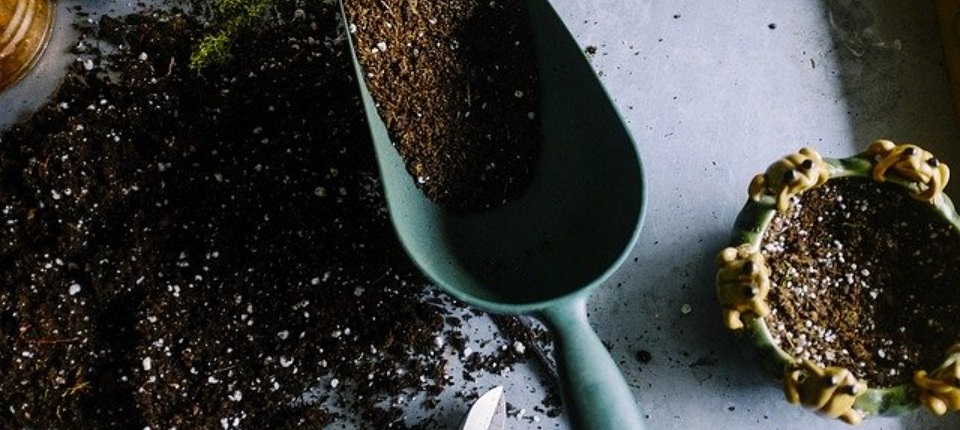 Whether you grow outdoors in pots, beds or in a greenhouse, your plants need suitable soil. The purpose and use of different types of substrates vary according to composition and nutrient content. In general, seedlings need a lighter and less fertilized substrate than plants in the peak stage of growth or flowering. When growing outdoors in open ground we recommend using soil growing substrates and coconut substrates if you grow in pots. Soil mixes for outdoor growing can contain organic or mineral fertilizers that feed plants for several weeks to months. Substrate amendments used in outdoor growing usually serve to enrich depleted soil.
You may be interested in: How to choose a gardening substrate
Seedling substrates – If you plan to grow from seeds or propagate your own seedlings in spring, you won't do without a seed sowing substrate. Seedling/potting substrate must be light and airy and should contain only a small amount of nutrients. We do not recommend germinating seeds in pre-fertilized substrates.
Substrates for container growing - The choice of growing substrate for pots depends primarily on the feeding program you choose. If you opt for organic fertilizers, go for soil substrates intended for organic farming, such as Canna Bio Terra Plus or BioNova Bio Soilmix. If you will fertilize with mineral fertilizers, you can choose from a wide range of soil mixes or coconut substrates. For container growing we recommend using lightened mixes with perlite, which help prevent soil compaction.
Amendments for soil enrichment – When growing in beds, the soil is often exhausted in spring and plants would perform poorly after planting. Before spring planting we recommend adding compost or worm humus, or products with mycorrhiza and beneficial bacteria.
Root stimulators and fertilizers for growth
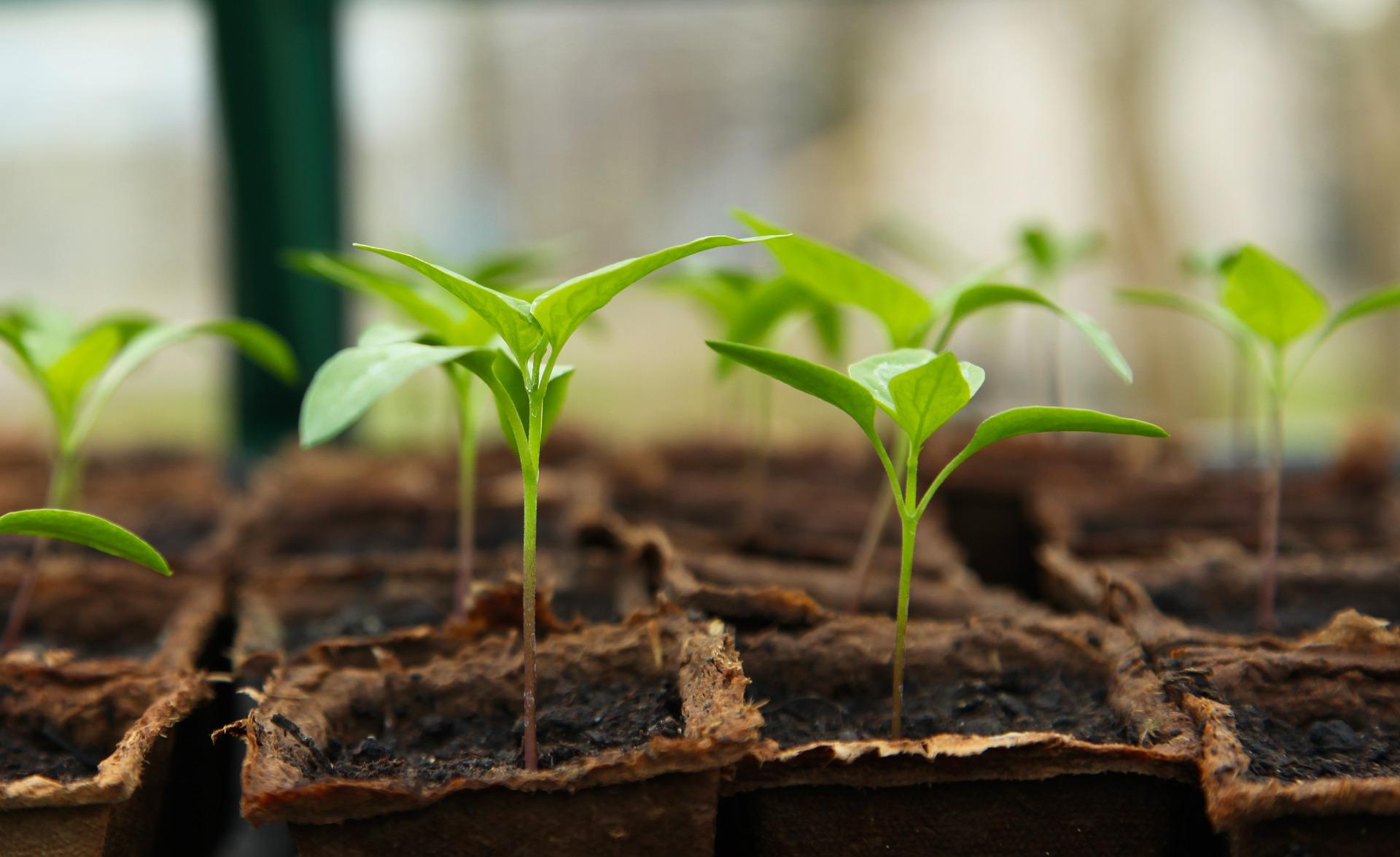 Germination and the first weeks of life are the most critical period for plants and it's not a bad idea to give them a little help. If you grow from seeds, we recommend trying germination stimulators, which increase germination success and give you a larger number of healthy seedlings. Root stimulators for growth are mainly useful for seedling care and transplanting, but they are useful throughout the growing cycle, so don't be afraid to buy a larger package. If you grow in pots, the substrate is quickly depleted, so don't forget the appropriate growth fertilizer.
You may be interested in: Organic or synthetic fertilizers: Which is better for your plants?
Germination stimulators for outdoor growing – Germination stimulators are most effective when applied directly to seeds. These products contain plant hormones, mycorrhiza or beneficial bacteria that help seeds germinate. If you grow with organic fertilizers, try root stimulators with mycorrhiza, such as Orca Liqiuid Mycorrhizae or Ugro Rhiza 1200. If you will use mineral fertilizers, choose products that do not contain mycorrhizal fungi or other beneficial microorganisms, for example Plagron Start Up or Canna Start.
Root stimulators for seedlings and planting – You may have experienced that after transplanting your young plants had wilted leaves and it took some time for them to recover. This phenomenon is known as transplant shock and can even lead to plant death. Using a root stimulator is a great way to prevent this. Apply the root stimulator to seedlings both before planting directly around the roots and into the soil immediately after planting.
Fertilizers for seedlings and young plants – Plants grown in pots may require more frequent fertilization than those grown in open ground. This is because the substrate in a growing container contains only a limited amount of nutrients that plants will deplete over time. During the spring months plants mainly need a high amount of nitrogen for new leaf production, but also phosphorus, potassium and other nutrients. Choose growth fertilizer according to the type of substrate (soil/coco) and the cultivation method (organic/mineral).
You may be interested in: What growth fertilizers are for and how to use them
Pots for every occasion
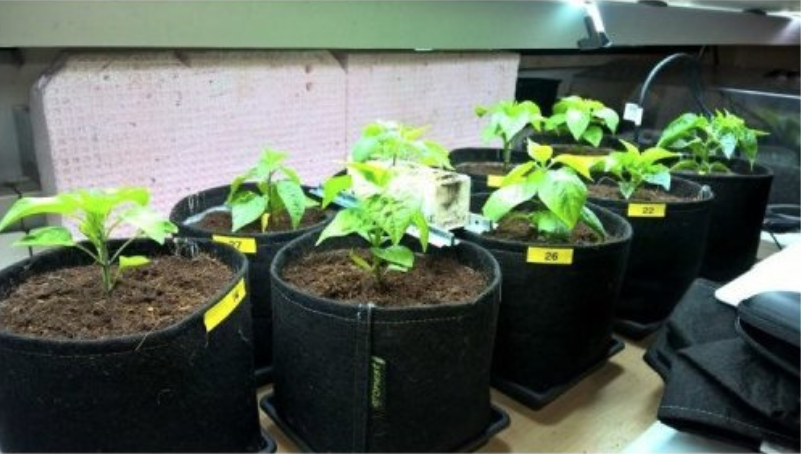 Few growers can do without pots, whether for germination and seedling propagation or for growing on balconies, in gardens or in greenhouses. When choosing a pot, size is not the only factor — the material the growing container is made from is also important. Plastic pots of various sizes are suitable for almost every occasion, fabric pots dry out faster and encourage root development and round biodegradable pots are suitable for seedling propagation.
Pots for seedling propagation – It usually doesn't pay off to germinate and grow seedlings in a large pot. Except for species that do not tolerate transplanting, it is at least impractical and often more demanding. For seed germination we recommend using propagation cubes or jiffy. For seedling propagation choose small plastic pots or seedling pots made from biodegradable materials.
Fabric pots – The advantage of a breathable fabric pot is faster drying of the substrate and plants grown in fabric pots therefore need to be watered more often. More frequent wet/dry cycles promote root formation and are especially beneficial for nutrient-demanding species such as tomatoes or peppers. Fabric is also a great material for raised beds.
Self-watering pots – Although technology hasn't progressed so far that pots can do all the work for us, there's no reason not to make growing easier. If you grow herbs, try smart planters. If you want to grow peppers, tomatoes or medicinal plants, opt for the modular AutoPot systems.
You may be interested in: All about AutoPot growing systems for efficient operation and high yields
Gardening tools and equipment for spring work
Finally, here are a few tips on garden accessories specific to the spring season. What else should you not forget? If you plan to sow vegetables directly into beds in spring, it is important to protect germinating seeds from frost and pests using breathable geotextiles. Don't forget planting aids such as label stakes, a planting stake and a planting trowel, a sprayer and other garden tools.
Looking for news and useful tips for gardeners and growers? Visit our Higarden blog, where you'll find news and guides from the indoor and outdoor growing field and other expert advice for plant lovers.
Prepare Your Garden for Spring: What to Do Before Spring Sowing?
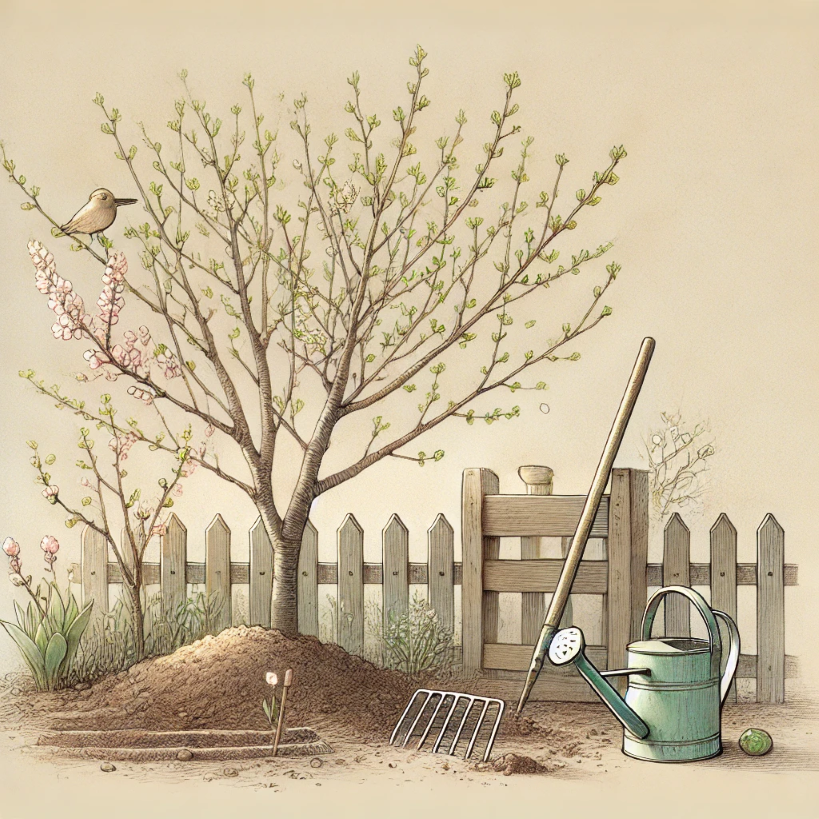
Thorough spring preparation pays off. The more thoroughly you care for the garden before the season begins, the better your plants will do once the weather outside is right for planting. We have prepared a short guide so you don't overlook anything during your spring preparations.
Successful growing doesn't start only when the first seeds are sown – the key to a bountiful harvest is careful preparation at the beginning of the season. Clean the garden, amend the soil, plan sowing and ensure sufficient nutrients – all of this needs to be done before spring is in full swing. Let's look at how to do it step by step.
Thorough cleanup: Before the soil warms up in spring you have time for a proper cleanup. First, clear the garden of fallen leaves and remove all twigs and remnants of dead plants from the beds. If possible, add everything to the compost.
Preparing the soil in beds: After a thorough garden cleanup it's time to work on the beds. Start by raking away mulch from the previous season and pulling weeds to reveal bare soil. Decomposed remains of old mulch can be worked into the soil, but fresh mulch is better added to the compost. Either burn or dispose of weed residues. Do not compost pulled weeds, because seeds could later germinate in beds or pots.
Loosening and adjusting soil pH: Exposed soil is good to loosen after winter. Fork the top layer of substrate to a depth of 10 to 15 centimetres. If the soil in your garden is heavy or clayey, enrich it with compost or humus. If you find the existing substrate particularly infertile or stony, the simplest option is to build a raised bed in that spot. During loosening you can also lime the soil, which helps neutralize acidity. To measure soil pH use analog or digital pH meters.
 Spring fertilization: For your plants to get a good start, the soil must contain all necessary nutrients. In spring and early summer plants primarily require nitrogen for producing new leaves and stems. Compost, humus, well-rotted manure, guano or nitrogen-rich fertilizers are high in nitrogen. For root development plants also need phosphorus in spring, which you can add to the soil in the form of wood ash, bone meal or phosphate fertilizers.
You might be interested in: Organic or synthetic fertilizers: Which is better for your plants?
Bed preparation and planning sowing: Before the weather outside is suitable for sowing, it's time to decide where and which plants you will place in the garden. Crop rotation is important for soil health and pest prevention. Bear in mind that some plants help enrich the soil with nitrogen (legumes), while other nutrient-demanding species deplete the soil (cabbage, kohlrabi).
Care of fruit trees and shrubs: Spring is an ideal time to prune fruit trees and shrubs. Remove dry, diseased or crossing branches and give the plants the necessary fertilizer. If needed, you can spray fruit trees against overwintering pests using appropriate sprays.
Seedling propagation: Many types of vegetables, herbs and flowers can be started indoors before the last frosts. This gives you a head start, and after planting outdoors your plants will grow and ripen faster than if sown directly into the bed. Tomatoes, peppers and lettuces are most commonly started this way. Seedlings can be grown on a windowsill in a cold frame or under artificial lighting in a propagator.
You may be interested in: How to properly pre-grow seedlings? Equipment guide for the spring season
Want to grow like the professionals and learn about news for growers? Visit our gardening blog, where you will find useful tips and guides on growing.