
Indoor vs. Outdoor: Better to Garden at Home or Outside?
This topic in the gardening world somewhat resembles the question "With rosehip or with cabbage?" from the well-known Czech film Slavnosti sněženek. It depends on each grower's preferences. Or on experience. In this post we will compare both cultivation methods.
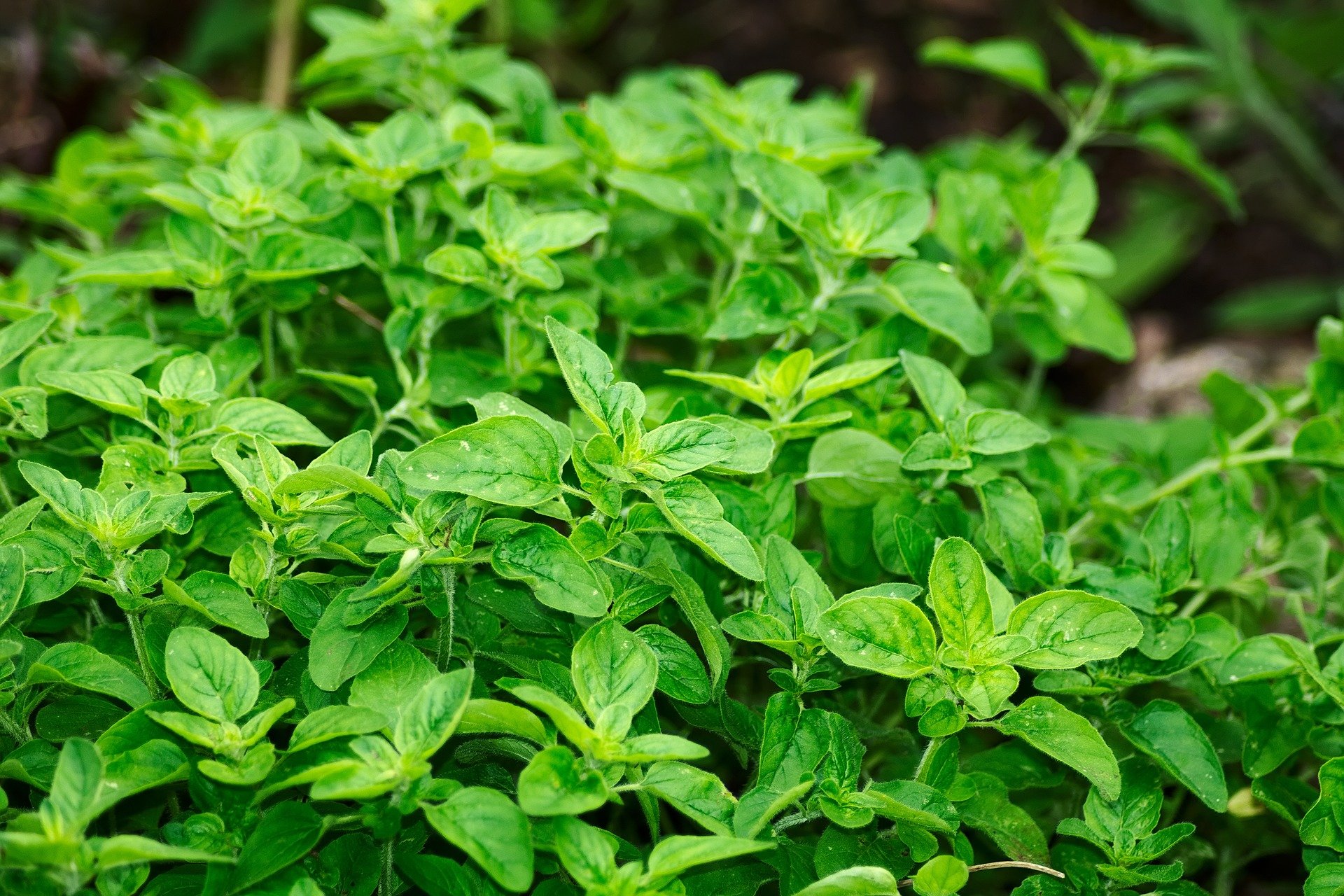
Growing plants INDOOR
Pros:
- Heat, cold, prolonged cloudiness, drought periods, heavy rain, hail or storms — in short, all the whims of the weather are completely irrelevant when you grow indoor and have absolutely no impact on your yield.
- You don't even have to worry about the season. You can harvest several times a year. Many of our customers, for example, harvest six times a year and thanks to a grow box at home they have a steady supply of their favorite herbs, fruits or vegetables. That's why indoor gardening is becoming more and more popular worldwide.
- Some grow tents, such as German Homeboxes, are also designed both aesthetically and functionally to easily become part of any interior.
- Combined with a quality odor filter and a quiet fan it literally becomes a discreet magic cabinet. How to choose your first fully equipped grow tent? You can read about it HERE.
- A controlled growing environment also significantly reduces risks associated with pests and diseases. And if they do occur, thanks to the limited space you can get rid of them relatively easily compared to a garden. They are also easier to identify. Some pest species appear outdoors exclusively at night, so you don't see them because you sleep. The problem is that you won't see them during the day either, unlike the damage they managed to cause while roaming at night. In the enclosed growing environment provided by grow boxes this simply won't happen, because any pests have nowhere to escape until you eliminate them.
- Another advantage of growing plants in a grow box, where you control all aspects that determine the outcome of your efforts, is generally higher yields and overall quality of the harvest. Even if you try your best outdoors and are gifted with natural talent, beginner's luck, or even extensive practical experience, the reality is that an outdoor harvest never reaches the parameters of a crop grown under a lamp in a growing box.
- Indoor cultivation is also a gateway to the world of hydroponics and, in general, allows growers to experiment and discover new possibilities thanks to technological progress.
Cons:
- The biggest drawback of indoor gardening is generally considered to be the significant upfront costs. However, we dare say this is now more of a myth thanks to modern technologies that provide a quick return on the initial investment.
- All the more so because you can buy a complete grow tent set with all necessary accessories tailored to your needs and current budget. There's even a separate article about how great results can be achieved with a smaller budget. Read HERE.
- Whether you choose the cheapest option to start with a few plants or select a larger or professional variant for a bigger harvest is up to you. Grow box sets are pre-tuned to get you excited about indoor growing from your very first harvest. And if you're an experienced grower, you'll be interested in versions that please your wallet — those that excel in price-to-performance ratio.
- Whether it's the artificial lighting source, air handling, or other grow tent equipment including hydroponic systems, there are many products on the market today that feature low electricity consumption. The electricity bill is another negative item that figures among the pros and cons of indoor growing.
- So the question is whether the classic drawbacks of indoor gardening are still drawbacks today, but we certainly don't want to claim that electricity and equipment for home growing are free. We're just saying it's definitely worth it for everything an indoor garden offers growers several times a year!
- In winter you obviously have no chance with an outdoor garden.
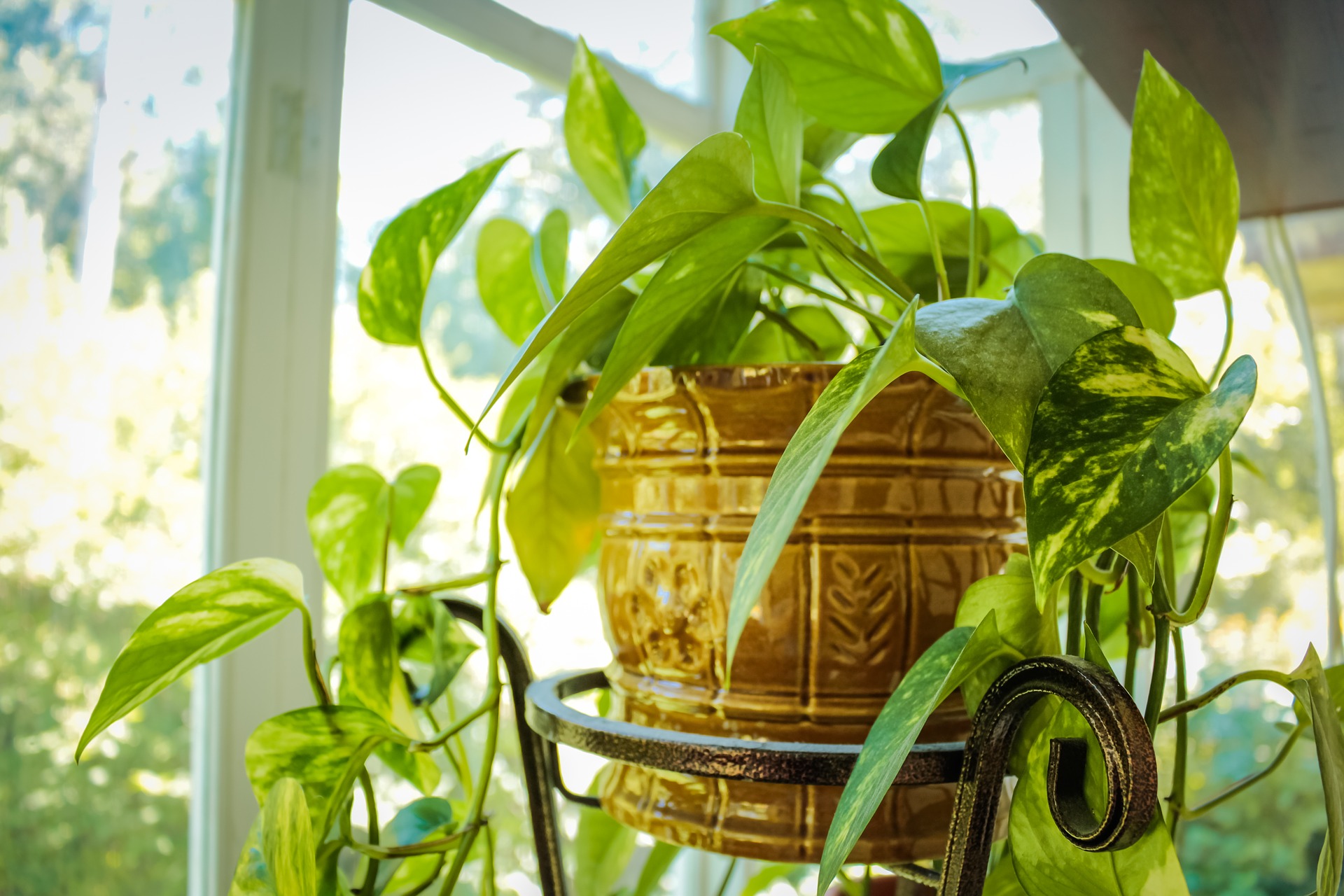
Growing plants OUTDOOR
Pros:
- Minimal costs. You practically only need quality soil fertilizer and substrate plus some flowerpots. Soil itself already contains a larger or smaller amount of essential nutrients, so fertilizer consumption is usually lower than for indoor pot cultivation and significantly lower than for indoor hydroponic systems.
- Another saving that outdoor gardening brings is related to water. Apart from dry periods, rain takes care of watering, even when you're away for a few days. An experienced gardener also collects rainwater in clean containers and uses rainwater to water garden beds and outdoor growing containers.
- Sunlight is also provided for free, but it's not an absolute plus as we will explain a bit further below.
Cons:
- While in a home grow room you can provide optimal conditions for growth and the formation of lush flowers and fruits rich in valuable compounds, when growing in a garden or field you expose plants to constant natural influences, which, besides weather conditions and fluctuating sunlight intensity, unfortunately also include the free movement of various pests and bacteria. When growing outdoors we therefore place special emphasis on proper plant protection.
- Growing ornamental, medicinal or useful crops in our climate also unfortunately means uncertain weather, unlike in a grow tent where you can easily secure the perfect microclimate with adequate ventilation and thanks to the quality materials modern grow boxes are made from.
- Plants outdoors do receive natural sunlight, but just recall the past summer and it's clear there may not be enough. Lower temperatures during summer months and sun behind clouds lead to lower yields and affect final quality, where flower clusters may not form compactly and fruits often fail to fully ripen.
- Full-spectrum fixtures used for indoor growing perfectly imitate sunlight. We especially recommend full-spectrum LED lighting from Lumatek, or for example Viparspectra LED fixtures.
- It's important to mention that if you care for plants outdoors for several months or weeks and they ultimately fail to ripen, are irreversibly destroyed by weather, pests, diseases, or wildlife, it is an unpleasant and frustrating experience.
- In winter you obviously have no chance with an outdoor garden.
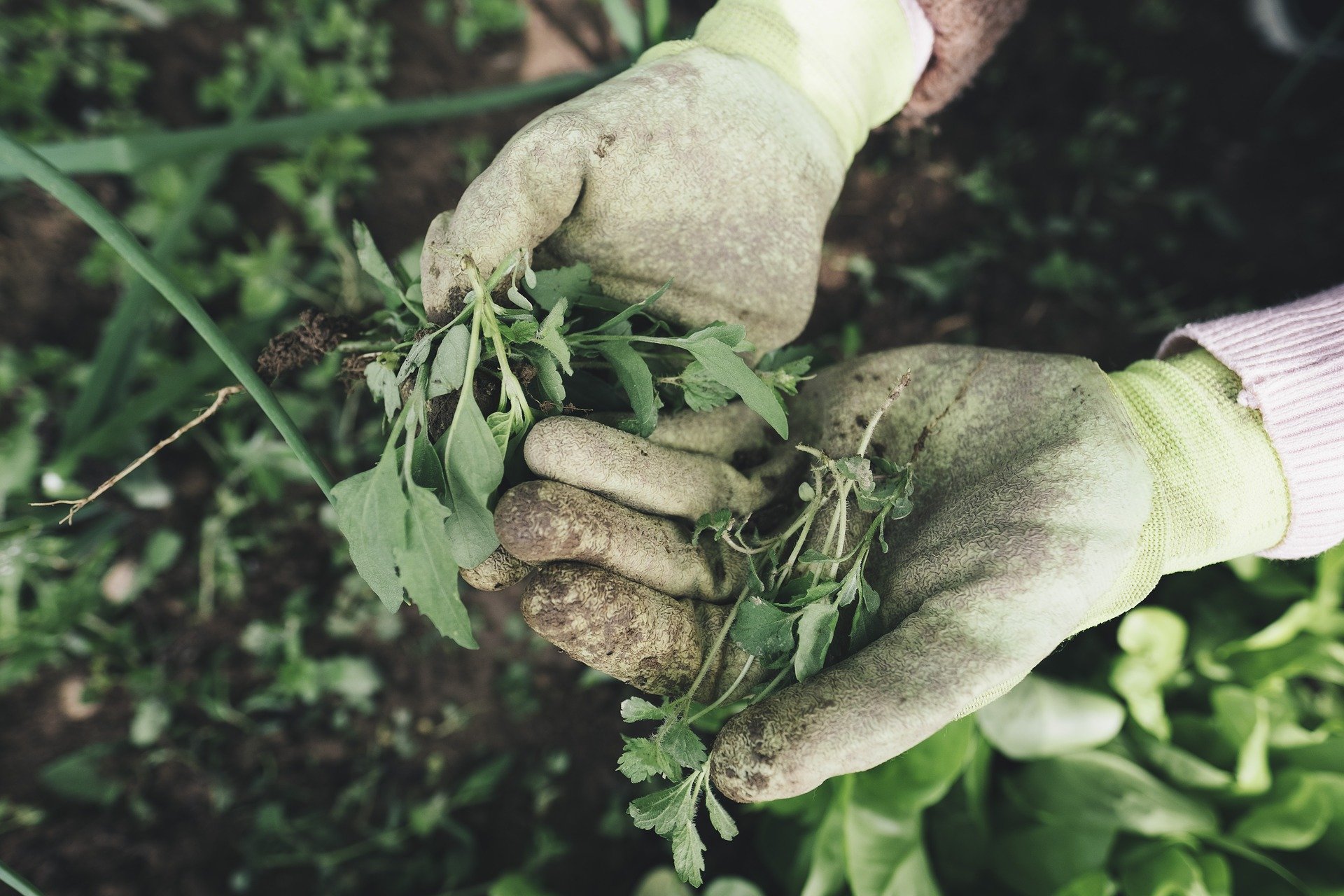
A certain compromise between growing at home and outdoors is provided by greenhouses, but more on that in a future post. We hope this helped you compare both sides of the coin at the start, and if you'd like to ask us any additional question about indoor or outdoor plant cultivation, feel free to write to the known address info@higarden.cz.
We recommend these products:
- Best-selling basic grow set including odor filter (6 790 Kč) - excellent price-to-performance ratio for successful indoor beginnings!
- LED Set 300W Attis MASTER (19 990 Kč) - an investment that will pay off quickly if you are serious about indoor growing!
- Hydroponic systems (from 2 599 Kč)
What to read next?
- Great results can be achieved even with a smaller budget!
- What are the best fertilizers for hydroponics and how to use them correctly?
- BioNova Veganics – fertilizers not only for vegans