
How to save on indoor growing
Do you enjoy growing indoors but dread the electricity bill? Fortunately, there are ways to tame costs while maintaining high yields. With the right technologies and approach, it is possible to save significantly — not only money but also natural resources. In the following lines we will show you how.
Indoor growing can be efficient and sustainable, but costs for energy, water and other materials can quickly add up. With the right choice of technologies and cultivation methods, however, you can significantly reduce consumption and save. In this article we will look at the best ways to optimize the growing environment, minimize costs and at the same time maintain high yields and harvest quality. We will focus on energy-saving grow lights, efficient fans, effective irrigation systems and other practical tips.
Switch to more energy-efficient appliances
The biggest item in the budget for most growers is the cost of consumed electricity. The largest electricity consumers are grow lights and fans, and sometimes other powerful appliances such as heaters, dehumidifiers or air conditioning units. The path to savings in this case runs through modernizing equipment, primarily lighting and ventilation.
Grow lights: LED vs. HPS bulbs
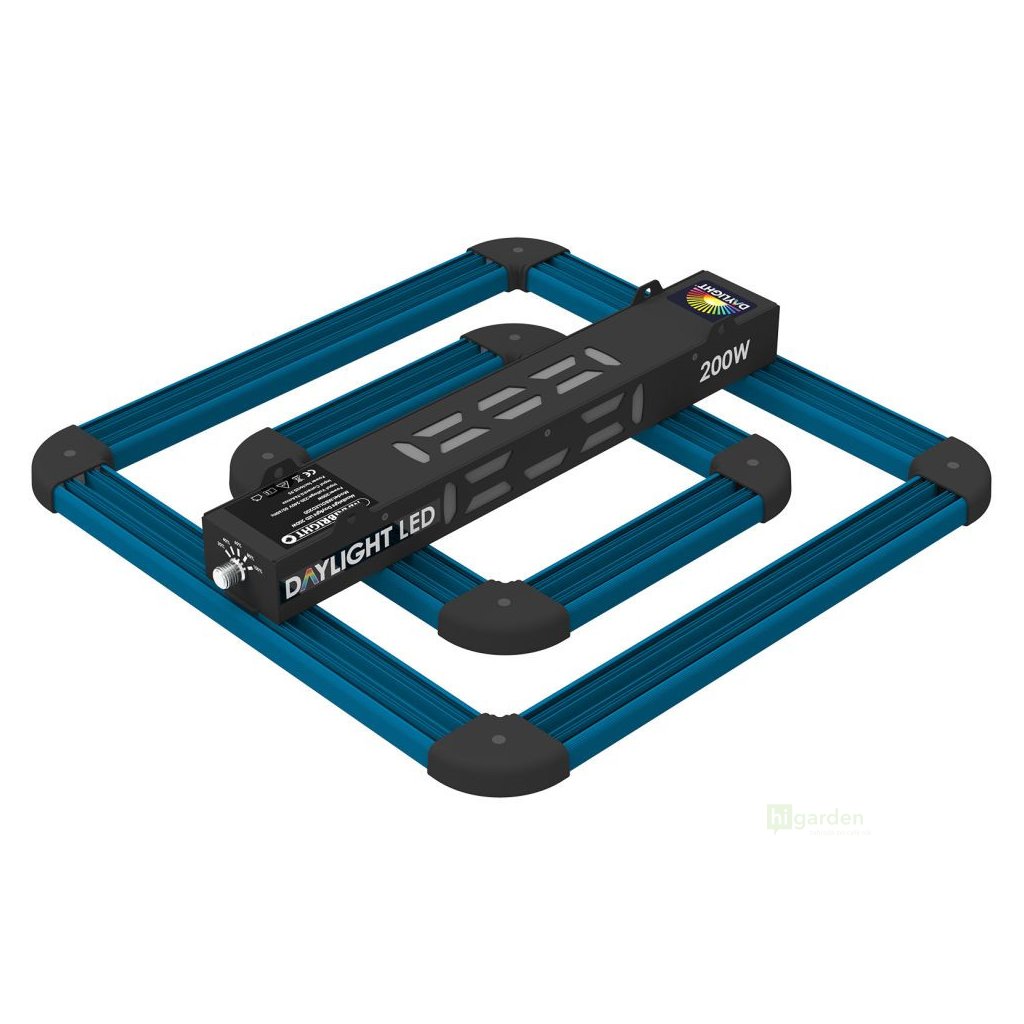 Grow fixtures are the centerpiece of every grow room and also the biggest energy guzzler. For rapid growth plants need very intense light with the right color spectrum to provide energy for photosynthesis. For decades indoor growers used high-pressure sodium (HPS) lamps, which in the last decade have been replaced by modern LED grow lights. These consume up to 50% less energy than HPS lamps, which significantly reduces operating costs. In practice this means that when growing in a 2x2 m growbox you can replace a 1000-watt HPS lamp with an LED panel drawing 600 W, representing roughly a 40% saving. Another advantage of LED panels is that they emit less heat and have lifespans that are multiple times longer than HPS lamps. Although the initial investment in LED fixtures may seem relatively high, their low consumption and long life mean substantial savings over the long term.
Exhaust fans: AC vs. EC motors
Exhaust fans are the second-largest energy consumers after grow lighting. They maintain the appropriate climate in the grow space by removing humidity and heat. Many growers still use classic fans with AC (alternating current) motors instead of the now-affordable electronically commutated (EC) motors, which are significantly more efficient. Compared to AC motors, EC motors can achieve up to three times higher efficiency, wear out more slowly, heat up less and are quieter. They are also easier and more precisely controllable, and their compact design saves space. As with lighting, the higher purchase price of fans is quickly recovered in a lower electricity bill.
Are you just starting with indoor growing and unsure what equipment to buy? We have prepared complete indoor growing kits for you.
How to reduce costs for water, fertilizers and substrates
Other significant costs in indoor growing are fertilizers, growing substrates and, in some cases, the price of water. The following measures will help you prevent expensive waste and also contribute to more ecological and gentle growing.
Efficient irrigation systems allow you to water plants precisely according to their needs, minimizing water loss from evaporation or runoff. If you want to save, avoid “run-to-waste” growing methods where excess water is drained away after watering.
How to save on fertilizers
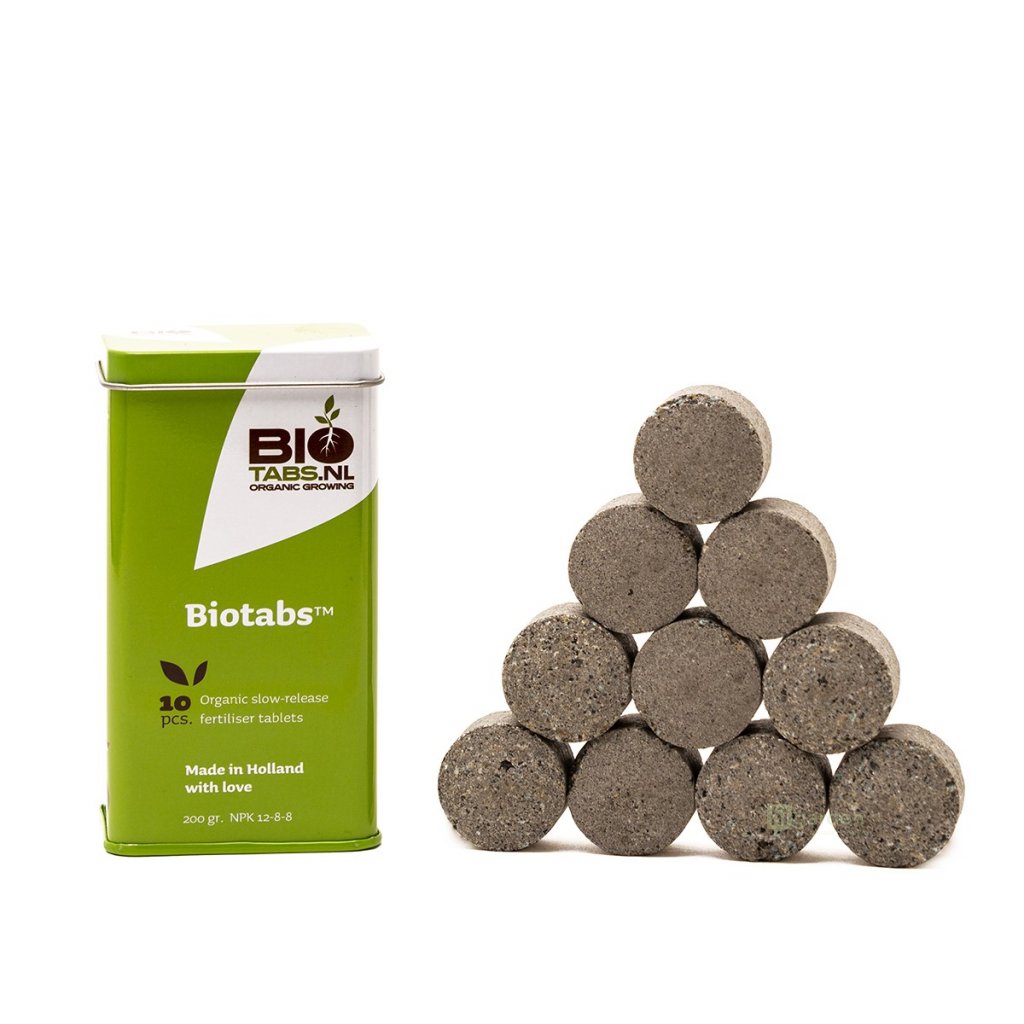 Depending on your growing style, fertilizers and nutritional supplements can represent a small or larger part of your budget. Highly effective mineral fertilizers used in intensive cultivation techniques cost a significant amount and must be used with every watering. Growing with organic slow-release fertilizers and pre-fertilized substrates can be somewhat cheaper. In any case, always follow correct dosing. Overuse of fertilizers is not only wasteful but can irreparably damage your plants.
Substrate recycling
Some growing substrates can be cleaned and reused after the end of a cultivation cycle. Particularly suitable for this purpose are coconut fibers, but also soil mixes, perlite or expanded clay (hydroton). One key rule applies when recycling substrates: if you encountered problems with mold, rot or pests during the cultivation cycle, avoid reusing the substrate. After each cycle rinse the substrate with clean water, let it dry and remove root residues. Finally, soak the substrate in a solution with an enzyme. Do not use the same substrate for more than three cultivation cycles in a row. Keep in mind that garden soil will be depleted after the first cycle. You can supply nutrients to plants with mineral fertilizers or enrich the soil with worm humus, compost or organic slow-release fertilizers.
Looking for more tips on indoor and outdoor growing? Don’t forget to check the Higarden blog.