
6 most common mistakes when taking cuttings and how to avoid them
Cutting propagation is a great way to quickly and efficiently multiply your favorite plants. Although it is a common cultivation method, many growers make mistakes that reduce the success rate of rooting cuttings. Do you want healthy and strong plants? Take a look at the six most common mistakes when taking cuttings and learn how to avoid them.
Successful cutting propagation requires not only the right technique but also suitable conditions and a careful approach. Incorrect selection of the mother plant, poor hygiene habits, inadequate acclimatization, or unsuitable humidity or lighting will reliably lead to failure. In this article we will show the most common mistakes growers make and advise how to increase the chances of successful rooting of your clones.
You might be interested in: Cutting propagation: Cloning plants step by step
1. Poor selection of the mother plant
It is important that mother plants intended for taking cuttings are in perfect health. Cuttings from plants that are infested with pests, molds, or suffer from nutrient deficiencies will have a low chance of rooting. There is also a high risk of transmitting disease and pests from the mother plant to the offspring.
How to avoid this mistake? For cloning purposes always choose healthy mother plants without signs of pest infestation, diseases, or mold. Ideal plants are those at the peak of vegetative growth.
2. Incorrect cut of the cutting
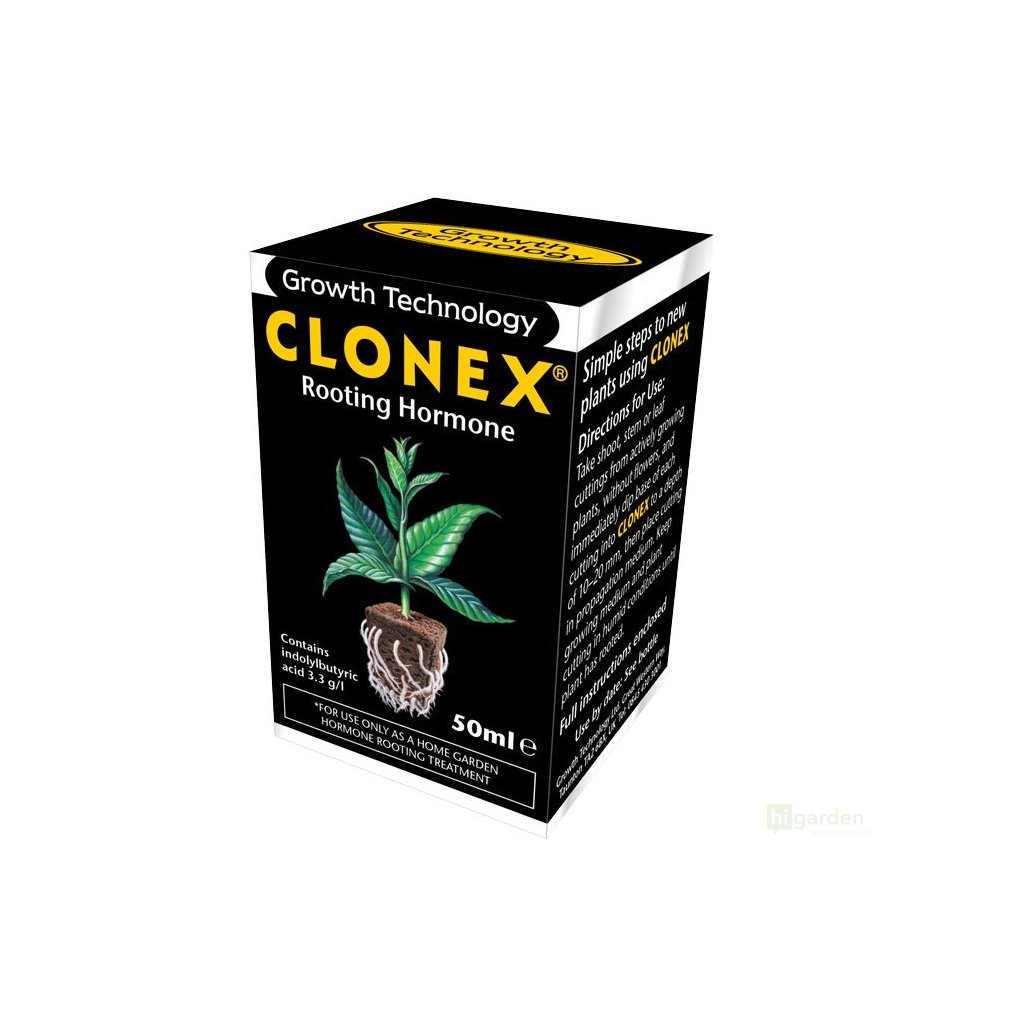 When taking cuttings, be careful to follow the proper procedure and use sharp tools. An improperly made cut reduces the cutting's ability to form roots. If the cut is made with a dull tool, the stem can be crushed, which prevents it from absorbing water. When cloning it is important to act quickly so that air bubbles do not start forming on the ends of the stems.
How to avoid this mistake? When taking cuttings from plants, first cut branches of 10-15 cm in length and immediately immerse them in water. Then trim the stem ends to the same length at a 45° angle. Dip the prepared clones immediately into rooting gel and insert them into the growing medium.
3. Insufficient hygiene
Molds, pests, or viruses are easily transmitted from one plant to another during cutting and can destroy your entire future crop. Therefore, follow basic hygiene rules and always work with clean and sterile tools. When taking cuttings do not smoke and wear disposable gloves.
How to avoid this mistake? Work in a clean environment, use gloves and disposable scalpels, sterilizing them before each new plant cut. Suitable sterilizing agents are ethyl alcohol or Purolyt.
4. Unsuitable humidity and temperature
 Fresh clones need humid air so they do not wilt, however too high humidity slows down rooting and increases the risk of mold spreading. Sufficiently high temperature is also important.
How to avoid this mistake? Monitor temperature and humidity using a thermometer with a hygrometer. Root cuttings in a plastic greenhouse (propagator), where you maintain humidity between 75-85 % and temperature in the range of 24-27 °C.
5. Incorrect lighting conditions
Cuttings need light for proper development, but too intense lighting or an unsuitable light spectrum can slow rooting and stress the plants. Direct and overly strong light increases water evaporation from the leaves, causing them to wilt. Conversely, insufficient light will make stems stretch upward.
How to avoid this mistake? For rooting cuttings use medium-intensity light (100–200 µmol/m²/s) with a blue-white spectrum. Ideal are special LED panels or low-consumption fluorescent lamps. After the first roots appear you can increase the light intensity so the clones acclimate more quickly to stronger lighting.
6. Mistakes during acclimatization
One common mistake is transplanting cuttings too early and insufficient acclimatization to the new environment. If you plant cuttings into the growing medium with an underdeveloped root system, they will likely wilt. Likewise, a sudden change in conditions, especially a reduction in air humidity, can stress the plants.
How to avoid this mistake? Before transplanting cuttings wait until roots have grown through the planting cube or plug. This should take one to two weeks. During rooting gradually open the ventilation holes in the propagator so the plants get used to lower air humidity.
Want to learn more about indoor growing and modern gardening trends? Feel free to visit our Higraden blog.