
Which reflective films work better in a grow room? Glossy or matte?
Lately in the field of indoor plant cultivation we have noticed a pronounced trend concerning reflective films, specifically the color and surface finish of the reflective material on the interior walls of a growbox or grow room. Many growers prefer, or at least believe, that the best reflective material is matte white. Read why diamond, mylar and glossy reflective materials are generally a better choice for any growing space.
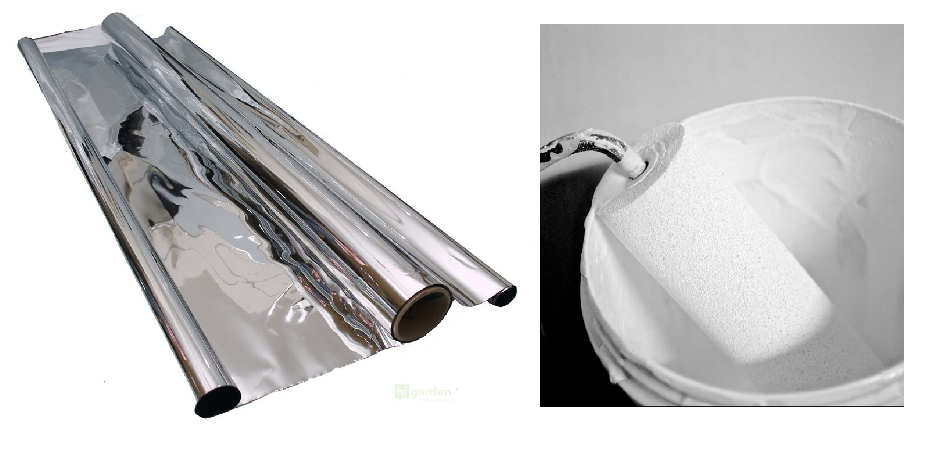
Many growers think that white, more precisely matte white, is always the best option for the interior of a grow room. To settle this once and for all, various grow lighting setups were tested inside differently built growing spaces of various sizes. The result may be surprising for many.
Independent tests show that a matte white finish on reflective surfaces inside growing spaces is just as effective as the standard reflective lining commonly used in grow tents such as the bestseller Mammoth Pro+ 120 with its internal 600D Mylar reflective material.
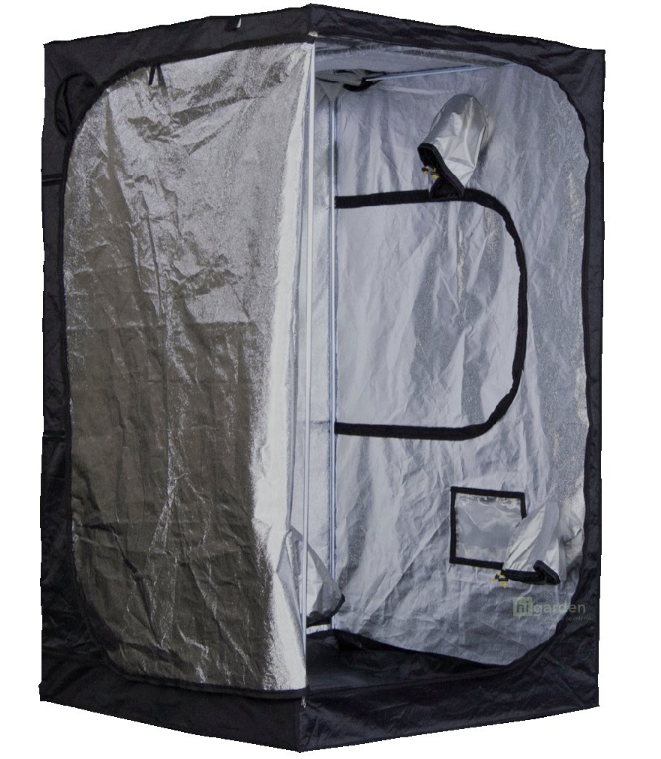
So matte white is in practice not any better than silver reflective foil for indoor plant cultivation. Quite simply, the easiest and cheapest solution is often the best — standard silver mylar. Here are three more recommendations for reflective films that reliably outperform matte white in practice:
- Silver foil ECO
- Diamond foil ECO
- Diamantová fólie REFLECT-A-GRO
Advantages of silver reflective foil and diamond reflective foil
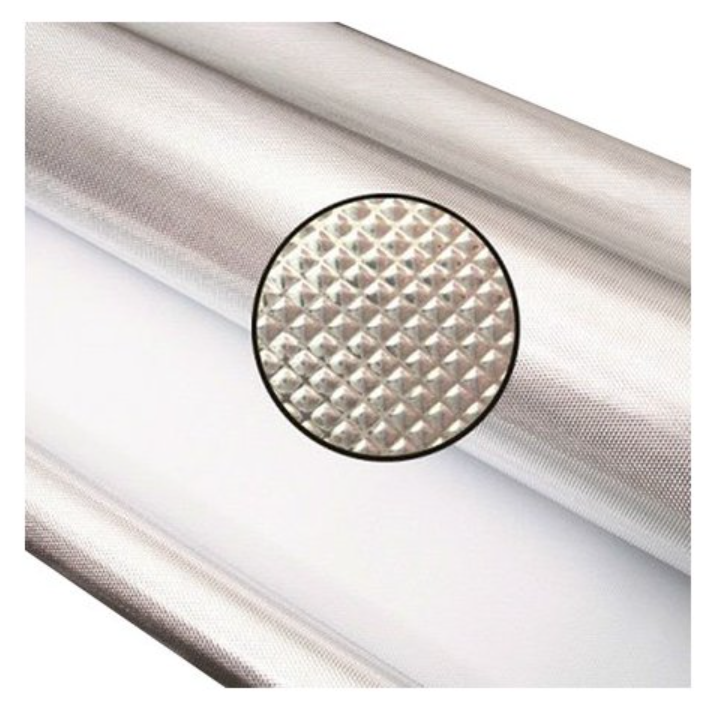
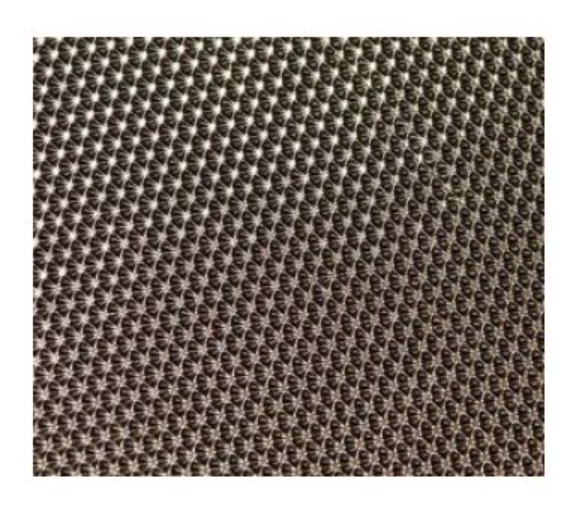
Both are very good, proven reflective surfaces that do not crease and, most importantly, effectively direct light radiation. That means that light emitted by a HID lamp or another artificial light source is reflected from the wall of the grow tent or room and directed downward — in the case of a growbox, towards the tent floor. As independent testing shows, the disadvantage of a matte white reflective surface is that it scatters light in all directions.
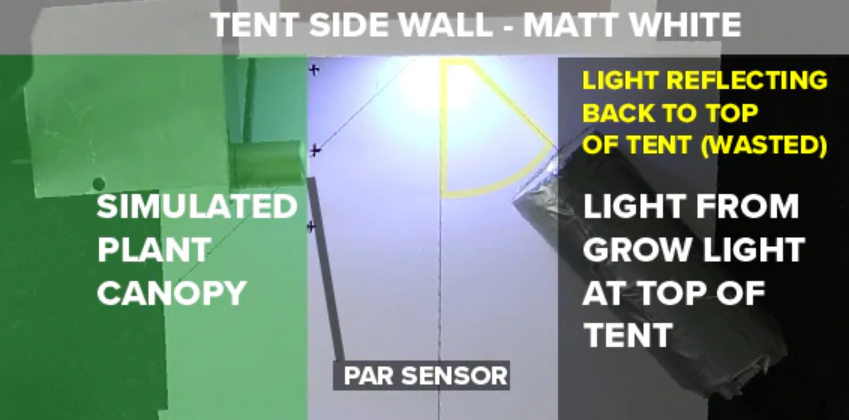
This fact is nicely illustrated by the photos from a test of reflective surfaces in diamond (fig. 1) and white (fig. 2) versions. The light source shines from the right and a PAR sensor is on the left. The crosses simulate the tops of the plants inside the tent.

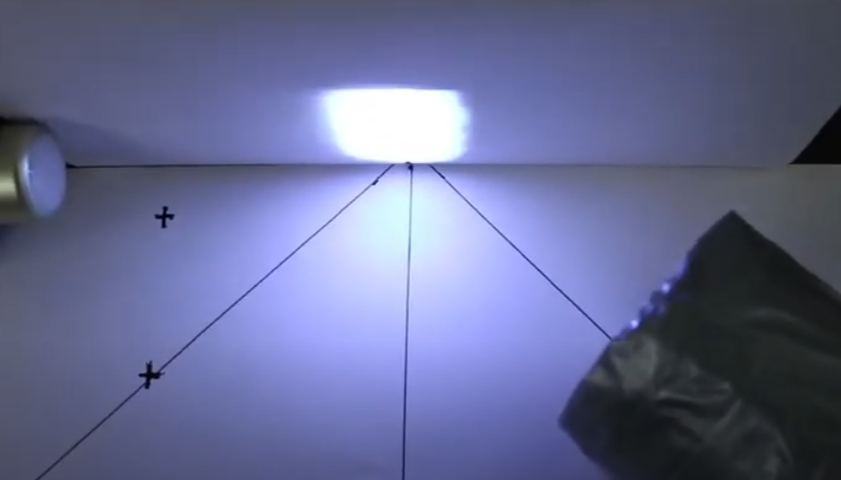
Do you see the difference?
- When light hits a matte white surface, it is diffused, i.e. emitted in all directions. A lot of light is then reflected back to the upper part of the tent, where it is of no use to the plants and its energy is effectively wasted. In other words, using matte white foil in a tent literally wastes light.
- Now the better option. When light is reflected from a silver mylar surface or from diamond foil, it is reflected downward onto the tops of the plants. This means that the vast majority of the light hitting the side walls of the grow tent or room is directed exactly where it should be — into the growing area, where light energy is optimally used for the healthy development of your plants.
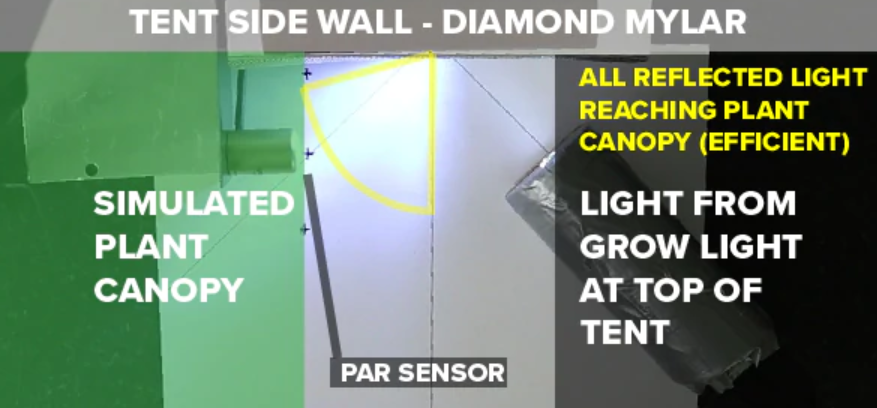
The images come from an elegant and convincing experiment that you can watch in full on the video. To save you time, we've already revealed which type of reflective surface will serve you more effectively — meaning it will help distribute light evenly in the tent while directing it toward the growing plants. If you would like to ask us anything, not only about reflective films, we are here for you at the usual email address info@higarden.cz. We look forward to your questions!
We also recommend these products:
- Silver foil REFLECT-A-GRO
- Anti-detection foil
- Mylar silver reflective foil
Further reading:
- AutoPot hydroponic systems for efficient operation and high yields
- How to choose a circulation fan?
- TechGrow timer switches: a different league of switching!