
When to plant the different types of herbs, fruit, and vegetables?
The gardening season is in full swing, so today we have prepared a practical article for all gardeners and outdoor growers that will show you when it is ideal to sow and plant popular types of plants and agricultural crops. Browse our tips on what and when to plant through the end of the year.
May
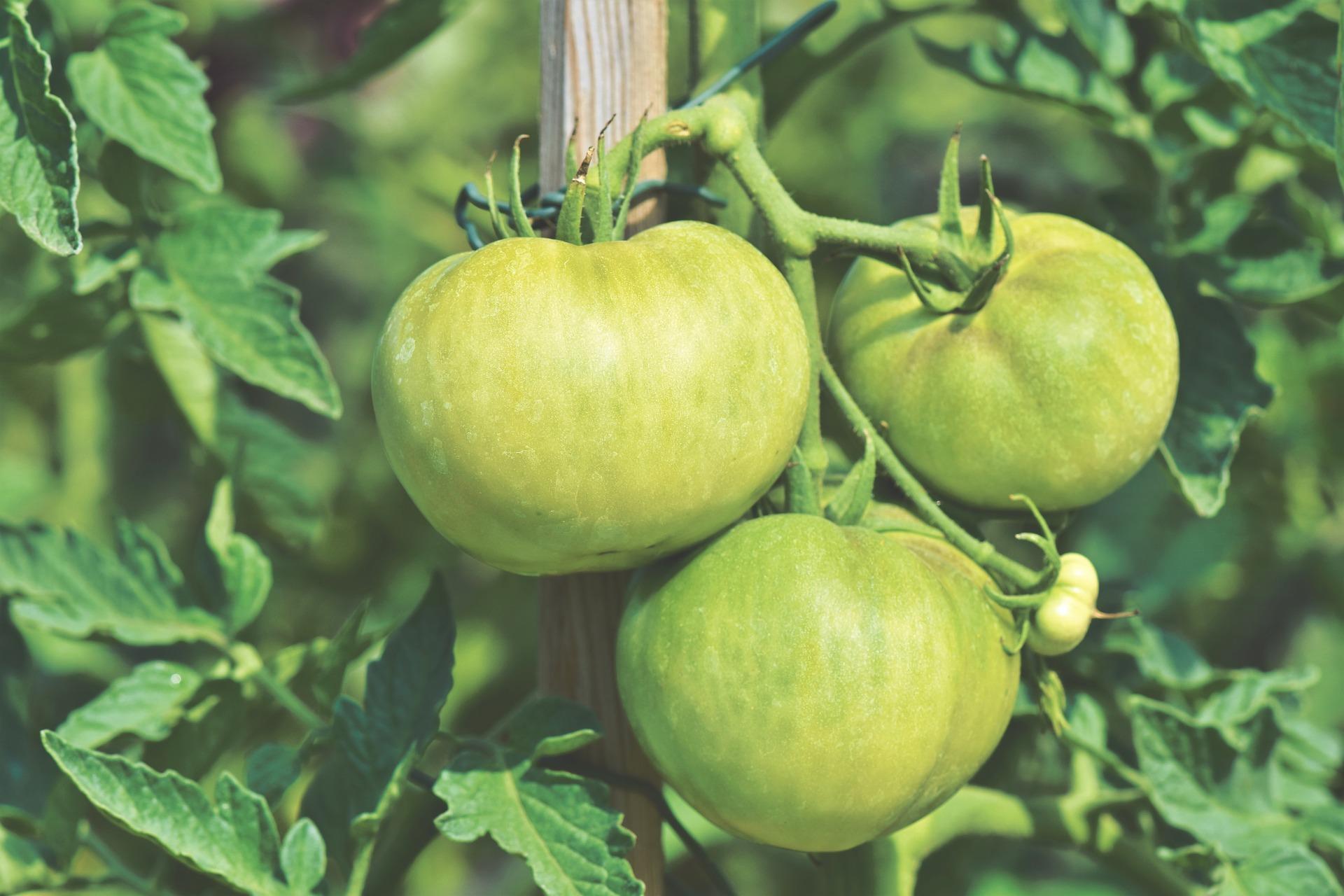
With the start of May, which even has May in its name, you have perfect timing to sow cucumbers or field lettuce. Tomato or pepper seedlings that you started earlier are also ready to be transplanted into prepared beds. Another typically May crop with an irreplaceable place in many recipes is zucchini. However, we recommend waiting until around mid-May, until any remaining ground frosts have definitely passed. In mid-May you can also confidently sow tomatoes and peppers if you haven't started them in advance. Also be sure to sow beans, corn and let's not forget eggplant or even watermelon.
The second half of May is also associated with decorative window boxes that can be placed outside to enjoy the fresh air and spring sunshine. You still have time to plant your ornamental garden using purchased seedlings. In sunny spots, geraniums, petunias, lobelias or portulacas work very well. Shadier places are best filled with mint and begonias.
You can also sow biennials that will amaze you with their beauty the following year. If you plant nasturtiums, known for their edible flowers, you can consume them for health from August into autumn. Similar annuals that can be sown in May include calendula (pot marigold). And if your garden features a garden pond, May is an ideal time to plant water lilies.
June
In the first summer month you can sow more healthy vegetables in garden beds or in the field. Here are our tips: kohlrabi, carrots, cabbage, leek, Brussels sprouts, and if you also sow lettuces, you will ensure a continuous harvest into the next period.
June is also an ideal time to take cuttings from ornamental shrubs. By dividing clumps you can propagate and transplant perennials that bloom in spring, ideally until mid-month.
June is also dedicated to sowing these beautiful biennials: pansies, forget-me-nots, daisies and carnations. Before the pansies emerge, however, they benefit from some shading.
July
In summer, after returning from a swim, you can sow more types of vegetables. Short-rooting carrot varieties will still take well. Beijing cabbage and spinach are also popular. The sun again favors growing various types of salad greens.
In July it is also worth paying attention to planting new strawberry seedlings. This is also the period when woody plants such as thuja, junipers, cypresses or yews can be easily propagated vegetatively.
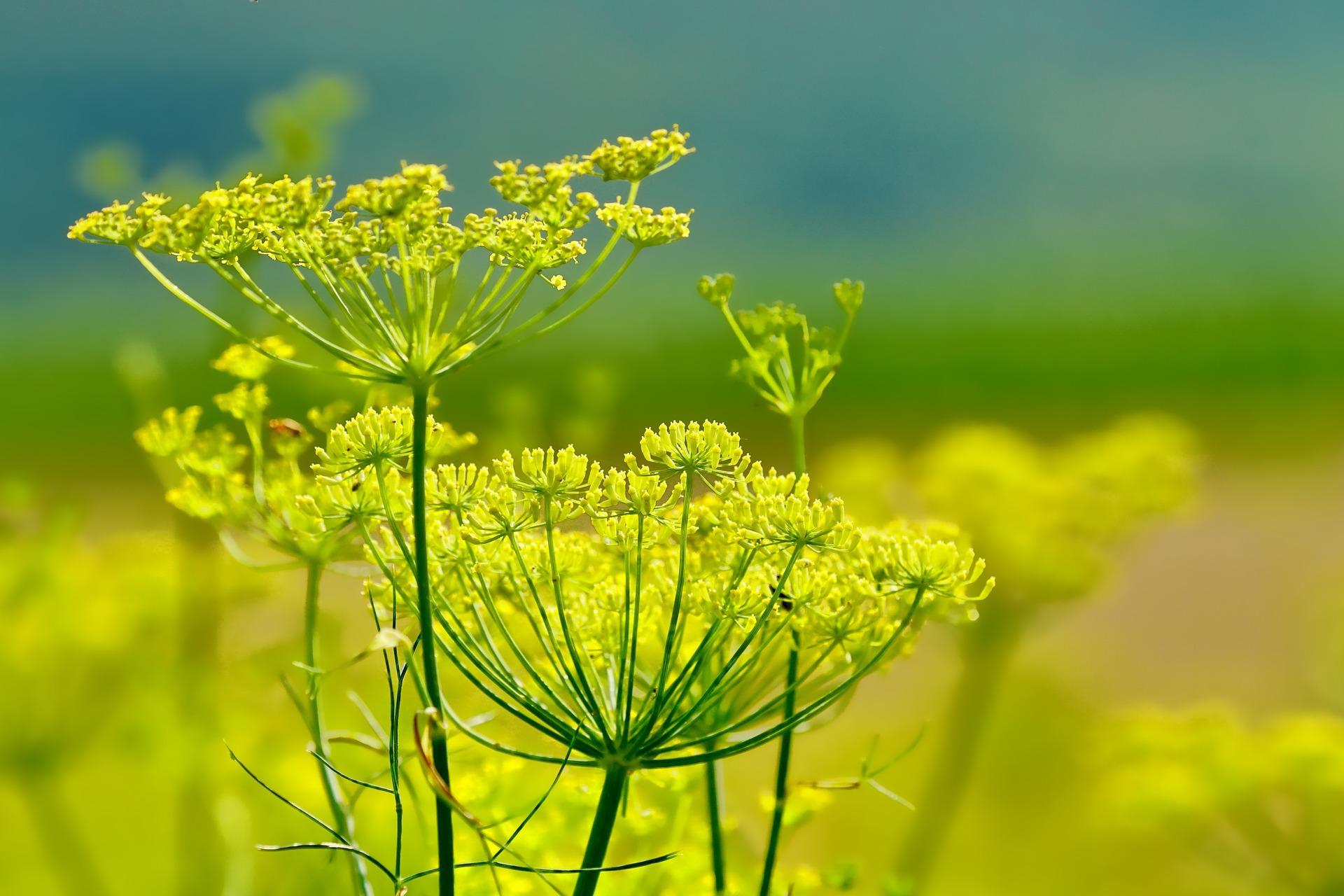
Let's have a quick botany quiz—don't peek at the next paragraph. July is inseparably associated with the planting of a medicinal perennial plant that is often grown as a biennial. Can you guess which one it is?
Here’s a small hint before your eyes slide to the answer. This medicinal herb grows most in our climatic conditions in southern Moravia. Its name is common fennel (Foeniculum vulgare), which you can see in the image below. Dried fennel is, of course, especially popular in the kitchen as a spice. In the human body it acts beneficially, among other things, against intestinal cramps and bloating.
August
If you sow corn salad (lamb’s lettuce) in August, you will secure a tasty harvest up to the first frosts. Don’t forget that you’ll enjoy your favorite dishes best in organic quality. In August you still have room to sow spinach or lettuces intended for autumn harvest.
For both beauty and health, don’t forget radishes or white radish, again using purely organic fertilizers. Growers and gardeners here regularly start planting cabbage, black salsify and winter onions in August, which they will harvest the following year.
September
If you want to harvest vegetables in the same year, it is still possible at the beginning of autumn, especially for early radishes, early lettuce and arugula.
If you want to plant for a spring harvest, plant parsley, spinach or lamb’s lettuce, but the second half of September is usually too late, so aim for the first weeks.
When it comes to ornamental flowers, September is definitely the time for planting bulbous plants. This group includes, for example, daffodils, hyacinths or tulips.
October
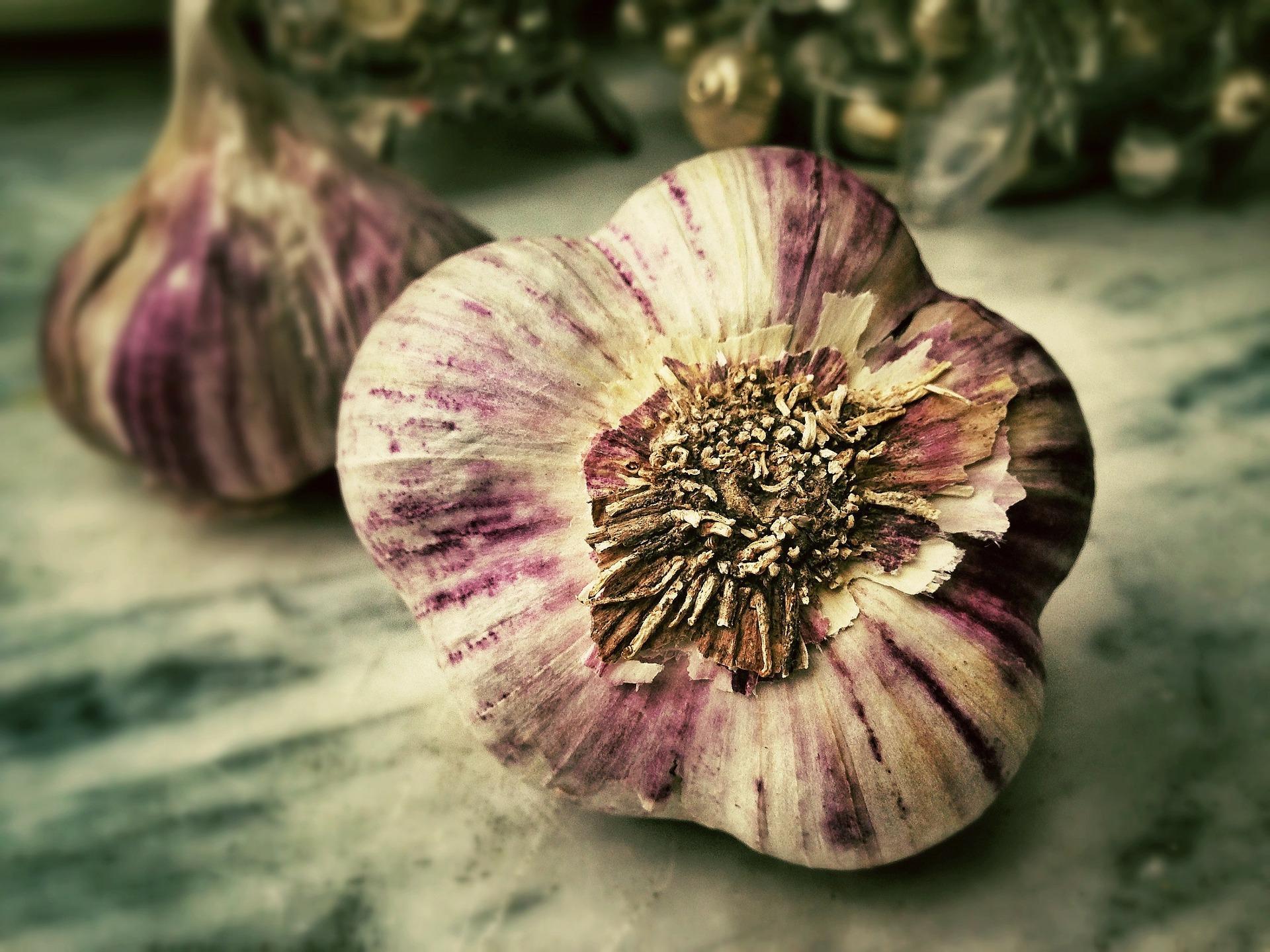
October is the clear answer to the frequent question of when to plant garlic if not in autumn, so go for it! We just recommend choosing lighter, non-waterlogged soil for autumn planting of this natural antibiotic, because in heavy, wet ground garlic cloves are often attacked by diseases that prevent successful overwintering. This powerful perennial herb is commonly grown by planting individual cloves from a bulb directly into beds. If you grow garlic organically, in addition to its fantastic aroma in garlic soup or other dishes, you will also experience its beneficial effects on the body. It is rich in vitamins A, B and C, selenium, calcium and iodine.
November
There are also winter varieties of garlic that you can safely plant in November. And you can plant onions then too.
While we’re on the topic of planting, don’t forget to get quality seeds. Often your acquaintances will advise you best based on experience from the previous season or even many years, and if you don’t have anyone to ask, we are here for you and happy to help. Call or write to the familiar address info@higarden.cz.
- Garden tools
- Potting substrate
- 100% organic fertilizers - comprehensive range