
Symptoms of Essential Nutrient Deficiencies
Are you observing a plant and wondering if something is missing? If your herbs don’t look healthy, they may be suffering from a nutrient deficiency, so it’s high time to give them an extra portion of one of the key elements through a suitable product.
Today’s article will teach you how to recognize deficiencies of individual nutrients in plants and will also recommend top products for their effective supplementation. In section “A” we will focus on the basic nutrients (N-P-K) and in section “B” we will go through minerals and other important elements that play indispensable roles in a number of plant biochemical processes.
One piece of advice to start. First of all measure the pH. Before you begin determining which elements your plants are lacking if they obviously aren’t thriving, first of all measure the exact pH of the substrate:
- When growing in soil, desirable values are from 6.5 to 7.0.
- In hydroponics you need to measure lower pH values between 5.5 and 6.5.
If the measured pH values fall outside the ranges above, try adjusting the pH first and wait a while to see if the plants start to do better. The pH can affect the availability of some major nutrients or trace elements. Now let’s explain how to recognize their deficiencies and how to effectively address them.
Deficiency of basic nutrients N-P-K
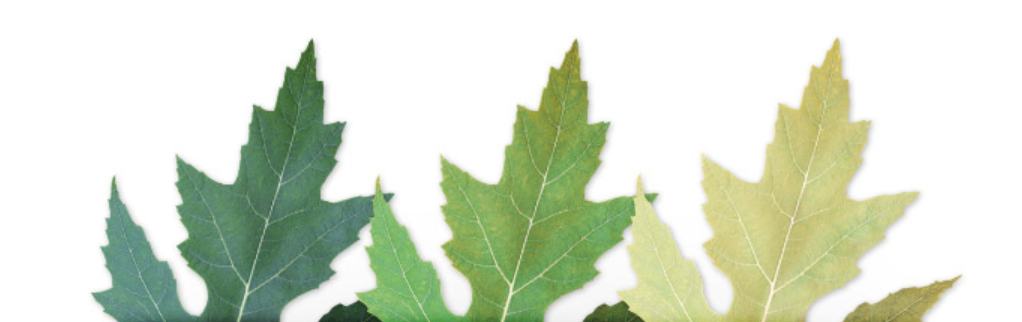
Nitrogen deficiency (N)
- Without sufficient supply of this biogenic element, plants simply won’t grow, or at best they will be small and weak. Nitrogen is the most important nutrient during the vegetative phase (i.e. growth) of any plant.
- Another typical symptom visible to the naked eye is overall yellowing, sometimes reddening of leaves and their subsequent dropping.
- Among the strongest fertilizers to supplement nitrogen levels is Canna N 17%. This product reliably remedies a potential nitrogen deficit in your plants, just remember to dose it carefully due to its high concentration.
Phosphorus deficiency (P)
- Phosphorus is crucial for the development of a healthy, strong root system, and if you read our articles regularly you know that root condition determines a plant’s ability to effectively absorb nutrients contained in fertilizers.
- Phosphorus is a key component of nutrition during the flowering phase. During the period when plants focus energy on forming abundant flowers and fruits, a phosphorus surplus is hardly ever an issue.
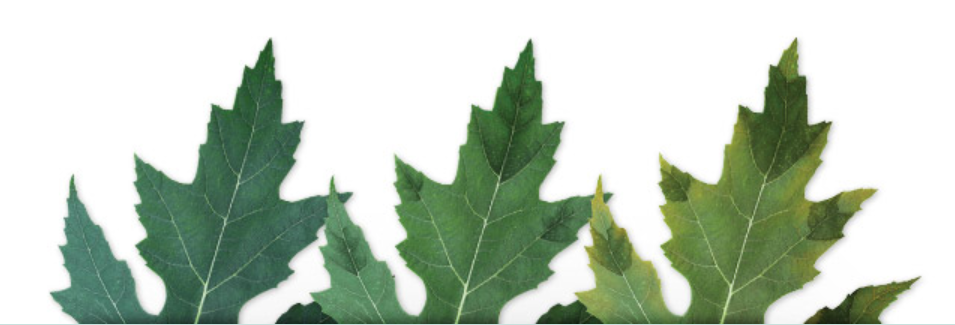
- You can most often spot phosphorus deficiency by premature dropping of older leaves. Be alert if you notice halted growth, chlorosis of older leaves from the tips, dark-gray spots and sometimes even purple-colored patches on leaves.
- Phosphorus is most often supplemented together with potassium in the form of PK additives, such as Canna PK 13/14. The same product can also be used when potassium (K) is deficient (see below).
Potassium deficiency (K)
- Potassium completes the trio of basic nutrients. It is extremely important for the overall stability and vitality of the plant, helping it manage water and energy in the form of carbohydrates.
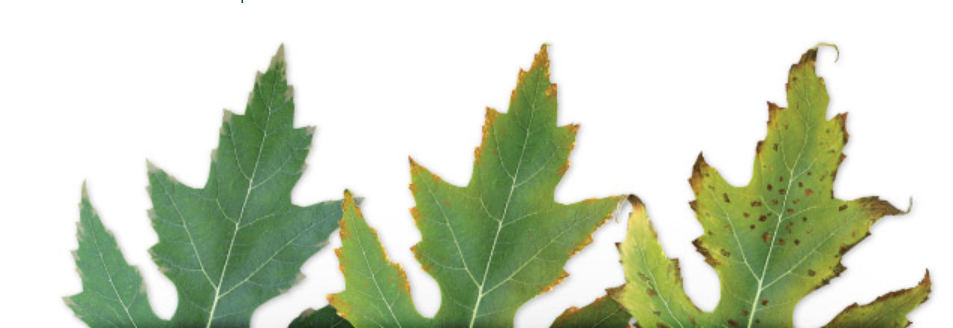
- Deficiency of this element can often be mistaken for plant burn, since older leaves yellow and leaf edges brown in a similar way as with burning. Small spots may also appear on the leaves.
- A classic sign of low potassium levels in plants is stunted growth.
Deficiency of other nutrients
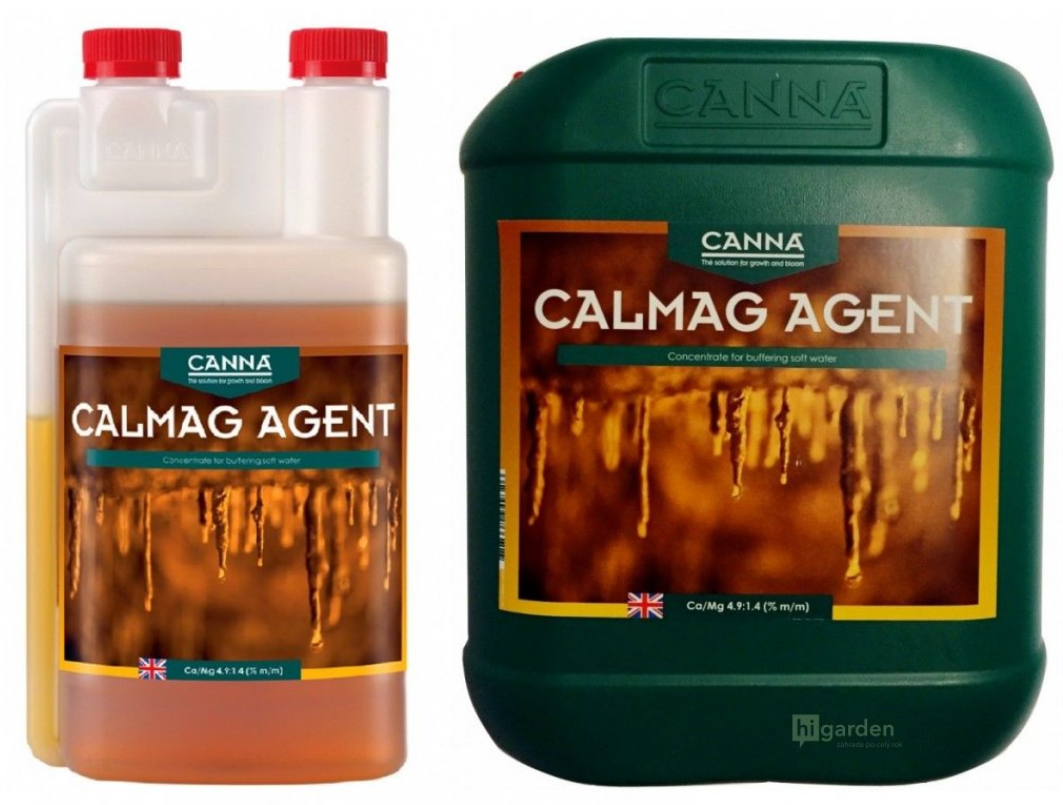
Deficiencies of calcium and magnesium, which we mention below, are effectively solved by CALMAG-type products, such as Canna Calmag Agent.
Calcium deficiency (Ca)
- Calcium has a crucial influence on overall plant development and stabilization.
- Its deficiency manifests mainly on the leaves as characteristic spots – small yellow-brown spots with a distinct brown edge.
- Other symptoms include short roots and curled or even “crumpled” leaves.
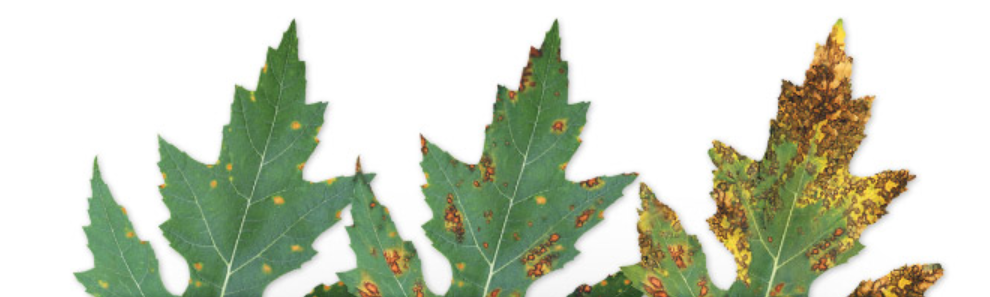
Magnesium deficiency (Mg)
- Magnesium, a building block of chlorophyll, must not be missing for plants to be photosynthetically active.
- Magnesium deficiency most often shows as rusty brown spots and yellow spots between the veins on leaves.
- Magnesium deficiency impedes iron absorption, which is also associated with leaf curling.
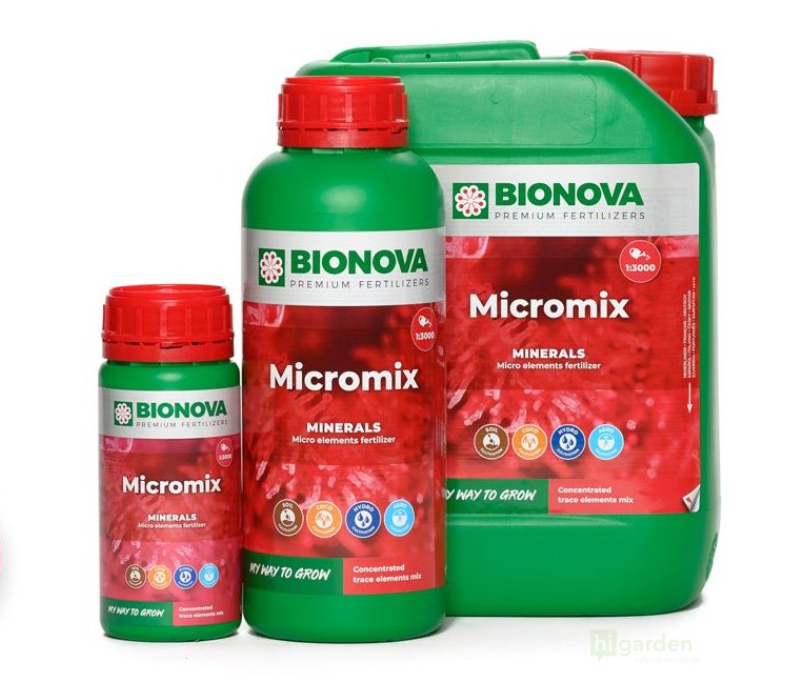
If you need to address a deficiency of any of the micronutrients listed below (iron, manganese, boron, zinc or molybdenum), use a balanced MicroMix to easily top up their levels and as a prevention against deficiencies.
Iron deficiency (Fe)
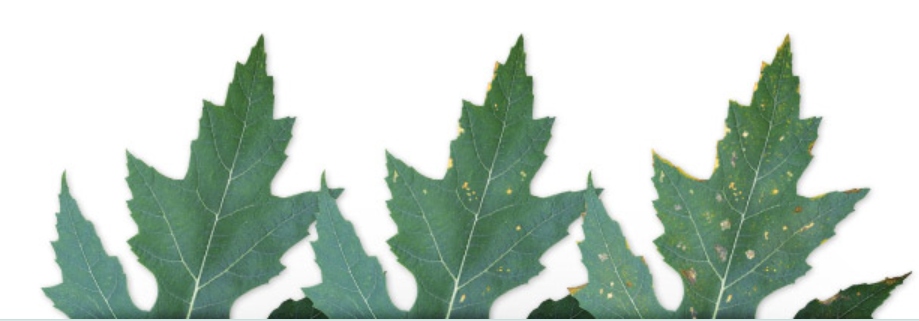
- Iron is a very reactive element and readily interacts with other nutrients, which is undesirable in plant nutrition, and therefore its deficiency is quite a common issue.
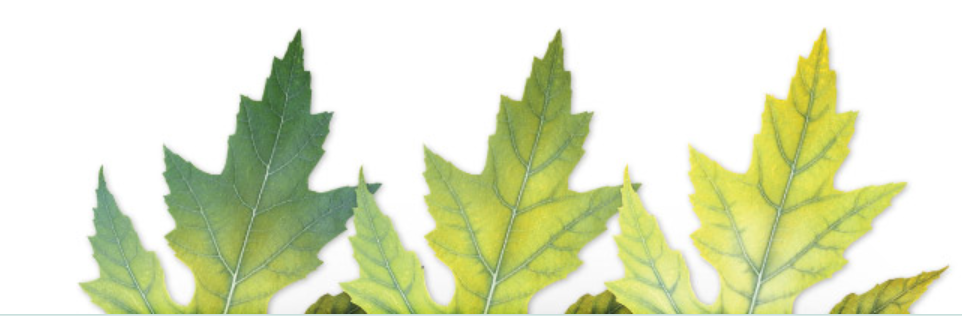
- Low iron levels in plants appear as yellowing of the leaves or yellow spots on leaves while the veins remain green. Leaves may become glassy-looking.
- Iron deficiency is often confused with magnesium deficiency in cultivation practice (see above). The difference is that iron deficiency affects only young leaves.
Manganese deficiency (Mn)
- Manganese deficiency shows most often in hydroponics.
- Common symptoms include dead yellowish tissue between the leaf veins while the veins themselves remain green.
Boron deficiency (B)
- Abnormally slow growth? Your plants may be lacking this trace element, which supports phosphorus accumulation in leaves and whose deficiency is one of the most widespread nutrient disorders worldwide.
- Boron deficiency can be recognized by small stems or curled leaves. It is also indicated by dying off of older leaves and growing tips.
Zinc deficiency (Zn)
- Zinc levels in many plants are very low; deficiency is most often seen as a yellowish area between veins starting at the leaf tips and edges. Leaves may be striped.
- Sometimes vertical growth is halted.
Molybdenum deficiency (Mo)
- Molybdenum is part of important enzymatic processes related to nitrogen assimilation. Early symptoms of its deficiency can resemble nitrogen deficiency.
- Molybdenum deficiency later shows as yellow speckles between leaf veins, followed by browning along the edges. In short, leaves may become spotted and mottled.
- A typical symptom of Mo deficiency is also inhibited flowering.
Copper deficiency (Cu)
- Copper deficiency most commonly manifests as dying edges and tips of leaves.
- The cause is often stress and poor pH of the soil.
- In hydroponics simply changing the water often helps.
Sulfur deficiency (S)
- This trace element’s deficiency also resembles nitrogen deficiency in external symptoms. You’ll see signs of chlorosis (yellowing of leaves) and usually significant growth arrest.
- Crops with higher copper requirements will benefit from the use of copper sulfate.
Carbon deficiency (C)
- Finally, carbon — the fundamental building block of the living world and an absolutely essential element for photosynthesis.
- Plants grown outdoors receive sufficient carbon from the air, but if you carry out indoor cultivation in a growbox, we recommend supplementing it with carbon dioxide. No Mercy tablets, which will support your plants’ development even if they do not yet show the signs typical for carbon deficiency below.
- Symptoms of carbon deficiency: white coatings appear on the underside of leaves and the plant generally stops growing.
If you need advice on supplementing your plants’ nutrition, feel free to contact us and we will gladly advise you. We look forward to your questions at the usual address info@higarden.cz.
We recommend these products:
- Canna Calmag Agent (from 369 Kč)
- Canna PK 13/14 (from 149 Kč)
- BioNova MicroMix (micronutrients) (from 279 Kč)
What to read next?
- A+B fertilizers — why isn’t it in one bottle?
- How to deal with plant diseases?
- Plant cultivation and carbon dioxide. How and why to use it?