
Summering is over. Move houseplants back indoors.
Summer is ending and with it the time when some popular types of houseplants could spend the summer outdoors. Outside they safely gathered life‑giving energy from fresh air, natural sunlight and warm summer rains. During September it's time to move houseplants back into the apartment. How can you do this so they survive the return indoors in the best possible condition?
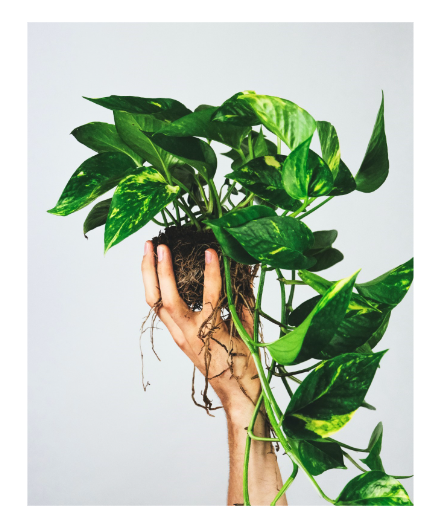
Typical houseplants that particularly benefit from the aforementioned summering outdoors include cacti and succulents. Also among them are ficuses, hibiscus, aglaonemas and yuccas, for example. If you left them outside over the summer, they have absorbed a lot of new strength that will allow them to bring you even more pleasure during the long winter months. However, if you fail to move them back inside carefully before the heating season begins, an unpleasant scenario may occur in which the leaves start to lose color or even fall off. And as is well known, weakened plants also become much more susceptible to various pests (see the separate article: How to deal with pests?).
Returning indoors is not an easy matter for a plant. On the contrary — sometimes it's quite a shock. Different temperature, light intensity or air humidity — these are all factors, or significant changes, that are often overlooked, even though some types of houseplants are quite sensitive to them. That's why we should make this "move" easier for our houseplants. The best approach is to do it gradually (see below).
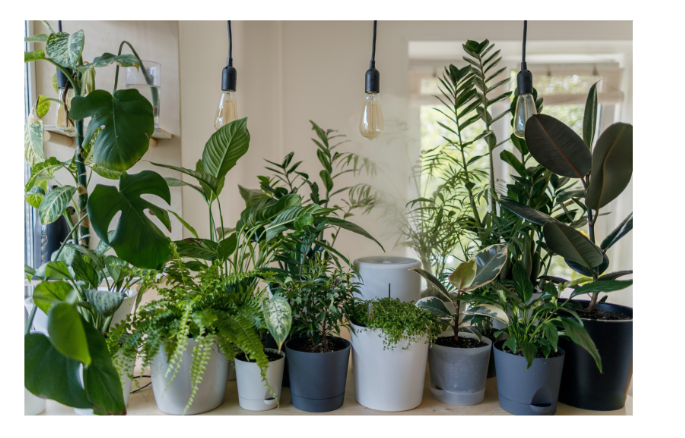
- First of all, you need to carefully inspect all houseplants that have been outside over the summer and look for any pests. If one of your plants is infested, you will most often notice it by looking at the underside of its leaves, where pests that attack houseplants most commonly hide.
OUR TIP: AgroBio INPORO is a natural product that protects green houseplants during pest outbreaks or fungal diseases.
- night temperature. Once it drops below 10 °C, it's high time to put the houseplants to safety, and if they are tropical species, bring them in even earlier to be sure!
- But don't rush! A proven procedure is to change the outdoor location before moving the plants indoors. First move the plants from a sunny spot to a shadier one.
- Wait a few days, and then you can safely move the houseplants to a cooler room. Avoid the common mistake of moving them straight to a windowsill or a short distance from a heater.
- Now you need to set the right routine for the houseplants. Do this mainly by reducing watering to the absolute minimum. During winter houseplants receive much less light and enter a period of vegetative rest. Therefore they need less water and fertilizers. If you notice yellowing leaves or poorly rotting roots, you're probably overwatering.
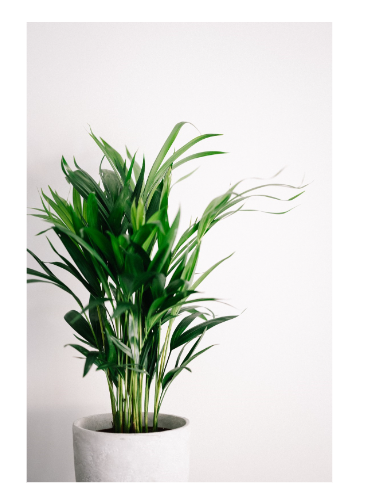
Sometimes it's remarkable how much summering on fresh air benefits houseplants — they literally brighten up before your eyes. Besides becoming hardier and generally more resilient, they also develop firmer leaves and sometimes larger, more beautiful flowers. As they grow, their original pot may no longer be sufficient. In such cases they will overwinter better if you don't wait until spring (the classic time for repotting) to transplant them into a larger pot. The following separate articles will inspire you in choosing a new pot:
- How to choose a pot?
- Decorative, hanging and smart pots
OUR TIP: If you are looking for a fertilizer for palms, dracaenas or other types of green houseplants, try the mineral fertilizer FANTAZIE from the traditional Czech brand AgroBio. Thanks to the content of humic, stimulatory and anti‑stress substances, it greatly benefits these types of houseplants.
We also recommend these products:
- Chytrý květináč Cobble or Chytrý květináč Cobble Trio
- KP Kvetoucí pokojové rostliny 100ml
- AgroBio INPORO Zelené pokojové rostliny
What to read next:
- How to grow cacti and succulents?
- How to grow orchids?
- What is vermiculite and how to use it?